 Hui Lin
Quick Guide — What's Inside?
I've been guiding international visitors through China's high-speed rail system for over seven years. And honestly? The first time I rode it myself, I nearly missed my train because I couldn't figure out the ticket machine. Now I know every shortcut — and the traps that catch most tourists.
Here's the truth: Chinese high-speed rail is fast, clean, and punctual. But the buying process, the station layout, and the language barrier can turn it into a nightmare if you're not prepared. In this guide, I'll walk you through everything — from avoiding the infamous "wrong ticket" mistake to knowing exactly which platform line to stand in.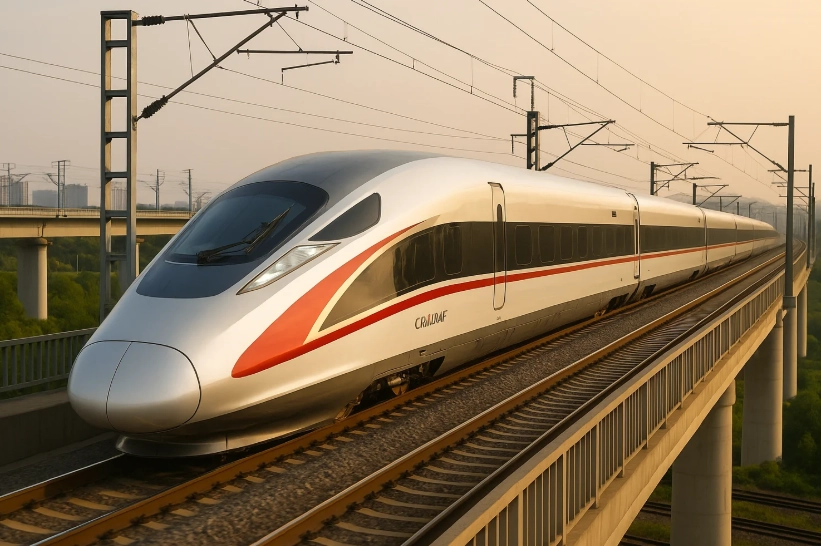
Before You Book: The Biggest Headaches
Let me save you the panic I saw on a German tourist's face last month. He tried to pay with his Visa card at the 12306 counter — no luck. Cash and Chinese mobile payments only for many ticket purchases. Here's what you need to know upfront.
Payment Methods That Actually Work for You
Alipay is your best friend. Link your international credit card to Alipay before you leave home. WeChat Pay also works, but Alipay is simpler for foreigners. At the station ticket office, some machines accept cash, but many don't. Pro tip: Always carry at least 100 RMB in small bills just in case.
ID Requirements: Your Passport Is Essential
Every ticket must be booked using your passport number. And when you board, you'll need to show the same passport. I've seen travelers turned away because their booking name didn't exactly match their passport. Double-check every character!
How to Buy Tickets Without Losing Your Mind
You have three options. I'll rank them from easiest to most frustrating.
Option 1: Use Trip.com (English-Friendly)
Trip.com is my top recommendation for first-timers. It's an English site (and app) that lets you book Chinese high-speed rail tickets with a small service fee. You'll pay with your credit card, and they'll send you an e-ticket. At the station, just scan the QR code from your phone at the turnstile. Yes — no paper ticket needed. I've used it dozens of times without a glitch.
Option 2: 12306 Official App (Chinese Only)
If you're adventurous, download the 12306 app. It's in Chinese, and registering requires a Chinese phone number and SMS verification. Honestly, skip it unless you read Chinese. I only use it when I'm helping locals.
Option 3: Station Ticket Counters (Last Resort)
You can buy at the station, but be prepared to wait. The counter staff may not speak English. Write down your desired train number, date, and class on a piece of paper—show it to them. And remember: they prefer cash or Alipay, not international cards.
Station Survival & Boarding
Chinese train stations are huge — Beijing South is like an airport terminal. Arrive at least 45 minutes early even if you have an e-ticket. Here's the step-by-step.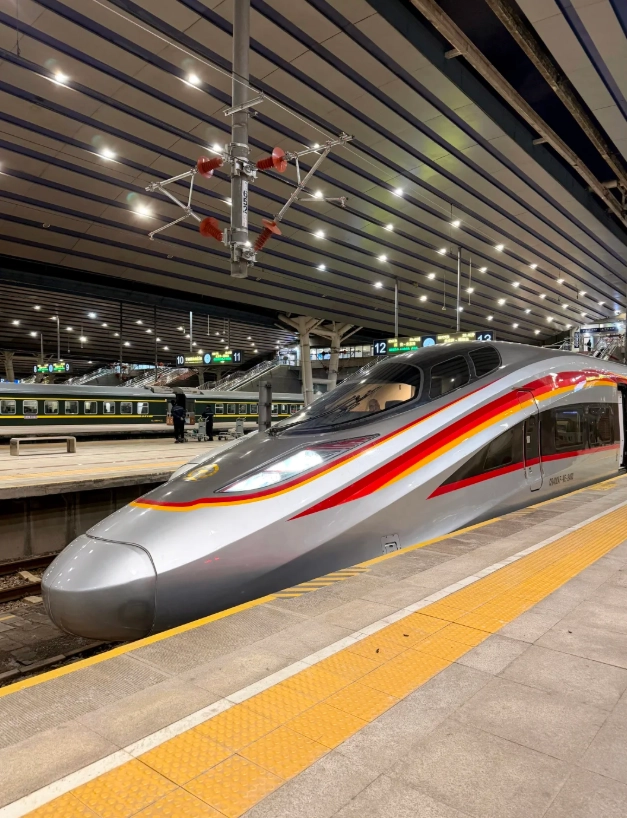
Security Check & Waiting Area
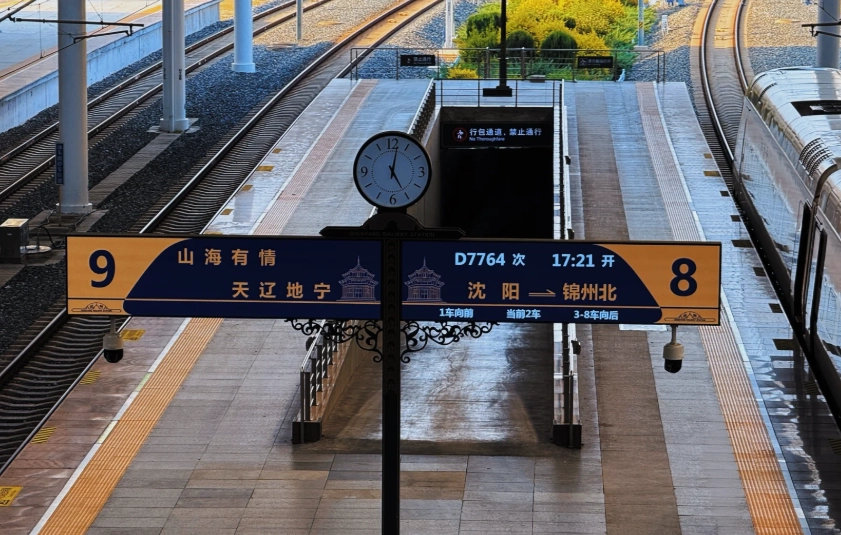
Security is quick but thorough. You'll pass through a metal detector, and your bags go through an X-ray machine. No liquids over 100ml? Not a problem — they allow water bottles. After security, find the giant electronic board showing train numbers and platform gates. Check the board frequently because gates can change at the last minute.
Finding Your Platform
Your ticket will list a carriage number and seat number. The platform entrance usually opens 15 minutes before departure. Follow the colored signs — they often match your train's route color. I always tell my clients: watch the crowd. When people start queuing, join them. It's a reliable signal.
What to Do If You Miss Your Train
Don't panic. Go to the ticket counter (or use the 12306 app if you have it) and ask for a "change" (改签 gǎi qiān). You can usually switch to a later train on the same route for a small fee. I've done this twice — it works.
Onboard: What to Expect
The trains are modern, quiet, and super clean. But there are nuances.
Seat Classes & Comfort
| Class | Typical Price (Beijing–Shanghai) | Legroom | Best For |
|---|---|---|---|
| Second Class (二等座) | ~550 RMB ($75) | Good — similar to economy flight | Budget travelers, short trips |
| First Class (一等座) | ~930 RMB ($130) | Generous — 2+2 seating, more space | Couples, longer journeys |
| Business Class (商务座) | ~1,750 RMB ($240) | Huge — fully reclining seats | Luxury, overnight trips |
I always recommend First Class for journeys over 3 hours — the extra space is worth it. And book seat numbers in carriage 5 or 6 for a quieter ride (those are often staff carriages with less passenger flow).
Food & Amenities
There's a dining car but the food is mediocre. I suggest grabbing a bento box from a convenience store (like FamilyMart) before boarding. Onboard, you can buy snacks and drinks via a QR code on the armrest — they'll deliver to your seat. WiFi is available but slow; better to download shows in advance.
Top Routes & Time-Saving Hacks
Here are three routes I recommend most often, with specific tips to save time.
Beijing–Shanghai (4.5 hours)
Fastest route. Trains depart Beijing South every 15 minutes. Pro tip: Choose train numbers starting with G (高铁) — they're the fastest. Avoid D-trains (动车) which stop at more stations. For sightseeing, the 8:00 AM departure gets you to Shanghai around 12:30 PM — perfect for a half-day city tour.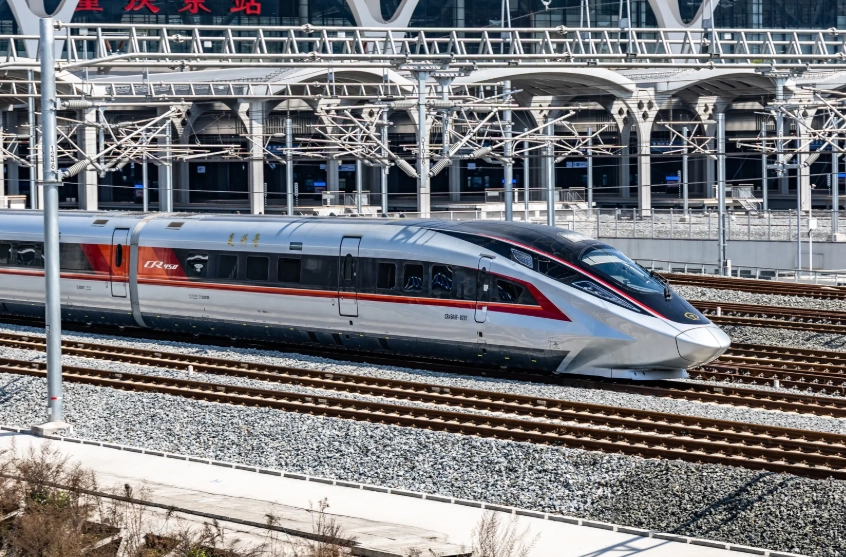
Shanghai–Hangzhou (1 hour)
A quick hop. Book a seat on the left side (window A or B) when traveling from Shanghai; you'll get a glimpse of rice paddies and canals. Arrive at Hangzhou East station, then take Metro Line 1 to West Lake (about 30 min).
Beijing–Xi'an (4.5 hours)
For the Terracotta Warriors. Buy a combined ticket on Trip.com — they often include a transfer from Xi'an North station to the museum. Save you at least 40 minutes of haggling with taxi drivers.







Fantastic article! I've been using HSR for years, but this even taught me a few tricks—like buying tickets in advance via official channels and the exact baggage measurements. The tone is friendly, no fluff, and the trap warnings are hilarious because they're true. The section on refunds and rebooking is worth bookmarking. Highly recommend.
As a first-time visitor to China, I was terrified of the high-speed rail process. This guide broke it down perfectly: where to stand, how to read the board, what the announcement chimes mean. The 'tourist trap' list is real—I saw people being hassled by those fake English-speaking drivers. Everything is accurate as of my trip last month. Brilliant.
This guide honestly saved my trip! I had no idea you needed your actual passport, not a photo, and that screenshots of QR codes don't always work. The tip about avoiding the 'private shuttle' touts outside Beijing South was worth it alone. I felt like a local even though I was jetlagged and clueless. 5/5, sharing with everyone.
Really practical walkthrough for first-timers. The passport check and the queue-jumper warnings were spot on. I'd have liked a bit more on connecting to smaller cities, but the screenshots and station layout pointers made my Beijing-Shanghai trip stress-free. Solid 4 stars.
Decent starting point, but I wish it had more on the 12306 app's English interface. The tourist trap warnings are pretty basic—anyone can figure out not to take taxis from the train station. One tip about buying same-day tickets saved me though. Okay, but not the complete guide I hoped for.
I'm not a seasoned traveler, so I was nervous about navigating high-speed rail alone. This guide made it simple: I used the train app tip, skipped the ticket window, and went straight to the self-service machine with my passport. Security screening was quick, and no one tried to scam me because I knew exactly what to ignore. The smell of sesame oil noodles from the station food court was an unexpected bonus. Absolutely worth reading before you go.
As a couple traveling with two suitcases, the advice about arriving 45 minutes early and using the wide luggage passage was a lifesaver. The tourist-trap section is spot-on—in Xi'an, a taxi driver tried to convince us our station was closed, but we showed him the screenshots from this guide and he shut up. The train-class comparison also helped us pick first-class on the Chengdu–Chongqing route. Honestly, this was the most useful travel article we saved the entire trip.
We nearly bought overpriced tickets through our hotel concierge in Beijing. This article walked me through the whole process—down to which app to use, how to scan my passport, and why you should ignore anyone who grabs your suitcase near the exit. Followed it at Beijing South Station, and the red signs with train numbers matched perfectly. I felt like a local getting on. It saved us time, money, and a lot of confusion. Highly recommend, read it before you go!
I read this before my Beijing-Xi'an trip and honestly the 'tourist traps' part was gold—I ignored three separate 'your train is cancelled' touts. Only reason I'm not giving it 5: it doesn't mention that even after booking online, you sometimes need to use your physical passport at the self-service machine, and the machine rejected mine twice before a station worker stepped in. Very clear on arrival times and platform etiquette, though. A solid guide that saved me a lot of stress.
Was hoping for up-to-date ticket info after reading a few horror stories. The tourist-traps section is decent—definitely saved me from buying a 'fast track' ticket from a tout outside Shanghai Hongqiao. But the actual ticket-buying steps felt a bit generic. I still ended up at the counter, and the staff didn't speak much English. The guide mentions using Trip.com, but not the official app quirks with passport QR code scanning. It worked, just not as smoothly as I expected. Okay for first-timers, but don't set your hopes too high.