 Ming Yang
"Is that safe to eat?" — the first question I hear from every foreign client as we approach a steaming cart on a Beijing hutong street. My answer? You're missing the best part of China if you skip street food.
I've been guiding tours across China for nearly a decade, and I've watched countless tourists walk past legendary stalls because they didn't know how to order or worried about hygiene. Let me fix that right now: Chinese street food must try includes these 10 dishes that I personally eat weekly, and I'll tell you exactly how to find them, order them, and avoid the tourist traps.
Here's the short version: head to any night market (like Wangfujing in Beijing or Muslim Quarter in Xi'an), focus on stalls with lines of locals, and stick to freshly cooked items. Now let's dive deep.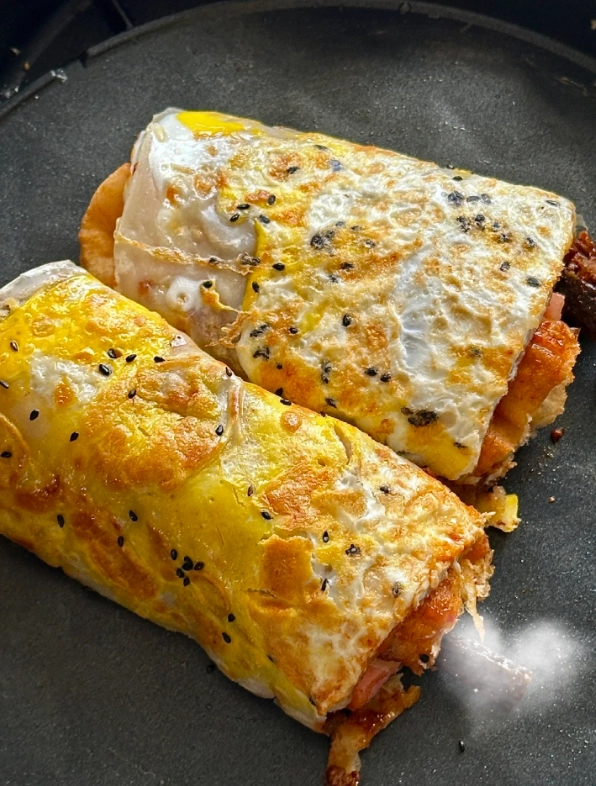
Quick Navigate — What You'll Discover
My Top 10 Chinese Street Foods Must Try
Every dish here has been tested by me and approved by dozens of foreign travelers. I've ranked them by "wow factor" and ease of finding.
| Rank | Dish (English) | Chinese Name | Typical Price (CNY) | Where to Find |
|---|---|---|---|---|
| 1 | Jianbing (Chinese Crepe) | 煎饼果子 | 8–15 | Morning street corners, Tianjin/Beijing |
| 2 | Chuan'r (Lamb Skewers) | 羊肉串 | 3–10 per skewer | Night markets everywhere |
| 3 | Xiaolongbao (Soup Dumplings) | 小笼包 | 12–25 (6 pieces) | Shanghai, Nanjing road stalls |
| 4 | Roujiamo (Chinese Hamburger) | 肉夹馍 | 8–15 | Xi'an Muslim Quarter, Shaanxi |
| 5 | Stinky Tofu | 臭豆腐 | 10–20 | Changsha, southern night markets |
| 6 | Liangpi (Cold Skin Noodles) | 凉皮 | 8–12 | Xi'an, Lanzhou, summer stalls |
| 7 | Dandan Noodles | 担担面 | 10–18 | Chengdu, street-side noodle carts |
| 8 | Tanghulu (Candied Hawthorn) | 糖葫芦 | 5–10 | Winter street carts, Beijing |
| 9 | Baozi (Steamed Stuffed Buns) | 包子 | 2–5 each | Breakfast stalls nationwide |
| 10 | Egg Waffle (Gai Dan Zai) | 鸡蛋仔 | 8–15 | Hong Kong style stalls, southern cities |
1. Jianbing — The Ultimate Breakfast Grab
This is the one dish I drag every jet-lagged client out of bed for. A thin crepe made from mung bean batter, spread with egg, crispy fried wonton, scallions, cilantro, and a sweet-spicy sauce. It's savory, crunchy, and wrapped in paper to eat on the go. Pro tip: ask for "jia la tiao" (add a fried chili stick) if you want heat. Cash only at most morning stalls — keep small bills handy.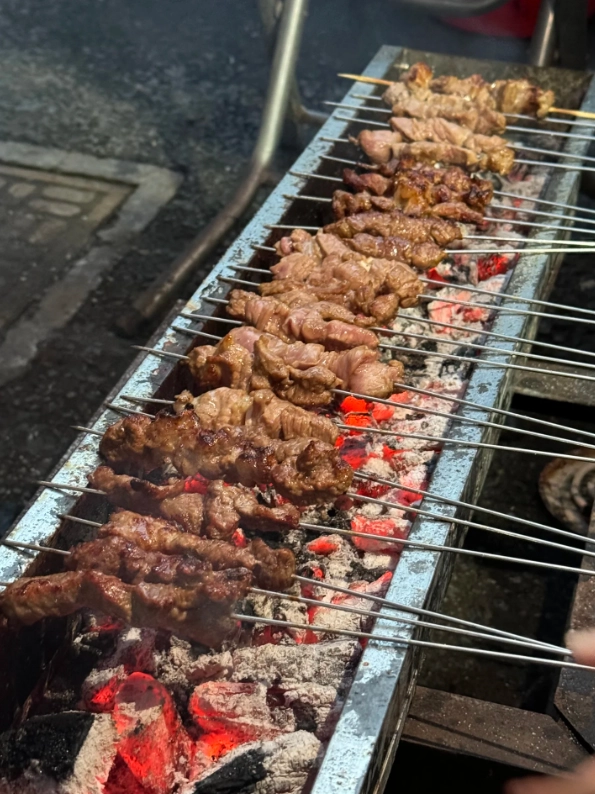
2. Chuan'r — The Nightlife King
Spiced lamb skewers grilled over charcoal, dusted with cumin and chili. You'll find them at every night market, often sold by Uyghur vendors. The smoke smell alone will pull you in. Insider advice: order 10 skewers at once (they go fast). Never pay more than 5 CNY per skewer in smaller cities; in Beijing tourist zones it can be 10. Use your phone to show the vendor "10 skewers" — they understand numbers.
How to Order Without Speaking Chinese
Here is the trick that saves my clients daily: point at what others are eating and say "yī gè" (one). Most street food stalls don't have English menus, but they're visual. You can also use Google Translate (with Chinese character recognition) or Baidu Translate. I always download the offline Chinese pack before heading out.
Another pro move: carry a small card with your dietary restrictions written in Chinese. For example, "No sugar" (bú yào táng), "No MSG" (bú yào wèijīng), or "Vegetarian" (sù shí). I've had a card laminated for years — it's saved me from accidentally eating lard many times.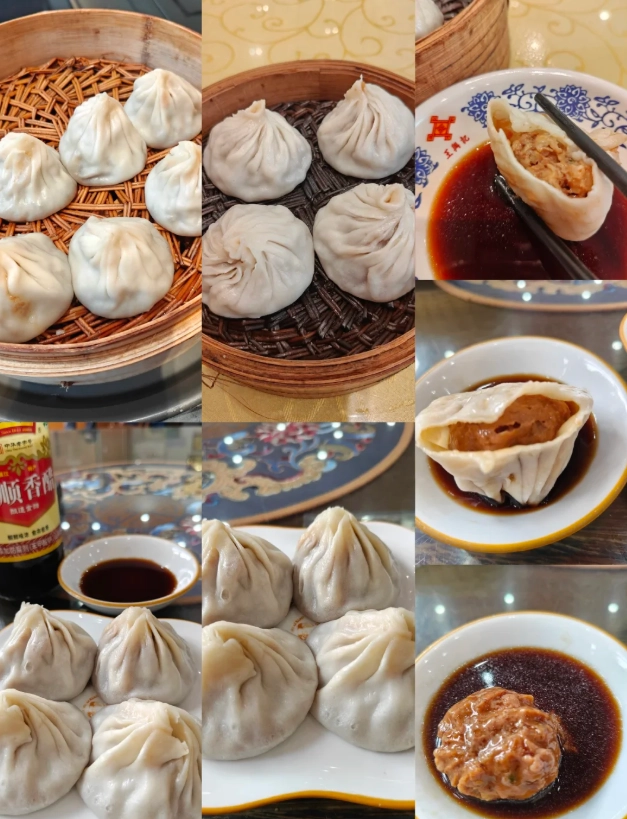
Payment & Hygiene: Two Biggest Worries Solved
Most street stalls only take WeChat Pay or Alipay, not international cards. If you haven't set up Alipay with your foreign card, do it before you arrive — it's a lifesaver. Cash works at about 30% of stalls, but they won't have change for large bills. Keep 10 and 5 CNY notes handy.
Now for hygiene: I'm not going to BS you. Some stalls are dirtier than others. Stick to busy stalls (high turnover = fresher ingredients), avoid raw cold dishes unless you see them being prepped fresh, and always carry hand sanitizer. I've personally never gotten sick from street food in 9 years — but I avoid pre-cut fruit sitting out for hours.
Best Night Markets for Street Food
If you only visit one night market, make it Xi'an Muslim Quarter. The food there is legendary: Roujiamo, Liangpi, and countless skewers. In Beijing, the Wangfujing Night Market is touristy but still has genuine items (skip the scorpions — they're a gimmick). In Chengdu, Jinli Ancient Street gives you Sichuan specialties like spicy rabbit head and Dandan noodles. Open from 6 pm to midnight typically.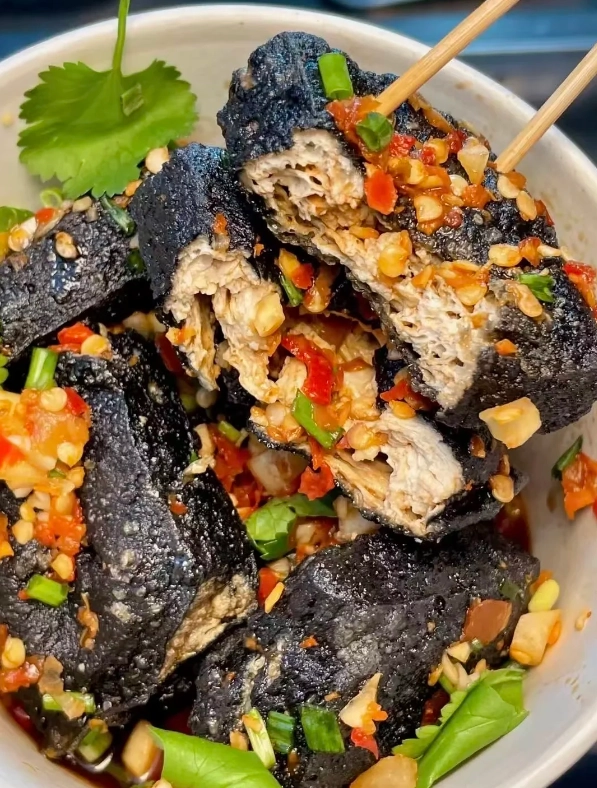
Real Questions I've Answered a Thousand Times
Verified and fact-checked by the editorial team. All prices and details reflect common street food practices as of the latest update.






As someone who normally plans every meal months in advance, this guide convinced me to just walk up to a random stall and point at what looked good. I loved the practical advice about using phone notes to communicate and sitting close to the action. I tried the lamb skewers from a sweating man in Xi'an who kept spinning the meat over glowing coals, and it was the best bite of my whole trip. The article captured that exact energy. It's not just a list; it's a little travel journal. I've already recommended it to three friends.
I've been in Guangzhou for six months, and this is the article I now send to every relative who visits. It avoids the overhyped tourist stuff and focuses on what locals actually eat. The story about the griddle and the crispy edges from the scallion pancake made me salivate while reading. My mom was terrified of street stalls, but after reading this she walked right up and ordered a bubble milk tea and a skewer. The writing is vivid, funny, and genuinely useful. Five stars, no hesitation.
This article is exactly what I needed before my first trip to Chengdu. It makes you feel like you're already standing on a busy street with steam coming out of a metal wok. I sent it to our group chat and we ended up trying nine of the ten dishes! The only one we couldn't find was the last one, but that was because we didn't want to leave the city center. The warnings about hidden cilantro and burning yourself on soup are spot on. Honestly, I think this should be required reading for any foreigner heading to China.
Really solid starting point for anyone nervous about eating street food in China for the first time. I love the simple descriptions and the way it doesn't assume you know what everything looks like. The part about not judging food by its smell was actually super helpful. Lost one star because I wanted rough price ranges and maybe a suggestion for which cities do each dish best. Still, I used this article on my trip and it made me brave enough to try the jianbing from a cart near my hostel. Definitely worth a read.
Not a bad read, but I expected a bit more depth. I've been living in Beijing for two years, and this list feels like it was written for someone staying in a big hotel for three days. It includes the usual suspects, but it completely skips the proper Xinjiang lamb skewers that you can find at almost every night market, and it doesn't mention that some stalls only open after 9pm. I also wish it had a heads-up about spice levels for people who can't handle heat. As a super basic intro it works, but I wouldn't call it a true 'must try' guide.
As a flight attendant, I've eaten street food in maybe 20 countries—and this is the list I'd hand to my crew. It gets the mix right: textures, flavors, prices, and the whole 'eat it while standing on a plastic stool' vibe. The xiaolongbao and the crispy jianbing were my highlights. Love that it celebrates real street food, not tourist spots.
This article pushed me out of my comfort zone in the best way. I convinced my husband to try stinky tofu and cumin lamb skewers with us, and we ended up going back to the same food street every single night. The descriptions made it easy to know what to look for, even with the language barrier. Perfect first-timer guide.
Read this before a weekend in Shanghai and it was exactly what I needed. I found a street cart for roujiamo based on this article and it was unreal—crispy bread, juicy pork, no tourists anywhere. The whole thing felt honest, not like a fancy food blog. Already sent it to two friends heading to Beijing.
Solid intro for someone new to Chinese street food. I already knew a few of these, but the article reminded me to track down jianbing and roujiamo, and both were spot on. I'd add a warning about how spicy chuan'r can be, but overall this is a very useful list to share with friends visiting China.
Used this as a checklist during my Chengdu trip. The ten dishes are legit, but I was expecting more regional details and maybe photos to help identify them. I ordered stinky tofu and wasn't ready for the smell—maybe that's on me. It's a decent starting point, but not the 'must-try' guide I had in my head.