 Ming Yang
What's Inside This Guide
I still remember the first time I stepped out of Jiefangbei subway station. My phone told me I was on the ground floor — but I was actually on the 10th floor of a building. That's Chongqing for you. A city where your GPS goes haywire, where a highway literally runs through a residential complex, and where "elevator" becomes a legitimate mode of transport. This isn't just a city; it's a real-life Escher painting. And if you're planning to visit, you need a strategy — not just a map. Because in Chongqing, maps lie. The roads stack, the rivers twist, and the altitude changes faster than you can say "8D."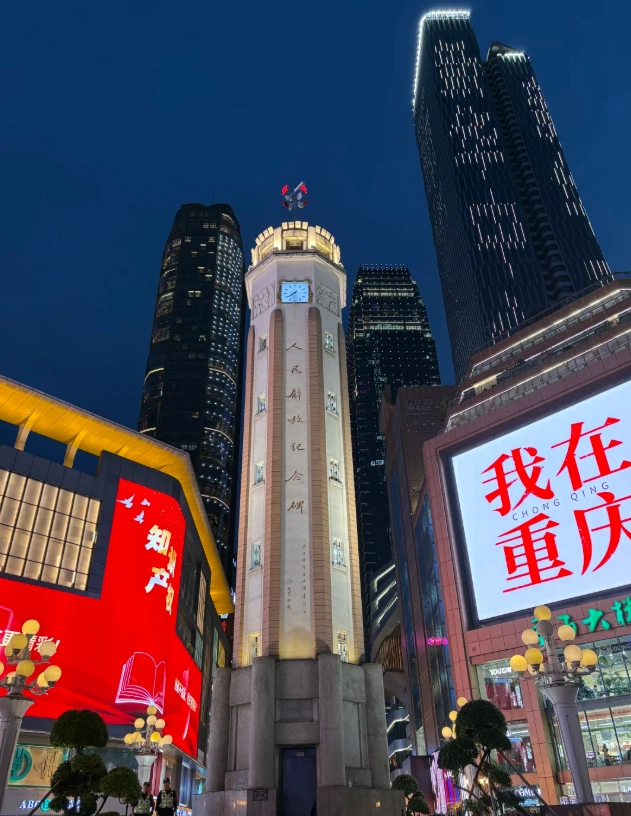
Why "8D"? The Mind-Bending Geography
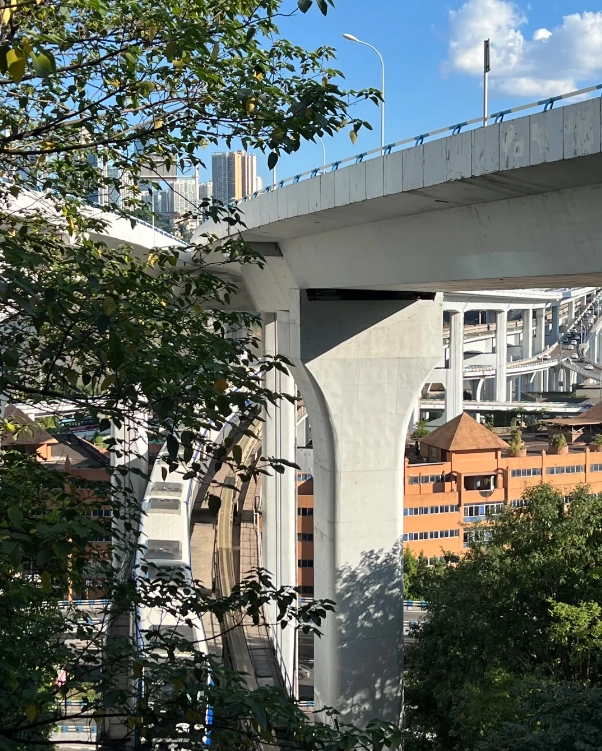
Chongqing sits on a mountainous terrain where the Yangtze and Jialing rivers meet. The city center is carved into hills, forcing architects to build on top of each other. The result: a multi-layered urban jungle where the same street address can refer to different elevations. The term "8D" isn't official — it's a nickname locals use to describe the city's extreme verticality. Think of it as a 3D city with extra dimensions of confusion. Roads cross over buildings, subway lines run under rivers, and pedestrian bridges connect floors that don't align. For a foreign visitor, it's thrilling but also easy to get lost.
Getting Around: Subways, Taxis, and Your Feet
Subway: Your Best Friend
The Chongqing Metro is clean, cheap, and English-friendly. Most station signs have English, and the system covers all major attractions. Buy a single-ride token from the machine (cash accepted) or use Alipay's transport feature. Avoid Google Maps here — it's notoriously inaccurate. Use Apple Maps or the metro's official app (Chongqing Metro, though Chinese-only). Download the app or just look for the network map in stations. Pro Tip: Line 2 and Line 1 are your main sightseeing lines. Line 2 runs along the Jialing River with incredible cliffside views.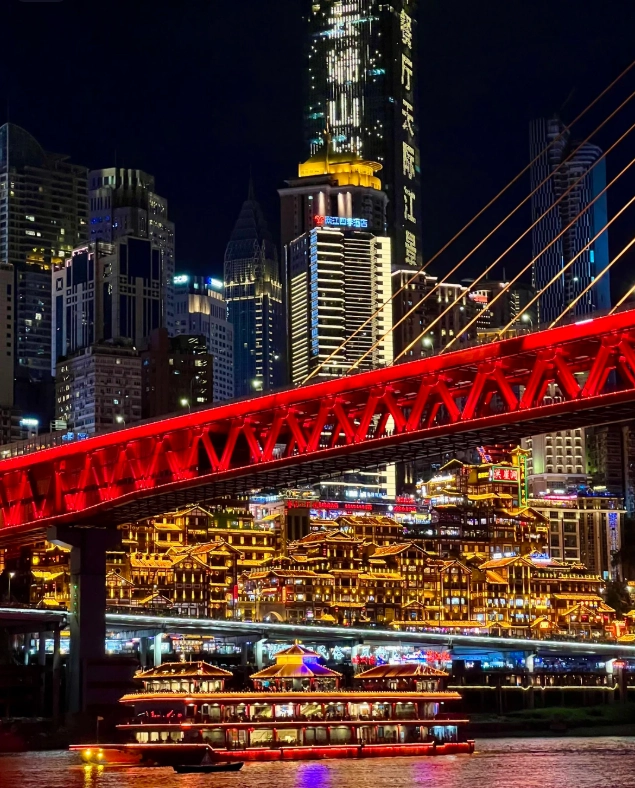
Taxis and Ride-Hailing
Taxis are cheap (starting around 10 RMB), but drivers rarely speak English. Always have your destination written in Chinese characters on your phone. For ride-hailing, Didi (use the international version or ask a local to help) works well. Avoid hailing taxis during rush hour (5–7 PM) — you'll be stuck in traffic that defies logic. Instead, take the subway.
Walking: Prepare for Elevation Changes
Chongqing is not a flat city — you'll climb stairs constantly. Bring comfortable shoes. When the map says 500 meters, it might take 20 minutes because you're climbing 50 flights of stairs. Many pedestrian walkways are lined with escalators, but some are out of order. A good rule: if you see a tunnel or an overpass, take it. Don't trust your GPS distance. I always tell my clients: "Expect your legs to feel like you did a mountain hike by the end of the day."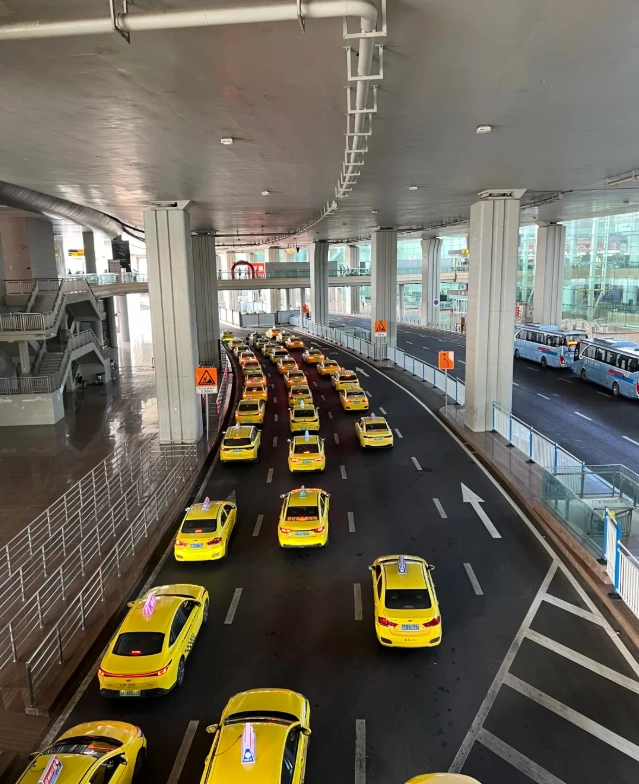
Must-See Attractions That Define 8D
1. Hongya Cave (洪崖洞)
This sprawling complex of traditional stilted houses is the poster child of Chongqing's 8D effect. From the street level (11th floor), you enter what looks like a shopping mall. But take the elevator down (free, but queues can be 20 minutes), and you'll emerge at a different street level (1st floor) right on the river. At night, the golden lights create a fairy-tale scene. Address: No. 88, Jiefangbei Cangbai Road, Yuzhong District (解放碑沧白路88号). Hours: 9:00 AM – 11:00 PM. Admission: Free, but weekend evenings can be super crowded. Best time: arrive at 6 PM, watch the lights turn on, then grab dinner nearby.
2. Yangtze River Cableway (长江索道)
A dangling cable car that crosses the Yangtze River — an absolute must for 8D views. You'll see the city skyline from a bird's-eye perspective, the bridges, and the chaotic traffic below. Address: North Station at No. 153, Xinhua Road, Yuzhong District; South Station at No. 1, Shangxin Street, Nan'an District. Hours: 7:30–22:30 (last entry 22:00). Ticket: 20 RMB one-way, 30 RMB round-trip. Buy on-site with cash or Alipay. Expect a 15-minute queue on weekdays, 30+ minutes on weekends. My tip: Go at sunset (around 6 PM in summer, 5 PM in winter) for golden-hour photos.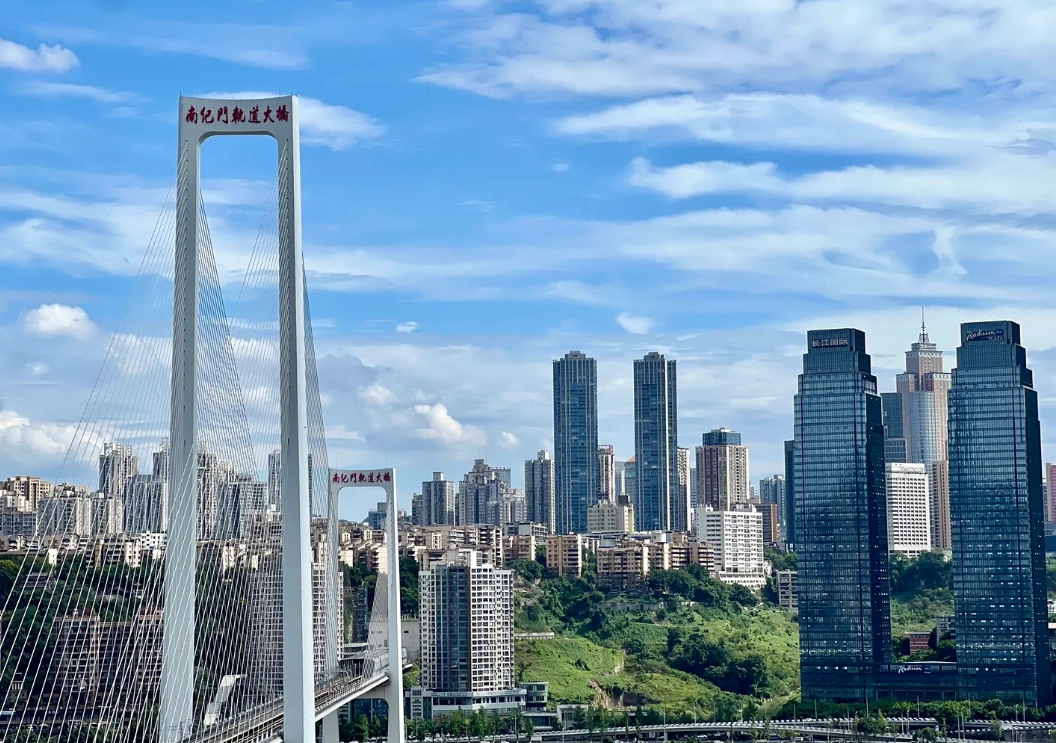
3. Liziba Station (李子坝站) — Light Rail Through a Building
This is the viral spot where the subway runs straight through a residential tower. Take Line 2 to Liziba Station, get off, and go to the ground-level viewing platform. Trains pass every few minutes. It's fun to watch but only takes 10 minutes. Address: Liziba, Yuzhong District (李子坝正街39号). Free. Best time: any time except noon when the sun is harsh.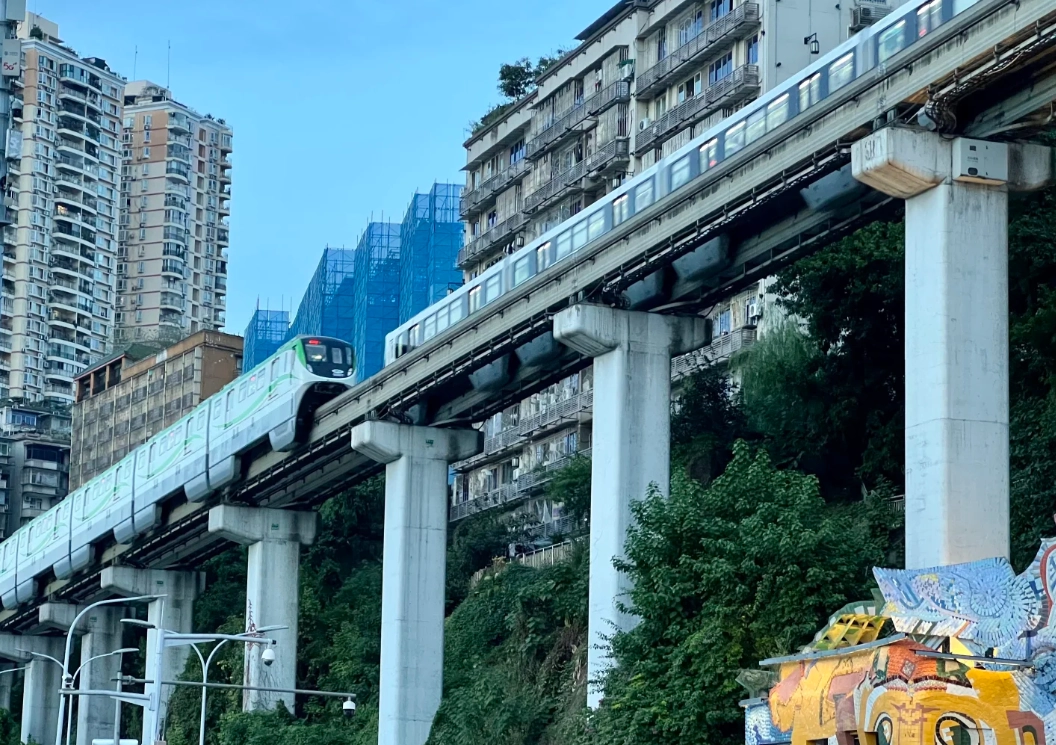
4. Eling Park (鹅岭公园)
A quiet hilltop park with a stunning view of the two rivers merging. It's less crowded than other spots. Address: No. 176, Eling Main Street, Yuzhong District. Hours: 8:00–22:00. Admission: Free. Allow 1–2 hours. Perfect for a morning walk before the city gets hot.
Sample 2-Day Itinerary for First-Timers
| Day | Time | Activity | Transport | Note |
|---|---|---|---|---|
| 1 | 9:00 AM | Breakfast at Jiefangbei (解放碑) – try local noodles (小面) at a small shop | Walk from hotel | Look for queues: locals know the best spots |
| 1 | 10:00 AM | Explore Jiefangbei square and walk to Hongya Cave (20 min walk) | Walk | Arrive before 11 AM to beat crowds |
| 1 | 12:00 PM | Lunch near Hongya Cave – try Chongqing hotpot (avoid the tourist traps on the main street) | Walk | Ask for "微辣" (mild spicy) if you're not used to heat |
| 1 | 2:00 PM | Take subway Line 2 to Liziba Station (20 min), watch the train pass | Subway | Allow 30 min total |
| 1 | 3:30 PM | Subway back to Yangtze River Cableway (North Station) – ride to south side | Subway + cable car | Queue up now – afternoon is less busy |
| 1 | 5:00 PM | Walk along the Nanbin Road (南滨路) riverside promenade – great photo spot | Walk | Sunset around 6 PM |
| 1 | 7:00 PM | Take cable car back (or taxi) – dinner at a hotpot restaurant in Jiefangbei area | Cable car/taxi | Reserve ahead for popular places like Haidilao (海底捞) |
| 2 | 8:00 AM | Take taxi to Eling Park (20 min) | Taxi | Ask driver to take you to the main gate |
| 2 | 10:00 AM | Visit Three Gorges Museum (三峡博物馆) near People's Hall – free, English exhibits | Taxi or subway | Requires passport entry, no reservation needed for foreigners sometimes |
| 2 | 1:00 PM | Lunch in the city center – try a cold noodle shop (凉面) | Walk | Spicy, but refreshing |
| 2 | 2:30 PM | Take subway to Ciqikou Ancient Town (磁器口) – a bit touristy but fun for souvenirs | Subway Line 1 | Crowded on weekends; go early |
| 2 | 5:00 PM | Return to hotel, rest | Subway | You'll be tired! |
| 2 | 7:00 PM | Night view cruise on the Yangtze – book through hotel or Trip.com | Walk to dock | Duration 1 hour, around 80 RMB |
Where to Eat: Chongqing's Spicy Soul
Chongqing is the home of hotpot (火锅) and noodles that will set your mouth on fire. But if you're not a spice lover, don't worry — there are mild options. Here are three places I personally take my groups:
- Zhu Laosan Hotpot (朱老三火锅) – A local favorite, not on the main tourist streets. Address: 15 Changjiang 2nd Road, Yuzhong District. Price: 60–80 RMB per person. They have a mild "鸳鸯锅" (divided pot) with a non-spicy broth. Cash or Alipay only. Come before 6 PM to avoid a 1-hour wait.
- Hu Xiao Er Hotpot (胡小二火锅) – Near Hongya Cave, but hidden on the 3rd floor of a small building. Ask your hotel to write the address in Chinese. English menu available. Price: 80–100 RMB per person. My must-order: their sliced beef tendon (牛筋).
- Street Noodles at Wang Xiaobao (王小宝小面) – A tiny hole-in-the-wall near Jiefangbei. Look for a red sign. The noodles are cheap (15 RMB) and authentic. Cash only. They have a "no spicy" option (不辣) but it's still a bit numbing.
Frequently Asked Questions
This content has been fact-checked to ensure informational precision. Prices and hours are based on guidance from local tourism boards and personal experience. Always confirm at the venue for the latest updates.

If you're an architecture nerd or just love weird cities, this is your place. The layered streets, the tunnels that open into malls, the monorail slicing through an apartment block—every corner broke my brain. I also loved the section about how the city's geography shaped the food culture. Standing on a 22nd-floor courtyard and looking down at a street thrumming with life below? Unforgettable. Absolutely 5 stars.
Booked this as a layover day trip and it absolutely rewired my brain. Walking across the bridge between two high-rises felt like being in a dream. The food markets underneath the overpasses, the smell of chilli oil and steam, the neon signs reflecting off the Jialing River—Chongqing is pure sensory overload. The navigation tips in this article are worth it alone. Already planning a return.
I can see why people love it, but I found it more exhausting than magical. The '8D' concept is real, but if you're not comfortable with endless stairs and unmarked exits, it gets old fast. Some of the spots mentioned in the article were closed when I tried to visit—probably because the city changes quicker than the guide updates. The night view from Hongya Cave was nice, but I spent half my day just trying to figure out which level I was on. Maybe with better planning I'd feel differently.
Great experience overall, but be prepared for the crowds. Every viewpoint promises a wow moment, and it delivers—especially the cable car over the Yangtze. The only reason not a 5: the signage is terrible even with a good offline map, and the metro elevators to exit can add an extra 15 minutes. Still, this guide helped me find a few hidden rooftop spots I'd never have discovered on my own. Strong 4.
Absolutely loved every confusing, vertical moment. The way the roads stack on top of each other, the light rail slicing through a residential block, the escalators that take you up a mountain—there's nothing else like it. Got lost twice and ended up on a rooftop parking lot that was actually the 15th floor of a mall. Bring comfy shoes. The views from Hongya Cave at night are unreal. This is not a city, it's a video game.
Best travel article I've read this year, hands down. It doesn't just list landmarks; it captures the entire atmosphere of Chongqing - the humidity making the stairs slick, the smell of baozi drifting out of tiny doorways, the hum of the monorail right above your head. The part about the 'elevator to nowhere' that actually leads to a street totally blew my mind. I've been recommending it to all my travel buddies, even the ones who'd never consider China as a destination. This is how travel writing should be done: personal, quirky, and deeply informative.
As someone who's only read about Chongqing from a distance, this article genuinely blew my mind. The way it describes the intertwining of metro lines, escalators, and mountain trails makes you feel like you're inside a sci-fi movie. I loved the section on the 'lost tourists' appearing at exits that defy logic. The author also has a knack for weirdly beautiful analogies - the night view over Yangtze River being a 'glowing barcode' has stuck with me. Highly recommended, and now I'm seriously considering a trip just to test the 8D theory myself.
Finally, someone managed to put the '8D' madness into words! I've lived here for two years and no one could explain the logic until now. The comparison of the city to a wedding cake with streets hidden inside the layers is dead-on. The author's personal experience getting lost near Caiyuanba Bridge felt so familiar - it's like a rite of passage. This article made me appreciate Chongqing even more. Absolute must-read for anyone trying to wrap their head around this vertical labyrinth. I'm sharing it with every friend who visits.
Solid article overall. The author clearly knows the city and the bit about Liziba station where the train shoots through a residential tower gave me quite a chuckle. I just wish there were more clear explanations or maybe a simple diagram for the various staircases and ramps - the two photos embedded didn't quite cut it. The part about Hongya Cave being eleven floors of illusion was well-written, though. If you're already familiar with Chongqing, you'll nod along; if you're a total newcomer, it might leave you slightly cross-eyed. Still, worth a read before you go.
I really wanted to love this piece because Chongqing has been on my bucket list for ages. The writing is vivid and the eight-dimensional concept is intriguing, but I felt it fell short on practical detail. It goes on and on about the surreal verticality without ever explaining how to actually get from one level to the next. I appreciated the descriptions, but after reading it I still don't understand which metro exit leads to the right street level. It's more of a poetic essay than a navigational guide - okay for inspiration, not so great if you're planning an itinerary.