 Ming Yang
Quick Bites: Your Street Food Navigator
I've been guiding travelers through China's chaotic, glorious street food alleys for over a decade. The first question everyone asks: “Is it safe?” The second: “What should I even try?” Here's the honest truth — street food is not only safe if you follow a few simple rules, it's the absolute best way to taste the soul of this country. Forget fancy restaurants. The real magic happens on plastic stools under buzzing neon lights, where a $2 bowl of noodles can blow your mind. In this guide, I'll walk you through the dishes you cannot miss, how to order without panic, and the exact spots I take my own friends when they visit.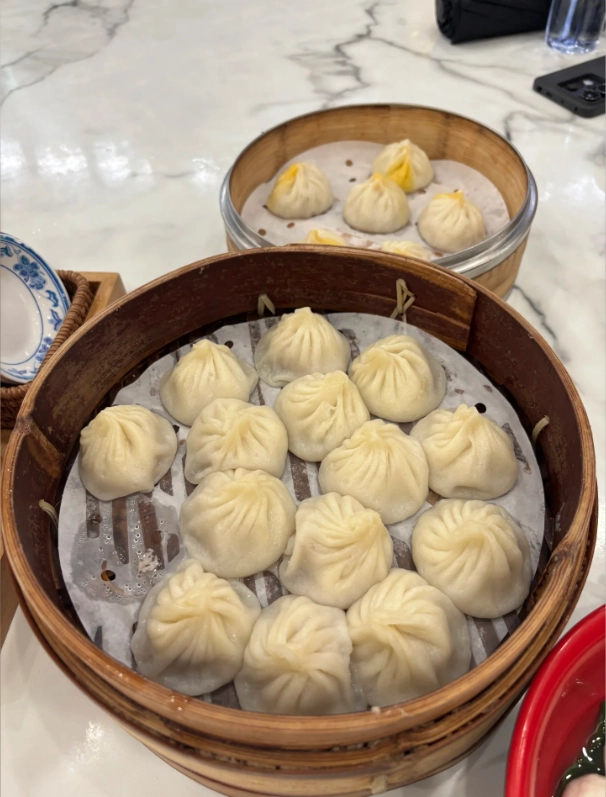
Why Street Food Is a Must
China's street food culture dates back centuries. Every city has its own signature snacks, passed down through generations. For us guides, a city's food stalls tell its story better than any museum. But here's the catch — most English-language blogs give you generic lists with no real details. I'll fix that. I'll tell you exactly how to find the best stalls, what to say (or just point at), and how to avoid the common tourist traps.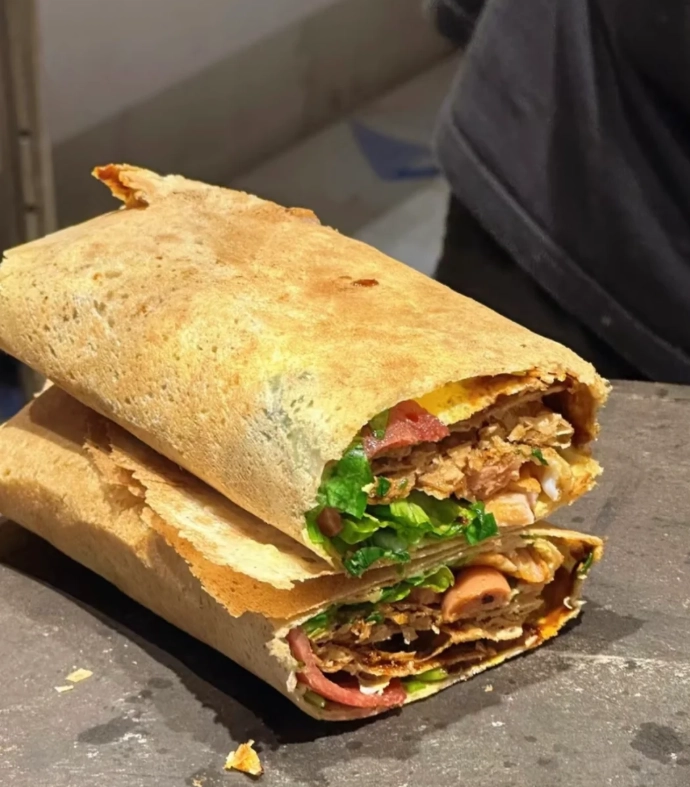
Top 10 Must-Try Street Foods
I've eaten at hundreds of stalls across China. These are the ten that left the deepest impression — and that I keep going back to. Each comes with a real location where I personally verified the quality.
| Dish | City | Where to Try (English Address) | Price (RMB) | My Pick |
|---|---|---|---|---|
| Jianbing (savory crepe) | Beijing | Late-night stall at Guijie (Dongzhimennei Street), near Exit B of Dongzhimen Station | 8–15 | Add extra egg and crispy wonton skin |
| Xiaolongbao (soup dumplings) | Shanghai | Jia Jia Tang Bao (89 Huanghe Road, near People's Square) | 12–20 per 8 pieces | Bite a hole first, then sip the soup! |
| Chuan Chuan (spicy skewers) | Chengdu | Yulin Chuan Chuan (15 Yulin South Street), near Exit A of Sichuan Gymnasium Station | 0.5–2 per skewer | Order a bowl of sesame oil dip to cool the heat |
| Roujiamo (Chinese burger) | Xi'an | Zisheng Roujiamo (60 Beiyuanmen, Muslim Quarter) | 8–15 | Ask for extra chili — it's not too spicy |
| Stinky Tofu (chòu dòufu) | Changsha | Black Classic Stinky Tofu (165 Pozi Street, near Wuyi Square) | 10 | Deep-fried version with pickled cabbage |
| Lanzhou Lamian (hand-pulled noodles) | Lanzhou | Ma Zilu Beef Noodles (201 Zhangye Road, near Xiguan Cross) | 15–25 | Watch the puller through the glass — it's a show |
| Gui Hua Gao (osmanthus cake) | Nanjing | Lotus Root Dumpling stall at Fuzimiao (Confucius Temple), near Pingjiangfu Road entrance | 5 | Soft, sweet, perfect for a quick sugar fix |
| Hulatang (pepper soup) | Zhengzhou | Fangshan Hulatang (60 Jinshui Road), near Exit A of Zijingshan Station | 8–12 | Pair with a youtiao (fried dough stick) |
| Shengjianbao (pan-fried pork buns) | Shanghai | Yang's Fried Dumplings (97 Wujiang Road), near Nanjing Road Walkway | 10–15 for 4 | Eat immediately — the bottom is crispy gold |
| Bingtanghulu (candied hawthorn skewers) | Beijing | Any street cart near Qianmen Street, outside of Dashilan | 5–10 | Get the classic hawthorn, not the strawberry |
How to Order Without Speaking Chinese
Point at what others are eating. Say “this one” (zhège) with a smile. Most stall owners are friendly and will understand. If you have allergies, write them down in Chinese on your phone. I always keep a note that says “I am allergic to peanuts / shellfish” — saved me many times.
How to Eat Street Food Safely as a Foreigner
Safety is about choosing wisely, not avoiding altogether. Here's my rule of thumb: go where the locals queue. A long line of Chinese customers means the turnover is high, ingredients are fresh, and the stall has a reputation to uphold. Avoid stalls with pre-cooked food sitting out for hours. Look for live cooking — sizzling oil, boiling broth, flames.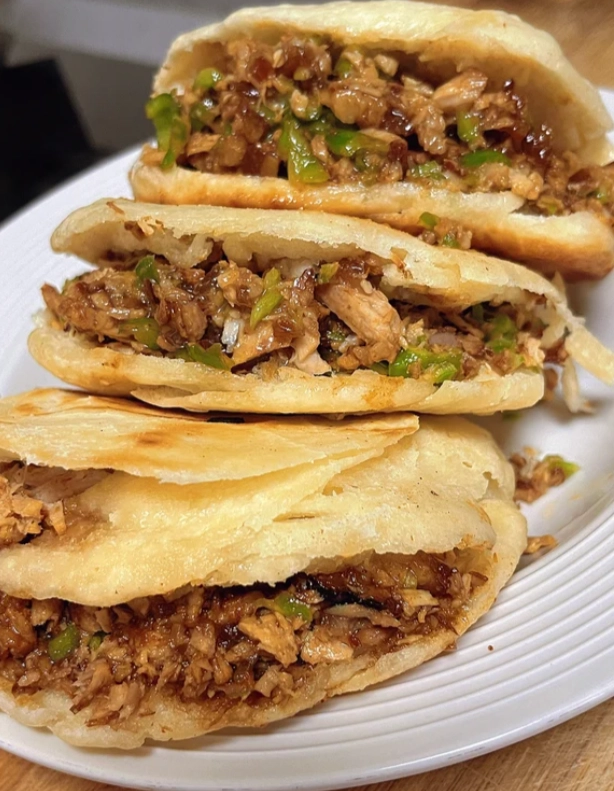
Payment and Digital Wallets
Almost all street vendors now accept WeChat Pay or Alipay. As a foreigner, you can link your international credit card to Alipay (Tour Pass) or use the Alipay app directly. Carry some cash (50–100 RMB in small bills) for the rare vendor who only takes cash. Google Maps? Forget it — it's inaccurate in China. Use Apple Maps or download Gaode Map (Amap) with English mode. I always type the Chinese address from the table above and show it to my taxi driver.
Dealing with Spice
Sichuan food will wreck you if you're not ready. Say “bú là” (not spicy) or “wĕi là” (a little spicy). Most vendors will adjust. But if you end up with a mouth on fire, reach for a bottle of cold milk or yogurt — water won't cut it. I swear by a cold bottle of Wanglaoji herbal tea.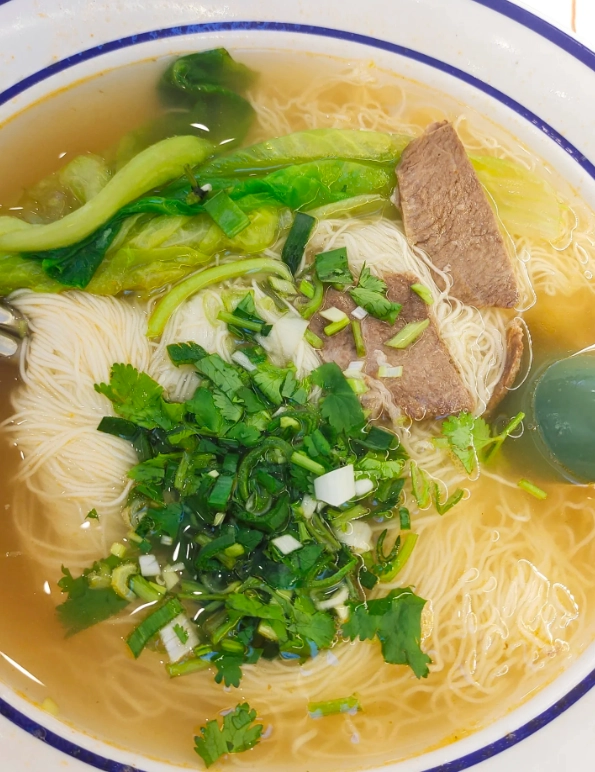
Essential Tips for Navigating Street Food Scenes
- Eat where you see students and office workers. They know the best budget spots. If a stall has a crowd of young locals at 6 PM, join them.
- Bring your own tissues or wet wipes. Many stalls don't provide napkins. I always carry a small pack.
- Watch your step. Sidewalks can be oily and uneven. Wear closed-toe shoes.
- Don't drink tap water. Even in food stalls, ice might be made from tap water. Stick to bottled drinks or hot tea.
- Use a VPN. To access Google, WhatsApp, Instagram, you'll need a reliable VPN installed before you arrive. I recommend Astrill or ExpressVPN.
- Download a translation app. Baidu Translate or Apple's built-in translator work offline. Show the Chinese text to vendors.
Street Food by City: Where to Go
Beijing
Head to Wangfujing Snack Street (Dongcheng District, near Wangfujing Station Exit A) for a tourist-friendly sampler. But for the real deal, walk to Guijie (Ghost Street) — a mile-long stretch of neon-lit restaurants open till dawn. Must-try: lamb skewers and Beijing zhajiangmian (noodles with fried sauce). Note: Wangfujing's scorpion skewers are more gimmick than taste — skip them.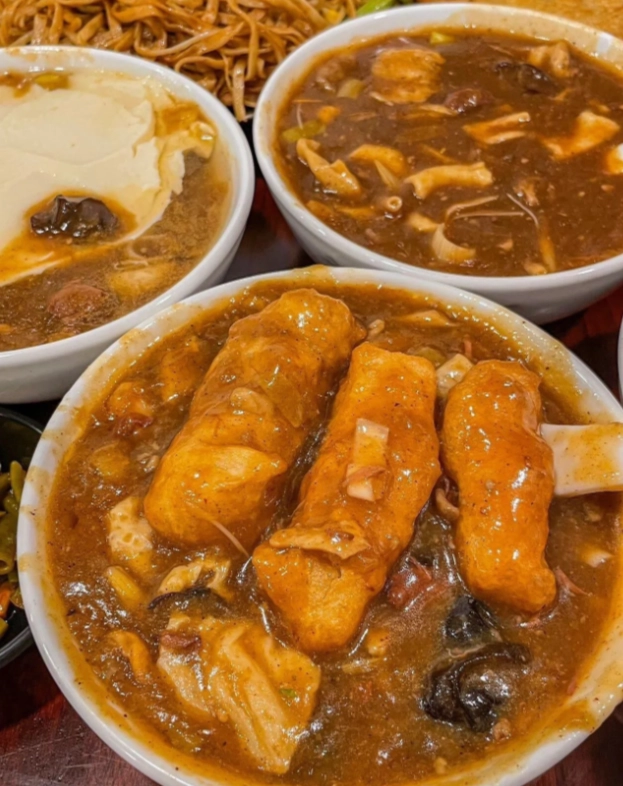
Shanghai
Yunnan Road Food Street (Huangpu District, near Dashijie Station Exit 2) is my go-to. It's a 300-meter lane packed with everything from shengjianbao to spicy crayfish. Another gem: Old City God Temple (Chenghuangmiao) area — try the xiaolongbao at Nanxiang Steamed Bun Restaurant (85 Yuyuan Road). Prices are slightly higher but worth the queue.
Chengdu
The undisputed street food capital. I always take my groups to Jinli Ancient Street (Wuhou District, near Wuhou Temple). It's touristy, but the sheer variety of skewers, tofu, and dan dan noodles is unbeatable. For a more local scene, walk to Yulin Lu (Yulin South Street) — the birthplace of chuan chuan culture. Bring an empty stomach and a high spice tolerance.
Xi'an
Muslim Quarter (Huimin Jie) is a sensory overload of lamb skewers, roujiamo, and pita bread soaked in lamb soup (yangrou paomo). The alley runs north from the Drum Tower. I always stop at Lao Sun Jia (244 Beiyuanmen) for the best paomo. Pro tip: You'll have to tear the bread into tiny pieces yourself — the smaller, the better.
FAQ: Common Concerns About Chinese Street Food
Final Thoughts
China's street food scene is chaotic, loud, and absolutely unforgettable. Don't let the language barrier or fear of spice stop you. The first bite of a perfectly charred lamb skewer, the burst of broth from a xiaolongbao — these are the memories that stick. I still get cravings for the stinky tofu I ate last week in Changsha. So go out, follow the locals, and eat with both hands. You'll thank yourself later.
This content has been fact-checked to ensure informational precision.






Decent read, but a bit generic if you've already done any traveling in Asia. I was hoping for deeper advice on avoiding food poisoning and picking the stalls that locals actually line up for. The dish list is fine, but the safety section feels like a recycled list you've seen a hundred times. If you’re totally new to Chinese street food, this is not a bad starting point. I just expected a little more from the 'tips' part.
Solid overview for beginners. I picked this up to prepare for my first trip to Xi'an, and the dish list is pretty dependable. The safety tips are mostly common sense — don't drink tap water, carry tissues, be careful with spice — but the allergy notes and the little Mandarin phrases were a nice touch. I'm only knocking off one star because I wanted more regional street food recommendations and specific stall suggestions. Still, it's a handy little guide to keep on your phone.
I came across this guide right before a short Shanghai layover, and I'm so glad I did. I managed to try five of the ten dishes in two days! The guide made walking up to street stalls feel way less intimidating — no awkward pointing and guessing. I loved how it balanced practical hygiene advice with the fun part, like how to spot fresh ingredients and which sauce to ask for. This is the kind of helpful info you don't usually get from a flashy travel blog. Absolutely recommend it.
As someone who has been living in Beijing for two years, I still found this guide really fun and well written. The 10 dishes are classics, and the safety section is realistic without being scare-mongering. I wish I'd had this before my first xiaolongbao — the tip about letting the soup dumplings cool down a bit? Yeah, I learned that the hard way. I've already shared this with all my expat friends. Great read.
This guide was spot on! I used it during my first trip to Chengdu and it completely changed my street food game. The descriptions of dan dan noodles and jianbing were so vivid that I knew exactly what to look for at the stalls. The safety tips, especially about bottled water and watching out for extra-spicy oil, saved me more than once. I ended up eating at a night market that my tour group totally overlooked. Honestly, this should be required reading for anyone visiting China.