 Ming Yang
Quick Navigation
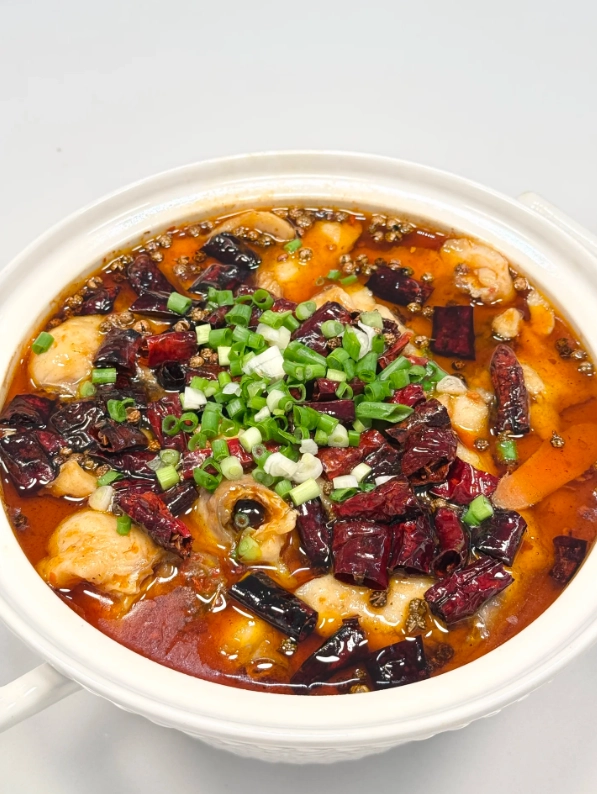
I still remember the first time I brought a group of tourists to a hole-in-the-wall joint in Chongqing. The waitress plopped down a massive basin – chili peppers swimming in sizzling oil, white fish fillets peeking through. One traveler from Texas took a bite, then looked at me with wide eyes. "This is not like any boiled fish I've ever had." That's the magic of Chongqing boiled fish – it's not boiled; it's a symphony of numb (麻) and spicy (辣), a dish that defines the city's soul.
If you're a foreign traveler in China, you've probably heard about it. But where do you find the real deal? How do you order without knowing Chinese? And how do you avoid the overpriced tourist traps? I've been guiding groups through Chongqing for years, and I'm here to spill all the insider secrets.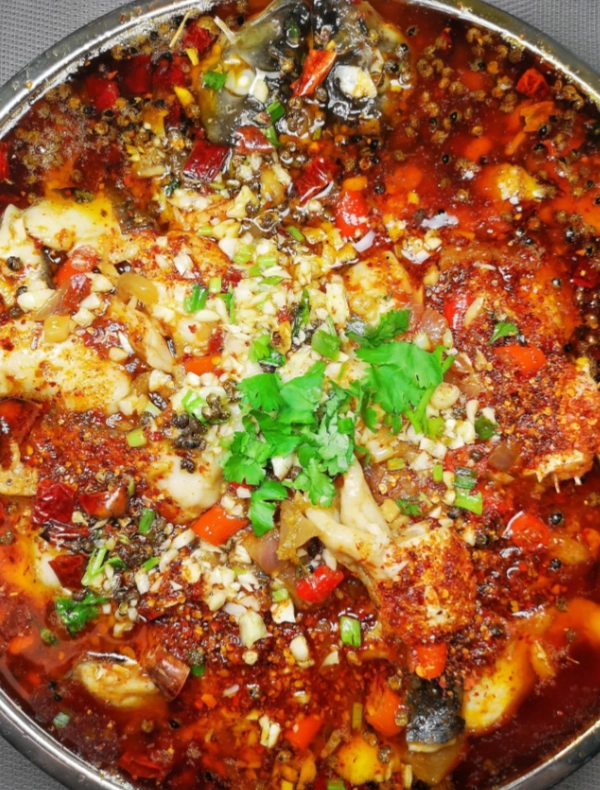
What Makes Chongqing Boiled Fish So Special?
The Story Behind the Dish
Chongqing boiled fish (水煮鱼, shuǐ zhǔ yú) originated from the city's love affair with Sichuan peppercorns and dried chilies. Despite its name ("water-boiled"), the dish is actually poached in a fiery chili oil broth – a technique that locks in moisture and flavor. Locals believe it was invented by riverside cooks who needed a quick, hearty meal for laborers. Today, it's a symbol of Chongqing's bold, unapologetic cuisine.
The Perfect Bite: Taste and Texture
Imagine thin slices of tender grass carp or black fish – so delicate they almost melt in your mouth – coated in a glossy layer of chili oil. The first hit is the fragrant numbing of Sichuan pepper (花椒), followed by a slow-building heat that makes your lips tingle. Every bite comes with a crunch of bean sprouts or celery hidden beneath. The oil keeps everything hot, so you eat slowly, savoring each mouthful. Pro Tip: Don't skip the garlic and ginger – they balance the heat.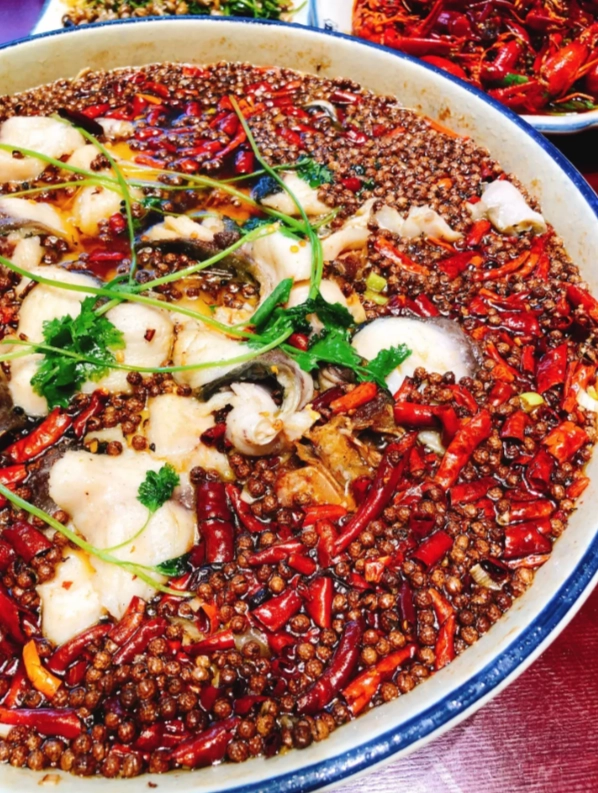
Where to Eat the Best Chongqing Boiled Fish? (Top 5 Local Picks)
I've tested dozens of restaurants across the city. Here are my go-to spots, based on flavor, authenticity, and foreigner-friendliness. Prices are per person (RMB).
| Restaurant | Location | Price Range | Best For |
|---|---|---|---|
| Yu Zhong Hot Pot & Fish | Near Jiefangbei, 2/F, 180 Minzu Rd | 80-120 RMB | Classic experience with English menu |
| Old Chen's Fish Alley | Hidden in a hutong near Hongyadong | 60-90 RMB | Budget-friendly, cash only (surprise!) |
| Spice Maestro | Guanyinqiao, near Metro Exit 3 | 100-150 RMB | Modern twist, accepts Alipay/WeChat |
| Riverside Grandma's | Nanbin Road, river view | 120-180 RMB | Scenic dining, tourist-friendly |
| Huang Jue Ping Local Joint | Huangjueping (no English address) | 50-70 RMB | Real local vibe, no English – be adventurous |
Note: Prices are approximate and fluctuate with market. Always ask for the total before ordering. At Spice Maestro and Yu Zhong, you can use international cards via Alipay. Old Chen's is strictly cash – carry 100 RMB in small bills.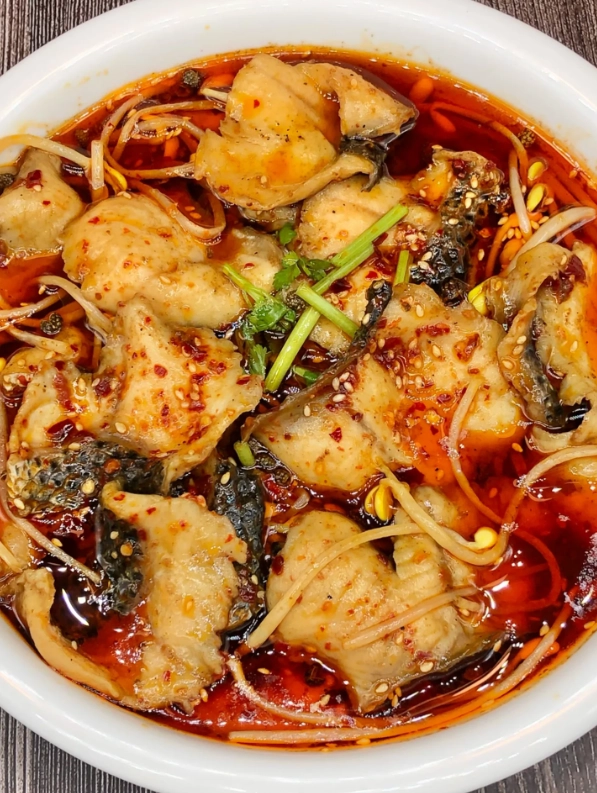
How to Order Chongqing Boiled Fish Like a Pro
You sit down, and the menu is in Chinese. Don't panic. Here's a step-by-step:
- Choose your fish: Common options are 草鱼 (grass carp) or 清江鱼 (Qingjiang fish). Grass carp is traditional; Qingjiang has fewer bones. Point to the Chinese characters or show a picture on your phone.
- Specify the weight: They'll bring a live fish to your table or show a tray. Usually 2-3 jin (斤) per person (1 jin ≈ 500g). For two people, 2.5 jin is enough.
- Spice level: Say "微辣" (wēi là, mild) if you're new, "中辣" (medium) for normal, or just "正常" (normal). Never say "不辣" – they'll think you're joking.
- Extras: Add bean sprouts, tofu skin, or lotus root. Write them down or use finger pointing.
- Wait and enjoy: The dish takes 15-20 minutes. Chat, sip tea, and brace yourself for the aroma.
Pro Tip: At places without English menu, use the translation app Baidu Translate or Apple Translate with the camera function. I always keep a screenshot of common fish names on my phone – saves time.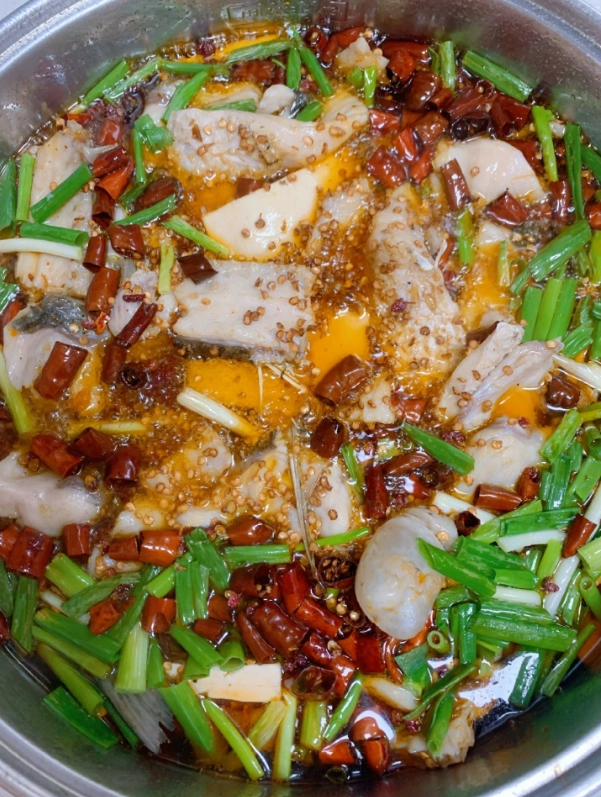
Tips for Foreigners: Payment, Navigation, and Language
Let's be real – eating in Chongqing as a foreigner comes with small headaches. Here's how to handle them:
- Payment: 90% of restaurants do not accept international credit cards. They take Alipay or WeChat Pay (linked to international cards) and sometimes cash. At small joints, cash is king. Always carry 200-300 RMB in small denominations.
- Wi-Fi & VPN: Most restaurants have free Wi-Fi, but you'll need a VPN installed before arriving in China to access Google, Facebook, etc. I recommend Astrill or ExpressVPN – they've been reliable for my groups.
- Language barrier: Download an offline translation pack. Show this sentence to your waiter: “我要一份水煮鱼,微辣,谢谢” (I want one serving of boiled fish, mild spice, thank you). Point at it.
- Allergies & Dietary Restrictions: Chongqing boiled fish usually contains MSG, peanuts, sesame, and gluten (soy sauce). If you have allergies, write them in Chinese: 我对花生/海鲜/味精过敏 (wǒ duì huāshēng/hǎixiān/wèijīng guòmǐn).
What to Eat (and Drink) with Chongqing Boiled Fish
The fish alone is a meal, but locals always pair it with:
- Steamed rice – essential to soak up the oil and cool the spice.
- Cold cucumber salad (拍黄瓜) – refreshing and vinegary, cuts through the heat.
- Fried peanuts or edamame – for crunch while waiting.
- Drinks: Skip the beer – it actually intensifies the heat. Go for ice cold soybean milk (豆浆) or a bottle of Wanglaoji (王老吉) herbal tea. Both are sold everywhere.
My personal rule: Don't order more than three dishes for two people. The fish is the star. Anything else is just a supporting actor.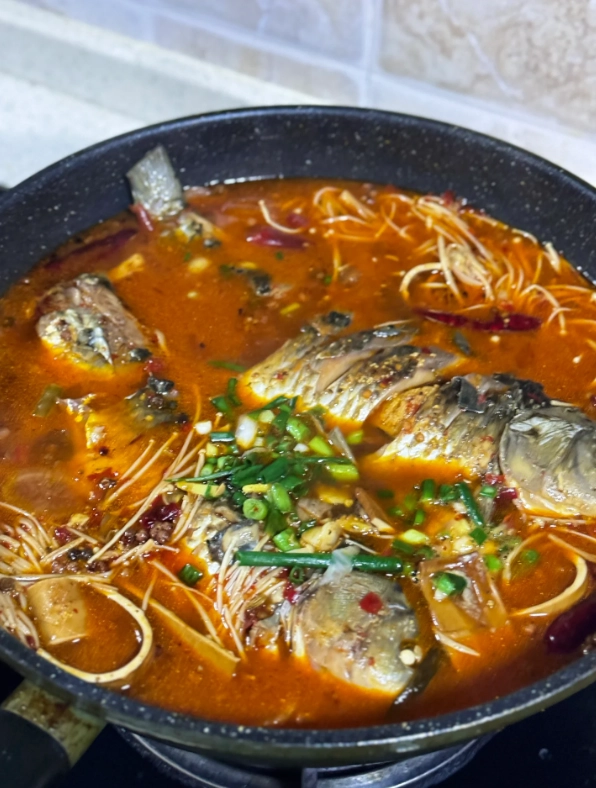
Frequently Asked Questions (FAQ)
Verified and fact-checked by the editorial team.






I’m not sure if it was just an off night, but I really didn’t get the hype. We waited 45 minutes for a table, and when the boiled fish finally came, the fillets were not as silky as promised; I found two small bones in mine. The broth was overwhelmingly salty and numbing, with no layers of flavor—just heat. I tried the trick from the article about ordering extra vegetables to cut the oil, but the vegetables were basically floating in grease. Portion size was small for the price, and the staff ignored us after the food arrived. Maybe the other spots are better, but this one left me disappointed.
Good meal overall, but I didn’t love it as much as the article made it sound. Went to the riverside branch near the ferry dock. The fish was definitely fresh, and the slight numbing sensation from the peppercorn was exactly right. But the oil felt a bit heavy toward the end, and our server kept rushing us to order more sides. The ordering hack from the blog—asking for ‘light oil’—did work, but I think it also muted the chili flavor. We still finished everything, and the bill was fair. If you’re nearby, it’s worth a stop, but I wouldn’t cross the city for it.
I visited four of the five spots on the list, and they were all solid, but Granny Chen’s place in the back hutong was my absolute favorite. The room is basically plastic stools and fluorescent lights, but the boiled fish is a masterpiece. The oil is clean and golden, the filets are flawless, and there’s a secret mix of ground peanuts and roasted garlic on the table that you’re supposed to add to your dipping sauce. My best hack: order a spare bowl of the spicy broth on the side and use it to parboil some vegetables before you finish the fish. The owner brought over a tiny slice of fried dough to taste as a gift. This is the kind of local adventure I travel for.
Found this tiny place near the old city wall from the article. No tourists at all—just construction workers and me. I pointed at a fish and made the hand sign for ‘small portion.’ The owner did a thumbs-up and threw in some fried peanuts. When the pot arrived, the oil was still bubbling with dried chilies floating like fallen petals. The fish was so tender it slid off my chopsticks. I used the hack from the guide: after eating the fish, drop in a bowl of rice noodles to soak up the broth. Honestly the best 38 kuai I spent in Chongqing. 11/10 would eat again.
Came here after seeing the list of best local spots, and it didn’t disappoint. The fish slices were impossibly silky, and that layer of sizzling chili oil smelled like a warm hug. Ordering hack that saved us: choose the ‘less numbing’ option if you’re not used to Sichuan peppercorn—you can always add more heat, but you can’t take it out. We added a handful of tangy pickled mustard greens and sweet potato noodles, and the broth turned into this amazing sour-spicy soup. Server said locals dip the fish in a little bowl of chive oil. Genius. I’d fly back to Chongqing just for this bowl.