 Bo Wu
Bo Wu
Quick Navigation
I'll never forget the look on Mark's face when his credit card was declined—twice. His 10-day China trip almost ended before it started. Here's the thing: traveling to China as a first-timer is easy if you know the three things that trip everyone up—payment, internet, and booking. Let me save you the panic.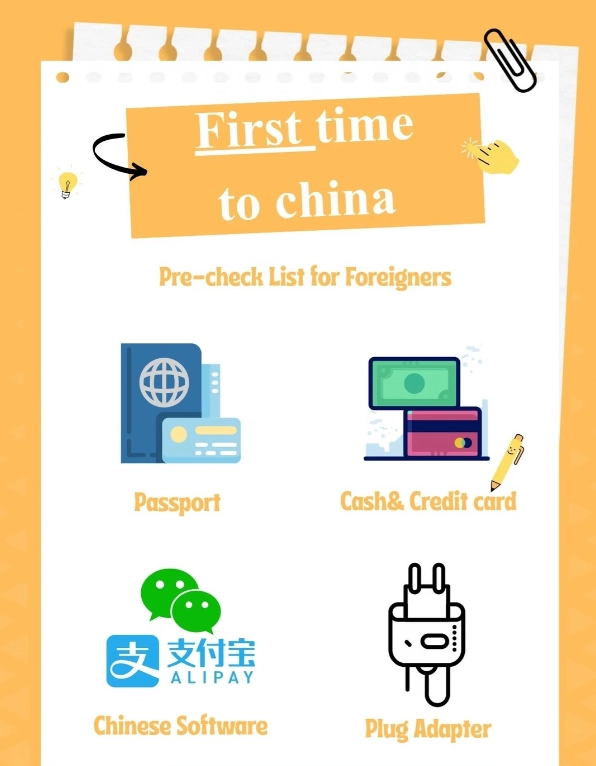
Why Most First-Timers Get Stuck
China runs on a digital ecosystem that's different from anywhere else. From paying for street food to navigating subways, your Western habits won't work. The biggest shock? Google, Facebook, and WhatsApp are blocked. And your Visa card? It'll be useless 9 times out of 10. I've guided hundreds of first-timers, and the ones who prepare these three areas have a smooth trip. The ones who don't end up crying in a hotel lobby.
Step 1: Get Your Visa and Connectivity Right
China Visa in 5 Minutes?
Most nationalities need a visa before arrival. Apply at your nearest Chinese embassy or use a visa service like Trip.com Visa. For a 10-year tourist visa (L visa), you'll need a passport valid for at least 6 months, a completed application form, a photo, and flight/hotel bookings. Processing takes 4-7 business days. Pro Tip: If you're transiting through Beijing, Shanghai, or Guangzhou, check if you qualify for 144-hour visa-free transit—but this restricts you to certain cities. Always verify with the embassy.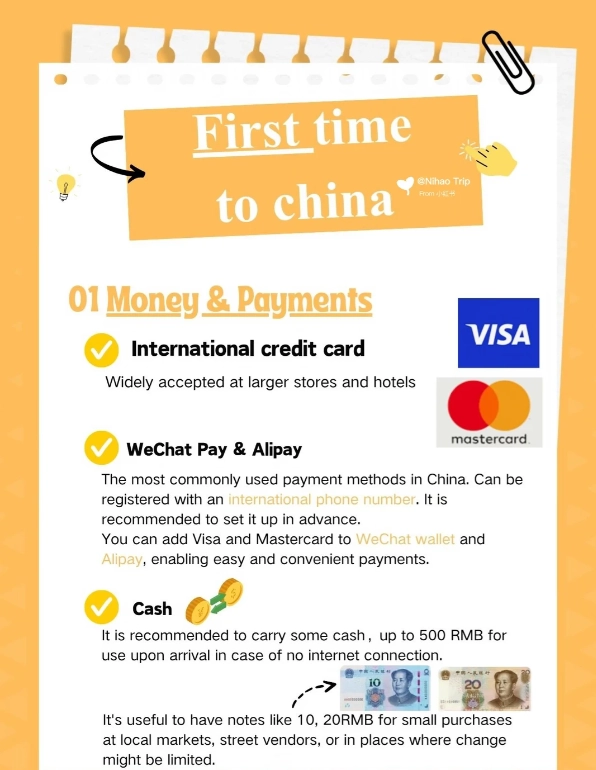
VPN: Your Gateway to the Internet
Install a VPN on your phone and laptop before you leave home. Without it, you can't access Google Maps, Instagram, or any foreign news. I recommend ExpressVPN or NordVPN—they work reliably in China. Download and test it before departure. Also, download offline maps from Apple Maps or Baidu Maps (Baidu has an English mode). Don't bother with Google Maps; it's unreliable even with VPN.
Step 2: Master Payment and Navigation
Alipay vs WeChat Pay vs Cash
Cash is still accepted but inconvenient. Every street vendor, taxi driver, and shop expects digital payment. Alipay (AliPay) is the most foreigner-friendly. Link your international credit card (Visa, Mastercard, American Express) to the app before you go. Topping up? Use the “Tour Pass” feature—it allows a prepaid balance of up to 10,000 RMB (about $1,400). WeChat Pay works similarly but setup is trickier for non-Chinese ID holders. If you can, set up both. Always carry 200-300 RMB in cash as backup—some small stalls may not accept cards.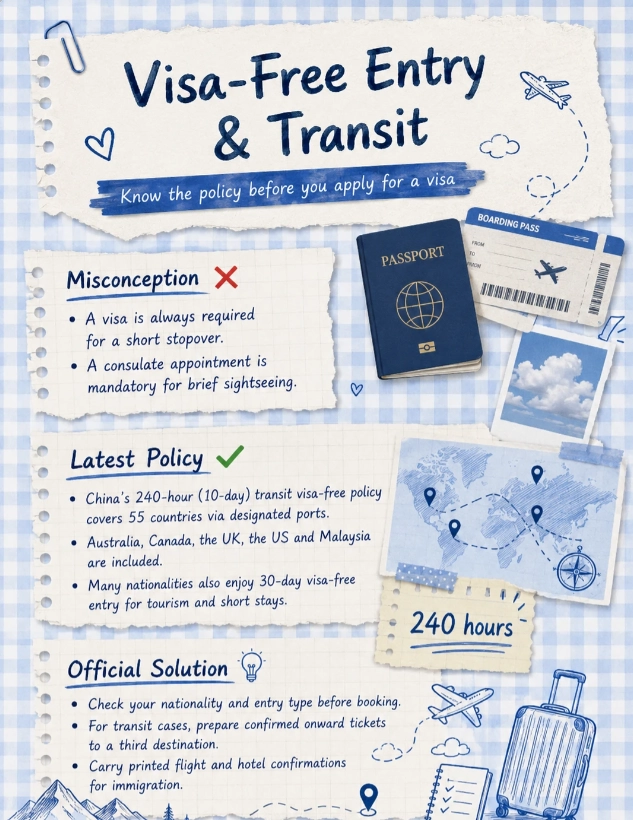
| Payment Method | Pros | Cons | Best For |
|---|---|---|---|
| Alipay | Easy to link international card, accepted everywhere | Requires app download & setup | Most purchases |
| WeChat Pay | Integrated with messaging, widely used | Setup can require Chinese bank account | If you have Chinese friends |
| Cash (RMB) | No tech needed | Not accepted at many modern shops | Emergency backup |
Why Google Maps Won't Work (Use These Instead)
Google Maps data in China is outdated and often plain wrong. Switch to Apple Maps (surprisingly good in China) or AMap (Gaode) Global—it has an English interface and shows accurate public transit. For subway navigation, the MetroMan app (subway map) is a lifesaver in cities like Beijing and Shanghai. Another trick: take screenshots of your destination in Chinese from the app to show taxi drivers or Didi drivers.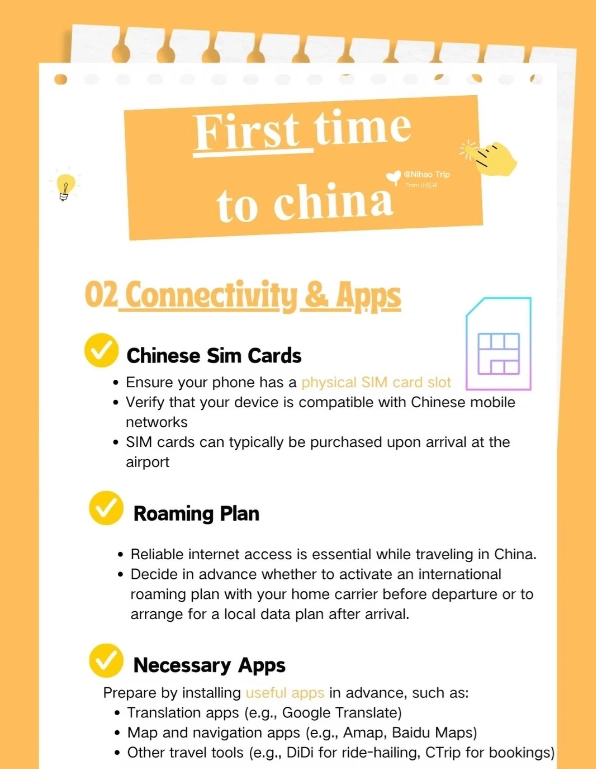
Step 3: Book Everything Before You Go
Train Tickets: 12306 vs Trip.com
China's high-speed trains are amazing, but the official booking site (12306.cn) is Chinese-only. Use Trip.com or Klook—both charge a small fee but save you headaches. You'll need your passport number. Book at least 3 days in advance for popular routes (Beijing-Shanghai, etc.). At the station, arrive 30 minutes early to print your paper ticket at the self-service machine using your passport. Insider Tip: Avoid Chinese New Year and National Day (Oct 1-7)—trains sell out weeks ahead.
Top Attractions: Queues Are Real
Forbidden City, Great Wall, Shanghai Disney—all require advance reservation with your passport. Many sell out days in advance. Use Trip.com or the attraction's official English booking page. For the Great Wall (Mutianyu section), I recommend buying a combo ticket (wall + shuttle + toboggan) online. Pro Tip: Start at 8 AM to avoid crowds and heat. The Badaling section is the busiest; Mutianyu or Jinshanling are quieter and more scenic.
24-Hour Beijing Itinerary (My Go-To Plan)
- 7:00 AM - Arrive at Mutianyu Great Wall (1.5hr drive from city). Cable car up, walk the wall, toboggan down.
- 12:00 PM - Lunch at a local farmer's restaurant near the wall (try the braised pork).
- 2:00 PM - Back to city, visit Forbidden City (exit via Jingshan Park for a perfect rooftop view).
- 5:00 PM - Walk through Tiananmen Square (bring passport for security check).
- 7:00 PM - Peking duck at Siji Minfu (Dongsi branch). Order the crispy skin duck and avoid the queue by arriving before 6 PM.
Step 4: Pack Smart and Stay Safe
Bring a power bank—you'll use your phone constantly for payment and maps. Pack a universal adapter (Type A & I). For summer, carry a portable fan and sunscreen; winter brings cold temps in Beijing, so layer up. Don't drink tap water—buy bottled water everywhere. Emergency numbers: 110 (police), 120 (ambulance). Most hospitals in big cities have English-speaking staff (e.g., Beijing United Family Hospital).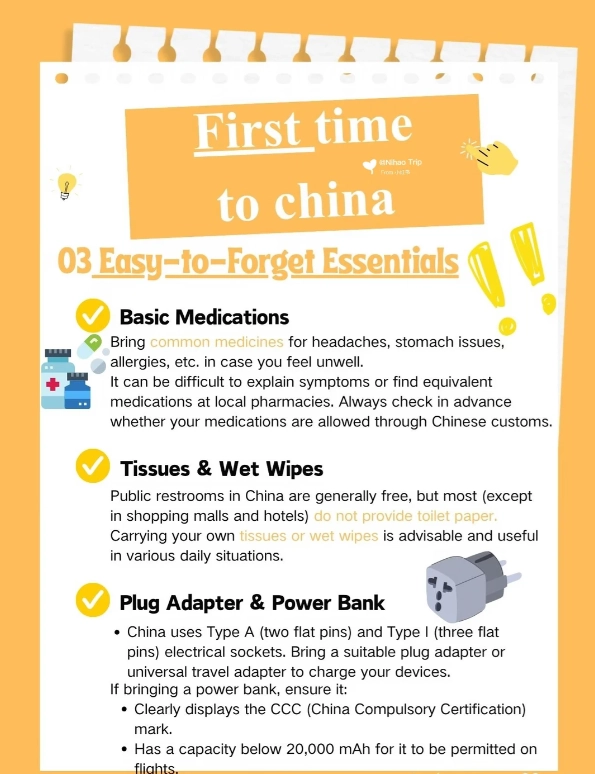
24-Hour Beijing Itinerary (My Go-To Plan)
I've run this plan with dozens of clients—it's intense but covers the essence. Wear comfortable shoes. Start early. Use Didi (Chinese Uber) for car rides—download it and register with Alipay. Alternative for rainy days: Swap the Great Wall for the National Museum or a hutong cooking class.








Used this before a two-week trip through Beijing, Xi'an, and Shanghai. The insider hack about shipping your luggage from the airport to the hotel is genius — I never would have thought of that, and it made our first day so smooth. I also loved the pointers on haggling and not being intimidated by the whole "no English" situation. Every tip felt realistic and tested. The write-up is long but skimmable, and I dog-eared the section on train station security checks for every city we visited. This should be the standard beginner guide for China travel.
Love a guide that respects a backpacker budget. This one came through with practical hacks like using the overnight trains, booking hostels near metro lines, and getting a local eSIM for data instead of paying roaming fees. My favorite tip was about carrying toilet paper and hand sanitizer everywhere — sounds simple, but so many newer travelers forget it. The tone is upbeat and no-nonsense. I've already booked my next trip to Sichuan using the same advice. Highly recommended for anyone nervous about their first time in China.
This was exactly the guide I needed. I scanned so many blogs before my first China trip, and this one actually explained the small stuff nobody mentions: downloading offline maps, setting up a metro card on your phone, and the blessed trick for skipping the ticket queue at tourist sites by reserving two days ahead. The author writes like a friend who has been through the confusion themselves. My China trip went off without a major headache, and this article deserves all the credit. Five stars, no question.
Solid read overall. I picked up a few genuinely helpful hacks, especially the tip about showing up to the Great Wall right at opening time — that alone saved me from the worst of the tour-bus crowds. The restaurant etiquette section was also nicely done. Only reason I'm not giving 5 stars is that the money-saving section felt rushed, and I wanted more specific examples of typical item prices so I knew if I was being overcharged. Still worth your time before a first trip.
I appreciate the effort, but this guide felt half-finished. The chapters on packing and airport transfers were useful, but the advice on using Alipay and WeChat Pay glossed over how hard it is to add a foreign card. I got stuck during setup even after following the steps. Also, the VPN section mentioned "get one before you arrive" without naming a single reliable option or backup plan. Great starter list of do's and don'ts, but I expected more practical troubleshooting for first-timers like me.