 Ting Chen
Quick Jump to What Matters
I've been guiding travelers to Dazu Rock Carvings for over a decade. And I've seen the same mistakes over and over — showing up at 10 AM when tour buses flood in, trying to pay with cash at the ticket counter, or relying on Google Maps that leads to a dead end.
Here is the no-nonsense truth: Dazu Rock Carvings is one of the most remarkable UNESCO sites in China, but it takes some local know-how to enjoy it without frustration. Let me save you the headaches I see daily.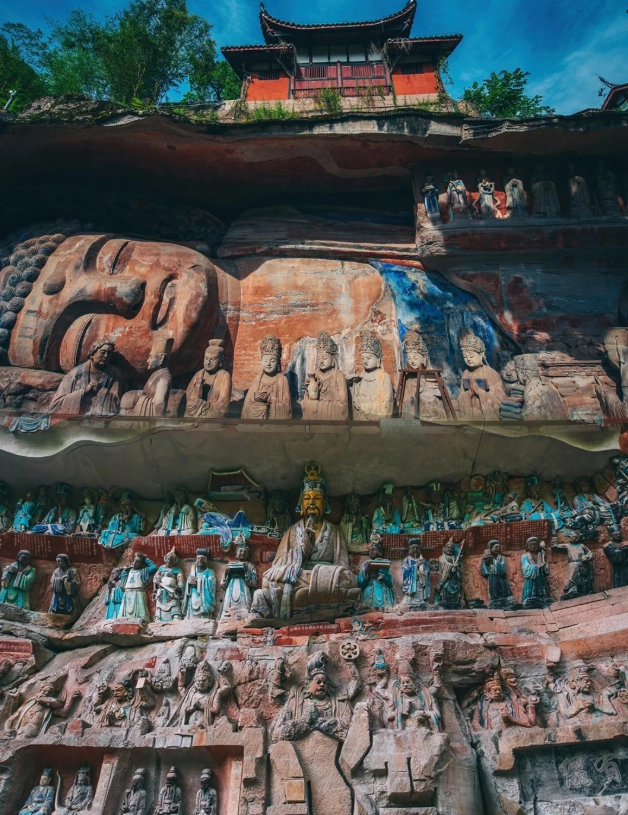
Why Dazu Stands Out (and What Most Tourists Miss)
Most foreigners who visit China's ancient carvings go to Longmen or Yungang. Those are impressive, but Dazu is different. Carved between the 9th and 13th centuries, these are not just static Buddha images — they tell stories. The Thousand-Hand Guanyin (a 1,000-armed goddess) is mind-blowing, but my favorite is the Wheel of Life carving that shows Buddhist, Taoist, and Confucian ideas mixed together.
What most tourists miss? The carvings are split into two main sites: Beishan and Baodingshan. Baodingshan is the star (the big cliff-side carvings), but Beishan has finer details and fewer people. If you have only 3 hours, do Baodingshan only. If you have a full day, add Beishan.
Tickets & Booking: The Hassle-Free Way
Do not just show up with cash. The ticket office accepts Alipay and WeChat Pay, but international credit cards? Not always. Last month my group got stuck because the card machine was down.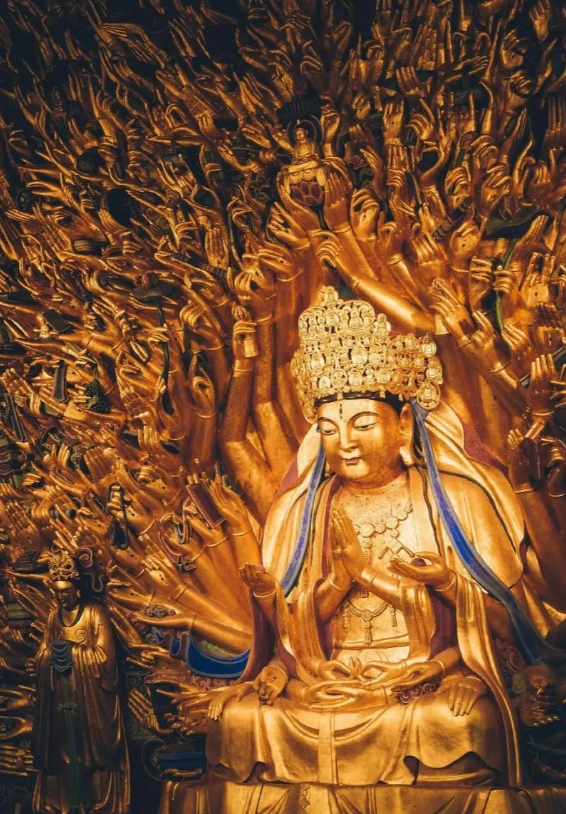
Here is the easiest method:
- Buy online via Trip.com or Klook — both accept Visa/Mastercard. Search "Dazu Rock Carvings ticket" and you'll see combo tickets for Baodingshan + Beishan.
- Bring your passport — the ticket is linked to your passport number. They scan it at entry.
| Ticket Type | Price (Adult) | Notes |
|---|---|---|
| Baodingshan only | ~115 RMB | This is the main site with most carvings |
| Beishan only | ~70 RMB | Smaller, but less crowded |
| Combo (Baodingshan + Beishan) | ~170 RMB | Valid for 1 day |
Pro Tip: Skip the combo if you are short on time. Baodingshan alone takes 2–3 hours. The free shuttle between sites takes 15 minutes, but there is often a wait.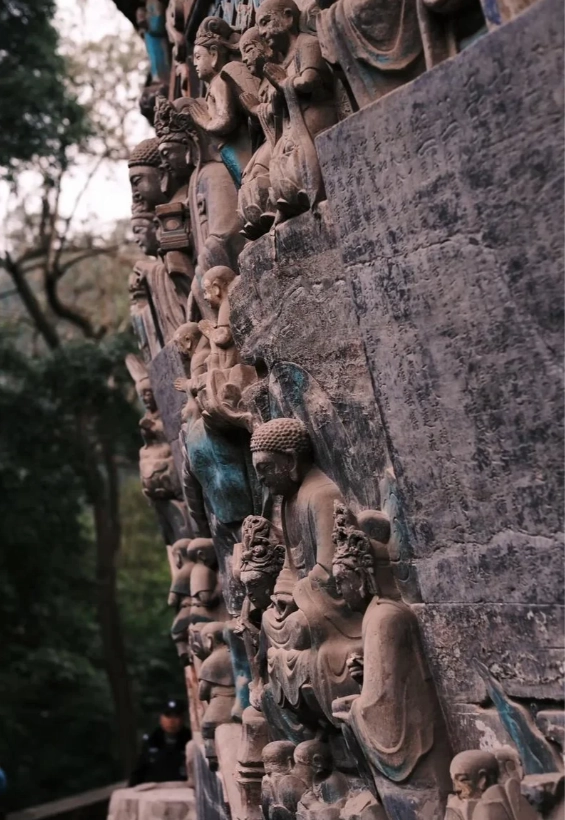
How to Get There Without Getting Scammed
From downtown Chongqing, you have two realistic options:
Option 1: The Cheapest (and Most Reliable) — Bus from Caiyuanba
Go to Caiyuanba Long-Distance Bus Station (address: 63 Caiyuan Road, Yuzhong District). Look for buses to Dazu District. Fare: ~40 RMB. Buses depart every 30 minutes from 6:30 AM to 6:00 PM. The ride takes about 2 hours. Once you arrive at Dazu bus station, take local bus 205 directly to Baodingshan (20 minutes, 2 RMB).
Insider Advice: Ignore touts at the Dazu bus station offering "direct taxi for 50 RMB." The bus 205 is easy to find — just ask any local "Baodingshan gongjiao?" and they'll point.
Option 2: The Fastest — Private Car or Didi
If you are in a group, a Didi (Chinese Uber) from downtown Chongqing costs around 250–300 RMB one way. Do not accept a return driver's offer to wait — they'll charge you parking and waiting fees. Instead, book a Didi back when you are ready.
Warning about Google Maps: It shows the wrong location sometimes. Use Apple Maps and search for "大足石刻宝顶山景区" — that is Baodingshan. Or just show the taxi driver this Chinese text: 请带我去大足石刻宝顶山景区.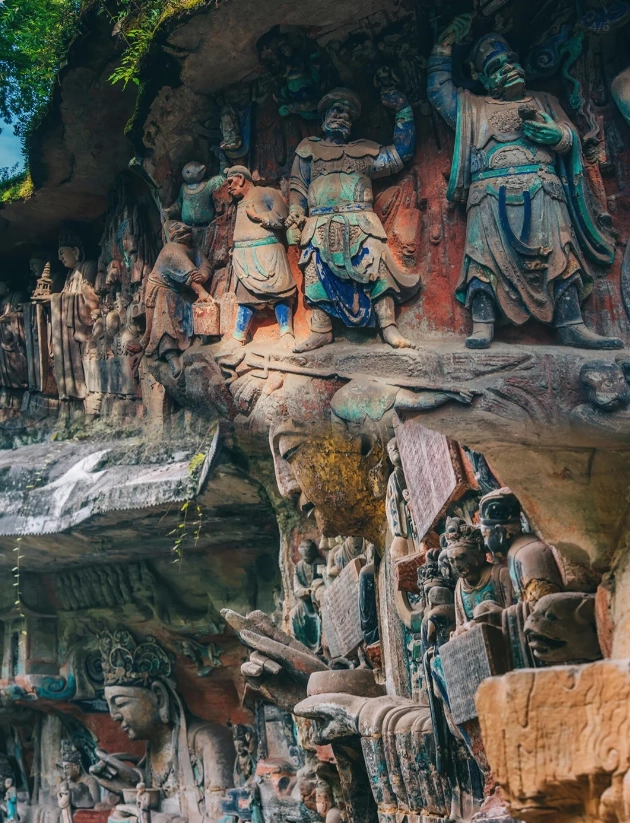
Best Time to Visit (When to Beat the Crowds)
I always tell my groups: arrive before 8:30 AM or after 3:00 PM. The golden hour is 4:00–5:30 PM — the sunlight hits the carvings at an angle, making the details pop in photos. Plus, the tour buses leave around 4:30 PM.
Avoid Chinese national holidays (Golden Week in October, Chinese New Year, May Day). I've seen queues of 2 hours just to enter. If you must go during a holiday, book tickets in advance and arrive at 7 AM.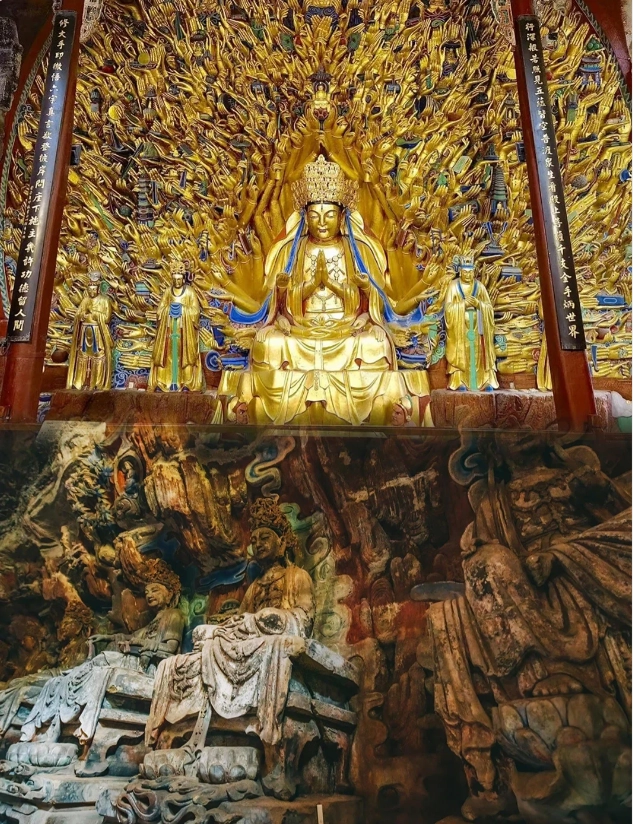
"One summer I brought a group at noon. Big mistake. The sun was directly overhead, glare on the carvings, and we were sweating buckets. Now I always do afternoon visits."
Must-See Sections & What to Skip
At Baodingshan
Must see: The Thousand-Hand Guanyin (restored, but breathtaking), the Wheel of Life, and the Hell Realm carvings (gruesome but fascinating).
Skip: The newly built temple at the top — it's a replica and not worth the climb if you are tired.
At Beishan
Must see: The niche with the Weituo guardian figure and the Bodhisattva Manjusri carving — delicate and well-preserved.
Skip: The museum at the entrance unless you are a history buff. It's small and has no English labels.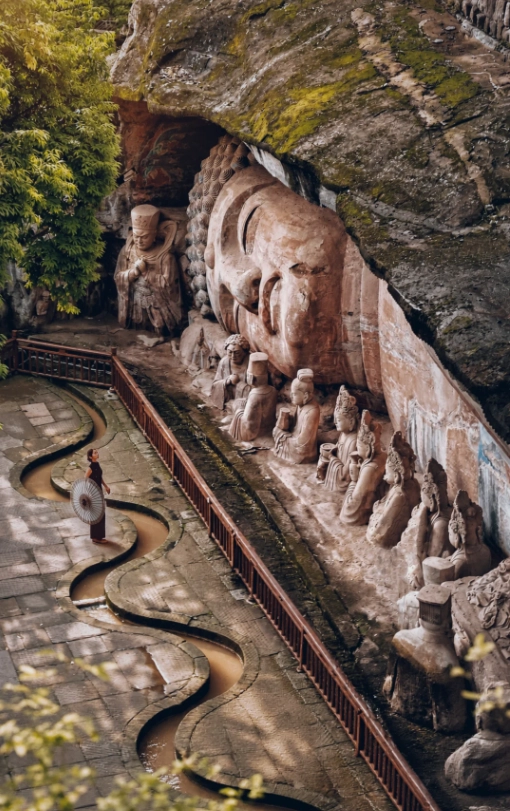
FAQ: Real Answers to Real Problems
Verified and fact-checked by the editorial team.


This guide has some useful snippets, especially about avoiding the biggest tour-group waves and entering from the north side. I followed the instructions and did avoid the worst crowds, so it does what it says. But I was a bit underwhelmed by the length—it felt more like a blog post than a full local guide. There were also a few steps that didn’t match up once I got to the site, maybe because of construction, and the “secret shortcut” ended up being a steep unpaved path that wasn’t very stroller friendly. Not bad, but not as polished as I expected.
Solid guide overall. The crowd-avoidance strategies worked—we hit the grottoes right when they opened and had plenty of space. The save-time tips for the circular walkway were helpful. I knocked off one star because the formatting on my phone was a little awkward; I had to keep zooming to see the route numbers. Also, the guide recommended a local noodle place for lunch, but it was packed by the time we got there. Still, I’d choose this over the official brochures.
I’m not usually one to write reviews, but this local guide was so good I have to say something. It doesn’t just list “go early”—it tells you exactly how to use the shuttle, which pavilions to do first, and even where to stand for the best angles without squeezing in. The tip about looking at the little guardian statues near the main niche made me notice details I’d have walked right past. It turned a crowded Sunday into a peaceful, almost private experience. Worth every penny.
As someone who’s been to Dazu twice on my own, I wish I’d had this guide the first time. The advice on which ticket window to use and where to park near the smaller entrance alone is worth the download. The descriptions of the staircases really helped because I have bad knees—I skipped the lower loop and still saw all the must-see carvings. The afternoon light suggestion for the Thousand-Armed Avalokitesvara was magical. Very practical, honest, no fluff.
This guide saved my trip! I usually hate crowded heritage sites, but the early-morning route and the tip about entering from the back gate made a huge difference. I stood in front of the Sleeping Buddha for a full five minutes without anyone photobombing. The directions to the less-visited cliffside panels were spot-on, and the warnings about where the tour groups dump out were exactly right. Felt like I had a local friend whispering in my ear. Highly recommend downloading it before you go.