 Wei Zhang
Quick Navigation
I've been guiding travelers through China for over a decade, and every summer I see the same mistake: people burn through their savings before they even hit the Great Wall. The heat, the crowds, the language barrier—it's enough to make anyone overspend. But here's the thing: you don't need a fat wallet to have an incredible summer trip in China. You just need smart planning and a few insider tricks.
Let's cut through the fluff. I'll show you exactly how to keep your China summer travel budget under control—without missing out on the authentic experiences. From cheap eats to discounted train tickets, I've got you covered.
Why Summer Budget Matters
Summer is peak season in China. Domestic tourists flood popular spots like Beijing's Forbidden City and Xi'an's Terracotta Warriors. Prices skyrocket for flights and hotels. But if you know where to look, you can still travel like a pro on a shoestring. Your biggest budget killers are accommodation and transportation, so that's where we'll focus first.
Transportation: Trains, Flights & Rideshares
Trains: The Backbone of Budget Travel
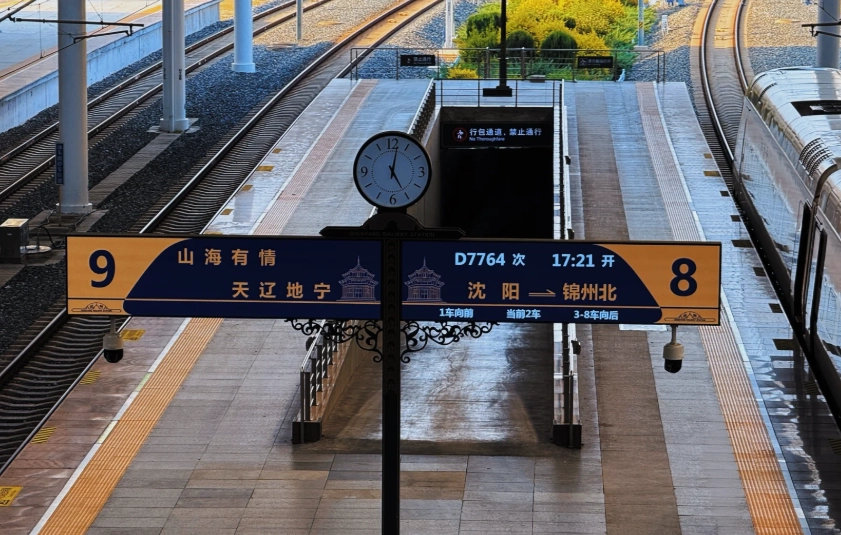
China's high-speed train network is your best friend. It's reliable, fast, and surprisingly affordable if you book early. Second-class seats (er deng zuo) on G-trains are comfy and cheap. For example, Beijing to Shanghai second-class costs around ¥550 (about $75 USD) for a 4.5-hour ride. Book through Trip.com (the English interface works great) or the official 12306 website if you can handle Chinese. Pro tip: Avoid booking through third-party sites that charge hidden fees.
For overnight trips, consider sleeper trains (hard sleeper is fine—you get a bunk with a curtain). They save you a night's accommodation. A typical overnight from Chengdu to Kunming costs about ¥250 for a hard sleeper. Bring earplugs and an eye mask.
Flights: Snag Discounts with Caution
If you're covering long distances (like Beijing to Chengdu), flights can be cheaper than trains if you catch a deal. Use Trip.com or Ctrip (English version) to compare. Avoid summer last-minute bookings—prices can double. Book at least 3 weeks ahead. Also, consider budget airlines like Spring Airlines, but watch out for strict baggage limits.
Rideshares & Taxis
Google Maps is useless in China. Download Apple Maps (it works) or AMap (Gaode) in English mode. For rides, use DiDi (the Chinese Uber). You can register with a foreign phone number and link your Alipay. Cash is rarely accepted in rideshares—prepare for digital payment. Insider advice: Always have the address written in Chinese to show the driver. A short ride in a city like Chengdu costs ¥15-30.
Accommodation: Budget Stays That Don't Suck
Skip the international hotel chains. They charge a premium. Instead, look for local guesthouses or pod hostels. I've stayed in clean, stylish rooms for ¥100/night in Kunming. Here's a comparison table for three budget-friendly options in popular cities:
| City | Hotel Name | Price per Night (Summer) | Distance to City Center | Best For |
|---|---|---|---|---|
| Chengdu | Hi Inn Chunxi Road | ¥180 | Walking distance to Taikoo Li | Solo travelers, young couples |
| Guilin | Jiangnan Hostel | ¥80 (dorm) / ¥200 (private) | 10 min walk to Li River | Backpackers, budget families |
| Kunming | Yunnan Cloud Guesthouse | ¥150 | 15 min taxi to Green Lake | Nature lovers, remote workers |
Book via Trip.com or Booking.com (fewer Chinese options). Many hostels require a deposit via WeChat—ask a Chinese-speaking friend or use the hotel's direct booking with international credit card. Check for Wi-Fi speed in reviews—you'll need it for VPN.
Food: Eat Like a Local for Pennies
Street food is your savior. A bowl of noodles (mian) costs ¥8-15 in smaller cities. Xi'an's Muslim Quarter is heaven: lamb skewers (¥5 each), cold noodles (¥10), and persimmon cakes (¥3). In Chengdu, hit the Jinli Ancient Street for spicy snacks. Avoid restaurants near tourist attractions—they double prices.
For sit-down meals, look for places with picture menus or use Dianping (大众点评) app with auto-translate. I always order mapo tofu (¥18) and kung pao chicken (¥25) at local eateries. Bring cash for street stalls—many don't take cards. Also, carry a reusable water bottle; tap water is not drinkable but most hotels have free boiled water.
Attractions: Free & Cheap Gems
Free Attractions
Parks and temples often have minimal or no entry fees. For example, Beijing's Temple of Heaven park costs only ¥15 (the inner hall is extra, but you don't need it). Chengdu's People's Park is free—watch locals dance and drink tea for ¥20 at a traditional tea house. Xi'an's Muslim Quarter is free to wander.
Discounted Attractions
Many museums are free on weekdays (e.g., Shanghai Museum). For paid sites like the Great Wall, skip Badaling (crowded and expensive) and go to Mutianyu—same experience, fewer tourists, and cheaper shuttle. Use Klook or Trip.com to buy tickets in advance with your passport. Warning: Summer afternoons are brutally hot and crowded. Go early (7 AM) or late (4 PM).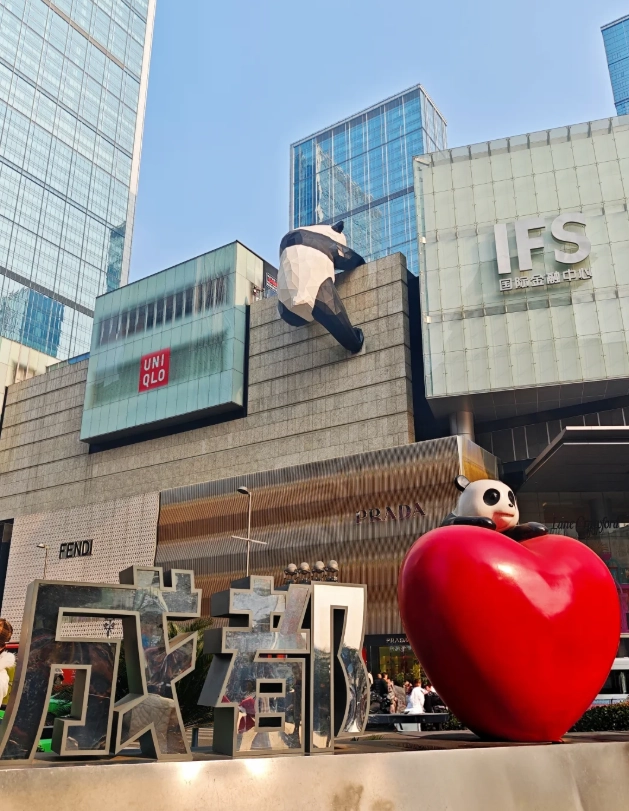
Sample 7-Day Budget Itinerary
Let me give you a realistic plan that totals under ¥3,000 (about $415 USD) per person for transport, accommodation, food, and entry fees—excluding international flights.
- Day 1: Arrive in Kunming (budget hostel ¥150, street food ¥30, taxi ¥20). Explore Green Lake Park (free).
- Day 2: Kunming → Dali (bus ¥120, 4 hours). Stay at Dali Ancient Town hostel (¥100). Eat at local market (¥40).
- Day 3: Dali Cycle around Erhai Lake (bike rental ¥30). Visit Three Pagodas (entry ¥75, but you can see from outside).
- Day 4: Dali → Lijiang (bus ¥80). Stay in Old Town guesthouse (¥120). Wander free canals and night market.
- Day 5: Lijiang Hike to Tiger Leaping Gorge (entry ¥65) – bus to start point ¥30, half-day trek.
- Day 6: Lijiang → Kunming (sleeper train ¥150). Save on accommodation.
- Day 7: Kunming Visit Yunnan Provincial Museum (free). Fly out.
Total cost estimate: Transport ¥550, Accommodation ¥470, Food ¥400, Activities ¥170 = ¥1,590. You'll have plenty of wiggle room for extras.
Frequently Asked Questions
Verified and fact-checked by the editorial team.






I picked up this guide before my first budget trip to China and it was worth every cent. The author clearly knows how to balance comfort and cost. I was skeptical about the free walking tour tip, but I joined one in Hangzhou and met a local student who showed us a hidden teahouse. The packing list also saved me from buying overpriced sunscreen and deodorant at a convenience store. And the little bargaining phrases made market shopping way more fun — and cheaper. If you want authentic experiences without emptying your wallet, this is the one.
I'm usually hesitant to travel in summer because of the heat and crowds, but this article completely changed my plan for the better. It recommended spending a few days in Guizhou's cooler mountain villages instead of melting in Beijing, and that was the best decision I made. The section on overnight buses saved me nearly two days of travel and one extra hotel bill. The budget chart was easy to copy into my phone notes. I ended up with misty rice terraces, cheap spicy tofu, and zero regrets. Absolutely read this before you book anything.
As someone who has lived in China for three years, this article is refreshingly accurate. The advice about eating at local xiao chi streets instead of the tourist restaurant strips is 100% spot on — my favorite meal in Chongqing cost 12 yuan and tasted better than anything with an English photo menu. The tip about booking overnight soft sleepers to save a hostel night is genius. I followed the 7-day southern route and spent under 3,500 RMB including internal transport. Highly recommend for any student traveler or backpacker.
This guide saved me a lot of stress when I was planning a two-week trip on a tight budget. The suggested itinerary for Chengdu and Chongqing was spot on, and the tip about booking hostels with free breakfast worked out even better than I expected. I wish it had included more advice for solo female travelers, like safe neighborhoods and laundry hacks, but overall the budget breakdown gave me a realistic ballpark. I still got to see the pandas and do the Yangtze ferry without blowing my savings.
I liked some of the advice on cheap train tickets and street food, but the article felt a bit too generic. It tells you to save money, then goes on to recommend high-speed rail and the most crowded spots like Xi'an and Zhangjiajie in July. There’s no real advice on dodging the heat or the tourist mobs except 'go early.' I did pick up a few useful ideas like using metro passes and eating at university canteens, so it wasn't a total waste. I just expected more insider tricks than what I've already seen in a dozen free blog posts.