 Ming Yang
Quick Guide to Shangri-La’s Best Stays
I still remember the first time I led a group into Shangri-La—they were jet-lagged, altitude-sick, and utterly lost trying to book a decent hotel. The guidebook said "luxury awaits," but they ended up in a place with no heating and a broken English menu. That trip taught me everything about what Shangri-La luxury hotels should (and shouldn’t) be. Here’s the insider scoop.
Shangri-La luxury hotels aren’t just about fluffy pillows—they’re your lifeline in a high-altitude, low-oxygen environment. The right hotel can make or break your acclimatization, your access to local culture, and your ability to sleep when the sun goes down at 8 p.m. After years of guiding, I’ve boiled it down to this: book a hotel with oxygen supply, in-room humidifiers, and a location that puts you within walking distance of the old town. Don’t trust the star ratings alone.
In this guide, I’ll walk you through the top properties, booking hacks, and every pain point that typically hits foreign travelers. Forget the generic lists—this is what I tell my actual clients.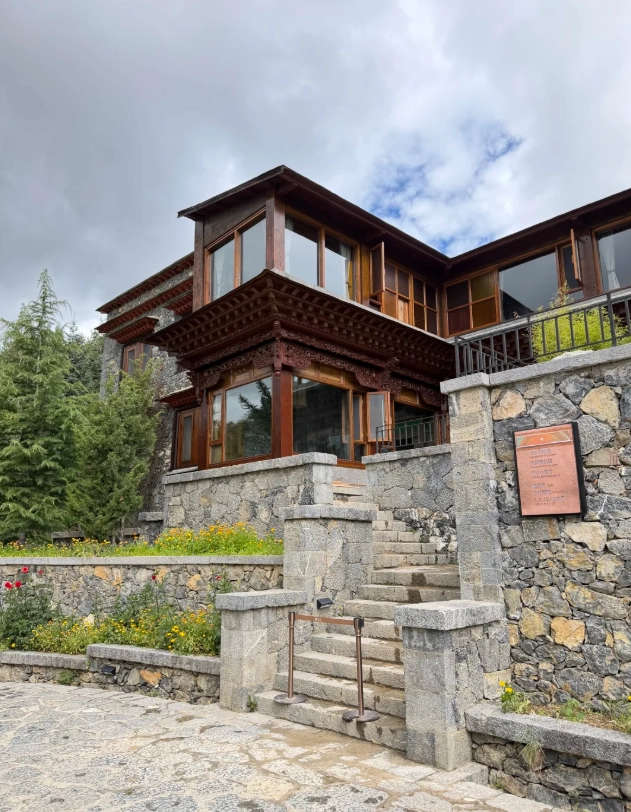
What to Expect from Shangri-La Luxury Hotels
First, altitude is the real luxury killer. Shangri-La sits at 3,300 meters (10,800 feet). Even the fanciest hotel can’t fix a pounding headache if you ignore the climb. Most high-end properties here offer supplemental oxygen in rooms and 24/7 concierge for altitude-related issues. That’s your non-negotiable checklist item.
Second, English levels vary wildly. At the Songtsam Shangri-La or Banyan Tree Lijiang (not exactly Shangri-La but nearby), front desk English is decent. At smaller boutique hotels, you might rely on translation apps. I always tell clients to have Baidu Translate or Apple Translate pre-downloaded with offline Tibetan phrases.
Third, payment is a digital affair. Most luxury hotels accept international credit cards (Visa/Mastercard) at check-out, but many smaller shops and restaurants near hotels do not. Set up Alipay with your international card before arrival—I’ve seen too many guests stuck because they assumed cash was king. Cash is still useful for temple donations and street snacks, but bring small denominations.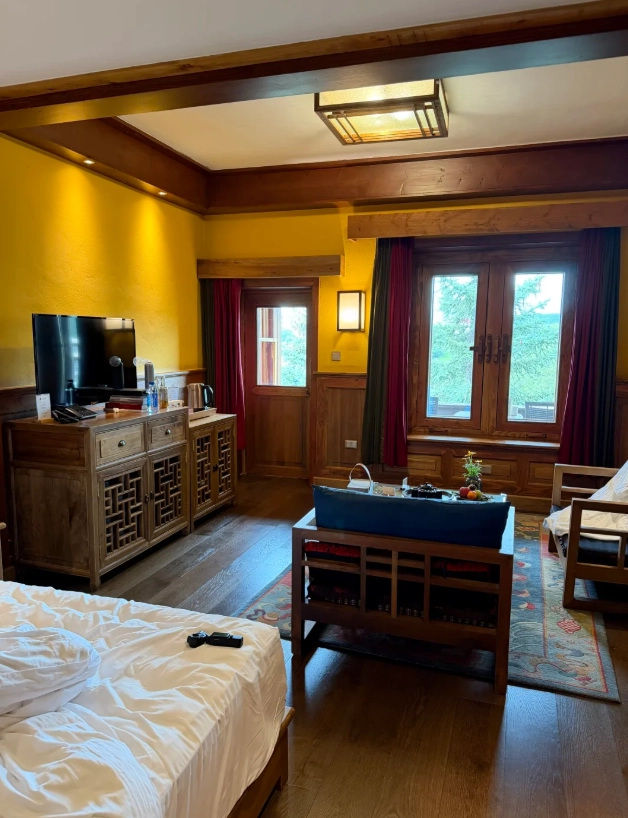
Top 5 Shangri-La Luxury Hotels (and One Hidden Gem)
I’ve personally stayed at or toured each of these properties. Here’s my honest ranking based on comfort, location, and authenticity—not just published star ratings.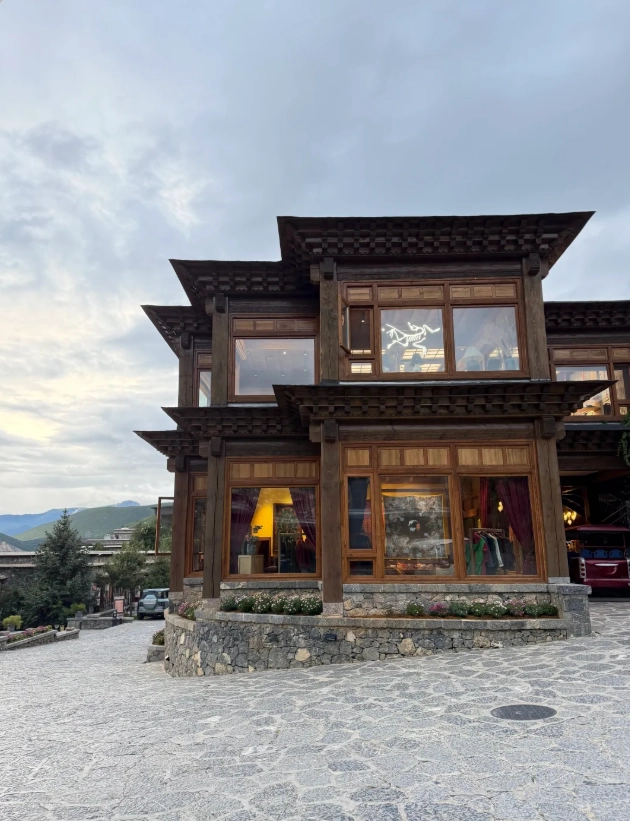
| Hotel Name | Price Range (per night) | Best For | Key Feature |
|---|---|---|---|
| Songtsam Shangri-La | $250–$400 | Culture lovers & solo travelers | Library with Tibetan texts, oxygen-enriched rooms, curated monastery tours |
| Hyatt Regency Shangri-La | $150–$250 | Families & digital nomads | Reliable WiFi, large rooms, on-site altitude clinic |
| Jamping Holiday Inn Express | $80–$120 | Budget-conscious luxury seekers | Central location, Western breakfast, English-speaking staff |
| Shangri-La Hotel, Shangri-La (brand property) | $200–$350 | Corporate travelers & couples | CHI Spa, horizon club lounge with oxygen bar |
| Tibet Shangri-La Hotel | $180–$280 | Photography enthusiasts | Rooftop with 360° mountain views, next to Songzanlin Monastery |
| Hidden Gem: Guge International Youth Hostel (yes, a hostel!) | $30–$60 | Backpackers who want a luxury vibe | Dorm and private rooms, clean design, travel desk for hikes |
How to Choose the Right Hotel for You
If you’re prone to altitude sickness, prioritize hotels with in-room oxygen concentrators (Songtsam and Shangri-La brand have them). If you’re a photographer, Tibet Shangri-La Hotel is unbeatable: the golden monastery roof is lit perfectly at sunrise. For families, the Hyatt Regency has a kids’ club and a doctor on call.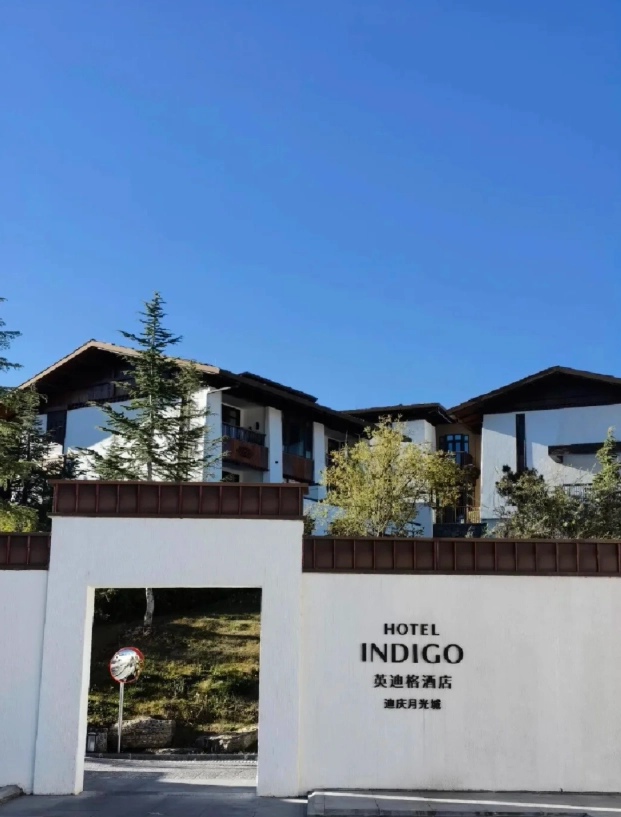
How to Book Shangri-La Luxury Hotels Without Headaches
Here’s what most travel blogs don’t tell you: many Shangri-La luxury hotels require passport scans for all guests at check-in—including children. The data goes straight to the local police station. It’s routine, but if you’re booking through a third party like Trip.com, make sure you submit your passport info in advance to avoid a 15-minute wait at the front desk.
Booking channels matter. I recommend Trip.com for English-friendly cancellations and Klook for packages that include tours. Avoid WeChat mini-programs unless you read Chinese—they often don’t accept foreign passports. The hotel’s own website is usually the best for upgrades and breakfast deals.
Pro tip on payment: When you book, use a credit card that doesn’t charge foreign transaction fees. Some hotels ask for a deposit at check-in (usually 500–1000 CNY), which they’ll refund at checkout. They typically block the amount on your card rather than charge it. Confirm this before handing over your card—I’ve seen guests confused when the temporary hold shows up.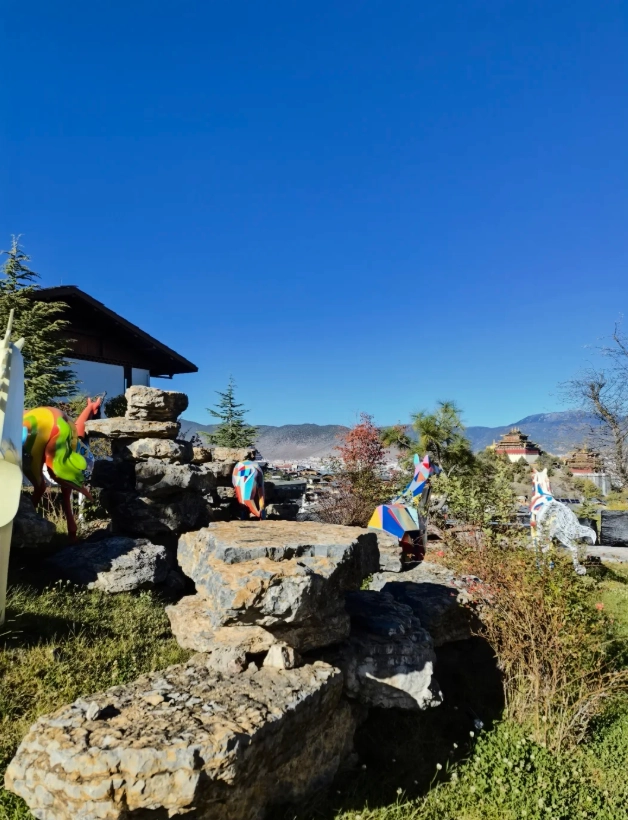
Navigating Altitude and Weather in Shangri-La
Altitude is the elephant in the room. Even luxury hotels can feel like a struggle if you don’t prepare. The air here holds only about 65% of the oxygen at sea level. I always tell my clients: your hotel room is your first acclimatization chamber.
What to look for in a hotel:
- Oxygen concentrator or oxygen-supplied rooms (most 5-star properties)
- Humidifier (the dry air gives you nosebleeds—trust me)
- Blackout curtains (sunlight is intense; you need to adjust your sleep cycle)
- Heated floors or a reliable heater (temperatures can drop to -10°C in winter)
Timing your visit: The best months for clear skies and comfortable temperatures are April–June and September–October. July–August brings rain but lush green meadows. December–February is freezing but beautiful, with far fewer tourists. Book your hotel at least 2 weeks in advance for peak seasons—last-minute availability is rare for luxury properties.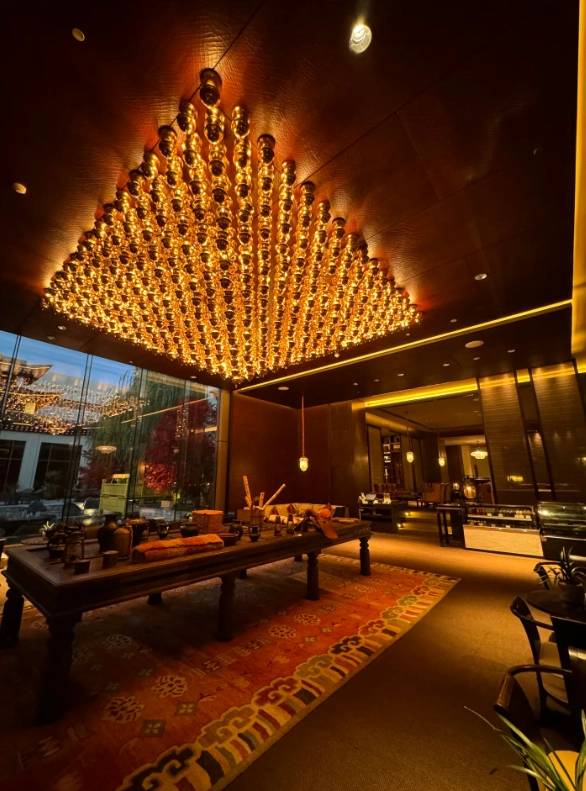


I found this article okay, but honestly a little more promotional than I expected from something called ‘insider tips.’ The tip about requesting a quiet floor didn’t help — my room still faced a construction site, and the app recommendation just got me a small fruit plate. The writing is clean and certain sections are helpful, but a lot of it felt like common knowledge for anyone who travels regularly. If you’ve never stayed at a luxury hotel before, sure. Otherwise, it’s not a must-read.
Pretty useful overall. I read it while deciding between the Bangkok and Jakarta properties and thought there were a couple of good general tips, but I wish it went a bit deeper into how the hotels differ. Still, the advice to message the concierge before arrival worked great — we ended up with a club room and the evening cocktails were lovely. A few more specific details or photos would have pushed this to a five for me.
This is the only guide I’ve saved about a hotel chain. It convinced me to spend an afternoon at the spa in Singapore even though I wasn’t booked for a treatment. The steam room, the cold towels, the ginger tea afterward — exactly what the article promised. It reads like a friend who knows luxury hotels, not a sales pitch. Gave it to my parents before their trip too, and they loved the same advice.
Not gonna lie, I usually skim hotel blogs, but this one had me taking notes. I used the advice about booking directly and asking for a high floor with the harbour view in Hong Kong. The sunset through the floor-to-ceiling windows was unreal, and the tip about ordering the durian crepe at Café TOO? Absolute genius. It’s rare that an article makes you feel like a seasoned Shangri-La regular before you even check in.
I downloaded this right before a short trip to Seoul and it made such a difference. The tip about emailing the concierge a few days before arrival got us a quiet corner room with a view of the Han River. Walking into the lobby felt like stepping into a garden — the scent of white orchids and that soft piano music. The bed was like lying on a cool mist. The guide is worth every minute if you like feeling like an insider, not just a guest.