 Ming Yang
I'll never forget my first Shangri-La tour. A guy from Florida stepped off the bus in a t-shirt and shorts. By the time we reached Songzanlin Monastery at 3,300 meters, he was shivering so hard he couldn't hold his phone. Yeah, that's the kind of mistake you only make once.
Packing for Shangri-La isn't like packing for a beach. You need to handle thin air, sudden rain, freezing evenings, and temple etiquette—all while your body is adjusting to altitude. I've guided dozens of groups here, and the biggest mistake people make? Following generic "China packing lists" that forget the plateau.
So here's my no-nonsense Shangri-La packing list. Layer up, protect your skin, bring cash, and don't forget a power bank. Scroll down for the full breakdown.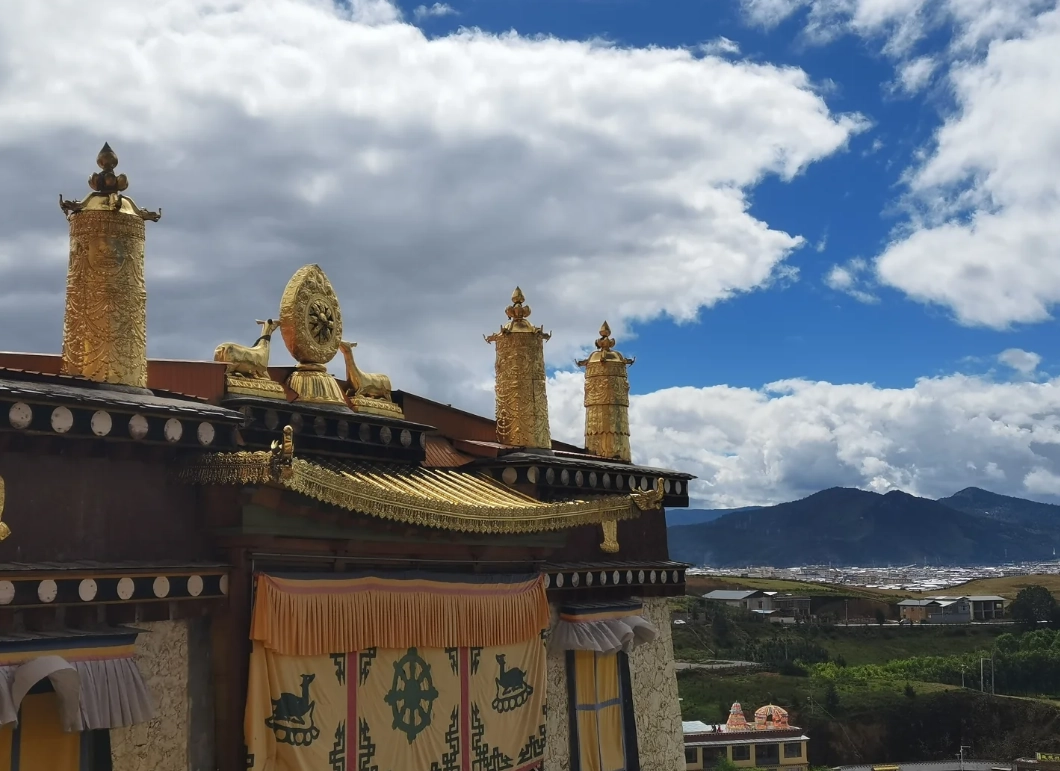
What You'll Find in This Guide
Why Packing Right for Shangri-La Matters
Shangri-La sits at about 3,300 meters (10,800 feet). That's high enough to get altitude sickness if you're not careful. Daytime can be warm (15-20°C in summer), but after sunset it drops to near freezing. Plus, the UV is brutal—you'll burn before you feel it.
Most visitors only stay 2-3 days, but they rush to Potatso National Park, Meili Snow Mountain, and the old town. If you're not prepared, you'll waste half your trip buying overpriced jackets at the market.
Pro Tip: Don't rely on Google Maps. It's inaccurate in China. Use Apple Maps or download Amap (高德地图) and search in English. I always tell my clients to screenshot the Chinese address of your hotel—it's a lifesaver for taxi drivers.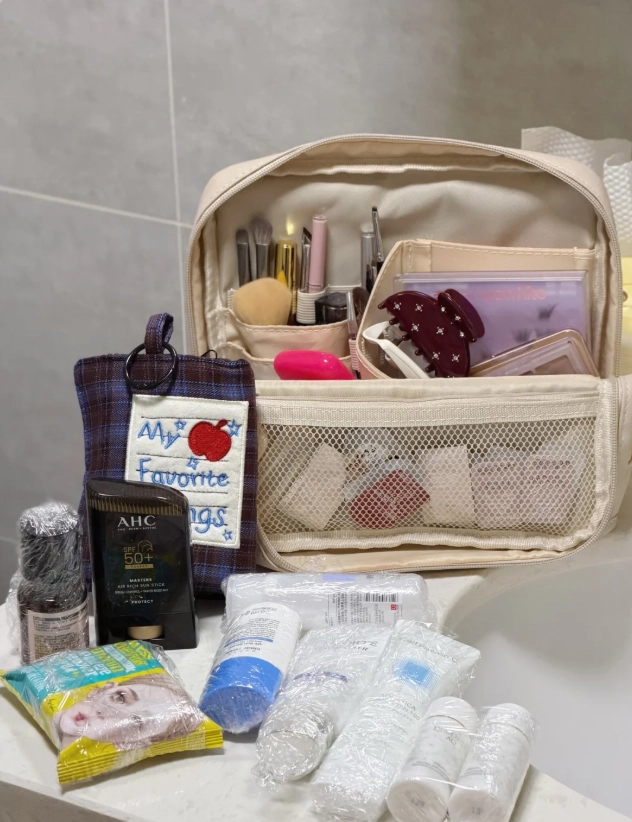
Shangri-La Packing List: Clothing Layers
The golden rule: three layers. Base layer (moisture-wicking), mid layer (insulation), and outer shell (wind & rain). Here's exactly what I bring:
| Category | Item | Why It's Essential | Packing Tip |
|---|---|---|---|
| Base Layer | Merino wool or synthetic long-sleeve | Wicks sweat, dries fast, doesn't smell | Bring 2, you'll wear one while the other dries |
| Mid Layer | Fleece jacket or lightweight down | Traps heat for cold mornings & evenings | Uniqlo down vest works great |
| Outer Shell | Waterproof windbreaker | Protects against rain & strong wind at altitude | Make sure it's breathable |
| Pants | Hiking trousers (convertible to shorts) | Flexible for walking, easy to vent when hot | Skip jeans—they're heavy when wet |
| Footwear | Waterproof hiking boots with ankle support | Trails can be muddy & uneven | Break them in before you arrive! |
| Accessories | Warm hat, gloves, scarf | You lose heat from your head; temples require covered shoulders | Buy a local Tibetan scarf as a souvenir |
Insider Advice: The sun is deceptively strong. Bring a wide-brim hat and sunglasses with UV protection. I've seen tourists get sunburnt even on cloudy days—the UV index at 3,300m is no joke.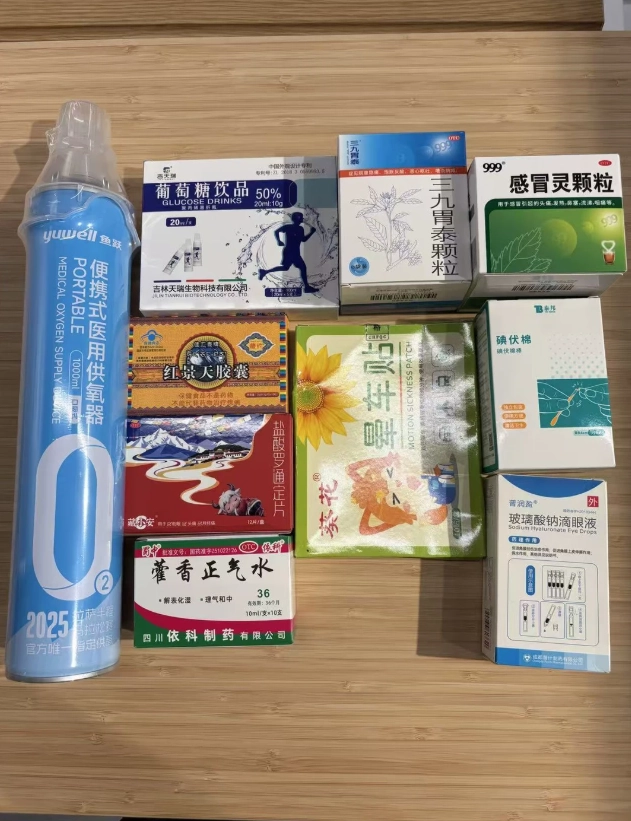
Essential Gear & Gadgets
Power bank (10,000mAh minimum). You'll be using your phone for navigation, translation, and photos. Outlets in Tibetan guesthouses can be limited.
Thermos or insulated water bottle. Staying hydrated fights altitude sickness. Hot tea is available everywhere—fill up at breakfast.
Headlamp or small flashlight. Power outages happen in remote areas. Also useful for early morning treks.
Travel adapter (Type A/C combo). Chinese sockets accept two flat pins or two round pins. Buy a universal one before you leave.
Daypack (20-30L). For day trips to the old town or national parks. Make sure it's comfortable for 4-5 hours of walking.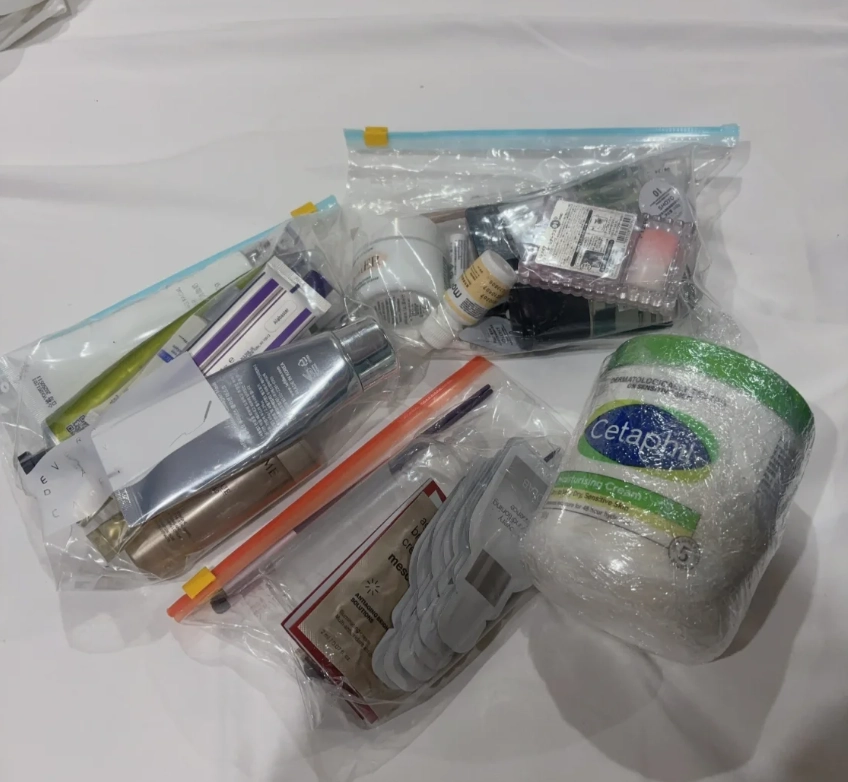
Pro Tip: Entering monastic halls requires removing shoes. Bring easy slip-on shoes or sandals if you dislike lacing up multiple times a day.
Health & Safety Packing: Altitude, Sun, Toiletries
Altitude sickness prevention: Most people feel breathless or get a headache the first day. Pack acetazolamide (Diamox) if you're prone, but consult your doctor. Also bring ibuprofen and electrolyte powders.
Sunscreen (SPF 50+, broad spectrum). Reapply every 2 hours. Don't forget your lips—use SPF lip balm.
Moisturizer & lip balm. The air is dry. Your skin will crack without it.
Basic first aid: band-aids, antiseptic wipes, diarrhea medicine (food changes can upset stomachs).
Insect repellent. Mosquitoes are rare at this altitude, but there are flies near livestock.
Most hotels have basic toiletries, but bring your own shampoo if you have sensitive hair—local brands might not suit you.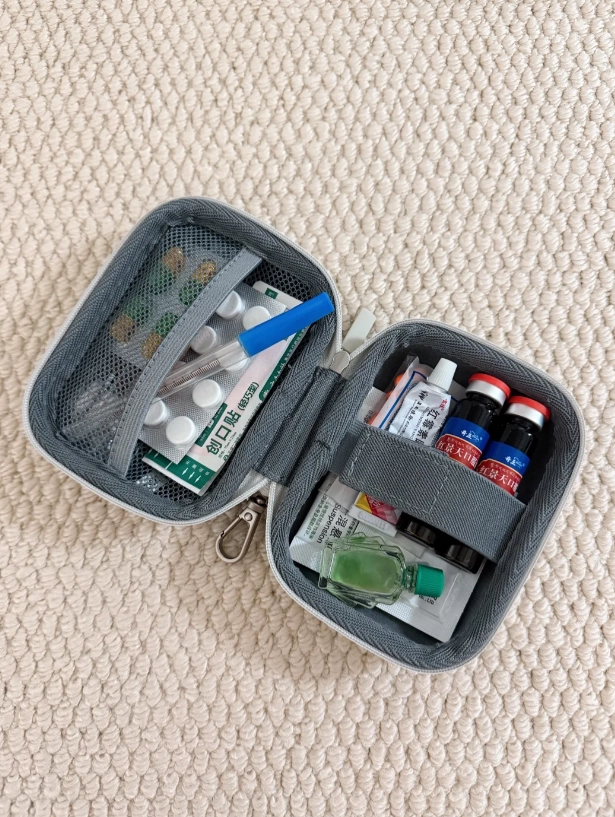
Documents & Digital Prep for Foreigners
Passport & visa. You need your physical passport for hotel check-ins and some train tickets. Make photocopies (keep separate from original).
VPN installed on phone & laptop. Without a VPN, you can't access Google, Facebook, WhatsApp. Install and test before leaving home.
Alipay or WeChat Pay with international card. Most places in Shangri-La accept mobile payments. But bring some cash (200-300 CNY) for small stalls and temple donations—they often don't accept cards.
Offline translation app. Apple Translate or Baidu Translate work offline if you download the language packs. English is not widely spoken here.
Booking confirmations on your phone. Attractions like Songzanlin Monastery and Potatso National Park require advance booking with passport number. I use Trip.com for English booking—super convenient.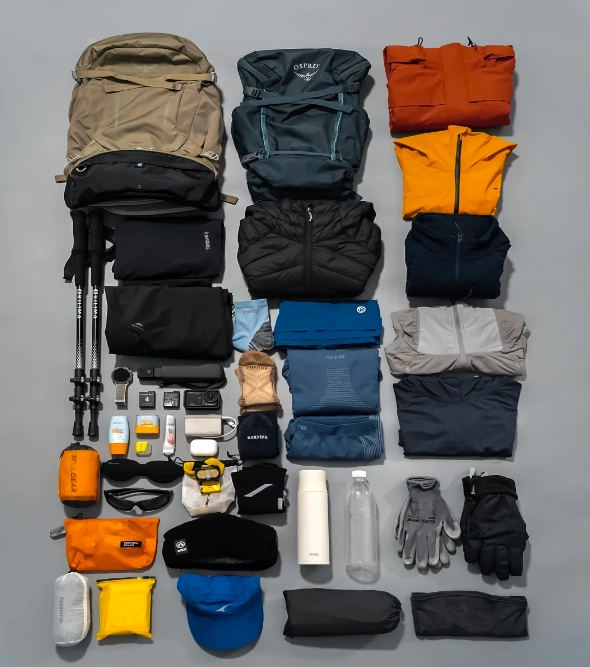
FAQs About Shangri-La Packing
Verified and fact-checked by the editorial team.





This had some useful bits, like the reminder to bring sunglasses even when it’s overcast and gloves for early mornings. But I was expecting a more detailed packing list for clothing — like what kind of jacket, how many layers, what materials actually work. Instead, a chunk of the article was about etiquette and general high-altitude warnings, which I sort of already knew. It was okay for a first-timer, but if you’ve done any other treks in Asia, a lot of this will feel familiar. Not a bad read, just not super special.
Solid article overall. It covers the essentials — thermal layers, sunscreen, lip balm, comfortable walking shoes, and a small daypack. I used it to prep for my trip last month and didn’t freeze or sunburn. I’m giving 4 stars instead of 5 because some of the advice felt like common sense if you’ve already hiked at high altitude, and I wish it had gone deeper into medication options like Diamox or how to pace yourself for acclimatization. Still, the cultural packing tips were a thoughtful touch, definitely better than most travel blogs out there.
I’m the kind of traveler who overpacks ‘just in case’, so this article was a lifesaver. It gave me a clear, no-nonsense list and even explained why certain things matter at altitude rather than just listing random gear. The packing cubes tip? Yes. The hand warmer recommendation? Also yes. I followed every item and somehow ended up with the lightest bag I’ve traveled with, yet I never felt unprepared. I even used the checklist for my trip up to Feilai Temple and it was perfect. If you’re going to Shangri-La, just respect the list. It works.
Finally a packing list that gets the cultural side right. I’d read a dozen generic ‘pack layers’ blogs, but this one specifically mentions taking off shoes in Tibetan homes and bringing a small gift for homestay hosts. That made a huge difference when I stayed with a family in Dukezong. I also appreciated the tip to pack a refillable water bottle with a filter—came in handy on hikes and saved me buying plastic bottles. Maybe not flashy, but super practical. Thumbs up, would recommend to any independent traveler heading to Yunnan.
This list was my go-to for a 5-day stay in Shangri-La and I can’t thank it enough. I normally think I can wing it, but the reminder to pack a proper base layer and sun protection even in cold weather genuinely saved me. Walking around the old town at 3,300m, I was comfortable while a lot of other tourists looked frozen. The advice about bringing a light scarf for monastery visits was also spot on—I used mine at Songzanlin for both sun and modesty. Honestly, if you’re even thinking about visiting, just read this and pack exactly what it says. Five stars from me!