 Ming Yang
Quick Jump
Let me paint you a picture. I was leading a small group last spring, and one of my clients—a seasoned traveler from Australia—said, “I read that the monastery is just a 20-minute walk from town.” He was dead wrong. Thirty minutes later, we were still trudging uphill on a dusty road, no sidewalk in sight. That's when I realized: most online guides for how to get to Ganden Sumtseling Monastery from Shangri-La are written by people who never actually did it. So here's the real deal.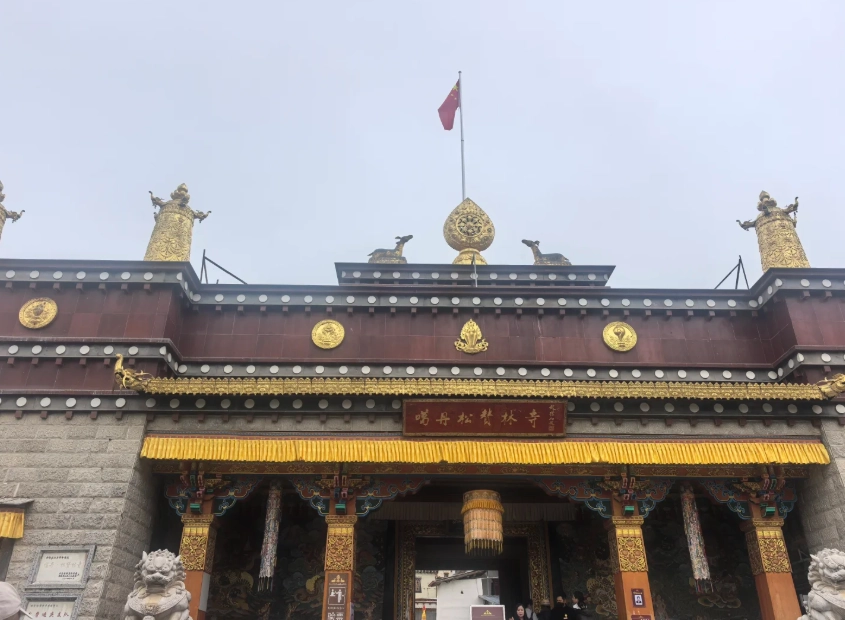
Why Most Online Guides Get This Wrong
Here's the thing—the monastery sits on a hill about 5 kilometers north of Shangri-La's old town. Google Maps will show you a straight line, but please, do not trust Google Maps in China. It's notoriously inaccurate. I've seen tourists end up at a random parking lot. Instead, use Apple Maps or download AMap (高德地图) before you arrive—it has an English interface now. Most guides also forget to mention that the bus stop sign is only in Chinese, and that taxis often refuse to use the meter. Let's fix that.
Option 1: The Cheapest Way – Bus No. 3
If you're on a budget and want a local experience, public bus No. 3 is your friend. It costs just 1 yuan (about 15 US cents) and drops you right at the monastery entrance. But you need to know a few things first.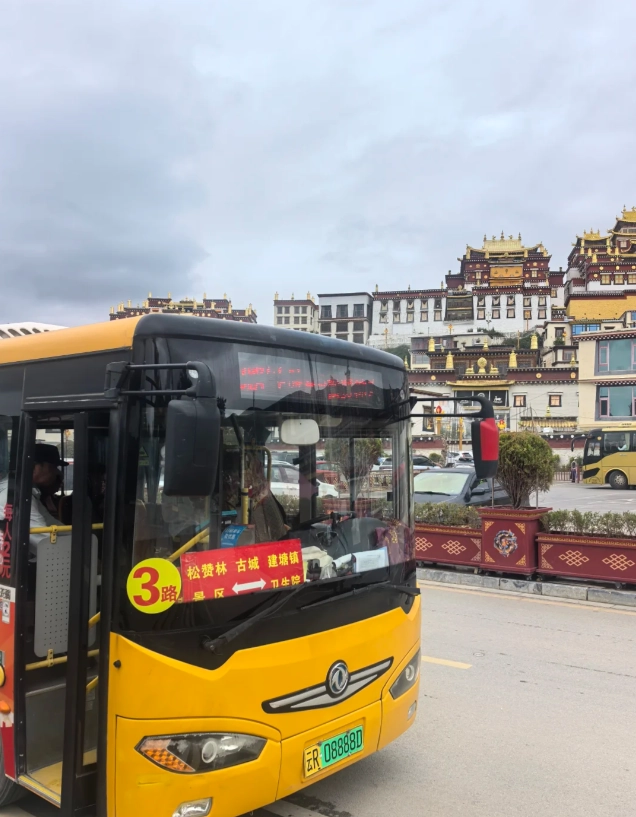
Step-by-Step Guide to Taking Bus 3
- Find the right stop. The most convenient stop for tourists is “Old Town South Gate” (古城南门). Look for a small blue sign with white characters—it's not obvious. I usually tell my clients to stand near the intersection of Jiantang Road and Changzheng Road.
- Signal the bus. Buses here don't stop automatically. Stick out your arm when you see the bus approaching—it's the universal signal. Bus No. 3 is usually white with green stripes, but older ones might be faded.
- Pay with Alipay or WeChat. Cash is not accepted on most city buses. Make sure you have a Chinese mobile payment app set up. If you haven't, ask your hotel to help you scan the QR code inside the bus to activate the transport pass.
- Stay on for about 15 minutes. The bus will pass through a chaotic intersection near Songzanlin Market. Get off at the stop called “Songzanlin Si” (松赞林寺). You'll see the towering white stupa from the window.
- Walk 50 meters to the ticket office. Don't be fooled by touts offering “direct entry” near the bus stop—they're not official.
Pro Tip: Bus 3 runs every 10–15 minutes from 7:00 AM to 8:00 PM. But after 6:30 PM, the frequency drops. If you miss the last bus, a taxi back to town will cost you around 20–30 yuan—still cheap.
Option 2: The Most Convenient Way – Taxi or Didi
For most visitors, I recommend taking a Didi (China's Uber) or a taxi. It's faster, more comfortable, and avoids the language barrier. Here's the breakdown: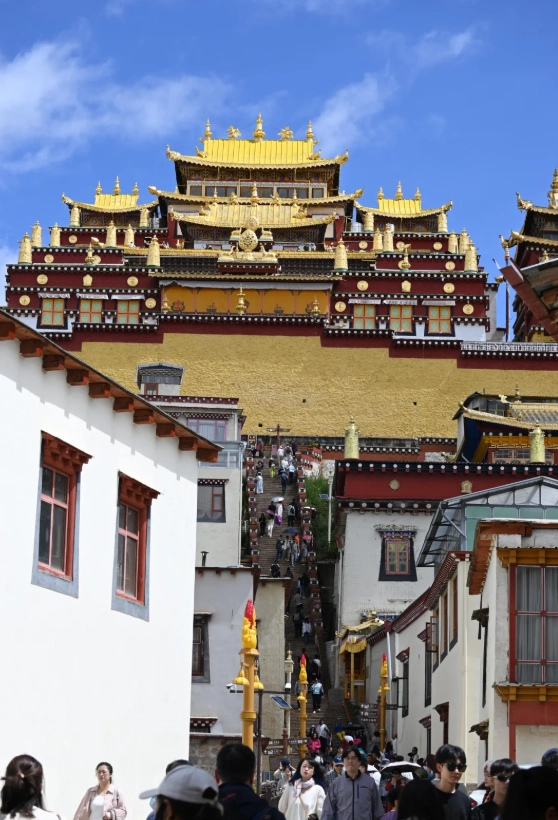
| Mode | Cost (yuan) | Time (mins) | Best For |
|---|---|---|---|
| Didi Express | 15–25 | 10–15 | Fastest, avoids haggling |
| Local Taxi (metered) | 15–20 | 15–20 | Only if driver uses meter |
| Local Taxi (negotiated) | 20–30 | 15–20 | If no Didi available |
Avoiding Taxi Scams
Here's the catch—many taxi drivers near the old town will quote you 50 yuan or more, claiming it's a round trip or that the monastery is far. Do not fall for it. Insist on the meter (请打表) or use Didi. If you don't have a Chinese SIM card, the hotel can call a Didi for you. Also, make sure the driver knows the correct entrance. Some will drop you at a side gate that requires a long walk uphill. Say “main ticket office” (主售票处).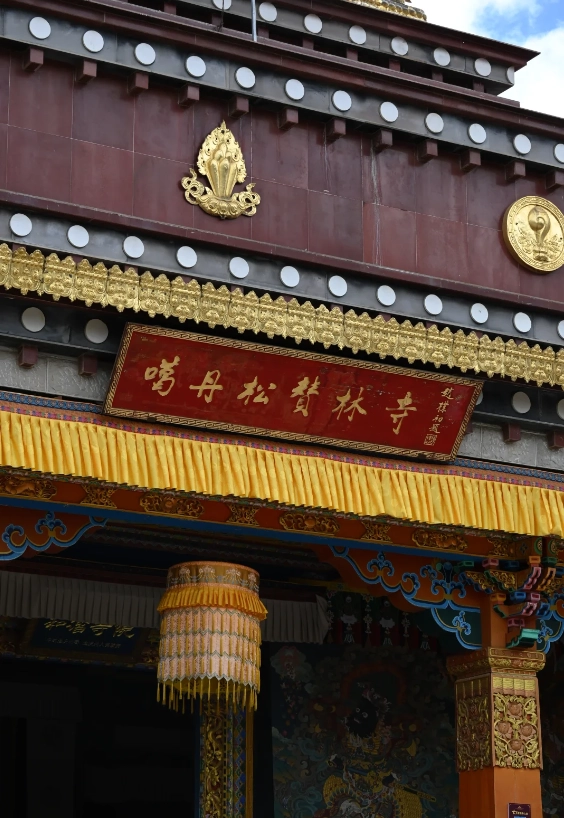
Option 3: Walking or Cycling (If You Have Time)
From the old town, it's about 5 kilometers with a gradual uphill grade. If you're fit and the weather is good, walking takes about 1 hour. Cycling is faster—30–40 minutes—but I don't recommend it for two reasons. First, the road is narrow and shared with trucks. Second, there are no bike rentals near the old town that accept foreign credit cards. You'd need a local to help you. If you insist, use the shared bikes from the parking lot near Moonlight Square—but only if you have Alipay.
What to Know Before You Go
Tickets and Payment
Ticket price: 90 yuan (adults), 45 yuan (students with valid ID). No discount for seniors without Chinese ID. You must buy tickets at the main ticket office—no online booking is available for foreigners through the official WeChat mini-program (it's in Chinese only). I always advise my clients to buy tickets on Trip.com or Klook before arriving. Show the QR code on your phone. But even if you don't, the ticket office accepts Alipay, WeChat Pay, and sometimes cash (exact change only). International credit cards are not accepted.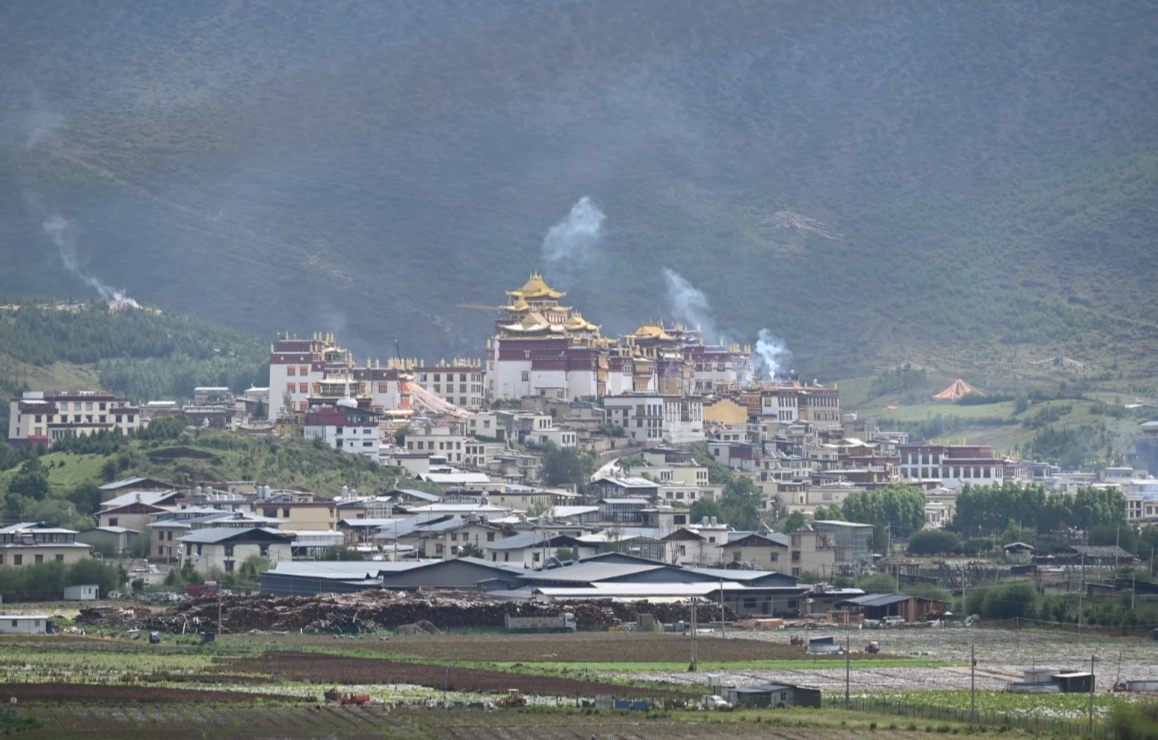
Navigation
I cannot stress this enough: delete Google Maps from your mental map—it won't work properly. Download AMap (高德地图) and set its language to English. The official address in Chinese is: 云南省迪庆藏族自治州香格里拉市松赞林寺. Show this to your driver or copy it into the app. For public transit, use the app “Moovit” but it's not always accurate—ask locals.
When to Go
The monastery opens from 8:00 AM to 6:00 PM (last entry at 5:30 PM). The best time for photography and comfortable weather is after 4 PM. The light turns golden on the whitewashed walls, and the crowds from tour buses thin out. Avoid noon—the sun is harsh and there's little shade in the courtyard.
Insider Tips from a Local Guide
- Bathroom strategy: The toilet near the ticket office often has a long line and is not very clean. I tell my groups to use the one at the bus station before heading out.
- Dress code: The monastery is an active religious site. Cover your shoulders and knees. Hats should be removed inside chapels. No photography inside the main prayer hall—you'll be politely asked to delete it.
- Elevation alert: Shangri-La sits at 3,300 meters. The monastery is slightly higher. If you feel dizzy, walk slowly and sip warm tea. There's a small tea stand near the entrance—they accept Alipay only.
- Return trip: To get back to town, simply walk to the same bus stop across the street from the entrance. Bus 3 runs in reverse until 8 PM. If it's too late, bargain with a taxi driver for 20 yuan—they'll always accept.
Frequently Asked Questions
Verified and fact-checked by the editorial team.






I almost skipped Ganden Sumtseling because I couldn’t figure out the transport from Shangri-La, and this article changed that. The ‘insider’ route via the back gate sounds a bit odd, but it’s genius. I passed clusters of old Tibetan houses, saw kids waving from a doorway, and came out at a viewpoint with the perfect angle on the golden roofs glowing in the late afternoon light. The route details matched the landscape perfectly — no second-guessing. Zero complaints. I’m already sharing this with everyone I meet in Yunnan.
I normally avoid blog-style guides, but this one was surprisingly accurate. The public bus info was still current as of last week: 2 yuan for the #3 bus from the main square, get off where the article says, then walk up the ramp to the monastery entrance. It saved me at least 100 yuan compared to the package tour quotes at my guesthouse. And the warning about the 147 steps and altitude was no joke — I had to stop twice. This guide made a solo trip completely stress-free. Bought the writer a coffee in my head.
This guide was exactly what I needed. We were staying near the old town and took route 3, the walking path through the village. At first I thought the directions were a little loose, but then I spotted the yellow prayer flags tied to the tree mentioned in the article and knew I was on the right track. The view across the valley was magical — horses grazing, morning mist over the rooftops, and a few monks in red walking past. The writer clearly knows this area. Highly recommend this route if you have half a day and want to arrive without dealing with taxis.
This is a solid guide. I used route 1 but hopped in a taxi partway, and the instructions about getting off near the white pagoda were spot on. It saved us from slogging up the long sealed road in the sun. The only reason I’m not giving it 5 stars is that the map included in the article was a bit low-res, and I wish it had mentioned that the ticket office is located before you reach the actual entrance gate. Still, the three route options are genuinely different, and the tip about arriving before the tour groups made it worth waking up early.
I really wanted to love this because the monastery itself is gorgeous, but the ‘insider’ walking route described in option 2 wasn’t as obvious as the article made it seem. After a bit of rain the path was pure mud and I lost the trail near a small farmhouse. Ended up backtracking to the main road and walking the long way. The bit about taking the #3 bus from the old town was correct, but the stop had been moved and it took me 20 minutes to find it. Maybe this guide is better in dry season, but I left feeling a little frustrated.