 Yan Zhou
Quick Guide
I've been guiding travelers through China for over a decade. The visa-free expansions in 2025 caught many off guard — and by 2026, even more nationalities are eligible. But here's the thing: most online guides are missing the real-world headaches. Let me walk you through what actually happens at the border.
First things first — always carry cash. Yes, Alipay and WeChat Pay are everywhere, but immigration counters don't accept them. If you get stuck without renminbi, you'll be running late. I've seen it happen.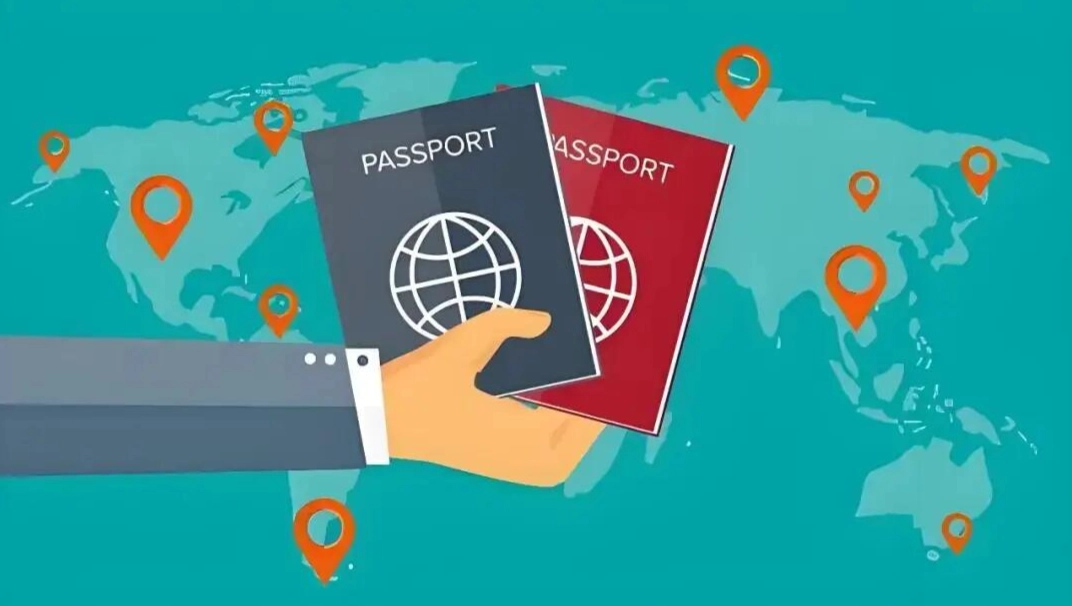
Who Qualifies for Visa-Free Entry?
As of 2026, China has expanded its unilateral visa-free policy to include passport holders from 15 countries (subject to change). These travelers can enter without a visa for tourism, business, or transit. See the table below.
| Country | Maximum Stay | Purpose | Entry Points |
|---|---|---|---|
| France | 15 days | Tourism, Business, Transit | All international airports |
| Germany | 15 days | Tourism, Business, Transit | All international airports |
| Italy | 15 days | Tourism, Business, Transit | All international airports |
| Spain | 15 days | Tourism, Business, Transit | All international airports |
| Netherlands | 15 days | Tourism, Business, Transit | All international airports |
| Malaysia | 15 days | Tourism, Business, Transit | All international airports |
| Singapore | 30 days | Tourism, Business, Transit | All international airports |
| Japan | 15 days | Tourism, Business, Transit | All international airports |
| South Korea | 15 days | Tourism, Business, Transit | All international airports |
| Australia | 15 days | Tourism, Business, Transit | All international airports |
| New Zealand | 15 days | Tourism, Business, Transit | All international airports |
| USA | 15 days | Tourism, Business, Transit | All international airports |
| Canada | 15 days | Tourism, Business, Transit | All international airports |
| UK | 15 days | Tourism, Business, Transit | All international airports |
| Switzerland | 15 days | Tourism, Business, Transit | All international airports |
Also, the 144-hour transit visa-free policy remains for travelers from over 50 countries when transiting through designated cities (Beijing, Shanghai, Guangzhou, Chengdu, etc.). You must have a confirmed onward ticket to a third country. That means Hong Kong, Macau, or Taiwan count as separate destinations.
How Long Can You Stay?
Maximum consecutive stay under the unilateral policy is 15 days (except Singapore). Overstay? Even by a few hours, you risk a fine of 500 RMB per day and a possible entry ban. I had a client who missed his flight and overstayed 2 hours — he paid 1,000 RMB and got a lecture. Don't test it.
The 144-hour window counts from the next morning after arrival. So if you land at 11 PM, your 144 hours start at 8 AM the next day. Use that to your advantage.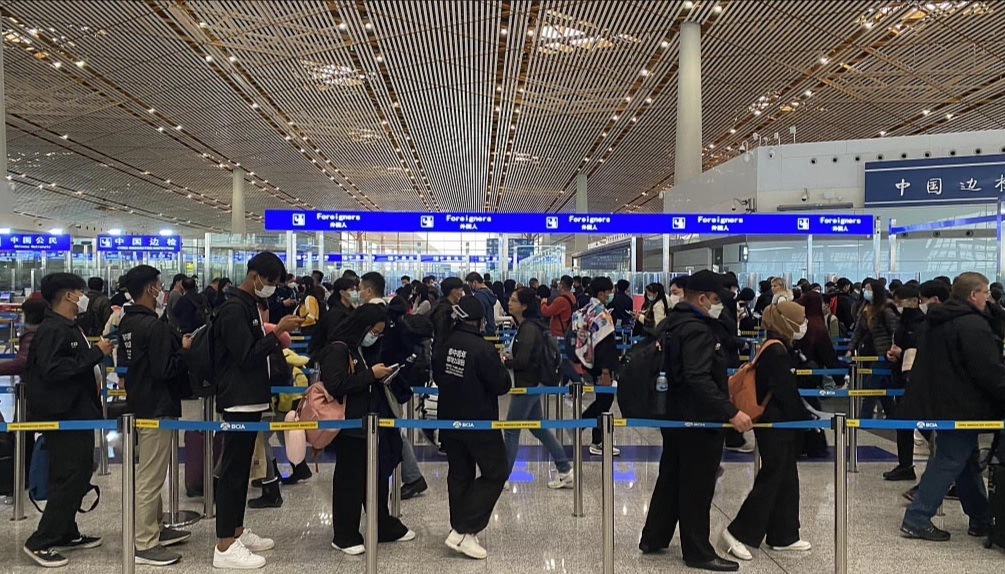
Step-by-Step Entry Process
Before You Fly
- Passport: Must be valid for at least 6 months beyond your departure from China.
- Return ticket: You'll be asked to show proof of onward travel. A printed itinerary works.
- Hotel reservation: Immigration may ask for your first night's accommodation. I always book a refundable hotel on Trip.com in case plans change.
- VPN installed: Google Maps, Gmail, Instagram are blocked. Set up your VPN before you leave — many don't work once you're inside the firewall.
- Payment apps: Link your international credit card to Alipay or WeChat Pay. Cash is king at small vendors, though. ATMs at airports dispense RMB but charge a fee.
At the Airport
- Follow signs to “Visa-Free” or “144-hour Transit” lanes. Don't queue at the regular visa line.
- Present your passport, boarding pass, and completed Arrival Card (usually handed out on the plane). Fill it in English, not Chinese.
- The officer will take your fingerprints and a photo. Look straight into the camera — no smiling.
- You'll get a small slip (embarkation card) stapled into your passport. DO NOT lose it. You need to hand it back when you leave.

After Entry
- Navigation: Forget Google Maps. Use Apple Maps (it works reasonably in big cities) or install Baidu Maps with a VPN. I recommend writing down addresses in Chinese to show taxi drivers.
- Transport: Download DiDi (the Chinese Uber). It has an English interface now. Taxis at airports can be tricky — make sure they turn on the meter. If they don't, get out.
- Register your stay: If you change hotels, the front desk must report your passport details to the local police within 24 hours. It's automatic, but remind them.

Common Mistakes & How to Avoid Them
Mistake 1: Assuming you can extend your stay. Visa-free entries are strictly non-extendable. If you need more time, leave to Hong Kong or Macau and re-enter — but that resets the clock only if you're eligible again. Some nationalities are restricted to one visa-free entry per year. Check before you try.
Mistake 2: Not having a printed itinerary. Phone screens are fine, but immigration prefers paper. I always carry a small folder with my flight confirmation, hotel booking, and a copy of my passport data page.
Mistake 3: Trusting the 144-hour transit policy for a round trip. The 144-hour rule only applies when you're going from one country to a third country via China. If you fly from Paris to Shanghai and then back to Paris, you don't qualify. You must have a ticket to a different destination.
Mistake 4: Forgetting to download offline maps. Data can be spotty in rural areas. Google Maps won't load. Use Apple Maps offline or a dedicated offline app like Maps.me.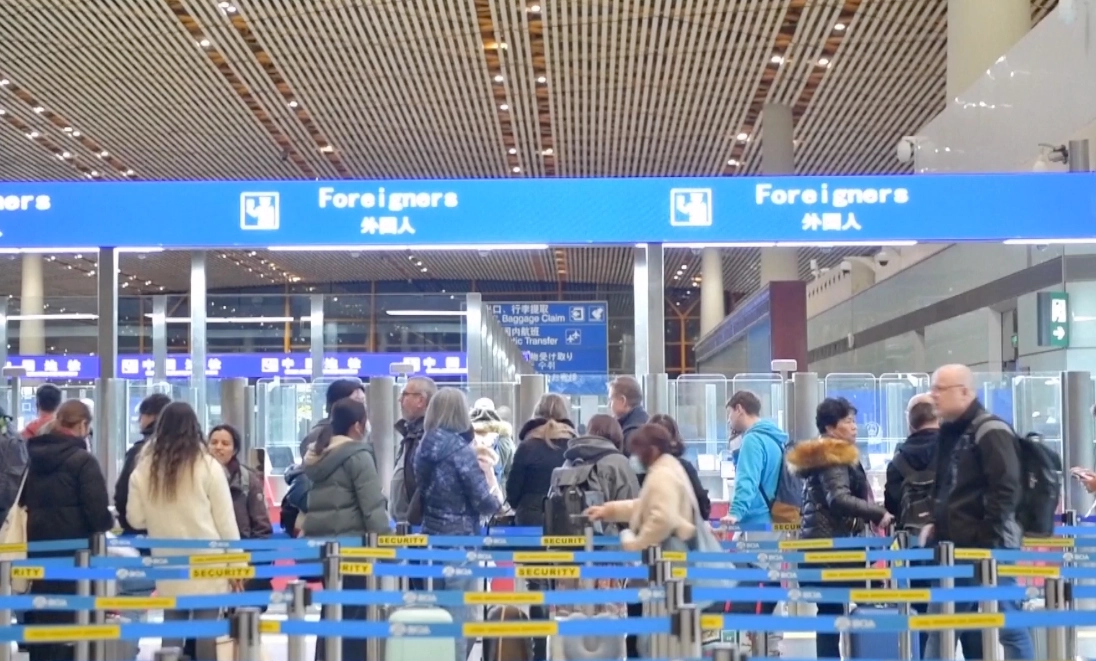
Frequently Asked Questions
Verified and fact-checked by the editorial team.







I flew from London to Chengdu for a 5-day stopover, and the visa-free entry saved my entire trip. The line at Chengdu Tianfu was short, and the staff actually helped me complete the arrival card in English. It took 15 minutes from landing to exit. I was shocked how easy it was — no visa fee, no embassy, no mountain of documents. This is exactly what travel should be.
We traveled as a family with two kids and a stroller, so I was nervous about extra visa checks. At Shanghai Hongqiao, the visa-free process was incredibly smooth. The officer spotted our kids and waved us to a shorter lane, checked our passports, and even smiled at my daughter. We had a 4-day transit window and used it for a quick city trip. Huge relief, would do it again in a heartbeat.
Okay, this changed everything for me. I landed at Guangzhou Baiyun on a whim with just a passport and a return ticket. The visa-free entry officer was polite, stamped my passport, and asked where I was staying. I was out in 10 minutes. No embassy wait, no forms, no visa fee. I literally told my friends: skip the visa drama, just come.
As a frequent traveler, this visa-free policy is a huge time-saver. I entered through Shanghai Pudong and was at the baggage claim in under 30 minutes. The only hiccup was the fingerprint scanner at the e-channel station — it failed twice and an officer had to reset it. But the whole lane was almost empty, no visa paperwork, no payment. Would recommend to anyone with a valid itinerary.
I used the 144-hour visa-free transit at Beijing Capital and honestly, it wasn't as smooth as I hoped. There were no clear signs directing transit passengers to the visa-free counter, and after a 10-hour flight I ended up wandering around. The officer was efficient once I got there, but he still asked for my hotel booking and onward ticket printed out, which took another 10 minutes on my phone. It saved me the visa fee, so I can't complain too much, but the lack of signage made it stressful.