 Qiang Huang
Quick Navigation
- PVG Transport Options: Speed vs. Cost
- The Maglev Train: Is the Speed Worth the Price?
- Metro Line 2: The Budget Option with a Catch
- Airport Buses: Cheap but Easy to Mess Up
- Taxi or Ride-Hailing: My Routing Advice
- Arriving Late at Night? Plan This Way
- Payment, Navigation, and Connectivity Essentials
- FAQ: Your PVG Transport Questions, Answered
I've rescued more jet-lagged travelers at PVG than I can count. Most are staring at their phones, terrified of the maze of Chinese signs. Let's fix that.
This Shanghai Pudong International Airport (PVG) transport guide cuts through the noise. My golden rule? If you're in a hurry, take the Maglev. If you're on a budget, hop on Metro Line 2. And whatever you do, avoid the taxi queue at Terminal 1 — I'll explain why.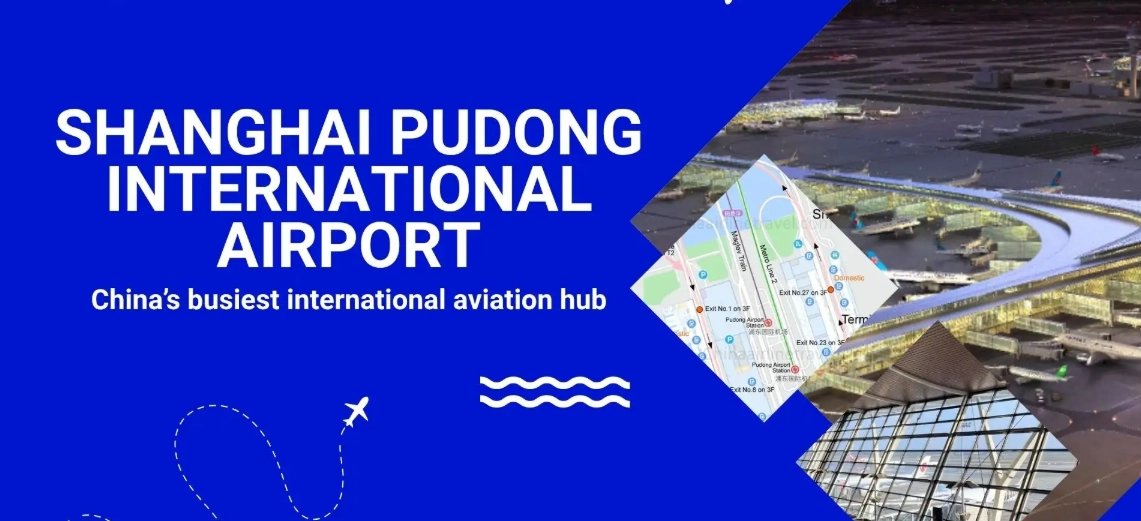
PVG Transport Options: Speed vs. Cost
Before I break down each option, here's the big picture every traveler should memorize. The table below shows the core differences. I've included travel time to People's Square — the unofficial center of Shanghai.
| Transport | Time to People's Square | Cost | Best For |
|---|---|---|---|
| Maglev + Metro | 45-50 min | ¥50 + ¥3-5 | Business travelers, short layovers |
| Metro Line 2 | 60-75 min | ¥7-10 | Budget backpackers, no rush |
| Airport Bus | 80-100 min | ¥25-35 | Travelers staying near bus routes |
| Taxi / Ride-hailing | 40-60 min | ¥150-220 | Groups, families, heavy luggage |
One thing I always tell my clients: don't be penny-wise and pound-foolish. If you're a group of four, the price of a taxi is almost the same as four metro tickets. And if you have more than one suitcase, the Maglev's narrow walkways might drive you crazy.
The Maglev is the fastest, but it only goes to Longyang Road. From there, you'll transfer to the metro. The taxi is the most convenient but also the most expensive, and traffic can turn a 40-minute ride into a 2-hour crawl.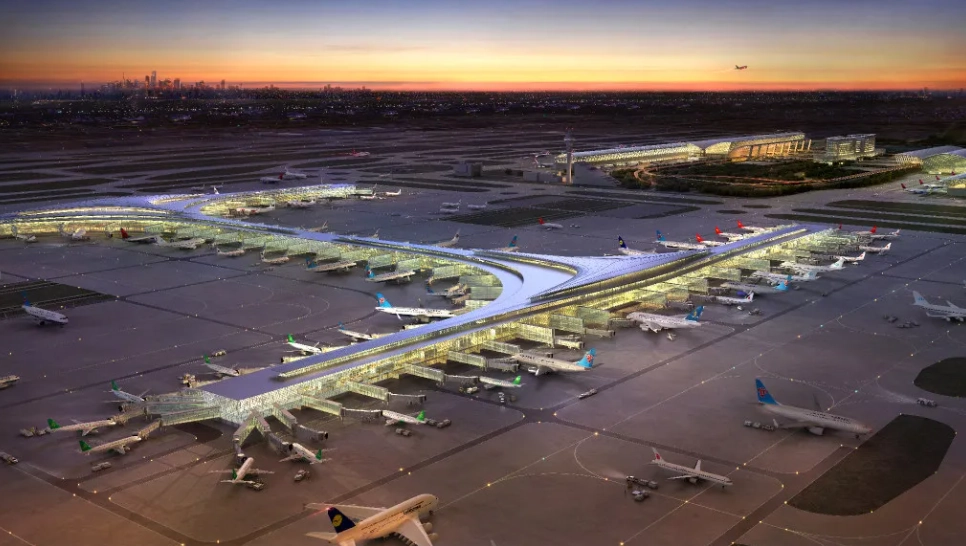
The Maglev Train: Is the Speed Worth the Price?
I love the Maglev, and I take it every time I'm flying out of PVG. That 300 km/h whoosh never gets old. But is it practical for you? It depends on your final destination.
How the Maglev Works
The Maglev train shuttles between Longyang Road Station and PVG in just 8 minutes, with departures every 15-20 minutes. The station at the airport is located between T1 and T2, so you'll need a short stroll or a free shuttle depending on your terminal. For international travelers, the ticket machines have an English interface. You can pay with Alipay, WeChat Pay, or cash. But remember, it only drops you at Longyang Road. From there, you'll transfer to Metro Line 2 or Line 7.
When to Skip the Maglev
If you're staying near Longyang Road, the Maglev is a no-brainer. But if you're headed to the Bund or People's Square, you'll spend extra time transferring. Plus, the Maglev ends its service around 21:00, so late-night arrivals can't use it. My advice? If you land before dusk and have fewer than two months on your Chinese visa, ride it once for the thrill.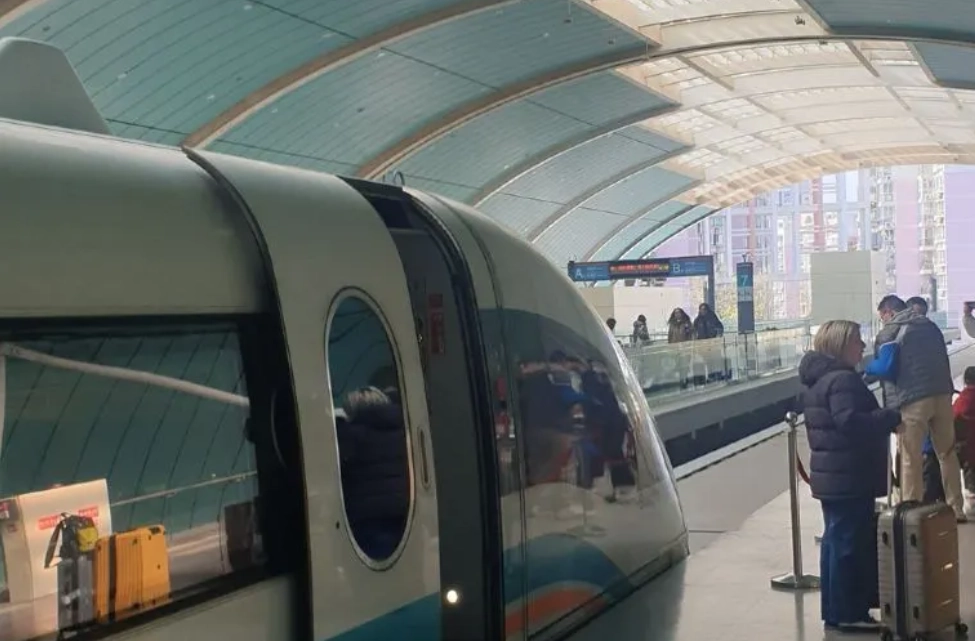
Pro Tip: The Maglev ticket counter sometimes gives a small discount when you show your same-day boarding pass. It's not advertised, but ask politely — I've scored a 20% discount before.
Metro Line 2: The Budget Option with a Catch
Metro Line 2 is the workhorse that connects PVG to the city center. It costs next to nothing, and it runs from around 6:00 AM to 11:30 PM. But here's the catch: not all trains go to the final stop. Some end at Guanglan Road, and you'll need to exit and wait for the next train. It's annoying, but the signs are clear enough.
How to Ride Metro Line 2
Follow the 'Metro' signs inside the terminal to reach the station directly. A one-way ticket to People's Square costs about ¥7. You can buy it at the machine with cash or a transport card. If you have Alipay, you can also scan the QR code on your phone at the gate. I always tell my clients to avoid rush hour. If you're dragging suitcases between 7:30-9:00 AM, you'll regret it. The trains are packed with commuters who have zero sympathy for tourists.
Airport Buses: Cheap but Easy to Mess Up
Airport buses are the forgotten child of PVG transport. They're cheap, but they're slow and confusing. There are several lines, and each stops at specific points across Shanghai. I'd only consider this if you're staying right next to a bus stop and hate stairs. The biggest problem? The bus stop signs are usually in Chinese only. Unless you've memorized your hotel's Chinese address, skip this. You'll end up lost. Even if you speak Mandarin, the schedules are not always reliable. I've waited 45 minutes for a bus that simply didn't show up once.
Taxi or Ride-Hailing: My Routing Advice
Taxis at PVG have a dedicated queue, which looks organized. But in practice, you'll wait 15-30 minutes during peak hours. And if you're not careful, some drivers might take a long route. I've seen it happen too often. Instead, I use ride-hailing apps like Didi (the Chinese Uber). Here's my pro tip: walk to the 'pick-up point for ride-hailing' – it's marked on a map, usually at Parking Structure P1 or P2. Then open the Didi app, enter 'PVG T1' (or T2), and your driver will meet you there. This way, you avoid the taxi line completely.
Fare? A ride to the Bund usually costs between ¥150 and ¥220 depending on traffic. Use the app's price estimator before you book.
Insider Advice: Never take the touts who approach you inside the arrivals hall. They'll quote you three times the meter rate. Just walk straight to the official transportation counters.
Arriving Late at Night? Plan This Way
Landing in PVG after 23:00 is a whole different beast. The metro is done for the night, and the Maglev stops at 21:00. Your options are taxis, airport buses (some late routes exist), or booking a hotel near the airport. I always suggest my clients book an airport hotel if they land after midnight. It's not glamorous, but it saves you a ¥250 taxi bill and an hour of traffic. The Fairmont and the Jumeirah are both connected to the airport if you want to splurge, but there are also Budget options like Ibis. Also, the official taxi counter at night can have long queues, so consider pre-booking a ride on a platform like Klook.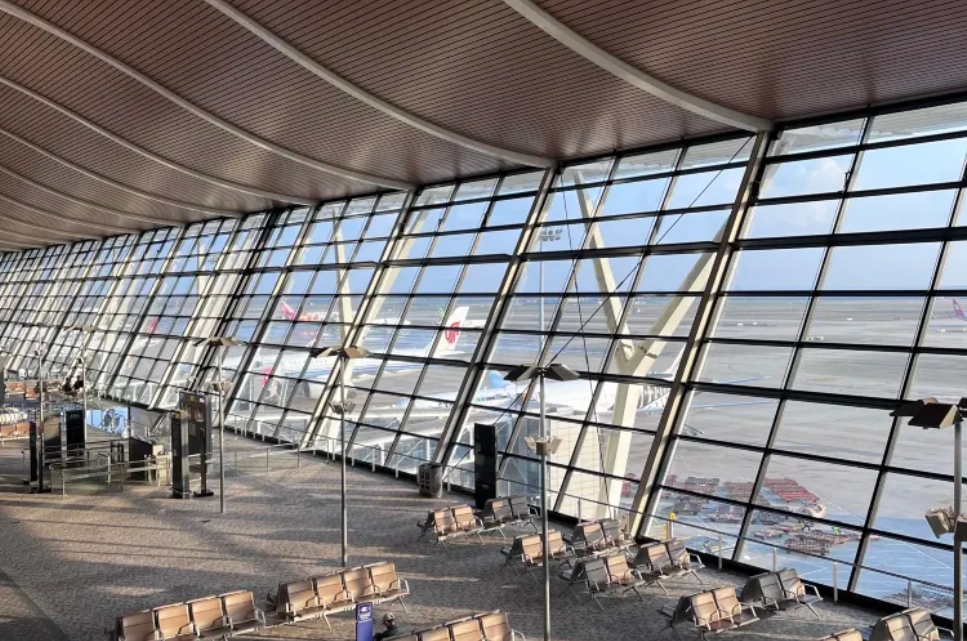
Payment, Navigation, and Connectivity Essentials
Before you leave the airport, get your digital ducks in row. This is where I see most tourists panic.
- Payment: Download Alipay and link your international credit card. It's the most reliable way to pay for transport, snacks, even the metro. Also, make sure you have cash as a backup, but don't rely on it — many airport shops are cashless now.
- Navigation: Forget Google Maps — it's useless here. Use Apple Maps or install AMap (AutoNavi). The English version is called 'AMap Global'. I even show my guests how to use it for real-time bus updates.
- Connectivity: You'll need a VPN or a Chinese SIM. Get a local temporary SIM at the airport kiosk or rent a pocket Wi-Fi. Otherwise your maps, translation, and payment apps might not work.
Pro Tip: If you use AMap, type the Chinese characters of your destination. I always save the Chinese address on my phone and show the driver — it avoids miscommunication.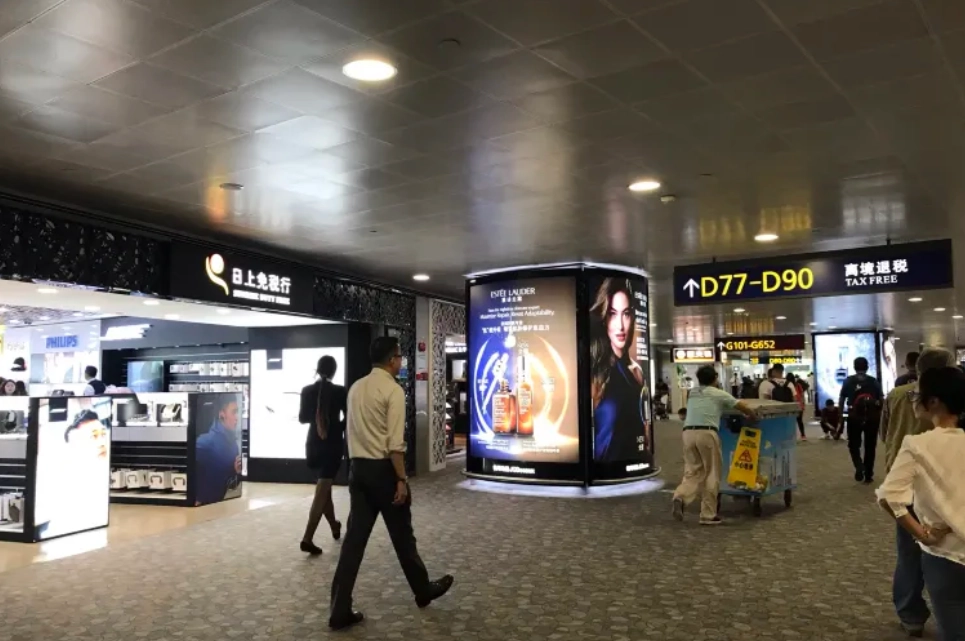
FAQ: Your PVG Transport Questions, Answered
This content has been fact-checked to ensure informational precision.
Used all three on one trip: Maglev from PVG to Longyang (incredible), Metro to my hostel (cheap and easy), and cab back to the airport at the end because I had too much stuff. Honestly they all work well. Download an offline map, keep small change for the metro ticket machines, and you'll be fine. Best airport transport setup I've seen in Asia.
After a delayed red-eye, all I wanted was a no-thought ride to the Bund. The taxi queue at PVG was organized, the car smelled clean, and the driver used the meter/fixed rate without me asking. It was pricier than the metro, but at 6am after 20 hours of travel, that was worth every yuan.
If you've never been on a maglev, spend the extra money and do it. The acceleration felt like a plane taking off and 300 km/h on the display gave me goosebumps. It's only 8 minutes to Longyang Road, but that's the whole point. From there the metro connects to the rest of the city really well. Absolutely worth it for the novelty alone.
Took Metro Line 2 from Pudong to Century Avenue and it was honestly painless. Only 7 RMB, air-conditioned, and the announcements were clear. The walkways at the airport are long, and I had a roller bag, but escalators/lifts were available. Would do it again if I'm traveling light.
The Maglev is stupid fast, no question. But for 50 RMB it's over in like seven minutes and then you still have to transfer to the metro if your hotel isn't near Longyang Road. I kind of wished I'd just taken the metro from the start. It's not bad, just overhyped for the price.
I wanted cheap transport into the city, so I followed the signs to Metro Line 2 at Pudong Airport. My mistake was not realising how much walking and stair climbing there is before you even reach the platform. With two bags, that part was rough. The platform was hot and packed, and the train stopped at almost every station on the way in. It took well over an hour and I felt drained by the time I finally arrived. It definitely saved me money, so I guess it's fine if you're travelling light and have patience. For me, it was a rough start to the trip.
The Maglev is undeniably cool—the top speed alone is worth a photo. I took it from the airport to Longyang, then switched to Metro Line 2 to reach my hotel near the Bund. That's where the novelty wore off. The Maglev ride itself is only about 8 minutes, and after that you still need to navigate the Longyang station transfer with your suitcases. At 50 RMB for the ticket, it's not what I'd call budget-friendly. I'd probably just do the direct metro or even a taxi next time depending on luggage. It's a good experience, just not a perfect solution.
Landed at PVG past midnight and just wanted a simple ride to my hotel near Jing'an Temple. The taxi queue was well organized even at that hour. The driver had a spotless car and actually helped lift my 28-inch suitcase into the trunk. The meter read about 150 RMB once we arrived, plus the highway fee, which I expected. For someone exhausted after a 14-hour flight, it was worth every yuan. No hard selling, no hidden detour—just a smooth, quiet ride into the city. Highly recommended if you're carrying heavy luggage.
If you're travelling on a budget, skip the Maglev and take Metro Line 2 from PVG. The signs are in English, the ticket machine was easy to use with Alipay, and it cost me around 8 yuan to get to People's Square. Yes, it took nearly an hour and it got busy during the evening rush, but I found a spot after a few stops and watched the city lights come up outside the window. For a solo backpacker, this is the best value way to get into Shanghai. I'd do it again for sure.
First time in Shanghai and I took the Maglev from Pudong. It's not just transport—it's a real experience. The train reached 431 km/h on the display and still felt smooth enough to walk down the aisle. We made it to Longyang Road in about eight minutes. I paid 50 yuan for the single ride and I honestly think it's worth it just for the fun of it. After that I switched to the metro, which was easy to follow and got me close to my hostel. Definitely one of my favourite airport transfers ever.
After a red-eye from Singapore, I was dreading the taxi queue at PVG. But it moved fast, the driver helped me with my bags, and the car was clean and cold. He didn’t speak English, but he followed the map on his phone and we got to the West Nanjing Road area in about 40 minutes at 7:30am. Meter came to 180 RMB, which felt fair. More than the Maglev, maybe, but door-to-door convenience won me over. Zero complaints.
If you’re on a budget, take Metro Line 2 from PVG. It costs next to nothing and is easy once you get your bearings. I had a roll-aboard and a backpack, and it was fine during midday. The signs are bilingual. It took about 55 minutes to reach East Nanjing Road, but for the price it’s unbeatable. I’d take this over a taxi every time. Just avoid peak hours unless you love crowds.
Best money I spent in Shanghai. The Maglev from Pudong Airport hits 431 km/h and makes the run to Longyang feel like a heartbeat. The ride is comfortable and smooth - no wobble, no noise. There are clear taxis outside Longyang Station if you need a final leg. I timed it: 7 min 38 sec from closing doors to arrival. Unreal. Do it at least once.
Taking the Maglev into town is honestly thrilling - the train gets up to 300+ km/h and is so quiet. I loved watching the city blur past. Connecting to Line 2 was a bit of a hassle with a suitcase because the transfer corridors aren’t lift-friendly. But it’s cheap and quick overall. If you pack light, this combo is great. Just don’t expect a seamless airport-style transfer.
I used the Maglev from PVG to Longyang and then switched to Metro Line 2. The Maglev itself is cool, no argument, but once you reach Longyang you’re dumped into a huge station with signs that aren’t all in English. I went the wrong way twice. Then Line 2 was packed and I had a suitcase, which got stressful. It’s cheap, I guess, but if you’ve never been before, maybe just take a taxi or a car service. Not awful, but not as smooth as I wanted.