 Ting Chen
What's Inside
- Why Yubeng Village Should Be on Your List
- How to Get to Yubeng Village (Step by Step)
- Permits & Fees: What Foreigners Need to Know
- Best Time to Visit & Weather Tips
- Trekking Routes: Upper, Middle & Lower Trails
- Where to Stay: Guesthouses vs Camping
- Packing List: What I Always Bring
- Food & Dining: What to Eat in Yubeng
- FAQ: Your Top Questions Answered
I’ve been guiding groups to Yubeng Village for over eight years. And every time, someone shows up with zero clue about the permit system or the real trekking time. So here’s the deal: this is the only English guide you need—no fluff, just stuff that actually helps you plan.
Let’s cut to the chase: book permits at least 2 days ahead, bring cash (card is useless up there), and don’t trust Google Maps once you leave Shangri-La. More on that below.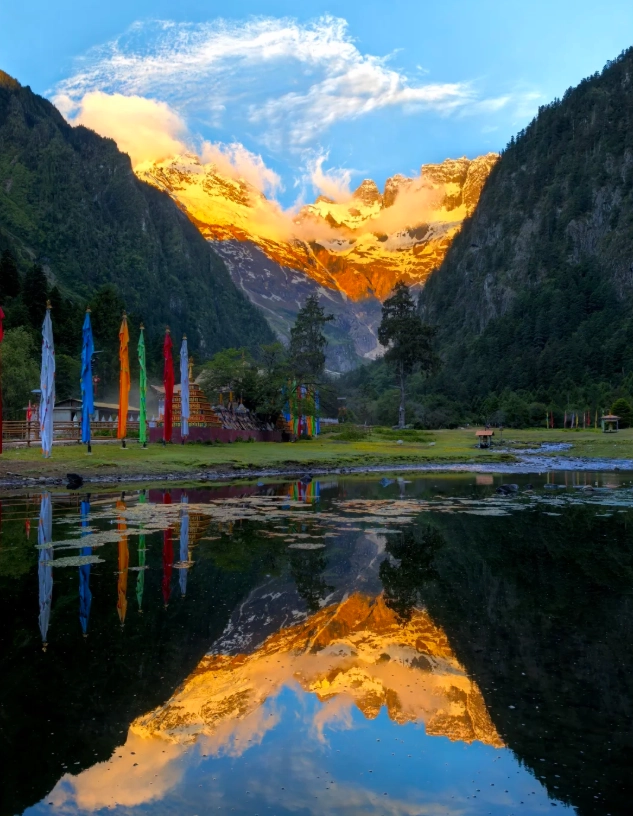
Why Yubeng Village Should Be on Your Bucket List
Yubeng (雨崩, Yǔbēng) is a remote Tibetan village tucked under the sacred Meili Snow Mountain (Kawagebo). No roads lead in—only hiking trails. It’s raw, quiet, and feels like stepping into a Shangri-La painting. Most foreign tourists miss it because of the language barrier and complex logistics. But if you love untamed nature and authentic Tibetan culture, this is your spot.
How to Get to Yubeng Village (Step by Step)
Getting to Yubeng requires a multi-leg journey. Here’s the route I always recommend for foreigners:
| Leg | From → To | Duration | Best Transport | Cost (CNY) |
|---|---|---|---|---|
| 1 | Shangri-La → Deqin County | 3–4 h | Bus (from Shangri-La Bus Station) | ~65 |
| 2 | Deqin → Feilaisi Viewpoint | 30 min | Shared minibus (at bus station) | ~20 |
| 3 | Feilaisi → Xidang Trailhead | 1.5 h | Private car (negotiate at Feilaisi) | ~150–200 per car |
| 4 | Xidang → Yubeng Village (hike) | 4–6 h | On foot (uphill, 12 km) | Free |
Permits & Fees: What Foreigners Need to Know
You need two things: a Meili Snow Mountain National Park entrance ticket (¥55) and a Yubeng Village eco-tourism fee (¥60). Both can be bought at the Xidang ticket office. They accept cash only—no card, no Alipay? Actually Alipay works if you have a Chinese bank account, but cash is safer. Bring enough small bills.
Also, register your passport at the entrance. They’ll record your details because it’s a border area near Tibet. Don’t worry, it’s routine.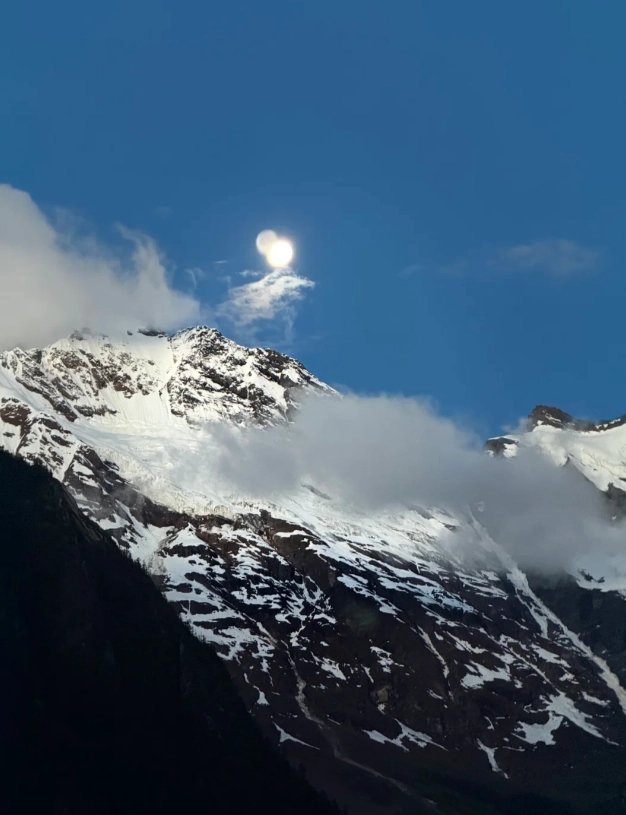
Best Time to Visit & Weather Tips
October and November are absolutely gorgeous—clear skies, golden leaves, and stable snow on the peaks. April to June also works, but you’ll get more rain and mud. Avoid July and August (monsoon) unless you enjoy leeches and slippery trails.
I’ve seen tourists in shorts at 5°C. Don’t be that person. Layers are your friend: thermal base, fleece, and a waterproof jacket. The temperature drops sharply after sunset.
Trekking Routes: Upper, Middle & Lower Trails
Yubeng has three main day treks. Here’s a quick comparison:
| Trail | Destination | Duration (round trip) | Difficulty | Best For |
|---|---|---|---|---|
| Upper | Ice Lake (Binghu) | 6–8 h | Strenuous | Adventurers, good fitness |
| Middle | Base Camp of Meili (Xiaonong) | 5–6 h | Moderate | Most hikers |
| Lower | Divine Waterfall (Shenpu) | 2–3 h | Easy | Everyone, including beginners |
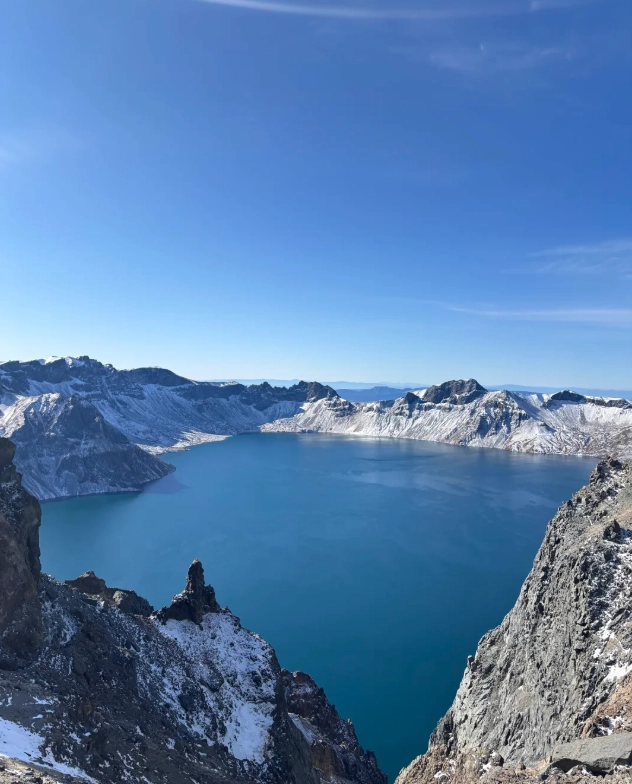
My top pick is the Upper trail to Ice Lake. The view of the turquoise lake against Kawagebo’s glacier is stunning. But start early—I mean 7 am—to avoid afternoon clouds that block the view. Bring plenty of water; there’s no shop on the trail.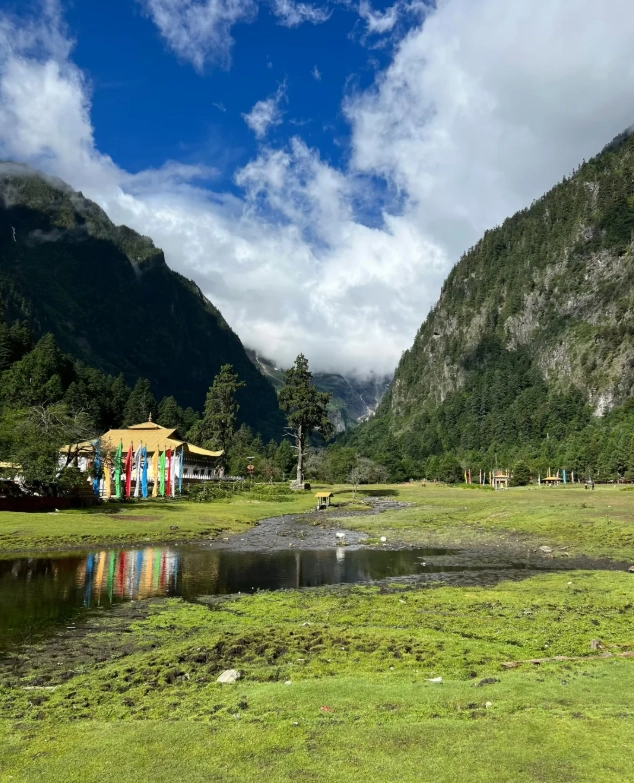
Where to Stay: Guesthouses vs Camping
You’ll stay inside the village itself. Options are basic but cozy. Here are three I’ve personally used:
| Name | Price (dorm/private) | Wi-Fi | Hot Water | English |
|---|---|---|---|---|
| Meili View Guesthouse | ¥60 / ¥200 | Yes (slow) | 24h | Basic |
| Yubeng Hiker’s Lodge | ¥50 / ¥150 | Yes | Solar (evening only) | Some staff |
| Tibetan Family Home (no name) | N/A / ~¥120 | No | Bucket bath | None (pointing & smiling) |
Cash only for payment. No credit cards. The Tibetan Family Home is a gem if you want authentic experience—just use a translation app. Camping is technically allowed but no official campsites. I’d recommend a guesthouse for safety and warmth.
Packing List: What I Always Bring
- Trekking poles (essential for the steep descent on Ice Lake trail—I’ve seen twisted ankles without them)
- Headlamp (power cuts happen, and toilets are outside)
- Cash (at least ¥500 in small notes)
- Water purifier tablets (tap water is not safe; buy bottled water or treat it)
- Toilet paper (squat toilets rarely have any)
- Power bank (outlets are scarce in dorms)
- Rain cover for backpack (weather changes fast)
Food & Dining: What to Eat in Yubeng
Village restaurants serve simple Tibetan and Sichuan food. Don’t expect a menu—point at what others are eating. My go-to: yak meat hotpot (牦牛肉火锅, máoniúròu huǒguō) with lots of chilies. It’s heavy, warming, and around ¥80 per person for a big pot. Also try Tibetan butter tea—it’s an acquired taste but great for altitude.
Most places accept Alipay/WeChat but not international cards. Cash is backup. If you have dietary restrictions (vegetarian/vegan), clearly say “su shi” (素食) or use a translation card.


Loved how detailed and honest this guide is. It doesn't just give you the big trail names; it points out the small turnoff near the prayer wheel that you would easily miss before the sacred waterfall. The leave-no-trace notes were a nice touch too, and I appreciated the advice to carry cash because the ATMs run out. We followed the hotel recommendations and stayed at the family-run place with the plum tree in the yard — absolute gem. Best resource I used for the entire Yunnan trip.
As a solo hiker, I was nervous about the language barrier, but the phrase list in this guide saved me again and again. Asking for hot water, ordering simple noodles, and even explaining that I'd left my payment card in the hotel — all worked perfectly. The guesthouse owner actually smiled and nodded. The scenery itself was beyond anything I can put into words. If you're thinking about Yubeng, grab this guide, take your time, and soak it all in.
This guide is the reason our trip went so smoothly. We followed the permit instructions exactly and were never stopped or fined, and the hotel suggestions were genuinely accurate — the guesthouse the guide calls 'basic but friendly' really was exactly that. The detail about spotting the white pagoda before turning off the main trail made all the difference. After six hours of hiking, ending at a place with hot tea and warm blankets felt like magic. Highly recommend reading this before you go.
Really useful overall, especially the hotel breakdown and what to expect for bathroom conditions. The only reason I'm not giving it a perfect score is that the guide glosses over altitude adjustment. My lungs were not ready for the climb to the viewpoints, and I had to take an extra rest day. The route tips were clear and the warning about slippery trails near the waterfall was spot on. If you're a slow-acclimatizer, just read it carefully and build in more time.
Honestly mixed feelings. The trail descriptions were accurate and saved us a couple of wrong turns, but the permit section really confused me. It kept talking about a trekking permit and then a village entrance fee, and I still wasn't sure which one we needed. In the end our guesthouse handled it for us, but they charged more than the guide implied. Also one of the recommended hotels in the list was closed when we got there. Good base info, but needs updating.
Read this on the bus to Deqin and suddenly felt so much more prepared. The packing advice was realistic — those trails are no joke — and the hotel recommendations came with honest pros and cons rather than just a long list. It warned me that the 'easy' first day includes a steep climb, which was exactly right. The permit details were accurate in November. Total must-have if you're going to Yubeng.
Used this on my solo trek and it was worth every cent. The author clearly knows the terrain — the exact turnoff for the less crowded waterfall viewpoint was described perfectly, and I never would have found it otherwise. The sample phrases in Tibetan/Chinese were a lifesaver for asking directions; locals seemed genuinely happy that I tried. Best money I spent before the trip, hands down.
This guide made our Yubeng trip so much easier! I loved the details about which side of the valley gets the morning sun for photos, and the tip to bring earplugs for the village bells was spot on. The permit process was explained step by step, and we got through without any confusion. Honestly, we would have wasted so much time figuring things out without this booklet. Highly recommend for first-timers.
Solid little guide. I really liked having English names for the guesthouses because most signs are only in Chinese. We trekked from Xidang and the route notes matched the actual path well, though the time estimates felt a bit optimistic for someone like me. A few of the hotel phone numbers listed were outdated, but the owner at another guesthouse helped us out. Overall, a good companion if you already have a rough plan for Yubeng.
Bought this before my October trip. The packing advice and hotel names were genuinely useful, but the permit section felt outdated. It said we could sort out the permit at the village gate, but the visitor center staff said otherwise, so we had to backtrack. The trail descriptions are okay but not super precise — we missed a couple of turns because the landmarks mentioned didn't quite match what we saw. Fine for general planning, but I wouldn't rely on it alone.