 Ting Chen
What You'll Find Here
I’ve been guiding tours in Yunnan for over eight years, and nothing wipes out a trip faster than a pounding headache at 3,300 meters. Shangri-La sits at about 3,300 m (10,800 ft) — high enough to ruin your first two days if you’re careless. Here’s the thing: most online advice tells you to “just rest and drink water.” That’s like telling someone to “just breathe” — technically correct but useless without a plan. Let me save you the agony.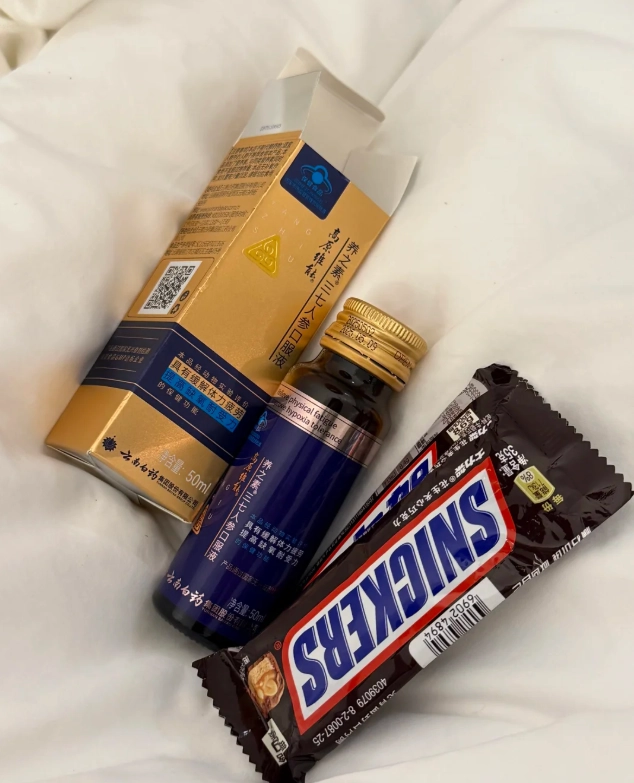
What Is Altitude Sickness?
Altitude sickness (acute mountain sickness, AMS) happens when your body struggles to adapt to lower oxygen levels at high elevations. In Shangri-La, the thin air means you take in less oxygen with each breath. Your body compensates by breathing faster and increasing heart rate, but if the adjustment is too slow, symptoms kick in. Many first-timers mistake it for the flu or jet lag — big mistake.
Pro Tip: Even if you’re in great physical shape, altitude doesn’t care about your gym routine. I once had a marathon runner spend two days in bed because he “didn’t need” to acclimatize.
Symptoms & Warning Signs
Knowing the difference between mild discomfort and dangerous AMS can save your trip — or your life. Symptoms usually appear 6–12 hours after arrival. Here’s what to watch for: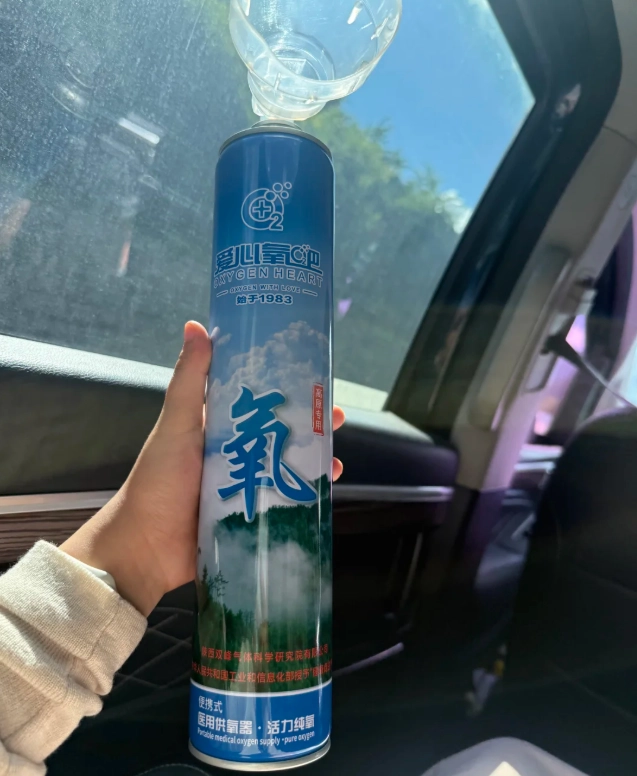
- Mild: Headache, nausea, dizziness, fatigue, loss of appetite, trouble sleeping.
- Moderate: Worsening headache not relieved by painkillers, vomiting, shortness of breath even at rest.
- Severe (HACE/HAPE): Confusion, inability to walk in a straight line, blue lips or nails, coughing up pink frothy sputum — this is a medical emergency. Descend immediately.
One sign most guides miss: If you stop urinating or your pee is dark yellow despite drinking water, you’re dehydrated and your body is struggling. I tell every guest: check your pee color. It’s the simplest early warning.
Prevention & Medication: What Actually Works
Medication Options
Acetazolamide (Diamox) is the gold standard for altitude sickness prevention. It speeds up acclimatization by making your blood more acidic, which forces you to breathe deeper. Start taking it 24–48 hours before arriving in Shangri-La, and continue for 2–3 days after arrival. Typical dose: 125 mg twice a day. Side effects? Your fingers and toes might tingle, and carbonated drinks will taste flat — annoying but harmless.
Ginkgo biloba is often touted but studies show it’s no better than placebo. I’ve never recommended it. Dexamethasone (steroid) is for severe AMS only — not for prevention. Always consult a doctor before taking any medication.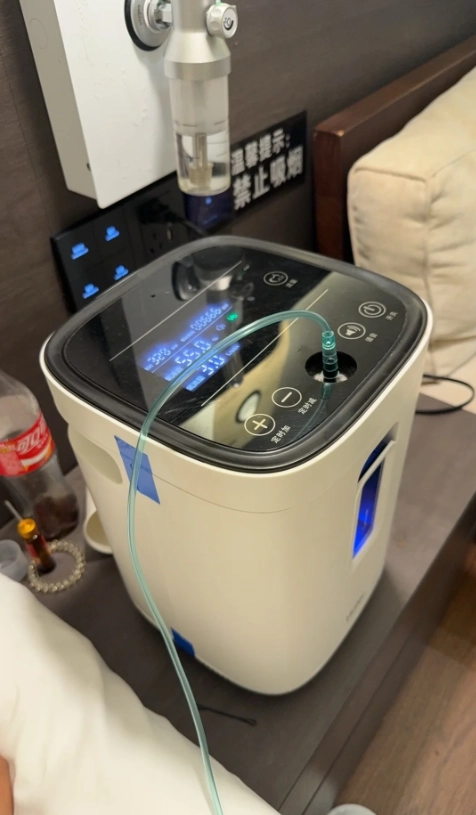
Natural Prevention Tactics
- Slow ascent: If coming from Lijiang (2,400 m), spend a night at Tiger Leaping Gorge or at least in Lijiang before heading to Shangri-La.
- Hydrate like crazy: Drink 3–4 liters of water per day. Alcohol and caffeine dehydrate, so avoid them for the first 48 hours.
- Eat light: Heavy meals divert blood to your stomach. Focus on carbohydrates (rice, noodles) which are easier to digest.
- Sleep low: The old climber’s rule: “Climb high, sleep low.” If you’re staying at 3,300 m, don’t sleep at 4,000 m. But in Shangri-La, you can’t easily go lower — so just sleep at your hotel and avoid walking for the first night.
How to Acclimatize Properly: A Day-by-Day Plan
Most tourists land, drop their bags, and immediately run to Songzanlin Monastery or Pudacuo Park. That’s a recipe for altitude hell. Here’s a plan I tweaked over hundreds of groups: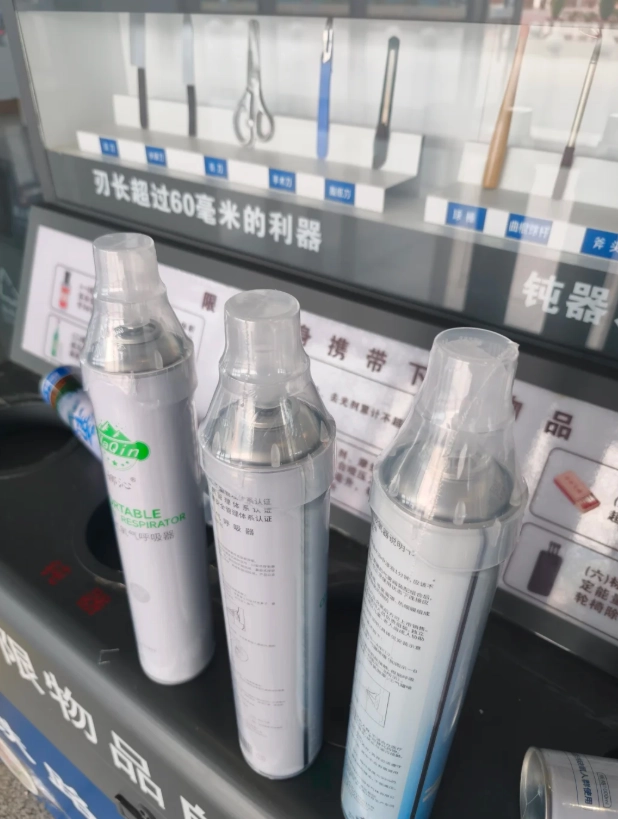
| Day | Activity | Why |
|---|---|---|
| Day 1 | Arrive, check-in, rest. No sightseeing. Walk | Let your body adjust. Oxygen levels are lowest in the evening. |
| Day 2 | Slow walk around Old Town (Dukezong). Visit a café. Afternoon nap. | Gentle activity stimulates breathing without overexertion. |
| Day 3 | If no symptoms, visit Songzanlin Monastery (half day). Avoid stairs. | By now, most people can handle mild exertion. |
| Day 4+ | Full-day trip to Pudacuo or fly to Deqin (3,500 m). | Acclimatized enough for higher altitudes. |
What to Avoid at High Altitude
Some common tourist behaviors will make altitude sickness worse. Every season I see people making the same mistakes:
- Hot showers: A long, hot shower uses up oxygen in the bathroom and drops your blood pressure. Many tourists faint after a shower. Keep it brief and leave the door ajar.
- Overeating: Your digestion slows at altitude. A big hotpot dinner will leave you bloated and miserable. Eat small, frequent meals.
- Climbing stairs too fast: The monasteries have steep steps — go at a snail’s pace. I always tell my groups: “If you can’t talk while walking, you’re moving too fast.”
- Skipping sleep: Sleeping is difficult due to periodic breathing (Cheyne-Stokes respiration). It’s normal to wake up gasping — don’t panic. But avoid sleeping pills; they can depress breathing.
- Ignoring headaches: A mild headache is the first sign. Take paracetamol (acetaminophen) immediately. I carry extra in my daypack for clients who forget.
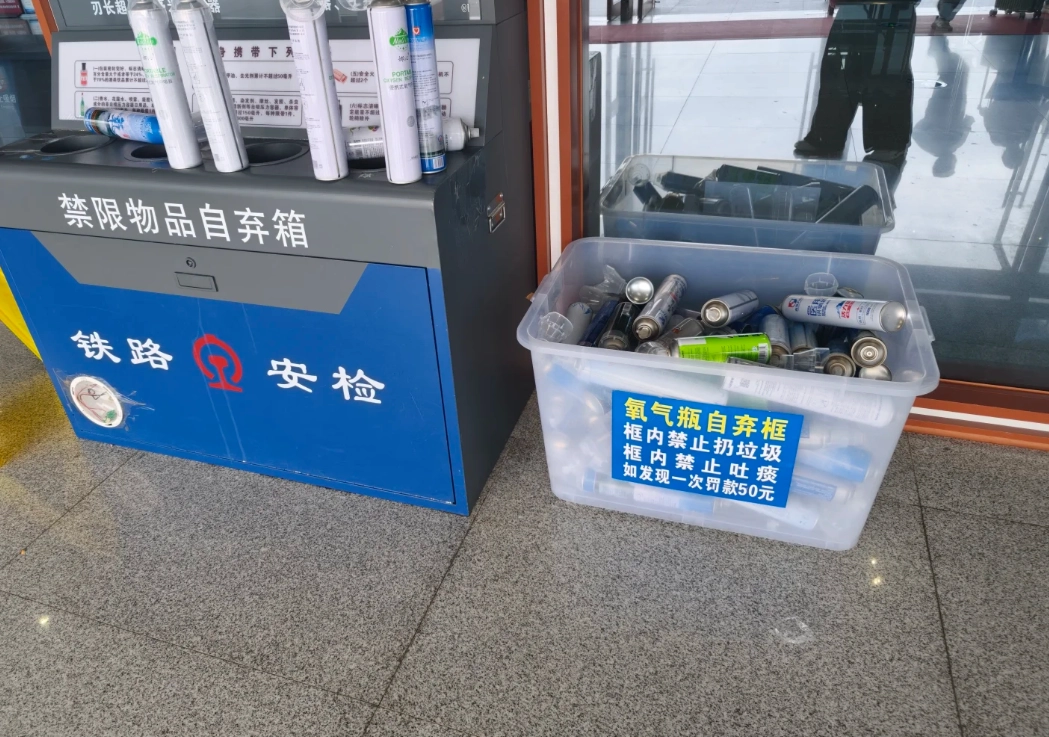
Personal Experience: Last October, a couple from Australia ignored my advice and went directly to Pudacuo Park after landing. The wife vomited at the entrance and spent the next day in the hotel room. They lost two full days of a 5-day trip. Please, trust the process.
Frequently Asked Questions
Final Thought: Altitude sickness is not a weakness — it’s a biological fact. Even guides like me feel the effects sometimes. The key is to respect the altitude, plan your first days like a chess game, and listen to your body. If you follow these Shangri-La altitude sickness tips, you’ll spend your days marveling at golden monasteries and turquoise lakes, not hunched over a bathroom sink. Safe travels.

I read this on the bus from Lijiang to Shangri-La and I think it legitimately saved our trip. My boyfriend gets chronic headaches and we were terrified. The tip about breathing slowly and not rushing helped us enjoy the Tibetan villages and the lake without the usual pounding head. We also loved the reminder to carry snacks. By day two we were eating momos and walking around like normal people. Five stars—couldn't have enjoyed Shangri-La without it.
Finally an article that treats altitude sickness like a real issue. I loved the structured tips—buying bottled oxygen? I thought it was unnecessary, but it saved me during a rough afternoon. The sensory advice about 'think before you lift anything heavy' made me laugh, then I realized how true it is. I took the stairs to my guesthouse and felt my heart pounding. Used the tips, took a nap, woke up fresh. Thank you! This article is a life-saver.
This was the best pre-trip read I had for Shangri-La! The advice to rehydrate and skip alcohol is spot on—our first night I was sipping water while others at the guesthouse were suffering after a few beers. I followed the 'walk slowly' rule and the next morning I walked around the old town with blue sky and prayer flags, absolutely no headache. The writer clearly knows what they're talking about. I'll be sharing with everyone going to the plateau.
Solid article for anyone heading to Shangri-La. I'm from sea level, so I was worried. The tip about not flying into Shangri-La directly if you can help it was useful, and I made sure to have a rest day before exploring. Dukezong Old Town was beautiful and I managed to avoid a bad headache until the evening. Only thing I missed was more info about local remedies or oxygen canisters—where to buy and what they cost. Otherwise, really practical and easy to read.
I found this article when I was panicking about the altitude before my Shangri-La trip. The advice is fine—hydration, rest, avoid overexertion—but it felt pretty generic. We did everything it said and still ended up with throbbing heads on the second day around Songzanlin Monastery. I think the guide needs more real details on symptoms and what to do if it gets bad, not just basic reminders. It's not useless, just not as in-depth as I hoped.
I followed the article exactly — drank tons of water, avoided alcohol, took it easy — and still ended up with a pounding headache by late afternoon. I understand altitude affects everyone differently, but I was hoping for more detailed advice about medication or oxygen options in Shangri-La. The content is fine as a starting point, but it felt a bit too generic. I’d recommend pairing it with a medical consultation before you go. Not bad, just not the miracle fix I expected.
I found this article really useful overall. The advice about eating light and staying warm made sense, and I did manage to avoid the worst of the altitude symptoms. The writing is a bit dry and I wish it had a section about what to do if you’re travelling with kids or elderly parents, but for an adult travelling solo it was fine. I still got a mild headache on day two, so maybe I should have followed the hydration tip more strictly. Worth a read.
The tip about not taking a hot shower on the first night made me laugh, but it’s so true. I stayed at a guesthouse in Dukezong and ignored it at first — big mistake. Then I reread this article, opened the window, and felt way better. The slow walking advice also saved me: all those stone steps were brutal. This guide is spot on and super practical, not just generic “rest a lot” fluff. Five stars from me.
Really clear, practical tips. I liked how it broke things down into simple steps — I even screenshotted the list and shared it with my girlfriend. We both used the hydration trick and made sure not to rush up the stairs at the old town. Honestly, neither of us felt a thing. Only wish it mentioned the cost of oxygen cans in town, but that’s not the article’s fault. Highly recommend.
This article honestly saved my trip. I read it on the plane before landing in Shangri-La and started chugging water right away. I followed the advice to take it slow on the first day and skipped the big buffet dinner. By the time I walked around Songzanlin Monastery, I had zero headache and actually felt energised. The tip about avoiding heavy meals made such a difference. If you’re heading to Shangri-La, read this first — it works.