 Ming Yang
- Why My Chengdu Must-See List Skips the Tourist Traps
- The Top 5 Must-See in Chengdu Attractions
- How to Get Around Chengdu's Must-See Sights Like a Local?
- Where to Eat Around Chengdu's Must-See Spots
- What Must You Know About Payments, Booking, and Wi-Fi in Chengdu?
- FAQ: Must-See in Chengdu Questions, Answered
- My Honest Take on Chengdu
Pandas, spelunking, and morning tea — that's Chengdu in a nutshell, but don't listen to those cookie-cutter itineraries. I've been guiding foreigners here for over a decade, and I've seen more travelers get stuck at ticket booths or lost in translation than I care to count.
So, what are the real must-see in Chengdu spots that deserve your precious vacation time? And more importantly, how do you visit them without the headache of payments, wrong maps, and reservation chaos?
Here's my bottom line up front: Visit the Panda Base at opening time, skip the overrated Jinli at night for a teahouse instead, and always carry your passport for bookings. Now, let's dive into the details that will save you hours and frustration.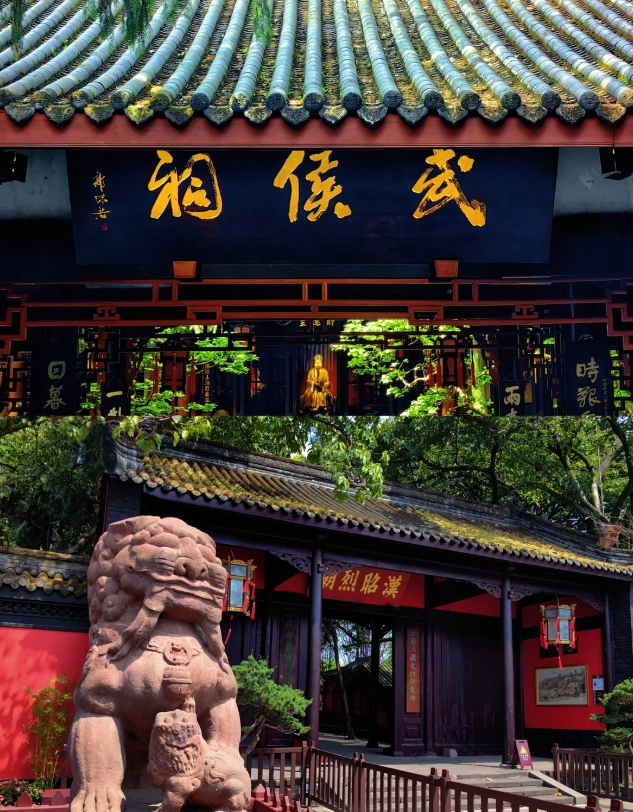
Why My Chengdu Must-See List Skips the Tourist Traps
I started guiding travelers in Sichuan in 2011, back when the metro system was a single line and most tourists only knew about the pandas. Over the years, I've watched the city transform. But my personal list of must-see spots hasn't changed much — because it's built on what actually connects visitors to the city's soul, not what looks good on Instagram.
Here's the thing: many online guides tell you to spend two full days on the “must-see” circuits. That's overkill. Chengdu is best experienced slowly. You don't need to rush through every temple and alley. You need to sit in a teahouse, watch a giant panda munch bamboo, and eat hotpot while your lips go numb. That's the real Chengdu.
I also avoid places that are famous only for their names but have become heavily commercialized. For instance, I always tell my clients to spend less time at Jinli and more time at People's Park. Jinli at night is a wall-to-wall human river of selfie sticks. People's Park, on the other hand, is where locals actually go to unwind. You'll see morning dancers, mahjong players, and old men brushing water calligraphy on the stones.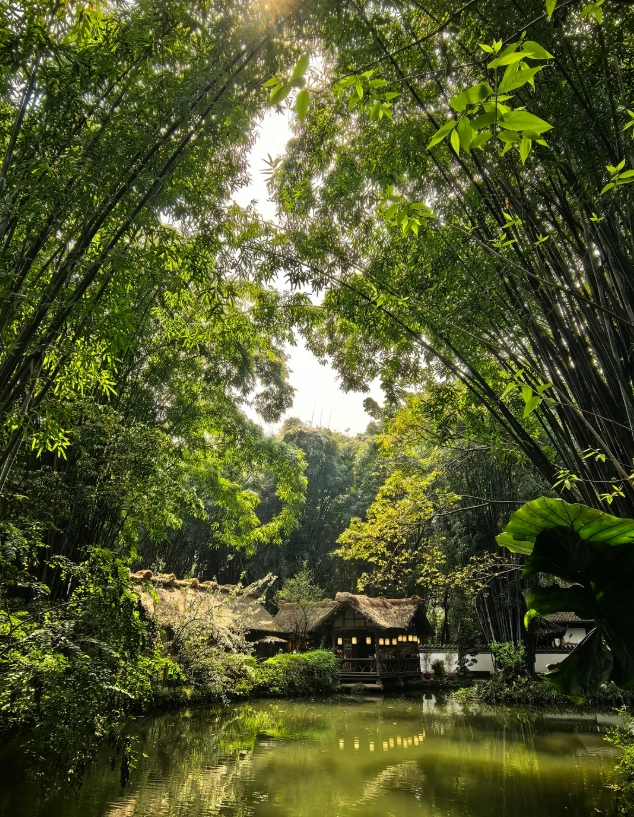
Pro Tip: Skip the overpriced food in Jinli and eat at the street stalls near Wuhou Shrine's south exit — same vibe, half the price.
The Top 5 Must-See in Chengdu Attractions
After years of bringing countless visitors through the city, these are the five attractions that never disappoint. Each one is practical to reach, easy to enjoy even if you don't speak Chinese, and genuinely shows you a side of Chengdu you'd otherwise miss.
1. Chengdu Panda Base: Get There Early or Miss the Action
Head to the Chengdu Research Base of Giant Panda Breeding at opening time — around 7:30 AM — and you'll catch the pandas at their most active, munching bamboo and playfully tumbling. By 10 AM, they're asleep, and you're just looking at furry balls in the shade.
Address: No. 1375, Xiongmao Road, Chenghua District (成华区熊猫大道1375号). The entrance is a bit far from the city center, but the metro now reaches it — Line 3 to Panda Avenue Station, then a short taxi ride (or a 15-minute walk if you're feeling eager).
- Opening hours: 7:30 AM–6:00 PM (but the best panda action is before 9:30 AM)
- Ticket price: about ¥55 per adult; discounts for children and seniors. You'll need your passport to book, and I strongly recommend reserving on Trip.com in English — trying to navigate the Chinese WeChat mini-program is a nightmare even for me.
- Spend 3–4 hours here, and don't forget the moon bear habitats — the red pandas are often overlooked.
There's also a new panda tower that opened recently, but honestly, the old enclosures are still the best for viewing. If you want photos without a crowd, head straight to the juvenile panda area. It's less busy than the main trail.
Also, the wait for the shuttle bus inside the park can hit 40 minutes during holidays. Skip it and walk — the paths are shaded and pleasant.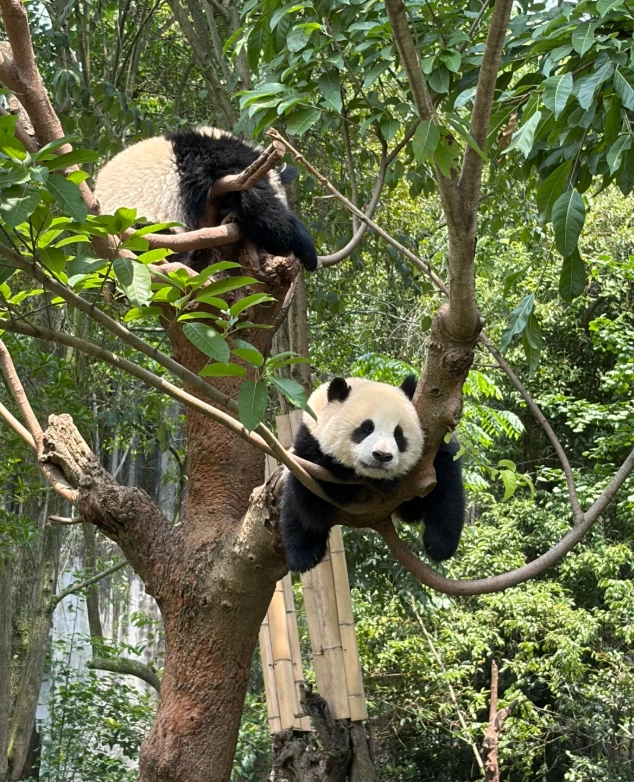
2. People's Park: The Pulse of Chengdu's Daily Life
This is the one place I take every visiting friend — and it's absolutely free. Located on Shaocheng Road (少城路), it's a 5-minute walk from Tianfu Square metro station (Lines 1 and 2). Once inside, you'll see locals doing morning exercises, playing cards, and — most importantly — sipping tea at the famous Heming Teahouse.
- Opening hours: 6:00 AM–10:00 PM daily, but the teahouse typically closes at 6:00 PM.
- Cost: free entry; tea at Heming costs around ¥20–50 per cup. Yes, you're paying for the atmosphere, and it's worth every yuan.
- Don't miss: the ear cleaning service — this ancient practice costs about ¥30 and feels strangely relaxing. Just make sure you're comfortable with a stranger poking a small tool near your ear.
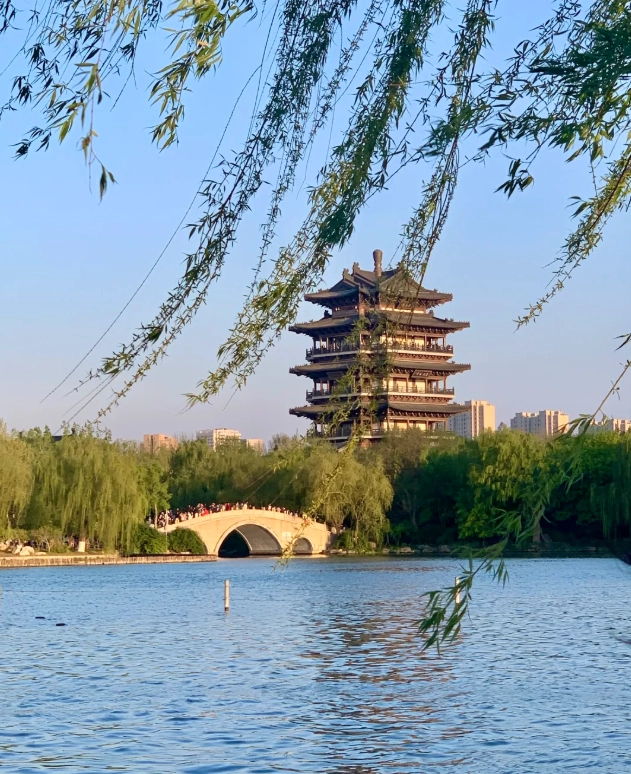
I always tell my groups: bring a book, buy a cup of tea, and sit for an hour. This is where you'll understand why Chengdu is famous for its “leisure culture.” The park also has a lovely lake and small bridges that make for great photos.
If you're only in Chengdu for one day, this is the place to absorb the local vibe without spending much.
3. Wuhou Shrine & Jinli: History Meets Hustle
Wuhou Shrine (武侯祠) is the only temple in China dedicated to both a monarch and his minister — and it's worth the ticket for the pristine architecture alone. It's right next to Jinli Ancient Street, which makes it easy to combine both in one afternoon.
Address: No. 231 Wuhou Ci Street, Wuhou District (武侯区武侯祠大街231号). Take Metro Line 3 to Gaoshengqiao Station, then walk about 15 minutes east.
- Wuhou Shrine opening hours: 8:00 AM–6:00 PM (last entry 5:00 PM).
- Ticket price: around ¥50; discount for students with ID.
- Jinli is free to enter, but the real magic is in the evening when lanterns come out. However, as I said, it gets crowded. Go at 8 PM if you want a more relaxed stroll.
If you're a history buff, spend 2 hours in the shrine. The exhibition halls have English labels, and the red walls are a favorite photo spot.
Inside Jinli, you'll find snack stalls and souvenir shops. My advice: look, but don't buy food here. Instead, walk five minutes south to the smaller streets around Guangming Road, where the locals eat for half the price.
4. Wide and Narrow Alley: A Quick Photographic Detour
Wide Narrow Alley (Kuanzhai Xiangzi) is a pedestrian-only quarter of Qing Dynasty courtyard houses that has become a symbol of Chengdu — and it's beautifully dressed up for tourists. I call it the “pretty but shallow” cousin of People's Park. Still, for first-timers, it's worth a 40-minute photo walk.
Address: Qingyang District, near Tianfu Square. Metro Line 4 to Kuanzhai Xiangzi Station, Exit B.
- Opening hours: always open (but shops and cafes usually open around 10:00 AM).
- Cost: free to enter.
- Best time: early morning (before 9 AM) to snap photos without the crowd, or late afternoon for golden light.
Inside, you'll find boutique ice cream shops and fancy Sichuan handicraft stores. I always say: don't take the rickshaw ride around the alleys — you'll just get stuck behind selfie groups.
There's also a Starbucks inside that looks like a traditional courtyard — a fun little hybrid.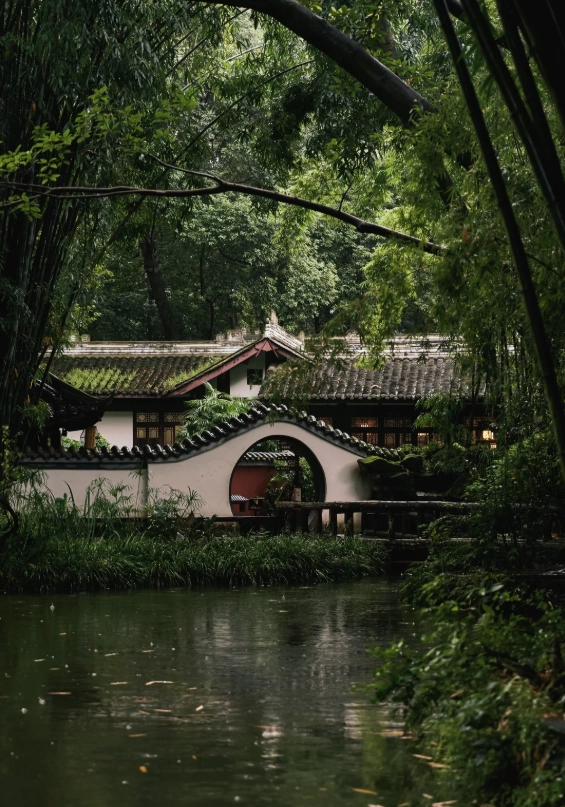
5. Dujiangyan: The Ancient Irrigation System That's Still Alive
This UNESCO World Heritage Site is a 2,200-year-old engineering marvel that's not only a must-see in Chengdu but also a short day trip from the city. It's about 50 kilometers away, but you can get there by high-speed rail from Chengdu North Station in around 30 minutes. The train drops you at Lidian Park Station, which is already inside the scenic area.
Address: Dujiangyan City, Chengdu (都江堰市). If you're taking a taxi from Chengdu, it takes about 1.5 hours and costs ¥200–300.
- Opening hours: 8:00 AM–6:00 PM.
- Ticket price: around ¥80. Book online via Trip.com to skip the line.
- Plan for a half-day – you'll want at least 3 hours to walk across the suspension bridge and explore the fish mouth (the main water dividing feature).
My favorite part is the Anlan Cable Bridge that runs over the Min River. It jiggles with every step and offers an amazing perspective of how the water flows smoothly into split channels. If you're into hiking, you can also climb to the top of the adjacent Yulei Mountain for a panoramic view.
Honestly, this spot is often skipped by foreigners because it's a bit out of the way. But I think it's one of the most impressive must-see in Chengdu attractions, especially if you're interested in history or engineering.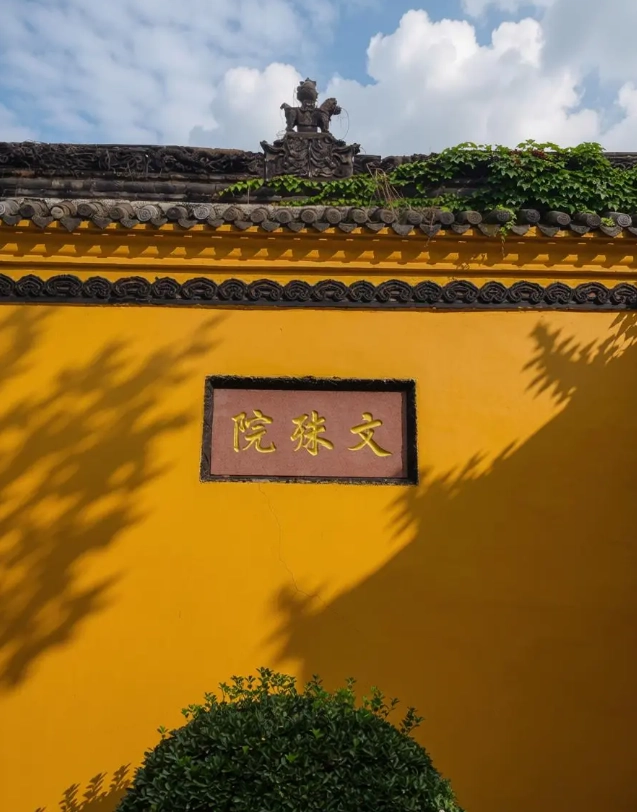
How to Get Around Chengdu's Must-See Sights Like a Local?
Getting to these must-see spots is easier than you think, but there are a few traps that can trip up first-time visitors. Let me walk you through the most reliable ways to navigate this city.
Metro: The Saving Grace
Chengdu's metro system is clean, cheap, and surprisingly English-friendly. Most station signs have both Chinese and English, and announcements are bilingual. You can easily connect to all the must-see sights except Dujiangyan (which is a separate train ride).
To pay for the metro, use the “Alipay” app — you can likely use your international credit card to set it up. Just search for the “Transport” card in the app. Otherwise, you can buy single-journey tickets at vending machines that accept cash (but they rarely give change in coins).
If you haven't downloaded Alipay or WeChat Pay yet, don't panic. Many ticket machines also accept Apple Pay or Google Pay via NFC? Wait, I'm not 100% sure. Actually, I'd recommend getting Alipay set up — it's your ticket to everything: metro, taxis, food.
Didi: The Local Uber
Didi is China's version of Uber, and it's the easiest way to get door-to-door. The app has an English interface, and you can link your international credit card. Always have your destination written in Chinese — I'll provide those in each section above — and show it to the driver.
One warning: during rush hour (8-9 AM, 5-7 PM), traffic near must-see spots like the Panda Base can be nightmarish. If you're heading there during peak time, add an extra 15 minutes.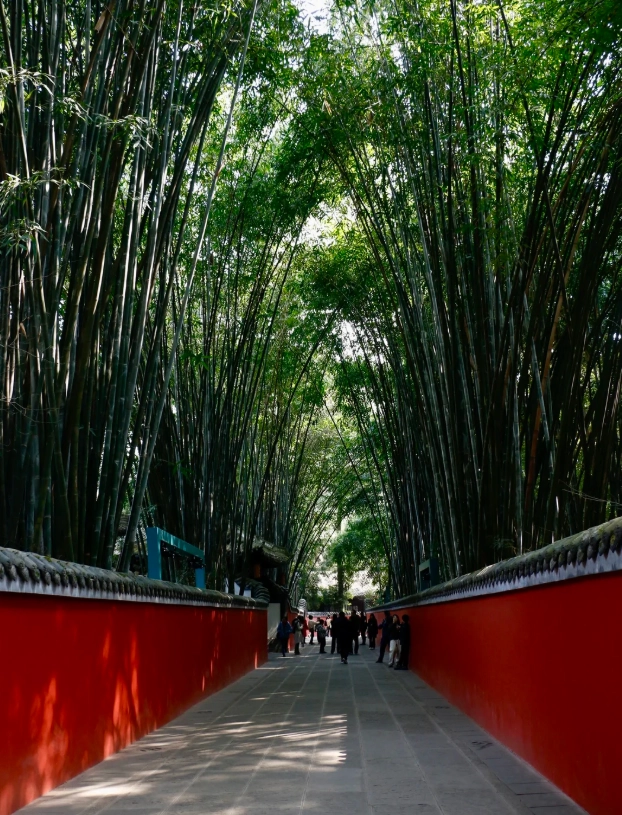
Buses: For the Adventurous
City buses cost just ¥2 and are cashless — you need a transport card from the metro. Given the simplicity of the metro, I often skip buses. But if you're curious, use the AMap Global app (the English version of Gaode Maps) to see real-time routes.
Apple Maps vs Google Maps
Google Maps is useless in China — the data is patchy and often misaligned. Forget Google Maps and use Apple Maps or AMap Global on your iPhone. Both work with English, and AMap Global gives you public transit options with exact exit numbers.
Pro Tip: Before you travel, download offline maps for Chengdu in Apple Maps. That way, even if your VPN drops, you can still navigate.
Where to Eat Around Chengdu's Must-See Spots
Food is half the reason to visit Chengdu. The other half is, well, more food. But with so many options, it's easy to fall into a tourist trap. Here's where I take my groups when the hangry kicks in.
Hotpot: The Obvious Choice
You can't leave Chengdu without a hotpot experience, and the best one is the locals' favorite, Shu Da Xia (蜀大侠). They have multiple branches, but the one in Chunxi Road is central. The broth is spicy, the tripe is fresh, and there's always a line. I usually book via the Meituan app (in Chinese) or simply arrive before 6 PM.
Average price: ¥120 per person. They don't accept international credit cards, so you'll need to pay through Alipay or WeChat Pay. The English menu is available if you ask.
Chuan Chuan (Bamboo Skewers)
This is the more casual cousin of hotpot. You pick skewers from a fridge and dip them in a shared boiling pot. My go-to spot is Mao Jiao Huo La (冒椒火辣) in Kuanzhai Alley. It's a 10-minute walk from Wide Narrow Alley. Expect to wait around 20 minutes during dinner rush.
Price: ¥60–80 per person. They have a picture menu, so no language stress.
Dan Dan Noodles (Dandanmian)
For a quick, budget meal, hit a small noodle shop like Xiao Tan Dandan Noodles (小谭豆花) — it's a chain, but reliable. The sesame and chili sauce over thin noodles is a flavor bomb. A bowl costs about ¥15.
Tea and Snacks
Besides People's Park, you can try the famous Sichuan dessert, Bingfen (冰粉) — a translucent jelly made with brown sugar and sometimes topped with fruits. The best bingfen vendors set up near Wuhou Shrine in the evening. Look for a cart with a long queue.
If you have dietary restrictions, it's doable but requires a bit of patience. Most restaurants can make dishes without meat if you show a translated note. I always travel with a card that says “I'm vegetarian – no meat/chicken/seafood” in Chinese.
What Must You Know About Payments, Booking, and Wi-Fi in Chengdu?
Now, this section is where I save you from a total meltdown. Let's be honest — China operates on a digital ecosystem that can confuse foreigners. Here's the breakdown.
Payments: Alipay and WeChat Pay Rule
Cash is nearly useless in Chengdu. Small street vendors, tea houses, and even some restaurants don't accept it. But you don't need a Chinese bank account to use Alipay or WeChat Pay. Within the last few years, both apps have allowed international users to link their Visa or Mastercard. Just download the app, register with your passport, and follow the steps.
One thing I always tell people: add some money to your Alipay account before you travel. That way, you won't have a panic moment with the internet.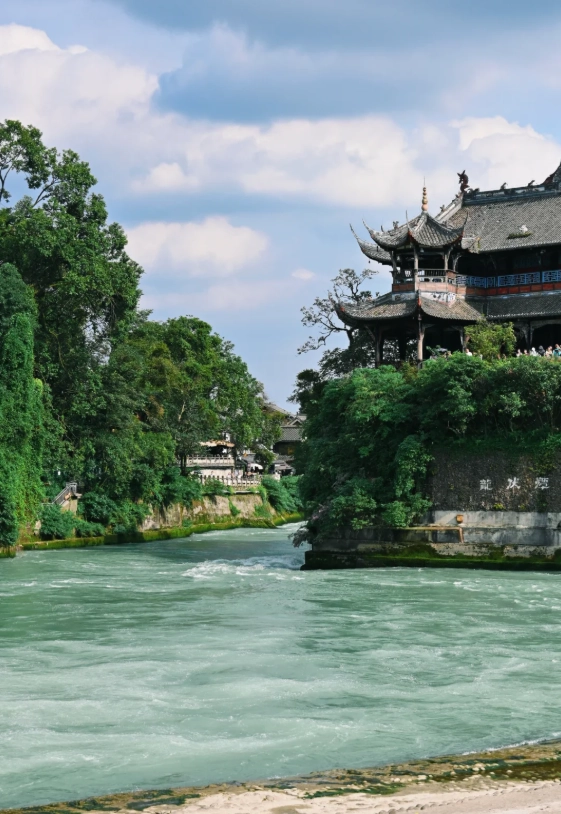
VPN and Internet
Google, Instagram, Facebook, and many other sites are blocked. To access them, you absolutely need a VPN installed before coming to China. I personally use ExpressVPN and let clients borrow my hotspot on rare occasions. Do not rely on hotel Wi-Fi for VPN access — it often blocks VPN connections.
Booking Attractions
Most must-see sights in Chengdu require real-name registration with your passport. For the Panda Base and Dujiangyan, I recommend using Trip.com or Klook — they book the tickets for you in English. For smaller places like Wuhou Shrine, you can buy tickets on-site with a credit card, but you'll still need your passport.
Also, some attractions have strict daily caps on visitor numbers, especially in holidays. If you're traveling during Chinese National Day (October) or May Day, book your tickets at least a week in advance.
Language
English is not widely spoken outside of hotels and tourist spots. Use translation apps like Apple Translate or Baidu Translate. I also suggest downloading the Chinese phrase list for offline use. When in doubt, write a sentence in Chinese with the app and show it to locals — it's much more effective than speaking slowly.
FAQ: Must-See in Chengdu Questions, Answered
Do I need to carry my passport at all times in Chengdu?
Absolutely. Not only do you need it for hotel check-in and attraction bookings, but police may also randomly check on the street. Keep a photocopy in your hotel room as backup, but always carry the original with you.
Can I visit the Panda Base without booking in advance?
You can, but you risk a “sold out” sign during peak travel seasons. I've seen travelers turned away at the gate on public holidays. Book on Trip.com or the official WeChat site at least 2-3 days ahead. During busy weeks, even a week ahead might not be enough. It's not worth the risk.
What's the best time of day to see the pandas?
The pandas are most active in the early morning, from opening to about 9:30 AM. They have feeding time around 8 AM. By 10 AM, most pandas go into their air-conditioned rooms and sleep. Plan to arrive at the gate at 7:15 AM at the latest.
Is Chengdu safe for solo female travelers?
Chengdu is generally safe, even for solo women walking at night. But as with any big city, keep your wits about you. Use official taxis or Didi rather than unlicensed drivers, and stick to well-lit streets after midnight. I've never had a serious incident with my clients.
How do I get to Dujiangyan from Chengdu without a tour?
Take the high-speed train from Chengdu North (North Railway Station) or Xipu Station to Lidui Park Station. The ride takes about 30 minutes, and you can buy tickets on Trip.com or via the official 12306 app. Once you exit, the scenic area entrance is a 10-minute walk. Returning trains run until around 8 PM, so plan to leave Dujiangyan by 5 PM to be safe.
My Honest Take on Chengdu
After all these years, I still get excited walking into the Panda Base at first light, and I've never gotten tired of the oolong tea at People's Park. Chengdu is one of those rare cities that lives up to its reputation — but only if you know where to go and how to move.
If you follow the must-see in Chengdu list I've outlined, you'll leave with sweet memories, great photos, and a comfortable understanding of the local lifestyle. And you'll probably wonder why you ever worried about the logistics.
Now grab your passport, download Alipay, and get ready to fall in love with this panda-flavored city.
Verified and fact-checked by the editorial team.
No comments yet.