 Qiang Huang
Quick Guide – Jump to:
Let me guess. You're scrolling travel feeds, and every other post screams 'Hangzhou is paradise.' Then someone else calls it 'just a lake.' I've guided this city for years, and honestly? Both are right. The real answer to is Hangzhou worth visiting is conditional: you need a plan.
If you go in blind, you'll be stuck in queues, overpay for tickets, and miss the quieter spots that make Hangzhou magical. In this guide, I'll share the exact shortcuts I use with my own clients—from booking tickets without a Chinese phone number to finding the one spot at West Lake that photographers, not tourists, know about.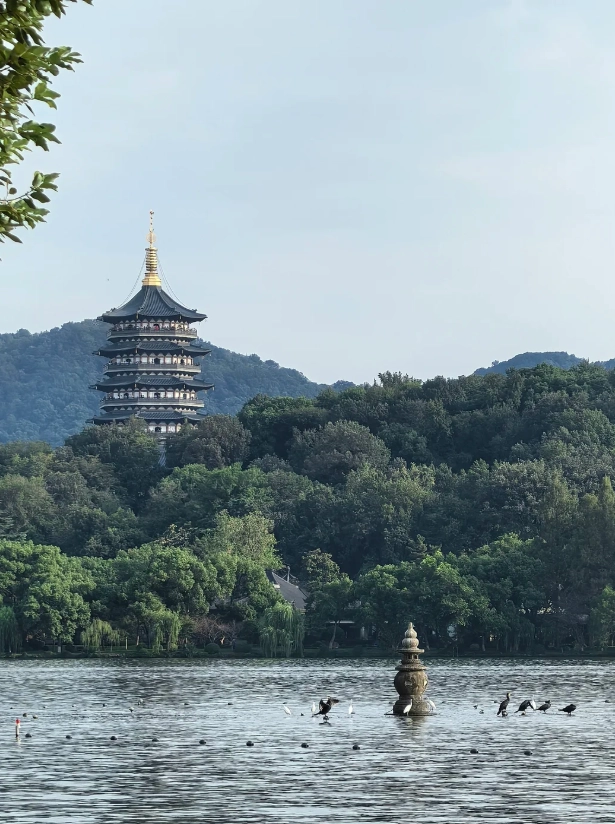
The Short Answer: Yes, But It's Complicated
I'm not going to give you clickbait. If you love landscapes, tea, and history, Hangzhou deserves a spot on your China itinerary. If you're expecting a fast-paced city with buzzing neon streets, you'll be disappointed. It's a city of restraint—think Kyoto with a Chinese flavor, not another Shanghai.
I recommend at least two full days. Three if you want to add a trip to water towns like Wuzhen or Xitang nearby. Most of my client regrets come from trying to squeeze it into a single day—it's not impossible, but you'll spend hours rushing and missing the sunset.
Pro Tip: The lake is best at dawn (5:30–7 AM). The cruises depart at 8 AM, but the calm water reflects the sky perfectly before then. Head to the north side, near Baodi, for the best photo without selfie sticks.
How to Decide If Hangzhou Is Worth Visiting for You
Before you commit to booking flights, ask yourself these questions:
- Yes, if you enjoy slow mornings, rowing boats, and wandering through tea fields.
- Yes, if you're okay with humidity in summer and occasional drizzle in spring.
- No, if you only have 24 hours and your idea of a good trip is non-stop action.
- No, if you're traveling with small kids who will complain about walking 10,000 steps.
If you're already planning a Shanghai trip, Hangzhou makes a perfect 2-day extension. The high-speed rail takes about an hour, and tickets are cheap. I'll show you exactly how below.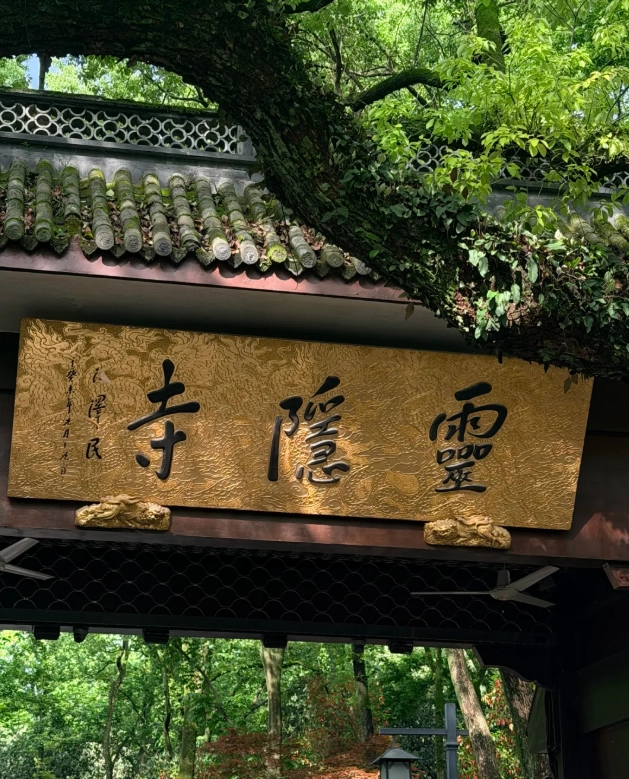
What's Actually Worth It (and What's Not)
After dozens of trips back and forth, here's my honest list of what deserves your time and money.
Truly Worth It
West Lake itself is free and stunning. The Su Causeway and Bai Causeway are the classic paths. Go early and you'll see grandmothers doing tai chi and locals fishing. The lake views change with the light, so don't forget your camera.
Longjing Tea Fields are a green escape. Located in Longjing Village, these terraced hills are a short taxi ride from downtown. Visit in spring (March–April) for the tea-picking season. You can walk through the fields for free. A tea tasting at a local farmhouse costs around 50 RMB.
Lingyin Temple is one of China's most important Buddhist sites. The carved stone grottoes above the blue-green cliffs are impressive. Tickets are about 45 RMB, and it's best to book on Trip.com to skip the queue. The temple's gardens are serene and less crowded than West Lake.
Overhyped
Leifeng Pagoda is best viewed from the opposite shore. The entrance fee and wait time are high for an interior that's mostly a modern elevator ride. The view from the top is nice, but the lake view from the north side is just as good and free.
Hefang Street is touristy but okay for a quick bite. You'll find souvenirs and street food, but the crowd is intense. I usually tell clients to walk through, try the stinky tofu, and escape to the quieter canals nearby.
The 'Impression West Lake' night show is pricey and often disappointing. Unless you love large-scale productions with lots of LED lights, save your 300+ RMB for a great dinner.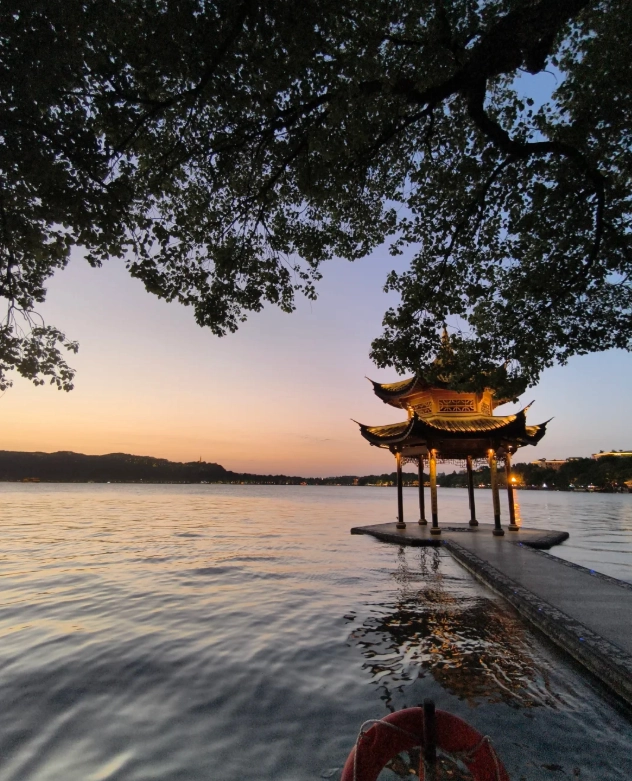
How to Get Around Hangzhou Without Google Maps
Google Maps, my friends, will fail you here. It sends me to construction sites more often than I'd like. Use Apple Maps (which now uses local map data) or download Amap Global (高德) in English. Both work well for walking and metro navigation.
Here's a quick comparison of your transport options:
| Transport | Cost Range | Best For | Pro Tip |
|---|---|---|---|
| Didi / Taxi | 15–60 RMB | Anything more than 2 km | Use the pin, not the address |
| Metro | 2–10 RMB | Rush hour, long distances | Line 1 to West Lake |
| Bus | 2 RMB | Short hops | Have a map screencap |
| Bicycle | 1–2 RMB per hour | West Lake perimeter | Use HelloBike in Alipay |
For Didi, the ride-hailing app supports English, but drivers only get Chinese coordinates. Don't worry about typing the address—just show the pin on the map. If you can't get the app to work, ask your hotel to call a taxi. Always have your destination written in Chinese.
The metro is clean and cheap. Line 1 stops at Longxiangqiao, a 5-minute walk to West Lake. Use Alipay to scan QR codes at the gate—no need to buy a physical ticket.
The Best Time to Visit West Lake (and Skip the Crowds)
Morning is non-negotiable. The lake is most peaceful between 6 and 8 AM. The Su Causeway turns into a human river by 10 AM. If you're not a morning person, consider visiting on a weekday when the crowds are thinner.
Seasonally, spring (March–May) brings peach blossoms, and autumn (September–November) has osmanthus fragrance. Summer is hot and sticky, but the lotus blooms are spectacular. Winter offers a rare chance to see snow—catch it if you can.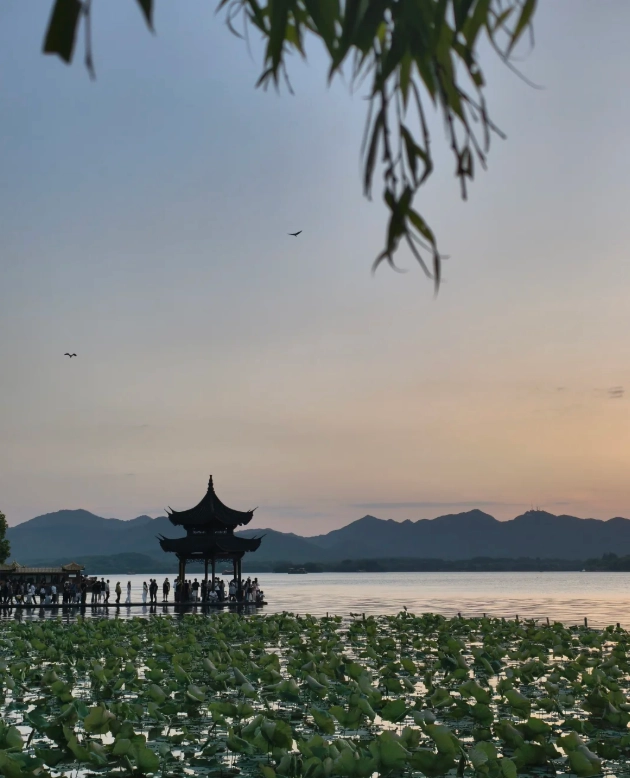
Insider Advice: For the classic broken bridge scene, go before 8 AM. By 9:30 it's a sea of selfie sticks. The best photo spot is at the north end of Bai Causeway, not on the bridge itself.
Beyond West Lake: Hidden Gems That Are Worth Visiting
Most tourists stay glued to West Lake, but Hangzhou's charm extends further. Here are my favorite under-the-radar spots:
- China National Tea Museum – Free and often empty. Address: 116 Longjing Road. It has lovely courtyards and tea ceremony demos.
- Xianghu Lake – A quieter alternative located in the south. It's less touristic, but you'll need a taxi or bus to reach it.
- Grand Canal Historic District – Especially at dusk when the lanterns come on. Xiaohezhi Street is the main tourist street, but you can also walk along the canal for a peaceful evening.
- Meijiawu Tea Village – Just past Longjing, this village is where Hangzhou locals go for weekend tea. The crowds are heavier on Sunday, but the scenery is worth it on a weekday.
I once took a couple to the China National Tea Museum and they spent two hours there, completely hypnotized by the tea ceremony demos. It was a refreshing break from the outdoor heat.
How to Book Tickets and Pay in Hangzhou (International Visitor's Guide)
Most major attractions in Hangzhou now require advance booking with your passport number. For foreigners, the easiest is to book via Trip.com or Klook. They have English support and accept international cards. Avoid the WeChat mini-programs unless you read Chinese—they're a headache.
Payment is where many travelers trip up. Cash is rarely accepted at small vendors, and many shops say 'no cash' as soon as they see a bill. Your best bet is Alipay. Link your Visa or Mastercard to Alipay before you travel. Then you can scan to pay everywhere, including for Didi, metro, and even street food.
Insider Advice: Don't assume your international card will work at a restaurant or attraction. Even big museums sometimes can't process a foreign swipe. Alipay saves you every time.
If you're staying in a hotel, ask the front desk to help you set up Alipay or use their terminal to pay. Many hotels offer a 'guest payment' service that can help you pay by card.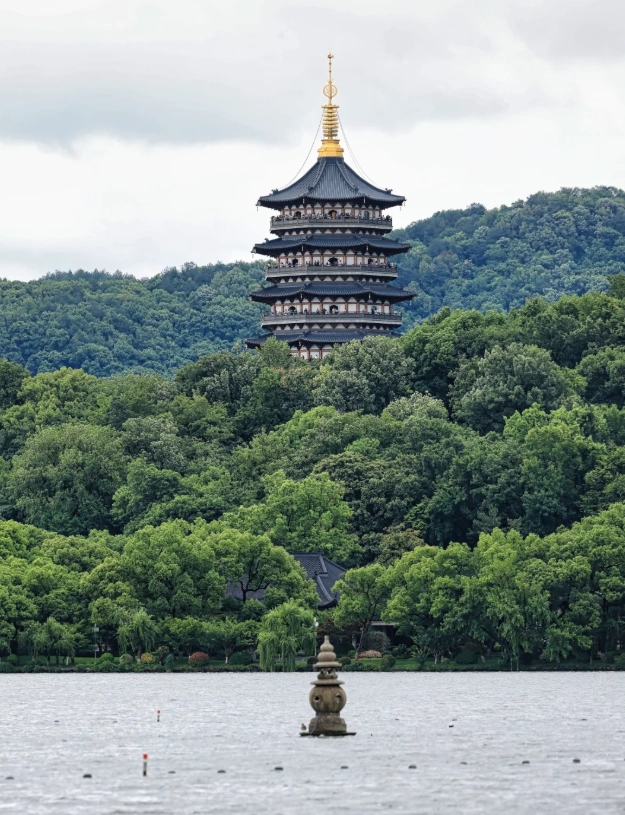
Where to Eat in Hangzhou Like a Local
Here's the deal: for a quick, authentic meal, look for restaurants with a queue at 11:30 AM. That's the local signal. The place is good.
For a reliable meal, Grand Mother's (Wai Po Jia) is a local chain with consistent dishes. Order the Dongpo pork, the sweet-and-sour West Lake fish, and the Longjing shrimp. Expect to spend 60–100 RMB per person. There's a branch at Wulin Square that's easy to find.
For a more atmospheric dinner, head to the Grand Canal area and try one of the small restaurants along Xiaohezhi Street. They often have picture menus, so pointing works perfectly.
If you have dietary restrictions, write them in Chinese on a card and show the staff. Simple phrases like 'no meat' or 'vegetarian' will help.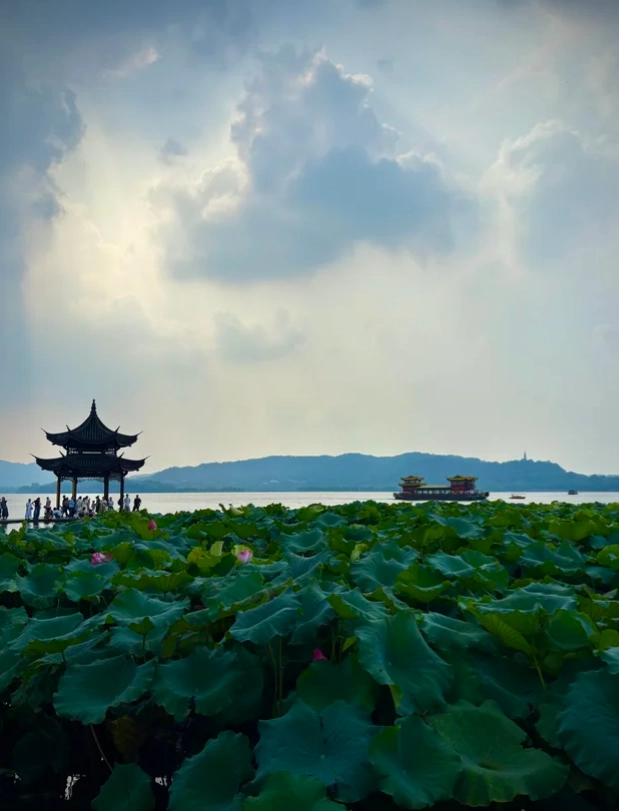
FAQ: Is Hangzhou Worth Visiting in 48 Hours?
Final Verdict: Should You Add Hangzhou to Your China Itinerary?
In a word: yes. In three words: yes, if planned. This city rewards those who arrive early, book through English platforms, and stray from the tourist paths. I've seen countless travelers fall in love with it once they get past the initial chaos. Give it a chance, and it might just become the highlight of your China trip.
This content has been fact-checked to ensure informational precision.
No comments yet.