 Qiang Huang
What You'll Find in This Guide
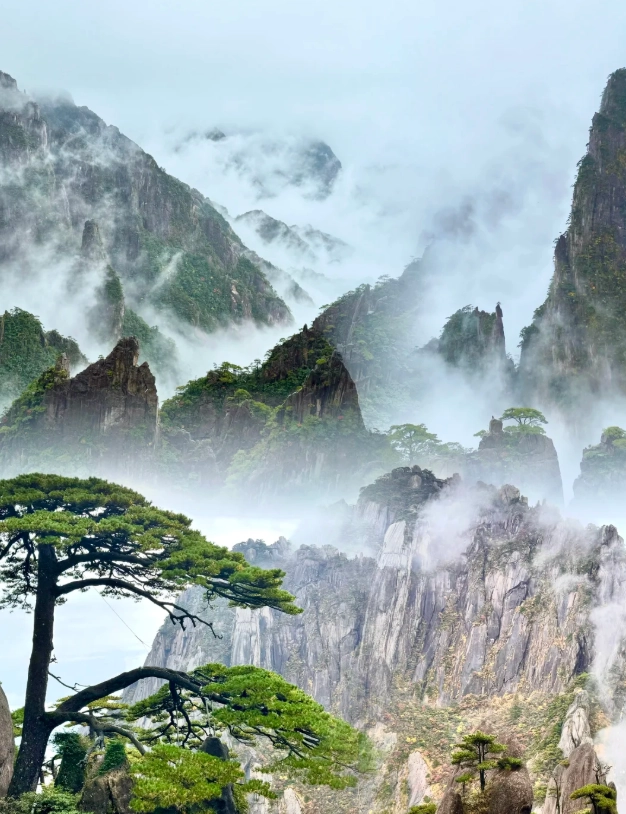
You've seen the photos — granite peaks piercing a sea of clouds. But standing there? That's a different story. I've led dozens of foreign travelers up Huangshan, and almost all of them make the same mistake: they cram too much into their itinerary and end up exhausted. This guide is my honest take on what's truly worth your time and what you can safely skip.
When you search for 'must see in Huangshan', you'll get generic lists. What most guides don't tell you is that the biggest crowds are between 10 a.m. and 2 p.m., or that your international credit card won't work at the ticket booth. I'm here to fix that. Let me walk you through the essential spots and the insider moves that save hours of queuing.
Here's the bottom line: if you only have one day, focus on the Western Great Canyon and the Bright Summit. If you have two, add the Beginning to Believe Peak and the Guest-Greeting Pine. And whatever you do, book your tickets online beforehand and bring cash as backup — because even Alipay can fail when the mountain signal drops.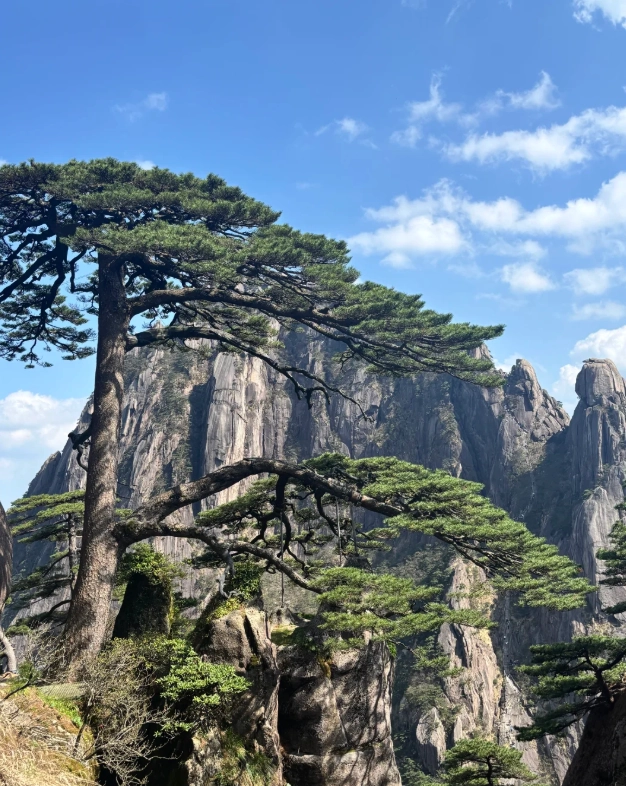
How to Plan Your Huangshan Adventure (Avoiding the Tourist Traps)
Best Time to Visit: When to Beat the Crowds
Go on a weekday and avoid Chinese public holidays. The mountain is packed during Golden Week (early October) and Labor Day (early May).
I always tell my clients to aim for late April or mid-September. The weather is stable, and the sea of clouds is more frequent. If you're flexible, check the weather forecast and go the day after rain — that's when the clouds linger.
Getting to Huangshan: From High-Speed Rail to the Entrance
Take the high-speed train to Huangshan North Station (黄山北站). From there, a shuttle bus to the Tangkou Town (汤口镇) takes about 50 minutes and costs around 30 RMB. Buy the ticket at the bus station just outside the train station — don't accept rides from touts, they overcharge.
Once in Tangkou, you'll head to the scenic area transfer center (换乘中心). The bus up to the cable car stations costs 19 RMB each way. Remember to keep your ticket stubs — you'll need them for the return journey.
Do You Need to Book Tickets in Advance?
Yes — absolutely. You must book your entrance ticket online, as you'll need your passport for the real-name reservation system. Most foreign travelers find it easiest to book via Trip.com or Klook. Don't worry about the WeChat mini-program; it's a headache even for me. Just ask your hotel receptionist to set it up if you prefer the official channel.
Pro Tip: The ticket office at the main entrance often has long queues, but the online ticket gate lets you walk straight through with your QR code. Always carry your passport — they may check it against the ticket.
Payment in Huangshan: What Actually Works
Mobile payments dominate, but always carry cash as backup. In the town and at the scenic area, most vendors accept Alipay and WeChat Pay, even for small items. However, I've seen travelers stuck when the mountain's phone signal drops and the payment app freezes. Bring at least 200 RMB in small bills for emergencies.
International credit cards are rarely accepted outside big hotels. If you don't have a Chinese mobile payment setup, rely on your guide or hotel to pre-pay for things.
Navigation: Forget Google Maps
Google Maps is inaccurate in China, so download Apple Maps or AMap Global (高德地图) before you arrive. Both work in English and give accurate walking directions. The official Huangshan scenic area app also has an offline map — but it's in Chinese. I always suggest carrying a paper map from the hotel; it's surprisingly useful.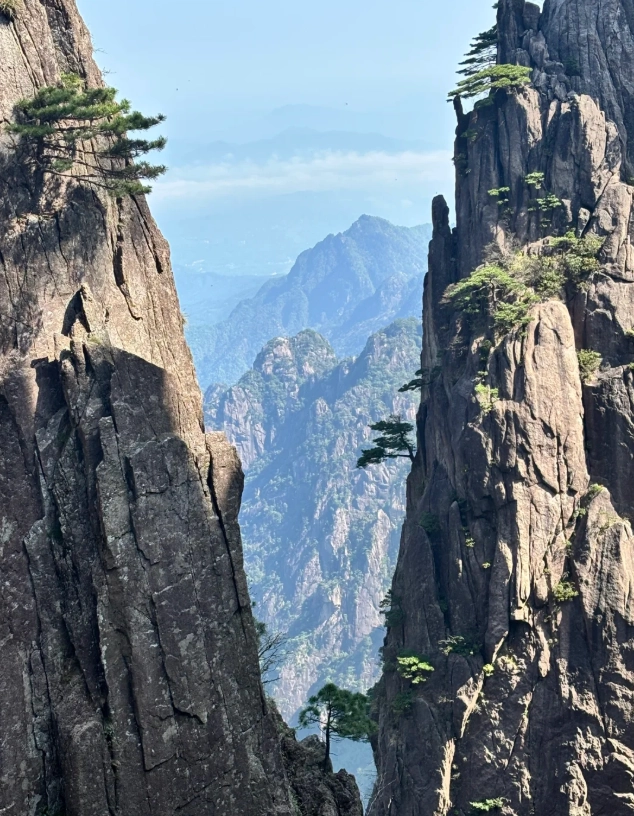
The Top Must-Sees in Huangshan: 7 Spots You Can't Miss
Here are my seven picks, ranked in order of 'you'll regret it if you skip.' I've arranged them so you can plan a logical route, but feel free to mix and match based on your fitness and time.
-
1. Bright Summit (Guangming Ding) — The Classic Sunrise Spot
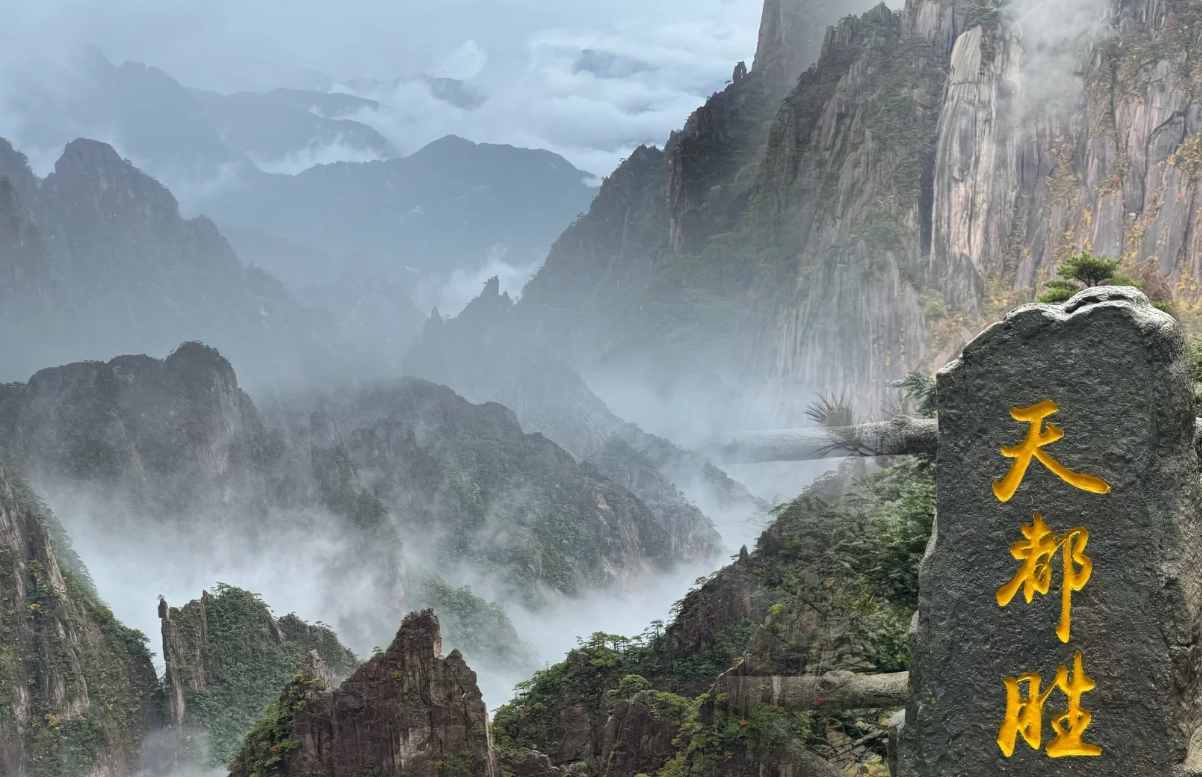
This is the highest point of Huangshan's central area, and it offers a 360-degree panorama of the range. Most visitors come for sunrise, and I've done it more times than I can count. The walk from the nearest cable car station is about 40 minutes. My advice? Come at sunset instead — you'll have fewer crowds and a golden glow without the 4 a.m. wake-up.
-
2. Western Great Canyon (Xihai Da Xiagu) — The Thrill Seeker's Highlight
This is the heart of Huangshan's dramatic cliffs, with steel walkways clinging to vertical walls. It's a two-hour walk down to the valley floor, then you take the sightseeing elevator back up. Brace yourself for lots of stairs — I always tell my clients they'll feel it in their thighs tomorrow. Go early (before 9 a.m.) to avoid the crowds.
-
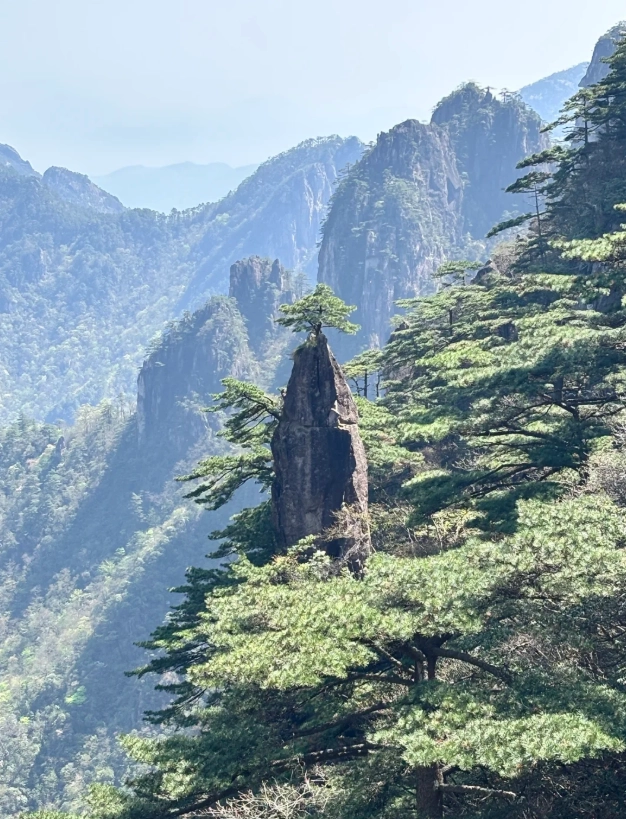
3. Beginning to Believe Peak (Shixin Feng) — The Pinacle of Pine Trees
This peak earns its name — after seeing it, you'll start to believe the legends of Huangshan. The Huangshan Pine trees twist and cling here in impossible ways. The viewpoint is a short walk from the North Sea Hotel, and it's especially beautiful in the morning when the mist rolls in.
-
4. Guest-Greeting Pine (Yingke Song) — The Iconic Lantern Pine
The most famous pine in China, with a branch that looks like a hand waving at visitors. It's right near the Jade Screen Cable Car station, so it draws big tour groups. If you want a photo without strangers, arrive before 8 a.m. or after 4 p.m. The lighting is better at the end of the day, too.
-
5. Cloud Dispersing Pavilion (Sanhua Wu) — The Hidden Overlook
This is where the 'sea of clouds' often appears in the afternoon. It's a quieter viewpoint just north of the Bright Summit, and most tour groups skip it. The path is a bit steeper, but you'll be rewarded with a tranquil panorama. I usually bring clients here for a picnic — just remember to take your trash with you.
-
6. Jade Screen Pavilion (Yuping Lou) — The Classic Painting View
This area is a natural balcony that resembles a Chinese landscape scroll. From here, you can see the famous 'Unsolved Stone' and 'Celestial Maiden' formations. The pavilion itself is a small temple-like structure, and it's a popular rest stop. Be aware of the time — the last cable car down departs around 5 p.m., so plan accordingly.
-
7. Hot Spring (Tangkou Wenquan) — The Perfect Ending
After two days of hiking, nothing beats soaking in the natural hot springs at the base of the mountain. The water is around 42 degrees, and the resort area has both indoor and outdoor pools. It's not a must-see in the classic sense, but it's the perfect reward for your legs. Just note that the facility is basic — you'll change in a communal locker room.
Practical Huangshan Tips: Tickets, Transport, and Payment
Ticket Prices and Booking
As of my last visit, the entrance ticket costs around 190 RMB for the peak season (April–November) and 150 RMB in the off-season. Cable cars are separate: about 80–100 RMB one way. You can book everything through Trip.com or Klook by entering your passport number. Print the confirmation QR codes or save them offline on your phone.
Here's a quick comparison of the two main cable car routes:
| Cable Car | Route | Travel Time | Best For |
|---|---|---|---|
| Yungu Cable Car (云谷索道) | Tangkou to the East side | 8 minutes | First-time visitors starting at the north |
| Yuping Cable Car (玉屏索道) | Tangkou to the Jade Screen Pavilion | 10 minutes | Those starting from the west near the famous pine |
Tip: If you plan to do a one-way hike, take one route up and the other down. That way you see more and avoid backtracking.
What to Bring for a Day on the Mountain
- Pack layers. The summit is often 10 degrees cooler than the base, and winds can bite.
- Comfortable shoes with good grip. You'll be climbing granite steps — no flip-flops!
- Water and snacks. Bottled water on the mountain costs 3–4 times more than at the base. Carry at least a liter per person.
- Rain cover. Weather changes fast. A cheap poncho is a lifesaver.
- Portable charger. Your phone battery will drain faster with GPS and constant photography.
Getting Around the Scenic Area
You have three options: walking, sightseeing buses, and footpaths. The mountain has a network of paved trails, but distances are longer than they appear on maps. Between Bright Summit and Jade Screen, expect a 30–40 minute walk. The sightseeing elevator in the West Canyon saves 20 minutes but costs 100 RMB.
Insider Advice: Always follow the 'brave trail' and 'relaxed trail' signs. The relaxed trail is often just 10 minutes longer but much easier on the knees.
Where to Eat and Stay Near Huangshan
Where to Stay in Tangkou (Base Town)
Tangkou is the main gateway town and the most convenient base. It's packed with hotels and restaurants catering to hikers. I recommend looking for hotels that offer free shuttle service to the transfer center — you'll save time and hassle.
| Hotel Name | Distance to Transfer Center | Price Range per Night | Best For |
|---|---|---|---|
| Huangshan International Hotel | 5-minute walk | 300–500 RMB | Comfort seekers wanting basic English support |
| Tangkou Youth Hostel | 10-minute walk | 80–150 RMB (dorm) | Backpackers and budget travelers |
| Lavender Hotel | Free shuttle | 200–350 RMB | Families and couples |
If you want to catch sunrise without a 4 a.m. start, consider staying in one of the mountaintop hotels like the Beihai Hotel or Xihai Hotel. Rates are steep (600+ RMB for a bunk bed) but you'll have the summit almost to yourself after the last cable car leaves.
Must-Try Dishes and Restaurants
The local cuisine is Anhui cuisine, known for its hearty and slightly salty flavors. Don't leave without trying:
- Stinky Mandarin Fish (臭鳜鱼) — Don't let the name scare you. It's fermented but tastes surprisingly fresh with a spicy kick.
- Maofu Tofu (毛豆腐) — A fermented tofu dish that has a creamy texture, often served fried.
- Bamboo Shoot with Pork (竹笋烧肉) — A tender, savory dish that pairs perfectly with rice.
I often bring my groups to a small restaurant called 'Hometown Tastes' (乡味楼) near the transfer center. It's not fancy, but the English menu has pictures, and the boss understands 'no spicy'. Expect to pay about 60–80 RMB per person for a full meal.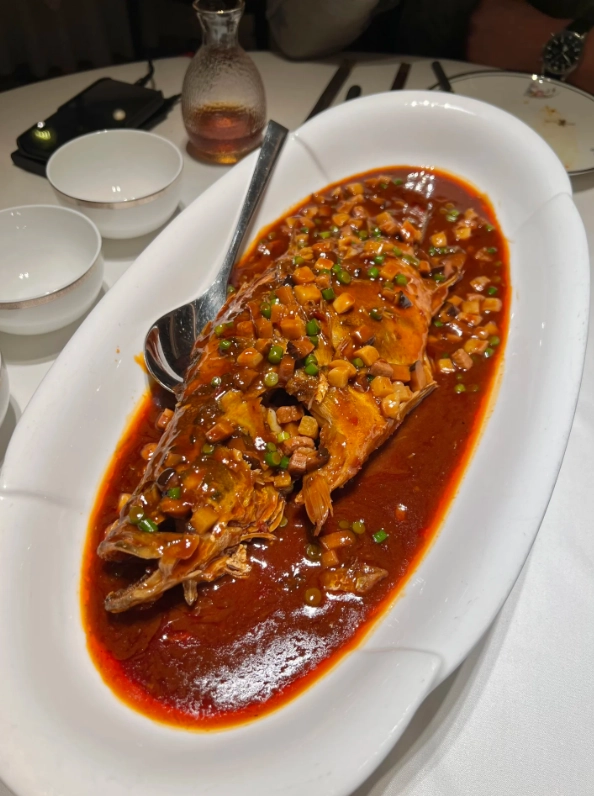
Nightlife and Souvenirs
After 8 p.m., Tangkou is quiet. A few tea shops and massage places stay open, but most people rest for their early hike. For souvenirs, pick up some local Maofeng tea (毛峰茶) — but buy it at the government-run shop to avoid overpriced imitations.
Frequently Asked Questions About Visiting Huangshan
If you're very fit and arrive early, one day is technically possible, but you'll miss the sunset and sunrise. I recommend two days: day one for the Western Canyon, day two for the eastern peaks. Use the cable cars to save energy, and stay overnight on the mountain for the iconic sunrise.
Almost never. Inside the scenic area and in small eateries, only Alipay, WeChat Pay, or cash are accepted. Have your international card linked to a mobile wallet beforehand, and consider carrying a backup credit card to withdraw cash at a bank ATM in Tangkou.
Yes, the main trails are well-maintained and clearly signposted, and there are plenty of other hikers during the day. Still, avoid hiking after sunset unless you know the route — there are no streetlights in the scenic area. Carry a flashlight if you plan to catch sunrise.
Yes, you can store bags at the Tangkou transfer center for about 10 RMB a day. Larger backpacks are not allowed on the mountain trails, so leave them behind and carry only a day pack.
Rain brings out the mist, which makes the mountain look ethereal — but the trails get slippery. Wear waterproof shoes and slow down. Many visitors say the rain is actually a blessing in disguise, as the crowds thin out dramatically. If you'd rather stay indoors, the nearby Huangshan Museum in Tunxi offers a good overview of the region's geology.
This content has been fact-checked to ensure informational precision.
No comments yet.