 Qiang Huang
Qingdao airport, eleven at night. The immigration hall had emptied out. One of my clients — a guy from Los Angeles — was standing at the counter scrolling through his phone with a look I have seen maybe thirty times.
He thought the Shandong 240 hour visa was something you apply for at the airport. It is not. He had no onward ticket, and the officer had already walked him to the side room.
It took me forty minutes and a phone call to a Korean airline to fix. He walked out of arrivals at 1 a.m. It was completely avoidable.
Three things get you through that gate: a passport with enough validity, a confirmed ticket to a third country, and knowing the rules before you board. Everything else is logistics.
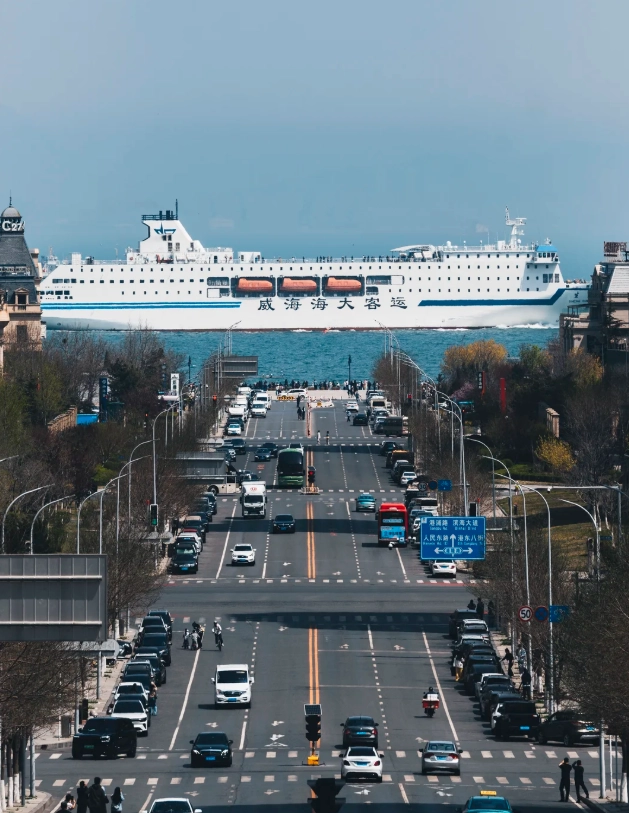
Here is the headline version. Fly into Qingdao. Fly out of Jinan. The high-speed line between them takes ninety minutes, and it drops Mount Tai and Qufu right into the middle of your ten days without forcing you to backtrack once.
Now the parts that actually matter.
Start Here
- What the Shandong 240 Hour Visa Actually Covers
- Who Qualifies, and Who Gets Turned Away
- How Do You Build a 10-Day Shandong Route Without Burning Out?
- Days 1–4: Qingdao Without the Crowd Fatigue
- Days 5–6: Tai'an and Mount Tai
- Day 7: Qufu and the Three Confucian Sites
- Days 8–10: Jinan, Then Fly Out
- Trains, DiDi, and Moving Between Cities
- Paying for Things When Your Card Doesn't Work
- Questions I Get Asked at the Airport
What the Shandong 240 Hour Visa Actually Covers
The 240 hour visa free transit is not a tourist visa — it is a transit permit, and if you booked a round trip it will not work for you.
The mechanism is simple. You fly from Country A into China, and you leave China for Country B. Country B has to be different from Country A. Los Angeles to Qingdao to Seoul works. Los Angeles to Qingdao to Los Angeles does not. This single detail is where most people get stopped.
Your ten days start counting the moment the officer stamps you in, not when your plane lands. And I would never plan against the full 240 hours. Delays happen. I tell clients to build a nine-day plan and keep the last day as buffer.
The National Immigration Administration publishes the current country list and the approved ports, and it updates faster than any travel blog does. Check the National Immigration Administration before you book anything.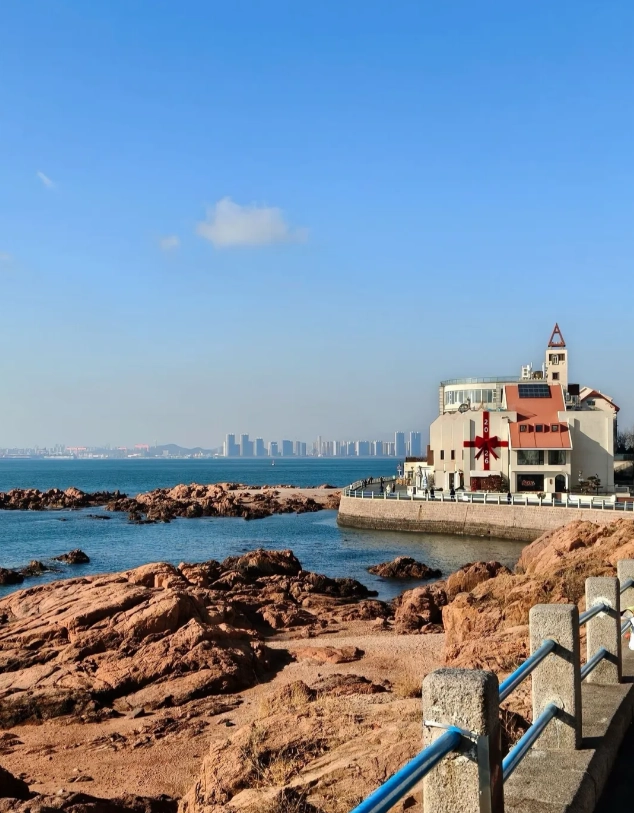
Which Shandong ports actually accept it
Qingdao Jiaodong International Airport is the strongest entry point in the province, and Jinan Yaoqiang International Airport is the cleanest exit.
Shandong also has sea ports in the approved network, including facilities at Yantai. Port lists shift occasionally, so confirm your specific arrival point against the official list rather than a forum post from three years ago.
Who Qualifies, and Who Gets Turned Away
The three documents that decide everything
Passport validity, a confirmed onward ticket, and the way you fill in your arrival card — in that order.
- Passport valid for the whole stay, with blank pages for the entry stamp
- A confirmed booking to a third country, departing within 240 hours
- An arrival card with your hotel address written in Chinese characters, or at least in pinyin
Pro Tip: Screenshot your onward booking before you fly. Immigration may ask you to pull it up, and the airport Wi-Fi requires a phone number for SMS verification. A saved screenshot saves you fifteen very awkward minutes.
Which nationalities are on the list
Fifty-four countries currently qualify, covering most of Europe, North America, Oceania, and a solid chunk of Asia.
That includes the United States, Canada, the United Kingdom, Australia, New Zealand, Japan, South Korea, Singapore, and most Schengen states. If your passport is not on the list, none of this applies and you need a standard visa arranged in advance.
How Do You Build a 10-Day Shandong Route Without Burning Out?
Move west from Qingdao and finish in Jinan — it is the only line through the province that never doubles back on itself.
The numbers first, because they decide the shape of your trip.
| Route | Train Type | Journey Time | Second-Class Fare (approx.) | Notes |
|---|---|---|---|---|
| Qingdao → Jinan | G / D high-speed | 1 h 30 min – 2 h | CNY 120–150 | Departs from Qingdao Station or Qingdao North |
| Jinan → Tai'an | G high-speed | 20–25 min | CNY 30 approx. | Tai'an Station is closest to the Red Gate trailhead |
| Tai'an → Qufu East | G high-speed | 25 min approx. | CNY 30 approx. | Qufu East is roughly 15 km from the Three Kongs |
| Qufu East → Jinan West | G high-speed | 40 min approx. | CNY 50 approx. | Jinan West has direct airport shuttle buses |
Do not re-read those numbers to yourself in the paragraph below. They are done. What matters is the rhythm.
Four nights in Qingdao is right. Three would feel rushed, five would leave you sitting in a coffee shop on day five with nothing left to see. Tai'an gets two nights so you have a weather cushion for the mountain. Qufu is one night, and honestly one full day is enough. Jinan closes it out with three nights, which gives you a slow final morning before the airport run.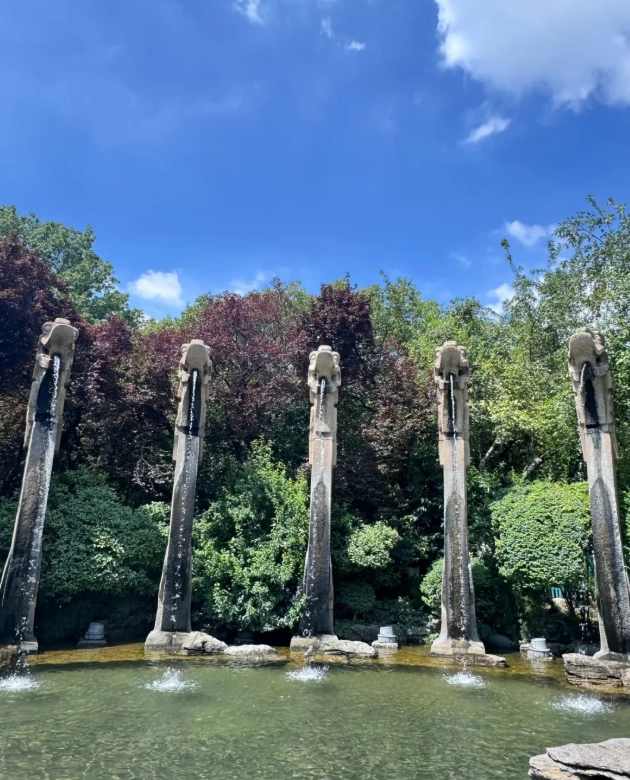
If you only have five days instead of ten
Cut Qufu and Jinan entirely and put everything into Qingdao plus Mount Tai.
That is Qingdao days one to three, train to Tai'an on day three evening, mountain on day four, and back to Qingdao or straight to Jinan airport on day five. Tight, but workable if your flights land early.
Rainy-day plan B
Every city on this route has a museum that will absorb three hours of bad weather.
- Qingdao: Tsingtao Beer Museum, Shibei District, roughly CNY 60 with two tastings included
- Qufu: Confucius Museum, free entry, and pleasantly air-conditioned in summer
- Jinan: Shandong Museum, free but requires an advance reservation

Days 1–4: Qingdao Without the Crowd Fatigue
Days 1–2 — Old town and the coast
The Zhanqiao Pier is tolerable before 7 a.m. and unbearable after 9.
Honestly, Zhanqiao is the most overrated spot in the city. It is a concrete walkway into the sea with a pavilion at the end and several hundred people holding selfie sticks. Ten minutes, one photo, done. Walk west instead.
Badaguan is the real Qingdao. Eight streets named after Chinese mountain passes, each planted with a different tree species, lined with 1930s villas in German, Russian, and Japanese styles. Entry is free. Start at Taiping Cape and walk west along the coast road. The morning light hits the villas from the sea side, which is why I always send people before 10 a.m.
Tsingtao Beer Museum sits at 56 Dengzhou Road in Shibei District. Entry is around CNY 60 and includes two pours at the end. Book through the WeChat mini-program or Trip.com, and bring your passport — the ticket desk checks it.
Day 3 — Laoshan, but not the way the tours do it
Pick the Taiqing route, not the Jufeng peak route that most group tours default to.
Jufeng means two hours of stair climbing with limited payoff. Taiqing starts at the Dahedong visitor centre, runs a shuttle bus through the coastal valley, and puts you at the Taiqing Palace in about twenty minutes of easy walking. Budget around CNY 100 combined for entry and the internal shuttle, and confirm current pricing on site since it moves seasonally.
Bring cash for the small vendors near the temple. Some of them still do not take mobile payment, which surprises people.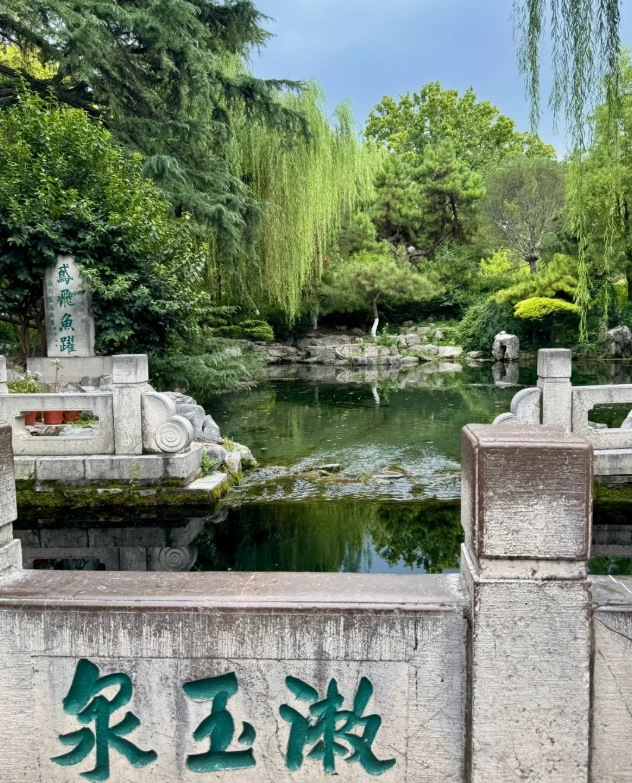
Day 4 — Food, markets, and what to skip
Skip Pichaiyuan. It is a tourist trap with inflated prices and mediocre food, and I say that as someone who has eaten there three times hoping it improved.
Go to Tuandao Market instead. You buy seafood at the stalls, then hand it to one of the adjacent kitchens that will cook it for a per-dish fee. Budget CNY 80–120 per person including the cooking charge. No English menu, but pointing works fine.
My standing order every single time: sea intestine rice, spicy stir-fried clams, and mackerel dumplings. The clams are the benchmark — if a kitchen gets those right, everything else will be fine.
Taidong Night Market on Taidong Third Road in Shibei District kicks off properly after 5 p.m. Bring Alipay or WeChat Pay. Cash is legally accepted but you will get a tired look.
Days 5–6: Tai'an and Mount Tai
Should you climb Mount Tai at night?
Every guide online tells you to do the night climb. My advice is the opposite.
The night ascent means four to six hours on dark stone steps in near-freezing temperatures, sharing narrow sections with hundreds of other people. The sunrise at the top is genuinely spectacular, but the cost is a wrecked body on day six of a ten-day trip.
What I do with clients instead: arrive in Tai'an around 3 p.m., take the shuttle from Tianwaicun to the Mid-Heaven Gate, ride the cable car up to South Heaven Gate, sleep at a summit hotel, watch the sunrise rested, then walk down at your own pace.
- Mount Tai entry: roughly CNY 115 in peak season, CNY 100 in low season
- Shuttle bus, Tianwaicun to Mid-Heaven Gate: about CNY 30 one way
- Cable car, Mid-Heaven Gate to South Heaven Gate: about CNY 100 one way
- Summit hotels: basic rooms, unbeatable location, book early in peak seasona
Insider Advice: The cable car shuts down in the late afternoon — around 5:30 to 6 p.m. depending on the season. Miss it and you are walking up. I have had two clients do exactly that. Neither enjoyed it.
The last stretch from South Heaven Gate to the Jade Emperor Summit is 20 to 30 minutes of steep steps. Slow and steady. There is no shame in stopping three times.
Mount Tai holds a dual UNESCO listing for both cultural and natural significance, which is rare. The UNESCO World Heritage listing is worth reading before you go, because the mountain means far more than the view from the top.
Day 7: Qufu and the Three Confucian Sites
Qufu is a single full day, and you should not try to squeeze it into a half.
The Three Kongs — Temple, Family Mansion, and Cemetery — share a combined ticket of roughly CNY 140. Buy it at the ticket office near the Temple entrance. Passport required.
The Cemetery sits well outside the town centre. Take the sightseeing cart or a taxi, about ten minutes and CNY 20 or so. Most visitors underestimate the walking distance and end up exhausted before the best part.
From Qufu East Railway Station, a taxi to the Three Kongs runs about 15 to 20 minutes and CNY 30–40. Show the driver the Chinese characters for Kong Miao, not the English.
If the heat is punishing, the Confucius Museum is free, modern, and heavily air-conditioned. It is the best indoor fallback in the city.
Days 8–10: Jinan, Then Fly Out
Baotu Spring and Daming Lake, sequenced properly
Baotu Spring at 9 a.m. is calm. Baotu Spring at 11 a.m. is a queue.
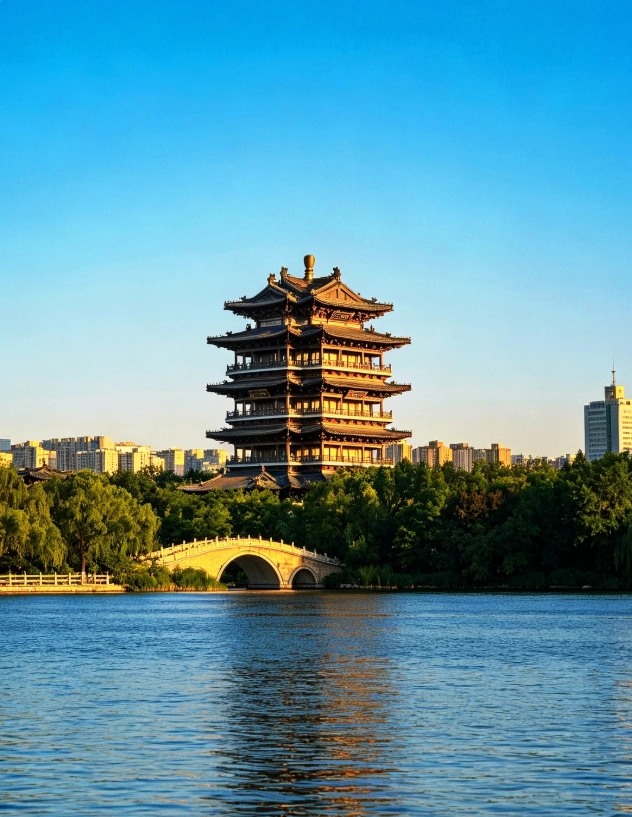
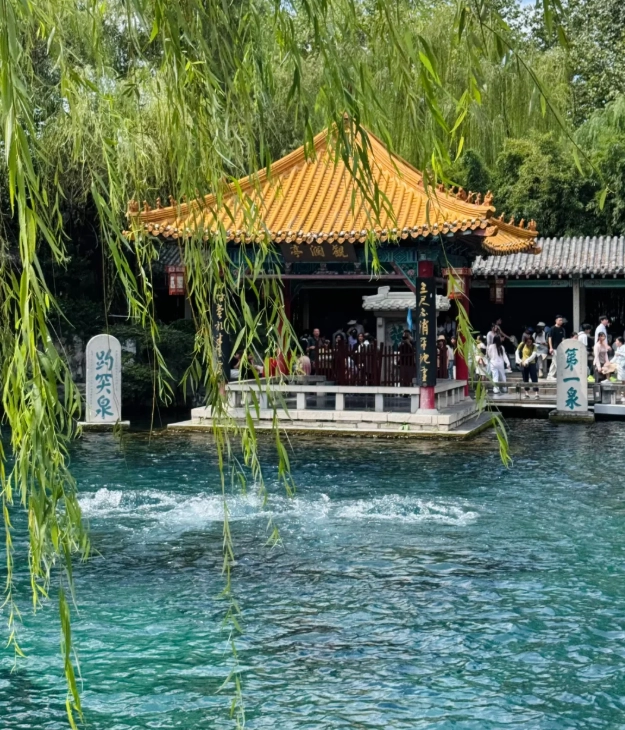
Entry to Baotu Spring Park is CNY 40. It sits at 1 Baotuquan South Road in Lixia District. Go early, spend an hour, then walk north to Daming Lake, which is free and much larger than people expect.
Heihu Spring is the local secret. Arrive before 7 a.m. and you will see residents filling buckets from the spring outlets with long-handled ladles. Nobody markets this. It just happens every morning.
Qianfo Mountain is CNY 30 and takes a half day if you go to the top. Shandong Museum is free but needs an advance reservation through the WeChat mini-program.
Pro Tip: Yes, navigating that WeChat mini-program in pure Chinese is a nightmare even for me. Do not fight it. Hand your passport to the hotel reception desk and ask them to book it for you. It takes them ninety seconds.
Getting to Jinan Yaoqiang Airport
The airport sits roughly 40 km northeast of the city centre.
A taxi runs CNY 100–130 depending on traffic. The airport shuttle buses from Jinan West Railway Station are cheaper and run on fixed schedules. Build in an extra thirty minutes if you are travelling on a Friday afternoon.
Trains, DiDi, and Moving Between Cities
The official booking channel for foreigners is the 12306 English site and app — not a third-party reseller.
You register with your passport number and a phone number for verification. Tickets typically open for sale about fifteen days ahead. If the app gets stuck during verification, walk into any station ticket office. Staff there handle foreign passports constantly and usually sort it in five minutes.
Alternatives that work: Trip.com and Klook, both of which add a small service fee and are far friendlier in English. For official schedules and bookings, China Railway 12306 is the source of truth.
At the station, your passport is your ticket. Some gates read foreign passports slowly. The manual lane beside the gate is often faster, so do not queue behind twenty people at the automated one.
For city transport, DiDi has an English interface and accepts international cards. Alipay also has a built-in ride-hailing function. Google Maps does not work reliably here — use Apple Maps or Amap, and always have your destination written in Chinese characters to show the driver.
Paying for Things When Your Card Doesn't Work
Alipay and WeChat Pay both link to international Visa, Mastercard, and Amex cards, but you must complete verification before you arrive.
Do it at home. Link the card, then test it on something small — a bottle of water at the airport, a coffee. Standing in front of a seafood stall on day one trying to make it work is not the moment you want to learn the app.
- Cash: legally must be accepted, practically frowned upon. Carry a few hundred yuan as backup
- Physical credit cards: accepted at international hotels and large malls, refused at street restaurants
- Mobile payment: the default everywhere, from taxis to temple donation boxes
Download a VPN before you fly, and install a translation app. Apple Translate and Baidu Translate both handle menu photos well enough to order confidently.
Questions I Get Asked at the Airport
Verified and fact-checked by the editorial team. This content has been fact-checked to ensure informational precision.

No comments yet.