Lhasa Travel FAQ
Should I spend extra days in Lhasa or drive to Everest instead?
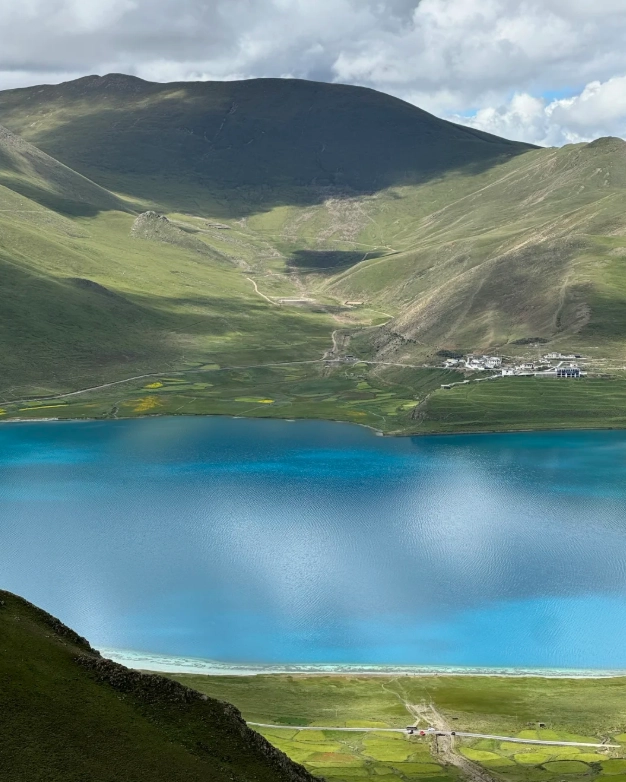
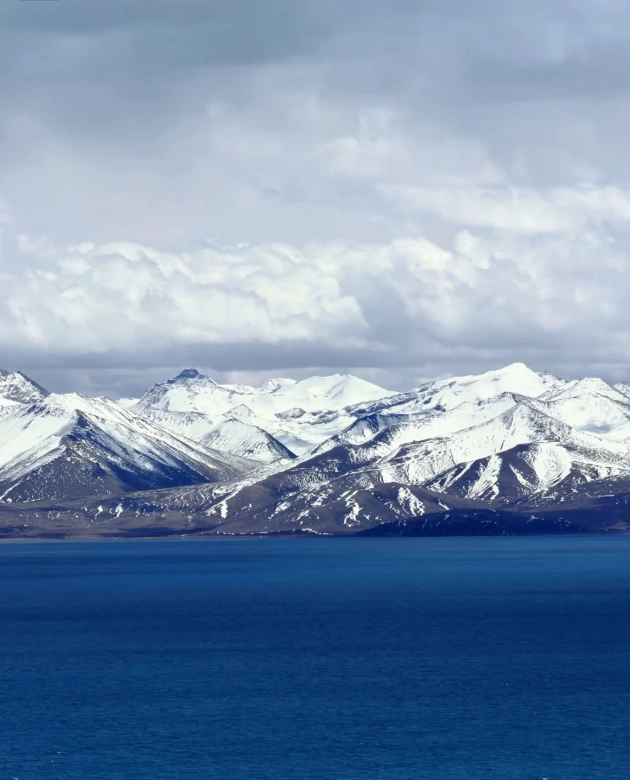
If you have a 10-day window, don't add more Lhasa time — you'll get temple fatigue. Instead, do the classic drive to Everest Base Camp via Shigatse. The journey itself is part of the experience, with surreal high-altitude landscapes and villages that feel untouched. But remember, the drive is hard on the body. I counsel travelers to set aside 2 days of rest after returning to Lhasa before flying home, which means a 10-day itinerary should actually have 2 buffer days built in. If you can't afford the mental reset, stick to Yamdrok Lake as your scenery shot.
Do I need special travel insurance for a Tibet itinerary?
Yes, absolutely. Standard health insurance often doesn't cover high-altitude sickness or evacuation, which can cost tens of thousands if you need emergency helicopter rescue. Before booking, read your policy's fine print or buy a dedicated adventurous-travel policy from providers like World Nomads. Your tour company may also require you to sign a waiver, but that's different from true insurance coverage. Always carry a copy of your policy in your phone and in your daypack.
What's the best time of year to plan a short trip to Tibet?
For a 5–7 day trip, plan for May to October, with September and October being the sweet spot. Winter (Nov–Mar) has lower prices but many hotels and some monasteries operate with reduced hours, and flights can be canceled due to snow. Also, the summer rain clouds can obscure the Everest view, while autumn offers crystal-clear skies. I once guided a group in July that couldn't see Everest for 4 days straight — they'd have been better off in October.
How much does a 7-day Tibet tour cost, and does the length affect the price?
A guided group tour from Lhasa starts around USD 700–1,000 per person for 7 days, including permits, hotels, transport, and some meals. Extending to 10 days adds roughly USD 350–500. The logistics of permits and guide fees are fixed, so longer trips naturally cost more per day, but you do get more value for your money when you start adding off-the-beaten-path sites like Everest Base Camp. Always budget extra for personal expenses: meals (CNY 100–200/day), attraction tickets (total CNY 500–800), and shopping.
Can I really visit Tibet in 5 days if I have altitude issues?
If you've had altitude sickness before, don't attempt a 5-day trip. Your body will spend at least 2 days just adapting, and that leaves you 3 rushed sightseeing days. If you must, fly directly to Lhasa, book a hotel with oxygen, and skip all-day excursions like Yamdrok. The 5-day plan is only safe for travelers coming from places above 2,500 meters (e.g., Bogotá, Quito) or those without a history of altitude problems. My rule: if you've ever felt sick above 3,000m, invest in at least 8 days.
What's the best way to book a restaurant with a view in Lhasa?
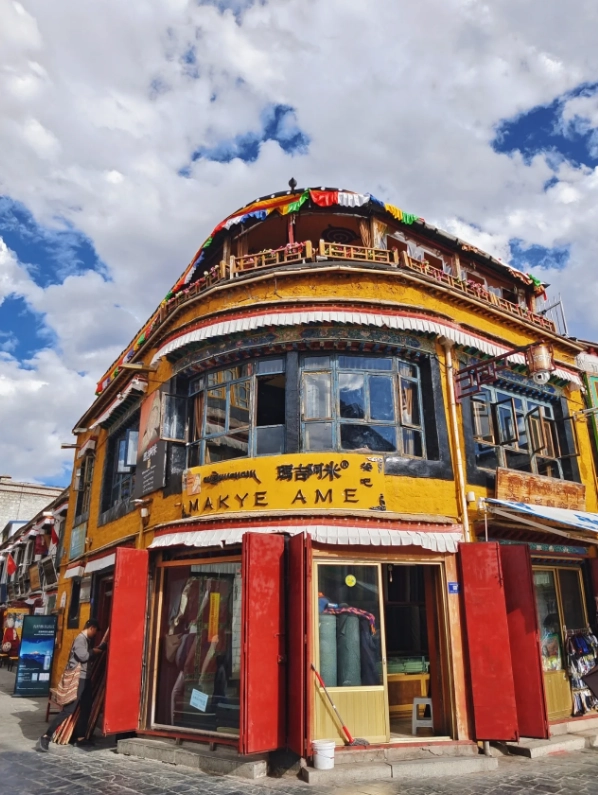
For popular spots like Makye Ame, book through your hotel's front desk or on Trip.com/Klook a day ahead. If you just walk in, you'll likely wait 20–40 minutes for a rooftop table. I've also had luck calling the restaurant directly, but the English line isn't reliable unless you speak some Mandarin.
How do I deal with altitude sickness affecting my appetite?
Don't force meals. Eat small portions every two hours instead of three huge ones. Choose warm, liquidy food — thukpa and sweet tea are perfect. Avoid cold beer for the first 48 hours; the carbonation and altitude can make you dizzy.
Can I find vegetarian or halal options in Lhasa?
Absolutely. Look for the characters 素菜 on menus. Most tea houses and restaurants have cheese and potato momos, veggie thukpa, and fried rice. For halal, search for small Sichuan Muslim noodle shops near the Geyao Guesthouse — they usually have a green sign and serve beef pulao. My favorite is on Bakuo East Street, but menus vary, so ask to see the meat.
Is the food in Lhasa safe for foreign stomachs?
As long as you only drink bottled or boiled water and eat food that's hot and freshly cooked, yes. Street food is generally safe if the line is long — that's how I judge it. I also suggest carrying activated charcoal tablets in case you overdo the yak butter. In 10 years of guiding, I've never had a client get seriously ill.
What is the best month to see Tibet tourist attractions without huge crowds?
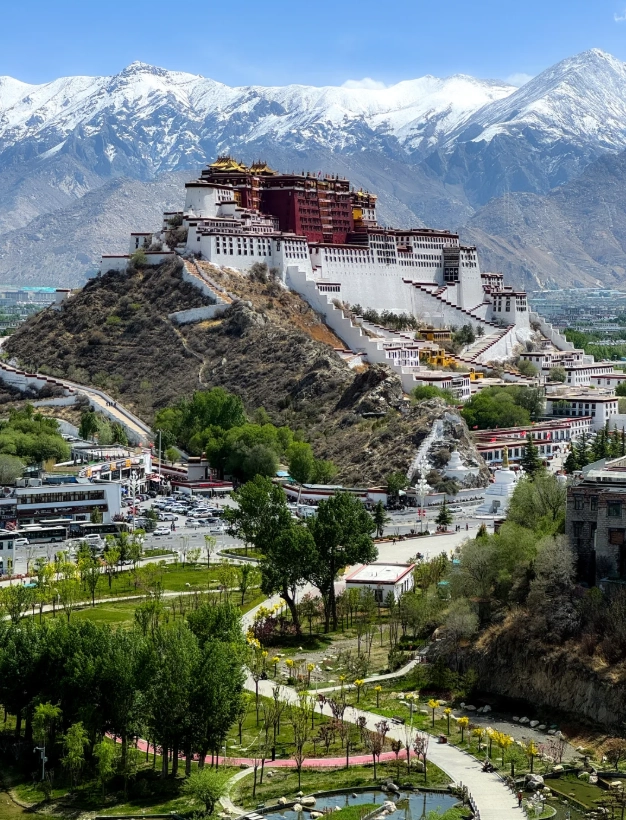
April and late June are my favorite months. The weather is stable, the skies are clear, and Chinese school holidays are over. May and October are peak months for domestic tourists, so expect queues everywhere. July and August are lush but bring afternoon rainstorms at high altitudes. Avoid the first week of October — China’s National Day week — that’s when every Chinese traveler is trying to visit the Potala Palace.
Recent Reviews
I really wanted to love Lhasa, but it didn’t hit me the way I expected. The altitude gave me a headache that never really went away, so that colored everything. The old quarter feels increasingly commercial: identical souvenir stalls, aggressive touts dragging you into their tea houses, and entrance tickets that feel overpriced once you’re inside. Maybe I was too tired or too crowded. I had one quiet moment at Ramoche Temple that almost saved it. If you go, go slow and don’t overplan.
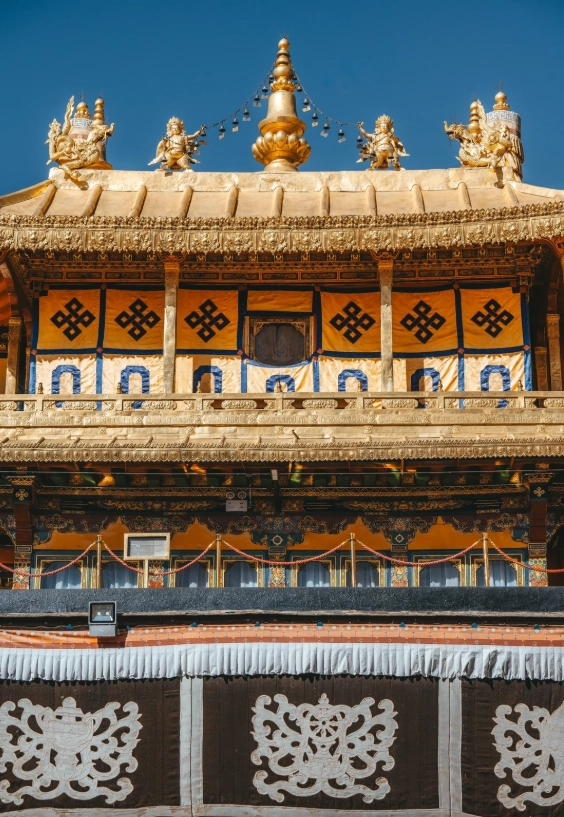
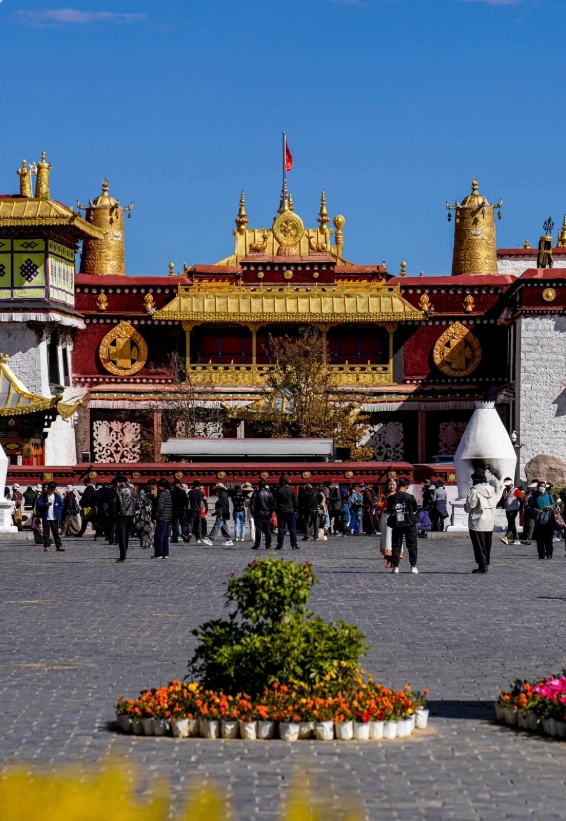
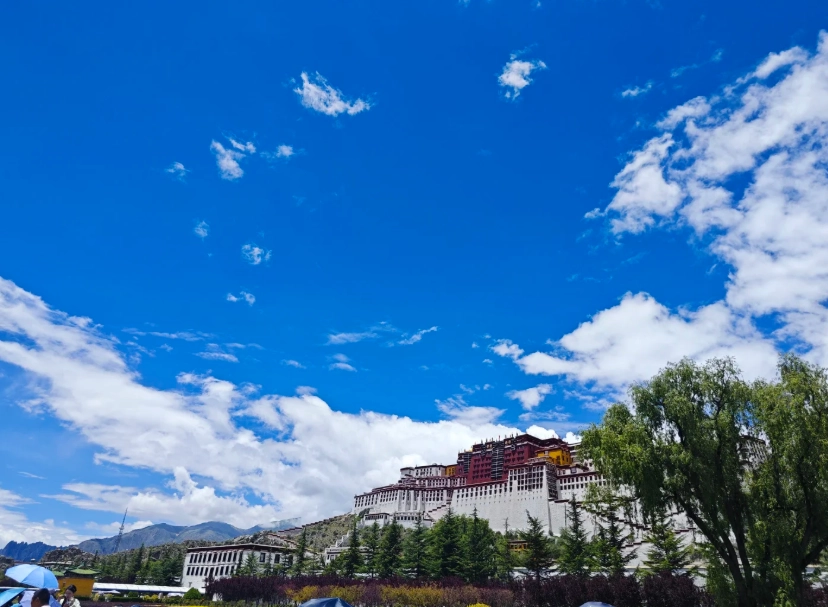
The Potala and Jokhang are undeniably impressive, but the experience got slightly spoiled by the crowds and constant ticket/checkpoint logistics. Had to queue before 7am and still got jostled by tour groups in the narrow staircases. Inside felt rushed — guards kept shouting at us to keep moving. That said, seeing pilgrims prostrate outside the Jokhang made me tear up. It’s a must-see, just manage your expectations for a smoother, quieter visit.
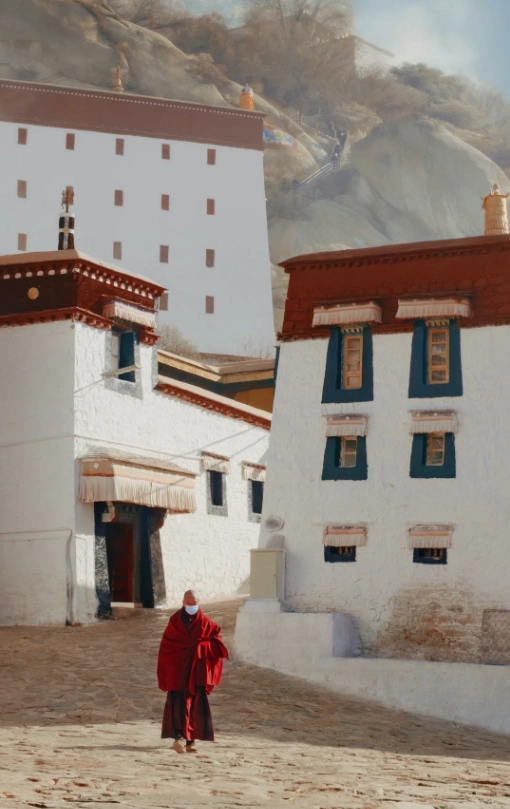
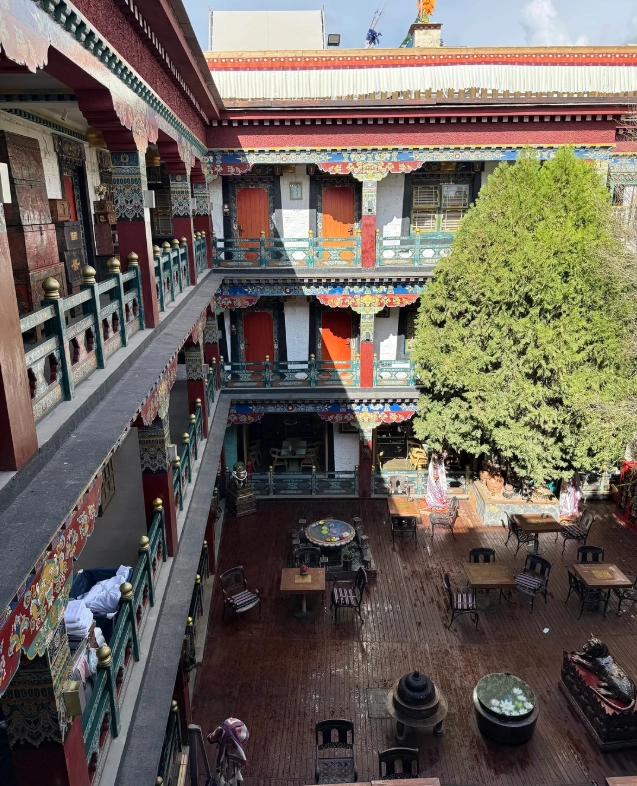
I stayed in a family-run guesthouse near Sera monastery, and the hosts treated me like their own. They made Tibetan noodle soup and topped up my hot water bottle every night. Watching the monks debate at Sera was fascinating — their slaps and big hand gestures seemed theatrical, but you can feel the energy. The rooftop view of the valley at sunset is unreal. Lhasa gave me a home feeling at 3,600m. I will come back.
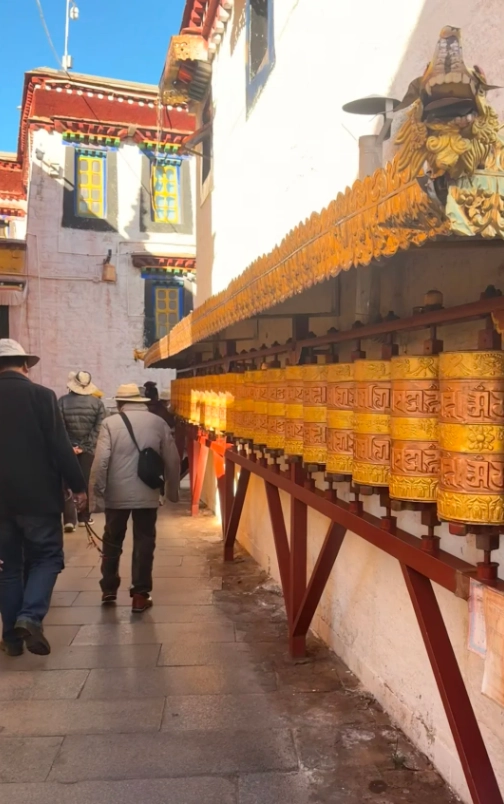
Spent a whole morning just walking the Barkhor circuit behind the Jokhang. The kora route is hypnotic. Grab a thermos of sweet tea from a courtyard hole-in-the-wall, sit on the steps, and watch people make their rounds. A monk smiled at me and pointed to the sky — no idea what he said, but we both laughed. Found a tiny shop selling hand-painted thangka scenes and had a long conversation with the artist through a translation app. Most tourists rush through, but Lhasa rewards the wanderers.
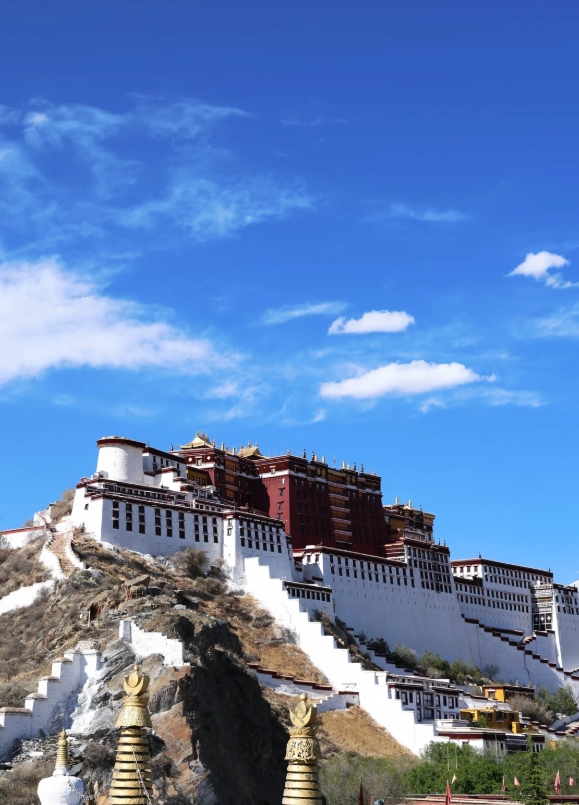
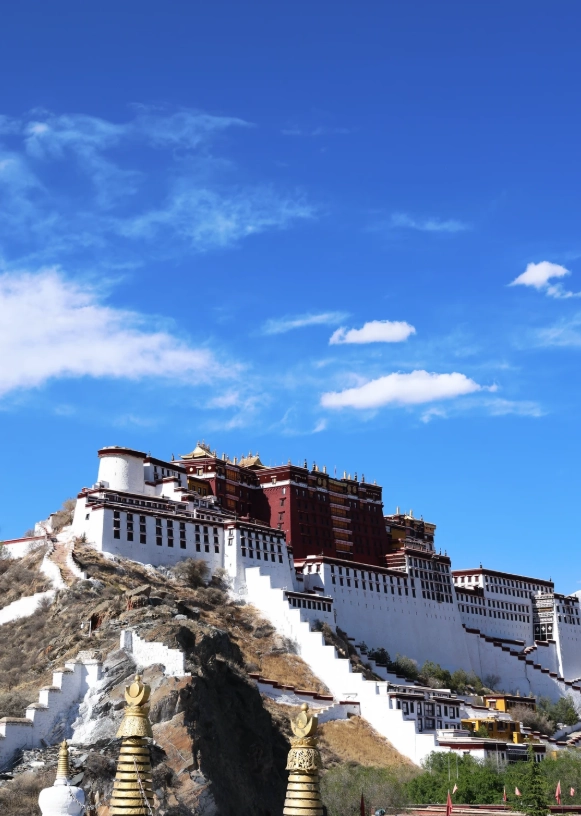
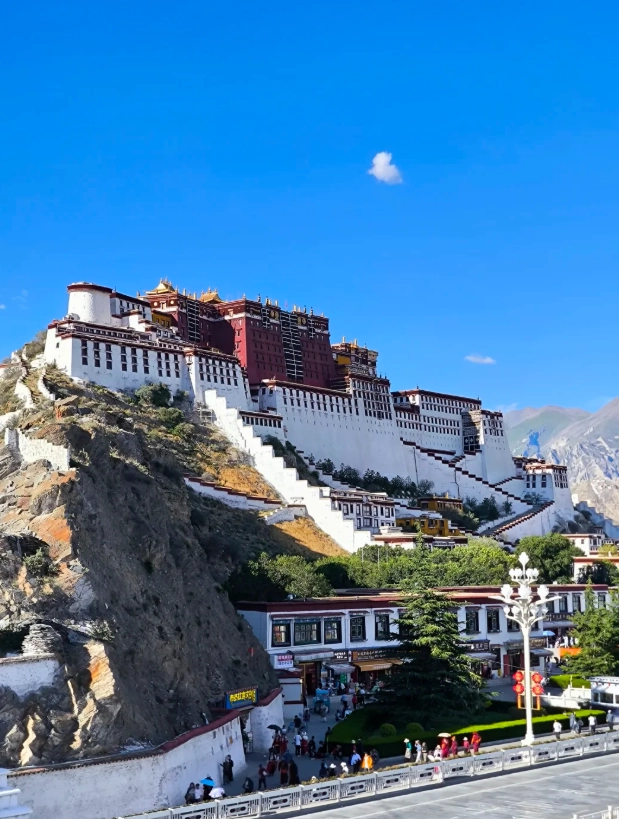
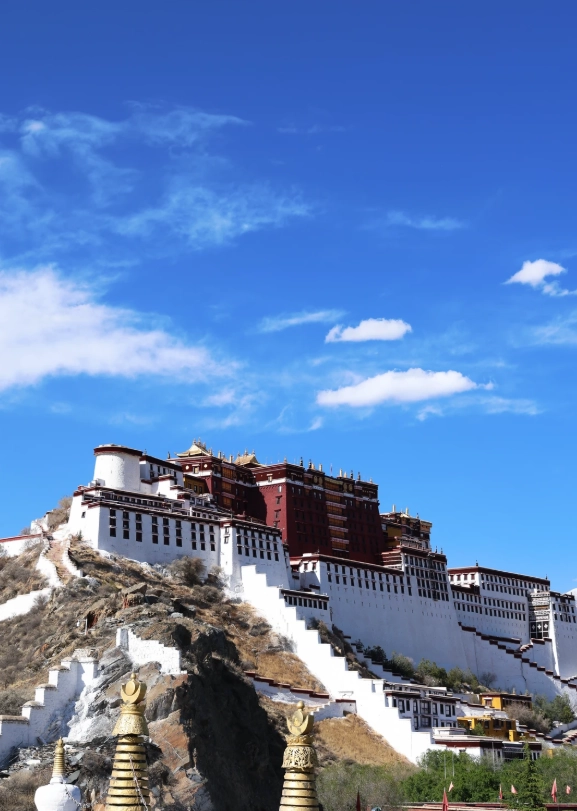
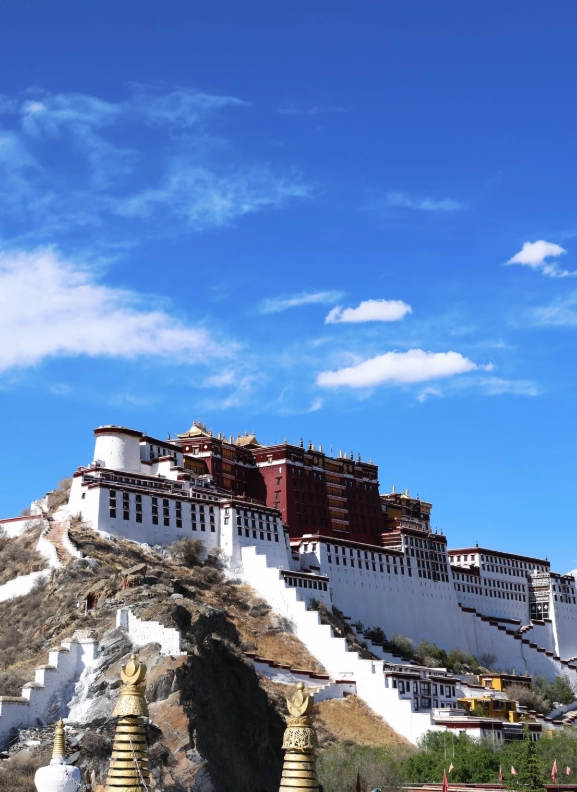
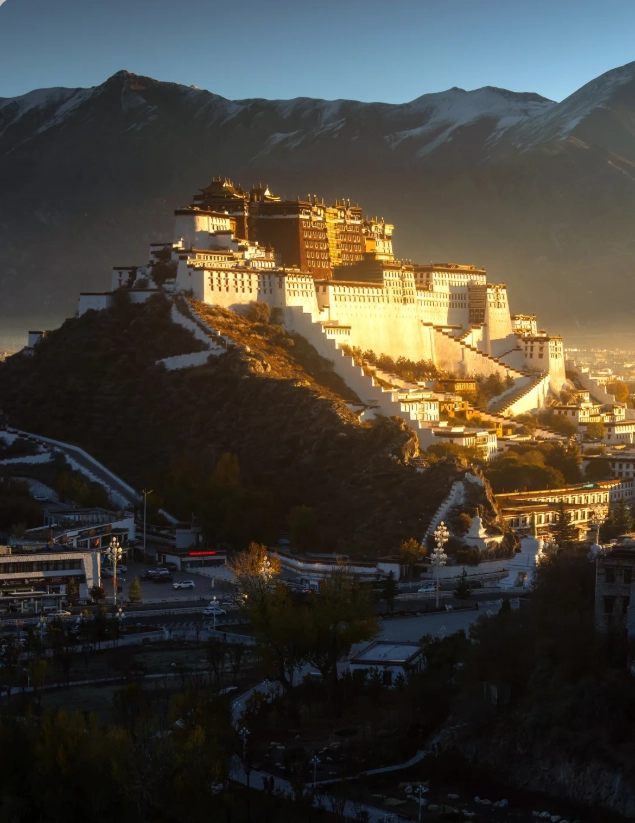
Woke up before dawn to see the Potala from the west side and almost cried. The white walls glowing against that blue sky, pilgrims circling with prayer beads, the faint sound of horns from the monastery... You need to pace yourself with the altitude, but every slow step felt like part of the experience. Inside the chapels the butter lamp smell is so strong and ancient. I’m not religious, but I left feeling completely still. Lhasa is not just a city, it’s a place that holds you.
I spent a full week in Lhasa and every day brought a new surprise. The Norbulingka gardens were peaceful and beautiful—perfect for a quiet afternoon. I also joined a small group to visit a local family's home; they served us butter tea and shared stories about daily life. The people are incredibly warm and welcoming. Make sure to bring layers; the temperature drops fast after sunset. Zero regrets, I'm already planning my return trip.
Leave a Review