Free Things to Do in Tibet: Insider Tips for Budget Travelers
Looking for free things to do in Tibet? Discover the best no-cost attractions, hidden gems, and practical tips to explore Lhasa and beyond without spending a dime.
Read story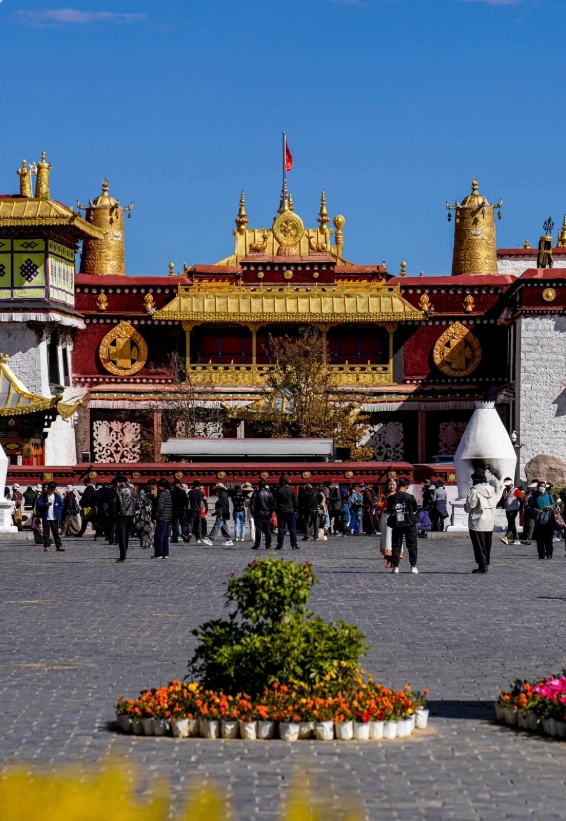
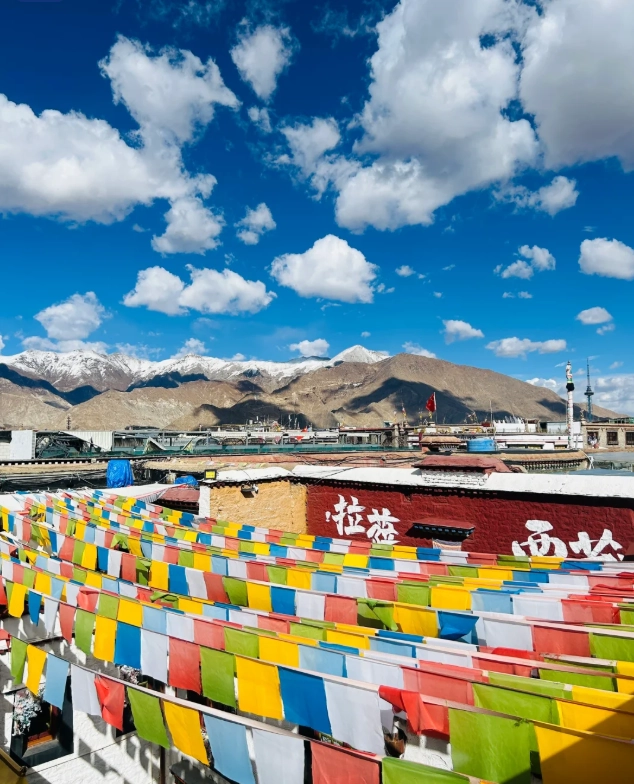
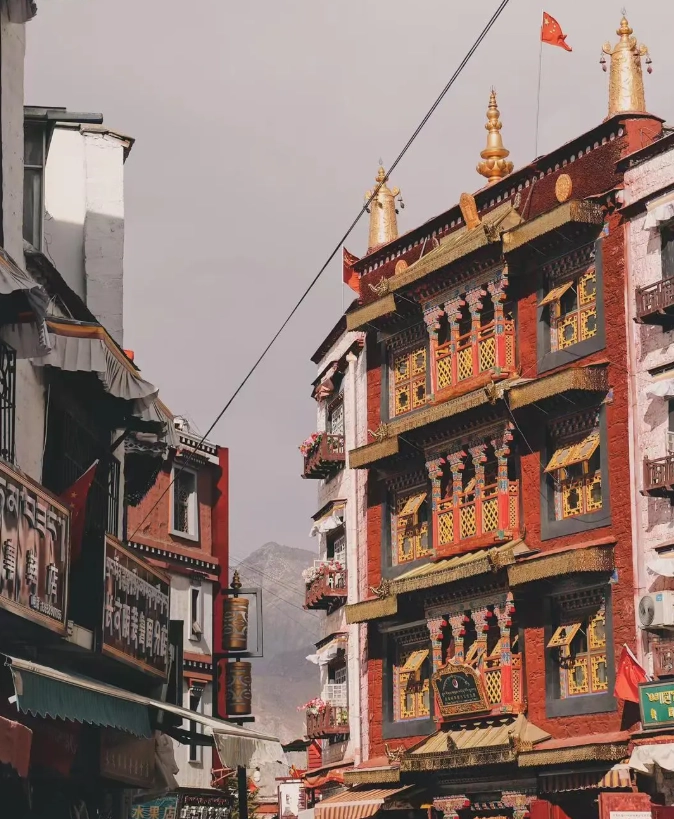
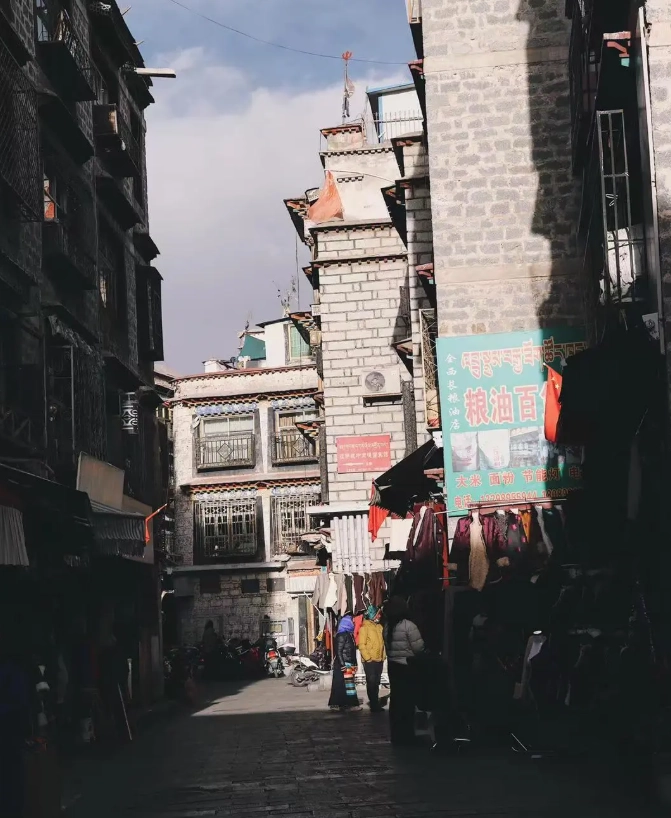
Looking for free things to do in Tibet? Discover the best no-cost attractions, hidden gems, and practical tips to explore Lhasa and beyond without spending a dime.
Read story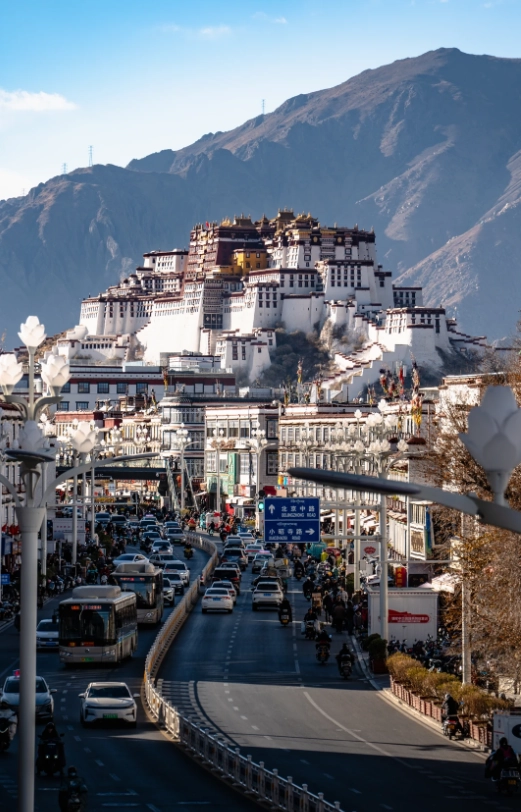
Looking for free things to do in Lhasa? Discover hidden temples, lively markets, and scenic spots that won't cost a penny. Save money with insider tips on walking tours and photography spots.
Read story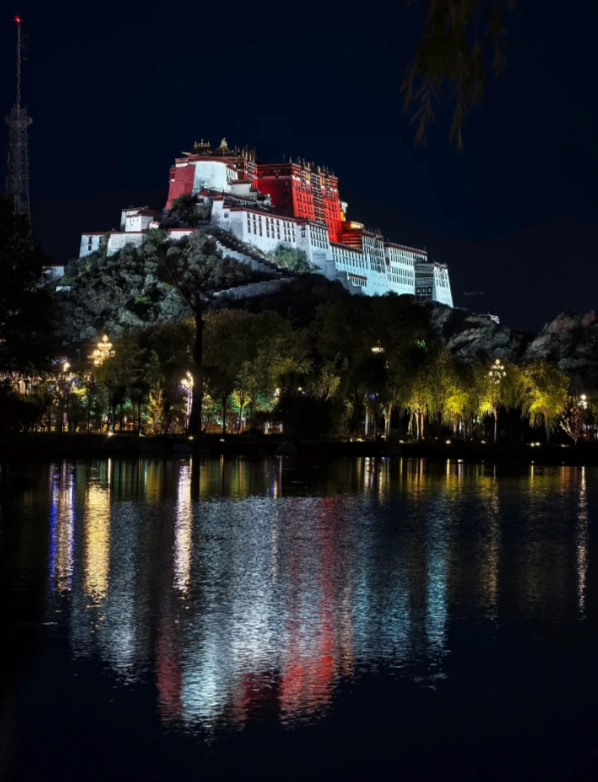
Wondering what to do in Lhasa at night? From Barkhor Street's twinkling prayer wheels to hidden rooftop bars, this guide covers safe spots, local tips, and essential booking hacks for your first visit.
Read story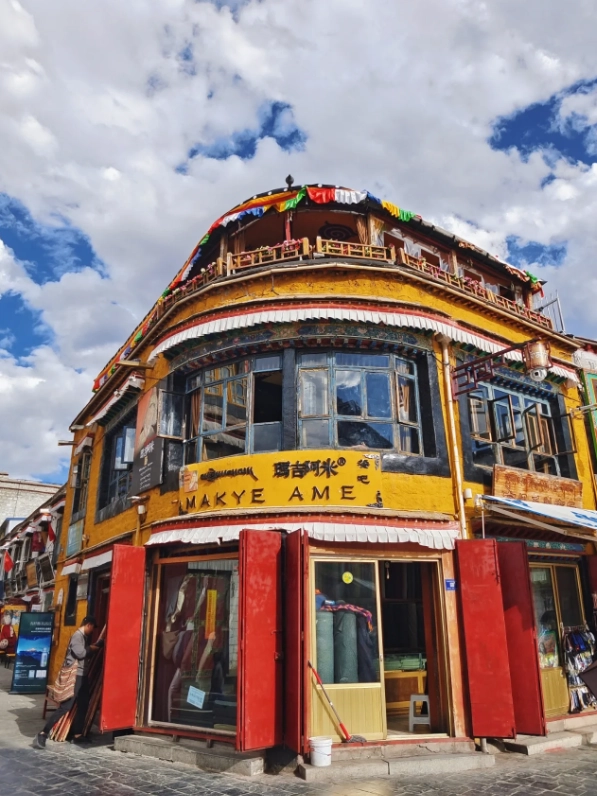
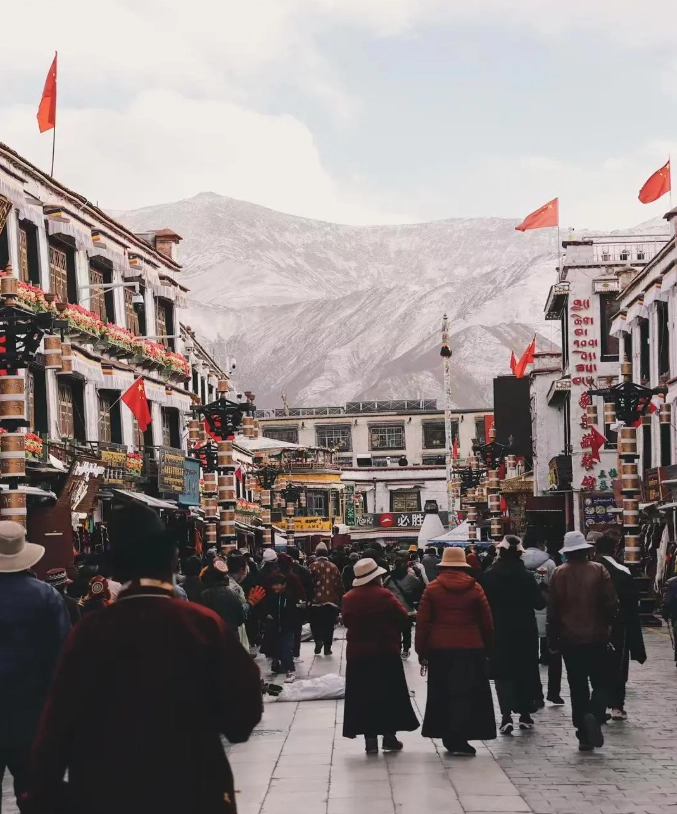
Wondering if Barkhor Street is worth your time in Lhasa? I break down the real experience, from crowded hours to sacred rituals, plus money-saving hacks you won't find in other guides.
Read story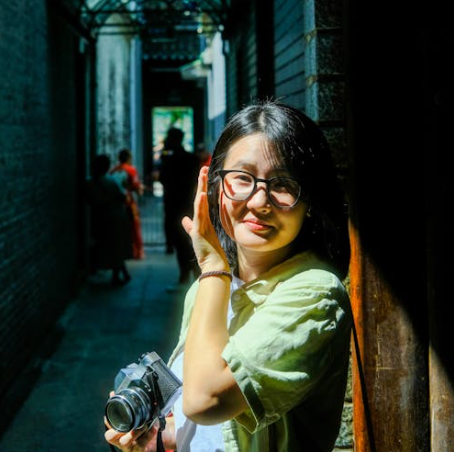
We keep this guide current.
On-site notes & editorial review
Online booking may be required
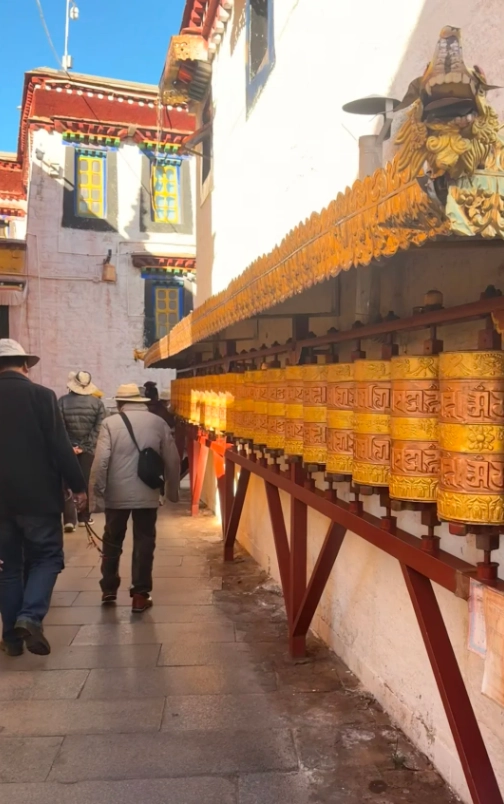
Always walk clockwise alongside the pilgrims. This is the best place in Tibet for street photography, but always ask permission before photo...
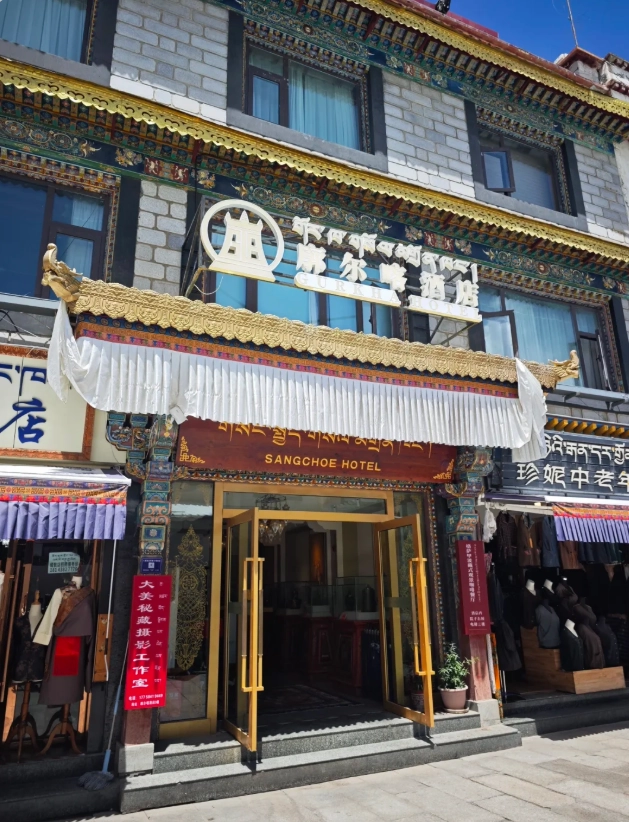
Searching for accommodation near Barkhor Street? From budget guesthouses to boutique hotels, I’ll help you pick the perfect spot, avoid common booking mistakes, and enjoy Lhasa’s heart like a local.
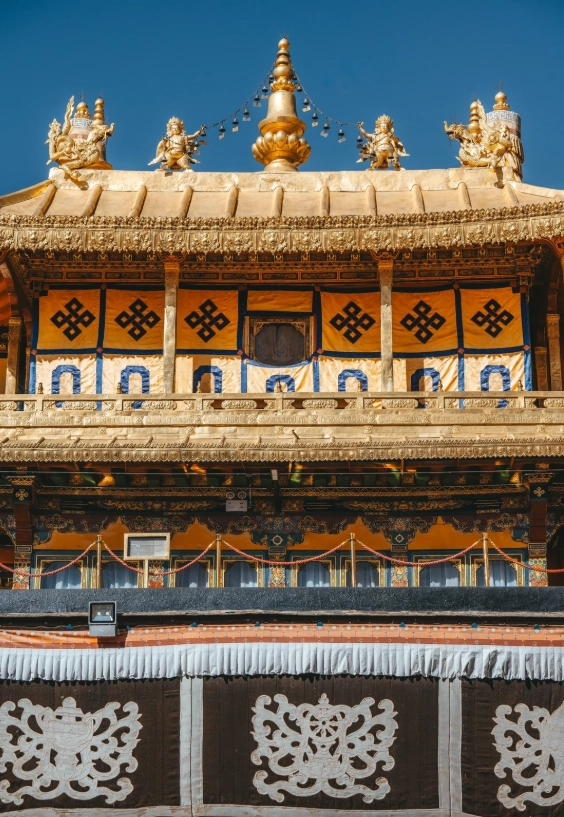 Spiritual Center of Tibet
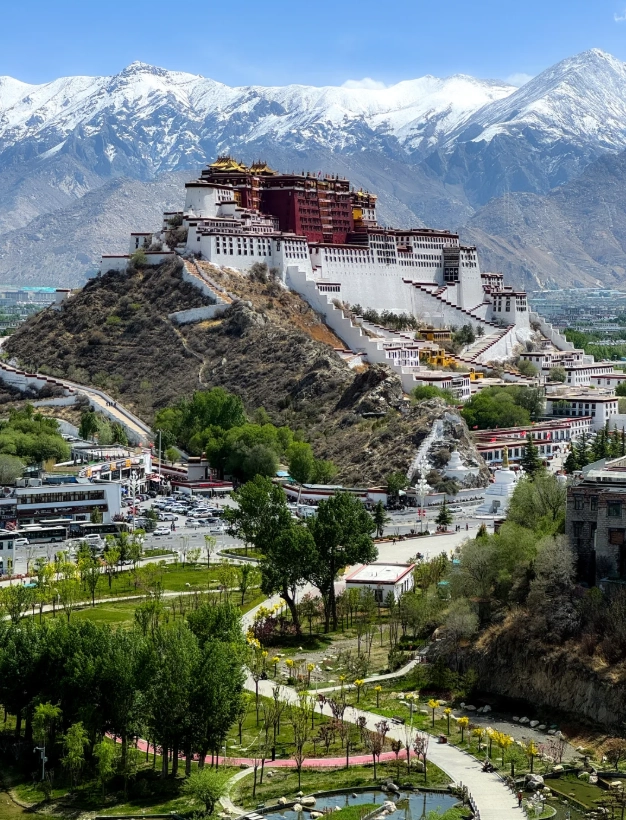 UNESCO World Heritage Site
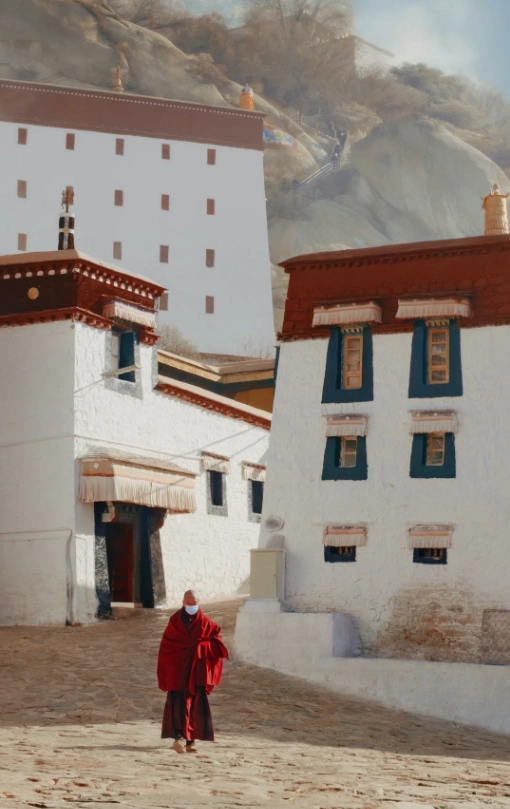 Cultural Heritage
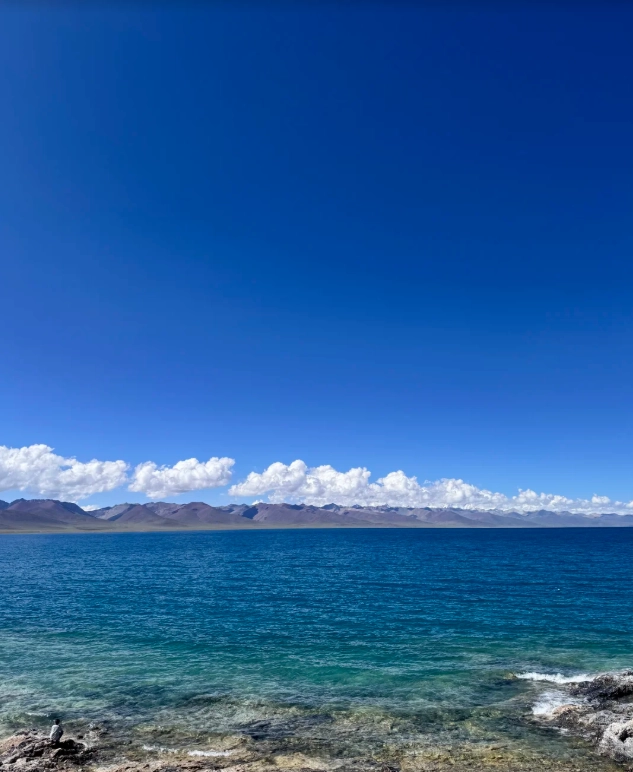
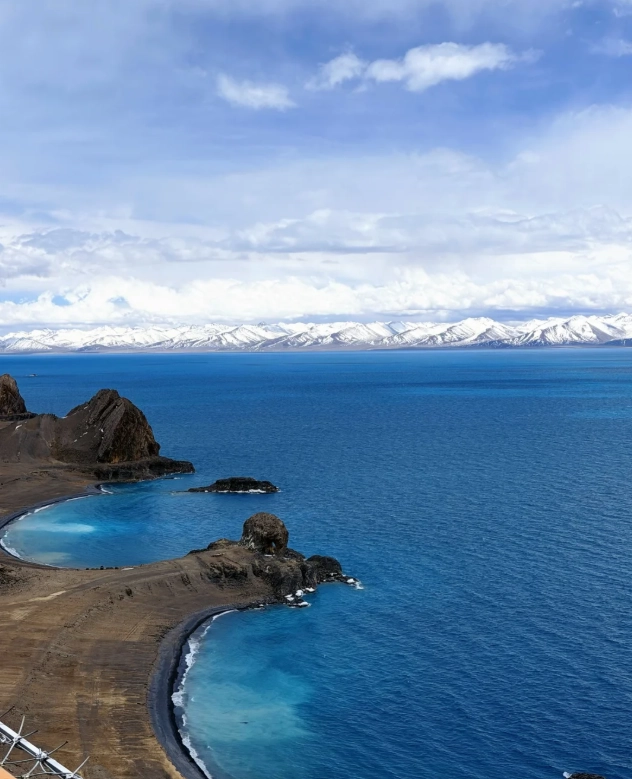 Highest Saltwater Lake in the World
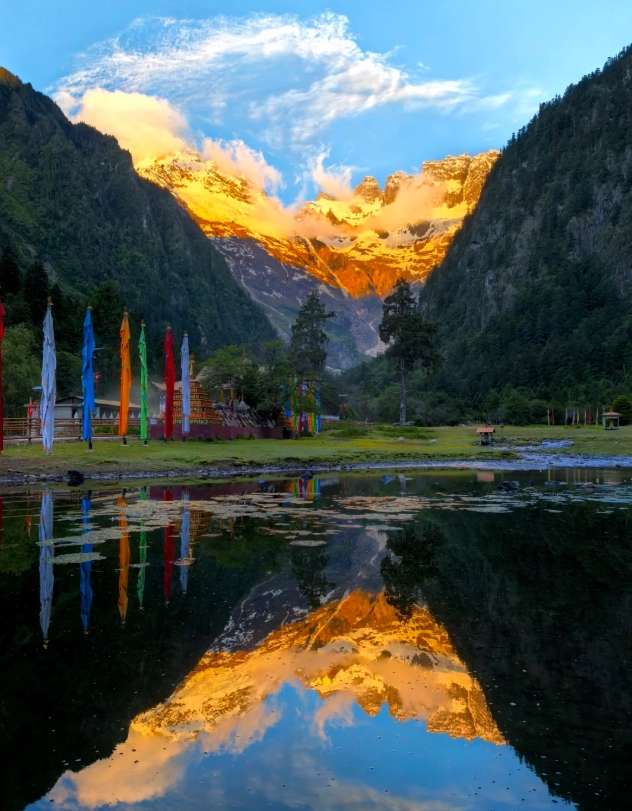 World-Class Trekking
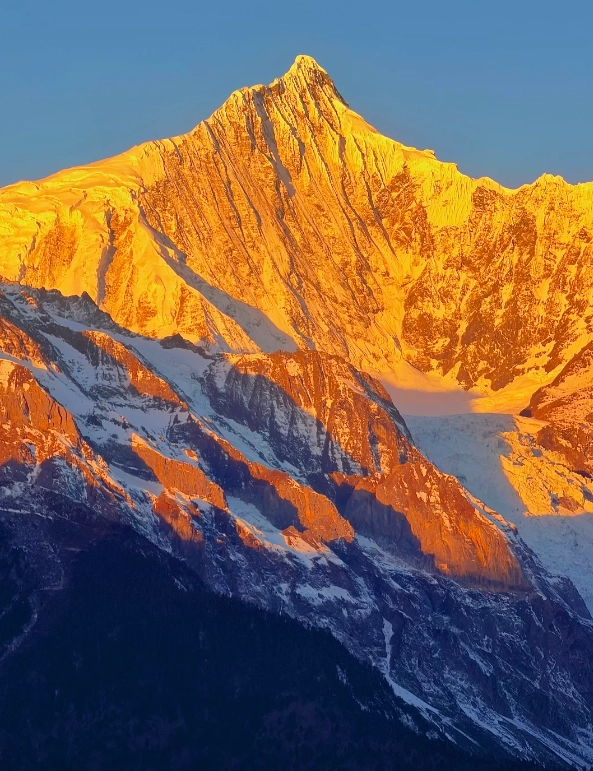 Sacred Mountain View
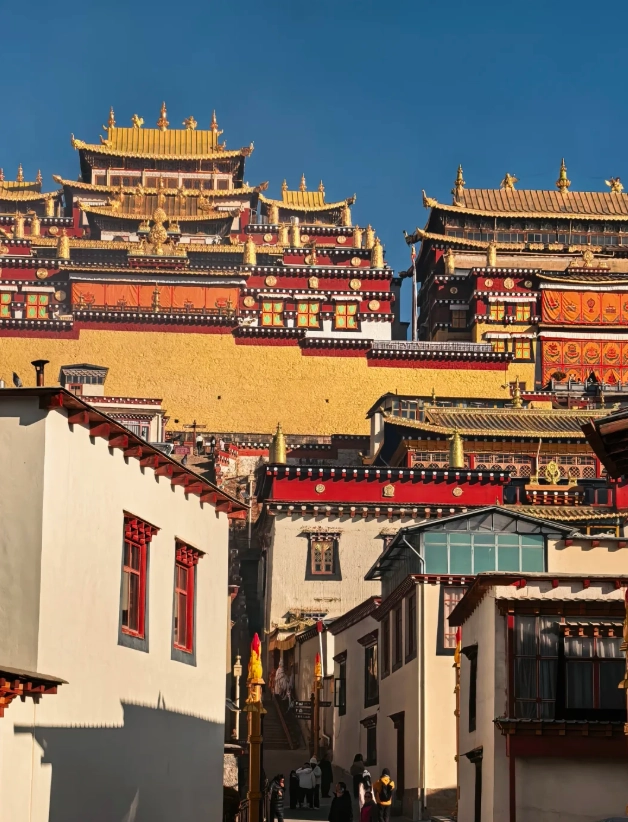 Cultural Heritage
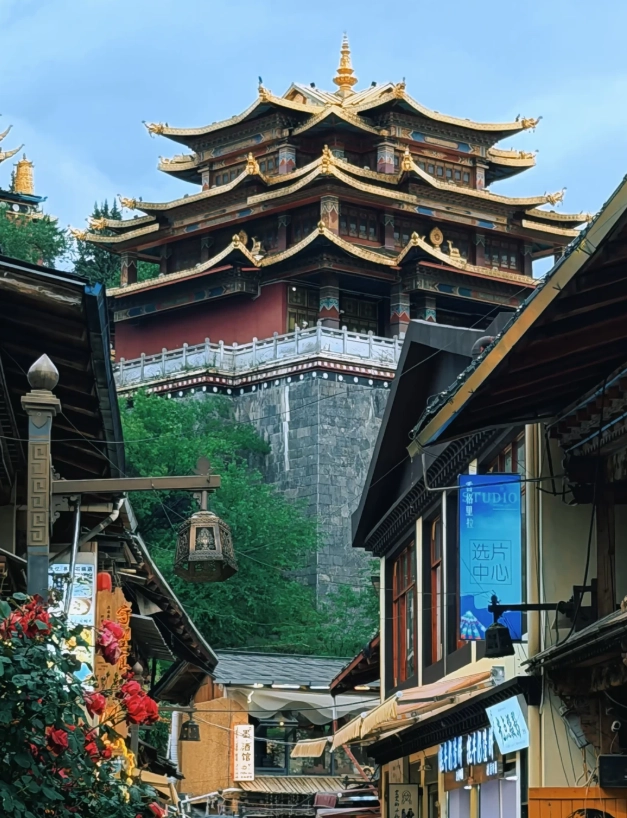 Historic Hub
Recent Reviews
I wanted to love Barkhor Street, but I left a bit underwhelmed. The religious side is fascinating—the pilgrims and the sound of chanting are unlike anything I've seen. But the street itself is now heavily commercial, with vendors grabbing your arm to buy yak-bone jewellery or prayer flags, and a lot of the goods felt like cheap souvenir knock-offs. There was also construction going on, so dust and noise broke the atmosphere. Maybe I came at a bad time or with too high expectations. If you're after the authentic vibe, the side streets are better, but they're easy to miss. It's okay, not unmissable.
Barkhor Street is definitely worth visiting, and the energy around Jokhang Temple is something you have to experience. I loved wandering through the narrow lanes and seeing all the handmade crafts, incense, and Tibetan carpets. However, it does get extremely crowded during the day and some of the alleys are quite touristy with shops selling the same mass-produced items at wildly different prices. I still recommend it, and going in the late afternoon made it more enjoyable. Just bring patience and an empty stomach—the momo stalls are excellent.
Honestly, I wasn't prepared for how moving Barkhor Street would be. I went at dusk, when the big crowds had thinned and the only sounds were slippers shuffling on stone, murmured mantras, and the creak of prayer wheels. There were a few dogs sleeping near the butter lamps and the whole place felt utterly timeless. I'm not religious, but I walked the full circuit and felt something shift inside me. I bought a small thangka from a young artist—a reminder of that quiet evening. I'll remember this street for the rest of my life. 10/10.
If you're into people-watching and photography, Barkhor Street is pure magic. The mix of pilgrims prostrating, monks in maroon robes, and vendors selling colourful fabric and silver jewellery creates this amazing rhythm. I sat on a monastery rooftop with a cup of butter tea for two hours just watching the kora circle move clockwise below. The atmosphere is intense but welcoming. One elderly Tibetan woman noticed my camera and gave me a big toothless smile before continuing her prayers. I left with so much respect and a bag full of handwoven bracelets. Definitely a must-do in Lhasa.
Barkhor Street was the absolute highlight of my time in Lhasa. I went early in the morning and the light was stunning—sun hitting the white walls and golden rooftops of Jokhang. The air smelled of juniper incense, yak butter, and sweet tea. Walking the kora with locals, spinning prayer wheels and nodding at the pilgrims, felt so peaceful. I bought a string of old turquoise beads from a quiet vendor in a side alley and he even invited me for tea. This is a place to soak in slowly, not rush through. Can't recommend it enough.
If you're heading to Lhasa, don't skip Barkhor Street even if you're not religious. I went with a small group and we spent maybe two hours there, but it felt like half a day. The constant turning of prayer wheels, the tapping of walking sticks, the low chanting — it’s like a rhythm that stays inside you. I also noticed that the layout of the old houses around the street is incredibly preserved, with these tiny balconies and faded wooden trim. Touristy? Yes, especially on the outer edge, but if you step a few meters into the side alleys you’ll find the real feel. Absolutely recommended — I’d go back in a heartbeat.
Honestly, Barkhor Street is the heartbeat of Lhasa. I went with no real plan, just followed the flow of pilgrims around the Jokhang. The mix of colors is unreal — maroon robes, bright prayer flags, silver bangles in the shop windows. I didn't buy much, but one shopkeeper taught me how to string prayer beads while her daughter laughed at my clumsy fingers. The smell of juniper and yak butter follows you for hours after you leave. Go early in the morning, walk with the crowd, and don't stare too much. This is the most immersive experience I had in all of Tibet.
Loved seeing the blend of devotion and daily life on Barkhor Street. The stone paths are so worn from all the people walking on them, and you can smell burning sage everywhere. I stopped at a small rooftop café at the edge of the street and watched the kora from above for an hour — that gave me a much better perspective than pushing through the crowds. Only reason I don’t give it a 5 is that I missed the exit and accidentally did an extra loop, and by then the altitude headache was real. But if you’re prepared for the high altitude, this is a place you’ll remember forever.
I wanted to love Barkhor Street, because the Jokhang Temple and the pilgrims are genuinely fascinating. But I found the walking circuit packed to the point where I couldn't stop to look at much without blocking someone. Also, quite a few vendors I passed would grab my arm to push prayer wheels and malas into my face, which got stressful after a while. If you go super early it's probably calmer, but midday it felt more like a tourist trap than a sacred space. Mixed feelings, but worth a visit if you're in Lhasa and have spare time.
Was in Lhasa last week and walked Barkhor Street every morning. The atmosphere is completely different from anything I’ve experienced — incense smoke mixed with cold air, the murmur of pilgrims spinning prayer wheels, butter lamps flickering inside the temple walls. I got a handwoven bracelet and some juniper incense from a stall near the east corner, and the old lady who sold them to me didn’t try to upsell at all. If you respect the kora direction and keep your camera low-key, it’s honestly the highlight of Tibet. I still miss the sound of those footsteps at dawn.
Hands down the highlight of my Tibet trip. Barkhor Street is the heartbeat of Lhasa — every step reveals something new: a monk painting thangka, kids chasing pigeons, the smell of roasted barley. I loved sitting on a rooftop café with a butter tea and watching the endless stream of pilgrims prostrating. The alleys off the main street are quieter and full of hidden treasures. Don’t skip this even if you’re short on time.
This place is pure magic! I woke up at sunrise and joined the kora — walking clockwise among chanting locals, old monks, and even a few stray dogs. The light hitting the whitewashed buildings and the gold rooftops was breathtaking. I bought a handmade turquoise bracelet from a sweet old lady who didn’t even haggle. The tsampa tea from a street stall was surprisingly good. I could spend a week here and still not get bored.
Honestly, I was a bit disappointed. Barkhor Street felt like a giant open-air souvenir mall rather than an authentic cultural street. Everyone tried to sell me the same mass-produced prayer flags and cheap yak wool scarves. The constant 'hey lady, come look' got exhausting. I get that it’s a tourist hub, but the charm was lost under all the commercialism. The only highlight was the rooftop view of Jokhang Temple.
I loved the vibrant atmosphere of Barkhor Street, but it’s definitely more touristy than I expected. The shops are packed with similar souvenirs and many vendors are quite pushy. Still, watching the locals do their devotional walks around the Jokhang Temple was a spiritual experience. I’d recommend going early in the morning before the crowds hit. Worth a visit, just don’t expect an untouched local market.
Barkhor Street is an absolute must when in Lhasa! The energy here is incredible — pilgrims spinning prayer wheels, locals bargaining in Tibetan, and the scent of yak butter candles mixing with fresh momos. I spent a whole afternoon just walking the kora and popping into tiny shops selling handwoven carpets and silver jewelry. Every corner felt like a photograph. If you want to feel the real soul of Lhasa, this is it. Truly unforgettable.
Honestly, I was a bit disappointed. Maybe I had too-high expectations, but Barkhor Street felt overly commercialized. Row after row of identical ‘Tibetan’ trinkets that looked like they came from a factory in Chengdu. Prices were jacked up for tourists, and vendors kept grabbing my arm to sell me ‘real’ dzi beads. The actual pilgrims walking the kora were beautiful to watch, but the street itself lost its authenticity for me. Not my favorite spot in Lhasa.
Barkhor is a fascinating mix of sacred and touristy. The inner kora circuit is deeply spiritual, but the outer ring is packed with souvenir stalls and photo-takers. I enjoyed the vibe, though it got extremely crowded around noon—hard to walk without bumping into selfie sticks. Bought some nice yak wool socks for a fair price after bargaining. Worth a visit, but go early if you want a calmer experience.
I went at sunrise before the crowds arrived. The cobblestones were still wet from the night, and the first rays hit the golden rooftops of the Jokhang. Old Tibetans were already doing full-body prostrations, their palms slapping the stones with quiet devotion. A stray dog followed me for three blocks. It felt like the most peaceful place on earth. This street is the heart of Lhasa—don't skip it.
Spent an entire afternoon just sipping sweet butter tea at a rooftop café overlooking the kora. The thangka paintings in the side galleries are incredible—the artisans let me watch them mix pigments. Bought a small prayer flag bundle from a grandma who smiled toothlessly. The only downside? Some shopkeepers are a bit pushy with their ‘handmade’ scarves, but a polite 'no thanks' works. Overall, an unforgettable cultural immersion.
Walking Barkhor Street at dusk was absolutely magical. The sound of prayer wheels turning, the murmur of pilgrims circling the Jokhang Temple, and the smell of juniper incense hanging in the air—it felt like stepping into a living prayer. I loved the little alleyways branching off, each with tiny shops selling handwoven carpets and turquoise jewelry. The energy here is pure and ancient. Definitely a must-do in Lhasa.
Honestly, I was a bit disappointed. Maybe I built it up too much in my head. The street is overwhelmingly commercial—every other shop sells the exact same keychains, fake turquoise, and mass-produced prayer flags. I got followed by a persistent vendor for almost ten minutes who wouldn't take 'no' for an answer. The architecture is undeniably beautiful and the temple is stunning from the outside, but the constant noise of honking scooters and shouting merchants ruined the peaceful vibe I was hoping for. If you want a sacred experience, try visiting very early in the morning before the crowds hit.
Good place to get a feel for local life, but honestly it was more touristy than I expected. The inner ring near the temple is very sacred, but the outer ring is packed with souvenir shops selling the same stuff. I did enjoy watching the pilgrims and the occasional monk debate. The street food—especially the fried potato cakes and steamed momos—was tasty. However, be prepared for pushy touts trying to sell you 'authentic' items at inflated prices. Worth a visit, but manage your expectations.
What a vibrant slice of Tibetan culture! I visited Barkhor Street twice during my stay. The first time I joined the kora circuit clockwise around Jokhang Temple, and it felt like being part of a living tradition. The second time I focused on the shops—so many unique items like singing bowls, prayer flags, and handmade carpets. The vendors are friendly but expect some bargaining. I loved the contrast between the solemn monks and the lively market atmosphere. Definitely a highlight of my Tibet trip.
Barkhor Street is an essential stop for any traveler in Lhasa. The mix of ancient architecture, street vendors selling thangkas and turquoise jewelry, and the constant flow of pilgrims makes it a feast for the senses. I spent hours just people-watching and photographing the details on the temple walls. The energy is incredible, especially in the afternoon when the sun hits the whitewashed buildings. Only downside? The street can get extremely crowded, but that's part of the charm. Would go back in a heartbeat.
Absolutely magical place! Walking the kora with locals at sunrise was a spiritual experience. The smell of yak butter candles, the sound of prayer wheels spinning, and the vibrant prayer flags fluttering in the wind—everything felt so alive. Stopped by a tiny tea house for sweet butter tea and watched pilgrims prostrate themselves. The street is bustling but in a reverent way. Bought a beautiful handwoven Tibetan scarf from a kind old lady. Can't recommend this enough if you want to feel the real soul of Lhasa.
Barkhor Street is the heartbeat of Lhasa. Walking the kora circuit alongside pilgrims at dawn was a spiritual experience I'll never forget. The smell of juniper incense, the sound of chanting, the feel of the smooth prayer wheels under my fingers—it's pure magic. Yes there are souvenir shops, but they're part of the local economy. I had the best momos of my life at a tiny stall near the south gate. This place deserves every bit of hype. 5 stars, no question.
I'm not usually a fan of tourist streets, but Barkhor stole my heart. Yes it's busy, but the energy is electric. Duck into a small tea house for some sweet butter tea and watch the world go by—that's the real magic. I found a tiny shop run by an old Tibetan woman who stringed a prayer bead bracelet for me while humming a song. The Jokhang Temple at the center is breathtaking, and the whole area feels alive with devotion. A must-do in Lhasa. I'd go back in a heartbeat.
Absolute gem for photographers! Barkhor Street is a sensory overload in the best way—the incense smoke mixing with butter lamp smells, the colorful prayer flags flapping overhead, and locals in traditional chuba walking alongside monks in maroon robes. I spent an entire morning here just capturing moments. The old buildings have incredible wooden carvings and faded murals. Every corner offers a new perspective. One of the most atmospheric places I've ever visited. Highly recommend going at sunrise when the light is golden and crowds are thin.
Barkhor Street is a fascinating mix of sacred and touristy. I loved watching the pilgrims doing their kora, spinning prayer wheels and murmuring mantras—that part felt very authentic. But the narrow alleys get unbearably packed after 10am, and some shopkeepers are pushy. Managed to buy a nice thangka at a reasonable price after bargaining hard. If you go early morning before the tour buses arrive, it's a solid 4-star experience. Otherwise, bring patience.
I had high hopes for Barkhor Street, but honestly it felt way too commercialized. The crowds were insane—shoulder to shoulder the whole way. Yes, the kora atmosphere is unique, but every other shop sells the same cheap souvenir junk. I got hassled by touts three times just trying to take a photo. The temple itself is stunning from outside, but the street experience left me frustrated. Might skip it next time.
Barkhor Street is a sensory overload in the best possible way. The moment you step onto the cobblestones, you're hit with the scent of juniper smoke, yak butter, and fried bread. I found a tiny rooftop café overlooking the crowd — best spot for people-watching. The energy is electric, but respectful. Locals walk clockwise, so remember to follow the flow. If you're into photography, bring a zoom lens to capture the details without being intrusive. Five stars without a doubt.
I spent an entire afternoon just wandering around Barkhor, and it was the highlight of my Tibet trip. Every corner reveals something new: a monk chanting softly, a child laughing while chasing a stray dog, or a vendor grilling corn on a tiny charcoal stove. I bought a small wooden statue of Green Tara from a craftsman who actually carved it right there. Don't rush — let the place soak into you. And definitely bring cash; many stalls don't take cards.
Honestly, I was a bit disappointed. Barkhor Street is very touristy — the same cheap plastic prayer flags and mass-produced souvenirs everywhere. The constant touts yelling 'looky looky, madam' really killed the vibe. The Jokhang Temple itself is amazing, but the street felt more like a shopping mall than a sacred path. Maybe I just came at the wrong time of day (mid-afternoon). Would recommend visiting at dawn to see the real atmosphere.
A vibrant and chaotic place that perfectly captures the spirit of Lhasa. I loved walking with the flow of pilgrims and locals, spinning every prayer wheel I passed. The mix of ancient culture and modern souvenir stalls is interesting, though some vendors are quite pushy. Prices are higher than I expected, but haggling is part of the fun. Definitely a must-see, but go early to avoid the biggest crowds.
Barkhor Street is absolutely magical, especially early in the morning when the pilgrims are doing their kora. The smell of incense, the sound of prayer wheels, and the sight of locals in traditional dress — it feels like stepping into another world. I bought some beautiful handmade prayer beads and a thangka from a small shop run by a lovely old Tibetan woman. Best part? The street food: try the butter tea and the yak meat skewers. Unforgettable experience!
Barkhor Street is simply unforgettable. I’ve traveled to many markets around the world, but this one feels sacred. The smell of juniper incense, the sight of locals prostrating on the stone slabs, and the vibrant colors of Tibetan carpets and thangkas – it’s a feast for the senses. I bought a handmade singing bowl and the shop owner explained its history with such passion. 5 stars, no question.
Came here early in the morning around 7 AM to join the pilgrims walking the kora. That was a totally different vibe – peaceful, meditative, with only the sound of footsteps and murmured prayers. Later in the day it gets crazy busy, but the morning experience alone makes it a solid 4 stars for me. Also, the momos from a street vendor near the south gate were delicious!
I visited Barkhor Street with high expectations, but honestly, it felt a bit too crowded and commercialized for my taste. The alleys are narrow and full of souvenir vendors repeating the same stuff – you’ll see the same yak wool scarf sold ten times. The religious atmosphere is genuine near the temple, but the rest felt like a tourist trap. Still, it’s worth a quick walk for the unique architecture.
If you’re into photography and people-watching, Barkhor Street is paradise. I spent an entire afternoon just wandering the kora (circumambulation path), capturing old monks, young kids playing, and women selling colorful prayer beads. The light on the whitewashed buildings was magical around 4 PM. Only downside: some tourist shops can be pushy, but ignore them and you’ll have a 5-star day.
Barkhor Street is the beating heart of Lhasa, and I absolutely loved every moment there. The mix of pilgrims spinning prayer wheels, lively market stalls, and the stunning Jokhang Temple at the center creates an atmosphere you can't find anywhere else. I bought a handcrafted silver bracelet and tried some freshly made yak butter tea from a tiny shop – it was surprisingly comforting! Definitely a 5-star experience for anyone who wants authentic Tibetan culture.
Leave a Review