Jokhang Temple Overview
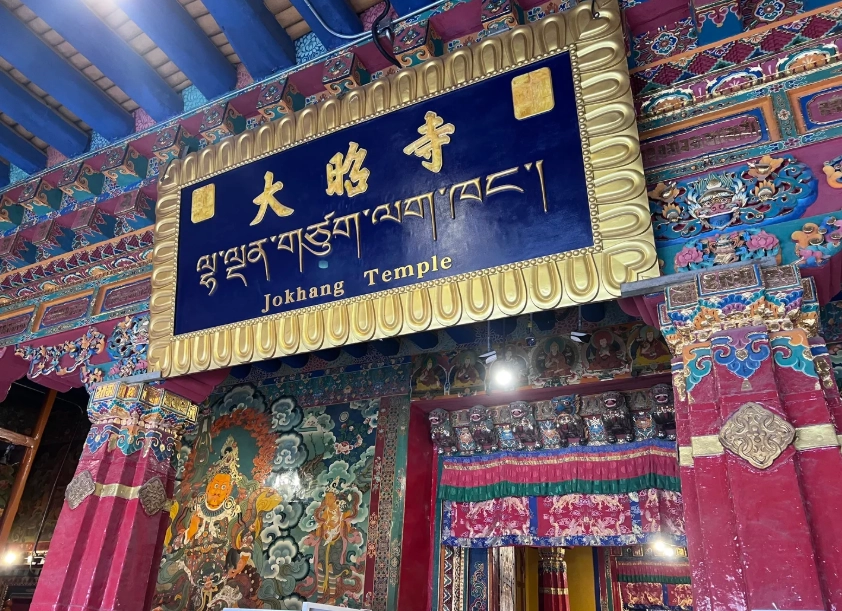
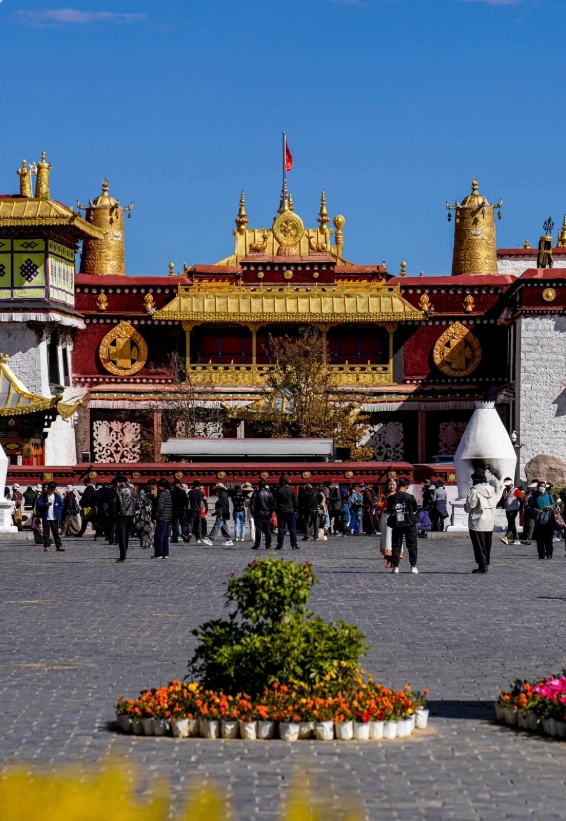
The spiritual heart and the most sacred temple in all of Tibet. Founded in the 7th century, it draws thousands of devoted pilgrims daily who prostrate themselves in front of its gates. It houses the venerated Jowo Rinpoche, a life-sized statue of the Buddha at age 12.
Jokhang Temple Opening Hours & Tickets
- 08:30-18:00 (Tourists are generally recommended to visit between 11:30 and 17:30)
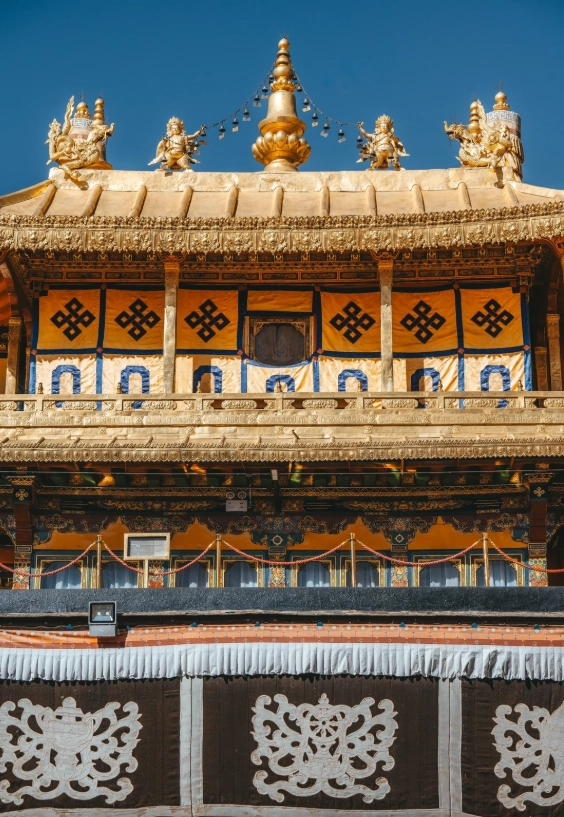
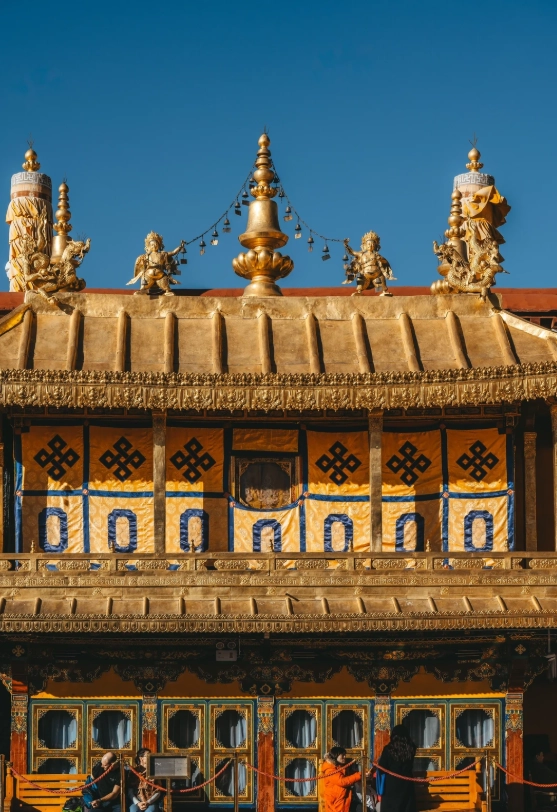
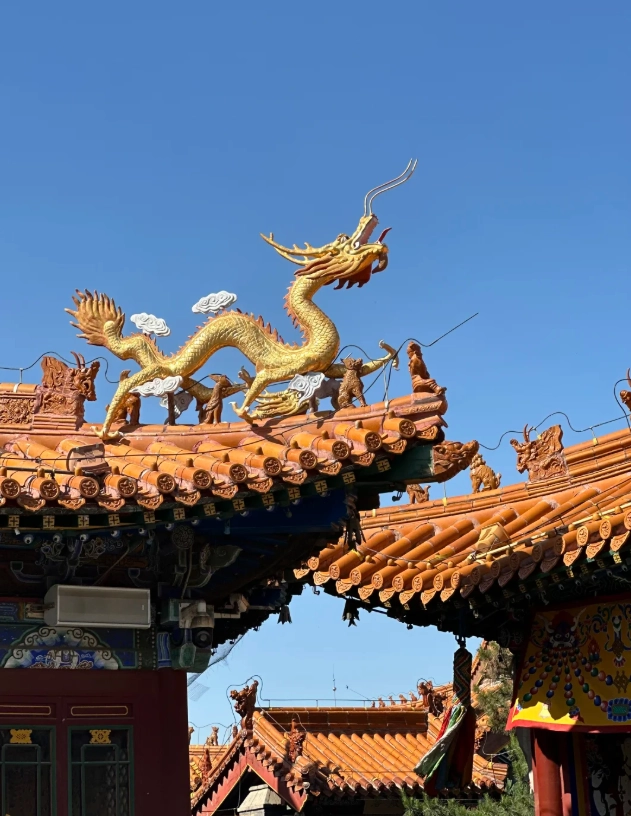
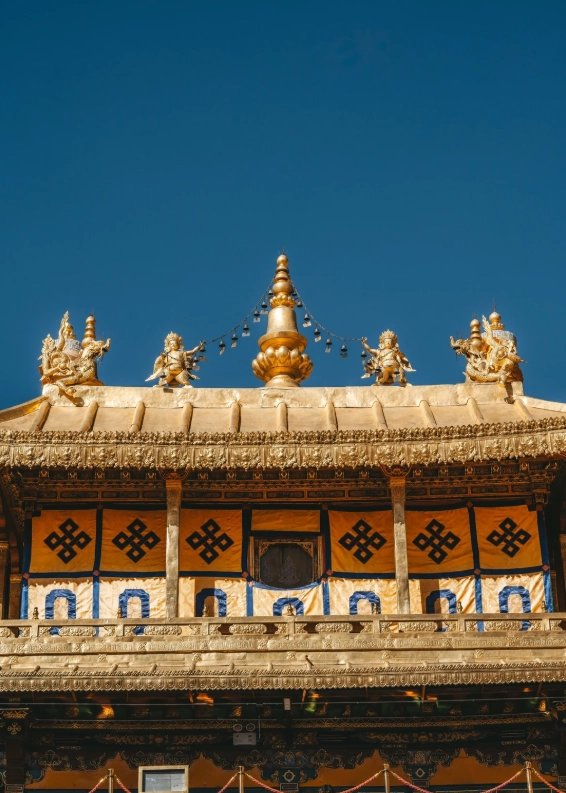
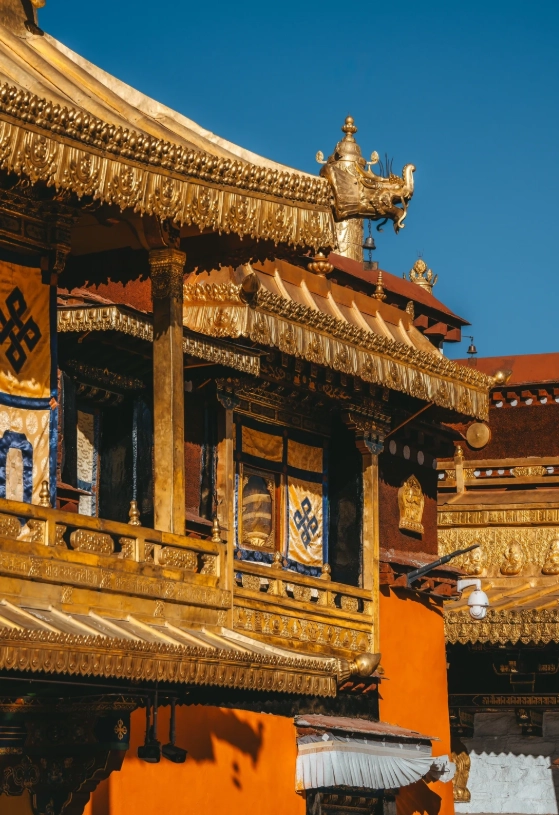
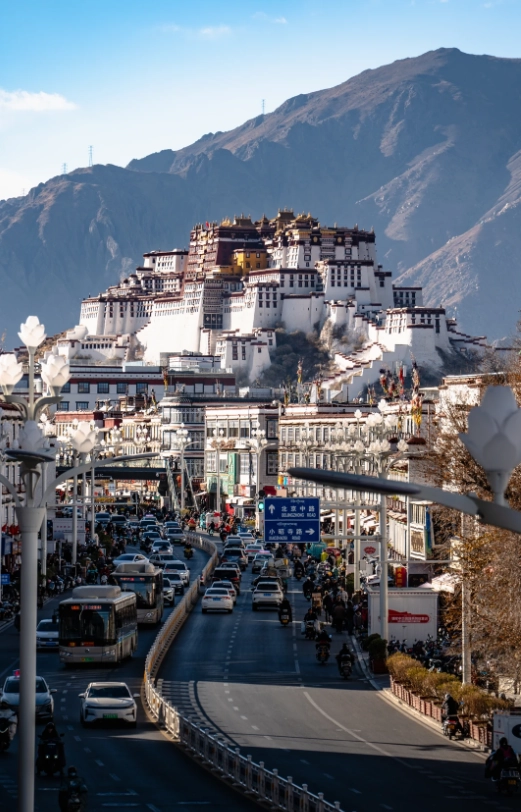
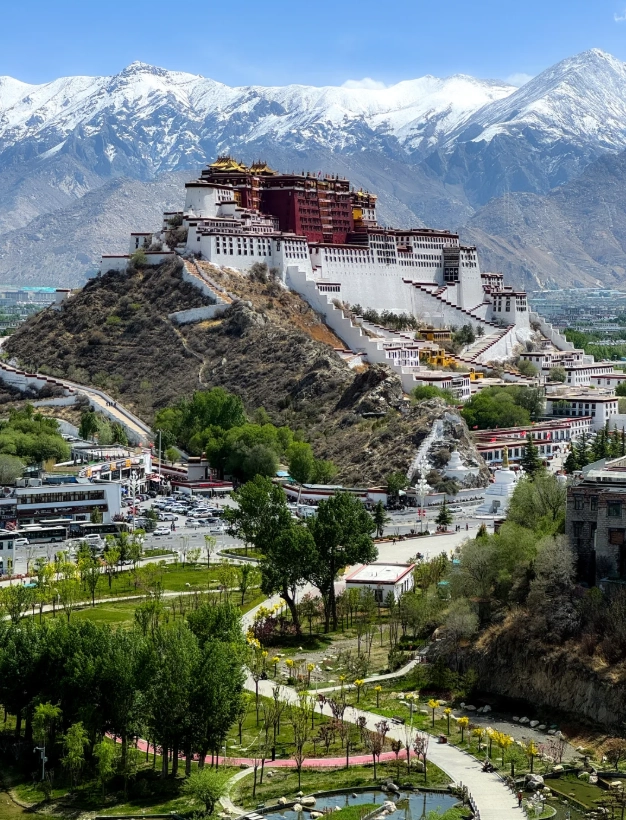
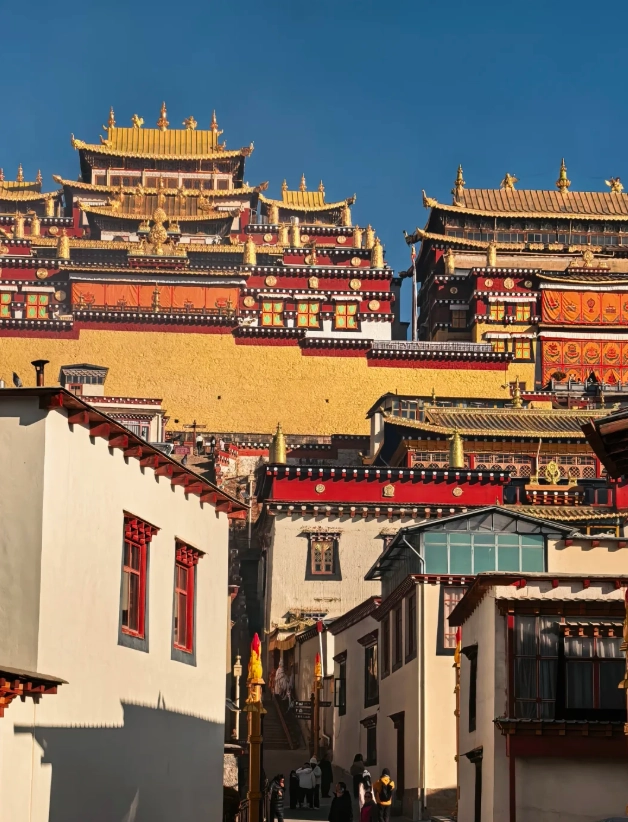
- Best season: Late afternoon. The golden hour lighting on the temple's golden roof, with the Potala Palace in the distant background, is breathtaking.
- Ticket note:
Tickets can be purchased on-site or pre-booked by your guide. Morning hours are...
Essential Jokhang Temple Visitor Information
- Enquiries: +86 891 6333333
- Audio guides
- Rooftop viewing area
- Restrooms outside the temple complex
How to Get to Jokhang Temple
Located in a pedestrian-only zone. Vehicles must drop you off at the perimeter of Barkhor Street, followed by a 5-minute walk.
Jokhang Temple Travel Safety & Advice
Dial 120. Police and tourist assistance booths are highly visible all around Barkhor Square.
Jokhang Temple Travel FAQ
Is it safe to eat street food in Tibet?
Yes, on one condition: eat it fresh and hot. Skip anything that's been sitting under a fly net for hours. The strains of bacteria at altitude are different, so your stomach might be confused for a day. I always advise travelers to bring oral rehydration salts — just in case.
What if I'm sensitive to dairy or lactose intolerant?
Butter tea and sweet tea contain dairy. However, you can still enjoy many dishes. Momos and thukpa are usually dairy-free. For a caffeine fix without milk, order 'gorya' (black tea). And don't worry — the nunnery teahouse offers soy milk occasionally, but don't count on it.
Can I use my credit card in Tibetan restaurants?
In Lhasa's tourist restaurants like Makye Ame, yes. But in a local teahouse, no. Rely on cash and mobile payments. In rural areas, cash is the only option.
Is there anything I shouldn't eat in Tibet for religious reasons?
Tibetan Buddhists don't slaughter animals, so you'll see more yak meat than chicken or pork. There's no strong taboo on eating beef, but horsemeat is avoided. Stick to yak and sheep dishes, and you'll be culturally fine.
What's the best time of day to eat in Lhasa?
Follow the local rhythm: breakfast around 8-9 AM, heavy lunch around 1 PM, light dinner around 6-7 PM. Teahouses are busiest mid-morning. And don't plan dinner too late — many kitchens close by 9 PM.
Can I visit Jokhang Temple without a guide?
Absolutely, but a guide adds context. I’ve seen many tourists wander around confused. If you go solo, download an audio guide (some apps have them) or read up on the history beforehand. The temple has signage in English near major statues, but not everywhere.
Is photography allowed inside Jokhang Temple?
Only in the courtyard and rooftop. Inside chapels, it’s strictly prohibited – not just because of rules, but because flash damages centuries-old murals. Monks will gesture for you to stop. Trust me, it’s better to absorb the moment than to capture a blurry photo that doesn’t do justice.
How do I handle altitude sickness at Jokhang?
Lhasa sits at 3,656m. Jokhang Temple involves climbing steep staircases – many visitors get winded. Take it slow. Bring a small oxygen can (available at any pharmacy for 15–20 RMB). I always tell my groups: climb one flight, then pause to admire the view. Better than fainting on the stairs.
Can I visit Jokhang Temple during festivals?
Yes, but expect massive crowds. During Saga Dawa, the temple opens from 5:00 AM and is packed until noon. The energy is incredible – thousands of pilgrims doing prostrations. But if you’re claustrophobic or want a calm visit, pick a non-festival day. Also, some inner chapels may be closed to tourists during special ceremonies.
Is Jokhang Temple open on weekends and public holidays?
Yes, it’s open every day of the year, including Chinese public holidays. However, during Tibetan New Year (Losar), the temple is extremely busy. Still worth it – you’ll see unique rituals.
Recent Reviews
Honestly a bit let down. Maybe I built it up too much from the photos, but the main hall felt cramped and smoky to the point my eyes were watering. Lots of tour groups shouting, and the renovation scaffolding on one side spoiled the old charm. For the ticket price, I expected more signage or a proper audio guide in English. The surrounding market has more character than the temple itself, in my opinion. Meh.
Really impressive temple with a lot of history, but be prepared for the crowds—it gets jam-packed even on a weekday. The inner sanctum felt a bit rushed because the line kept pushing forward, and the entry fee (85 RMB) is steep for what you actually get to see closely. That said, the Barkhor Street kora around the temple is wonderful, and the butter lamp offering was a unique experience. Good, not great—I’d give it a 4.
Jokhang is the heart of Tibetan Buddhism, and you feel that history in every carved beam. The Jowo Shakyamuni statue is incredibly serene, and the guide explained how the temple was built over a lake with the help of goats—fascinating. The crowds inside can be intense, but if you take your time and go up to the roof terrace, the view of the Potala Palace framed by prayer flags is unforgettable. A solid 5-star experience.
Came at sunrise to avoid the crowds—best decision ever. The main prayer hall was still lit by flickering butter lamps, and the intricate murals of the Buddha looked almost alive. I sat on a stone step and watched a family of five kowtow their way around the outer circuit. Pure magic. Only wish I had more time to explore the side chapels. Absolutely recommend arriving early.
Absolutely breathtaking! The moment you step into the courtyard, the smell of yak butter candles and the sound of chanting monks wrap around you. The golden rooftop glints in the morning sun, and watching pilgrims prostrate themselves with such devotion is humbling. A must-see in Lhasa—spiritual without being overly touristy. Bring a scarf to cover your shoulders and just soak it all in.
Honestly a bit underwhelming. Maybe because I had really high expectations from all the hype. The square outside is nice but the interior felt claustrophobic with so many tourists and pilgrims pushing through. Plus part of the temple was under renovation when I visited, so some halls were closed. The main Buddha statue is cool but you barely get a glimpse. For the hype and the ticket price, I expected more.
Impressive temple with deep history, no doubt. The architecture and the golden statues are remarkable. However, it gets incredibly crowded in the late morning — almost hard to move. The entrance fee (85 RMB) felt a bit steep for what you actually see inside the main hall (you can’t get very close to the statue). Still worth a visit, but go early and be prepared for the chaos.
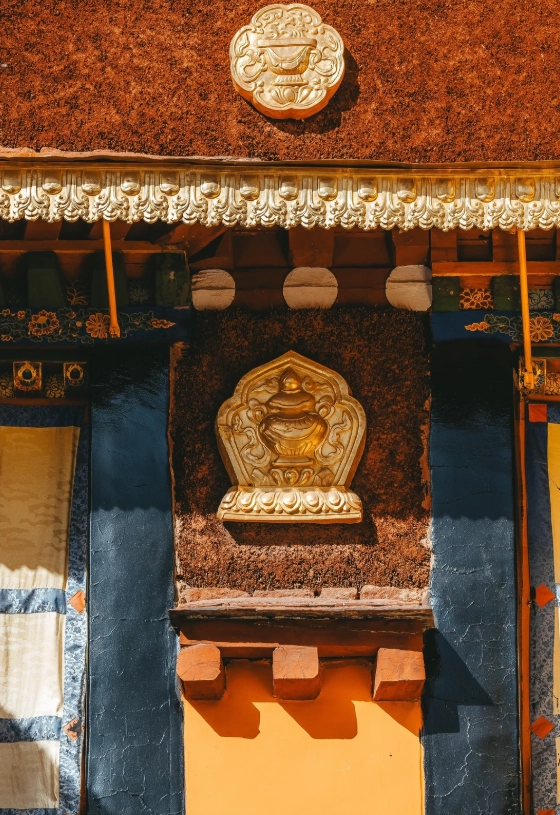
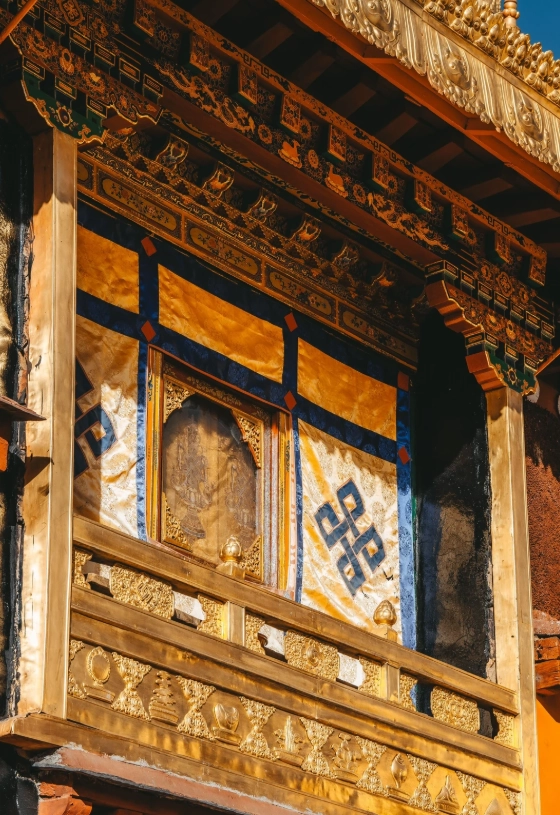
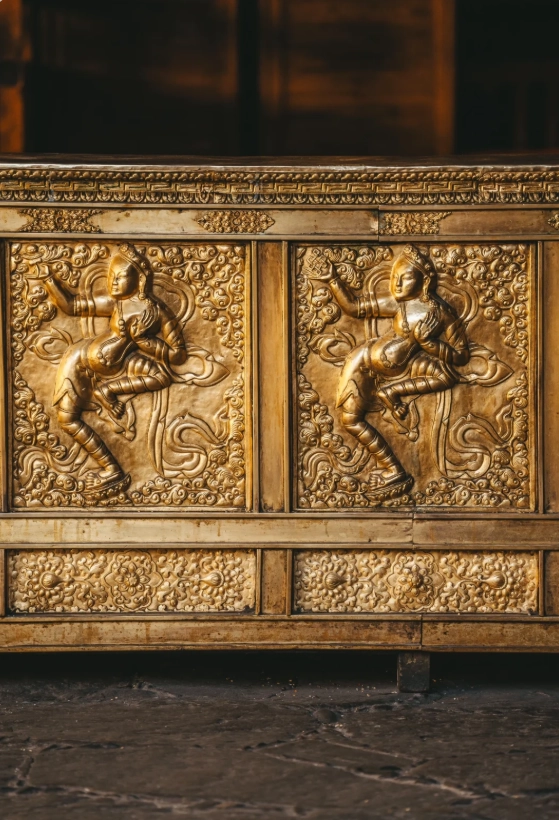
Visually it’s a dream. The intricate carvings, the faded but rich wall paintings, and the play of light through the windows — pure photographer’s gold. I spent almost two hours just around the perimeter capturing details. A tip: respect the no-photo zones inside the main hall, but the courtyard and roof are fair game. One of the most photogenic temples I’ve ever seen.
Came here at 6:30 AM and it was the best decision. The kora (circumambulation) path was already swarming with devoted Tibetans spinning prayer wheels. Inside, the 12th-century Jowo Shakyamuni statue is stunning. The energy is indescribable — peaceful yet electric. I’ve traveled a lot but this place left a mark on my soul. Highly recommend going early before the crowds pour in.
Absolutely breathtaking! The moment you step into the courtyard, the chants of monks and the scent of yak butter fill the air. Watching pilgrims prostrate themselves in front of the temple is humbling. The golden rooftop glows in the afternoon sun, and the ancient murals inside tell stories you can feel. Without a doubt, this is the spiritual heart of Lhasa — a must-visit for anyone seeking real Tibetan culture.
I really wanted to love this place, but it felt way too commercialized. There were hawkers selling cheap souvenirs right at the entrance, and the queue to get inside took almost an hour. Once inside, it was so crowded I could barely see the statues — and a lot of tourists were taking flash photos despite the signs saying no photography. The smell of sweat and stale butter oil was overwhelming. Maybe if you come at 5am it's different, but my midday visit was a letdown. The temple itself is historic, but the management needs to control the crowds and the vendors.
Impressive and historically significant, no doubt. The Jowo Shakyamuni statue is stunning and the whole temple feels like a living museum. However, I found the entrance fee (85 RMB) a bit steep for what you actually see — the main hall is packed with tourists and locals alike, making it hard to move or appreciate the details. The murals are beautiful but faded, and some areas are roped off. Still, the rooftop view is great and the atmosphere outside with all the pilgrims is something you won't find elsewhere. A solid 4 for the experience, but don't expect a quiet, intimate visit.
Visited at 6:30am right after dawn. The first rays of sunlight hit the golden top of the temple and it looked like it was on fire. Inside, the corridors were dim and smelled of yak butter, and I could hear the soft shuffle of pilgrims turning prayer wheels. I sat in a corner for 20 minutes just watching people light butter lamps and touch their foreheads to the statues. I’m not religious, but I felt a deep peace I haven’t found anywhere else. The stairs are steep and uneven — wear good shoes. Absolutely magical.
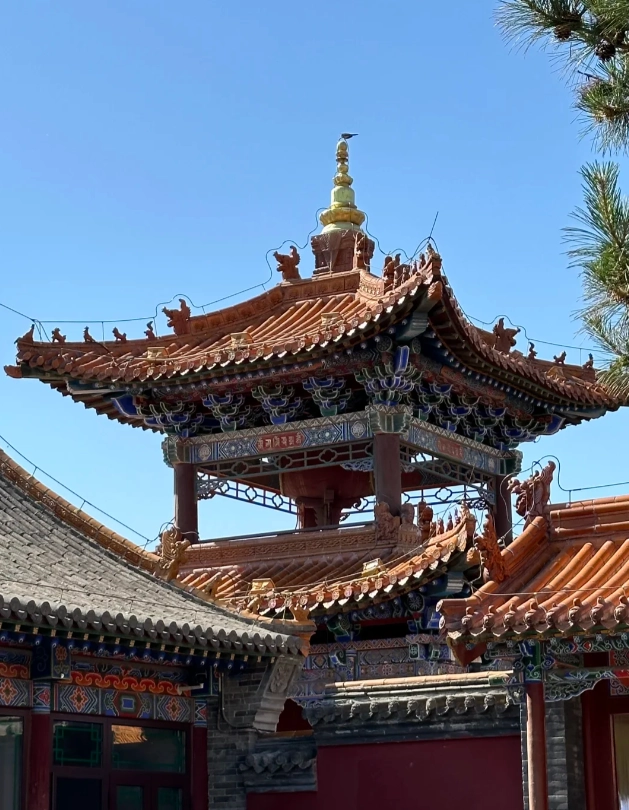
The architecture alone is worth the trip. The golden rooftop with those mythical beasts, the intricate wood carvings on every beam, and the faded murals telling stories from the sutras — I could have stared for hours. One tip: go up to the rooftop terrace for a panoramic view of the Potala Palace and the old town. The crowds inside can be overwhelming, but the sheer spiritual energy makes up for it. Also, the surrounding Barkhor market is a feast for the senses — yak butter, singing bowls, prayer flags flapping in the wind.
Spent the entire morning here watching pilgrims prostrate themselves outside the main hall. The air is thick with juniper incense and the rhythmic murmur of mantras. Went inside around 10am and the sunlight streaming through the roof openings made the butter lamps glow like tiny stars. The statue of Jowo Shakyamuni is absolutely breathtaking — gold, jewels, and centuries of devotion. If you want to understand Tibetan Buddhism, this is the heart of it. Came back at dusk to walk the Barkhor circuit with the locals. Unforgettable.
Leave a Review