 Jing Song
What You'll Find Here
I still remember my first walk down Xinmin Street in Changchun. On both sides, grand concrete buildings stared at me with stern facades—a silent reminder of a dark chapter in China's history. These are the Eight Departments of Manchukuo, the administrative backbone of the Japanese puppet state that existed from 1932 to 1945. But today, they're not just relics; they're living buildings used by universities and hospitals. Let me take you through what you need to know to explore them like a local history buff.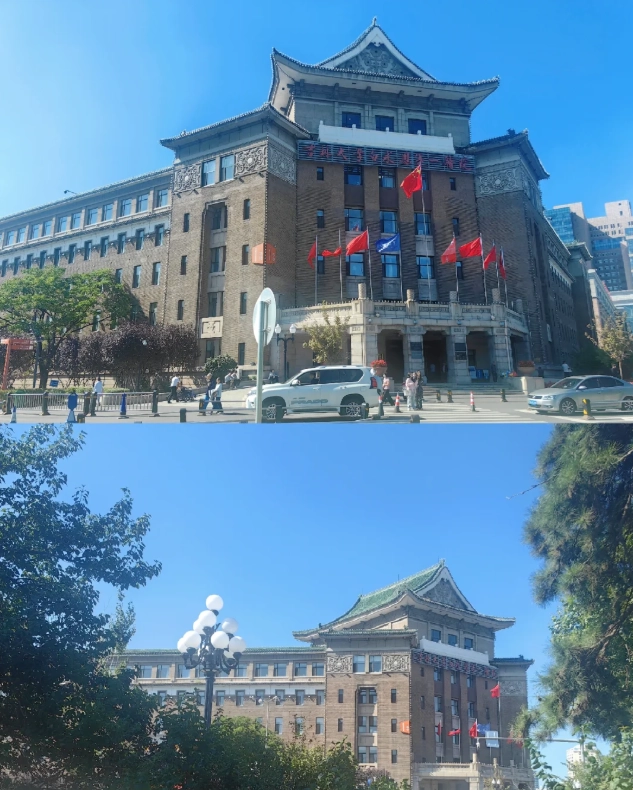
What Were the Eight Departments?
The Eight Departments were the central ministries of the Empire of Manchukuo, modeled after Japan's cabinet system. They included the Ministries of Justice, Finance, Industry, Agriculture, Communications, Education, Interior, and the Bureau of Civil Affairs. Each had its own imposing building, mostly along Xinmin Street and nearby areas. After 1945, these structures were repurposed—now you'll find Jilin University's medical school, a hospital, and other public institutions occupying them.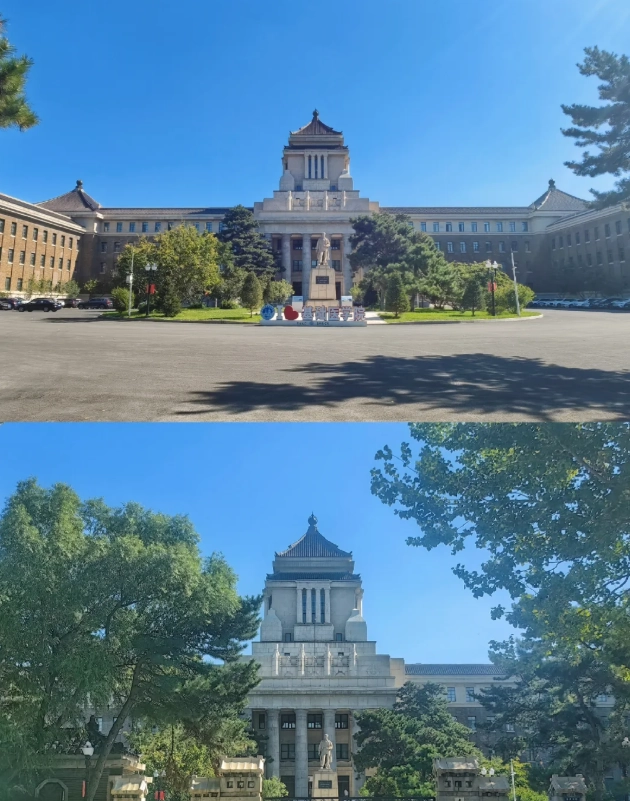
A Quick Rundown of the Key Ministries
- Ministry of Justice (now part of Jilin University's First Clinical Hospital) – The most ornate, with a prominent dome.
- Ministry of Finance (now the No.1 Hospital of Jilin University) – Massive and symmetrical.
- Ministry of Agriculture (now the Norman Bethune Medical School) – Features a striking colonnade.
Where to Find Them: A Self-Guided Route
Start at the southern end of Xinmin Street (near the junction with Jiefang Road). From there, walk north. You'll see the buildings one after another. Most are on the east and west sides of the street. The entire walk is about 1.5 kilometers, taking roughly 20 minutes if you just stroll, but I recommend at least 2 hours if you stop to examine details.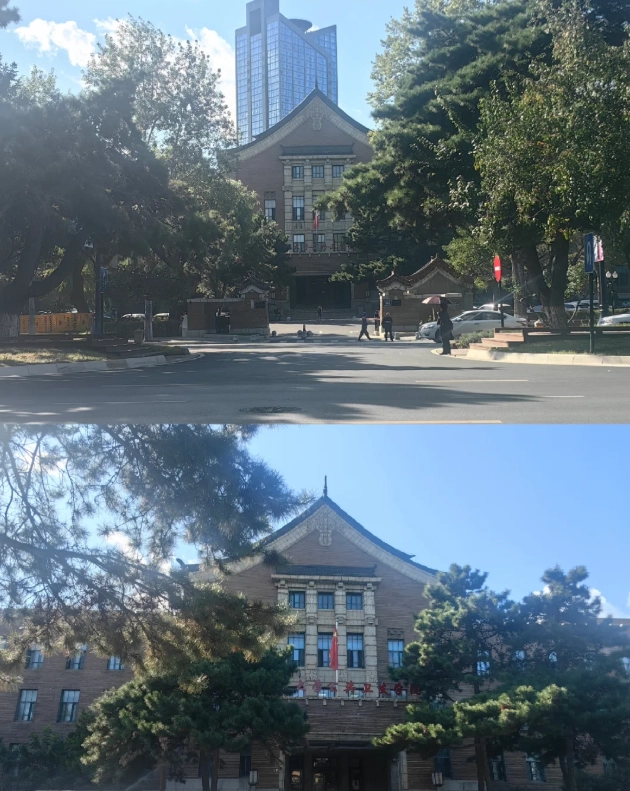
Suggested Stop Order
- Ministry of Justice – Address: 829 Xinmin Street. Now part of the hospital complex. Look for the blue dome.
- Ministry of Finance – Address: 71 Xinmin Street. Cross the street after the Justice building.
- Ministry of Agriculture – Address: 829 Xinmin Street (actually same block but different entrance).
- Ministry of Communications – Address: 6 Xinmin Street. Now used by Jilin University.
- Ministry of Education – Address: 9 Xinmin Street. Right next to the Communications building.
After that, you'll reach the junction with the Cultural Square. If you still have energy, the old Manchukuo Imperial Palace is about 10 minutes away by taxi.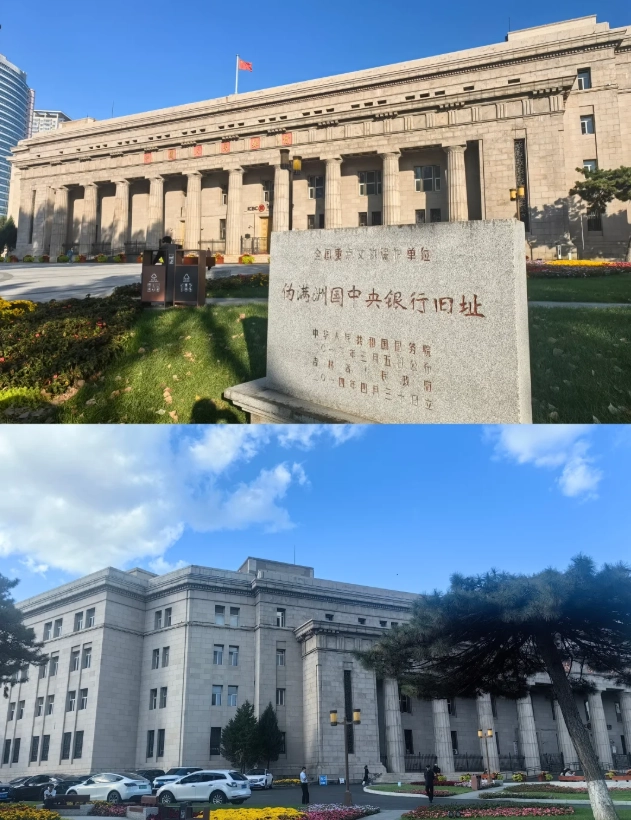
Architectural Highlights You Can't Miss
These buildings blend Japanese imperial style with European neoclassicism. Look for these elements:
- Domes and cupolas – The Ministry of Justice has a beautiful copper dome that turned green with age.
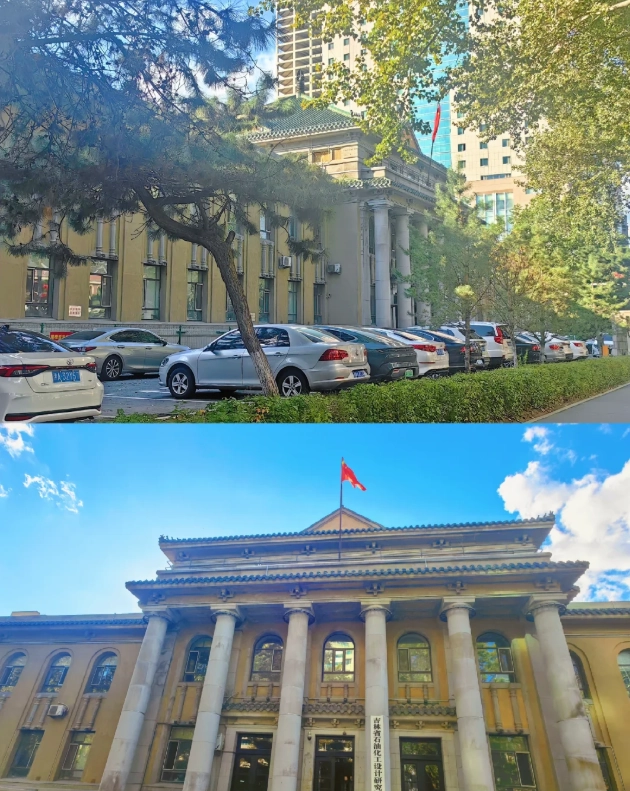
- Colossal columns – Many ministries have massive Corinthian or Ionic columns. Check the Ministry of Agriculture's portico.
- Granite foundations – The bases are often rough-hewn, symbolizing strength.
- Decorative reliefs – Some entrances have carved motifs of wheat, gears, or other symbols of the era.
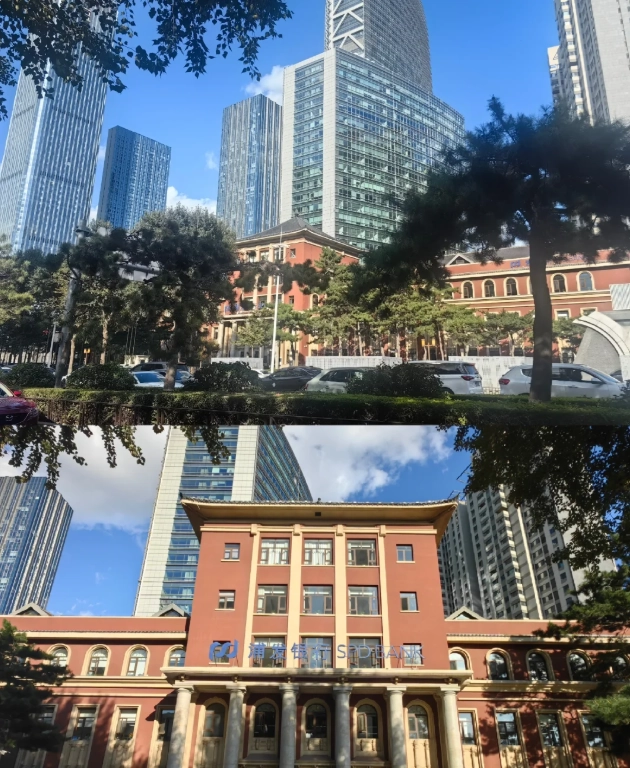
| Building | Standout Feature | Current Use |
|---|---|---|
| Ministry of Justice | Blue dome and French windows | Hospital complex |
| Ministry of Finance | Monumental scale, 6-story central block | Jilin University offices |
| Ministry of Agriculture | Grand colonnade with 12 columns | Medical school |
Visiting Tips: Hours, Tickets, and Practical Info
Here's the honest truth: most of these buildings are not open to the public as museums. They're active workplaces. You can freely walk around the outside, take photos, and peek into the lobby if the door is open. Some buildings like the Ministry of Education sometimes allow access to the first floor.
- Entrance fee: Zero. It's public space outside. If you want to enter, you need a legitimate reason (e.g., visiting the hospital).
- Opening hours: The exteriors are accessible 24/7, but I'd stick to daylight hours for safety and lighting.
- Best photography: Between 7-9 AM for east-facing buildings; after 4 PM for west-facing ones. The golden hour just before sunset is magic.
- Getting there: Take Metro Line 1 to Cultural Square Station, Exit C. Walk 5 minutes south on Xinmin Street. Or taxi from anywhere in city center (about ¥15).
- Amenities: No restrooms inside buildings; use the public WC at Cultural Square or nearby KFC at the junction.
How to Blend History with Modern Changchun
Don't just see the buildings and leave. Combine your walk with other nearby spots:
- Cultural Square – A huge open plaza where locals fly kites. Great for people-watching.
- Jilin University Museum – Housed in a former Manchukuo building, it has exhibits on the region's history. Check opening times.
- Nanhu Park – A 20-minute walk east, good for a relaxing end.
- Guiti Street Food Market – Try local snacks like Ji Zhonghua (fried chicken) and Lengmian (cold noodles).
If you only have half a day, here's a tight schedule: 8 AM walk the Eight Departments (1.5 hours), 9:30 AM visit the Imperial Palace Museum of Manchukuo (2 hours), noon lunch at a nearby dumpling restaurant. That'll give you a solid dose of history without burnout.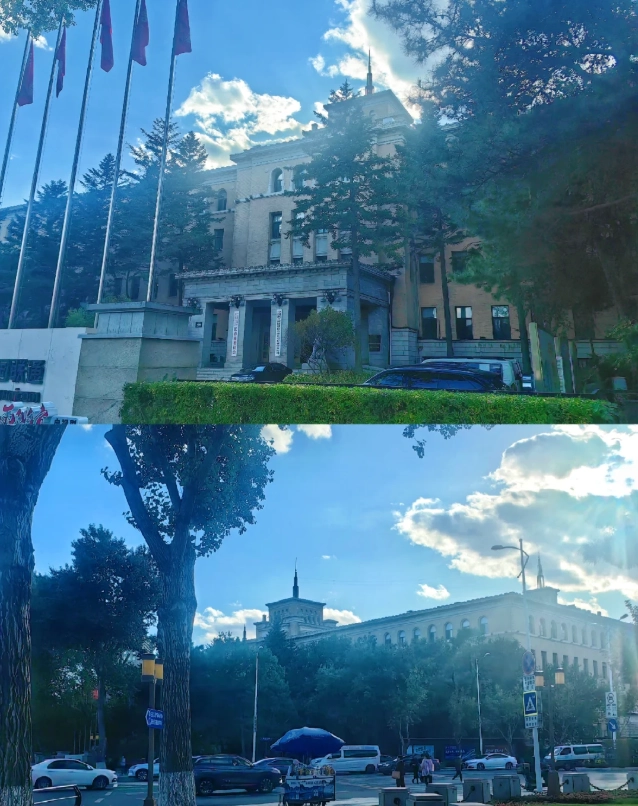
Frequently Asked Questions
Verified and fact-checked by the editorial team.
Went on a rainy Tuesday morning and had the whole site almost to myself. The silence in those huge empty offices was haunting in the best way. The exhibition on the 'Manchukuo Propaganda Department' gave me chills – the original posters and reels are so eerie. Photographers will love the symmetry of the corridors. Only downside: the café only had instant coffee. Still, five stars for the raw history.
If you have any interest in WWII or colonial architecture, this is an absolute must-see. The eight departments are laid out like a self-guided maze – I loved getting lost in the bureaucratic maze of the puppet government. The audio commentary (rent the handheld!) added so much context. Bring a sweater though, the interiors are drafty even in summer. Five stars for authenticity and atmosphere.
Hands down the most fascinating historical site I've visited in Changchun. You can literally feel the weight of the era in the corridors. The restoration work is incredible – original tiles, old radiators, even period furniture. I spent nearly three hours here just reading every detail. The staff member in Building 3 gave me a personal anecdote about the wartime postal system. Absolutely worth every yuan.
A solid afternoon activity if you're into war history and architecture. The buildings themselves are chillingly well-preserved. My guide was knowledgeable but rushed us through the last two departments. The small museum shop had some interesting books, but the prices were steep. Overall, it's educational but not very immersive – felt more like a dry lecture than a living history site.
Was really excited to explore this piece of history, but honestly felt a bit let down. The exhibition halls were poorly lit and some plaques had faded text – I couldn't read half of them. The audio guide was out of battery at my station too. Maybe I caught the staff on an off day, but it felt neglected. Worth going if you're a hardcore history buff, but don't expect a polished experience.