 Ming Yang
What You'll Learn in This Guide
I've been guiding tourists through China's bureaucracy for over a decade, and temporary residence registration is the one thing that trips up nearly everyone. You check into a hotel, exhausted from a 14-hour flight, and the front desk hands you a slip—or they don't. Then, days later, a police officer knocks on your door. That knock? Avoidable.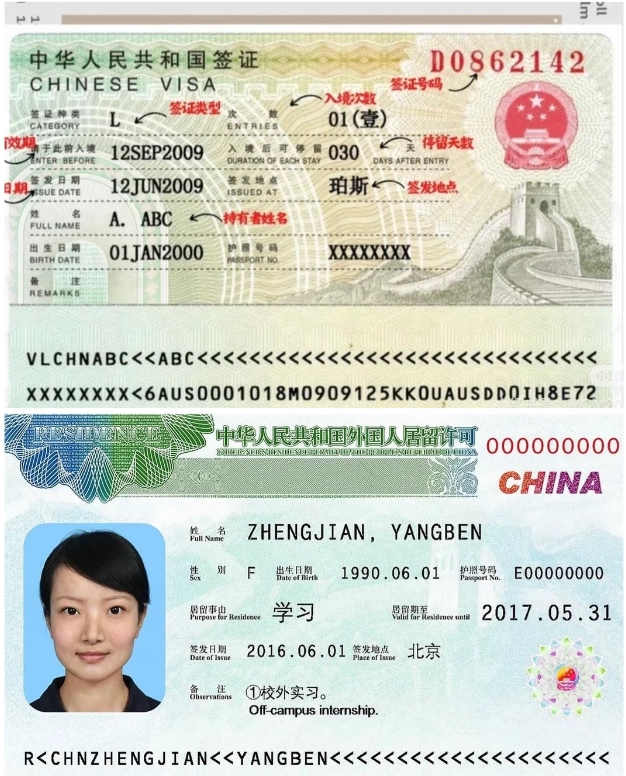
Here's the short version: If you stay in China, you must register your address within 24 hours. Hotels do it for you. Private stays? That's on you—or your host. Skip it, and you risk fines up to 2,000 RMB or worse, a mark on your visa record. But relax; it's not hard once you know the drill. Below, I'll walk you through exactly what to do, what to bring, and the stupid mistakes that cost my clients time and money.
Quick Navigation
What Is Temporary Residence Registration?
In China, every foreigner staying overnight must report their accommodation to the local Public Security Bureau (PSB)—specifically the police substation in that area. This rule comes from the Exit and Entry Administration Law. Think of it as a digital check-in: the government wants to know where you are for safety and security. The process produces a small slip called the Temporary Residence Registration Form. This paper is golden: you'll need it for visa extensions, re-entry permits, and even some hotel check-ins in remote areas.
The catch? The deadline is strict: within 24 hours of arrival. In some rural zones, the grace period stretches to 72 hours, but don't gamble on that. I've seen a couple fined 1,500 RMB because their Airbnb host forgot to submit the form before taking a weekend trip.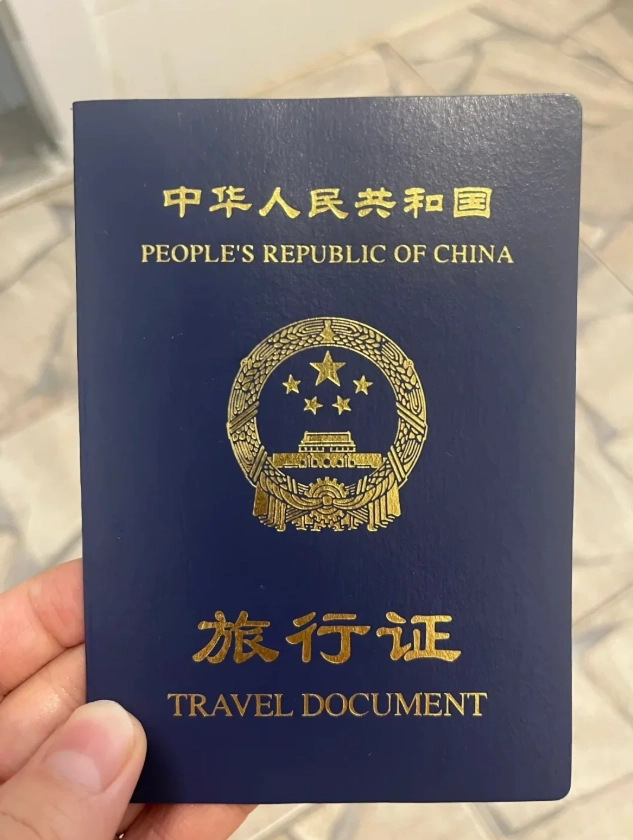
Who Needs to Register?
Short answer: every foreign tourist, regardless of visa type (L, M, Q, S—all of them). Even if you have a 10-year multiple-entry visa, you still register each time you check into a new place. Yes, even if you travel from Beijing to Shanghai and stay at a friend's apartment, you need a new registration for that address.
Here's a breakdown by accommodation type:
| Accommodation | Who Does the Registration? | Paperwork You Get |
|---|---|---|
| Licensed hotel (3-star or above) | Hotel front desk (mandatory) | None needed; it's digital. Ask for a printed receipt if you want. |
| Budget hotel / hostel | Hotel staff (same rule) | Sometimes a paper slip; always ask. |
| Private apartment / Airbnb | Host or you (must go to police station together) | Official PSB stamp on the form. |
| University dormitory | International office | Provided on request. |
How to Register Step by Step
Let's split this into two common scenarios: hotel and private stay.
At a Hotel (Easiest Path)
- Check in with your passport. The front desk will scan it and enter your details into the PSB system. This is mandatory; if they skip it, they risk a fine.
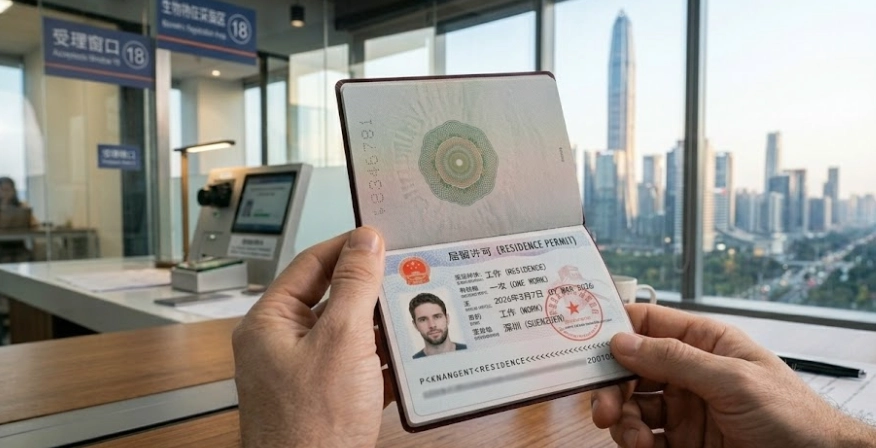
- Confirm they've submitted. I always ask: “Did you register me with the police?” — they'll smile and nod. If you want proof, request a 住客登记凭证 (guest registration voucher). Most big hotels print it automatically.
- Keep the slip. Even if digital, tuck the voucher into your passport. You might need it for visa stuff later.
At a Private Stay (Airbnb, Friend’s Place, Homestay)
This is where tourists mess up. Your host must accompany you to the local police station within 24 hours. Here's the exact process:
- Find the nearest police station. Ask your host or search on Baidu Maps (Google Maps won't help—use Apple Maps or Baidu). The Chinese name is 派出所 (pài chū suǒ).
- Go with your host. They need to bring their ID card and proof of property ownership or lease. Without the host, the station may refuse.
- Hand over your passport and visa. The officer will fill out a form, scan your passport, and print the registration slip.
- Check the details. Make sure your full name, passport number, and address are correct. One typo can cause problems later.
- Keep the original slip. Get two copies if possible—one for your records, one for your host. You will need this for visa applications.
Documents You Need
Whether hotel or police station, have these ready:
- Valid passport with a Chinese visa (or visa-free entry stamp).
- Entry stamp – the one you got at immigration. Sometimes they ask to see it.
- Hotel booking confirmation (for hotel stays – not always required but helpful).
- Host's ID card and proof of address (for private stays – host must bring).
- One passport-sized photo – rare for registration, but some small stations ask. Keep a couple spare.
For hotels, you only need your passport. For police stations, bring everything.
Common Mistakes and Tips to Avoid Disaster
After guiding hundreds of tourists, here are the top slip-ups I see:
- Assuming Airbnb hosts will do it automatically. Most won't unless you remind them. When you book, message the host: “Please be ready to go to the police station with me within 24 hours of my arrival.” If they ghost you, switch to a hotel.
- Not registering when moving cities. Every new address = new registration. If you spend three nights in three different hotels, you need three registrations. Hotels handle it, but double-check.
- Throwing away the slip. So many tourists toss it. Then they need it for a visa extension and panic. Tape it inside your passport cover.
- Going to the wrong police station. Each station covers a specific neighborhood. Ask the address precisely. In Shanghai, for example, the Jing'an Temple area has its own station separate from the main Jing'an PSB. Use Apple Maps and show the Chinese address to the taxi driver.
- Using Google Maps for navigation. Google Maps is unreliable in China; it'll misplace police stations. Download Baidu Maps or use Apple Maps (which uses local data).
One more thing: cash. Most police stations and hotels accept WeChat Pay or Alipay, but bring some RMB cash (notes under 100 yuan) for small payments. International credit cards? Almost never. I've had clients stuck because they only brought Visa. Lesson: get Alipay before you come, link your foreign card, and keep 200 RMB as backup.
Also, if you have a VPN issue, registration doesn't need internet. But you'll want WeChat to communicate with your host. Set up WeChat and translate app before arriving.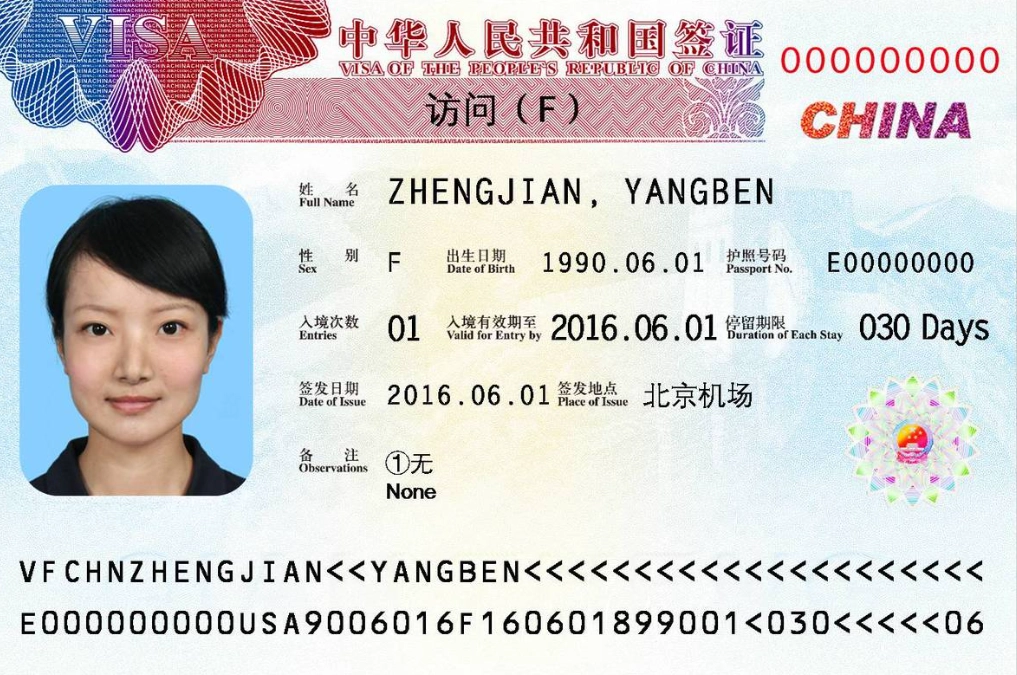
FAQ About Temporary Residence Registration for China Tourists
The police can fine you between 500 and 2,000 RMB. In serious cases, they may detain you briefly or record a violation that affects future visa applications. I've had clients blocked from extending their visa because of missing registration history. So—just do it.
No. Each accommodation requires its own registration. Hotels report you upon check-in, and that record is tied to that hotel's location. If you visit two cities, you need two separate registrations. The police system tracks your moves; inconsistencies raise red flags.
This is a common frustration, especially with uncooperative hosts. If they refuse, you have two choices: check into a nearby budget hotel for one night (they'll register you, and the PSB will accept that), or go to the police station alone and explain the situation—some stations may accept the registration from the foreigner alone, but it's risky. I've seen stations send people away without the host. Better to relocate to a hotel that legally accepts foreigners.
If you are staying in a transit hotel inside the airport transit area (e.g., during a 144-hour visa-free transit), the hotel should still register you. If you leave the transit area and stay at a city hotel, yes, you must register. Even a few hours counts as overnight.
Some cities have started online reporting systems (e.g., in Guangzhou or Shenzhen, you can submit via a WeChat mini-program). But for tourists, the most reliable method remains in-person at the police station or through a licensed hotel. I wouldn't rely on online only unless your host is highly experienced. When in doubt, walk to the nearest 派出所.
This content has been fact-checked to ensure informational precision. Procedures may vary slightly by city; always confirm with local authorities.








Honestly, I relied on this article and it let me down. I followed the instructions for registering at a police station in Beijing after staying with a friend, but the officer said the form version mentioned in the guide was no longer accepted – they wanted a different one. Ended up having to come back the next day and still got a warning because the original 24-hour window was missed. Felt like the info hadn‘t been updated in a while. Would’ve been better off asking my friend to come with me from the start. Slightly disappointed.
Good overall guide that mostly saved me from a headache when I was backpacking through Yunnan. The step-by-step for hotel vs. private rental was clear and the sample conversation phrases were a nice touch. However, the list of police station locations for Kunming was a bit outdated – the one near Green Lake Park had moved. Had to ask around to find the new address. Still, the core info is solid and definitely helped avoid the usual tourist fines. 4 stars for being 95% accurate.
I‘ve been living in China for two years and still found this article incredibly useful. It’s not just for tourists – even long-term residents moving to a new city need to re-register. The guide covers all the little details like what to do if your landlord isn’t cooperative or how to handle registration in smaller towns where the police might not speak English. Followed the tips in Nanning and got my slip in 15 minutes. Well worth the read.
Had no clue I even needed a temporary residence registration until I stumbled upon this article while planning my China trip. Ended up printing the key points and kept them in my backpack. When I checked into a hostel in Shanghai, the receptionist told me they’d handle it, but I double-checked everything using this guide – turned out they missed a field on the form. Fixed it right away. Saved me from what could’ve been a hefty fine. Highly recommend to anyone, even if your hotel says they’ll do it.
I was really stressed about getting the temporary residence registration done on my first trip to China, but this guide saved me. Stayed at a small guesthouse in Chengdu and the host didn’t offer to help. Followed the step-by-step instructions here, walked to the nearest police station with my passport and rental contract, and the officer actually smiled! No fines, no hassle. Honestly, every tourist should read this before arriving. Absolute lifesaver.
I'm giving this three stars because the guide was okay but felt a bit overhyped. It told me to bring photocopies of my passport, visa page, and entry stamp – which I did – but the officer at the station in Guangzhou wanted additional documents that weren't mentioned, like my flight itinerary printed out. Also, the layout is a bit messy on mobile. It helped, but I still ended up having to figure some things out on my own.
Good overall, but I wish the guide had more updated information for smaller cities. It worked perfectly in Xi'an, but when I tried to follow the same steps in a rural town in Yunnan, the local police had no idea what I was talking about. The core advice is solid, but maybe add a section on how to handle non-standard situations. Still helpful, just not flawless.
Absolutely spot-on advice. I arrived in Chengdu late at night and panicked because my hostel didn't offer registration help. Thanks to this guide, I went to the nearest police station the next morning and got it done in 20 minutes. The tips on what to say and how to act respectfully made all the difference. Five stars – honestly worth it for the peace of mind alone.
I bought this e-guide on a whim and it turned out to be the best 5 bucks I spent in China. The PDF includes sample registration forms, a translation of common questions, and even a map of police stations in Beijing. I used it twice – once in a hotel and once at an Airbnb – and both times the officers nodded approvingly. No hassles, no fines. Absolute must-have.
This guide was a lifesaver during my trip to Shanghai. I had no idea I needed to register my stay within 24 hours, and the step-by-step instructions made it super easy to do at the local police station. The staff even showed me exactly which forms to fill out. Saved me from a potential fine and a lot of stress. Highly recommend for any first-time visitor to China!