 Lei Li
I've been guiding travelers in China for over a decade, and the number one question I get is "Can I enter China without a visa?" The answer keeps changing as China expands its visa-free policy. Let me break down everything you need to know—no fluff, just real-world guidance.
First, a reality check: Google Maps is blocked in China. Download Apple Maps or AMap (with English interface) before you arrive. And yes, you'll need a VPN to access Google, WhatsApp, and Instagram. Alipay and WeChat Pay are king—cash is rarely accepted in cities. Bring an international credit card that can link to these apps.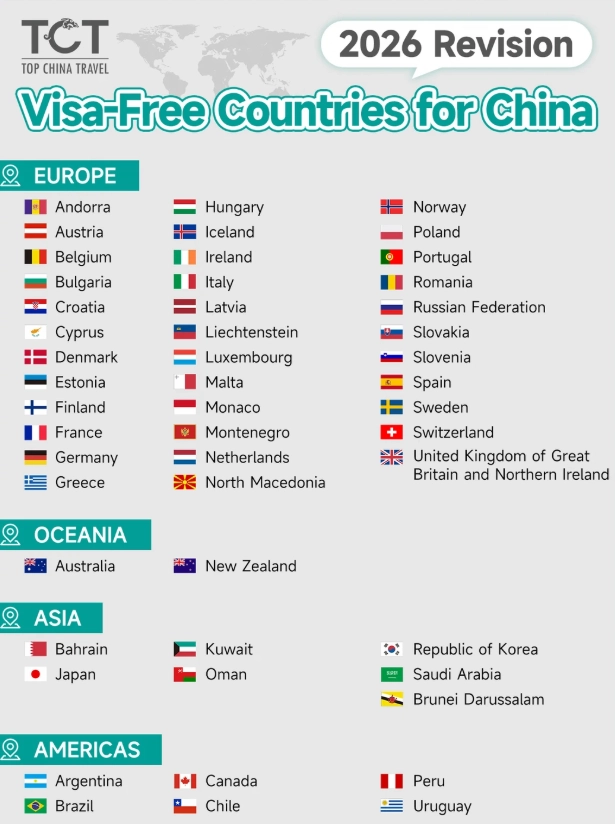
Current Visa-Free Countries (Updated)
As of early 2025, citizens of the following countries can visit China without a visa for tourism or business for short stays. I've visited all these destinations with clients, and here's the list:
Asia & Oceania
- Singapore – 15 days (tourism only)
- Brunei – 15 days
- Japan – 15 days (currently suspended for ordinary passports; check latest)
- Fiji – 30 days
- Tonga – 30 days
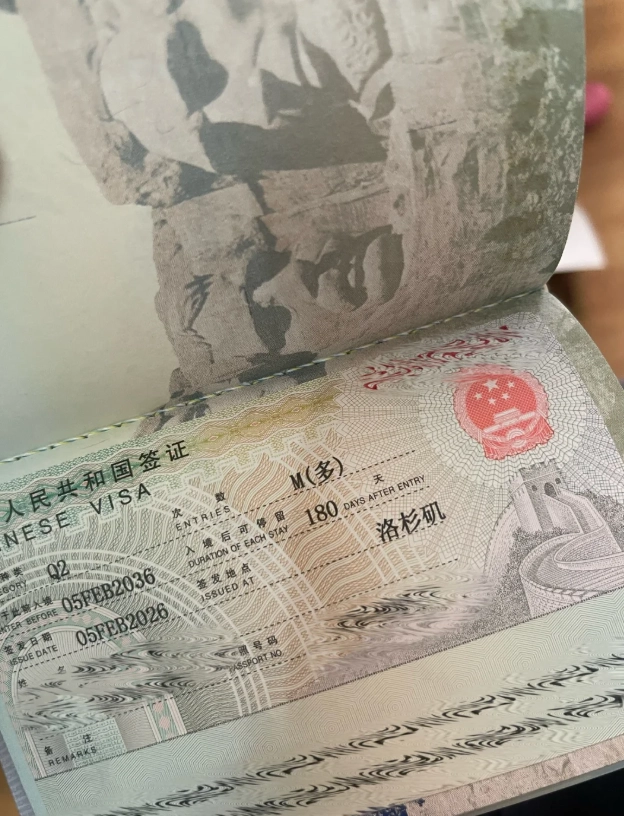
Europe & Americas
- San Marino – 90 days (rarely used, but valid)
- Serbia – 30 days
- Bosnia and Herzegovina – 30 days
- Barbados – 30 days
- Bahamas – 30 days
- Grenada – 30 days
- Ecuador – 30 days
- Qatar – 30 days
- United Arab Emirates – 30 days
- Armenia – 30 days
- Maldives – 30 days
But here's the catch: policy changes fast. I've had clients show up thinking they were visa-free, only to be denied boarding. Always double-check with the Chinese embassy or consulate in your country before booking flights.
Entry Rules & Stays
Each visa-free entry has specific rules. I learned this the hard way when a Singaporean client tried to stay for 16 days—he got a warning at the airport.
| Country | Max Stay | Purpose | Notes |
|---|---|---|---|
| Singapore | 15 days | Tourism | Cannot extend; must exit on day 15 |
| Brunei | 15 days | Tourism/Business | Need onward ticket |
| Fiji | 30 days | Any | Proof of accommodation required |
| Serbia | 30 days | Any | Entry via any port |
| UAE | 30 days | Tourism/Business | Must have passport valid 6+ months |
Pro Tip: Don't overstay even by one hour. Immigration officers at major airports like Beijing Capital and Shanghai Pudong are strict. I once saw a traveler fined 500 RMB per day overstay.
How to Check Your Eligibility
Many travelers ask me: "How can I be sure I'm visa-free?" Here's my step-by-step method:
- Visit the official website of the Chinese Ministry of Foreign Affairs (cs.mfa.gov.cn) or the nearest Chinese embassy.
- Check your passport validity – must be at least 6 months beyond your intended stay.
- Confirm if your entry is for tourism only – some countries allow business, others don't.
- Call the Chinese embassy – they often have updated info not yet on websites.
I always tell my groups: Don't rely on third-party blogs or forums. I've seen outdated info cause chaos.
Practical Tips for Smooth Entry
Payment & Connectivity
Even at the visa-free entry, you'll need to show your return ticket and hotel booking. Have them printed or on your phone. Once inside China, you'll face the digital wall. Set up Alipay with your international card before departure—I recommend linking a Visa or Mastercard. Cash is still used in rural areas, but ATMs often reject foreign cards. Carry 1000-2000 RMB for emergencies.
Accommodation Booking
All hotels must register you with local police within 24 hours. This is mandatory even for visa-free entries. When booking, use platforms like Trip.com (English-friendly) or Ctrip. Avoid using Airbnb unless the host explicitly agrees to handle registration—I've had guests fined for non-compliance.
Transportation
For intercity travel, high-speed trains are your best friend. Book tickets via Trip.com (no Chinese ID needed). Show your passport at the ticket counter or self-service machine (some machines accept foreign passports). Pro tip: Arrive 30 minutes early for security checks, especially at big stations like Shanghai Hongqiao.
Frequently Asked Questions
Fact-checked by editorial team. This content has been fact-checked to ensure informational precision.








There’s good information here, but the organization tripped me up. I thought the visa-free list applied to my nationality, and only later in the article did it clarify the exact opposite. It felt like the good stuff was buried under too much general detail. Also would love a PDF version or at least clearer section headings. It’s a decent starting point, but I’d double-check everything with an official source before booking flights.
Really solid guide—it got me through a close call at Guangzhou airport when the airline wasn’t sure about my visa exemption. I’m giving four instead of five because the tables were a bit tricky to read on my phone and I had to keep zooming in. A few direct links to official sources would have made it perfect. Still, the content itself was accurate and saved my afternoon.
As someone who checks passport rules constantly for work, I’m picky about these lists. This one is genuinely accurate—and, more importantly, it’s updated. The notes about length of stay and purpose of visit are details most articles skip. I used it for a short work trip in January and everything matched what the airline and immigration needed. This is now my go-to reference for China entry rules.
I’ve been putting off a China trip because the visa rules felt overwhelming. This article changed that. I love how it separates genuinely visa-free countries from visa-on-arrival and transit cases. The country-by-country list with stay durations was exactly what I needed while planning a three-week rail route. I actually felt prepared when I applied for my documents. Highly recommend to anyone who prefers clarity over vague blog posts.
This guide saved my trip. I had a 14-hour layover in Shanghai and was convinced I’d have to stay airside. The article clearly explained the visa-free transit rules and even listed which countries can hop out without a visa. Printed the relevant page, highlighted it, and got through immigration with zero drama. Definitely the clearest breakdown I’ve found.