 Bo Wu
Bo Wu
Quick Navigation
I’ve been guiding travelers through China for over a decade, and every season I see the same panicked look when someone tries to pay with cash at a dumpling stall or realizes Google Maps is a blank screen. It’s fixable. Here’s what I tell every friend before they step off the plane.
1. Visa Essentials
Most travelers need a visa before arrival. Tourist visa (L) is the common one. Apply at your nearest Chinese embassy or consulate at least 3–4 weeks before travel. Pro tip: Some cities offer 24/72/144-hour visa-free transit if you’re just passing through – check the official Visa for China website for updates. Don’t overstay, even by a day – the fines are steep.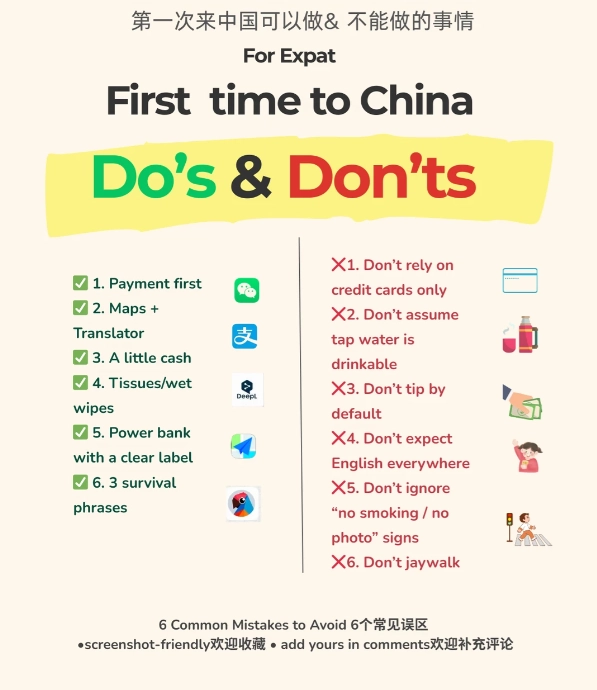
2. The Payment Reality
China is nearly cashless. Your international credit card? Useless at 90% of places. Even cash is often rejected at street vendors. You need Alipay or WeChat Pay linked to your international card. I help every client set this up before departure. Download the app, link your Visa/Mastercard, and you’re set. For backup, keep some cash (RMB) for emergencies – but mostly, you’ll tap your phone.
3. Internet & VPN
Google, Facebook, Instagram, WhatsApp are blocked. Install a reliable VPN before you land. I recommend ExpressVPN or NordVPN – they work most reliably. Test it at home because setup can be tricky. Without VPN, you’ll be cut off from your usual apps. Also, download offline maps and translation tools beforehand.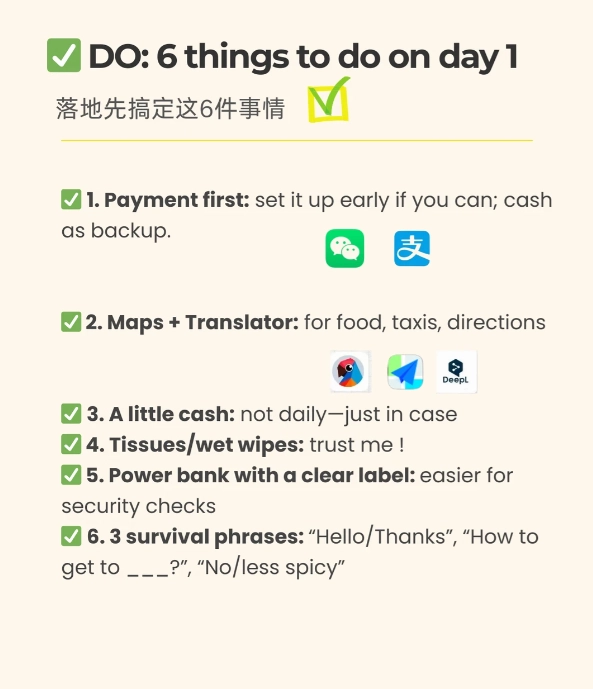
4. Navigation Apps That Work
Google Maps is inaccurate in China. Use Apple Maps (powered by Gaode – it works surprisingly well in English) or download Gaode (AMap) Global for public transit. For taxis, show the driver the Chinese address on your phone. I always save screenshots of key destinations in Chinese characters.
5. Booking Attractions & Transport
Most major attractions require advance booking with your passport. The Great Wall, Forbidden City, Terra Cotta Warriors – you can’t just show up. Use Trip.com or Klook for English-friendly booking. Train tickets? 12306.cn has an English version but it’s clunky – I recommend using Trip.com for a small fee. Entry times are strict; being late means you lose your slot.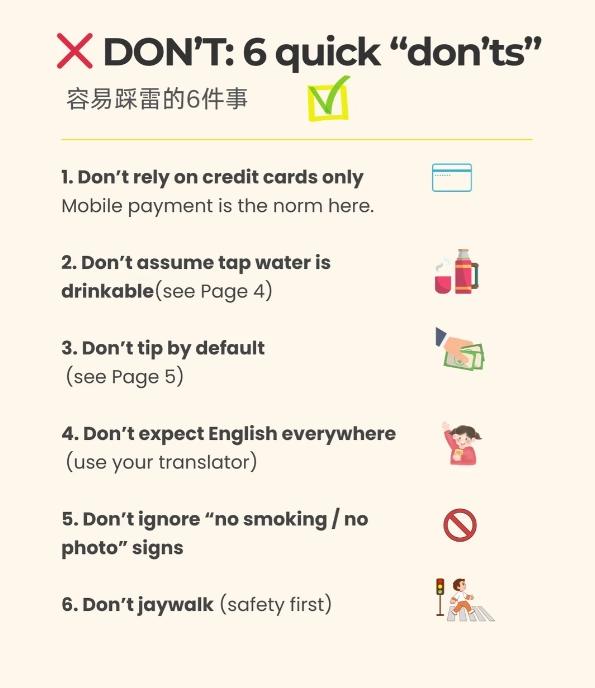
6. Language Barrier Hacks
English is not widely spoken outside tourist hubs. Download Google Translate (works offline) or Baidu Translate – it can translate text from photos, which is a lifesaver for menus. Also, learn a few phrases: “谢谢” (thank you), “多少钱” (how much), “你好” (hello). Even clumsy attempts earn big smiles.
7. Packing Smart
Bring a power bank. You’ll be on your phone constantly for payments and maps. Also pack hand sanitizer, toilet paper (many public restrooms don’t have it), and a reusable water bottle – tap water is not drinkable, but hotels have boiled water. Comfortable walking shoes are non-negotiable; you’ll walk a lot.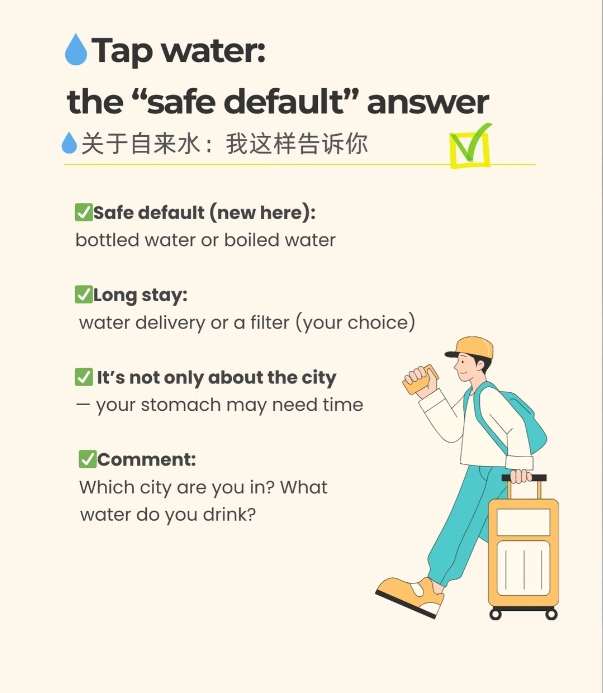
8. Cultural Do's and Don'ts
- Do bow slightly when greeting, handshake is fine too.
- Don’t point with your finger – use an open hand.
- Do accept business cards with both hands.
- Don’t talk about politics or Taiwan.
- Do queue patiently – line cutting is hated.
- Don’t lose your temper; saving face matters.








This is okay, but I expected more depth. The sections on food safety and where to stay are pretty generic – every China guide says 'drink bottled water' and 'stay near a metro line.' I also wish they'd included more about smaller cities; I spent most of my time in Guilin and Yangshuo, and half the tips didn't apply. The VPN advice was good, but I found better, more updated info in a YouTube video. Not bad, just not the final guide I was hoping for.
Really solid guide overall – the packing list and airport-entry tips got me through Shanghai without much stress. I'm only giving four stars because the payment section felt a little overwhelming and maybe already dated; the Alipay setup process changed since the article was written, and I had to puzzle through a few extra verification steps. Still, it's way better than most free articles out there. Worth a read.
As someone who doesn't speak a word of Mandarin, this guide was a lifesaver. The translation app recommendations plus the screenshots of what Didi looks like in Chinese meant I could actually get around by myself. I read it on the flight and underlined half of it. The part about not flushing toilet paper caught me off guard – but thanks to the article I wasn't really surprised when I saw the sign. A must-read for first-timers.
This article covered exactly the stuff I worried about: airports, trains, SIM cards, and whether I needed cash. The train station instructions are accurate – I arrived at Beijing South with 10 minutes to spare and made it through because I knew to have my passport and e-ticket ready. The section on common scams felt a little obvious, but it didn't take away from how helpful everything else was. Genuinely felt like a friend walking me through it.
Honestly the best pre-trip read I found. The tip about downloading a VPN before landing saved me on day one – I'd have been completely lost without Google Maps. The payment section was spot on too: once I linked my card to Alipay, street food stalls in Xi'an were a breeze. Even the packing suggestions were useful – my neck pillow and portable charger got constant use. I've already recommended it to two friends.