 Lei Li
What's Inside? Quick Jump
You've booked your flight to China—exciting! But then reality hits: Which visa type do I need? How do I pay for a street snack? Will Google Maps work? I've been guiding travelers through these exact puzzles for years, and I can tell you this—China is an incredible destination, but the digital ecosystem and cultural quirks can trip up even seasoned explorers. Below, I break down the five biggest hurdles I see beginners face, along with real-world workarounds.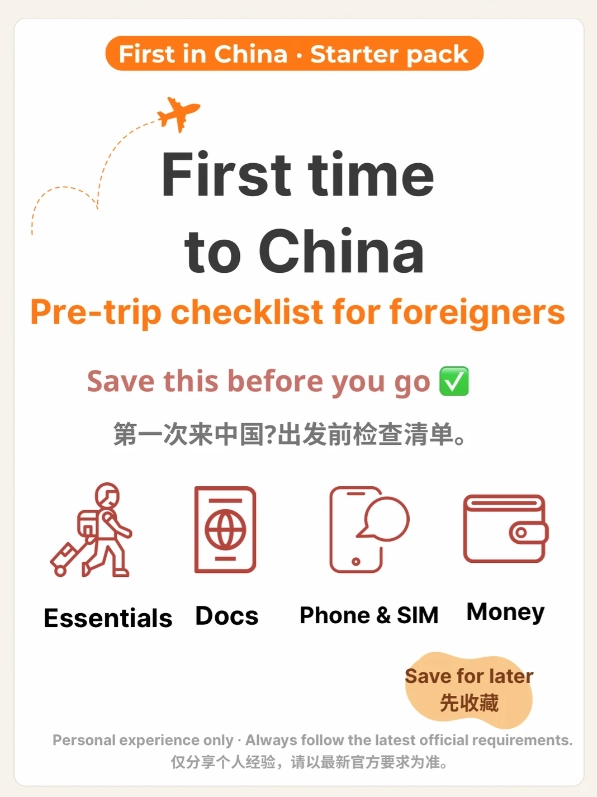
1. Prepare Your Visa (Don't Assume You Don't Need One)
Most nationalities require a visa to enter China. The good news? The tourist visa (L-visa) is straightforward. Apply at your nearest Chinese embassy or visa center at least a month before travel. You'll need a valid passport (with 6 months validity), a completed application form, a recent photo, flight and hotel bookings, and travel insurance. Some cities offer 72/144-hour visa-free transit if you're just passing through—check the official visa center site for updates. Pro tip: Use a trustworthy visa agency if your time is tight—they handle the paperwork and reduce rejection risk.
2. Master Digital Payments (Cash Is Rarely King)
China is nearly cashless—Alipay and WeChat Pay dominate. I always tell my clients: download Alipay before you arrive. Link your international credit card (Visa/Mastercard) to your Alipay account. In 2024, Alipay now supports foreign cards for most merchants. Insider advice: Bring a small amount of cash (300-500 RMB) as backup—some taxi drivers or small street stalls may still prefer cash. But don't rely on it. Also, many ATMs accept international cards—look for Bank of China or ICBC machines. Your plastic credit card won't work at 90% of shops—don't be that tourist stuck at a counter fumbling for bills.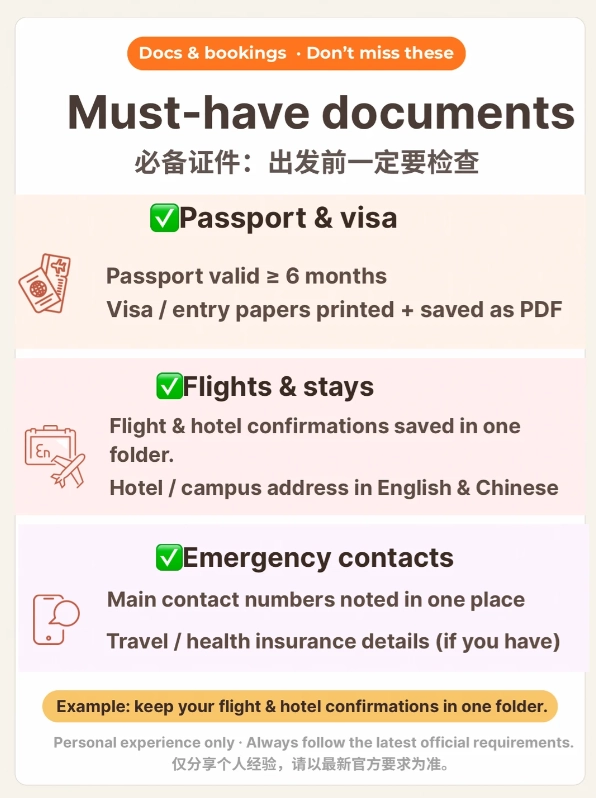
Pro Tip: Set up Alipay's "Tour Pass" feature (available in the app) to preload money from your card—avoid foreign transaction fees if your bank charges them.
3. Sort Out Internet & Maps (Google Is Blocked)
Google Maps, Gmail, and WhatsApp are blocked in China. Yes, you read that right. Before you go, install a reliable VPN on your phone and laptop. I recommend ExpressVPN or NordVPN—test them before departure because not all VPNs work after the Great Firewall updates. For navigation, switch to Apple Maps (it works with Chinese map data) or download the app "AMap" (高德地图) with the international version. Always have the Chinese address of your destination written down—show it to taxi drivers or copy into Didi (China's Uber). Another lifesaver: Download the Baidu Translate or Apple Translate app (offline packs available) to scan menus and signs.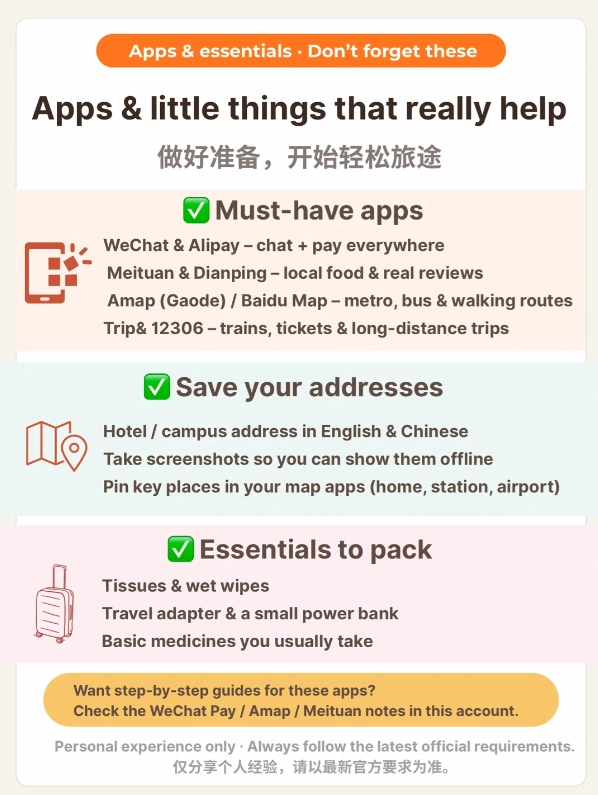
4. Book Attractions in Advance (Walk-Up Tickets Are Rare)
Major sights like the Great Wall, Forbidden City, and Shanghai Disney require prepaid reservations. Many allow booking up to 7-30 days ahead. Use official English platforms: Trip.com or Klook. You'll need your passport number. For the Forbidden City, for example, book via Trip.com and choose a time slot. Show up with your reservation QR code and passport. My golden rule: Avoid weekends and Chinese public holidays (National Day week, Spring Festival) if possible—crowds are insane. Aim for early morning or late afternoon entry to beat the sun and photo-bombers.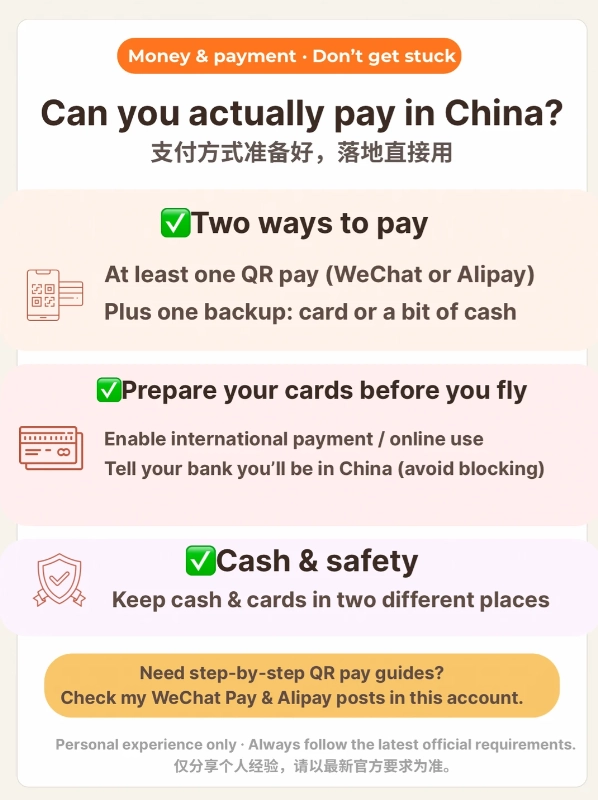
| Attraction | Best Time to Visit | Booking Window | Price (Adult) |
|---|---|---|---|
| Great Wall (Mutianyu) | 8:00 AM – 10:00 AM | 1–2 days ahead | 40 RMB |
| Forbidden City | 3:00 PM – closing | 7–14 days ahead | 60 RMB |
| Summer Palace | After 3:30 PM for sunset | Same day (online) | 30 RMB |
| Terracotta Warriors | Open 8:30 AM – 5:00 PM | 1–3 days ahead | 120 RMB |
5. Pack Smart & Stay Safe (What Most Guides Don't Tell You)
Your packing list needs a special China touch. Beyond the usual: bring a power bank (you'll use your phone for everything), a reusable water bottle (tap water is not drinkable—buy bottled or use hotel water dispensers), and toilet paper or wet wipes (many public toilets don't supply it). Sunscreen and a face mask (for air pollution days) are musts. I also suggest a small translation cheat sheet for food allergies—rice flour and peanuts are common allergens. One weird tip: Carry your passport copy (not the original) when exploring—police may ask for ID, but the original is safer locked at the hotel.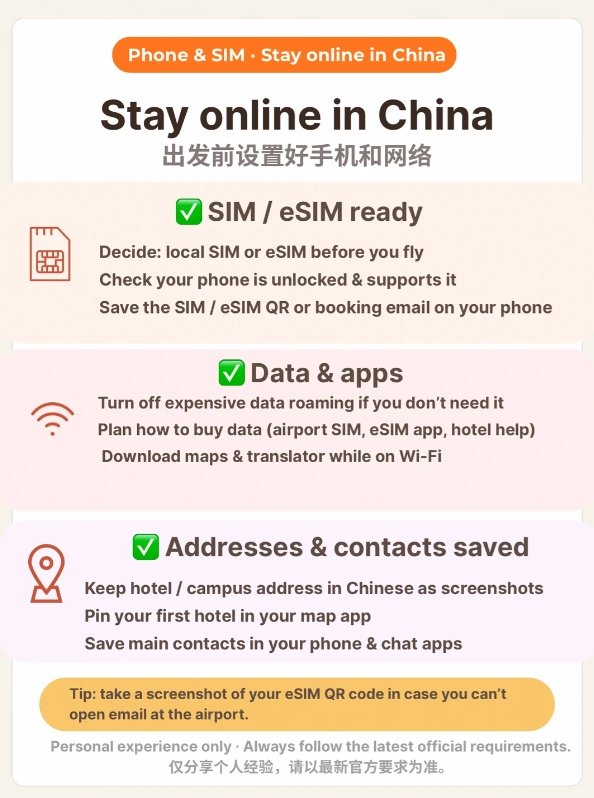
Frequently Asked Questions
Verified and fact-checked by the editorial team.








Decent tips, and I can see why people like it. For me, I felt some sections were too generic—like 'learn basic Mandarin phrases' is obvious and can be found in any guide. The interesting part about payment apps was useful, but it didn't tell me what to do when Alipay asks for real-name verification. I managed in the end but wanted a little more troubleshooting advice. Not bad, just not as thorough as I hoped.
Read this on the plane to Beijing and immediately adjusted my packing list—good thing too. The warning to bring a power bank everywhere isn't a joke; my phone died outside a metro station and I needed the offline maps. The tip about buying train tickets earlier than you think was also spot on. This article is a lifesaver. Five stars from a first-time China traveler.
Solid article overall—the advice about avoiding tourist trap restaurants near big attractions is true. I appreciated the example about checking menus for pictures/prices. Only giving 4 stars because I wish there were more details on how to use the subway apps, especially for iPhone users. But it definitely helped me feel less overwhelmed during my first two days in Shanghai.
As someone who normally doesn't read travel blogs, this one actually made sense. The point about downloading VPN and mapping apps before crossing the border is something I would've missed. My hotel's wifi wasn't helpful, but because I followed the tip I already had everything ready. Even the restroom/toilet paper reminder made me chuckle and was 100% necessary. Great no-fluff guide.
Wish I'd read this before my first trip. The warning about not relying on cash/foreign cards saved me—I almost got stuck at a small noodle shop in Chengdu. The section on planning around domestic flights vs high-speed rail is spot on. Screenshotted the whole list and used it every day. Highly recommend for first-timers!