 Hui Lin
What's Inside? Quick Glance
- Why This 7-Day China Itinerary Works
- Before You Go: Must-Know Tips for Foreign Travelers
- Day 1: Arrive in Beijing – Settle In and Night Market
- Day 2: The Great Wall – Choose the Right Section
- Day 3: Forbidden City and Temple of Heaven
- Day 4: High-Speed Train to Shanghai
- Day 5: The Bund and Huangpu River Cruise
- Day 6: Yu Garden and French Concession
- Day 7: Last Morning and Departure
- Frequently Asked Questions
I’ve been guiding foreign visitors through China for over a decade. And the #1 mistake I see? Trying to do too much in 7 days. You end up exhausted, spending half your time in transit. This itinerary is different: it covers Beijing and Shanghai — the two must-see cities — with enough time to actually enjoy them. No rushed mornings, no wasted evenings. Just the real China, with fewer tourists and lower costs. Let’s get into it.
Why This 7-Day China Itinerary Works (and Others Don't)
Most online guides pack 4+ cities into a week. That’s a disaster. You lose a day every time you move, and you miss the soul of each place. I’ve designed this to give you 3 days in Beijing, 3 days in Shanghai, plus a seamless high-speed train transfer. It’s balanced, flexible, and leaves room for spontaneity. Plus, both cities have excellent metro systems and English signage, making navigation easier for first-timers.
Before You Go: Must-Know Tips for Foreign Travelers
Payment: Set Up Alipay or WeChat Pay
Cash is becoming rare in China. Most restaurants, shops, and even street vendors only take mobile payments. Before your trip, download Alipay and link your international credit card (Visa/Mastercard). WeChat Pay also works, but Alipay is more foreign-tourist friendly. Both accept foreign cards now. Do not rely on credit cards — they are rarely accepted outside high-end hotels. Carry about 200 RMB in cash as backup for small vendors or emergencies.
Navigation: Ditch Google Maps, Use Apple Maps or Amap
Google Maps is blocked in China and shows inaccurate transit data. Apple Maps works well (it uses Chinese map data) and is in English. For a more detailed option, download Amap (高德地图) – it has an English version called “AMap Global”. It gives precise walking directions, bus routes, and even suggests which exit to take at subway stations. I always tell my clients: type the Chinese name of your destination into AMap and show it to taxi drivers – that’s the most foolproof way.
Booking: Reserve Everything in Advance with Your Passport
Major attractions require timed entry and a valid passport number. The Great Wall, Forbidden City, and Shanghai Disney all insist on pre-booking. Foreign travelers often struggle with Chinese mini-programs (WeChat). My advice: use Trip.com (the English site) or Klook for hassle-free booking. They accept international cards and send instant confirmation. For train tickets, the official 12306 website has an English interface – but Trip.com also sells tickets with a small service fee that saves headaches.
VPN and Translation Apps
Internet censorship means many Western sites (Google, Facebook, Instagram) are blocked. Install a reliable VPN on your phone and laptop before you leave. I recommend ExpressVPN or NordVPN – they work consistently. For translation, download Apple Translate (offline mode works) or Baidu Translate. Even basic Mandarin phrases like “xiè xiè” (thank you) will earn you smiles.
Day 1: Arrive in Beijing – Settle In and Night Market
Land at Beijing Capital International Airport (PEK) or Daxing (PKX). Take the Airport Express train to the city center – about 30-45 minutes (25 RMB). Check into a hotel near Dongzhimen or Gulou for easy subway access. I recommend the Holiday Inn Express Dongzhimen (about 600-800 RMB/night) – clean, English-speaking staff, and close to Line 2.
After freshening up, head to Wangfujing Snack Street (王府井小吃街). It’s touristy but a great introduction to street food. Try the lamb skewers (5 RMB each) and fried dumplings. Pro tip: go after 6 PM when the stalls are fully open. Don’t buy the scorpions – they’re a gimmick. Use cash here as some stalls don’t have digital payments.
Insider Advice: Your first night is for adjusting. Don’t overschedule. Walk around the hutongs near Nanluoguxiang (南锣鼓巷) – they’re charming and quieter in the evening.
Day 2: The Great Wall – Choose the Right Section
The Great Wall is a must, but pick your section wisely. Most tourists go to Badaling – avoid it. It’s overcrowded and overly commercialized. Instead, choose Mutianyu (慕田峪). It’s about 1.5 hours from downtown Beijing by bus or taxi, less crowded, and has a cable car (up to 120 RMB) and a thrilling toboggan ride down. Book your ticket in advance on Trip.com – includes entrance (40 RMB) and cable car.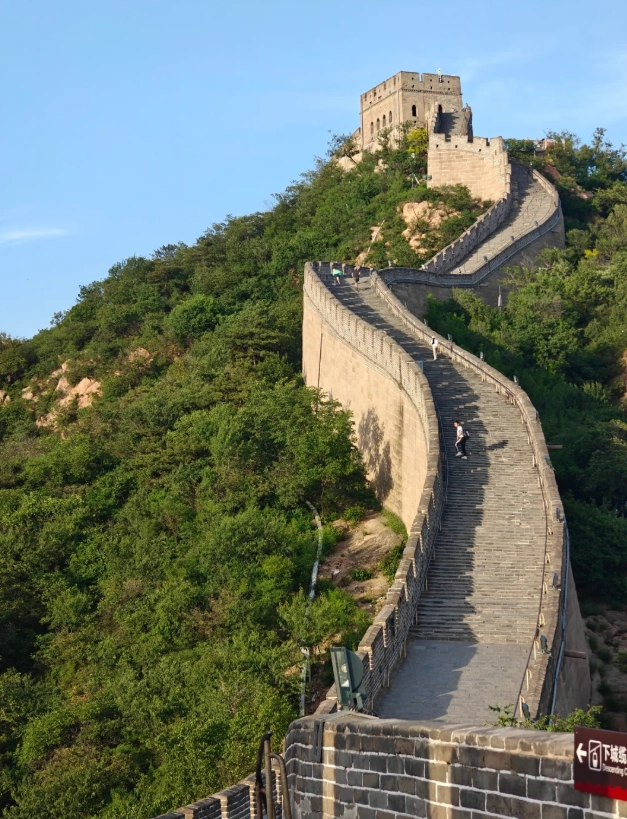
| Great Wall Section | Distance from Beijing | Crowd Level | Best For |
|---|---|---|---|
| Mutianyu | 70 km (1.5h) | Moderate | Families, first-timers |
| Jinshanling | 130 km (2.5h) | Low | Hikers, photographers |
| Badaling | 80 km (1.5h) | Very High | Only if you must |
Transport: Take bus 916 from Dongzhimen to Huairou, then transfer to a local minibus to the wall (total about 20 RMB). Alternatively, join a small group tour from your hotel (around 300 RMB per person). Return by 4 PM to avoid traffic.
Day 3: Forbidden City and Temple of Heaven – Timing is Everything
The Forbidden City is a beast – plan at least 3 hours. Pre-book your entry (60 RMB) on Trip.com; walk-ins are not allowed. Use the Meridian Gate (south entrance) and exit at the north gate. Avoid the main central path – veer left to the treasured halls; they’re less crowded. Pro tip: arrive at 8:30 AM (opening time) to beat the crowds. By 10 AM, it’s packed.
After lunch, head to Temple of Heaven (15 RMB). It’s a park where locals practice tai chi and fly kites. The acoustics of the Echo Wall are fascinating – clap your hands from 50 meters away and hear the echo. Best photo spot: the Hall of Prayer for Good Harvests from the east side, around 4 PM when the golden light hits.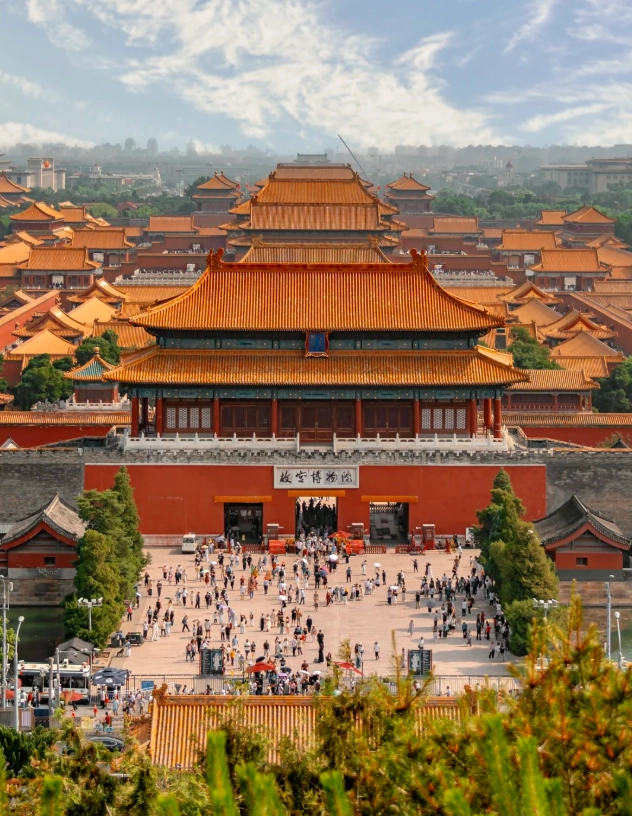
Day 4: High-Speed Train to Shanghai – Tips for the Journey
Beijing South to Shanghai Hongqiao takes 4.5 hours. Book the G-series train (二等座 second class, about 553 RMB). I always choose the 8:30 AM departure – arrive in Shanghai by 1 PM, giving you afternoon to explore. Purchase tickets on Trip.com – you’ll need your passport number. At the station, use the e-ticket and scan your passport at the gate.
Once in Shanghai, take Metro Line 10 to East Nanjing Road area. Check into a hotel like Campanile Shanghai Bund (about 500-700 RMB/night) – it’s a 10-minute walk to the Bund. Unpack, then walk to the Bund for sunset. The view of Pudong’s skyscrapers lighting up is unforgettable. Don’t pay for the Bund’s “VIP” observation deck – the public promenade is free and offers the same view.
Day 5: The Bund and Huangpu River Cruise – Avoid the Tourist Traps
Start with a morning walk along the Bund (外滩). From the Waibaidu Bridge to the Jin Mao Tower view, it’s about 1.5 km. Take photos early (8 AM) to avoid crowds. Then cross the pedestrian tunnel to Pudong ($10 RMB) – but honestly, the tunnel is tacky. Better to take Metro Line 2 from East Nanjing Road to Lujiazui station (2 stops).
For an authentic experience, take the Shanghai Ferry (2 RMB) across the Huangpu River from the Bund to the Pudong side. It’s a local’s secret – you get the same view as the expensive cruise boats for a fraction of the cost. The ferry runs every 10 minutes. Best time: 5:30 PM for the transition from daylight to neon.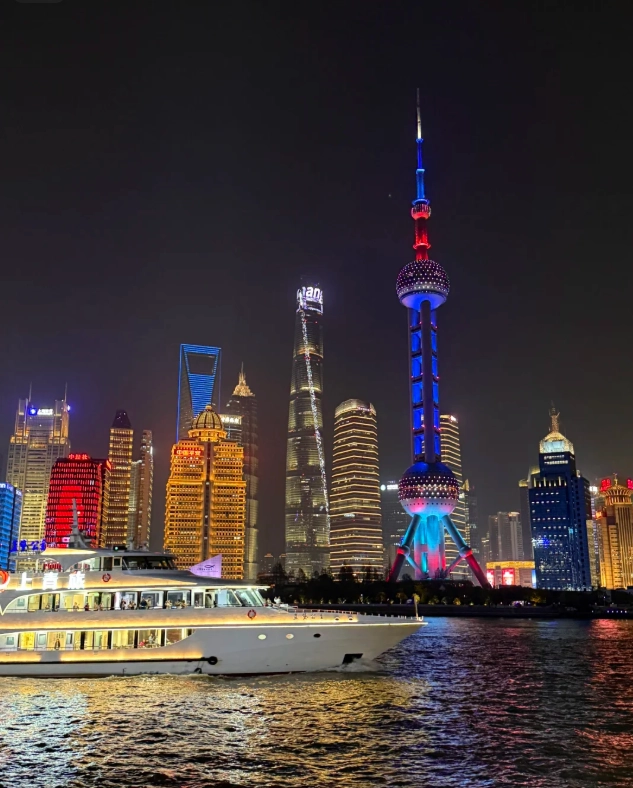
Insider Advice: Skip the Oriental Pearl Tower – it’s always packed and overpriced. Instead, go up to the Shanghai World Financial Center observation deck (180 RMB) for a glass-floor view. Book on Klook to skip the line.
Day 6: Yu Garden and French Concession – A Local's Walk
Yu Garden (豫园) is a classic classical garden, but it’s surrounded by a tourist bazaar. Enter through the west gate to avoid the main shops. Admission is 30 RMB. The garden itself is small but exquisite – allow 1 hour. Then, wander the Yuyuan Old Street for souvenirs. Bargain! Start at half the price asked.
In the afternoon, take Metro Line 10 to Xintiandi and then walk into the French Concession. The area around Wukang Road is lined with plane trees and art deco buildings. Stop at M on the Bund for a late lunch? Actually, try Ladurée at Xintiandi for a nice break – but if you want local food, go to Shanghai Noodle House (1120 Huaihai Rd) for the best scallion oil noodles (25 RMB).
Pro tip: The French Concession is best explored on foot or by bike. Rent a Mobike (use Alipay to scan) – it’s 1 RMB per 30 minutes. Ride down Fuxing Road to feel like a local.
Day 7: Last Morning and Departure – Stress-Free Goodbye
Depending on your flight time, squeeze in a relaxed morning. If your flight is after 2 PM, visit the Shanghai Museum (free, but book a time slot on their official WeChat account – or ask your hotel to do it). It’s one of China’s best museums, with incredible ancient bronze and ceramics. Otherwise, have a lazy breakfast at your hotel and head to the airport.
For Pudong International Airport: take Metro Line 2 directly (about 1 hour from East Nanjing Road). Allow 2.5 hours for international check-in. At the airport, you can return any leftover RMB at the currency exchange.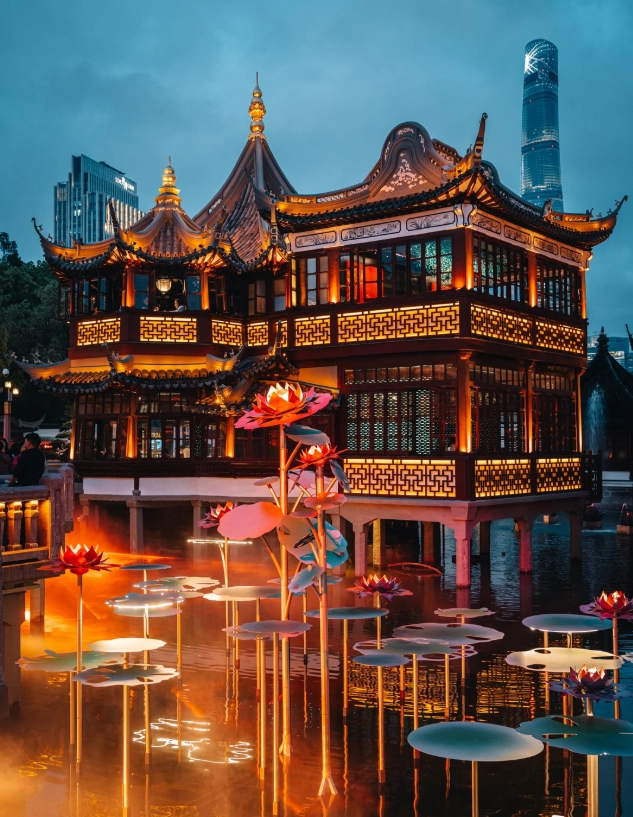
Final pro tip: If you have a late flight and want to avoid sitting at the airport, store your luggage at the hotel (most offer free service) and visit the nearby Nanjing Road Pedestrian Street for last-minute shopping. It’s a 10-minute walk from the Bund area.
Frequently Asked Questions (FAQ)
Verified and fact-checked by the editorial team. This content has been fact-checked to ensure informational precision.

As a budget traveler, this itinerary was a godsend. I followed it almost day by day and managed to stretch my money far further than expected—probably saved ¥800–1000 just on the transport and food tips. Loved the free walking zones and the suggestion to take the overnight sleeper train because it saved me a hostel night. The route choices felt really clever, and I never once felt like I was being herded around. Fully recommend!
I grew up in Hong Kong but hadn't visited Beijing or Xi'an in years. This guide gave me the exact train numbers and ticket prices I needed to show my non-Chinese speaking partner, which made everything easier. The recommendation to visit the Terracotta Warriors in the late afternoon was genius—we missed the school tour groups. I also appreciated the note about booking hotels near subway lines. Already passed this along to two friends.
This itinerary made my first China trip stress-free. The instructions were spot-on for avoiding the worst queues: we arrived at Temple of Heaven at 7:30 and had almost the whole park to ourselves. The pacing between Beijing, Xi'an, and Shanghai felt perfect—not too much train time, not too little. I also loved the little money hacks like using metro day passes and eating near universities. It saved me a lot of hassle and cash. Worth every penny.
Really solid itinerary. I used about 80% of it on my trip and the money-saving tips definitely worked—especially the bullet train timing and the free museum tickets in the afternoon. We beat the crowds at the Forbidden City by going right at gate open like the guide says. My only complaints: I wish there were more food suggestions beyond Peking duck and street stalls, and one direction for the Shanghai metro exit was outdated. Otherwise, a good balance of history and night views.
We followed this itinerary late April. The crowd-avoidance tips for the Great Wall were clever, but overall we felt a bit rushed. Day 3 tries to squeeze a hutong walk, drum tower, and dining nearby into one afternoon—we barely sat down and ended up skipping the tower. Also, two of the 'budget' hotels listed were outside our range by the time we booked. It's a decent scaffold, but be ready to cut half of Day 4. The small ideas like buying water from convenience stores were helpful though.
Used this for a solo trip in October and it was a lifesaver. The day-by-day plan felt realistic — not one of those impossible 6-cities-in-7-days schedules. I especially appreciated the warning about the Ming Tombs detour, saved me from a boring afternoon. The money-saving hacks on bullet train snacks and bottled water were so practical. Truly felt like a friend’s advice, not a robot making a list.
Finally a travel guide that actually respects your wallet and your patience. I loved the 'reverse route' idea for the Forbidden City and the tip to stay near the quieter west gate in Xi'an. My favorite part though was the section on avoiding the Shanghai Bund at New Year — we went on a random Tuesday at sunrise instead and had the best photos of our trip. This guide gets every little detail right.
This itinerary completely changed how I planned my China trip! I’m usually anxious about crowds and getting scammed, but the exact metro lines, ticket windows, and backup plans made me feel so prepared. We did the Temple of Heaven at 7am like suggested and had the whole place almost to ourselves. The budget breakdown was spot-on for our group of three. Cannot recommend enough — worth every penny.
Decent guide overall! I really liked the morning-versus-evening split for the Great Wall and the tip about taking the suburban train instead of the tourist bus. Saved me a good two hours and some cash. Only reason not giving 5 stars: the food recommendations are too generic, mostly tourist hotpot places. Would have loved more local noodle stalls or breakfast spots. Still, a helpful read before my trip.
Honestly, I was a bit underwhelmed. The itinerary has a solid structure and the crowd-saving tips are clever, but some of the cost estimates are way off for actual 2025 prices. I followed the suggested budget for Shanghai and ended up spending almost double. Also, the train booking advice is vague — it says 'book early' but doesn't explain the 12306 app well. Good starting point, just don't rely on it completely.