 Bo Wu
Bo Wu
Quick Jump
I’ll be honest with you—when I first told my friends back home I was going to ride a Chinese autonomous driving taxi, they thought I was crazy. “No driver? In China? With the traffic?” I get it. The idea of a self-driving car in a mega-city sounds intimidating. But after riding robotaxis in Beijing, Wuhan, and Guangzhou, I can tell you: it’s smoother than you think. And honestly, way less stressful than sitting in a Didi with a driver who honks every three seconds.
Here’s the thing—most English guides skip the real details. Like where exactly to open the app, how to pay without a Chinese bank card, and which cities actually have good coverage. So let me break it down from my own experience.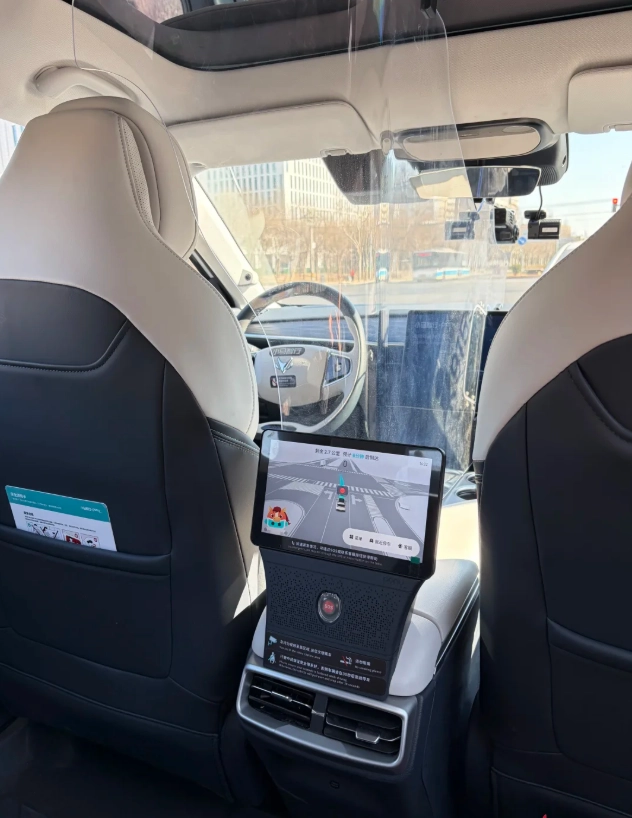
What Is a Chinese Autonomous Driving Taxi?
A Chinese autonomous driving taxi (also called a robotaxi) is a self-driving vehicle you can hail via a smartphone app—just like Uber, but without a human driver. The major players are Baidu Apollo Go (the biggest), WeRide, and Pony.ai. All of them use sensors, cameras, and AI to navigate streets, traffic lights, and pedestrians.
These taxis are currently operating in several Chinese cities, and they’re especially common in tech-friendly zones. The cars are usually modified EVs (like the Lincoln MKZ or Arcfox) with a big sensor pod on the roof. Yes, they look a bit like a science experiment—but they work.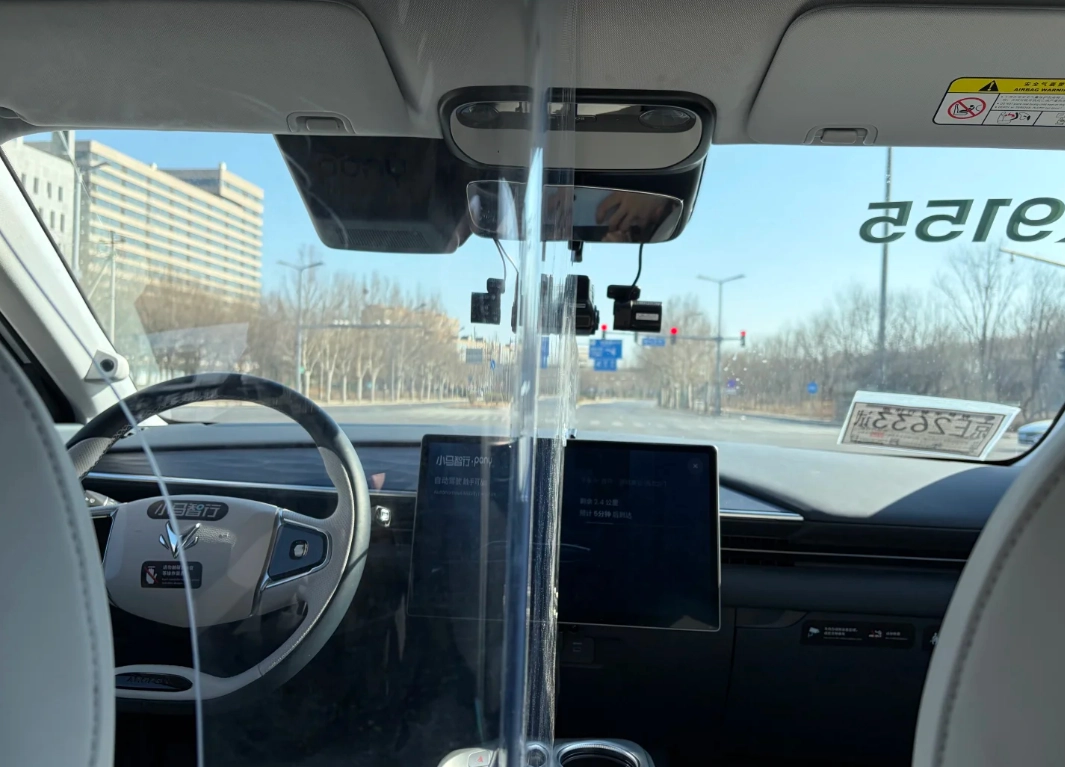
Where Can You Ride a Robotaxi in China?
Not every city has them. And even within a city, the service area is limited. Here are the three best places to try a Chinese autonomous driving taxi right now:
| City | Operator | Main Service Area | Coverage Quality |
|---|---|---|---|
| Beijing | Baidu Apollo Go, Pony.ai | Yizhuang (亦庄) & Shijingshan | Excellent (especially Yizhuang) |
| Wuhan | Baidu Apollo Go | Optics Valley & Hanjiang District | Very good, expanding fast |
| Guangzhou | WeRide, Pony.ai | Huangpu & Tianhe (partial) | Good, but smaller coverage |
Beijing: The Most Robotaxi-Friendly Capital
If you only have time for one city, go to Beijing’s Yizhuang area. It’s a suburban tech hub about 30 minutes south of the city center. The robotaxi coverage there is massive—you can practically go anywhere within Yizhuang without a driver. I’ve taken Apollo Go from the subway station to my hotel multiple times. The app works in English (mostly), and you can pay with Alipay linked to an international card.
Pro Tip: Don’t try to catch a robotaxi near the Forbidden City. The service area doesn’t cover central Beijing. You’ll need to take the subway to Yizhuang (Line Yizhuang) and then request a robotaxi from there.
Wuhan: The Robotaxi Capital of China
Wuhan is Baidu’s biggest testing ground. The Chinese autonomous driving taxi fleet here is huge—over 500 cars! The service covers Optics Valley (光谷), a bustling university and tech district. I took a 20-minute ride from Optics Valley Square to a local restaurant, and it cost me only 15 RMB.
One thing to note: the pickup spots in Wuhan are sometimes a few minutes’ walk from where you are. The app shows a “pickup point” marker, so be prepared to walk a little.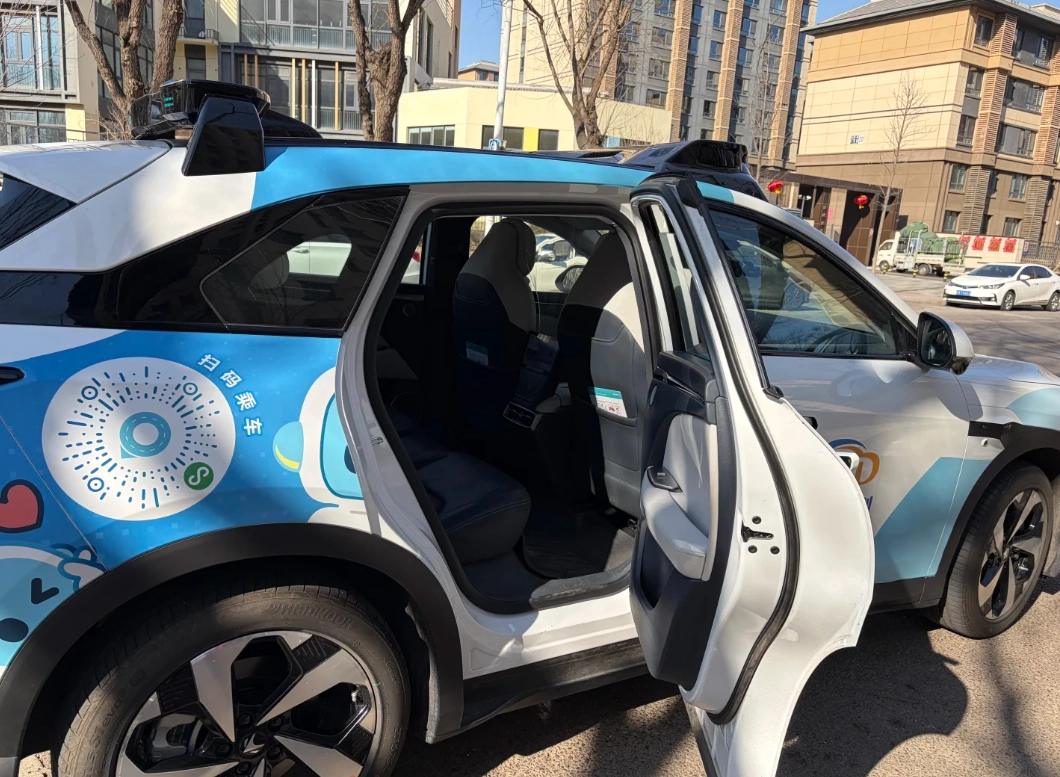
Guangzhou: WeRide’s Home Turf
WeRide operates primarily in Guangzhou’s Huangpu district. It’s not as widespread as Apollo Go, but the cars are comfortable and the rides are stable. Pony.ai also runs a small fleet in the Tianhe area. If you’re visiting Canton Tower, you might be able to hail a robotaxi from nearby—but double-check the app first.
How to Book a Chinese Autonomous Taxi
Booking is app-based. Here’s a step-by-step guide for each major operator:
Baidu Apollo Go (萝卜快跑)
- Download the App: Search for “Apollo Go” or “萝卜快跑” in your app store. If you’re using an iPhone with a Chinese Apple ID, it’s easy. Otherwise, use QR codes from their website.
- Register with your passport: Yes, you need to upload a photo of your passport page. The verification takes about 10 minutes.
- Set your pickup point: The app shows available pickup zones (marked with a blue sign on the street). Walk to one of them.
- Choose your destination: Only destinations within the service area are allowed.
- Confirm and wait: The car arrives in 5–10 minutes. You’ll get a code to unlock the door.
Payment: Alipay (国际信用卡 accepted) or WeChat Pay. Cash is not accepted.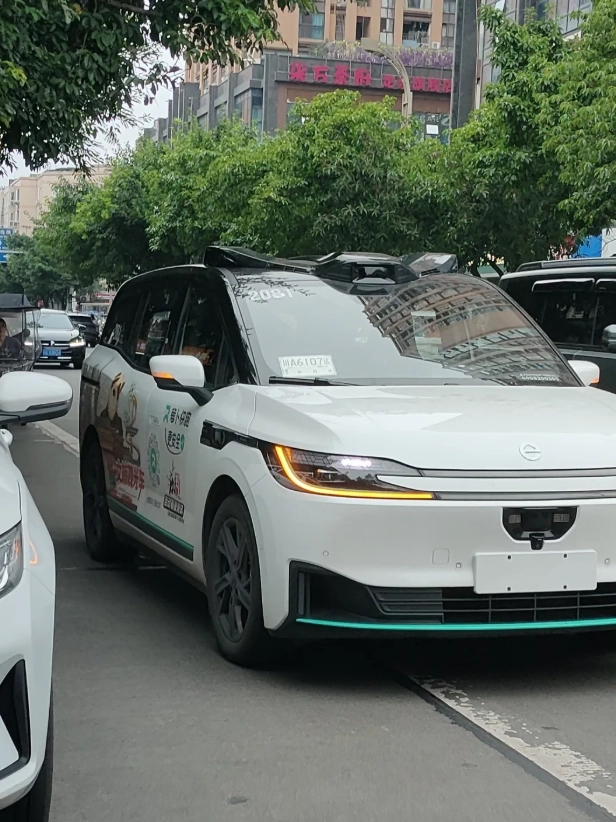
WeRide (文远知行)
- Download “WeRide” app or use a mini-program in WeChat (search “WeRide Go”).
- Register with passport—similar process.
- Find a pickup point in Guangzhou or other cities.
- Ride and pay via WeChat or Alipay.
Pony.ai (小马智行)
- “PonyPilot” app is available in English.
- Register with passport—expect facial verification during setup.
- Service area currently in Beijing and Guangzhou. Pickup points are less frequent, so check the map first.
How Much Does It Cost?
Robotaxis in China are still in the promotional phase. Prices are heavily subsidized—often 50–80% cheaper than a regular Didi. Here’s a rough cost comparison:
| Distance | Robotaxi (Apollo Go) | Regular Taxi / Didi |
|---|---|---|
| 3 km | 5–10 RMB | 15–20 RMB |
| 10 km | 15–25 RMB | 30–50 RMB |
| 20 km | 30–40 RMB | 60–80 RMB |
Note: Prices fluctuate based on demand. You’ll see the fare before confirming. No hidden surge pricing like Uber.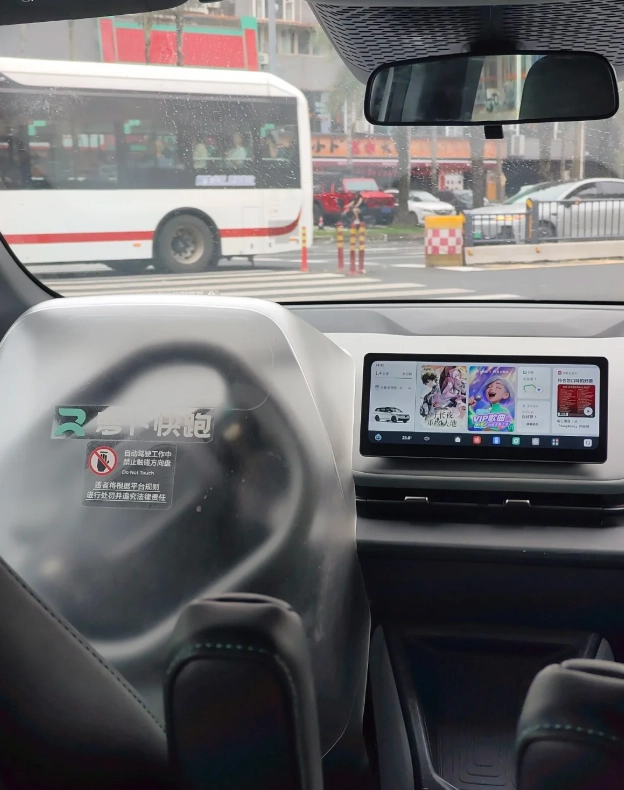
What to Expect Inside the Robotaxi
Let me paint you a picture from my first ride in Wuhan.
I walked up to the designated pickup point—a blue sign with “Apollo” on it. The car pulled up silently, a white SUV with a giant lidar dome on top. I entered the code on the rear window screen, the door clicked open, and I climbed into the back seat.
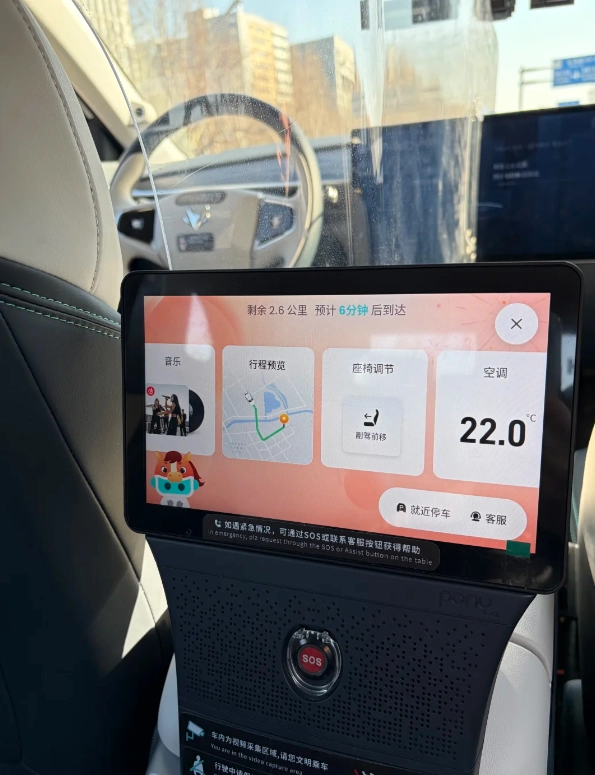
There’s a front passenger seat, but usually it’s blocked off or folded. You sit in the back. A screen on the back of the front seat shows the route, speed, and a live visualization of pedestrians and bicycles around the car. It’s like playing a video game in real life.
The ride is smooth. The car accelerates gently, brakes progressively, and stays within the speed limit. It handles turns well, but in heavy traffic it can be cautious—sometimes stopping earlier than a human would. Expect a little hesitation at unprotected left turns. That’s normal.
One thing that surprised me: the car honks. Yes, the autonomous system honks at pedestrians who step off the curb. It’s a polite little beep, but it can be jarring at first.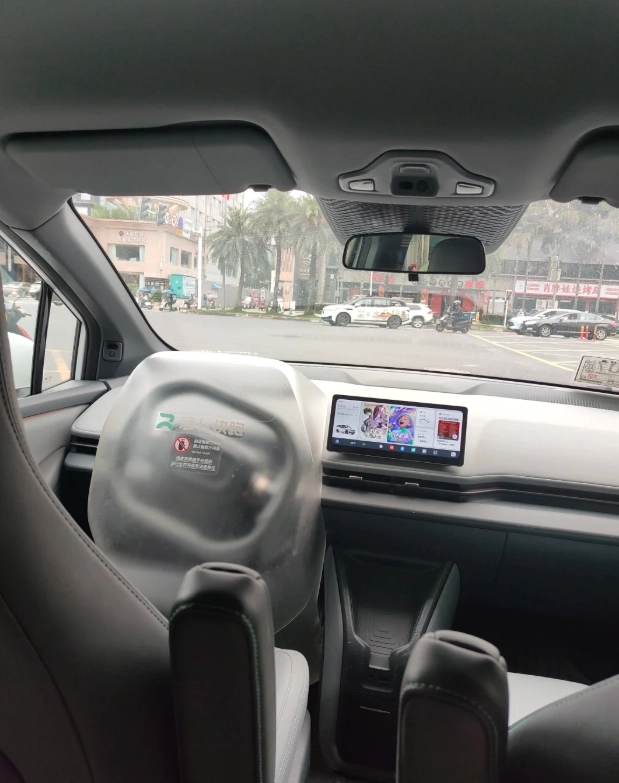
Pro Tips for a Smooth Chinese Autonomous Taxi Ride
- Set up Alipay + international card beforehand. Most robotaxi apps only take mobile payments. If you bring a foreign credit card, it won’t work inside the car. Load your Alipay with a Visa or Mastercard using the “Tour Pass” feature (if available) or link a card before you come.
- Bring a VPN. The apps themselves don’t require VPN, but if you need to consult Google for directions or download the English version of the app, your VPN is essential. WeChat and Alipay work fine without it.
- Download offline maps. Apple Maps works offline in China, but Baidu Maps (though Chinese) has the most accurate robotaxi pickup points. If you can read pinyin, it’s worth installing.
- Charge your phone. The app needs GPS and mobile data to track the car. Robotaxis don’t have phone cables yet. Bring a power bank.
- Expect cancellations. If the car can’t reach you due to traffic or road closures, the app will cancel and refund. It happens maybe 10% of the time. Just rebook.
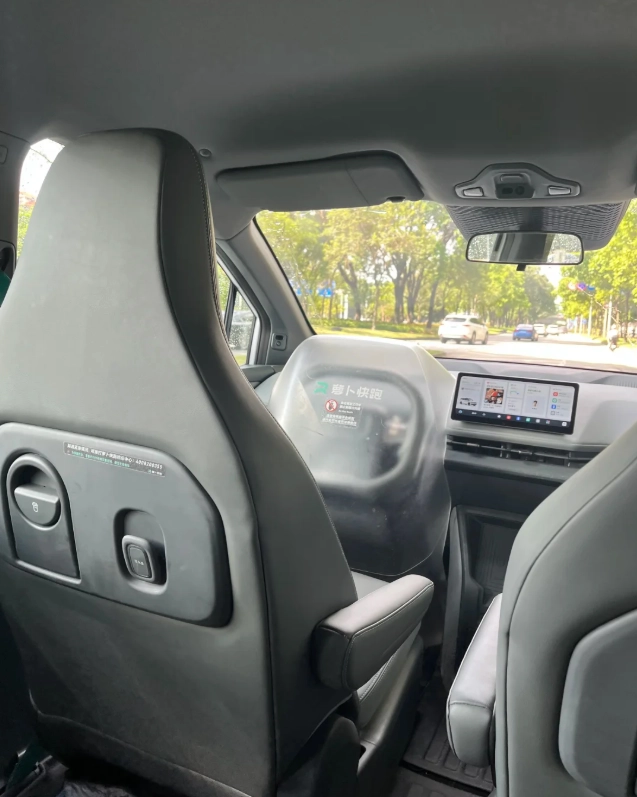
- Don’t touch the steering wheel. The car will alert you if you try. The kids in me wanted to, but the system is strict.
Frequently Asked Questions
Verified and fact-checked by our editorial team.





I've used robotaxis in California, and honestly this version in China felt just as futuristic, if not more. The car was a Baidu Apollo Go in Wuhan, and the whole ride from pickup to drop-off was completely autonomous. There was a safety operator in the back seat just monitoring, but he never touched the wheel. What impressed me the most was how aware the car was of scooters, delivery bikes, and pedestrians going everywhere. It even let one jaywalker cross before proceeding. Very smooth, very clean, and the electric motor sound was only a faint hum. If you're in a city where these run, download the app and go for it.
Honest review: I really wanted to love this, but the whole experience left me a bit frustrated. We booked a driverless taxi in the Luohu district of Shenzhen, and the app kept saying 'arriving soon' for nearly 25 minutes. Then when the car finally got there, it stopped in a no-stopping zone and we had to find it. The drive itself was fine and the car was comfortable, but the robot seemed overly cautious at every turn. We hit the brakes hard at least three times for no reason. Maybe the route or the sensors were acting up, but I wouldn't rush to do it again. It's a cool idea, but not ready for everyday use in my book.
As someone who lives in Shanghai, I've been curious about robotaxis for a while. Finally tried one in Shenzhen and it lived up to the hype. The route took us through a mix of narrow lanes and a big arterial road, and the system handled it all with no sudden jerks. Loved being able to check my phone in peace without some driver giving me a side-eye. The price was lower than a normal Didi too, which makes no sense but I'm not complaining. Only reason not a perfect score is the pickup point — the app put us across the street from the exact pin and we had to hustle. Minor issue, still a brilliant experience.
This is a must-do if you're visiting Beijing. My kid hasn't stopped talking about the robotaxi. Booking through the app was a little fiddly because it's all in Chinese, but once we got past that, the car arrived in about eight minutes. The way it accelerated and braked was very natural — better than my driving honestly. The car is quiet and no one tries to make conversation, which was perfect for us. We did a loop around the Yizhuang area just for fun. I'd let a machine drive me again in a heartbeat.
Riding a driverless taxi in Wuhan was the coolest thing I did on this whole trip. We opened the Apollo Go app, ordered a car, and a white robotaxi pulled up with nobody in the front seat. The interior was spotless, the AC just right, and the ride was honestly smoother than most human drivers I've had in China. It navigated through a super busy intersection near Jianghan Road without any drama. Felt like being in a sci-fi movie. 10/10 would ride again.
OK, I'll admit I clicked this article because the idea of a self-driving taxi sounded terrifying. But after reading the 'how to confirm your identity' tip, I felt ready. In Wuhan, I ordered one near the Yellow Crane Tower and watched it negotiate traffic like a local driver — not too timid, not aggressive. The article was right: don't stare at the spinning sensor on top, you're just making yourself dizzy. I had my phone ready with the last-four-digits code, the back door opened, and we were off. The ride was pennies compared to a regular DiDi. Absolutely worth it, and this guide is the one to bookmark.
Traveling with my parents, and this article was a lifesaver. My dad has a bad knee, so walking around looking for a taxi isn't an option. The guide's explanation of the geofenced pickup areas meant I could park my parents on a bench and walk over when the car arrived. The robotaxi was super smooth, the AC was already on, and the seats were clean. Even my mom, who was convinced the car would crash, admitted it felt safer than some Ubers back home. I've read a lot of Chinese travel guides, but this one actually understood what tourists need. 10/10.
This was the first time I've ever ridden in a car with no driver, and honestly? The guide made it feel like no big deal. It told me exactly which app to download, what to click when entering the destination, and even warned me that the car would pause and wait right at the pickup point. In Shanghai, the robotaxi pulled up with no one in the front seat and the steering wheel just turned itself around the corner — surreal. If you're nervous about autonomous taxis in China, read this. It was spot on and gave me so much confidence.
Solid article for getting a feel for robotaxis in China. I used it in Shenzhen and the step-by-step part on scanning the QR code in the app saved me. The car itself was spotless and drove way smoother than I expected. Only reason I'm not giving five stars: the article didn't explain that some pickup points are actually marked with a big orange sign, and if you're standing at the wrong end of the block the car can't find you. Once I figured that out, everything was gold. Would still recommend to any curious traveler.
I really wanted this to work because I love trying new tech when I travel. The guide is well organized and the screenshots look clear, but I got stuck in Chengdu when the robotaxi app required SMS verification to a Chinese number. That detail was buried in one sentence. After half an hour of fumbling, a local student helped me log in. Maybe I'm just not the target reader, but I wished the article emphasized the China phone number requirement more loudly. Also, the pickup point was a 10-minute walk from where I thought it was. It's a decent starting point, just not as foolproof as it claims.