 Hui Lin
What’s Inside This Guide
- What Exactly is Chinese Traditional Medicine?
- Top 5 TCM Therapies You Can Actually Try as a Tourist
- How to Find a Reliable TCM Clinic in China (With English Support)
- How Much Does TCM Cost? (And Does Insurance Cover It?)
- Common Pitfalls and How to Avoid Them
- FAQ – Foreigners’ Most Pressing TCM Questions
I’ll never forget the first time I brought a tourist to a Chinese medicine clinic. He had a stubborn back pain that Western docs couldn’t fix. The acupuncturist placed six needles, and 20 minutes later he walked out nearly pain-free. He looked at me like I’d shown him magic.
But here’s the catch – that was after I’d spent weeks figuring out which clinic had English-speaking staff, how to book without a Chinese phone number, and how to avoid the tourist traps. Most online guides skip those messy details. So let me save you the hassle.
Bottom line upfront: If you want to try Chinese traditional medicine (TCM) safely and affordably, stick to university-affiliated hospitals or clinics recommended by expat communities. Expect to pay 100–500 RMB per session. Bring cash or have your WeChat Pay ready – most places won’t take international credit cards.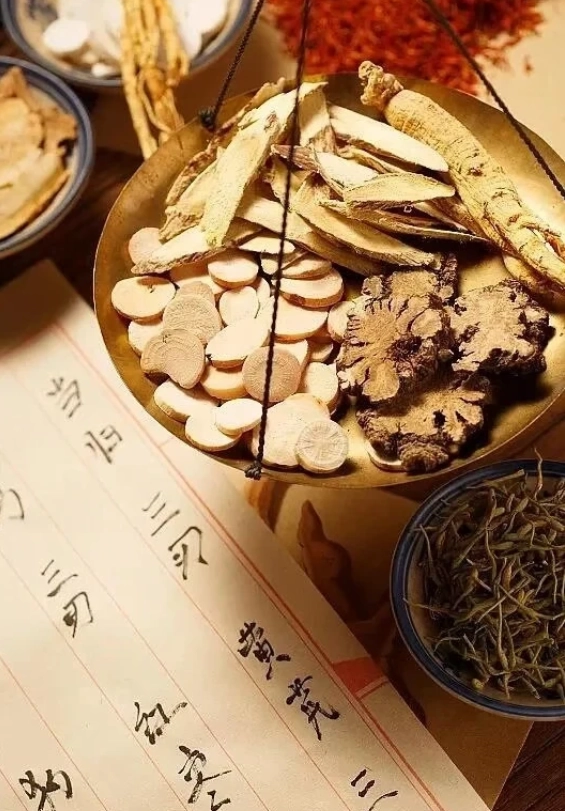
What Exactly is Chinese Traditional Medicine?
TCM is a 2,000-year-old system that views the body as an energy network. Your qi (vital energy) flows through meridians. When it’s blocked or unbalanced, you get sick. Treatments aim to restore harmony using herbs, needles, pressure, heat, or suction.
Don’t worry – you don’t need to believe in qi to feel the benefits. Many tourists come for pain relief, stress reduction, or digestive issues and leave pleasantly surprised.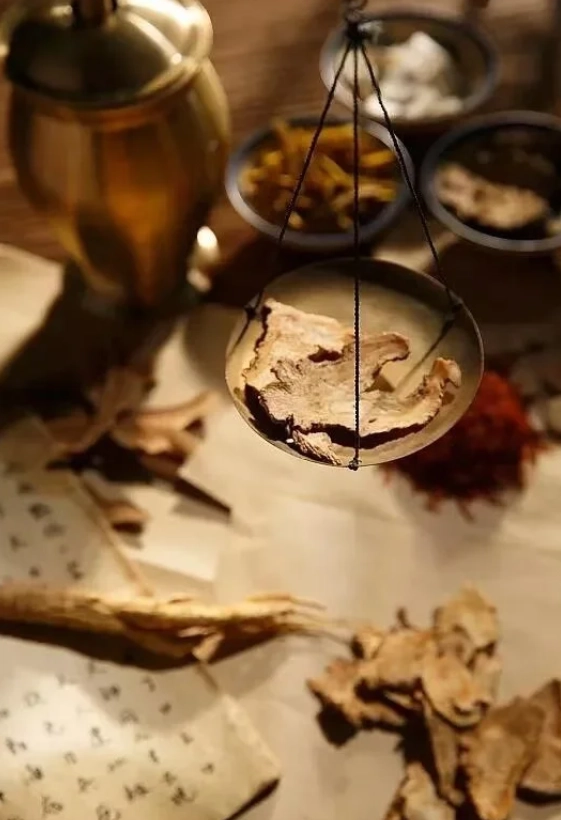
Top 5 TCM Therapies You Can Actually Try as a Tourist
1. Acupuncture – The Needle Trick That Works
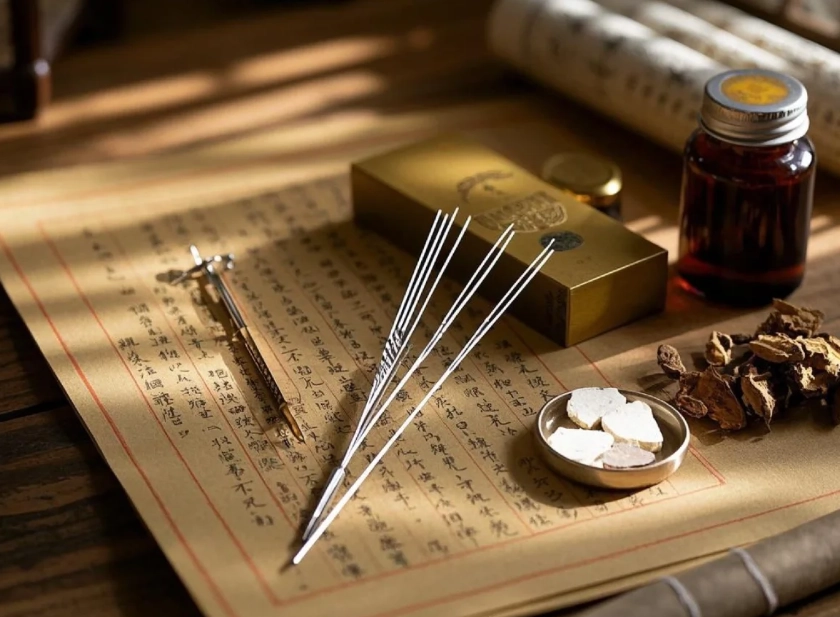
Acupuncture involves ultra-thin needles inserted at specific points. It sounds scary, but it’s nearly painless – I’ve seen people fall asleep during sessions. Great for chronic pain, allergies, and anxiety.
- Duration: 20–40 minutes per session
- Cost: 100–300 RMB in public hospitals; 400–800 RMB in private clinics
- Where to go: Beijing University of Chinese Medicine Affiliated Hospital (东直门医院) – they have an international department. Address: 5 Haiyuncang, Dongcheng District. Nearest subway: Dongzhimen (Line 2, Exit B).
- Payment: WeChat Pay or cash. No international cards.
- Pro tip: Book via Trip.com or call the international hotline +86-10-8401-3101. Ask for an English-speaking doctor in advance.
2. Herbal Medicine – The Bitter Soup That Heals
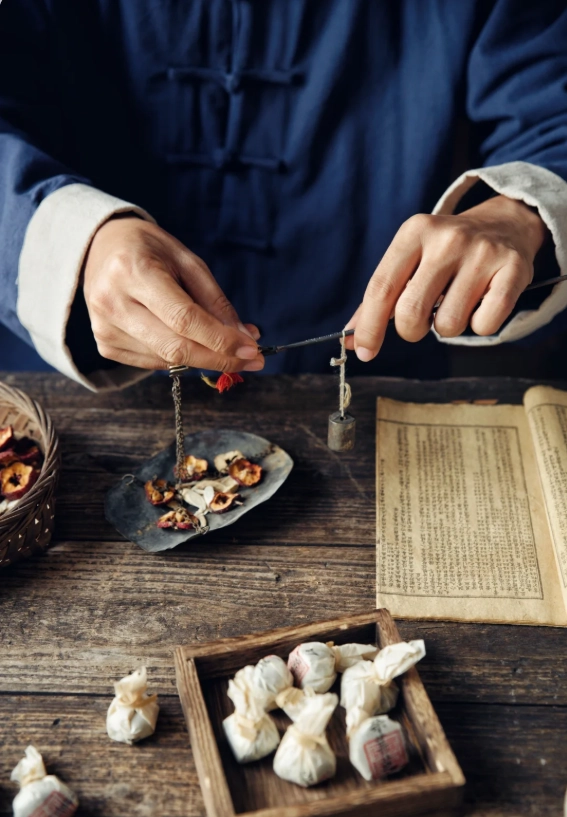
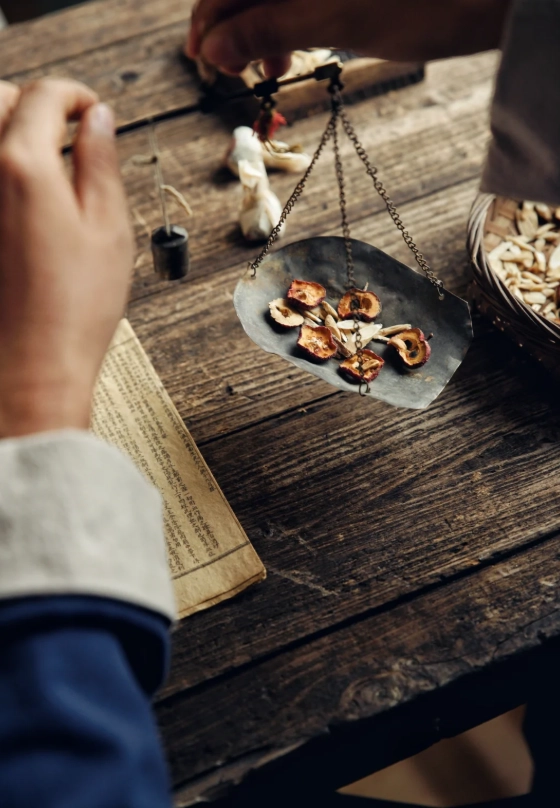
TCM herbs are prescribed in raw form (you boil them) or as granules. The taste is… intense. But for conditions like eczema, insomnia, or post-illness recovery, many swear by it. The pharmacist will give you a paper bag of roots and leaves.
- Cost: 100–500 RMB for a week’s supply (consultation included)
- Where to get it: Shanghai TCM Hospital (上海市中医医院) – they have a pharmacy with English labels on some herbs. Address: 274 Zhijiang Middle Road, Jing'an District. Subway: Shanghai Railway Station (Lines 1/3/4, Exit 3).
- Warning: If you’re pregnant or on medication, tell the doctor. Some herbs interact with Western drugs.
3. Tui Na (Chinese Massage) – Pain Relief Without Oils
Tui Na is a deep-tissue massage that uses pressing, stretching, and kneading. Unlike spa massages, it’s therapeutic. I recommend it for stiff necks and lower back pain. It’s done through clothes – no oil.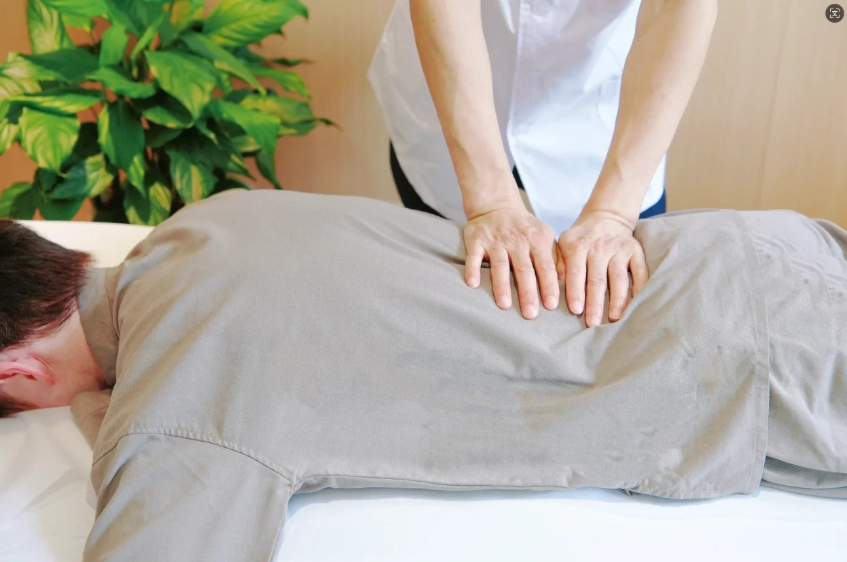
- Duration: 30–60 minutes
- Cost: 150–400 RMB
- Where to go: Beijing Massage Hospital (北京按摩医院) – they specialize in Tui Na for foreigners. Address: 13 Baishigiao Road, Haidian District. Subway: Xizhimen (Lines 2/13, Exit A).
- Insider advice: Go early morning before 10am to avoid queues. Ask for “Tui Na – not An Mo (relaxation massage)” if you want medical treatment.
4. Cupping – Those Purple Marks Explained
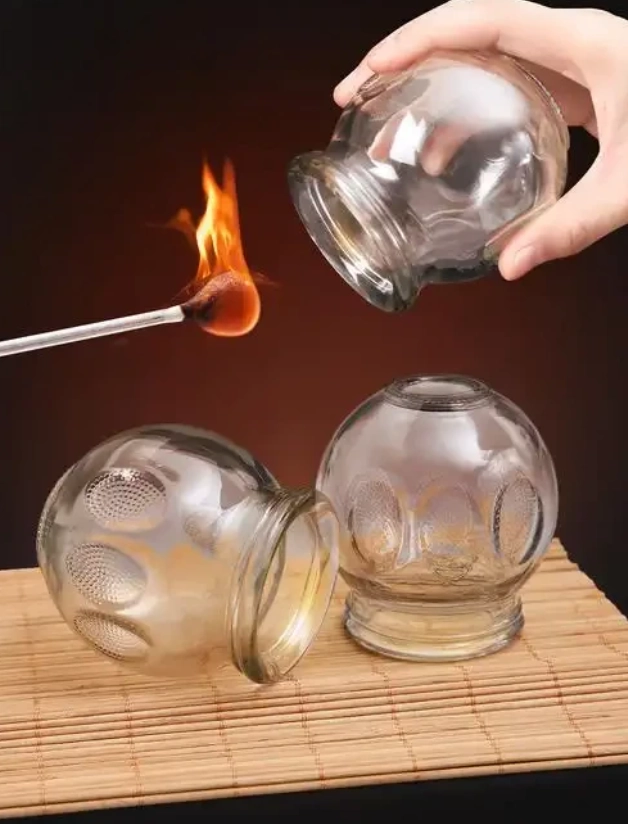
Cupping uses glass or silicone cups to create suction on your skin. The marks look like bruises but aren’t painful – they indicate blood stagnation being drawn out. Athletes love it for muscle recovery. The marks fade in 3–7 days.
- Duration: 10–15 minutes
- Cost: 80–200 RMB
- Where to go: Any TCM clinic offering “拔罐” (ba guan). Ask your hotel concierge to write the Chinese characters. Many small clinics on the street offer cupping, but check cleanliness first – always bring your own alcohol wipes.
- Pro tip: Don’t shower for 24 hours after cupping. And if you’re heading to the beach, the marks might get you some curious looks.
5. Moxibustion – The Smoky Heat Treatment
Moxibustion burns dried mugwort (moxa) near the skin to warm acupuncture points. It’s often used for cold-related conditions like menstrual cramps or poor circulation. The smoke is strong – some clinics have ventilation hoods.
- Duration: 15–30 minutes
- Cost: 50–150 RMB per session
- Where to try: Guangzhou University of Chinese Medicine Affiliated Hospital (广州中医药大学第一附属医院). Address: 16 Jichang Road, Baiyun District. Subway: Guangzhou Railway Station (Line 2, Exit D1).
How to Find a Reliable TCM Clinic in China (With English Support)
Your best bet is a university hospital’s international department. They’re used to foreigners, have English-speaking staff, and prices are regulated. Avoid small roadside shops that claim to cure everything – especially if they quote you a thousand yuan.
Best Options in Beijing
- Beijing University of Chinese Medicine Affiliated Hospital (Dongzhimen) – as mentioned above. Call ahead: +86-10-8401-3101.
- Peking University People’s Hospital – has a TCM department. Address: 11 Xizhimen South Street. Subway: Xizhimen (Lines 2/4/13).
Best Options in Shanghai
- Shanghai TCM Hospital – they have an international outpatient service. Book via their WeChat mini-program (scan the QR code at the entrance) or call +86-21-5663-9817.
- Huashan Hospital TCM Clinic – in the Jing’an district. Address: 12 Wulumuqi Middle Road. Subway: Changshu Road (Lines 1/7).
What to Prepare Before You Go
- Bring your passport – all hospitals require it for registration.
- Download WeChat or Alipay – most clinics don’t take cash for foreigners’ registration fees (but do for treatment fees).
- Get a VPN – if you need to Google clinic reviews on your way.
- Translation app – even with English support, you’ll encounter Chinese-only signs. Use Baidu Translate or Apple Translate with camera mode.
How Much Does TCM Cost? (And Does Insurance Cover It?)
| Treatment | Public Hospital (RMB) | Private Clinic (RMB) | Typical Sessions Needed |
|---|---|---|---|
| Acupuncture | 100–300 | 400–1,000 | 4–10 |
| Herbal Medicine (1 week) | 100–500 | 500–2,000 | As prescribed |
| Tui Na (60 min) | 150–400 | 500–1,200 | 2–5 |
| Cupping | 80–200 | 200–500 | 1–3 |
| Moxibustion | 50–150 | 200–400 | 3–6 |
Insurance: Most international travel insurance policies do not cover TCM unless it’s performed by a licensed doctor in a hospital. Check with your provider. If you’re on expat health insurance (like Cigna or Allianz), you may get partial reimbursement – ask for an itemized receipt in English.
Common Pitfalls and How to Avoid Them
- Language barrier: Even “English-speaking” clinics may have limited English. Write your symptoms down in Chinese (use Google Translate) or have a translator app ready.
- Payment shock: Many clinics charge a separate registration fee (20–100 RMB) plus the treatment fee. Always ask the total before paying.
- Herbal medicine confusion: If you get raw herbs, you’ll need to boil them at home. Ask the pharmacy if they can prepare it as granules or ready-to-drink packets. Some clinics offer this service for an extra fee.
- Unlicensed practitioners: Street vendors offering “acupuncture” or “cupping” for 50 RMB – avoid. Stick to registered hospitals or clinics with a business license displayed.
- Overprescription: Some private clinics may push expensive treatments. Ask for a written treatment plan and check prices online first.



As a travel nurse, I have used this guide so many times—personally and with patients who are curious about TCM. The moxibustion chapter is wonderfully clear, and the dosing instructions are laid out in a way that makes sense to a Western reader. The cover is durable, it fits in my work bag, and the index is easy to navigate. I’ve already ordered two extra copies for friends. Worth every cent.
Picked this up at a bookstore in Shanghai and read most of it on the flight home. Excellent. It explains acupuncture and cupping without being preachy or overly academic. I was nervous about my first cupping session and this guide told me exactly what to expect, including the marks and the healing process. It also has practical questions to ask your TCM practitioner. If you plan to try any form of Traditional Chinese Medicine abroad, buy this first.
I bought this guide three weeks ago and I’ve already read it twice. The way it breaks down traditional formulas and explains the plant names in both English and Chinese is exactly what I needed. The pages even have that subtle herbal smell, like my grandmother’s old medicine cabinet. I used the tea recipe for insomnia and it actually worked. If you’re serious about learning TCM as a foreigner, this is the best starting point I’ve found.
This was a solid introduction before my trip to Guangzhou. I had no idea about yin and yang beyond the basics, so the opening sections really helped. It also gave me useful phrases to ask for common herbs by name. I wish there were more step-by-step photos for making a decoction at home, and the chapter on cupping could be longer. But the market section saved me—I could actually identify goji berries and astragalus. Not perfect, but definitely worth reading.
I really wanted to like this because I’m fascinated by Chinese Traditional Medicine. The opening chapters are interesting, but for a book that calls itself a practical guide, it feels thin on real-world specifics. I expected more clear advice on dosages, warning signs, or how to choose a reputable shop, but there’s a lot of history and not enough hands-on help. The illustrations are pretty and the paper quality is nice, but by the end I still felt unsure how to start. It’s okay, just not as useful as I hoped.
Honestly, this guide is okay but not what I expected. It spends a lot of time on history and philosophy, which is interesting, but I wanted more practical info like how to find a reputable practitioner or how to order at a TCM pharmacy. The recipes are okay but some ingredients are hard to find outside Asia. I did learn a bit about cupping, though. Fair for the price, but not a must-have.
Useful overall, and I like the cultural context, but I found a few sections a bit basic. The chapter on acupressure points is good, though it could have used clearer diagrams. I was hoping for more detailed information about specific herbs for sleep, but the safety precautions were helpful. Still a solid primer for expats — just don't expect encyclopedic depth.
Finally a guide that treats TCM with respect and clarity. The author clearly knows how to explain Chinese herbal formulas to a foreigner without making it sound mystical or fake. I used the chapter on common cold remedies to make a ginger-scallion tea and it actually helped! The glossary at the back is gold. This is the book I keep next to my teapot.
As someone who works in healthcare but knew zero about TCM, this guide hit the perfect balance. It's not too academic, but it doesn't dumb things down either. The chapters on qi and the five elements finally clicked for me. I especially appreciated the practical tips on what to expect during a consultation — I didn't feel lost when the practitioner asked to see my tongue. Already recommended it to two friends.
I bought this before a month in Yunnan and it was a lifesaver. The section on herbal teas and cupping made me feel less overwhelmed when I walked into a TCM shop in Kunming. The photos of herbs are crisp, and I loved how it explains pulse diagnosis with simple analogies. I ended up booking an acupuncture session because the book made me curious. Highly recommend for curious travelers, not just patients.