 Jian Zhao
Quick Navigation
“I’ve been guiding trips across China for over a decade, and honestly, 2026 is shaping up to be the best year to visit. New high-speed rail routes, upgraded visa policies, and fewer crowds at iconic spots — if you play it smart. But here’s the catch: most online guides still recommend the same overcrowded itineraries that leave you exhausted and broke. I’m here to change that.
After navigating countless payment fails, lost-in-translation moments, and sunburned families at the Great Wall, I’ve curated a list of best places to visit in China that truly deliver — without the hassle. Whether you have 10 days or a month, these destinations offer authentic experiences, practical infrastructure, and insider shortcuts you won’t find on Google. Let’s dive in.
Why 2026 is a Game Changer for China Travel
First, a reality check: China is not an easy DIY destination — at least not yet. But 2026 brings major improvements that actually matter to foreign travelers:
- Digital payment expansion: More vendors now accept UnionPay cards and Alipay International. Still, carry some cash (RMB 200-300) for street food and small stalls.
- English-friendly apps: Apple Maps works surprisingly well for driving directions. For public transit, use AMap (高德) — switch to English mode in settings.
- Visa-free transit: Citizens of 54 countries can enjoy 72/144-hour visa-free transit in major cities like Beijing, Shanghai, and Guangzhou. Perfect for a layover trip.
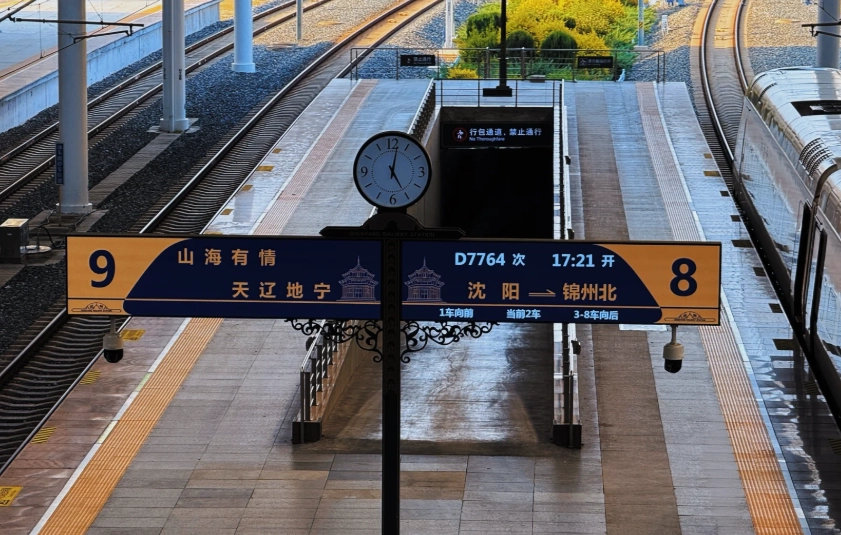
- High-speed rail expansion: New lines now connect smaller gems like Zhangjiajie and Guilin in under 3 hours. Book tickets on Trip.com or 12306 (use the English interface).
But here’s what hasn’t changed: You still need a VPN to access Google, Instagram, and WhatsApp. Install it before you land (ExpressVPN or NordVPN work). Also, don’t rely on Google Maps — it’s blocked and data is outdated. Apple Maps or Baidu Maps (with English mode) are your true friends.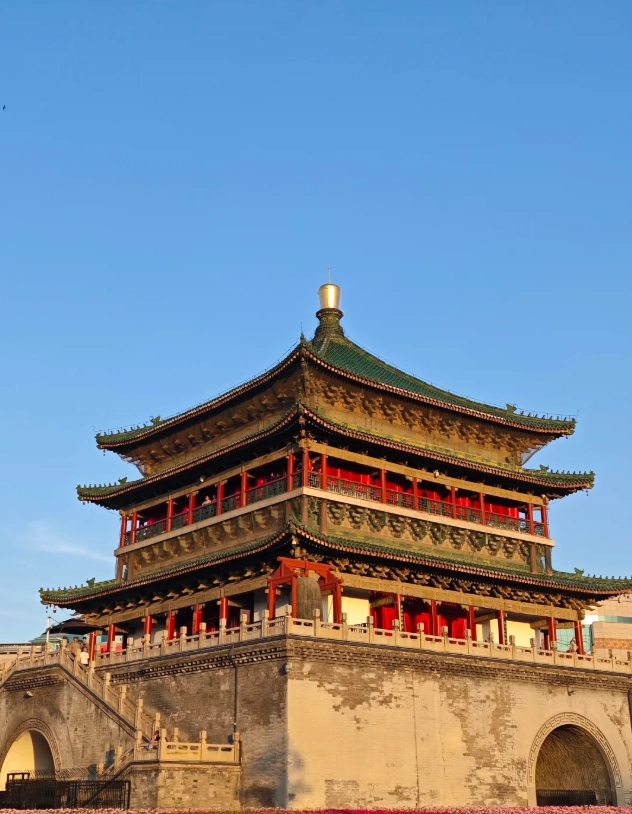
“My first trip to China I spent 2 hours trying to buy a subway ticket because I didn’t know the machines only take coins and WeChat Pay. Now I always advise: download Alipay, link your international card, and carry a 10-yuan bill for emergencies.” — personal nightmare, now your advantage.
Xi'an: The Terracotta Army & Ancient Walls
Xi'an is my top pick for first-timers. It’s not as overwhelming as Shanghai, yet offers world-class history. The Terracotta Warriors are obviously the star, but the city itself is a living museum.
Visiting the Terracotta Army — Without the Madness
Most tourists flood the site between 10 AM and 2 PM. I always tell my clients: arrive at 4 PM. The buses leave at 3:30, so the mass exodus starts. You’ll have the main pit almost to yourself, and the late afternoon light is gorgeous for photos.
- Ticket: 120 RMB (adult), free for kids under 1.2m. Buy online via Trip.com or the official site — you’ll need your passport number. No same-day purchase at the window if you arrive after 3 PM.
- How to get there: From Xi’an city center, take subway Line 9 to “Fengxi” Station, then exit A and hop on the free shuttle bus to the museum. Total time: about 1.5 hours. Taxi from downtown costs around 150 RMB and takes 1 hour.
- Pro Tip: The museum has three pits. Pit 1 is the massive one you see in photos. Pit 3 is smaller but shows the command post. Don’t skip the Bronze Chariot exhibit in the main building — it’s a separate ticket (15 RMB) but worth every yuan.

Xi'an City Wall — Rent a Bike
The ancient city wall is 14 km long. Rent a bicycle (45 RMB/2 hours) and ride the entire loop — it’s flat and gives you aerial views of the old city. Best time: late afternoon from 4:30 PM to catch the sunset. Avoid midday summer heat — there’s almost no shade.
Payment: The bike rental deposit requires cash (200 RMB) or WeChat Pay. If you don’t have WeChat, ask a local to help — most young Chinese are happy to assist.
Chengdu: Giant Pandas & Spicy Food
Chengdu is the chill capital of China. It’s famous for pandas, Sichuan hotpot, and a laid-back vibe. The best place to see pandas is the Chengdu Research Base of Giant Panda Breeding — about 30 minutes from downtown.
Panda Base — Go Early or Go Home
The pandas are most active in the morning when it’s cool. They sleep during the afternoon heat. I recommend arriving at 7:30 AM (opens at 7:30) to watch them eat bamboo and play. By 10 AM, the crowds swell and the pandas are napping.
| Item | Details |
|---|---|
| Ticket price | 55 RMB (adult), free for children under 1.2m. Buy on Trip.com or at the gate — but online recommended to skip line. |
| Address | No. 1375 Panda Avenue, Chenghua District |
| Best viewing time | 7:30 AM – 10:00 AM |
| How to get there | Metro Line 3 to “Panda Avenue” station, exit B, then a 10-minute walk. Taxi from city center costs about 40 RMB. |
Insider tip: The base is huge — wear comfortable shoes. There’s a nursery where baby pandas are kept (if you’re lucky, you can see them on the live cam in the visitor center). Also, bring a water bottle — there are free refill stations.
Sichuan Food — A Warning
Yes, it’s spicy. But not every dish is a firebomb. Try “Mapo Tofu” (medium spice) or “Kung Pao Chicken” (mild). Skip the tourist street near the base — head to “Kuanzhai Alley” (宽窄巷子) for authentic hotpot at “Haidilao” (they have English menu and free nail art while you wait!).
Payment: Almost all restaurants accept Alipay/WeChat. Bring cash only for tiny street stalls. If you have a peanut allergy, carry a written note in Chinese — many chefs don’t speak English.
Guilin & Yangshuo: Karst Landscapes Straight from a Painting
If you’ve seen photos of misty mountains and rice paddies, that’s Guilin. The Li River cruise from Guilin to Yangshuo is the classic route. But here’s the dirty secret: the big cruise boats are packed, noisy, and expensive. I always recommend the bamboo raft option — smaller, quieter, and you’re closer to the water.
Li River Bamboo Raft (from Yangdi to Xingping)
This 1-hour ride passes the famous “20 RMB note” scenery (check the back of your 20 RMB note — that’s the actual spot). Best time: 8 AM to avoid tour groups and heat. The rafts are motorized but still peaceful.
- Cost: 160 RMB per person. Book through your hotel or at the Yangdi pier. Cash only at the pier — bring exact change.
- Getting there: From Guilin, take a taxi to Yangdi Pier (90 minutes, 200 RMB). Or take a bus from Guilin Bus Station to Yangdi (25 RMB) — but it’s infrequent.
- What to bring: Sunscreen, a hat, and a waterproof bag for your phone (splashes happen). Life jackets are mandatory but stinky — I know, but wear them.
Once you arrive in Xingping, you’ll be swarmed by local women offering to sell you fruit. They’re friendly, but prices are 3x the normal rate. Politely decline or buy a small bunch of lychees for 10 RMB — that’s fair.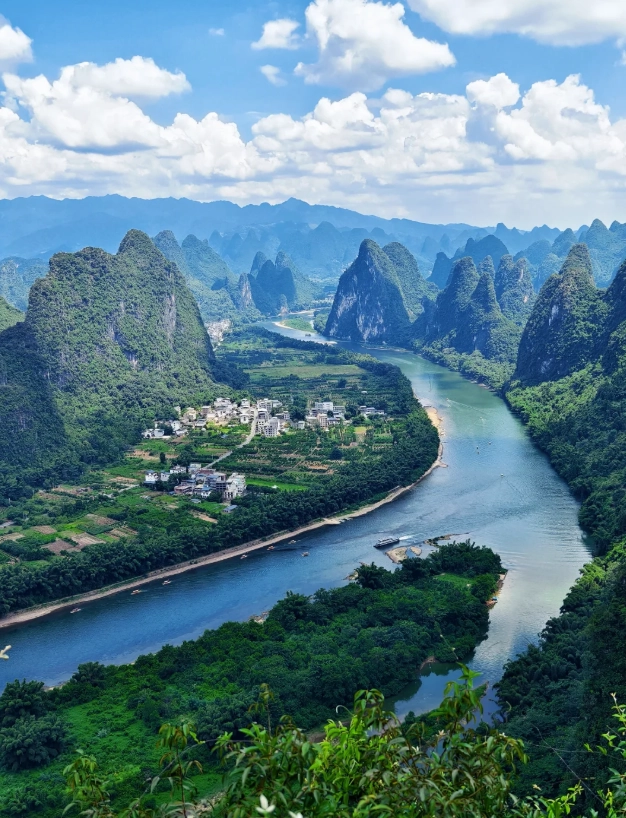
Yangshuo County — Cycling Through Rice Fields
Yangshuo is where backpackers and yogis gather. Rent an e-bike (50 RMB/day) and explore the countryside: Moon Hill, Xianggong Mountain, and the ancient villages. Google Maps is useless here — use Apple Maps or ask your hotel to mark the route on a paper map. Most roads are unpaved; a mountain bike or e-bike with fat tires is best.
Warning: Do not swim in the Li River — strong currents and pollution. Stick to hotel pools.


As someone who avoids package tours, this list is a goldmine. The pick to swap Lijiang for Shaxi Old Town was spot on: I took a slow local bus in, wandered the Thursday market, bought warm rice cakes from a grandmother, and fell asleep listening to the wind in the old wooden beams. Everything felt authentic, not staged. If you want honest opinions from someone who's actually been there, trust this one.
I normally hate travel articles—they're all drone shots and clichés. This one is different: it explains why a place feels good, not just where to take photos. The tip about walking Xi'an's city wall after 6 p.m. completely changed my evening. I rented a bike, watched the sky turn pink over the pagodas, and ate a lamb dumpling nearby like a local. My only regret is not reading it earlier.
I'm a photographer, and this guide gave me the best sunrise I've had in years. The short note about the Fujian tulou settlements seemed too brief at first, but I trusted it and spent an hour alone with the round walls, soft fog, and an old man who waved me up to his courtyard for tea. No one else in sight. That alone was worth every word. Strongly recommend.
Really solid guide. It pushed me toward the Shibing Karst area in Guizhou, and that part was magical: rain-washed wooden walkways, river caves echoing with birds, and absolutely no souvenir stalls. The only reason it doesn't get five stars is that a few of the restaurant recommendations were closed when I showed up, which drove me a bit crazy. Still, this is the first list that made me feel like I wasn't just following the crowd.
As someone who has already spent time in Beijing and Shanghai, I hoped this would dig deeper. The Longsheng Rice Terraces pick did deliver: dawn was all silver mist, and the mud smelled like rain before the hikers arrived. But too many other entries felt like the same Yangshuo/Chengdu/Xi'an hits you see on every list. I also wished for concrete train times and honest crowd calendars. It's a decent starting point for first-timers, but the 'savvy traveler' promise is a stretch.