 Ling Wu
What's Inside This Guide
Stuck on a generic border route? I've guided travelers to Ban Gioc-Detian Waterfall more times than I can count. Here's the honest truth: the journey is simpler than you think, but only if you know the exact steps. If you're wondering how to get to Ban Gioc-Detian Transnational Waterfall, stop following those vague 'majestic scenery' posts — they never mention the border checkpoint or the shuttle bus lottery.
The quickest way: take a direct tourist bus from Nanning or Chongzuo to the Daxin Detian Scenic Area. But there are actually three solid routes from China: the tourist bus, a private car, and a motorbike. I'll cover all of them below. And if you're coming from Vietnam, I've got a strategy for that too. Arrive before 9 AM, carry your passport, and prepare for a 30-minute shuttle ride from the gate to the waterfall. That's it. Now, let me walk you through every option so you don't end up lost like my first client.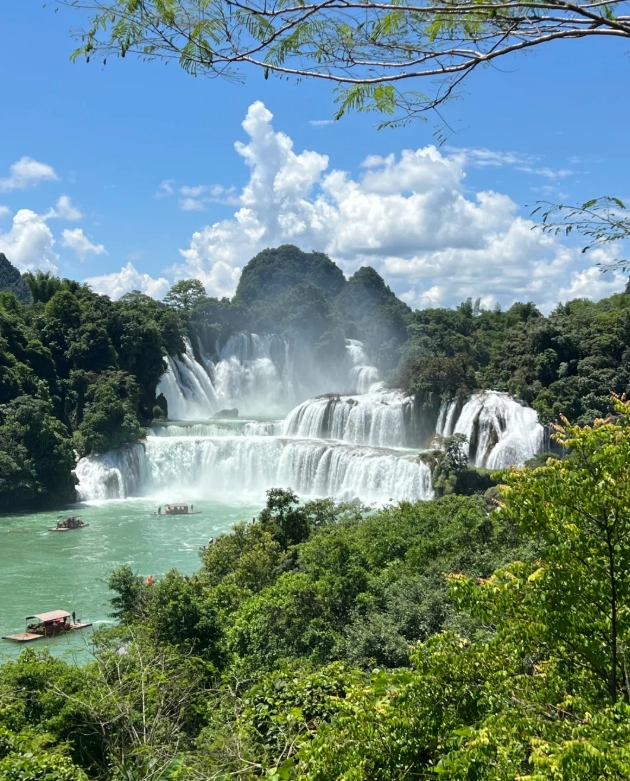
Why Getting to Ban Gioc-Detian Waterfall Is Tricky (But Doable)
The biggest mistake travelers make is assuming the waterfall is directly connected to a major city. It's not. Ban Gioc-Detian sits in a remote valley on the China-Vietnam border, about 4-5 hours from Nanning, the capital of Guangxi. No train station, no airport, and only a handful of daily buses.
Second, the waterfall is split between China and Vietnam. On the Chinese side, it's called Detian Waterfall; on the Vietnamese side, it's Ban Gioc. You can visit either side separately, but crossing the border directly at the waterfall is only possible with a Vietnamese tour on the Cao Bang side. Most foreign tourists stick to the Chinese side because it's easier and more developed.
Third, you'll need to pass through a Chinese border checkpoint even if you stay on the Chinese side. That means your passport is non-negotiable. Videos and drones? Leave them at the hotel.
The Two Sides of Ban Gioc-Detian Waterfall: China vs. Vietnam
Understanding the layout will save you hours. The waterfall spans the border, but the Chinese side (Detian) has a huge tourist complex with boardwalks, picnic areas, and a small market. The Vietnamese side (Ban Gioc) is more raw, with just a viewpoint and a few boats. You can sometimes see both sides from the water, but the easiest way to see both is to book a combined tour from Vietnam that crosses at a nearby border gate.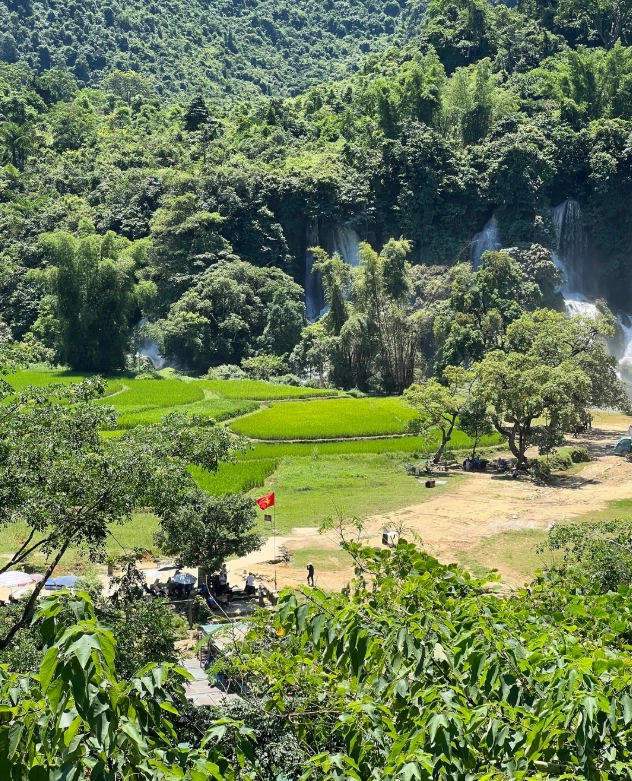
Here's a quick comparison table:
| Side | Location | Entry Fee | Access |
|---|---|---|---|
| China (Detian) | Shuolong Town, Daxin County | About 115 CNY (entry + shuttle) | Shuttle bus + boardwalk |
| Vietnam (Ban Gioc) | Trung Khanh, Cao Bang | About 250,000 VND (approx. 10 USD) | Private tour or motorbike |
Note: Entry fees change often. I'll give updated ranges later in the Budget section.
How to Get to Ban Gioc-Detian Waterfall From Guangxi, China
This is the most practical route for 90% of travelers. You'll start from either Nanning or Chongzuo, both of which have direct transport to the park.
Direct Buses from Nanning and Chongzuo
The best budget choice is the direct tourist bus. From Nanning's Langdong Bus Station, a daily 'Detian Falls tourist bus' departs around 7:30-8:00 AM and takes roughly 4 hours. The fare is around 100-120 CNY. From Chongzuo, buses leave from Chongzuo Bus Station around 8:00 AM and 11:00 AM, taking 2.5 hours and costing 40-60 CNY. You can buy tickets at the station or via Trip.com or Ctrip — but note that Trip.com sometimes adds a markup.
Insider Advice: If you're not staying in Nanning or Chongzuo, consider joining a day tour from Hanoi or Nanning that includes transport. Many hostels in Nanning organize small group trips with an English-speaking guide — I can hook you up with my friend's company if you ask.
Driving or Hiring a Private Car
If you're comfortable with Chinese roads, driving gives you the freedom to stop at remote viewpoints. From Nanning, take the G7211 and drive to Daxin County, then follow signs to Detian. The last 20 km are winding mountain roads — expect a lot of curves. Renting a car with a driver from Nanning costs about 500-700 CNY round-trip, including fuel and waiting time. You can also use Didi (Chinese Uber) for a one-way trip, but booking a return ride is tricky because drivers outside the city often decline.
My personal recommendation: Hire a local driver through your hotel or a travel agency. They know the border checkpoints and won't overcharge you for the scenic stops.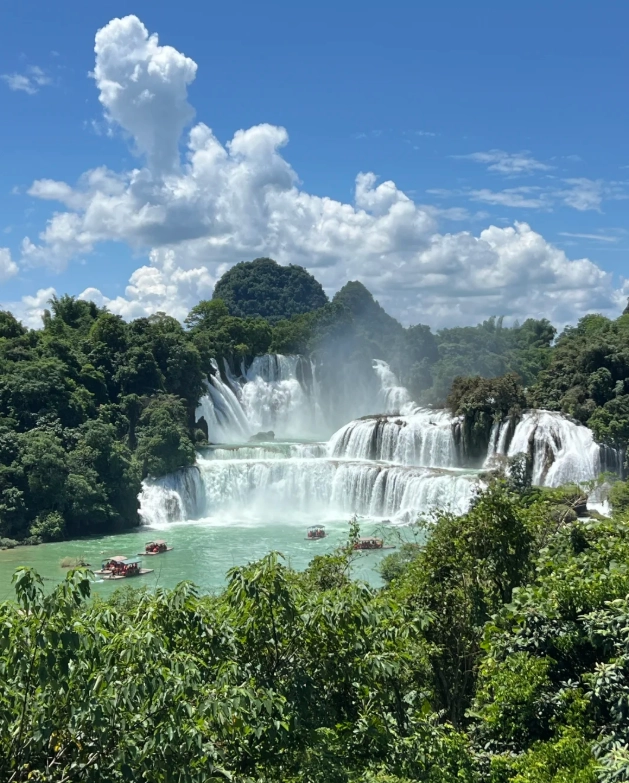
Motorbike Rental for Adventurers
Only for experienced riders. Renting a motorbike in Chongzuo costs about 100-150 CNY per day. The ride to the waterfall takes 3 hours from Chongzuo and passes through two small towns. You'll need an international driver's permit and nerves of steel — trucks on those mountain roads don't expect slow-moving bikes.
Booking Tickets and Getting Inside
You must book your entry ticket in advance during peak seasons. The official price is 80 CNY for the park plus 35 CNY for the shuttle bus, but it occasionally goes up to 120 CNY during holidays. To avoid the WeChat mini-program puzzle, use Trip.com or a local travel agency. You'll need your passport number to book. At the entrance, show your passport and the e-ticket QR code. Then hop on the shuttle bus — it takes about 20 minutes to reach the waterfall viewpoint.
Pro Tip: The last shuttle back to the entrance leaves at 6:00 PM. Don't miss it. Taxis are rare out here.
How to Get to Ban Gioc-Detian Waterfall From Vietnam (Cao Bang)
This route is for those already in Vietnam. The closest Vietnamese city is Cao Bang, about 150 km from the waterfall. You can get there from Hanoi by sleeper bus (8 hours, ~200-300 VND).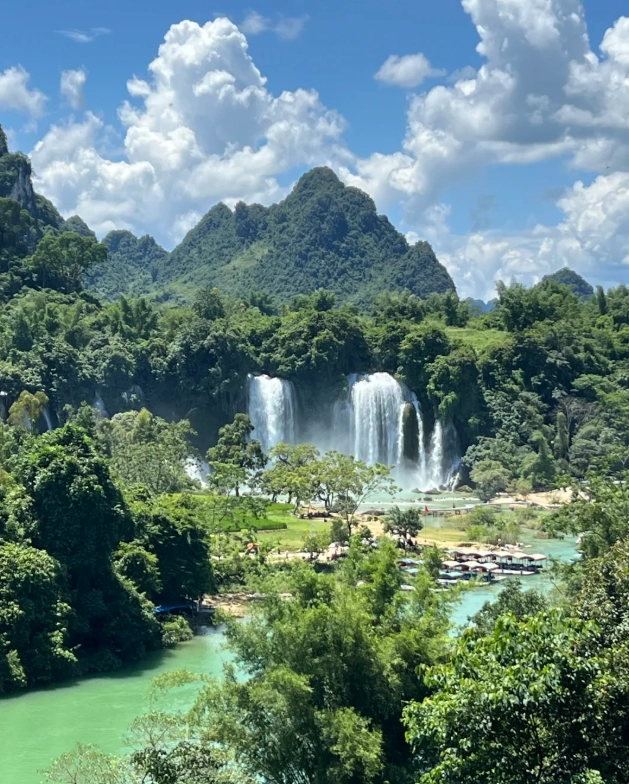
Crossing the Border Legally
You can't just walk across the waterfall. The official crossing point is at the Ta Lung border gate, about 50 km from the waterfall. You'll need a Vietnamese visa or visa-exemption. Once across, you'll be in China's Shuolong Town, right near the Chinese entrance. However, the crossing can be time-consuming because both sides require paperwork.
Easier option: Join a guided day tour from Cao Bang that includes a boat ride to the base of the waterfall. This way, you see the Vietnamese side without crossing the border. The tour costs around 70-100 USD and includes hotel pickup and lunch.
Practical Tips for Getting to Ban Gioc-Detian Waterfall: Payments, Maps, and VPN
China runs on mobile payments. The park entrance and souvenir stalls accept Alipay and WeChat Pay. But the shuttle bus and some snack stands still take cash. So carry at least 200 CNY in cash for emergencies. You can get cash from a nearby ATM in Shuolong Town, but it's a 15-minute drive.
Google Maps is useless in China. It will show you a location but fail at directions. Use Apple Maps, which is just okay, or download AMap (高德地图), which has an English interface called 'AMap Global'. For taxi drivers, always show them the Chinese name: 德天瀑布.
You'll need a VPN to access Google, WhatsApp, or Instagram. Buy one before you arrive, for example, ExpressVPN or NordVPN. Alternatively, ask your hotel Wi-Fi to help you set up a temporary one.
Translation is your friend. Most park staff speak zero English. Download the Baidu Translate app — it works offline and handles Chinese signs well.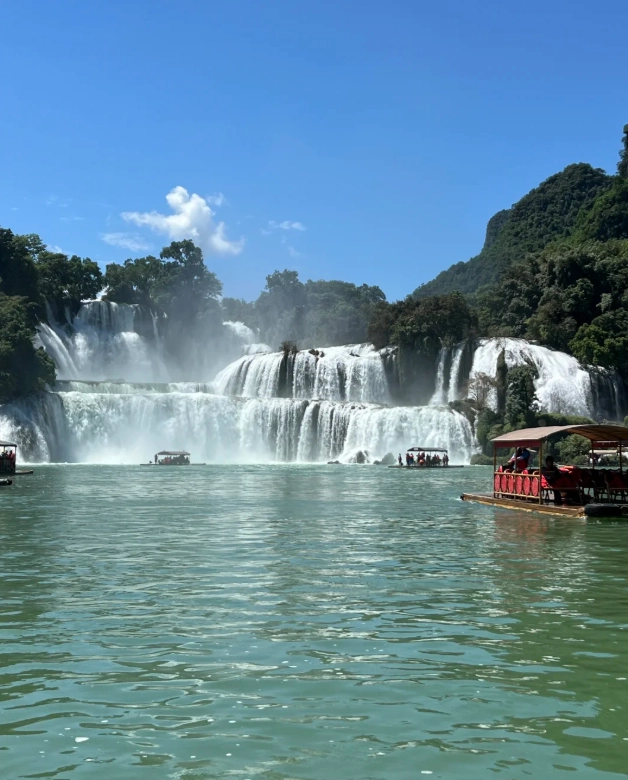
When to Visit Ban Gioc-Detian Waterfall: Best Times and Photography Tips
The waterfall is most impressive from June to September. That's the rainy season, so the water volume is huge. But the paths can be slippery, and the mist may soak your clothes. October to December is pleasant, with moderate water flow and colorful leaves.
For photos, come before 9 AM or after 4 PM. I usually take my clients up at 8:30 AM when the mist is low and the light is soft. In the afternoon, the sun hits the water directly, creating harsh contrasts. Midday is the worst — everyone else is there too.
Insider Advice: Avoid Chinese National Day holidays (October 1-7) and Labour Day (May 1-5). The queue for the shuttle bus can reach two hours.
Where to Stay When Visiting Ban Gioc-Detian Waterfall
Shuolong Town is the closest base. It's 2 km from the park gate and has a handful of guesthouses. The best value is 'Detian Village Homestay' — a cozy family-run place with clean rooms, hot water, and a decent Wi-Fi connection. Prices range from 150-300 CNY per night depending on the season. They serve simple Chinese breakfasts.
If you prefer more facilities, stay in Daxin County town, about 40 minutes from the park. There are several mid-range hotels, and the nightly rates include breakfast. For luxury, you'll need to go back to Chongzuo, which adds 1.5 hours but offers comfortable options.
My rule of thumb: If you plan to catch the sunrise or evening light, stay in Shuolong. For comfort, Daxin County is better.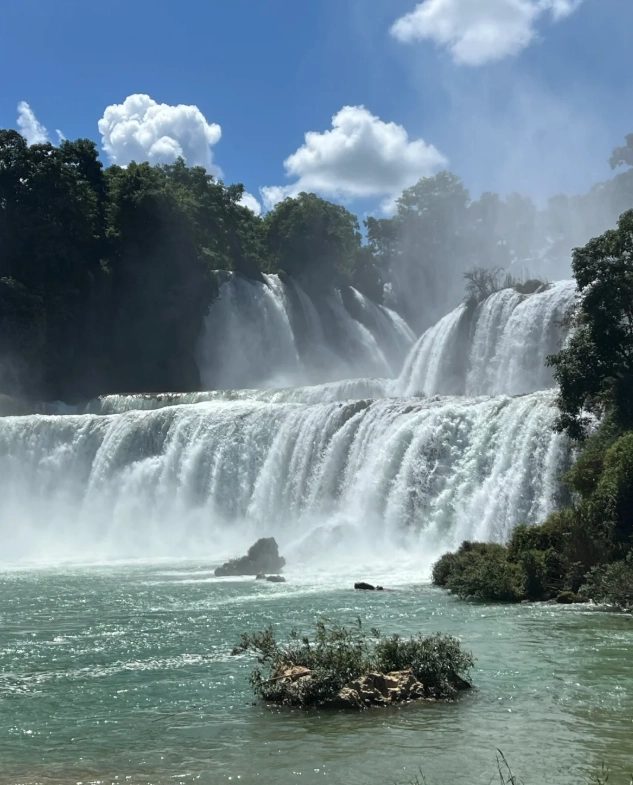
Budget Breakdown for Your Ban Gioc-Detian Waterfall Trip
Here's a rough breakdown for one person:
| Expense | Budget Option | Standard Option |
|---|---|---|
| Bus from Nanning | 100 CNY | 150 CNY (private shuttle) |
| Entry + shuttle | 115 CNY | 130 CNY (advance booking) |
| Lunch | 30 CNY (packed noodles) | 60 CNY (river fish meal) |
| Accommodation | 150 CNY | 300 CNY |
Overall, a one-day trip from Nanning will set you back around 300-400 CNY if you use public transport and eat simply. Hiring a private car doubles that.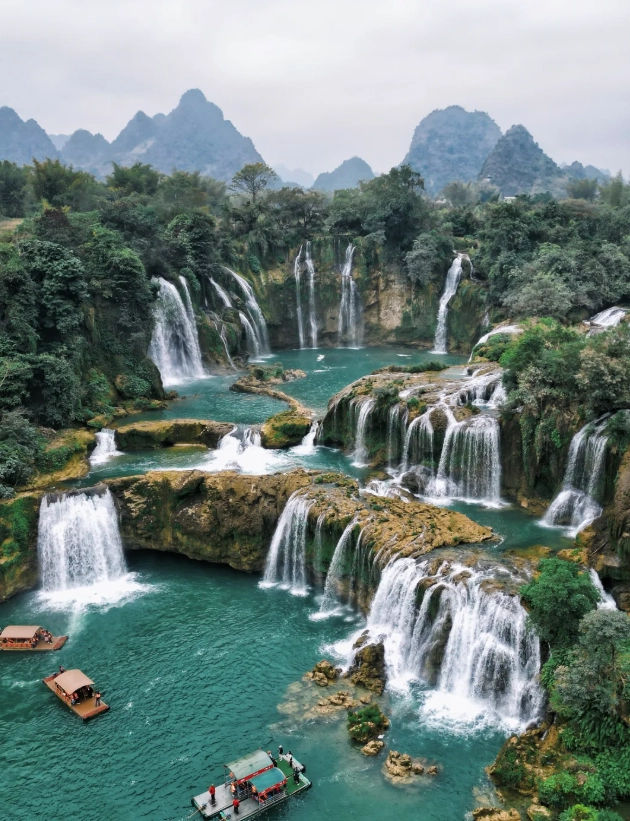
Frequently Asked Questions About Getting to Ban Gioc-Detian Waterfall
I hope this guide saves you the confusion I had on my first trip. Ban Gioc-Detian is genuinely breathtaking — the mist, the karst peaks, the transnational border. When you finally stand on the boardwalk, it feels like a secret the internet hasn't ruined yet.
Verified and fact-checked by the editorial team.
I took the northeastern route from Cao Bang through Quang Uyen and it was honestly the most beautiful drive I've had in Southeast Asia. The waterfall itself is massive and way less crowded than I expected. I sat on a rock near the edge of the pool and just let the spray cool my face. The road was in decent condition, not perfect, but the views of the karst mountains make you forget every bump. If you love nature and don't mind a little adventure, this is one trip you absolutely cannot skip.
I joined a minibus from Hanoi for a two-day trip and this article's suggested route 2 is spot on. We stopped at a homestay along the way, and waking up in the mountains before heading to the waterfall was magic. The water is so clear and turquoise, you can take a little bamboo raft right up close to the falls. I got soaked but didn't care. The only thing is the border area felt a bit touristy, but the view makes up for it completely. Highly recommend going on a weekday if you can.
Renting a motorbike in Cao Bang and following the western route to Ban Gioc was the best decision I made in Vietnam. You ride through little villages where everyone smiles and waves, then suddenly the waterfall appears between the cliffs. I stood on the viewing platform for about twenty minutes just staring at the mist and listening to the thunder. Yes, the road gets narrow in parts, but take it slow and it's absolutely manageable. 10/10, I'd do it again in a heartbeat.
Maybe I built this up too much, but the drive took way longer than the route guide suggested. We went from Cao Bang and it was nearly four hours with roadworks. The waterfall itself is beautiful, no question, but I felt rushed because we had to get back before dark. The local stalls near the entrance are a bit pushy too. If you're flexible on time and can handle a rough ride, you'll enjoy it, but for me the journey was more stressful than scenic.
We drove from Cao Bang early morning and took the road through Pac Bo. The scenery along the way was unreal, with limestone peaks and rice fields glowing in the mist. But honestly, the final stretch before the falls had some rough potholes that kept us crawling. Still, when we arrived and heard the roar of the water, it all felt worth it. I just wish the route signs were clearer, we missed one turn and lost about half an hour.
Skip if you expect exact road conditions. The article listed the fastest route as the best, but the road we found was being repaved halfway — no warning, no detour signs. A local family in a pickup showed us the way around. The waterfall itself is absolutely breathtaking, don’t get me wrong. But as a route guide, this let me down a bit. Fine for motorbikes, not so much for a small car. Worth reading for the big picture, but check recent road conditions before you trust it.
Solid guide. We used Route 2 and the driving directions were mostly clear, but that marked ‘short walk to the temple viewpoint’ was actually a long and slippery climb in the heat. The GPS pin for the parking lot also seemed a few hundred meters off. Still, the waterfall is staggering, and the info on crossing to the Chinese side is helpful. 4 stars because I had to ask locals for the last fifty meters.
Had almost given up on planning because online sources kept contradicting each other. This article made it simple. We followed the Route 2 instructions, left Cao Bang early, and got to the waterfall in about 2.5 hours. The entrance fee was small, and the bamboo boat guy took us right under the curtain of water — our rain jackets were useless. The emerald pools and limestone karsts looked like a movie set. Definitely recommend reading this before you go.
As a motorbike guy, I appreciated the notes about Route 3 being gravel and steep in sections. No wonder the car rentals missed it. We dropped down through the fog and suddenly the falls appeared — massive, milky-blue, roaring. The locals at the viewpoint were waving at us as if they knew we’d made it. Honestly, the guide’s escape route saved me from the tourist buses. Pack a spare brake pad and enjoy the ride.
This guide is spot-on. We chose Route 1 from Cao Bang and the mountain scenery on the way had us stopping every ten minutes. The waterfall itself is impossible to describe: you hear the roar before you turn the corner, then the mist hits your face and the whole valley feels cool. The article’s tip about parking at the lower lot saved us time because the border gate gets busy after 10am. Genuinely the most beautiful place I’ve seen in Vietnam — worth every bumpy kilometer.