 Hua Sun
Minus 26. My eyelashes froze shut. I was on a riverbank outside Jilin City at 6:40 a.m. and the only other humans for a kilometer were two grandmothers with thermoses and one photographer who clearly knew something I didn't.
That is the whole argument for Jilin solo travel. You get the same rime ice frames the tour buses pay for — you just have to wake up earlier and know which bank of the Songhua River to stand on. I booked my first northeast China trip with a group and hated every scheduled minute of it. Now I send people here alone, and they come home with better photos than the buses do.
Fast answers before the details. Base yourself in Jilin City for the rime, Changchun for the trains, Yanji for the food, and Changbai Mountain for the crater lake. High-speed rail is cheap and painless. English is genuinely rare outside hotel front desks, so install a translation app before you land. Everything below is the practical part — trains, tickets, the tickets you can't buy without a Chinese app, and the mistakes I watch solo travelers repeat every single winter.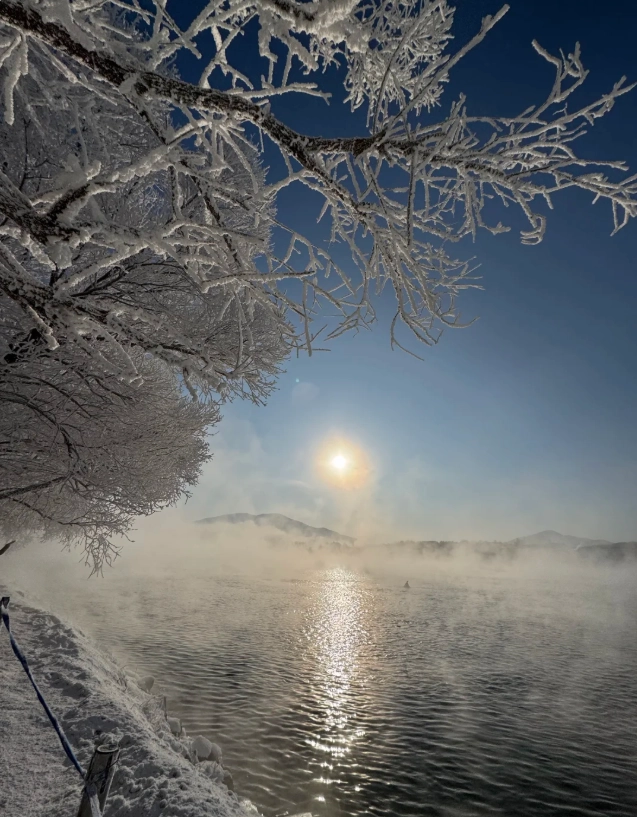
Here is the map in your head.
- Why Jilin Works Better Solo Than Any Other Northeast Province
- What Is the Best Time of Year for Jilin Solo Travel?
- How Do You Get Around Jilin Without a Car or a Guide?
- The Rime Ice Morning in Jilin City, Hour by Hour
- Changbai Mountain Solo: Which Slope Should You Pick?
- Skiing Solo in Jilin: Beidahu vs Songhua Lake vs Wanda
- Yanji Solo: The Best Food City in Northeast China
- Where Should a Solo Traveler Stay in Jilin?
- Money, Apps and the Digital Pain Points Nobody Warns You About
- Is Jilin Safe for a Solo Traveler?
- A 7-Day Jilin Solo Itinerary You Can Actually Follow
- Solo Traveler Questions I Answer Most Often
Why Jilin Works Better Solo Than Any Other Northeast Province
Heilongjiang gets the Instagram traffic. Jilin gets the trains, the rime, the ski terrain and the Korean-Chinese food — and it does it at roughly two-thirds the price. That gap is why I keep routing solo clients here.
The province is compact in the parts that matter. Changchun, Jilin City and Yanji all sit on one high-speed corridor. You can be photographing rime ice at sunrise and eating cold noodles in a Korean-Chinese border town before dark, with no car and no guide.
What Jilin does not have is English. Outside four-star hotel lobbies and the Changbai Mountain ticket hall, assume nobody will understand a full sentence of it. That is not a reason to skip the province. It is a reason to prepare differently than you would for Shanghai.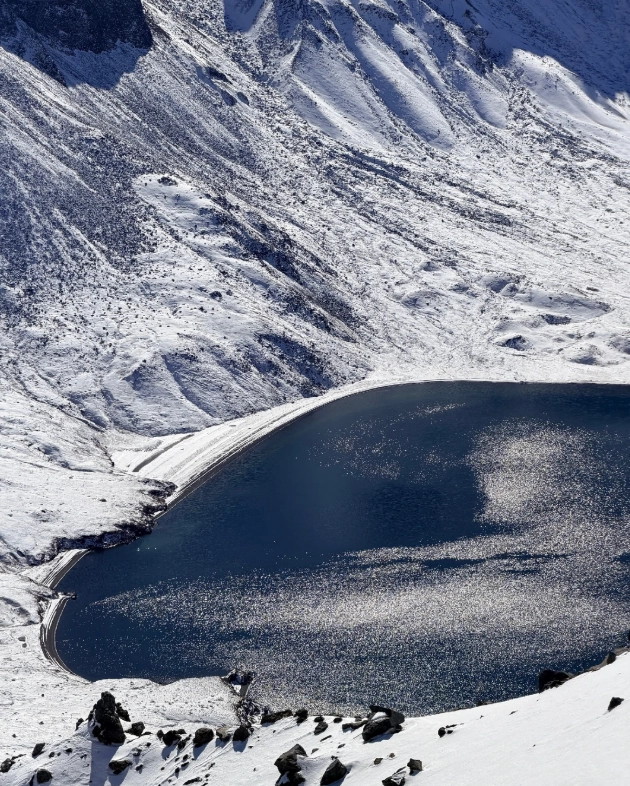
Pro Tip: Screenshot your hotel's name and full address in Chinese characters before you leave Wi-Fi. Showing a driver a phone screen works a hundred times better than pronouncing a district name at 11 p.m.
What Is the Best Time of Year for Jilin Solo Travel?
There is no single best month, because Jilin is really three separate trips wearing one province's name. Pick the trip, then pick the dates.
Rime Ice Season Runs Late December to Mid-February
The rime is a weather event, not a calendar event, and it needs three things at once: air below about minus 20, open water in the Songhua River, and almost no wind. Miss any one of those and you get a grey, ordinary morning and a lot of frozen fingers for nothing.
The river stays liquid through winter because of the Fengman Dam discharge upstream, which is what feeds the mist that freezes onto the trees. Warm spells kill it. I have watched people arrive on a mild January day, see nothing, and fly home convinced the whole thing is a marketing trick. Give yourself three mornings in Jilin City. Three is usually enough.
Ski Season, and the Chinese New Year Trap
Chinese New Year week is the single worst seven days of the winter to be in Jilin — not because of the snow, but because half the country is on the same train. Lift lines at Beidahu and Songhua Lake triple, hotel rates in Jilin City and Yanji double, and the Changbai Mountain shuttle turns into a queue that eats your entire day.
Late February is my honest recommendation. Snow base is still deep, daytime temperatures climb into a manageable range, prices fall back, and the rime still fires on cold mornings. Early December is the other sweet spot, though some runs may not be fully open.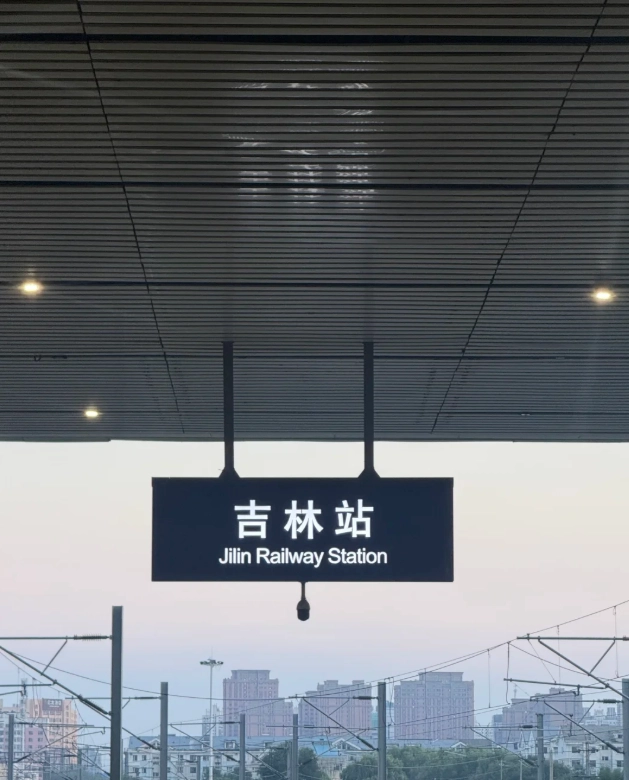
Changbai Mountain: Two Windows That Actually Work
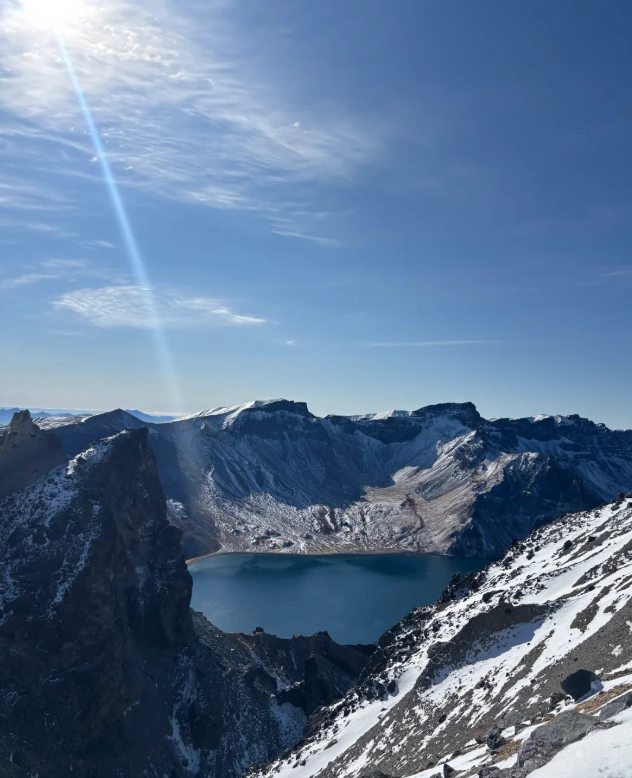
You get roughly two reliable windows for the crater lake — late January into February, and the second half of September. The lake sits above 2,000 meters, and cloud cover hides it most of the year. Locals say you need luck. What you actually need is a second day as a buffer.
July and August are the busiest months and the wettest. If your only reason for coming is that blue crater rim, summer is a coin flip with a crowd attached.
How Do You Get Around Jilin Without a Car or a Guide?
Trains. Almost always trains. The high-speed network here is modern, cheap and easy to use with a passport, and it removes the biggest solo-travel anxiety in northeast China — being stranded somewhere rural with no way back.
| Route | Best Transport | Journey Time | Approx. Fare | How to Book |
|---|---|---|---|---|
| Longjia Airport to Jilin City | Intercity train from the airport's own station | 30–40 min | Under 40 RMB | 12306 app or ticket window with passport |
| Changchun to Jilin City | High-speed rail | About 40 min | 30–60 RMB | 12306 |
| Jilin City to Yanji | High-speed rail, direct | 2.5–3 h | 150–200 RMB | 12306 |
| Yanji to Tumen | High-speed rail | 20–25 min | Under 30 RMB | 12306 |
| Changchun to Changbai Mountain station | High-speed rail, change at Dunhua | 4–5 h | 250–350 RMB | 12306 |
| Changbai Mountain station to Baihe town | Local shuttle or taxi | 20–30 min | 20–50 RMB | Arrange on arrival |
Fares move with season and class, so treat those numbers as planning estimates and confirm inside the app before you commit. Between 7 and 9 a.m. and again from 5 to 7 p.m., Changchun traffic is bad enough that a 15-minute taxi ride becomes 40. Take the metro instead.
The Airport Trick Almost Nobody Uses
Changchun Longjia Airport sits directly on the Changchun–Jilin intercity line, so you can skip Changchun entirely and be in Jilin City within the hour. Most foreign travelers don't know this and book a taxi into Changchun, spend a night there, then take a train the next morning — a full day wasted.
Follow the signs from arrivals to the railway station. It is a walk of several minutes, not a shuttle ride. If your flight lands late, the last trains go early enough that you should check schedules before booking, and a taxi from the airport to Jilin City is a long, expensive ride you want to avoid at midnight.
Booking Trains with a Passport on 12306
The official China Railway 12306 platform has a working English interface, but the passport verification step is where solo travelers get stuck. You register, add your passport number, and then wait for manual review that can take a day or two.
Do it before you fly. If the verification stalls, buy through Trip.com instead — you pay a small booking fee and skip the frustration. Either way, you need the physical passport to board. There is no e-ticket gate for foreign documents at most stations; you go to the manual counter and show the document to a human.
Station security opens about an hour before departure in small cities. Arriving 25 minutes early is plenty.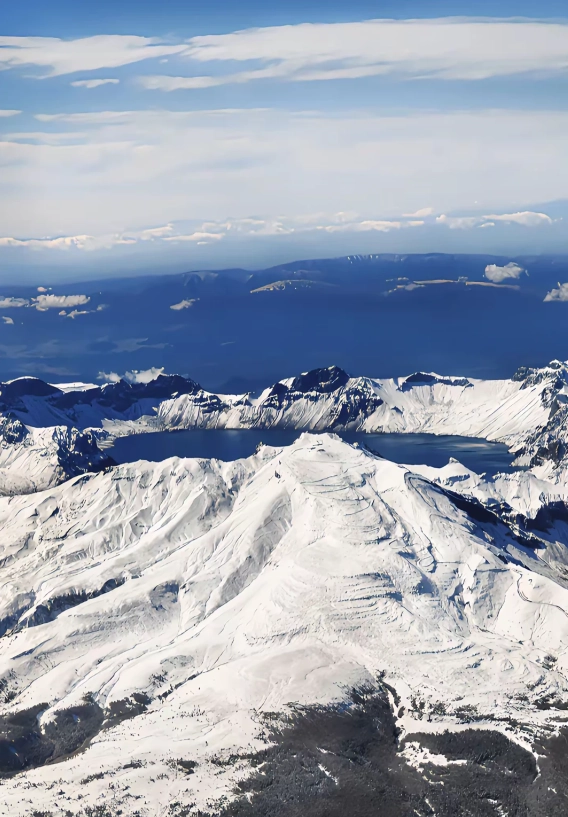
The Rime Ice Morning in Jilin City, Hour by Hour
This is the day people come for. It is also the day most people ruin by arriving at the wrong hour.
05:15 — Wake up. Yes, really. Rime burns off as the sun hits it, and by 10 a.m. you are photographing bare branches.
05:45 — Leave the hotel. Order a Didi through Alipay or the Didi app. Do not try to flag a taxi on the street at this hour; you will stand there for twenty minutes losing light.
06:30 — Arrive on the riverbank. There are two options here, and I have strong feelings about both.
The famous Rime Island, upriver in Wusong, is the postcard location. It charges an entrance fee that shifts with the season, requires a short ferry or bridge crossing, and takes roughly an hour by car from central Jilin City. When the rime is heavy, it is genuinely spectacular. When it is light, you have paid a fee and burned two hours of sleep for a mediocre view.
The free alternative is the Songhua River embankment inside Jilin City itself, plus the wooded slopes of Beishan Park. I send first-time visitors here. You get 80 percent of the photographs, you are ten minutes from a hot breakfast, and if the rime fails you have lost nothing but sleep.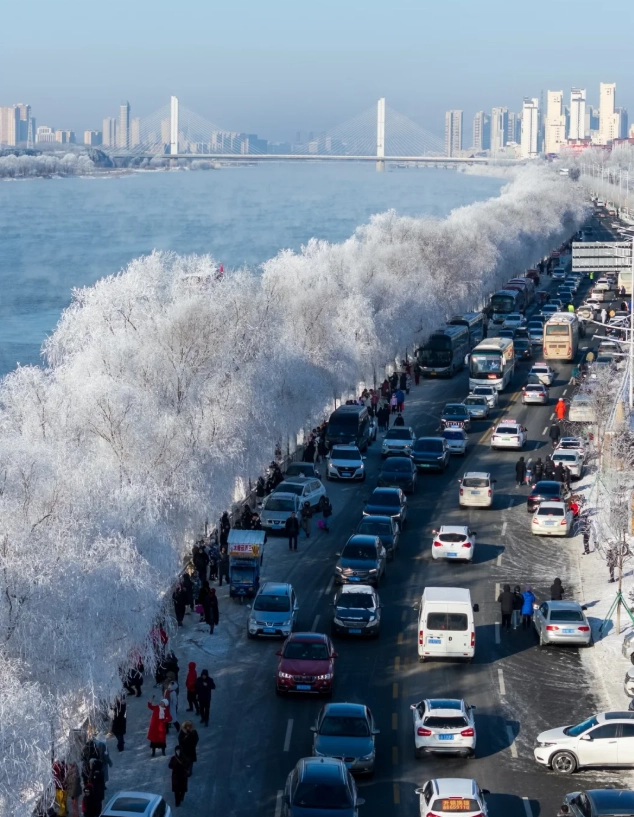
Insider Advice: The riverbank faces east. Shoot into the sunrise for silhouettes and backlit mist — that is where the good frames are. If you want front-lit detail, walk to the opposite bank and shoot back toward the city.
08:30 — Breakfast. Find a dumpling or congee shop near your hotel. Order by pointing. It will be cheap, hot and exactly what you need.
10:00 — Optional second stop. If the rime was heavy and you still have energy, the riverside parks further upstream hold frost longer because they sit in shade.
12:00 — Warm up. This is when you take the afternoon train onward to Yanji or back to Changchun. Do not book an evening train and then spend five hours killing time in a cold city.
Changbai Mountain Solo: Which Slope Should You Pick?
Changbai Mountain is not one entrance. It is three, each with its own gateway town and its own logistics, and picking wrong costs you a day.
| Slope | Gateway Town | Access to the Crater | Crowd Level | Best For |
|---|---|---|---|---|
| North | Baihe | Longest transfer, most scenery en route | Heaviest | First-timers, waterfalls, hot springs |
| West | Songjianghe | Shorter transfer | Moderate | Wanda resort guests, alpine meadow in summer |
| South | Changbai County | Closest to the rim | Lightest | Repeat visitors, escaping peak season |
For a solo traveler without a car, the north slope is the right answer. Baihe town is walkable, guesthouses cluster around the shuttle bus hub, and you can book the whole thing the night before through Trip.com or the official WeChat mini-program.
Here is the part that surprises people: the ticket is not one price. It is a stack. An entrance ticket, a mandatory shuttle inside the scenic area, and a separate jeep transfer for the final climb to the crater rim. Prices are adjusted almost every season, so I never quote a total — I tell clients to budget for a few hundred RMB and confirm the current figure at the ticket hall or in the booking app. Bring your passport. It is required for the实名 registration that every scenic area in China now runs on.
The jeep ride to the rim is not for anyone with back problems. It is a fast, winding climb in an open-sided vehicle, and at the top it is often 10 to 15 degrees colder than the town below, with wind that makes it feel worse. I have watched people in sneakers and a hoodie reach the rim, take one photo, and run back to the jeep. Rent the padded coat at the base station. It costs very little and you will not regret it.
If the crater is closed — which happens on windy or cloudy days with no refund drama, just a notice board — do not sit in your guesthouse. The misty river valley at Mojie, a short drive from Baihe, is at its best on exactly those cold, still mornings. Few foreigners go. That is part of the appeal.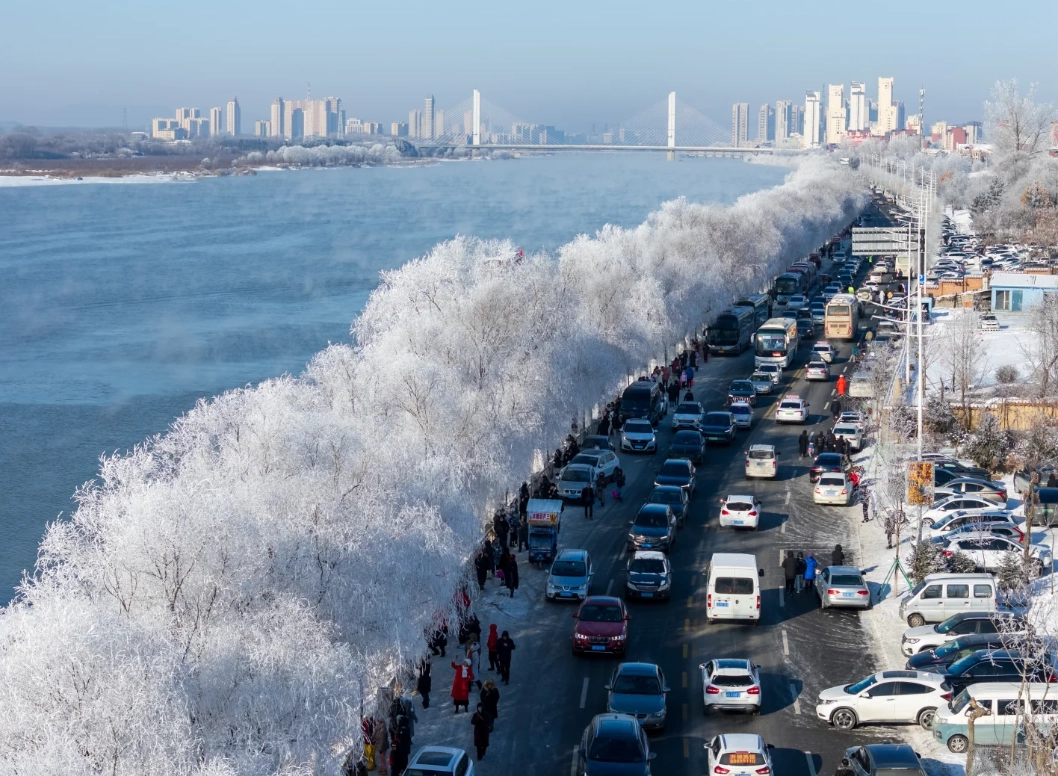
Skiing Solo in Jilin: Beidahu vs Songhua Lake vs Wanda
Jilin's ski terrain is the reason Chinese skiers fly north, and the three main resorts suit completely different solo travelers.
| Resort | Base | Best For | Typical Season | Solo Notes |
|---|---|---|---|---|
| Beidahu | About 1.5 h from Jilin City | Steep, long runs, confident skiers | Late Nov to early Apr | Village hostel beds exist; English-speaking instructors are hit and miss |
| Vanke Songhua Lake | About 40 min from Jilin City | Day trips, beginners, intermediate | Late Nov to Mar | Closest resort to a city hotel, rentals and lockers on site |
| Changbai Mountain Wanda | Songjianghe | Resort comfort, families, hot springs | Nov to Mar | Everything walkable inside the resort; the priciest of the three |
Songhua Lake is my pick for a solo skier on a short trip. You sleep in Jilin City at a normal price, take a morning shuttle or Didi out, ski a full day, and eat dinner in town. Beidahu is the better mountain, but staying out there without a car means relying on resort shuttles that thin out after dark.
Book lessons in advance and be specific about language. Group lessons are conducted in Mandarin. If you need English instruction, ask the resort's guest services desk directly and expect to pay for a private session.
Yanji Solo: The Best Food City in Northeast China
Yanji is a Korean-Chinese city where street signs are in two scripts, coffee culture is serious, and dinner costs a fraction of what it would in Seoul.
Go to the water market before 8 a.m. It is a working wet market, not a tourist attraction, and the food stalls wind down as the morning goes on. Ask your hotel to write the name in Chinese for the driver. Inside, you will find rice cakes, blood sausage, pickles by the kilo, and grandmothers who will feed you samples whether you asked or not.
Around Yanbian University there is the densest cluster of barbecue restaurants in the province. Order thinly sliced beef, grill it at the table, wrap it in lettuce with garlic and fermented bean paste, and finish with cold buckwheat noodles. Expect to pay well under 100 RMB per person for a serious meal. Most places take WeChat Pay and Alipay only. A few take cash. Almost none take foreign cards.
- Cold noodles — served in iced broth, sometimes with a slice of pear. Sweet, sour, and much better than it sounds
- Rice sausage — chewy, mild, best dipped in salt and sesame oil
- Korean-Chinese barbecue — the beef is the point; the side dishes are free refills
- Rice wine — milky and lightly fizzy, sold by the bowl. Go easy; it is stronger than it tastes
Tumen is an easy day trip, 20 minutes by train. The border park looks across the river into North Korea, and on a clear day you can see a town on the far bank. Carry your passport — border areas have identity checks, and some riverside sections are restricted. Do not photograph anything marked with a warning sign.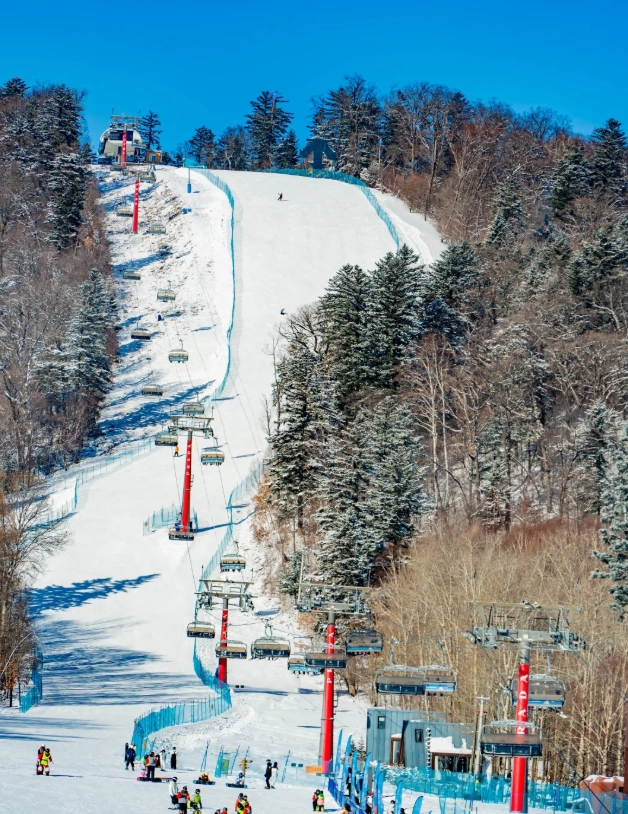
Where Should a Solo Traveler Stay in Jilin?
| Area | Best For | Price Band per Night | Transport Reality | Solo Notes |
|---|---|---|---|---|
| Changchun, People's Square area | First night, international brands, jet lag | 400–900 RMB | Metro nearby, roughly 15 min to the HSR station by Didi | English at the front desk is common here |
| Jilin City, near the railway station | Rime ice mornings | 180–450 RMB | Walk to the HSR station, 25 min by Didi to the riverbank | Ask for an east-facing room on a high floor |
| Yanji, around Yanbian University | Food crawls, cafés, walkability | 200–500 RMB | Walkable to the barbecue streets, 15 min to the HSR station | Best late-night eating in the province |
| Baihe town, north slope | Changbai Mountain | 150–600 RMB | Short walk to the shuttle hub | Guesthouses store luggage after checkout |
| Wanda Resort, Songjianghe | Ski-in, ski-out comfort | 700–1500 RMB | Internal shuttle, about 30 min from the HSR station | Everything is charged to your room |
Domestic chains are the sweet spot for solo budgets. Atour is reliably clean and well designed. Hanting and Jinjiang Inn are cheaper and more basic but everywhere. International brands concentrate in Changchun and price up sharply in ski season.
Pro Tip: Not every Chinese hotel is licensed to register foreign guests. Before booking a cheap guesthouse, message the property and ask directly whether they accept foreign passports. The ones that don't will usually cancel your booking at check-in, and that is a very bad night in February.
Money, Apps and the Digital Pain Points Nobody Warns You About
Set up Alipay and WeChat Pay before you fly, link an international card, and complete the passport verification while you still have reliable internet. Once that works, 95 percent of your spending problem disappears. Both apps accept most major foreign cards now, though your bank may flag the first few transactions.
Cash is legally required to be accepted, and in practice small shops and rural stalls may still wave it away or struggle to make change. Carry a few hundred RMB in small notes as backup.
Physical foreign credit cards work at mid-range and up hotels, big shopping malls and international-brand stores. They do not work at noodle shops, ski rental counters or market stalls.
Navigation is the second trap. Google Maps is unreliable in mainland China — the data is offset and often simply wrong. Use Apple Maps, which handles English addresses reasonably well, or download Amap and get comfortable with its quirks. For taxis, Didi has an English mode, and Alipay also has a Didi mini-app inside it.
Install your VPN and your translation app before arrival, not after. Apple Translate handles offline Chinese well, and the camera function is the single most useful tool you will carry. For visa-free transit rules and entry requirements, the National Immigration Administration publishes the current official guidance, and it changes more often than most blogs admit.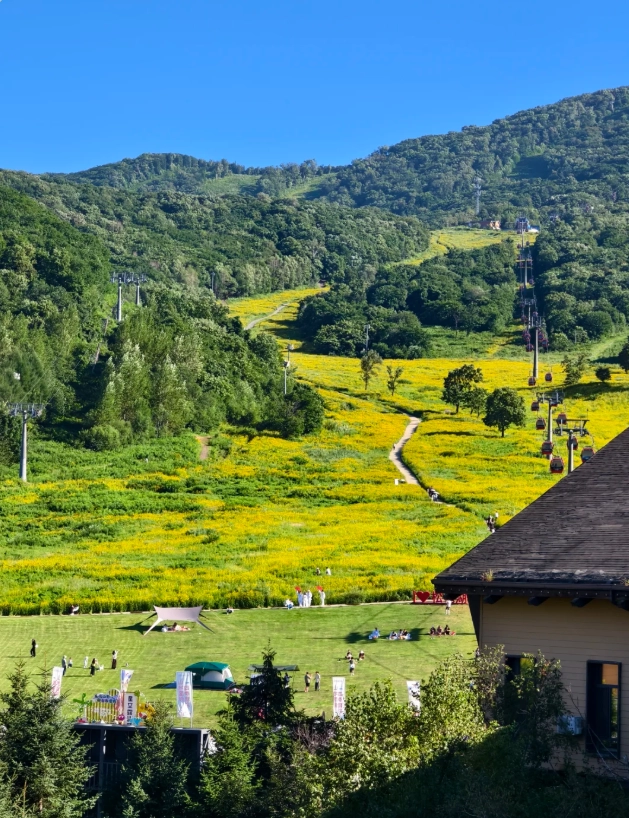
Is Jilin Safe for a Solo Traveler?
Violent crime against tourists is close to a non-issue here. The cold is the actual danger, and almost nobody treats it that way.
I have seen more injuries from black ice on sidewalks than from anything else. Wear boots with real grip, walk slower than feels natural, and watch for the polished patches near station exits and under shop awnings where drips refreeze overnight.
Your phone battery will die in minutes at minus 20. Keep it in an inside pocket against your body and carry a power bank in the same warm place.
- Ignore taxi touts outside train stations — use Didi or the official queue
- Keep your passport on you in border towns such as Tumen and Hunchun
- Buy travel insurance that covers winter sports if you plan to ski
- English-speaking hospitals are concentrated in Changchun, so plan accordingly if you have a medical condition
I will be honest about one thing that frustrates me: the digital layer of travel in China is genuinely harder than it needs to be, and even I get stuck in a Chinese-only mini-program at a ticket counter. The fix is unglamorous. Ask the hotel front desk to book it for you. In my experience they will do it without a second thought, and it saves you an hour of staring at a screen.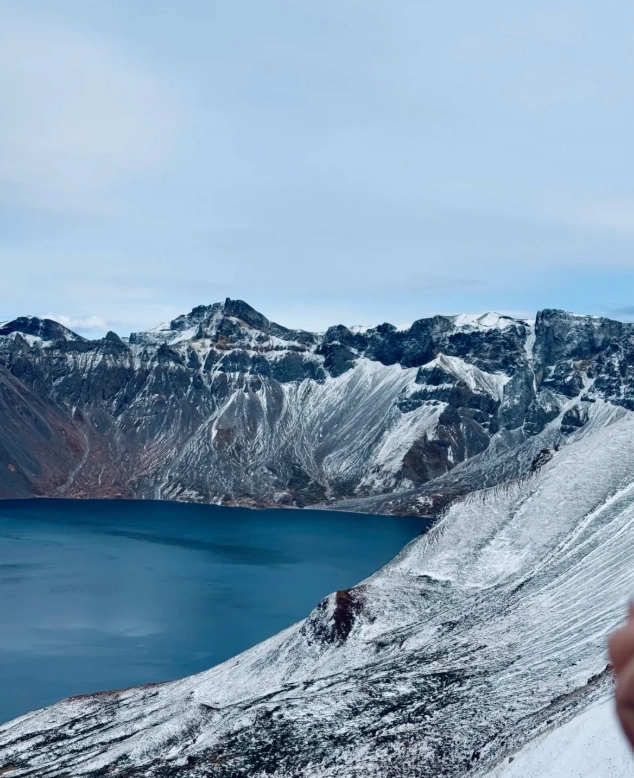
A 7-Day Jilin Solo Itinerary You Can Actually Follow
Day 1 — Changchun. Land, eat, sleep. If you arrive before mid-afternoon, the Puppet Emperor's Palace is a worthwhile two hours and the one major sight here where you can usually buy a ticket at the gate with your passport. Note that Chinese museums frequently close on Mondays, so verify before you build a day around one.
Day 2 — Train to Jilin City. Forty minutes. Walk the Songhua River embankment in the late afternoon, then Beishan Park. Eat hot pot near your hotel and sleep early. Tomorrow starts before dawn.
Day 3 — Rime morning, then Yanji. Riverbank by 6:30 a.m. Breakfast at 8:30. Midday train to Yanji, arriving mid-afternoon. Barbecue for dinner.
Day 4 — Yanji. Water market at dawn, coffee and a slow morning, university district for lunch, cold noodles for dinner. Do not over-schedule this day. Yanji rewards wandering.
Day 5 — Tumen day trip. Twenty minutes each way. Back in Yanji by mid-afternoon for a final food crawl.
Day 6 — Train to Baihe. Roughly four to five hours with a change at Dunhua. Afternoon hot springs. Early night.
Day 7 — Changbai Mountain north slope. First shuttle up, crater rim if it is open, back down by late afternoon.
If you only have 24 hours in Jilin Province — which happens more often than you would think with business travelers — skip Changchun entirely. Land at Longjia, take the intercity train to Jilin City, sleep near the station, shoot the rime at dawn, eat breakfast, and fly out. That single morning is the province's best hour.
Weather backup plans. Heavy snow or a closed crater? Baihe's hot springs, the misty river valley at Mojie, and the forest park at Lushui River all hold up in bad weather. In Jilin City, the city museum and any of the tea houses along the river will absorb an afternoon. For summer thunderstorms, Changchun's museums are the obvious indoor fallback.
One more thing worth knowing: the UNESCO World Heritage listed Koguryo tomb murals near Ji'an, in the far south of the province, are genuinely extraordinary and almost no foreign traveler sees them. The UNESCO World Heritage Centre lists them under the Capital Cities and Tombs of the Ancient Koguryo Kingdom. Getting there takes commitment, and that is exactly why it is quiet.
Solo Traveler Questions I Answer Most Often
Can I do Changbai Mountain alone without joining a tour group?
Easily, and you should. The north slope runs on a fixed shuttle and jeep system that anyone with a passport can use. Book through Trip.com or the official mini-program, stay in Baihe town, and walk to the shuttle hub in the morning. The only reason to pay for a group is if you want someone else handling the booking — which is a real convenience, but not worth tripling your cost.
Is Jilin too cold for a solo traveler in January?
It is cold in a way that requires respect rather than fear. The mistake I see most is people buying one enormous coat and ignoring their feet. Insulated boots with grip matter more than the jacket. Add thermal base layers, gloves you can operate a phone with, and a hat that covers your ears. Plan indoor breaks every two hours and you will be fine.
What happens if the Changbai Mountain crater is closed on my only day?
You will not get a refund, and arguing at the gate accomplishes nothing. The scenic area closes the rim for wind and visibility, not to inconvenience you. Build a spare day into your schedule if the lake is your main reason for coming. If you cannot, shift to the hot springs and the misty river valley at Mojie and treat the lake as a bonus rather than the point.
Do I need a permit to visit the North Korea border at Tumen?
Not for the standard riverside viewing areas, which are open to foreign visitors with a passport. Some sections along the river are restricted, and signs mark them. Carry your passport at all times in border towns — random identity checks do happen, and a hotel registration slip is not a substitute for the document itself.
Will anyone speak English in Jilin outside Changchun?
Assume not, and prepare for it rather than hoping. Hotel front desks in mid-range and up properties usually manage basic English. Restaurants, ticket counters and taxi drivers generally do not. Have your destinations written in Chinese, keep a translation app with an offline pack, and use the camera function on menus. It works better than pointing at pictures.
Verified and fact-checked by the editorial team. This content has been fact-checked to ensure informational precision.

No comments yet.