 Yan Zhou
Three gates. Two cards. One very confused tourist.
That was my Tuesday morning at Qingdao North Railway Station — watching a German couple tap a Visa card against a metro turnstile while a queue of commuters piled up behind them. Nobody was angry. They were just stuck, and the fix took me about ninety seconds on their phone.
Here is the thing nobody tells you before you land. Qingdao and Jinan both run metro systems that are clean, cheap, and faster than any taxi in rush hour — and both are built for people paying with a Chinese phone, not with your international bank card. I have booked rail tickets and mapped metro routes for clients across Shandong for years, and the questions I get are almost never about which line to take. They are about QR codes, ticket machines, and which of Qingdao's three railway stations is the one they actually want.
So let me front-load the single most useful answer. Forget the ticket machines. Link your Visa or Mastercard to Alipay, open the Transport section, and activate the metro QR code for the city you are standing in. Four minutes, done, and it works on every line in Qingdao and Jinan. The rest — line picks, airport runs, Laoshan access, and the high-speed rail web that stitches this province together — is below.
Let's get you riding.
Jump Straight to What You Need
- What Shandong Metro Really Means
- How Do You Pay as a Foreigner?
- Qingdao Metro Lines Tourists Actually Use
- Jinan Metro: What It Covers and What It Doesn't
- The Rail Network That Acts Like a Metro
- How I'd Spend 24 Hours on the Metro
- Passport Rules and Rush-Hour Traps
- Straight Answers to Common Questions
What Shandong Metro Really Means
If you are searching for a Shandong metro guide, you are probably picturing one big system covering the whole province. There isn't one. Shandong has two separate city metros — Qingdao's and Jinan's — plus a third thing that behaves like a metro even though nobody calls it that: the high-speed rail spine running from Jinan across to the coast.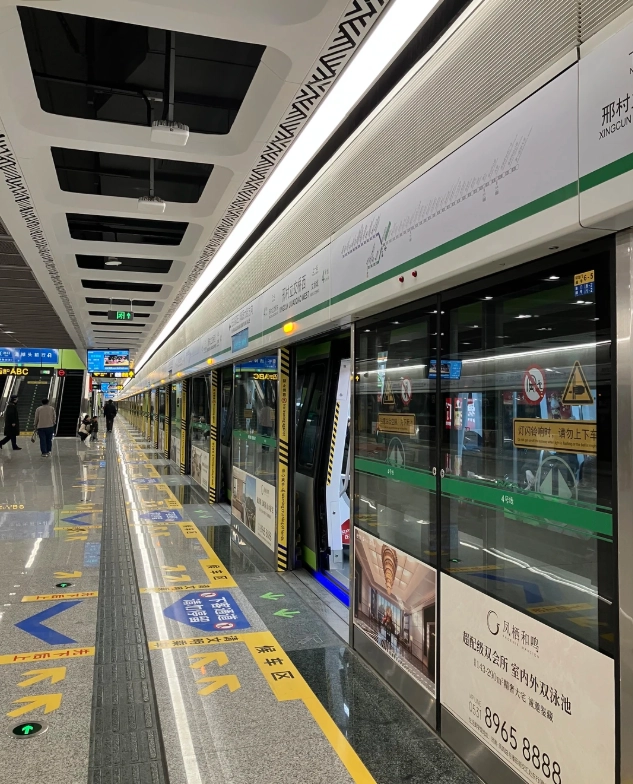
Two City Systems, One Province
Qingdao's metro is the one that will actually carry your itinerary; Jinan's is mostly a commuter and rail-connection tool. Qingdao has grown its network past 300 kilometres, with lines reaching the old town, the beaches, the airport and the Laoshan mountain area. New sections open every year or two, so the map you downloaded last summer is probably already out of date. Check the in-station map or the official Qingdao Metro app once you arrive rather than trusting a screenshot.
Jinan's network is smaller: three lines in service, plus an extension pushing out toward Yaoqiang International Airport. That is not a criticism. Jinan's metro was built to move commuters and to link the city's three railway stations, and it does that job well.
The Real Metro of Shandong Is the High-Speed Rail
For anyone visiting more than one city, the rail network is the transport system that matters. Trains from Jinan to Qingdao run all day, take roughly an hour and a half to two hours, and cost less than a mid-range hotel breakfast in Europe. Add Tai'an for Mount Tai and Qufu for the Confucius sites, and you can build a whole province trip without ever renting a car. Mount Tai and the Temple and Cemetery of Confucius at Qufu both carry a UNESCO World Heritage listing, which is reason enough to put them on the route.
Here is the part that catches people out. You cannot simply show up and buy a ticket at the counter with your foreign card. Chinese rail tickets are sold against your passport number, and popular departures sell out days ahead. Book through China Railway's official 12306 platform, which now has an English interface, or use Trip.com if you would rather pay by card and skip the app entirely.
How Do You Pay for the Qingdao and Jinan Metro as a Foreigner?
This is the question that generates the most panic, and honestly, the panic is justified. The gates do not take your card. The machines mostly do not either. But there is one route that works almost every time.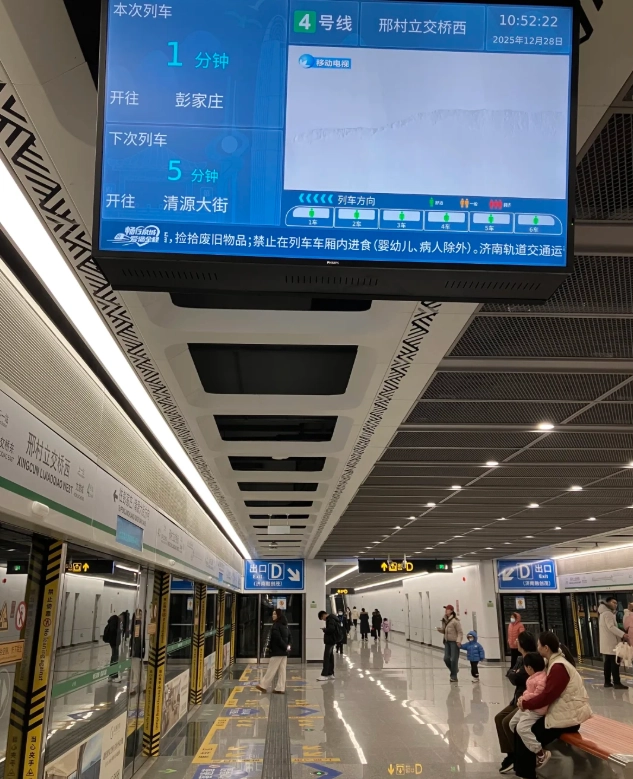
Alipay and WeChat QR Codes — the Only Method I Recommend
Set up Alipay's transport QR code before you fly, not at the turnstile. Open Alipay, find Transport, pick the city, and activate the metro code. You get a barcode that scans at the gate on both the Qingdao and Jinan systems. WeChat has an equivalent mini-program, but it is entirely in Chinese and the menu structure shifts around, which makes it a poor choice for a first-timer.
Two details nobody mentions. First, the metro QR code and the bus QR code are usually separate switches inside Alipay — activating one does not activate the other. Second, activation sometimes wants an SMS verification sent to your home number, so do it on hotel Wi-Fi with roaming turned on rather than standing in a station with no signal.
Ticket Machines, Cash, and the Passport Trap
Single-journey tickets are still sold, and they work fine — if you have the right money. Machines accept coins and small notes, and most newer ones let you scan Alipay or WeChat Pay directly at the screen. They do not take Visa, Mastercard or Amex. If you are paying cash, keep 5 and 10 yuan notes handy; whether a 100 yuan note is accepted depends on the individual machine.
And no, you do not need your passport to ride the metro. There is no real-name registration for city trains. You will need it for high-speed rail tickets, hotel check-in and some scenic-area bookings, so carry it anyway.
Should You Buy a Stored-Value Metro Card?
Skip it. Both cities sell rechargeable cards at service counters, and both come with a deposit plus a refund process that eats more time than the savings are worth on a short trip. The Alipay QR code does the same job with zero paperwork.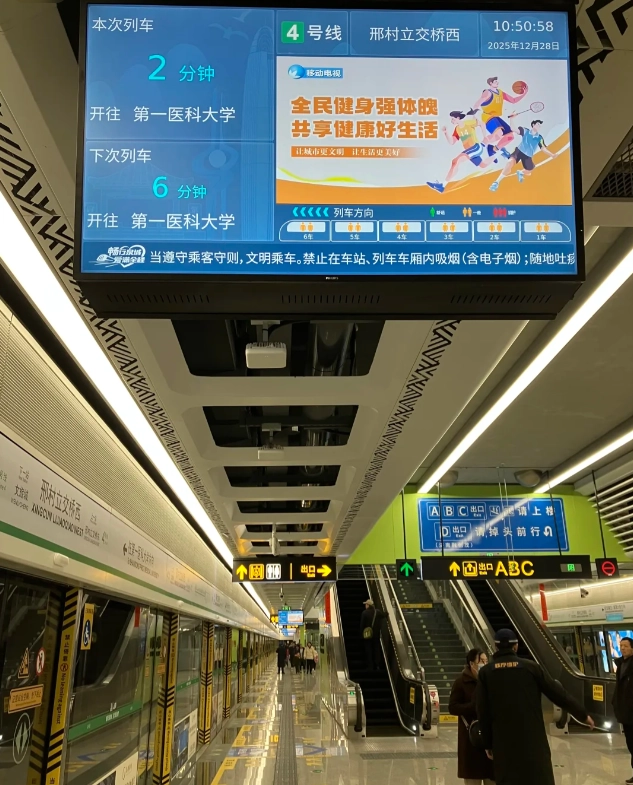
Qingdao Metro Lines Tourists Actually Use
| Line | Key stops for visitors | Best for | Heads-up |
|---|---|---|---|
| Line 1 | Qingdao Railway Station, Zhongshan Road, Taidong, Qingdao North | Moving between the old town and the northern rail hub | Very long line — check the direction on the platform sign |
| Line 2 | May Fourth Square, Taidong, Yan'erdao Road, Shilaoren Beach | Coastline, night market, beach days | Packed on summer weekends |
| Line 3 | Qingdao Railway Station, Zhongshan Road, Zhongshan Park, May Fourth Square | The classic first-timer loop | Busiest line — avoid 17:30 to 19:00 |
| Line 4 | People's Hall area, Dahedong for Laoshan | Reaching the southern Laoshan scenic area | Long ride — grab a seat early |
| Line 8 | Qingdao North, Jiaodong International Airport | Airport transfers | Some trains run express and skip stops |
| Line 11 | Beijiushui, northern Laoshan | Quieter mountain hikes | Slow; budget a full day |
| Line 13 | West Coast New Area | Only useful if you are staying across the bay | Far from downtown Qingdao |
Lines 1 and 3 — Old Town, Zhanqiao Pier, and the Rail Hub
If you only learn two lines, learn these. Qingdao Railway Station sits on both, and it is a five-minute walk from Zhanqiao Pier. Walk out, cross the road, and you are at the pier before 8am with almost nobody around. By 11am it is a selfie war, and I mean that literally — I have watched tour groups queue for a gap in the railing.
Zhongshan Road station puts you at the bottom of the old town's main street, with St. Michael's Cathedral a short uphill walk away. Line 3 to Zhongshan Park is three stops from the railway station, under ten minutes, and from there you walk south for about fifteen minutes into Badaguan, the old villa district. That walk is the best free thing in Qingdao.
Lines 2 and 4 — Coastline, Beaches, and Laoshan
Line 2 is your coastal workhorse. May Fourth Square, the Olympic Sailing Center stretch and Shilaoren Beach all sit on it, and it interchanges with Line 3 at May Fourth Square. It is also the line for Taidong, the night-market district, which is just two stops from May Fourth Square.
Line 4 is the Laoshan line — ride it to Dahedong, where shuttle buses climb into the southern scenic area around Taiqing Palace. Expect a main south-route ticket somewhere in the 100 to 130 yuan range plus a separate shuttle fee, and expect prices to shift with the season. Book ahead through the official Laoshan WeChat account or Trip.com, and bring your passport because scenic-area entry is tied to it.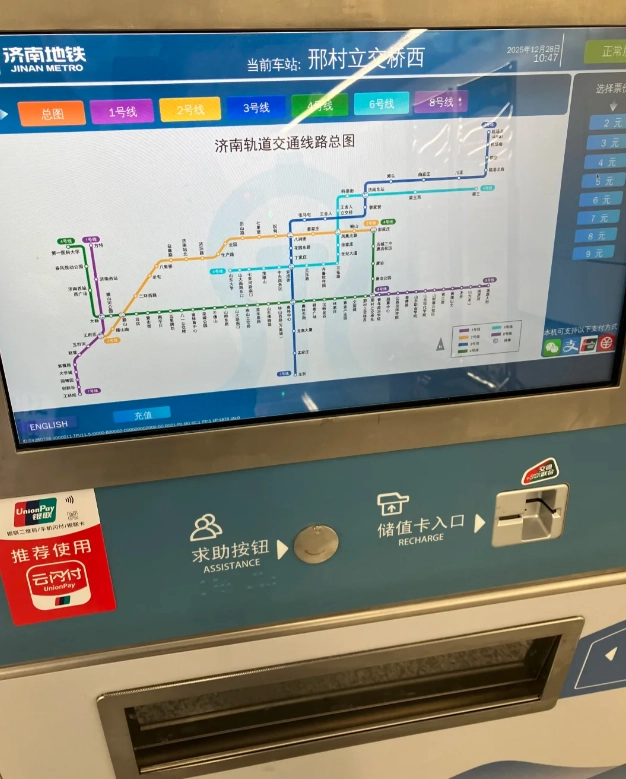
Insider Advice: the shuttle bus queue at Dahedong peaks between 09:30 and 11:00, when every tour group in the city arrives at once. I now send clients up after 13:00 — shorter queues, softer light on the bay, and you still get three solid hours on the mountain.
Lines 8 and 11 — Airport Runs and Northern Laoshan
Line 8 is the airport line. It connects Qingdao North Railway Station with Jiaodong International Airport in roughly 40 to 50 minutes. Some services run express and skip stops, so read the platform display instead of boarding the first train that arrives.
Line 11 is the odd one — a scenic suburban route heading north toward Beijiushui, the quieter northern entrance to Laoshan. It is slower than it looks on the map, and the walk from the station into the gorge adds time. Give it a full day or don't bother.
Jinan Metro: What It Covers and What It Doesn't
| Line | Route | Best for | Heads-up |
|---|---|---|---|
| Line 1 | Gongyanyuan to Fangte, via Jinan West Railway Station | Connecting with high-speed rail at Jinan West | Runs through the western suburbs, not the sights |
| Line 2 | Wangfuzhuang to Pengjiazhuang, east to west | Crossing the city; Jinan Railway Station North | Not walkable to the springs |
| Line 3 | Longdong to Jinan East Railway Station | Jinan East rail connections, Olympic Sports Centre area | No historic sights along the route |
Which Jinan Lines Are Worth Your Time
Line 1 links Jinan West Railway Station, which is where most high-speed trains from Beijing and Shanghai arrive. Line 2 crosses the city east to west and interchanges with Line 1 at Wangfuzhuang. Line 3 runs out to Jinan East Railway Station. So if your trip involves arriving by rail and connecting onward, the Jinan metro is genuinely convenient.
If your trip involves seeing springs and old streets, it is not.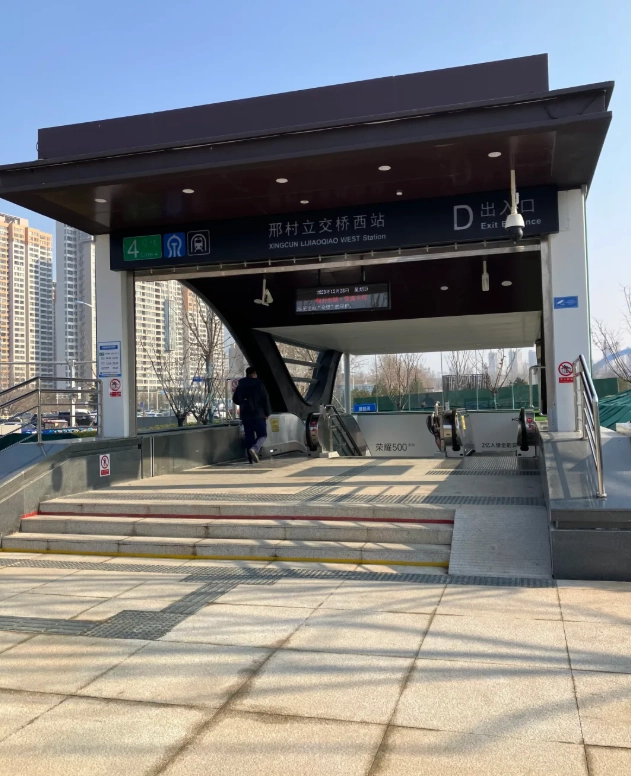
Getting to Baotu Spring and Daming Lake Without the Metro
Baotu Spring, Daming Lake and the Kuanhouli food street sit in the old city, and the current lines do not reach them comfortably. The practical move: ride Line 2 to Jinan Railway Station North, walk out to the main road, and take a Didi or taxi. It is roughly 10 to 15 minutes and around 12 to 15 yuan to the Baotu Spring area. Buses are cheaper and slower — ask your hotel reception to write the destination in Chinese characters so you can show the driver.
A fourth line is under construction and will eventually run much closer to the springs. Until it opens, treat the metro as your rail connector and your phone as your taxi-hailing tool. Check the official Jinan Metro channels before you build a plan around it.
The High-Speed Rail That Acts Like Shandong's Real Metro
| Route | Typical fastest time | Stations you'll use | Best for |
|---|---|---|---|
| Jinan West to Tai'an | About 20 minutes | Tai'an, Taishan | Mount Tai day trip |
| Jinan to Qingdao North | About 1h 30m to 2h | Jinan, Jinan North, Zibo North, Weifang North, Qingdao North | Cross-province hop |
| Jinan West to Qufu East | About 30 to 40 minutes | Qufu East | Confucius Temple and Cemetery |
| Qingdao to Yantai | About 1h 30m to 2h | Yantai, Yantai South | Extending the trip up the coast |
| Qingdao to Weihai | About 2h to 2h 30m | Weihai | Coastal extension at a slow pace |
How to Book Shandong Rail Tickets with a Passport
Chinese high-speed rail is the best-value transport in the country, and booking it is easier than it used to be. Register on 12306 with your passport number, or use Trip.com if you want an English interface that accepts international cards. Your ticket is electronic and tied to your passport — you scan the passport at the gate, no paper required.
Arrive 40 minutes before departure for your first trip. Stations here are large, security lines exist, and platforms close a few minutes before the train leaves. Nobody holds the door for you.
Also, Shandong's rail stations are not always where you think. Qingdao has three: Qingdao Station in the old town, Qingdao North, and Qingdao West out in the West Coast New Area. If a booking site offers you Qingdao West and your hotel is near Zhanqiao Pier, that is a long and expensive mistake.
How I'd Spend 24 Hours Using Only the Shandong Metro
Morning — Old Town Before the Crowds
Start early and you will have the waterfront to yourself. Ride Line 1 or Line 3 to Qingdao Railway Station around 07:00, then walk five minutes to Zhanqiao Pier. Walk up Zhongshan Road to St. Michael's Cathedral by 08:30 — there is decent coffee on the side streets, and the light on the cathedral is at its best before the sun swings around.
At 10:00, take Line 3 three stops to Zhongshan Park and walk south for fifteen minutes into Badaguan.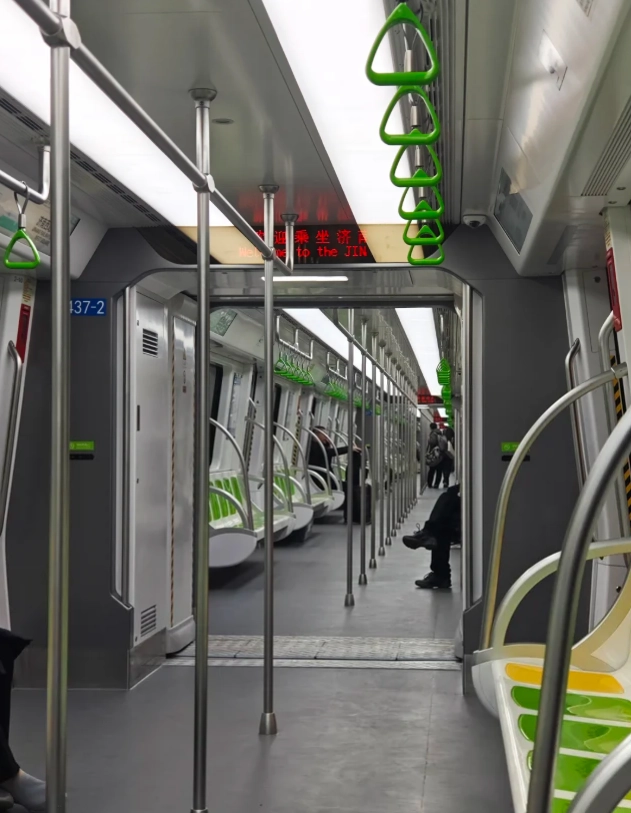
Afternoon — Coast or Mountain, Your Call
Line 3 back to May Fourth Square takes about thirteen minutes and puts you in the middle of the lunch options. From 14:00 you have a fork in the road. Option A is Line 2 to Shilaoren Beach for a relaxed coastal afternoon. Option B is Line 4 to Dahedong for Laoshan, which needs a full afternoon and decent legs.
By 17:30, head back toward the centre on Line 2 or 3. If you are carrying luggage, wait until after 19:00 — that 17:30 to 19:00 window is when the whole city changes shifts.
Evening — Taidong Night Market
Taidong is two stops from May Fourth Square on Line 2 and it is where I send anyone who wants street food without a tourist markup. Eat skewers, then walk roughly twelve to fifteen minutes west along Dengzhou Road toward the Tsingtao Brewery Museum area if you still have energy.
Rain Plan B
When the coast is a washout, go indoors. Swap the beach for the Tsingtao Brewery Museum — Line 2 to Taidong, then that same short walk — or ride Line 3 toward the museum district for an indoor afternoon. Both are covered by the same metro QR code, and both beat standing on a seafront in a downpour.
Passport Rules and Rush-Hour Traps
Before you fly, confirm your entry paperwork. Rules for European and North American passport holders shift regularly, so check the National Immigration Administration rather than relying on a forum post from three years ago.
Security Screening Won't Slow You Down Much
Every station has an X-ray belt and a metal detector. Bags go through, you walk through, that is it. If you are carrying a water bottle, staff may ask you to take a sip or hold it against a scanner. Two minutes, tops — except at the biggest interchange stations during rush hour.
Rush Hour Is Real — Here's When to Avoid It
Weekday mornings from about 07:30 to 09:00 and evenings from 17:30 to 19:00 will test your patience, particularly on Qingdao Line 3 between the old town and May Fourth Square. Travelling with luggage? Wait half an hour or call a Didi. Summer weekend afternoons are heavy on Line 2 too, mostly beach crowds heading home.
Google Maps Will Lie to You
Google Maps is unreliable in mainland China, and metro exits are where it fails hardest. Exit letters on the map often do not match the exits on the ground. Use Apple Maps, or install Amap — also marketed as Gaode — which has an English-friendly global mode and accurate station exits. Screenshot your route in Chinese characters before you go underground, because station Wi-Fi is patchy and mobile data drops inside tunnels.
Two more small things. Download a VPN before you arrive if you want Google, Gmail or Instagram, and install a translation app with the offline Chinese pack. And eating or drinking on the train is technically against the rules on both systems. You will see locals ignore it, but you do not want to be the tourist who gets told off in front of a full carriage.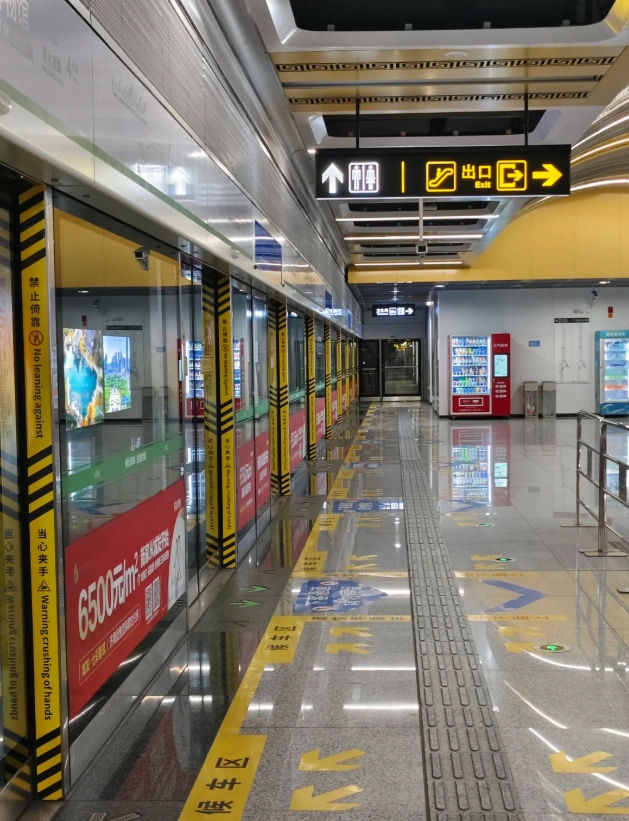
Straight Answers to the Metro Questions I Get Most
Can I tap a foreign credit card directly on the Qingdao Metro gates?
Not reliably, and I would not build a plan around it. Physical Visa, Mastercard and Amex cards do not work at the turnstiles, and most ticket machines reject them too. The workaround is Alipay: link your card, open the Transport section, activate the city QR code, and scan that at the gate. Do it on hotel Wi-Fi the night before, because activation occasionally needs an SMS to your home number and station signal is unreliable.
Is the Jinan metro actually useful for sightseeing?
Barely, and I would rather you know that now than after you have walked two kilometres from a station with nothing around it. Jinan's lines were built for commuters and rail connections. Ride Line 2 to Jinan Railway Station North, then take a Didi for 10 to 15 minutes to the Baotu Spring area. It costs around 12 to 15 yuan and saves you a hot, pointless walk.
I land at Qingdao Jiaodong Airport at 11pm — can I still reach the city by metro?
Possibly, but check the last-train board at the station rather than assuming. Metro services generally stop between roughly 22:00 and 23:00, and each line has its own final departure. If you miss it, use the official taxi rank or hail a Didi through Alipay — expect a metered fare well over 100 yuan and 45 to 60 minutes to the old town. Ignore anyone approaching you inside the terminal offering a ride.
Do I need a VPN just to use the metro and buy tickets?
Not for Alipay, which works fine on Chinese networks, but you will want one for Google Maps, Gmail and Instagram. Install the VPN before you fly, because downloading it after arrival is the part people get stuck on. Pair it with a translation app that has the offline Chinese pack — WeChat mini-programs for metro and scenic-area bookings are Chinese-only, and if the interface defeats you, hand your phone to your hotel receptionist and let them tap through it.
Are the Qingdao and Jinan metros manageable with a stroller or a wheelchair?
Newer lines are genuinely good — lifts down to platform level and full-height platform screen doors. Older interchange stations are patchier, and a handful of exits are stairs only. Look for the lift symbol on the concourse exit map before you commit to a direction, and remember the gap between train and platform can be wider than you expect. Station staff will help if you ask, though English is limited.
Verified and fact-checked by the editorial team. This content has been fact-checked to ensure informational precision.

No comments yet.