Chongzuo Travel FAQ
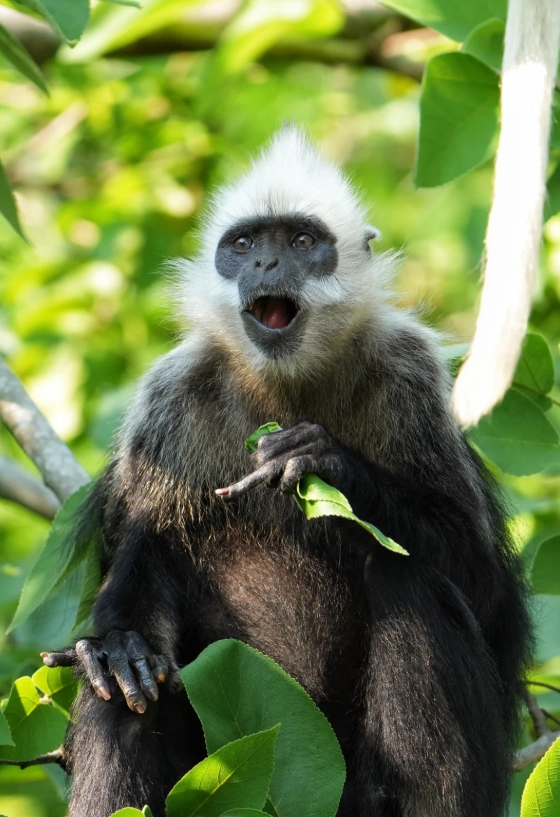
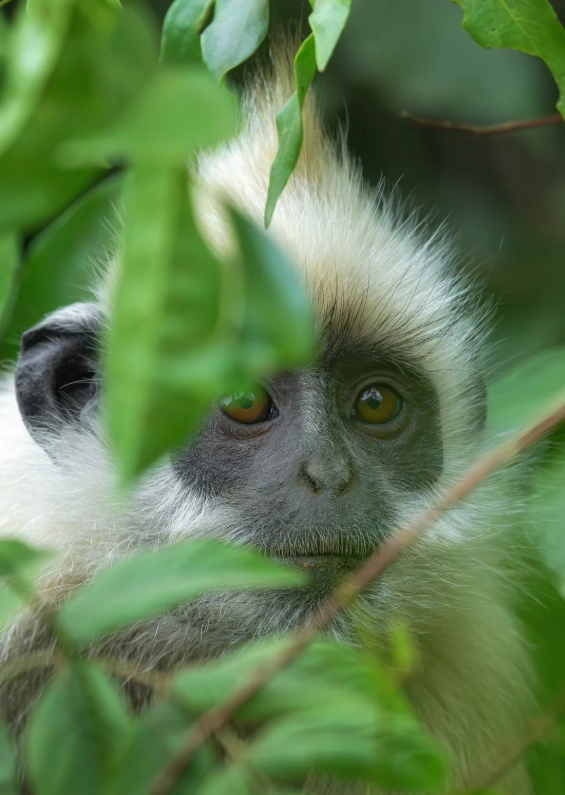
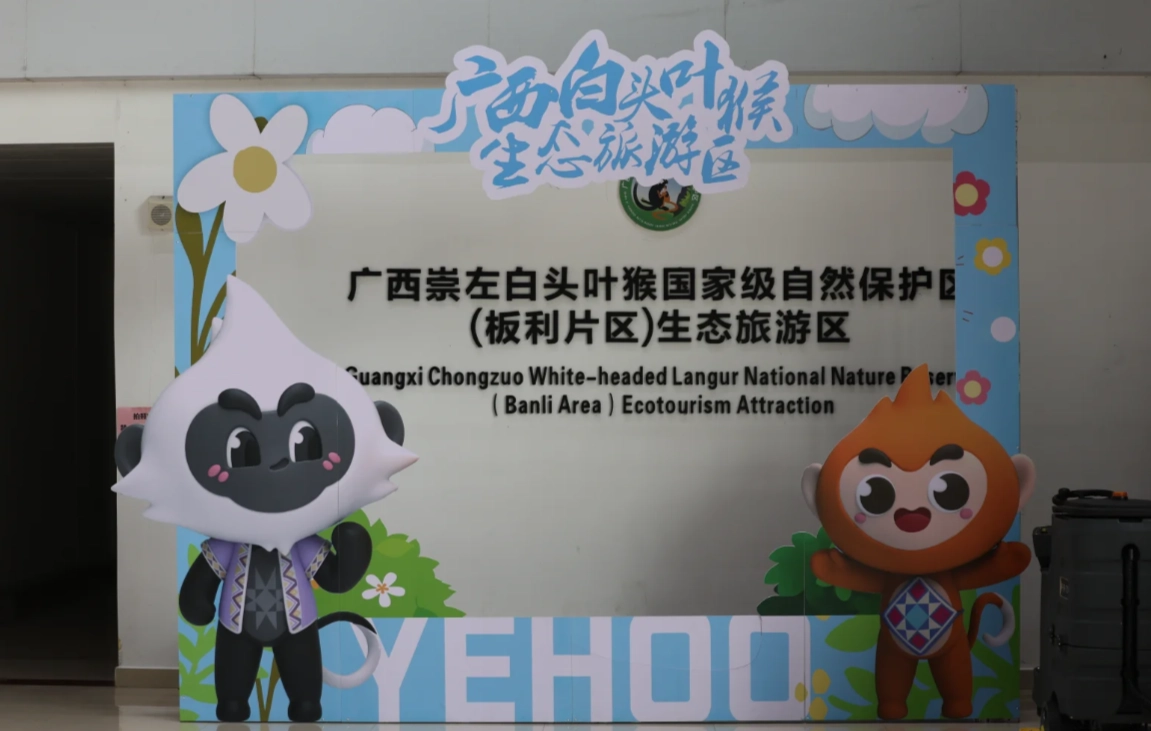
Can I buy White-headed Langur National Nature Reserve tickets at the gate?
Technically yes, but it's a gamble. The gate can sell remaining tickets, but they usually require a Chinese phone number to complete the e-payment. If you have a Chinese friend or your hotel can make a call, you might get in. Otherwise, you risk a wasted trip. I strongly recommend pre-booking online — it takes minutes and guarantees entry.
Do I need a passport to book White-headed Langur National Nature Reserve tickets?
Absolutely. China's real-name registration system requires your passport number, and the entrance staff will scan it against your ticket. If you arrive with a different document (like a driver's license), you'll be turned away. Even if you book through Trip.com, enter the passport details exactly as they appear in the visa.
Are there discounts for White-headed Langur National Nature Reserve tickets?
In theory, yes. Children under 1.2 meters are free, and seniors over 60 get 50% off with a valid passport. Students reportedly get half price, but in practice, many foreign student IDs are not accepted. The discount is meant for full-time Chinese students, so unless you have a Chinese-issued student card, expect to pay the full adult fare.
How long should I spend at the White-headed Langur National Nature Reserve?
Plan for 3 to 5 hours. The main trail is about 4 kilometres with a few steep climbs. If you're a fast hiker, you could finish in 2.5 hours, but you'll miss opportunities to spot langurs. I always allocate a full morning — arrive at 8:30, walk slowly, and take breaks at the viewpoints. The afternoon is better spent at Chongzuo's other attractions.
What's the best way to combine a visit to the reserve with other attractions in Chongzuo?
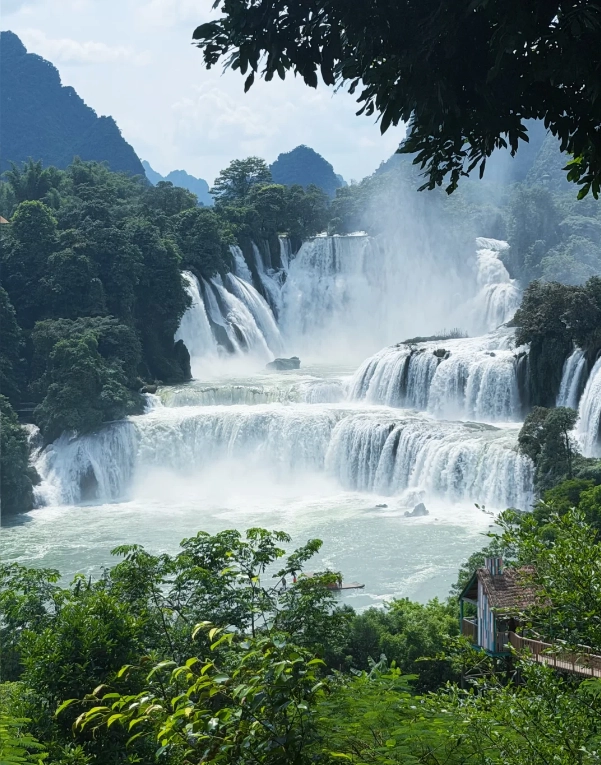
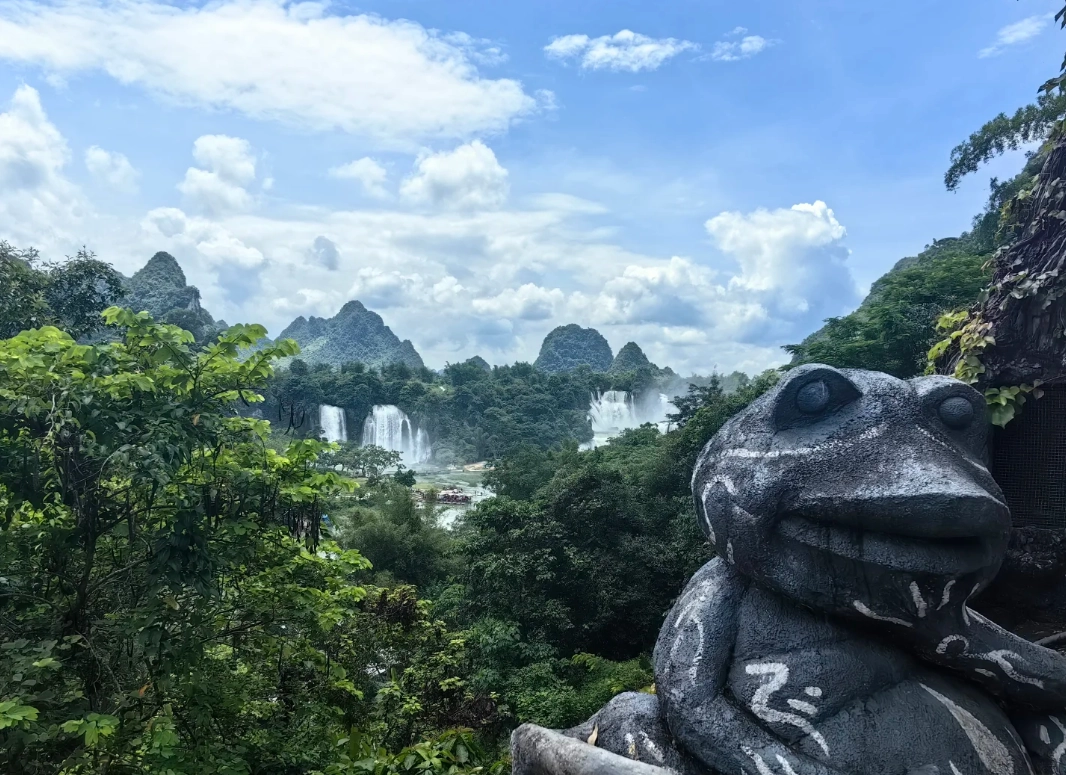
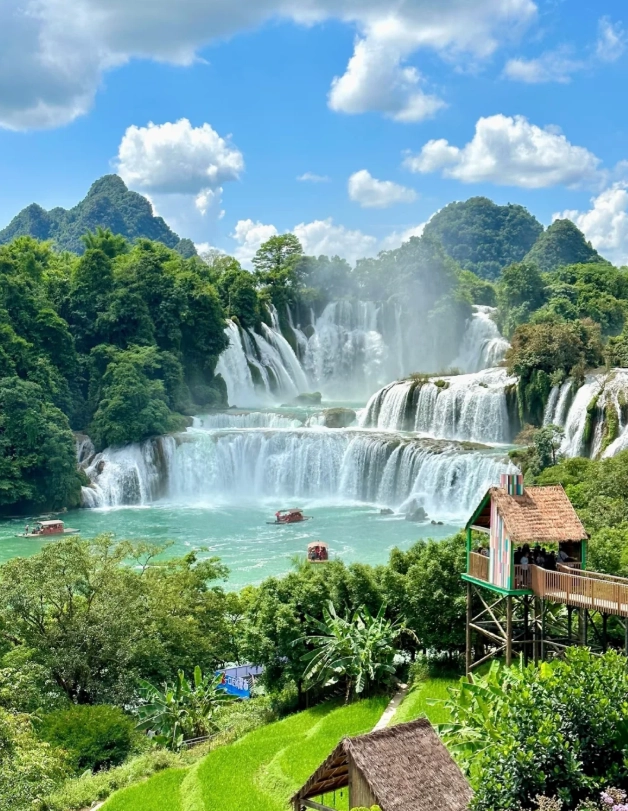
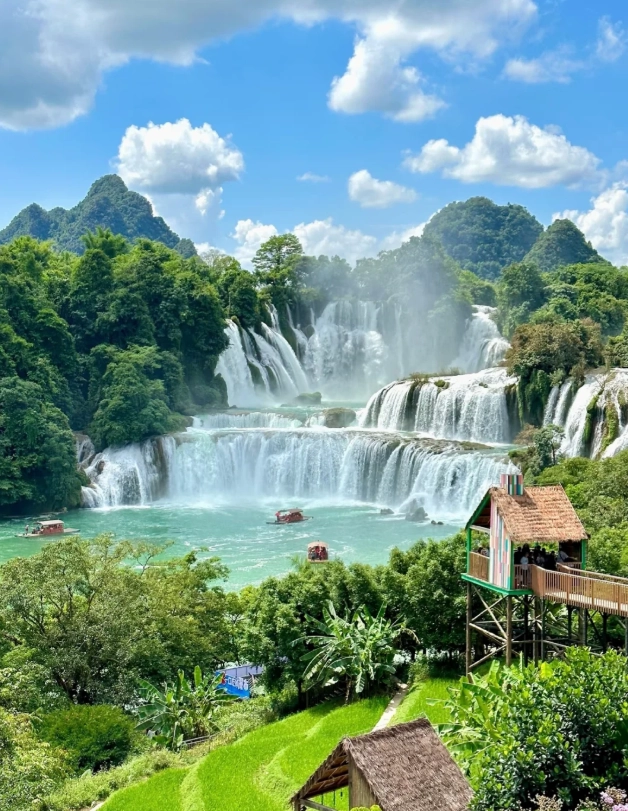
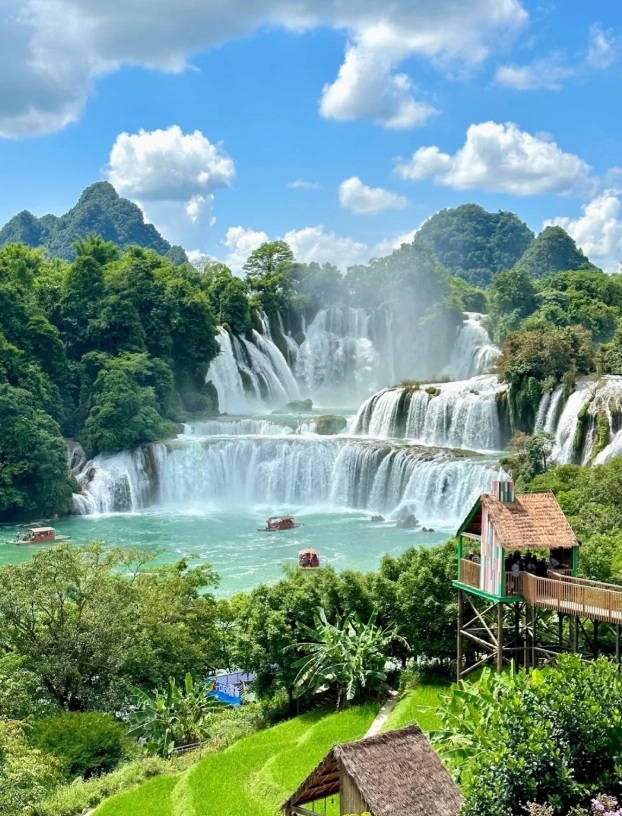
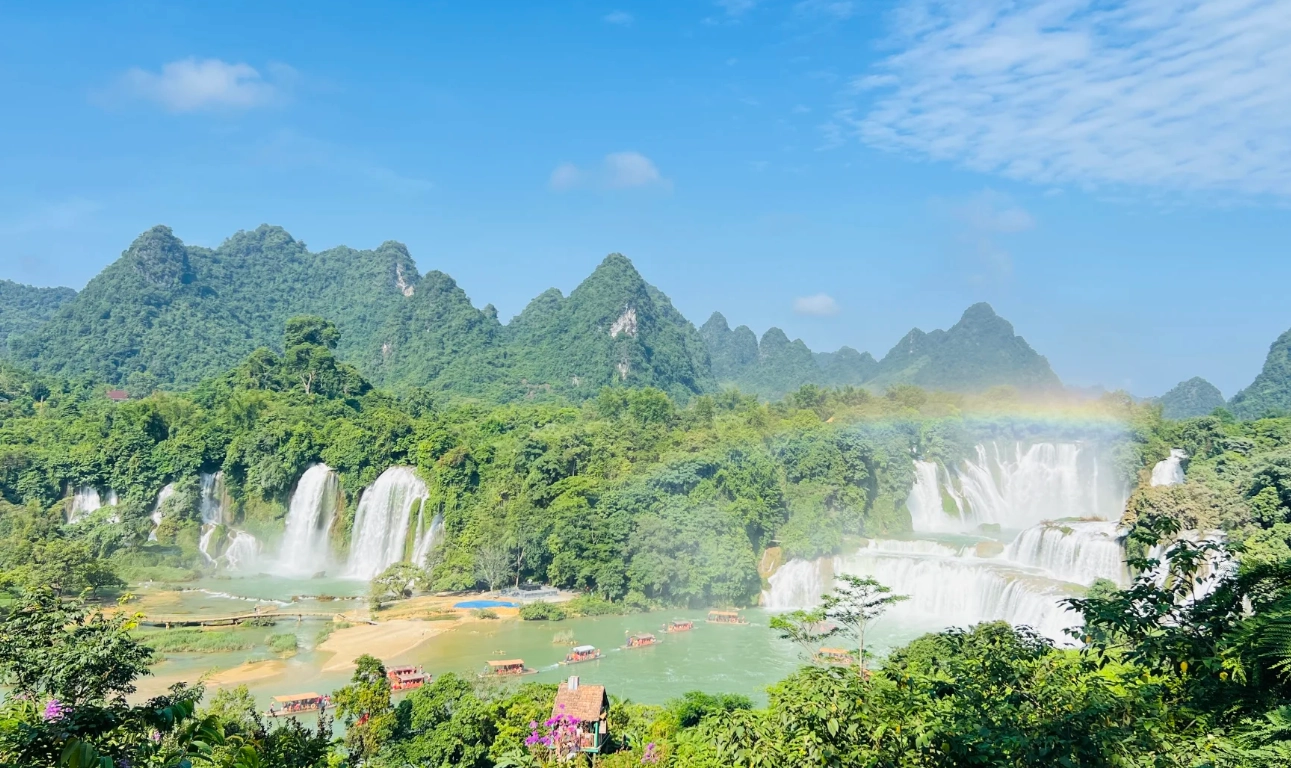
Chongzuo is a compact city. If you have a full day, start at the reserve early, then visit the Chongzuo Museum to understand the langur conservation effort. If you have two days, add the Detian Waterfall, about two hours away, or the Mingjiang Scenic Area. For short trips, I'd pick the museum — it's free and has English captions.
Can I use my Visa or Mastercard to buy Mingshi Countryside tickets on-site?
Almost never. The on-site ticket booth only accepts Chinese mobile payments (Alipay/WeChat Pay) or cash in rare cases. Your best bet is to buy online via Trip.com or Klook, which accept international cards. If you're already at the gate, try paying with Alipay if you have it linked to your international card—that works for most foreigners.
How early should I book Mingshi Countryside tickets before my visit?
I always tell my clients to book at least 2 days ahead, especially for weekends. Same-day tickets are often sold out online by 10 AM. If you're traveling last-minute, you can still call the scenic area office at +86-771-362-XXXX (check the official site) to check availability, but don't rely on it.
Is the bamboo raft ride included in the standard Mingshi Countryside ticket?
No, it's not. The standard ticket only covers entrance. You'll need the combo ticket (around 120-140 RMB) or purchase the raft separately at the dock for about 50 RMB if you're inside. I recommend the combo—it's easier and cheaper than two separate purchases.
What happens if it rains? Is the ticket refundable?
Rain doesn't stop the fun here—the mist makes it more atmospheric. Tickets purchased online are usually non-refundable, but if the scenic area closes due to severe weather (rare), official platforms like Trip.com will issue a full refund. For on-site refunds, you'll need to talk to the ticket office, but don't expect cash back—they'll offer a reschedule.
Can I visit Mingshi Countryside without a tour guide?
Absolutely. The paths are well-marked, and there are English signs at major junctions. However, if you want to understand the local architecture and farming history, a guide adds a lot. You can hire one at the entrance for around 100-150 RMB for a half-day. Prices aren't fixed, so negotiate.

Recent Reviews
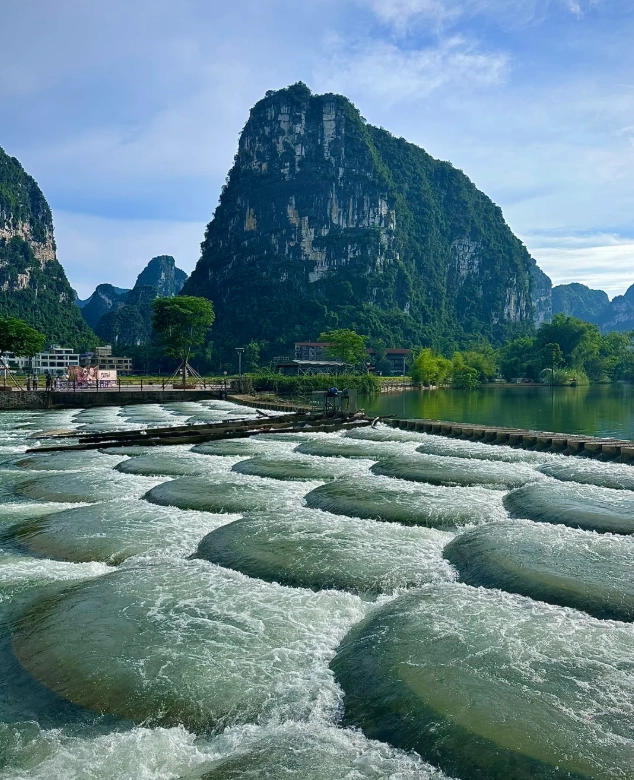
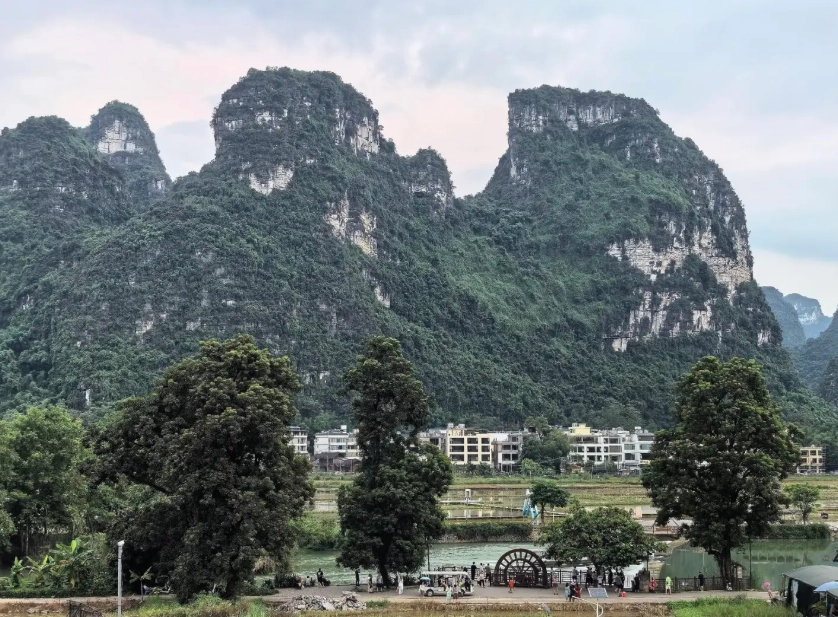
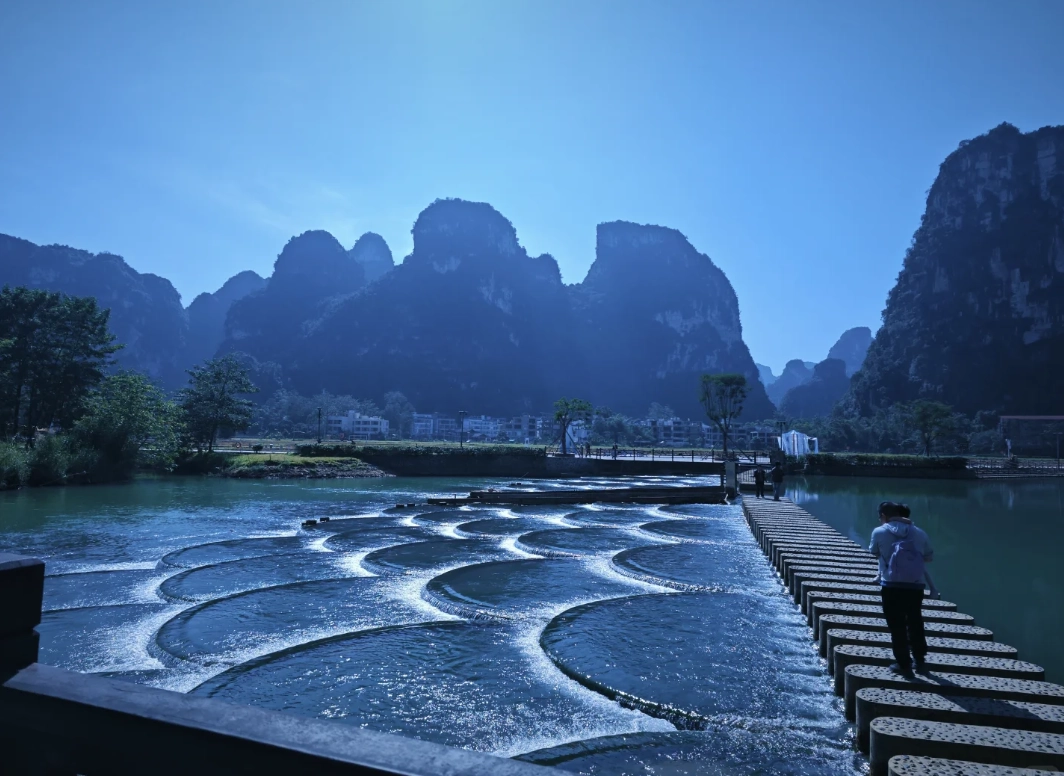
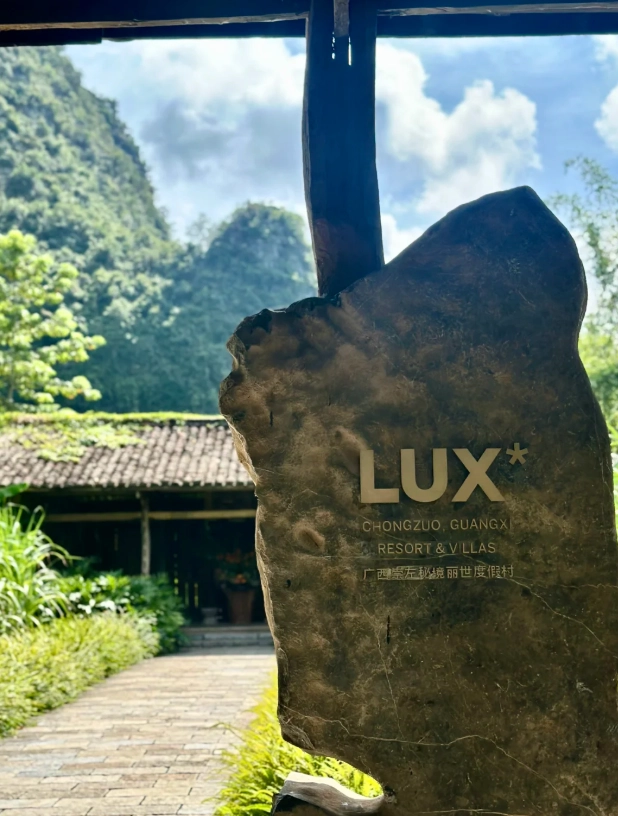
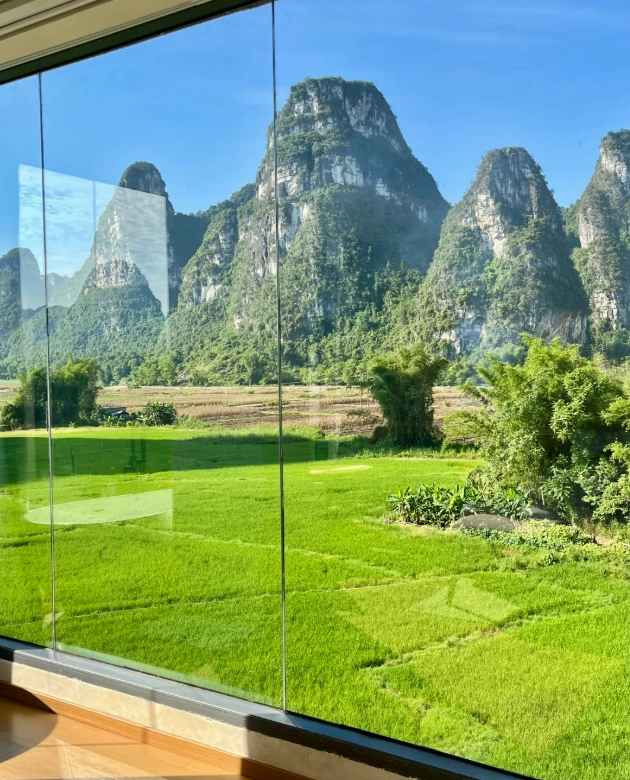
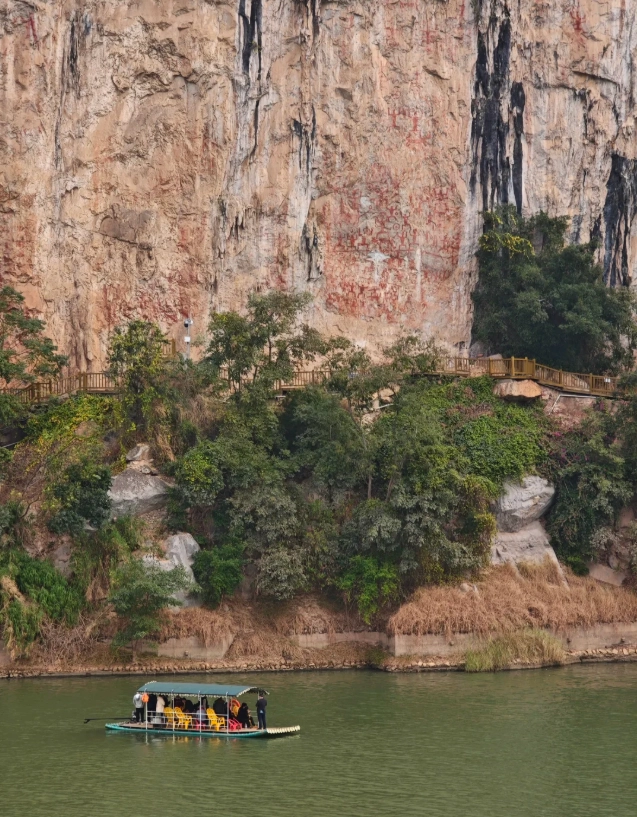
I came with low expectations and left with my jaw on the floor. The highlight was watching the sunset over the karst formations from a rooftop in the old town area — no other tourists in sight, just birds and the sound of the river. I also took a bamboo raft ride and it was serene, not a cheesy tourist trap. One thing: bring mosquito repellent, the bugs near the water are fierce. But honestly, this place has such a peaceful energy. I'd go back in a heartbeat.
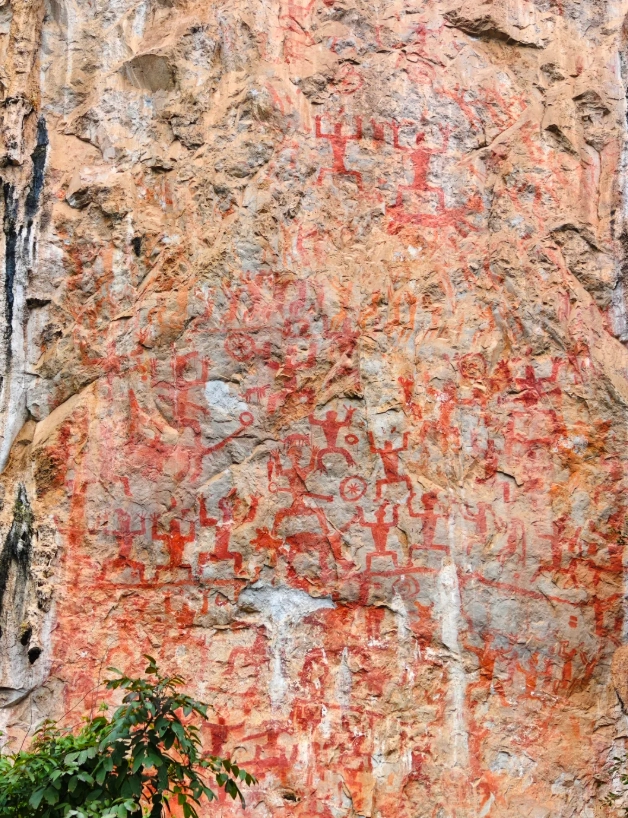
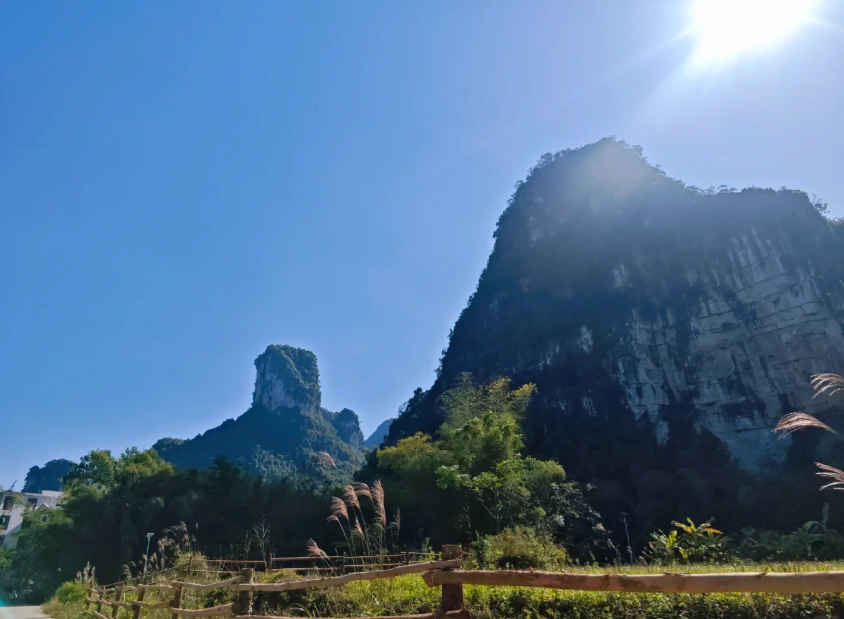
This city is a hidden gem for sure. I spent two days exploring the Longhu Mountain scenic area and the cave ruins. The geological formations are bizarre — you feel like you're on another planet. Even the drive into town is beautiful, with all those weird conical hills popping up out of nowhere. Food is cheap and delicious, especially the sour bamboo shoots with river fish. If you're into off-the-beaten-path adventures, put Chongzuo on your list. Absolutely worth the detour.
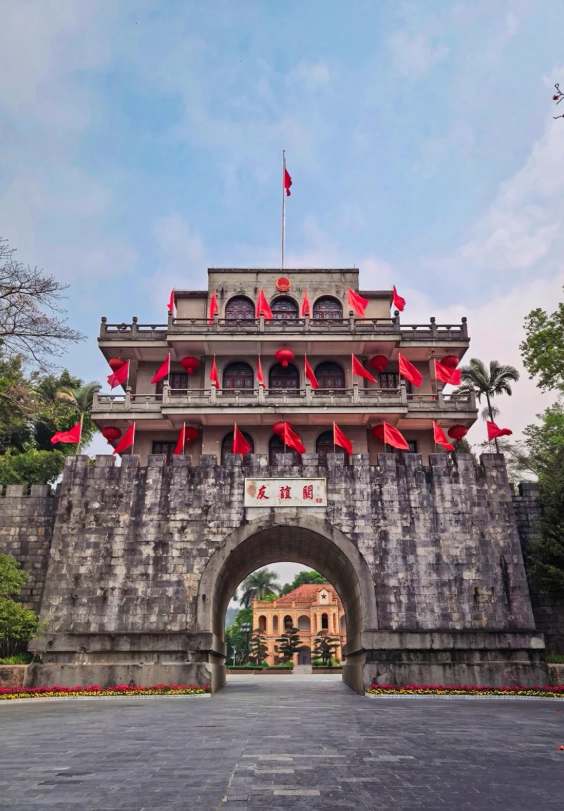
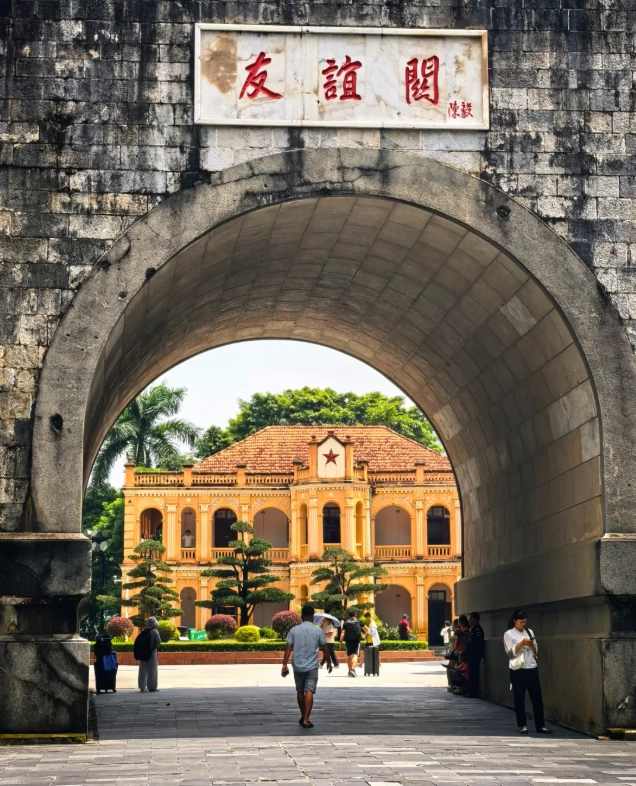
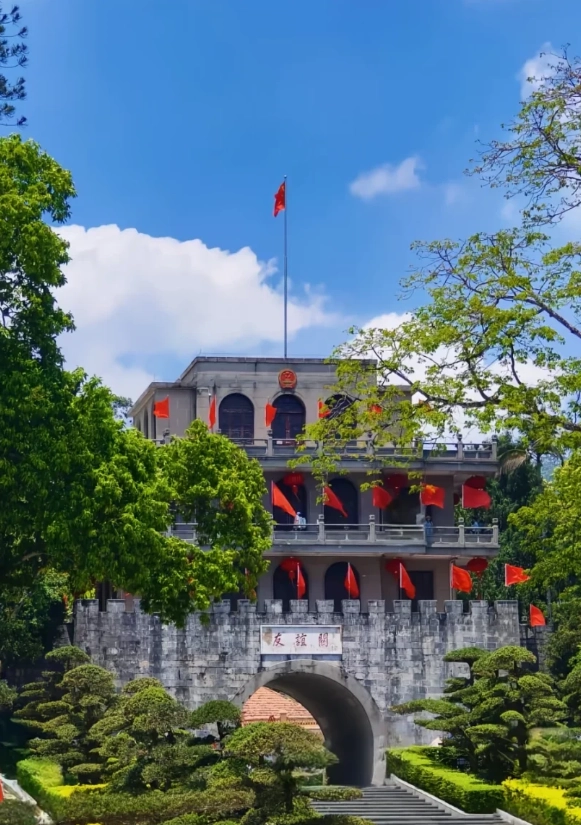
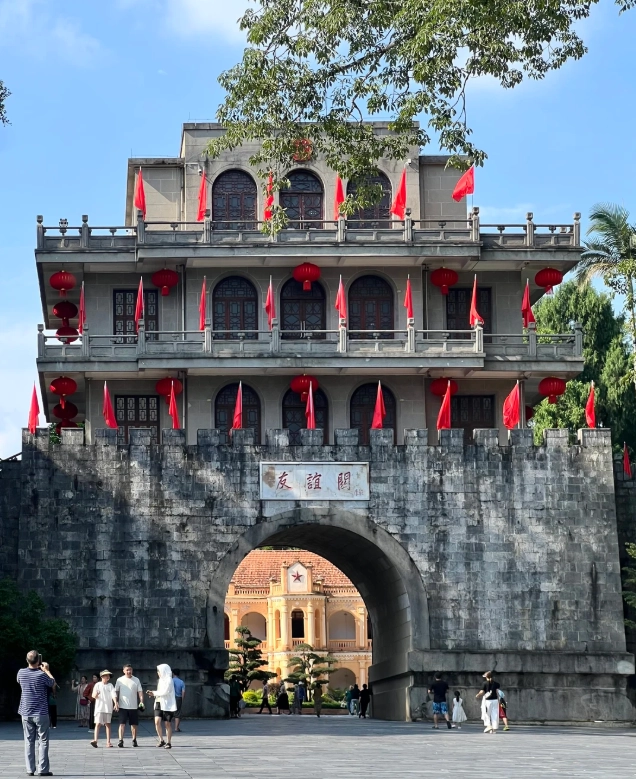
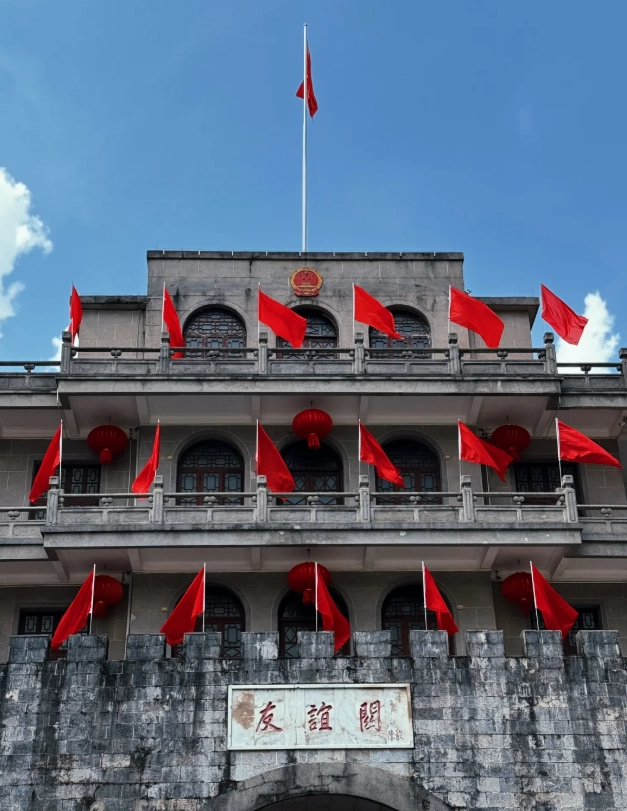
Chongzuo totally surprised me! We rented bikes and cycled along the left river past sugarcane fields and tiny villages. The locals were so warm — one grandma waved us over and gave us fresh lychees from her tree. The Friendship Pass felt more meaningful than I expected, not too touristy. I loved the slow pace here. Already planning to come back during the flood season to see the waterfall in full power. Highly recommend for anyone who wants genuine Guangxi vibes.
Came here mainly for the hiking and limestone peaks. Did the trail near Mingjiang Scenic Area — the river view from the top is unreal, like a traditional Chinese painting. But I have to be honest: the tourist shuttle situation was chaotic. Waited 40 minutes for a bus that never showed, then had to share a taxi with strangers. That kind of killed the vibe for a while. Also, a lot of the small restaurants close by 8pm, so plan ahead. Beautiful place, just not super organized yet.
Stopped by Chongzuo on a road trip and honestly didn't know what to expect. The Detian waterfall was stunning even in the dry season, but the real highlight was just driving through the karst mountains at sunrise. We pulled over like five times to take photos. My only gripe? The signs at some scenic spots are only in Chinese, so we missed a viewpoint and had to backtrack. Felt a bit lost at times, but overall a solid stop if you like nature without the crowds.
I came to Chongzuo expecting a bit more, but honestly the city itself has limited appeal for a solo traveler without a car. The downtown felt quiet, and signs in English were almost nonexistent. I managed to visit the local museum, which was interesting, but getting to Detian Waterfall on public transport was complicated and took much longer than expected. Once there, the fog hid most of the falls and the paths were slippery. I can see why people love it on a clear day, but for me the high cost and the hassle made it a letdown.
Leave a Review