White-headed Langur National Nature Reserve Overview
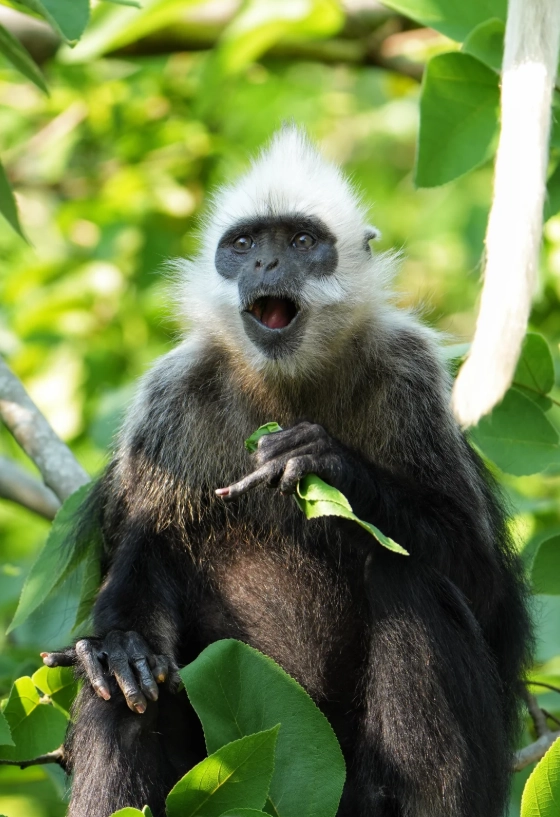
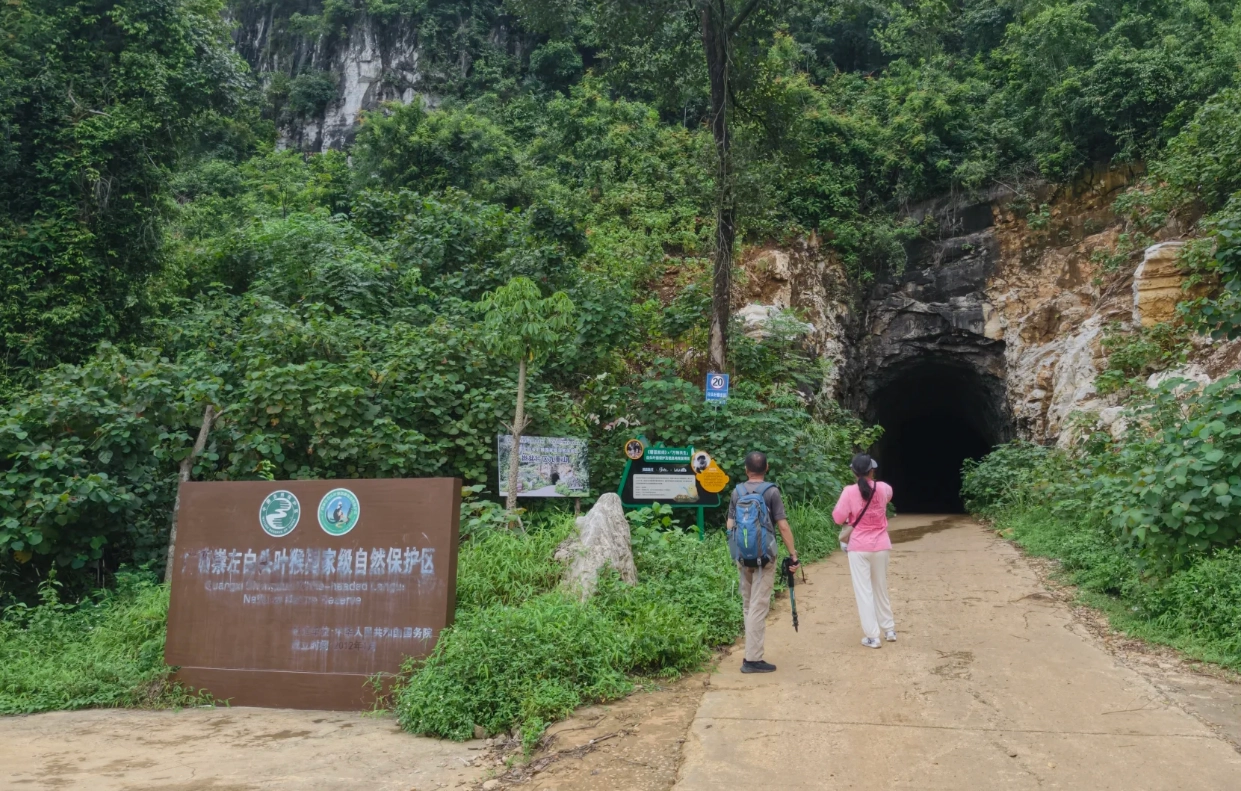
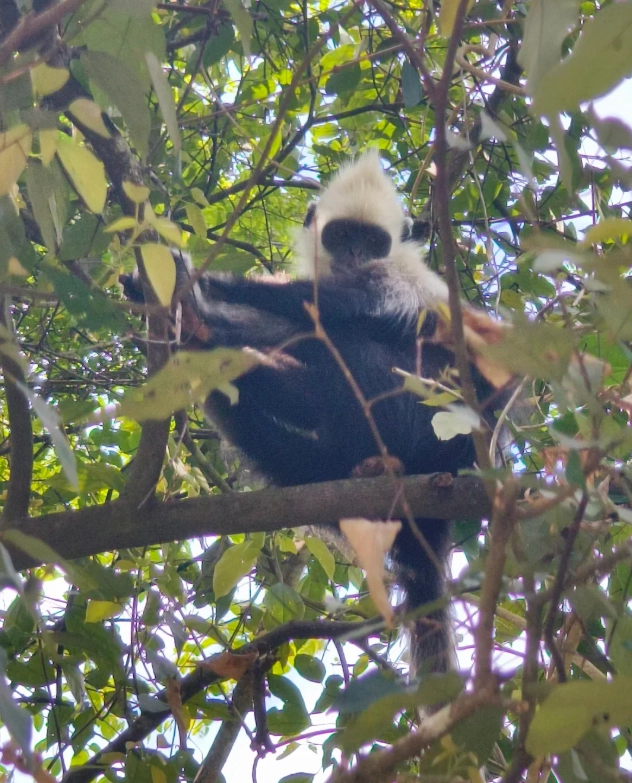
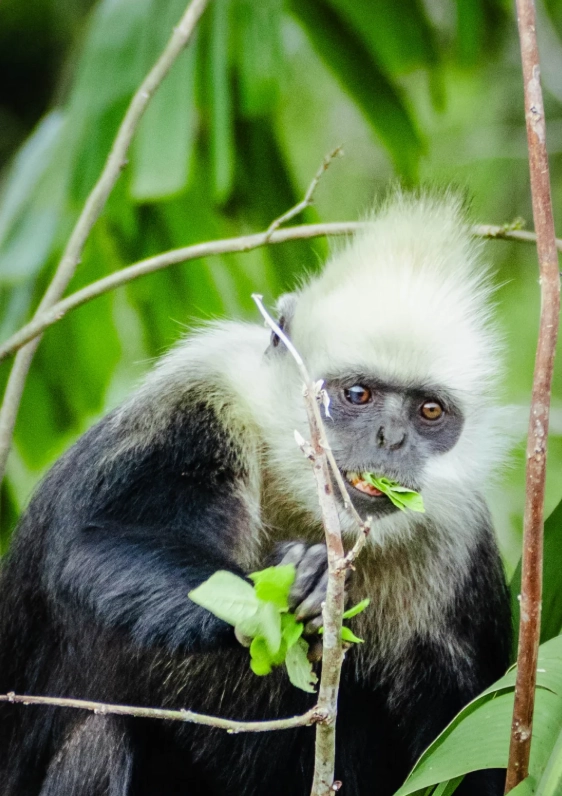
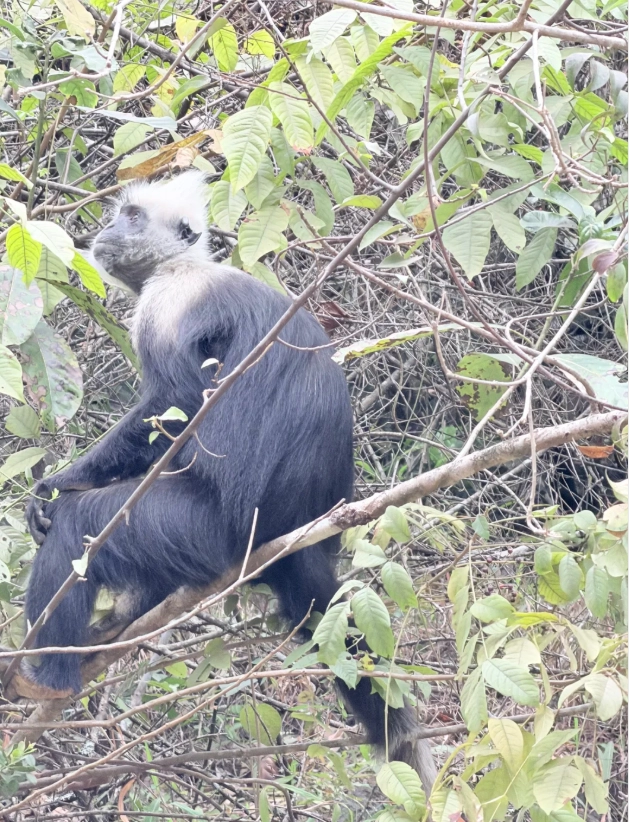
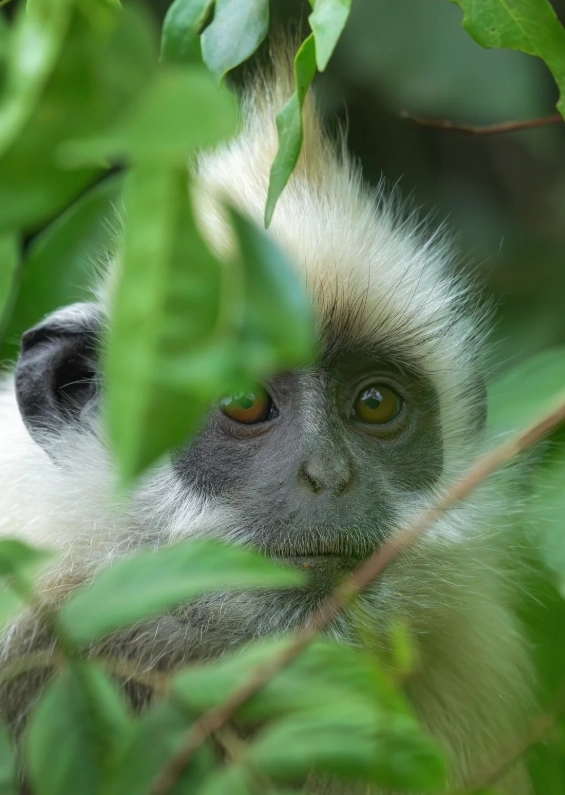
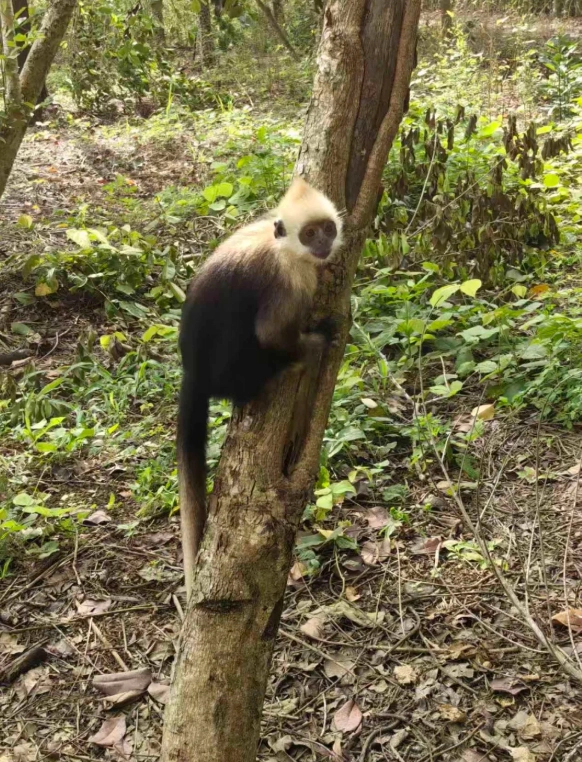
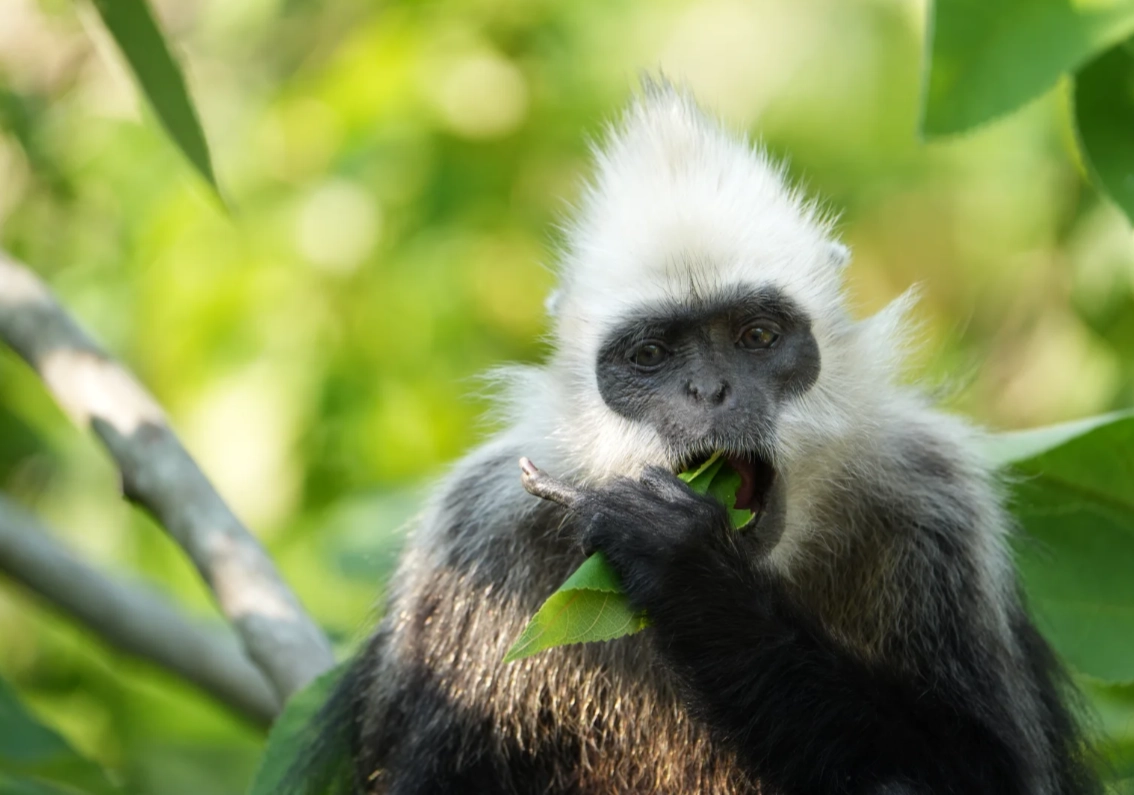
A vital sanctuary dedicated to protecting the critically endangered White-headed Langur—a rare primate species endemic exclusively to the karst hills of Chongzuo, with a wild population rarer than Giant Pandas. Visitors can observe these agile primates leaping across vertical limestone cliffs.
White-headed Langur National Nature Reserve Opening Hours & Tickets
- 08:00–18:00
- Best season: November to April during cooler dry months when foliage is thinner and monkeys spend more time sunbathing on open cliff faces.
- Ticket note:
80 CNY per person (includes ecology museum access and reserve entry).
Essential White-headed Langur National Nature Reserve Visitor Information
- Enquiries: +86 771 7930388
- Ecology education center and museum
- Guided eco-tour paths
- Observation boardwalks
- Restrooms
- Parking lot
How to Get to White-headed Langur National Nature Reserve
Located only 20-25 minutes by taxi or private car hire from downtown Chongzuo City / Chongzuo South High-Speed Railway Station.
White-headed Langur National Nature Reserve Travel Safety & Advice
Dial 120 for medical emergencies. Reserve rangers are stationed throughout main walking tracks.
White-headed Langur National Nature Reserve Travel FAQ
What's the best way to combine a visit to the reserve with other attractions in Chongzuo?
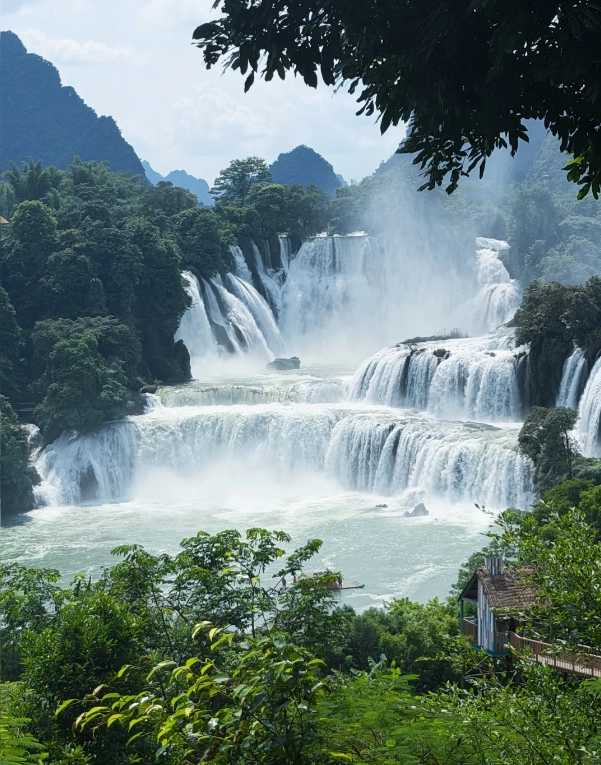
Chongzuo is a compact city. If you have a full day, start at the reserve early, then visit the Chongzuo Museum to understand the langur conservation effort. If you have two days, add the Detian Waterfall, about two hours away, or the Mingjiang Scenic Area. For short trips, I'd pick the museum — it's free and has English captions.
Do I need a special permit to photograph in the reserve?
You need a general entry ticket, but for the core interior zones (like The Morning Corridor), you must go with a registered ranger. Book this with the reserve office or through your hotel. Your passport is required for both the ticket and the ranger booking.
What is the best time of year to see white-headed langurs?
November to April is the dry season and generally more reliable for clear mornings. But early summer (June to July) offers lush greenery and baby langurs — just be ready for rain. I’ve had excellent shots in both periods; the real key is following the feeding schedule of the specific troop.
Can I use a drone for photography here?
Drones are banned in most of the reserve due to wildlife protection. Some perimeter areas may allow them with a special permit, but in the core zones it’s a strict no. Always ask the reserve office for written permission if you plan to bring a drone.
How do I book a ranger guide if I don’t speak Chinese?
Your hotel reception can call the reserve office and book for you, or you can book through international services like Klook or Trip.com if they list the reserve. Mention “baitou yekou” (white-headed langur) to helpers. Be ready to show your passport for the booking.
Is the reserve safe for solo travelers?
Yes, but only if you stick to marked paths and hire a guide for interior routes. The limestone terrain is slippery after rain. Let the ranger know your return time, wear proper shoes, and always carry a power bank — no one wants a dead phone in a karst valley.
Can I use Google Maps or Apple Maps as my White-Headed Langur National Nature Reserve map?
No. Google Maps has incorrect entrance coordinates for the reserve, and Apple Maps often routes you through a military-controlled area. Use AMap (高德地图) with the Chinese address 白头叶猴生态旅游区, or download an offline map before you arrive. I always carry both a printed map from the visitor center and a phone screenshot.
What if I can't read Chinese — how can I book tickets and read the map?
Use Trip.com to book your entry tickets — they provide English confirmation. For the map, the visitor center has an English-printed leaflet, but it's often out of stock. Ask the staff for the 'reserve map in English' or take a photo of the Chinese map and use a translation app like Apple Translate on your phone. The icons are universal enough.
Is the White-Headed Langur National Nature Reserve map available offline?
Yes. The visitor center sells a paper map for about 5 RMB, and the opening hours are marked on it. Alternatively, you can screenshot the map from AMap after searching the official name. On my last visit, I downloaded the entire area on AMap using their offline maps feature — that saved us when we lost signal halfway up the trail.
How difficult is the walk? Should I bring hiking gear?
The main trail is a moderate 2-3 km loop with stone steps and some steep sections. You don't need heavy hiking boots — just comfortable shoes with decent grip. Avoid flip-flops at all costs. The real danger is the slippery karst rock after rain. I've slipped there myself, so bring a small first-aid kit. There are rest spots, but no shops inside the reserve, so pack water and snacks.



Recent Reviews
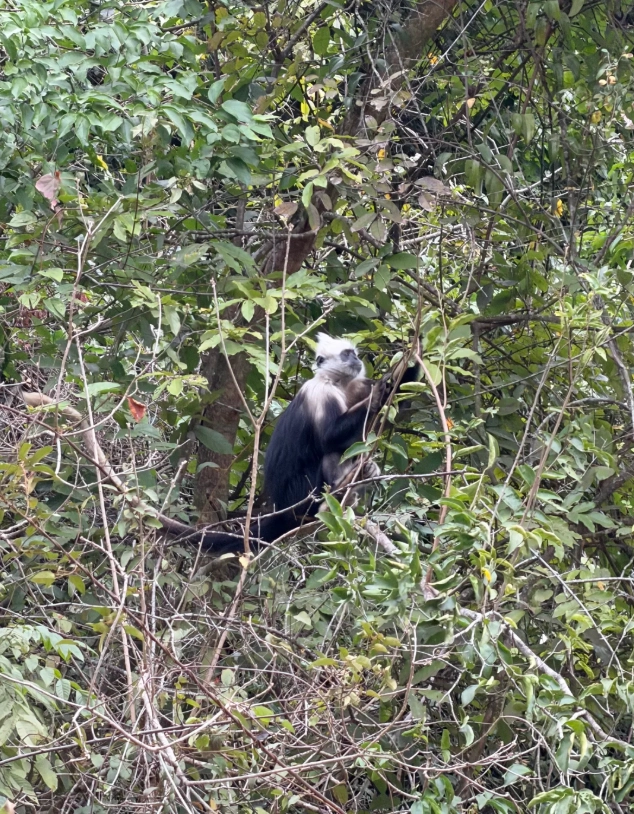
I really wanted to love this place, and the langurs are amazing when you finally spot them. But the experience felt a little frustrating. We arrived without an advance booking and had to wait almost two hours while they figured out whether we could join a permitted group. The viewing area is also quite far from the cliffs, so without a serious telephoto lens you mostly see small dots on the rocks. The guide was knowledgeable but not well organised. Maybe I was unlucky, but it felt overhyped for what we paid.
Beautiful and very special to see the white-headed langurs in their natural habitat. We took a private car from Chongzuo and arrived at the visitor center around 9am. The trail is not long but it is steep and slippery after rain, so wear proper shoes. The only drawback was that there was very little interpretation in English and the staff couldn’t explain much beyond basic facts. Still, seeing the monkeys made it worthwhile.
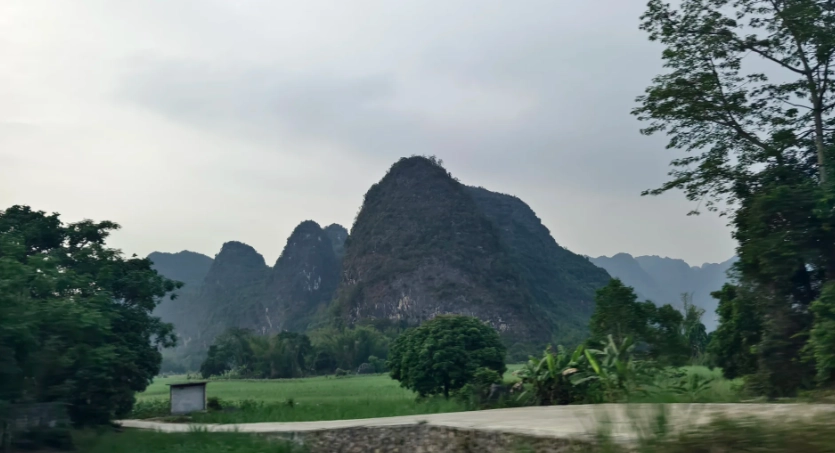
As someone who has visited many reserves in China, the limestone karst forest here is one of the most dramatic landscapes I have ever birded. Orange-breasted leafbirds, crested serpent eagles, and even a silver pheasant crossing the trail. And of course the langurs—we saw three troops in one morning. The reserve staff are passionate and seem to know each monkey by name. A truly special place that deserves far more attention.
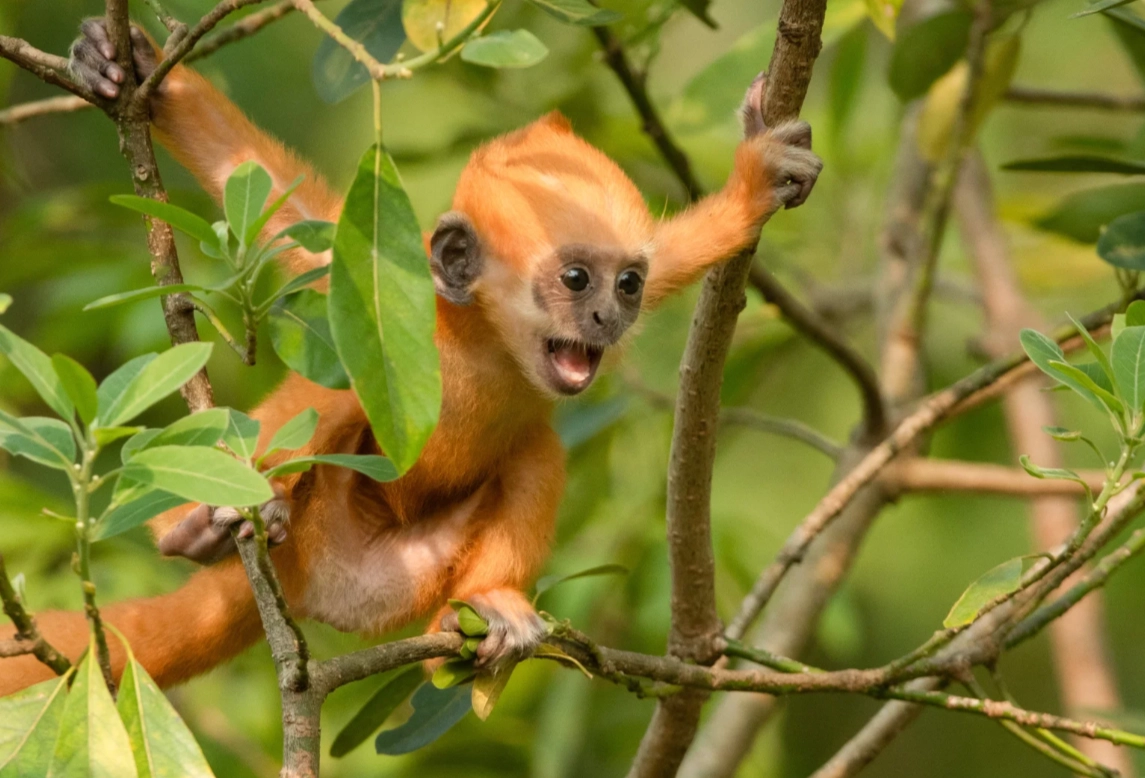
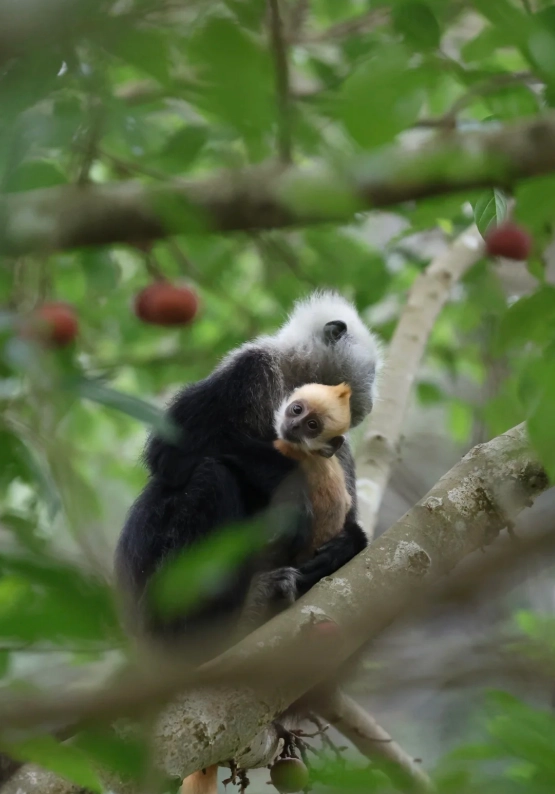
I didn’t expect to be moved to tears, but seeing those little white-headed monkeys with their golden babies hanging onto limestone cliffs almost did me in. Our guide used to be a hunter and now protects them—that story alone was worth the trip. The forest is stunning, and the ranger station has a small exhibit about the species. No cafes or gift shops, which is fine. This is conservation in action. Cannot recommend it enough.
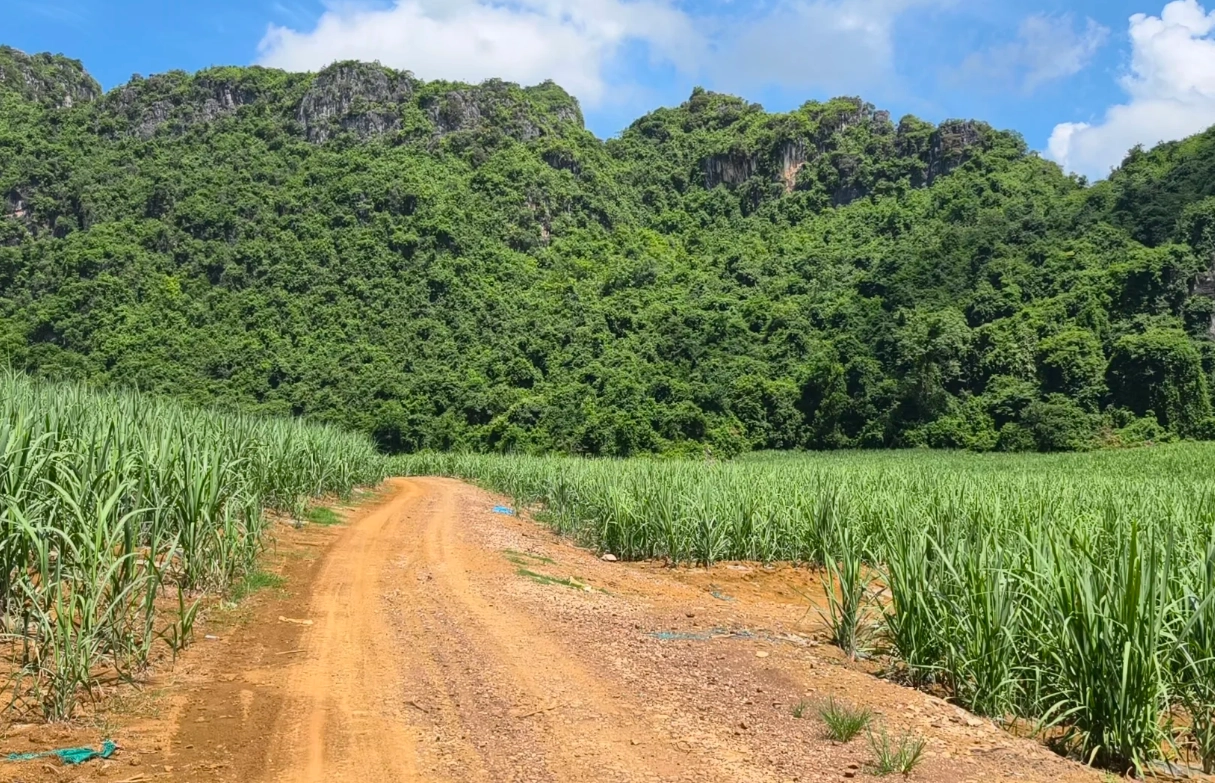
Incredible hidden gem. We arranged a permit through a local guide in Chongzuo, and it was worth the early start. The karst peaks rising out of the mist, the sound of langurs calling across the valley, and then seeing a group of about eight white-headed langurs leaping between cliffs. Binoculars are absolutely essential, but for wildlife people this is as good as it gets. Very respectful, small group. Bring plenty of water and be ready for a rough road.
I came for photography and left with more than I expected. The light in the afternoon is beautiful on the limestone cliffs, and the langurs are so charismatic - you can watch them grooming and playing for hours. The staff clearly care about conservation, and they made sure we kept a safe distance while still getting good views. It's not the easiest place to reach, but that just keeps it uncrowded. Highly recommended for anyone wanting to see one of China's rarest monkeys in the wild.
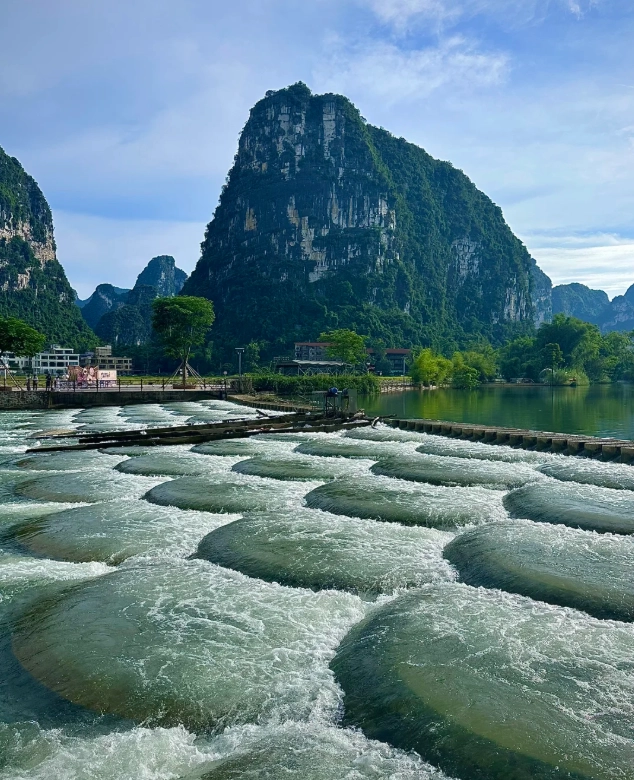
A hidden gem in Guangxi. The drive in is enough to get you excited, then you see these beautiful white-headed langurs moving through the trees. We even spotted one carrying a bright orange baby, which was incredible. The ranger said there are only around 1,400 left in the wild, so being here felt very special. The landscape is dramatic - steep karst peaks, winding river, lush green. We stayed quiet and the langurs came surprisingly close. If you love wildlife, don't skip this place.
Absolutely unforgettable! We came in the early morning and watched a whole troop of white-headed langurs climbing and leaping across the limestone cliffs. The mist over the karst forest made it feel magical. Our ranger could spot them from what felt like a mile away and explained how they've protected the species here. If you respect silence and patience, you'll be rewarded. This is how ecotourism should be done.
Really unique reserve with a strong conservation story. We managed to spot a small group of white-headed langurs on the karst hillside, and the ranger's enthusiasm made the visit worthwhile. The only reason I'm not giving five stars is that the visitor facilities are pretty basic - limited restrooms, no café, and the signage is quite sparse. Still, if you're interested in primates and don't mind roughing it, this is a memorable stop.
The reserve has gorgeous scenery and the karst formations are stunning, but I have to be honest: we only saw the langurs from very far away, mostly tiny white dots on the cliff. Our guide did her best with the spotting scope, but it wasn't the close-up experience I'd hoped for. The trails are also quite steep and partly overgrown, so if you're not steady on your feet it's tough. Nice place for hardcore birders, but casual visitors may feel a bit underwhelmed.
Leave a Review