 Ming Yang
Picture this: you're standing at the edge of Huangguoshu Waterfall, spray hitting your face, but there are only a dozen other people around. That's the reality of visiting Anshun on a weekday in spring. Most tourists rush through in one day, missing the quieter caves and ancient villages. Spending 5 days in Anshun lets you soak in the scenery without the chaos. I've led dozens of groups here, and this itinerary is the one that consistently gets the best feedback. Let's go.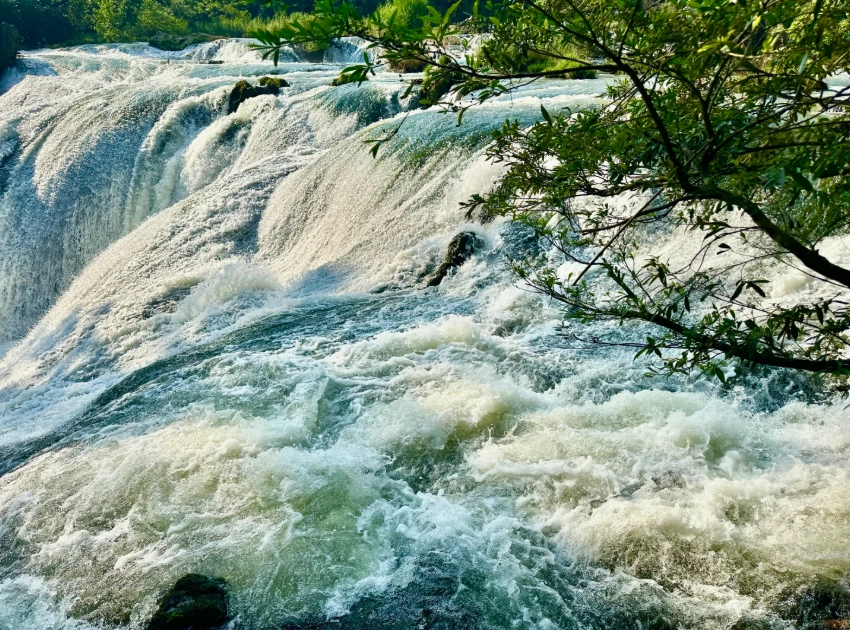
Day 1: Arrival & Settling into Anshun City
Getting There from Guiyang
Take a high-speed train from Guiyang North to Anshun West – it's only 30 minutes and costs about ¥46 (US$6.50). Trains run every 20-30 minutes from 7am to 9pm. Once you exit the station, grab a taxi to your hotel (around ¥15-20). Avoid the touts; use the official taxi queue.
Where to Stay
For convenience, stay near the city center or the train station. I often put my groups at Anshun Huangguoshu Hotel (address: 63 Huangguoshu Avenue) because it's clean, has decent Wi-Fi, and the front desk speaks basic English. Rates range from ¥200-350 per night depending on season. For budget travelers, the youth hostel near the Confucian Temple is a good pick – about ¥80 a bed. Most hotels offer luggage storage, so don't worry about checking out early.
Afternoon: Stroll Along the Hongshan Lake
Walk off the travel fatigue around Hongshan Lake. It's a pleasant 2-km loop with views of the surrounding karst hills. Grab a local snack like changwang mian (intestine and blood noodles) from a street vendor – go for the spicy version if you can handle heat. The lake area is also where you'll find the Anshun Wenmiao (Confucian Temple), built in the Ming dynasty. Entrance is free, and you can see ancient stone carvings.
Day 2: Huangguoshu Waterfall – The Main Event
Getting There & Tickets
From Anshun city, go to the Anshun Bus Station (next to the old train station) and catch the direct minibus to Huangguoshu. Cost: ¥22, frequency: every 30 minutes from 7am-5pm. The ride takes about 1 hour. Buy your ticket in advance via the official WeChat mini-program (search "黄果树景区") – you'll need a Chinese friend to help, or just buy at the gate (but expect queues).
| Ticket Type | Price (Peak Season) | Note |
|---|---|---|
| Adult (entrance + sightseeing bus) | ¥180 (US$25) | Includes mandatory bus |
| Child (1.2-1.5m) | ¥90 | Half price |
| Senior (65+) | Free (bus ¥50) | Show passport |
Open daily 7:30am-6:00pm (last entry 5pm). I suggest you enter by 8am or after 3pm to dodge the big tour groups.
What to See
The park has three sections: Doupotang (the widest part, less crowded), Huangguoshu Main Waterfall (the iconic 77-meter high fall), and Tianxingqiao (a karst bridge with smaller waterfalls and caves). I usually start at Doupotang (take the sightseeing bus there first), walk to the main waterfall via the riverside path, then finish at Tianxingqiao. Total walking: about 10 km – wear comfy shoes.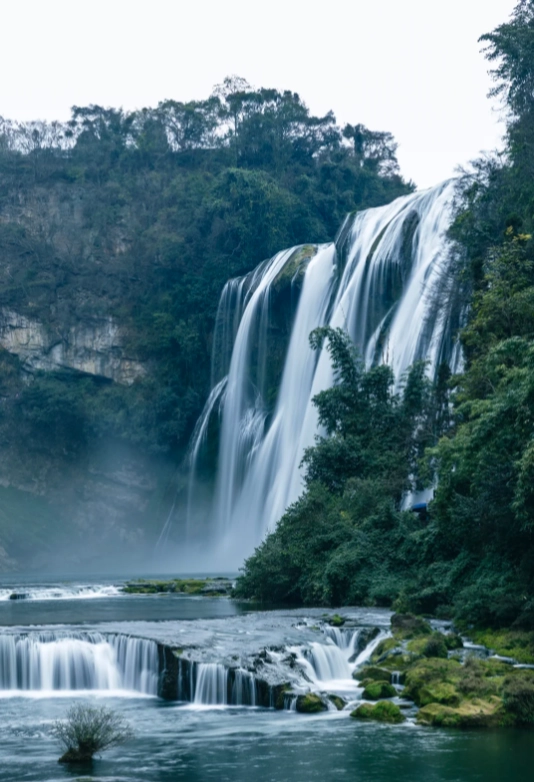
Where to Eat
Skip the overpriced restaurants inside the park. Exit the south gate and walk 5 minutes to the village. I always take my groups to Old Zhang's Noodle Shop (老张面馆) – try the huangguoshu mifen (rice noodles) with sour bamboo shoots. About ¥15-20 per bowl. They accept WeChat Pay and cash, but no international cards.
Day 3: Longgong Cave & Tianlong Tunpu
Morning: Longgong Cave (Dragon Palace)
Take bus #3 from Anshun city to Longgong Scenic Area (¥8, 40 minutes). Or take a taxi for about ¥60. Open 8am-5pm. Ticket: ¥150 for adults (includes boat ride inside the cave). The cave is famous for its underground river and colorful stalactites. You'll spend about 2.5 hours. The boat ride through the karst caverns is impressive – but it can be slippery. A local guide once told me that the cave was used as a military shelter during the Ming dynasty. Cool fact.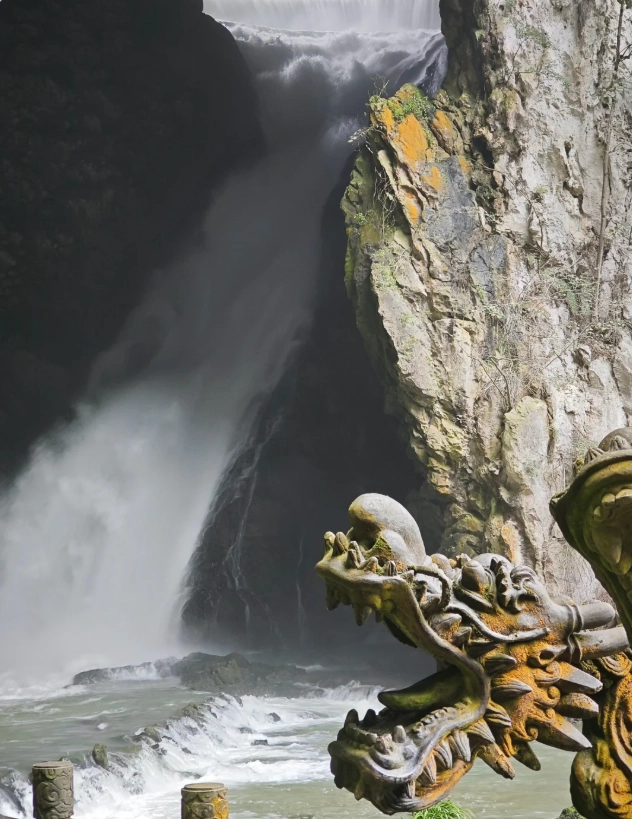
Afternoon: Tianlong Tunpu – A Living Ming Fortress
From Longgong, take a local bus or taxi to Tianlong Tunpu (about 20 minutes). This village was built by Ming dynasty soldiers 600 years ago. The stone houses, watchtowers, and traditional costumes are like a living museum. Ticket: ¥60. The best part? Watching the dixi (ground opera) – a masked performance that reenacts ancient battles. Performances happen at 11am and 3pm. I recommend the 3pm show so you can finish the day there.
| Site | Ticket | Suggested Time | Address |
|---|---|---|---|
| Longgong Cave | ¥150 | 2.5 hours | Longgong Scenic Area, Anshun |
| Tianlong Tunpu | ¥60 | 2 hours | Tianlong Town, 30 min from Anshun |
Day 4: Get Off the Beaten Path – Getu River or Rice Terraces
Option A: Getu River (Recommended)
If you're up for a day trip, take a bus from Anshun to Ziyun County (about 2 hours, ¥40), then a local minibus to Getu River. This is where the movie The Grandmaster (yes, the one about Ip Man) was filmed – stunning karst peaks rising from the water. You can take a bamboo raft (¥120) or hike the cliff path. Few tourists here. I once brought an American couple who said it was the highlight of their China trip.
Option B: Yunfeng Rice Terraces (If the Season is Right)
From late May to early October, the terraces near Yunfeng village are lush green or golden. Take bus to Huashitou village then walk 30 minutes. No entrance fee. Bring insect repellant – the mosquitos are relentless near the terraces.
Day 5: Slow Morning & Departure
Morning: Anshun Market & Confucian Temple
Visit the morning market near Confucian Temple (free). It's a lively mix of fresh produce, dried chilis, and local crafts. Grab a bowl of douhua (tofu pudding) – the street version with spicy sauce is a cheap breakfast (¥5). Then stroll through the temple grounds – you can see the old bell and stone tablets. Leave by noon for your train.
Getting Back to Guiyang
Head to Anshun West Station. Trains run regularly; buy a ticket at the counter (show your passport). If you have time, the station has a decent waiting area with power outlets.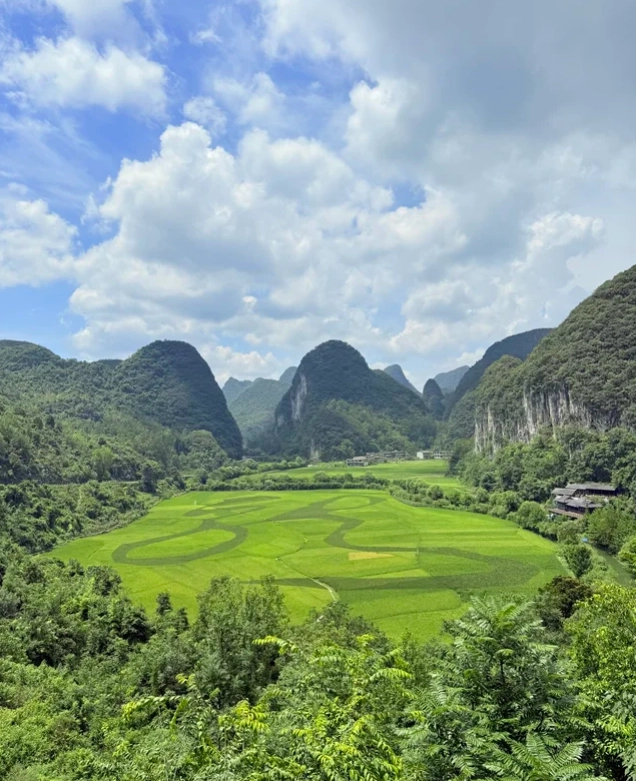
Practical Tips for 5 Days in Anshun
- Weather: Anshun is cool even in summer (20-26°C) but rainy. Pack a waterproof jacket and umbrella. Winter (Dec-Feb) is chilly and damp – bring warm layers.
- Transportation: Public buses are cheap (¥1-2) but have Chinese-only signs. For long distances, use the bus station. Taxis within the city cost ¥10-30. Didi (Chinese Uber) works if you have the app and a Chinese phone number.
- Money: Some big hotels and the waterfall ticket office accept international cards, but most places take WeChat Pay or cash. Bring enough RMB for street food and buses.
- Language: English is limited. Install a translation app like Google Translate or Pleco. Pointing and smiling goes a long way.
- Sim Card: Buy a Chinese SIM at the airport or use international roaming. You'll need it to book taxis or use maps.
Did this tour solo and loved every bit of it. The group was small—just 6 people—so it felt personal. The best part was the local food; we had a home-cooked meal in a village that was the highlight of my whole trip to China. The hikes were moderate but rewarding. Only tiny thing: the hotel on the second night had weak wifi. But honestly, who cares when you’re staring at waterfalls? 5 stars all the way.
As a photography enthusiast, this was a dream. The water at Huangguoshu Falls creates constant rainbows, and the cave formations at Longgong (Dragon Palace) are otherworldly. I got some of my best shots ever. The ancient villages like Tunpu offer incredible architecture and cultural depth. Everything ran smoothly, guides spoke good English, and the pace allowed for plenty of photo stops. 5/5, no regrets.
This 5-day tour completely blew my mind! Every day brought something new—thundering waterfalls, eerie limestone caves, and charming old villages where locals still make tofu by hand. Our guide Lily was fantastic, full of stories. The highlight was watching sunset from Tianxing Bridge. I’ve traveled to 30+ countries and this ranks in my top 3. Absolutely 5 stars, book it now!
Pretty solid trip overall. The caves were genuinely impressive—huge chambers with crazy stalactites. The waterfalls in Anshun are world-class, especially during the rainy season. Only reason I’m not giving 5 stars is that the English translations on the signs were broken or missing, which made navigating a bit tricky. Also, lunch was mediocre. But for the views and the hiking, totally worth 4 stars.
Honestly, I was a bit let down by the organization. The itinerary says “visit ancient villages” but we barely had 20 minutes at the first one before being rushed to the next cave. The waterfalls themselves are stunning—no doubt—but the whole day felt like a race. Our guide was nice but seemed stressed. For the price, I expected more time to actually soak in the scenery. 3/5, mostly for the natural beauty that saved it.