 Tao Xu
Let me be honest — I've led dozens of foreign travelers to this cliff, and almost every single one told me the same thing: 'I almost skipped it.' Don't. Zuojiang Huashan Rock Art, a UNESCO World Heritage site in Guangxi, is unlike anything you've seen. It's not a museum piece — it's a massive mural painted by ancient Zhuang people on sheer cliff faces over the Zuo River. The problem? Most online guides are vague about logistics. You'll waste hours if you don't know that the site requires a boat ride and a specific booking routine. Here's the bottom line: book your ticket via Trip.com or have your hotel do it — walk-in tickets rarely work. Now, let me walk you through everything you need to plan a smooth visit.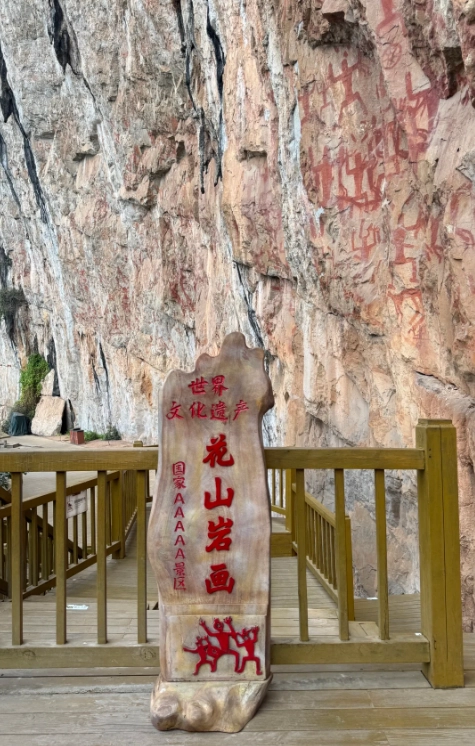
Why This UNESCO Site Deserves a Spot on Your Guangxi Itinerary
As a guide who has taken hundreds of travelers to southern China, I can tell you that Zuojiang Huashan Rock Art is one of the most underrated spots in the region. Inscribed as a World Heritage Site in 2016, these cliff paintings span over 100 kilometers along the Zuo River in Chongzuo city. The largest concentration is at Huashan, a massive cliff that rises about 300 meters above the river.
What makes this place special? It's not just the ancient artwork — it's the entire experience of approaching these paintings by boat, feeling the humid air and listening to the water. I've seen hardened travelers get emotional here.
The paintings depict bronze drums, swords, mascots, and human figures in ritualistic poses. Archaeologists believe they were created by the Luo Yue people, ancestors of today's Zhuang, between 500 BC and 200 AD. The scale is staggering: the main panel on Huashan cliff is about 200 meters long and contains more than 1,800 recognizable images.
But here is the catch — reaching this place is not as straightforward as typical Chinese attractions. That's exactly why you're reading this guide.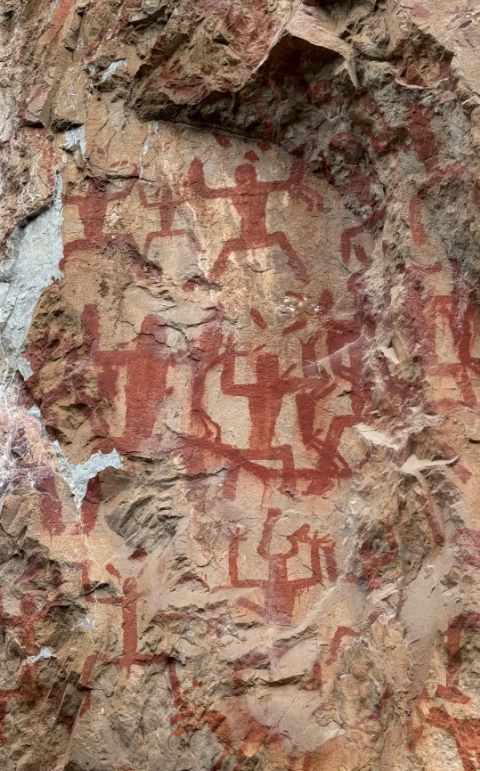
How to Get to Zuojiang Huashan Rock Art
Now, let's talk about logistics. The site is located in Ningming County, part of Chongzuo City, in Guangxi Zhuang Autonomous Region. Your starting point will likely be Nanning, the capital, or Guilin if you're exploring northern Guangxi.
Option 1: High-speed train plus taxi (recommended)
Take a high-speed train from Nanning Railway Station to Chongzuo or Ningming. As of now, there are direct trains from Nanning to Chongzuo (about 1 hour) and then a taxi to the visitor center. Alternatively, you can take a train directly to Ningming, but the high-speed rail now goes to Chongzuo, so it's easier. From Chongzuo railway station, the drive to the Huashan Rock Art Visitor Center is about 40 minutes. You can use Didi (China's Uber) or grab a taxi. The meter starts at around 10 RMB, and the ride might cost 100-130 RMB.
Option 2: Join a day tour
If you prefer a hassle-free experience, many local agencies offer one-day tours from Nanning that include transport and the boat ride. You can pre-book these on Trip.com or Klook. This is a great option if you don't want to figure out the local buses.
I always tell my clients to download AMap (or use Apple Maps) because Google Maps is unreliable in China. The official address for navigation is: 崇左市宁明县花山岩画景区游客中心 (Huashan Rock Art Scenic Area Tourist Service Center, Ningming County, Chongzuo City). Show this to your driver — they will know.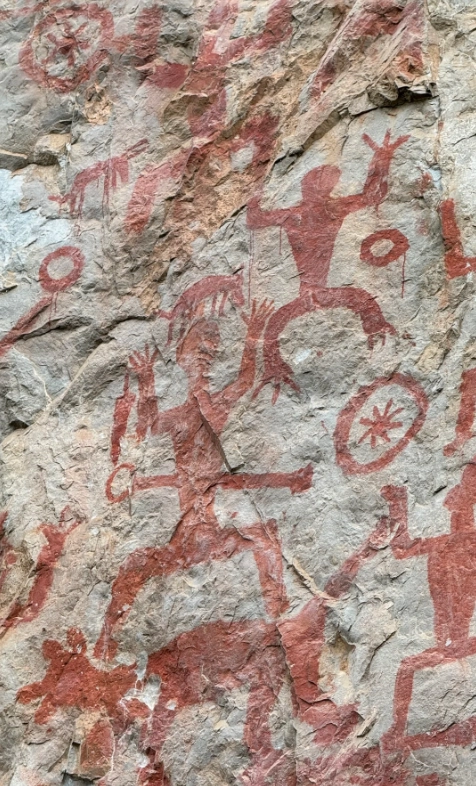
Note: There's a new 'Huashan' scenic area, but make sure you're heading to the world heritage site, not the nearby theme park with the same name. I've seen travelers end up at the wrong place. Always confirm you're going to '花山岩画' (Huashan Rock Art).
| Mode | Duration | Cost | Best For |
|---|---|---|---|
| High-speed train + taxi | ~2.5 hrs total | Train 60-100 RMB + taxi 100-130 RMB | Independent travelers |
| Direct day tour from Nanning | 8-10 hrs round trip | 300-500 RMB per person | Those who want everything handled |
Tickets, Opening Hours, and How to Book
This is where most foreign visitors get stuck. The ticket system is designed for domestic tourists, which means you need a passport and a pre-booking. Here's what you need to know:
The combined ticket for the entrance and boat ride costs around 80 RMB per person. Discounts are rare for foreigners. Always bring your passport.
The scenic area opens from 8:30 to 17:00, with the last boat departing around 15:30. The site may close during bad weather or high water levels. Check with your hotel or the official WeChat account the day before.
You cannot buy a ticket at the gate reliably; you must pre-book. The official mini-program is in Chinese. For an English-friendly booking, use Trip.com or Klook, or ask your hotel to help. I always use Trip.com because it sends a QR code to your email, which you scan at the entrance.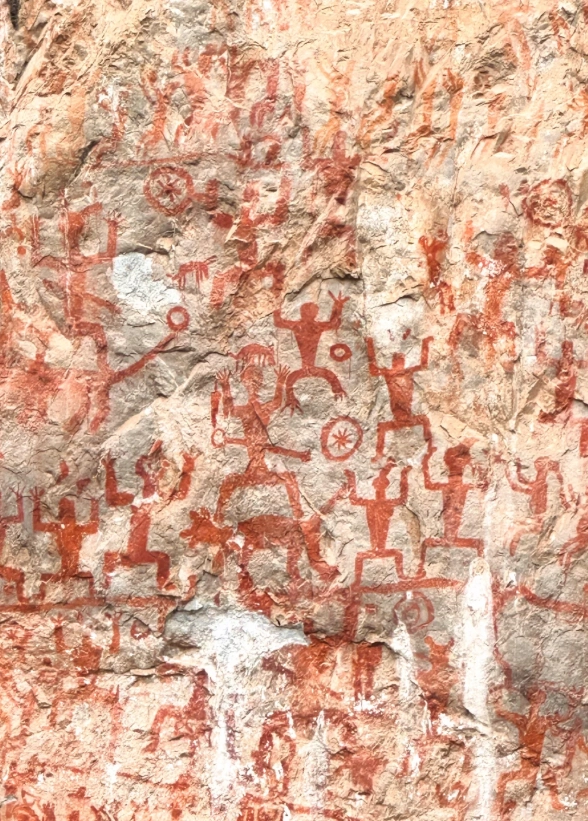
| Item | Details |
|---|---|
| Price | ~80 RMB (combined boat & entrance) |
| Opening hours | 8:30 - 17:00 (last boat ~15:30) |
| Booking requirement | Passport and pre-booking needed |
| Recommended platform | Trip.com, Klook, or hotel reception |
What to Expect on the Boat Ride and at the Cliff
Once you've got your ticket, you'll join a group to board a canopied boat that takes you up the river to the cliff face. The ride takes about 30-45 minutes each way, depending on water levels.
The boat is motorized and can hold about 20-30 people. It's a covered boat, but you'll want to grab a seat on the side facing the cliffs. The captain slows down near the rock art so you can take photos. The boat does not stop; it floats slowly along.
The best viewing position is on the left side of the boat as you leave the dock. That's because the main painting is on the left bank. If you sit on the right, you'll strain your neck.
The cliff itself is massive. The figures are painted in a reddish-brown pigment and stand out starkly against the grey rock. You'll see large human figures with arms raised, some carrying swords, and images of bronze drums. It's easy to spend the whole boat ride in a trance.
The whole experience, from boarding to returning, typically takes around two hours. There's minimal walking, so it's accessible for most people. However, the dock area has steep steps, so ensure you have good shoes.
Best Time to Visit Zuojiang Huashan Rock Art
The best time to visit is during the dry season, from October to April. The river is calm and visibility is high. Summer months can bring heavy rain, which might close the site.
In terms of daily timing, I always tell my clients to go early — I'm talking about the first boat at 9 am. The morning light hits the cliff directly, and the photographs come out vivid. Also, the crowds are thinner because most tour groups arrive after 10:30.
Another underrated slot is the last boat of the day, around 3:30 pm. The golden afternoon light makes the figures glow. Just be sure to check if the last boat actually runs that day.
Avoid midday if you can. The heat and the harsh overhead light make the art look flat. Plus, the boat can get crowded and noisy.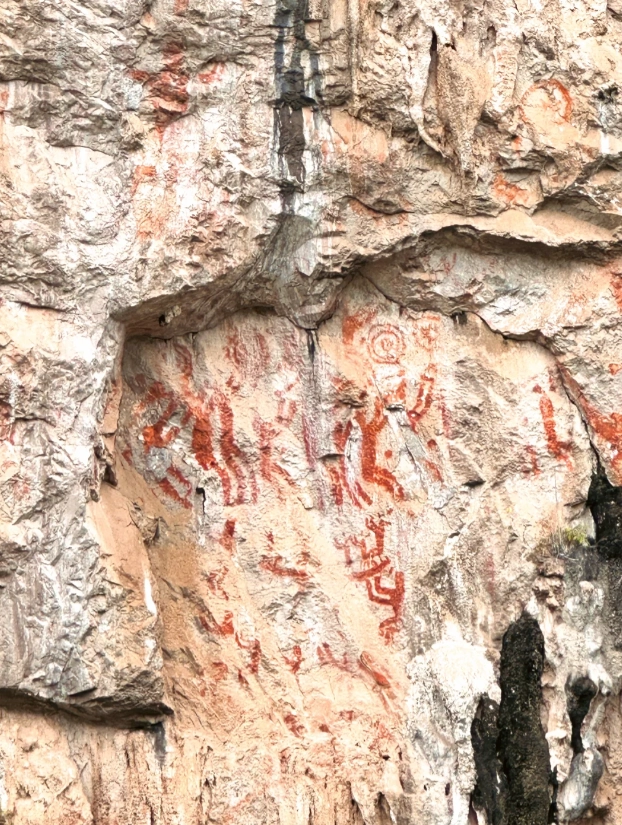
Insider Tips from a Local Guide
Now, let me share some things I've learned from dozens of visits.
Don't get distracted by the fake 'Huashan' attractions. There are several places near Chongzuo that use the name 'Huashan,' including a theme park with a glass bridge. The rock art site is specifically '左江花山岩画景区' (Zuojiang Huashan Rock Art Scenic Area). I've had clients end up at the wrong location because their driver assumed they meant the fun park. Always show the yellow sign at the entrance: 'World Heritage Site.'
Bring cash or ensure mobile payment. The scenic area has a small shop and a restaurant, but they typically only accept mobile payments. Foreign credit cards likely won't work. If you don't have Alipay set up, carry cash. Even then, some places might not have change for large bills. The ticket office does accept cash, but double-check.
Insider Advice: The public restrooms at the visitor center are surprisingly clean, but they can get busy during lunchtime. Don't wait until you board — use the restroom before you get on the boat.
Arrive at least 30 minutes before your booked time. The boarding process involves ticket scanning and a safety briefing (in Chinese). It's not stressful, but punctuality avoids missing your boat. If you're late, you might have to wait for the next departure.
Ask for a life jacket. The boat provides them, but they're often tucked away. If you're not a strong swimmer, just ask the crew. They may not offer, but they have them.
Common Mistakes to Avoid When Visiting Zuojiang Huashan Rock Art
These are the errors I see again and again:
- Relying on Google Maps for directions. It will lead you astray in China. Use AMap or Apple Maps.
- Assuming you can buy a ticket at the gate. This is a big one. You need a pre-booked ticket with your passport number. Walk-ins are often turned away, even if they have cash.
- Forgetting your passport. The ticket is tied to your passport number. You must show the physical passport at the entrance to match the QR code.
- Planning a day trip from Guilin. It's possible but exhausting. Guilin to Chongzuo is a 5-hour train ride. You'd need to leave very early and return late. Better to stay overnight in Chongzuo or Ningming.
- Underestimating the heat. Even in winter, the sun can be intense. Bring a hat and sunscreen. The boat is covered, but the dock area is not.
Where to Stay and What to Eat Nearby
If you're not doing a day tour, I recommend staying in Chongzuo city itself. The city has several international-standard hotels, including the Marriott and some local chains like Hanting. From Chongzuo, it's a 40-minute drive to the rock art. Alternatively, stay in Ningming county for proximity, but the options are limited to guesthouses and a few business hotels.
For food, Chongzuo is famous for its rice noodles and roast pork. There's a street near the Chongzuo train station with a cluster of local restaurants. I usually take my clients to '崇左老街' (Old Street) for a bowl of 酸粥 (sour rice porridge) — an acquired taste, but worth trying. For a quick and safe meal, look for the chain 'Lazhuo Pork' (crispy roasted pork) — you'll see it everywhere.
Near the rock art visitor center, there's a simple snack stand serving instant noodles and drinks, but don't expect a full meal. Better to eat before you go or bring packed lunch. Remember that cash might be the only option.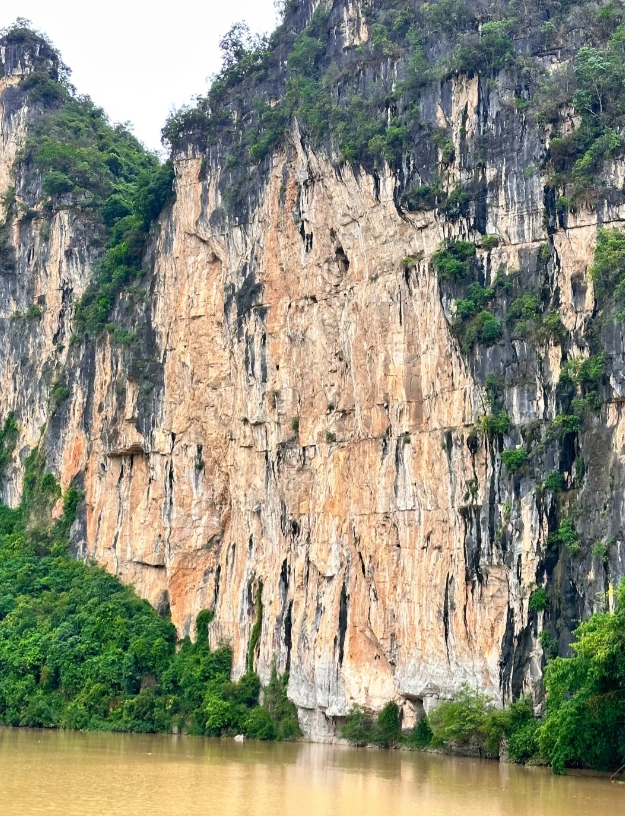
FAQ about Zuojiang Huashan Rock Art
Verified and fact-checked by the editorial team.
Visited in late November, absolutely brilliant. We joined a small group from Chongzuo with an English-speaking guide, and he gave us a helpful briefing before boarding, including how the Luoyue people likely used red hematite and plant binders to paint these. That context made the boat stop feel powerful rather than just photo-taking. The site is remote, so plan a full day and arrange transport in advance. The stairs and path on the shore are underrated—get off at the official landing for a closer view of the smaller panels. Five stars, would do it again.
I came not knowing what to expect and left amazed. The boat is your only real way to see the art up close, and the ride itself is gorgeous—karst peaks, rice paddies, and water buffalo along the banks. The sheer scale of the painted cliff is hard to grasp in photos. We had a local skipper who slowed down and turned the boat twice so everyone on both sides could get a look. For us it was magical, quiet, and awe-inspiring. Definitely one of the most unique UNESCO sites I've visited.
Absolutely worth the trip! We based in Nanning and hired a car to Chongzuo, then took the early boat. The weather was perfect with no wind, and the water was like a mirror, so the cliff reflections made the whole thing magical. The giant figure with the bronze drum is the highlight. There's something about standing under a 40-meter cliff knowing you're looking at 2,000-year-old paintings. Even my teenagers stayed quiet. Wear a hat, bring water, and choose the morning departure to get better light.
Amazing day trip overall. The cliff paintings are genuinely impressive—seeing centuries-old figures and bronze drums stretching along the sheer rock face is unforgettable. The boat ride was smooth and the guide pointed out the best viewing spots. The only reason I'm not giving 5 stars is the stop feels short (maybe 15 minutes) and there isn't much English written material on site. Bring binoculars and a telephoto lens; the details on the big figure only pop when you zoom in.
We did the boat tour from Chongzuo and honestly I was a bit underwhelmed. You see the rock art from a distance and the boat stops for maybe ten minutes in front of the cliff. The weather was hazy, so the paintings looked faint. Our guide's English was basic and didn't explain much about the Luoyue culture. If you're really into ancient history maybe worth it, but for RMB 160 per person plus transport, I expected more. The river scenery was nice though.
As a solo traveler, I really appreciate clear logistics, and this guide delivers. It gave enough detail without feeling like a lecture. The bus-to-dock directions were perfect, and I nearly missed the small museum near the ticket office — so glad the article mentioned it. The highlight for me was the tip about the panel at the far left of the cliff; I stood there alone for a few minutes and just admired the figures. This guide genuinely deepened my experience. Highly recommend it, even if you’re traveling without a car.
I’m usually a spontaneous traveler and almost skipped reading this. So glad I didn’t. The article is packed with things you’d never guess: buy water before boarding, the railings stop a couple of meters before the best photo spot, and afternoon sunlight makes the red pigment stand out more. We went in May and it was hot and humid, but the advice to wear a light long-sleeved sun hoodie kept me comfortable. I’d give this guide six stars if I could. Essential reading for anyone heading to Chongzuo.
Hands down the best article I’ve read on visiting Zuojiang Huashan. We followed it step by step and had zero issues. The boat route matched exactly, and the warning about the rough path to the upper viewpoint kept us from wearing the wrong shoes. Standing in front of those 2,000-year-old cliff paintings with the river mist rising was surreal — I honestly got chills. This guide made the whole trip feel easy and unforgettable. Thank you for writing it!
Really useful guide overall. I loved the advice about going early and the warning about the steep stairs at the viewing platform. We took the first boat out and basically had the place to ourselves for a few minutes, which felt magical. The tip about bringing a hat and binoculars was spot on. Only reason I’m not giving 5 stars is because it doesn’t mention that the shuttle bus at the entrance only takes cash — we had to hurry to a nearby shop to withdraw. Still, it’s the best free resource I found.
This article helped a bit, but it’s not as complete as I hoped. The transport directions were confusing — it said to get to the Pier and our local bus dropped us at a completely different spot. We lost about an hour figuring it out. Once we got there, the rock art itself was amazing and the boat ride was relaxing, so I don’t regret going. But the guide didn’t mention the midday ticket break either, so we arrived at 12:05 and just had to sit around until 1. It needs updating.
I wanted to like this more than I did. The boat ride was long and by the time we reached the main cliff, I was expecting something more dramatic. The paintings are high up and faded in several sections, so without binoculars you’re mostly looking at reddish smudges. The signage along the stairs is not great, and there’s no real visitor center explanation before you see the site. It’s an important cultural site, sure, but for the ticket price and travel effort, I felt it fell a bit flat. Maybe I came on the wrong day.
Enjoyed the visit, though I wish we’d had clearer weather. A little fog and drizzle made the paintings harder to spot from the boat, especially the details. The site itself is remarkable—you really appreciate the scale of the rock face and the layers of figures. The staff were helpful and the boat captain waited while our group climbed the stairs to the viewing platform. My only small gripe: the boat portion felt slightly rushed. I could have spent another 15 minutes just staring. Still, a solid experience.
I’m still thinking about this place days later. Standing on the viewing platform, looking at those giant red figures painted 2000+ years ago, I got goosebumps. The scene was so peaceful—just the sound of the river and birds. I tried to imagine the people standing on this spot, beating drums and painting the cliff. It felt like a bridge across time. The local guide was passionate too, which always makes a visit better. If you’re in the Guangxi area and love ancient mysteries, don’t miss this.
A few practical tips if you’re planning a trip: go on a clear morning if you can. The morning light makes the red pigments pop against the grey limestone. Bring a decent pair of binoculars or a camera with zoom—the main platform keeps you a fair distance away, but that’s for protection. The boat trip itself is relaxed and the karst scenery around is stunning. Altogether we spent about half a day here. Not the easiest place to reach by public transport, but we hired a driver and it was smooth.
Honestly one of the most awe-inspiring places I’ve visited in China. The boat ride along the Zuojiang River is calm and scenic, and then you turn a corner and the cliff face just fills your sight with these enormous red figures. Our guide explained the meaning behind the bronze drums and the crouching positions, which brought it all to life. You can feel how old this place is. It’s a bit of a journey to get here, but absolutely worth it for anyone into history or UNESCO sites.