 Ling Wu
What’s Inside
Let’s be real. Chongzuo’s buses aren’t shiny or fancy — they’re utilitarian, dusty, and yes, sometimes the air conditioning is just a suggestion. But I’ve spent years guiding travelers through this corner of Guangxi, and I can tell you this: getting around Chongzuo without a car is completely doable. The struggle isn’t the distance — it’s the lack of clear English information. That’s exactly why I wrote this guide. I’ve made every rookie mistake so you don’t have to.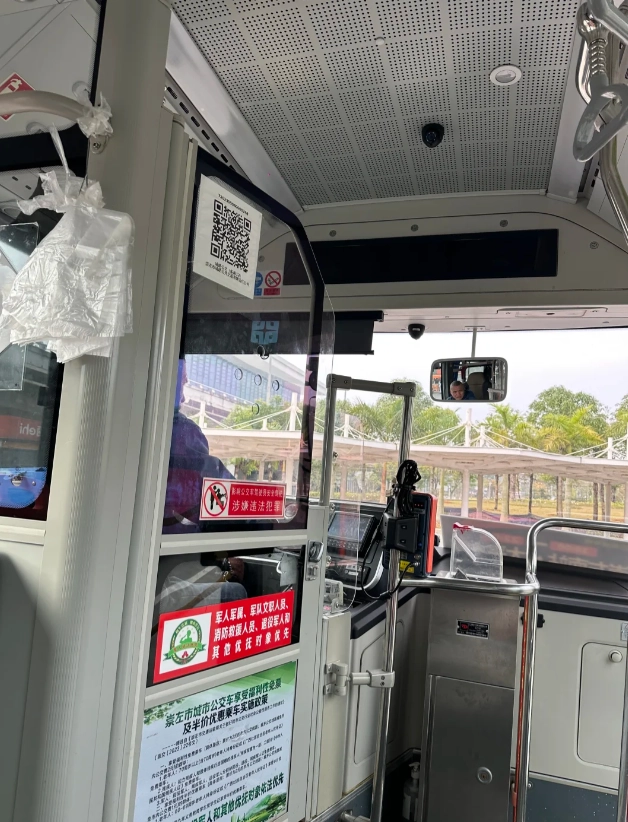
Why Chongzuo Isn’t as Hard to Navigate as You Think
Chongzuo is compact, and its main attractions are well-connected by local bus and taxi. Unlike the chaos of Shanghai or Beijing, here you’ll find fewer tourists, smaller roads, and honestly, a much slower pace. But there’s a catch: almost everything is in Chinese. If you can read zero Chinese, you’ll need to rely on offline maps, translation apps, and a bit of patience.
Before we dive into routes and fares, here are a few non-negotiable apps to load before you arrive:
- 高德地图 (AMap Global) — Works in English and shows real-time bus and taxi routes. Google Maps will often mislead you in Chongzuo; trust AMap over anything else.
- Didi (Chinese Uber) — Set it to English. You can hail taxis and private cars with the app, and payment is linked to Alipay or WeChat Pay.
- AliPay or WeChat Pay — Even for buses, you’ll need to scan QR codes. Physical cash is rarely accepted, and international credit cards often fail.
- VPN — Absolutely essential if you want to access Google, WhatsApp, or any Western service.
Now, let’s talk about the actual vehicles.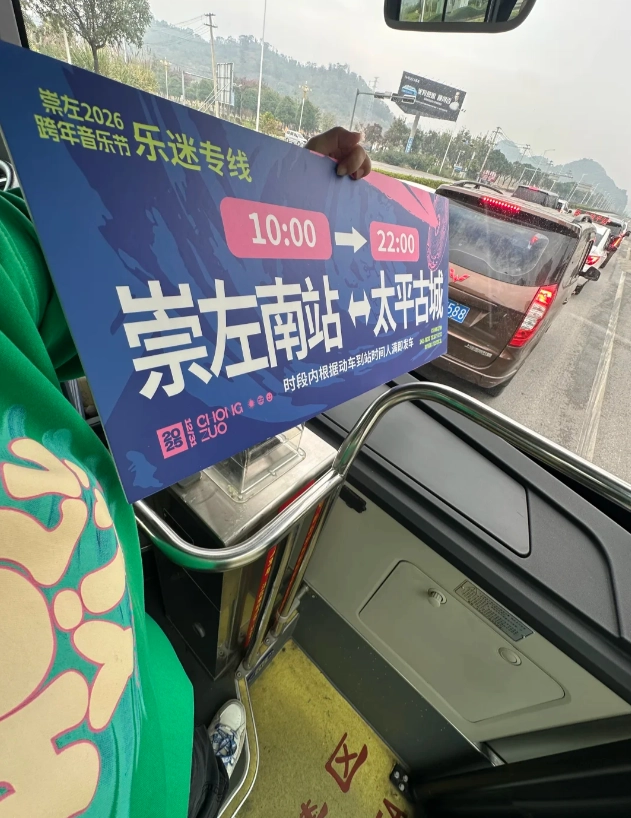
The Bus System: Routes, Tickets, and Maps
Chongzuo’s bus network covers the downtown area and nearby suburbs, with buses running roughly from 6:30 AM to 8:30 PM. Fares are pocket-friendly — typically 1 to 2 RMB per ride (around 15–30 US cents). You can pay with a city transit card if you have one, but the easiest way is to scan the QR code on the bus door with Alipay or WeChat Pay.
How to Use the Local Buses
You need to know which bus number matches your destination, and that’s where AMap becomes your best friend. Open the app, type your destination in English (e.g., “Detian Waterfall”) and it shows bus numbers and stops. When you board, hold your phone up to the scanner until you see a green checkmark. Don’t try to pay with cash — most drivers won’t have change.
Here’s a table of the most common bus routes for travelers:
| Route | Approximate Timetable | Fare | Best For |
|---|---|---|---|
| Bus 1 | 6:30–21:00 (every 15 min) | 2 RMB | Downtown loop (station, hotels, main shopping street) |
| Bus 4 | 6:40–20:30 | 2 RMB | Leaving city toward the south – connects to long-distance bus station |
| Bus 8 | 7:00–19:00 | 2 RMB | Toward the Chongzuo Ecological Park area |
These timetables are approximate — like many things in Chongzuo, buses sometimes arrive a few minutes late. Always check AMap for the next arrival time before walking to the stop.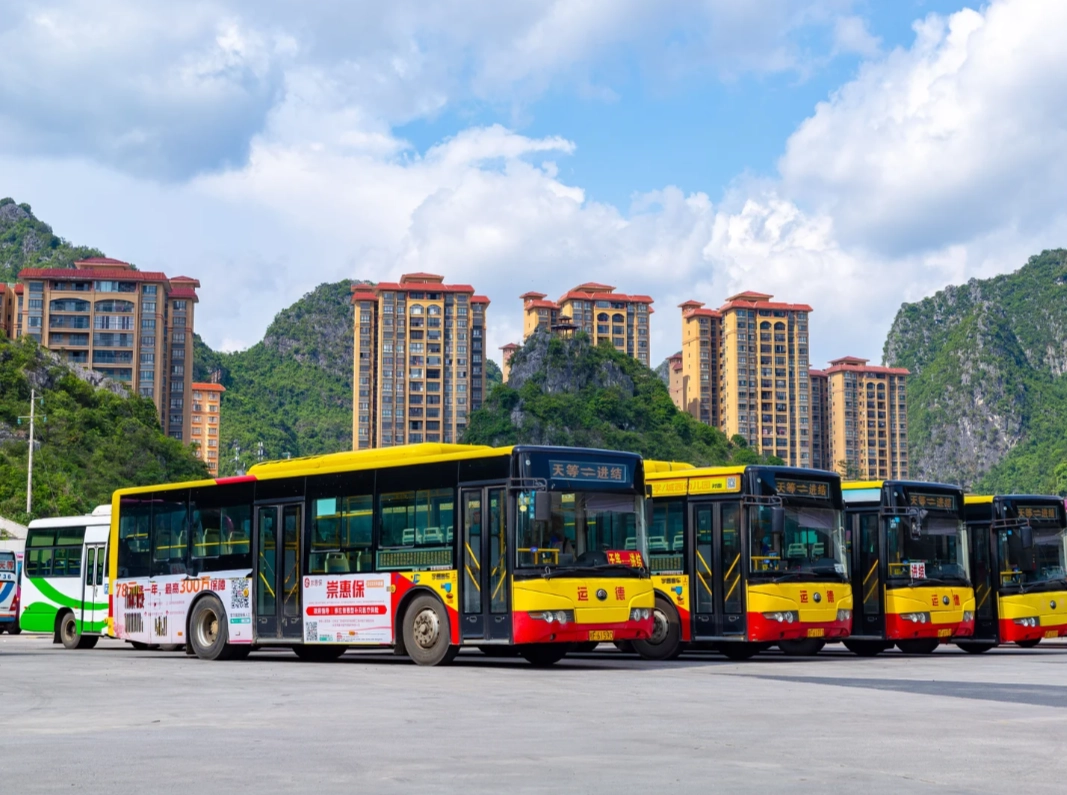
Key Bus Routes You’ll Actually Use
If you’re staying in the city center, bus 1 is your workhorse. It loops past most hotels, the railway station, and the main tourist office. For the long-distance bus station, take bus 4 or just grab a taxi — it’s about a 10-minute ride.
For the famous Detian Waterfall, don’t expect a direct city bus. You’ll need to either take a long-distance bus or book a day tour. I’ll detail exactly how below.
Taxis and Ride-Hailing: What to Expect
Taxis are metered and start at about 7 RMB (roughly $1). That’s the base fare — then it jumps a bit per kilometer. A cross-town ride rarely exceeds 25 RMB. But — and here’s a big but — many taxi drivers don’t speak English and may refuse foreign credit cards. You’ll need to pay through Alipay or WeChat, or have small cash ready (exact change only).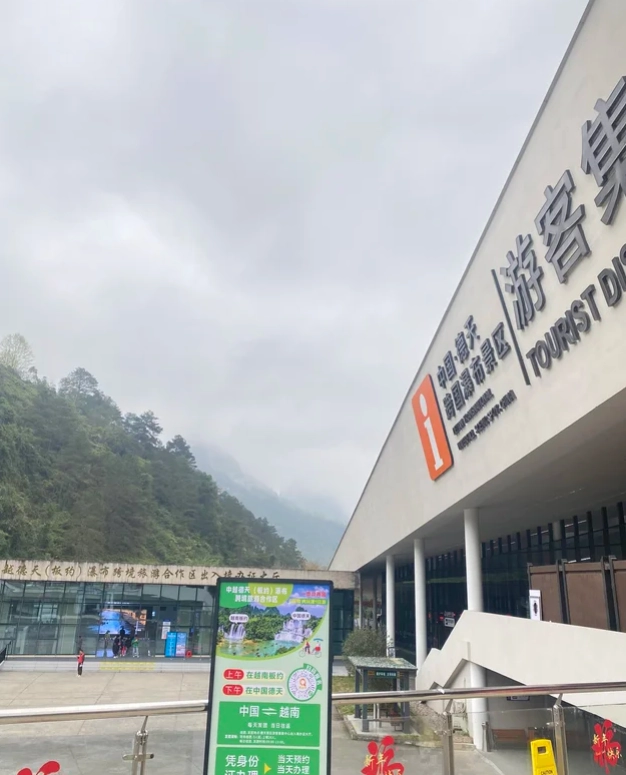
Taxi Meters and Fares
Always insist on the meter. If the driver says “no meter” and asks for a flat fee, it’s probably double the actual fare. I always tell my clients to watch the meter before the driver starts. The app-based ride-hailing apps like Didi actually enforce this, which is why I recommend them.
| Transport Method | Base Fare | Typical City Ride | Payment |
|---|---|---|---|
| Taxi | 7 RMB | 10–25 RMB | Alipay/WeChat/cash (exact) |
| Didi Premier | ~9 RMB | 15–30 RMB | Alipay/WeChat (linked card) |
| Didi Express | ~6 RMB | 8–20 RMB | Alipay/WeChat (linked card) |
If you’re standing by the roadside to hail a taxi, have your destination written in Chinese. It saves awkward translation moments — believe me, I’ve seen tourists try charades to explain “the waterfall” to a driver.
Didi and Ride-Hailing Apps
Didi is my absolute recommendation for solo travelers. You download the app, input your destination in English, and the driver picks you up. No language barrier at all. It’s integrated with Alipay, so you don’t even need a local SIM. Just make sure your Alipay is verified with your passport before you travel.
One pro tip: always compare the price on Didi with the meter before accepting a ride. Sometimes during peak season, drivers may ask for an extra fee — if that happens, call me? Actually no, just open Didi and re-book. Keep it simple.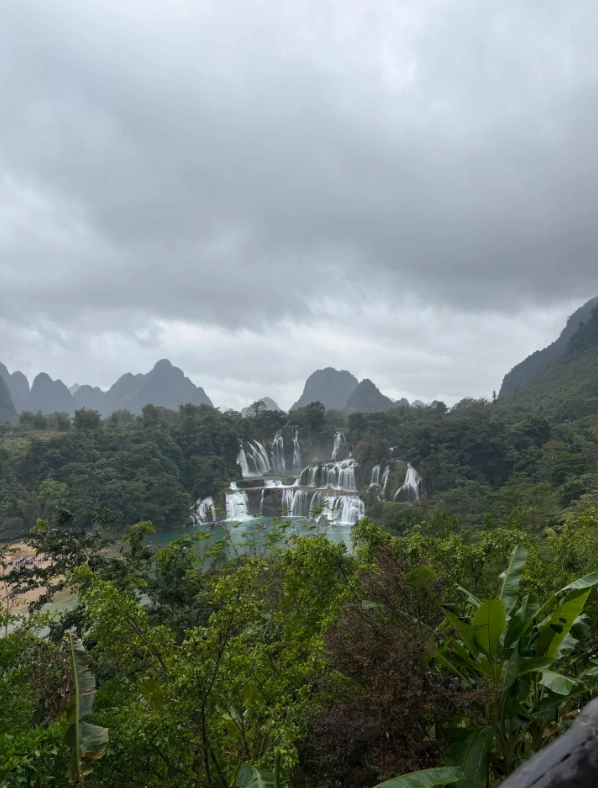
The Tricky Part: Getting to Detian Waterfall
Detian Waterfall is the crown jewel of Chongzuo, and it’s about 70 kilometers from the city center. This is where most tourists panic because there’s no direct public metro or regular city bus. But there are three solid ways to get there.
By Long-Distance Bus
The cheapest way is to take a bus from the Chongzuo long-distance bus station to the town of Shuolong (硕龙). The ride takes roughly two hours and costs around 30 RMB. From Shuolong, you’ll need to hop on a local shuttle or take a taxi for the last 18 kilometers to the waterfall gate. It’s cheap but time-consuming — and you’ll need to be careful with the last return bus, which usually leaves Detian by 5 PM.
To make this work:
- Take a taxi or bus 4 to the long-distance bus station.
- Buy a ticket to Shuolong (show the driver this: “硕龙”).
- Once in Shuolong, check the local minibus sign or ask the driver’s friend — likely they’ll take you the rest of the way for 10–15 RMB.
- Save the number of your taxi driver for the way back!
By Organized Tour vs. DIY
If you’re short on time or simply want zero stress, book a one-day tour from Chongzuo. Trip.com and Klook both offer group tours that include the bus ride, entrance ticket, and an English-speaking guide. It usually costs between 250–350 RMB per person. Yes, it’s more than the DIY option, but it saves you the hassle of navigating transfers and negotiating with taxi drivers in a place where few people speak English.
I always tell my first-time visitors: take the tour. You’ll learn more about the cross-border history (the waterfall sits right on the Vietnam-China border) and you won’t miss the hidden viewpoint that most DIY visitors skip.
Insider Tips for Navigating Chongzuo Like a Pro
Here are the things I wish someone had told me before my first trip:
- Don’t rely on Google Maps. It shows wrong bus stops and sometimes even wrong locations for hotels. Use AMap Global (it’s now got an English option).
- Always carry your passport — even for a bus ticket. Long-distance bus stations require identity checks.
- Book your Detian ticket online in advance, especially during the holiday rush. You can do it on Trip.com or through the official WeChat mini-program — but the mini-program is in Chinese. If you can’t read it, let your hotel staff help.
- Cash is still useful for small purchases like bottled water or when the bus card reader glitches. Keep 50 RMB in small bills with you.
- Learn one phrase: “dǎ chē” (打出租车) which means “take a taxi.” It helps if you need to hail one.
Pro Tip: If you’re heading to Detian at sunrise, book a Didi the night before. Morning taxis are scarce, and the bus doesn’t run early enough to catch the best light. Many drivers will add a small surcharge — that’s normal. Just agree on a price before you get in.
Another thing that catches tourists off guard: Chongzuo is hot and humid. If you take the bus and get off at the wrong stop, that’s two stops you’ll walk in the sun. I always tell clients to pack a hat and water — the heat is a bigger challenge than the transport itself.

I really wanted to like this because the topic is one that is hard to find online. It gave a few basic routes, but I did not feel like it was written by a real local. The article kept mentioning official bus numbers as if they run exactly by the timetable, which is not what I experienced. I waited 40 minutes at a stop, then saw a minibus fly past that I was too confused to hail. No advice on using WeChat or Alipay to pay, and no warning that some stops are just signs in the middle of nowhere. Fine for a starting point, but not enough on its own.
Useful and well organized overall. The downtown bus routes are still accurate and the advice about buying a prepaid transit card saved me some fumbling. I only dropped one star because the schedule for the Pingxiang bus seemed outdated: it says every 15 minutes, but it ran closer to every 30 on the day I tried. Still glad I bought the guide, but double-check the times if you are on a tight itinerary.
My husband and I spent a week in Chongzuo and came to love the buses here, mostly thanks to this guide. The route descriptions made it feel like a mini adventure instead of a stressful chore. We took the No. 2 bus just to loop around the river, and a local passenger even pointed out where to get off when she saw us reading the article. No taxi touts, no confusion, just a genuinely nice day.
Honestly, I downloaded this article out of curiosity, but it ended up being the most-used page on my phone in Chongzuo. The part about the local 9-seat minibus to Ming Shi Scenic Area was perfect. I would never have figured out where to flag it down. The writer even included the exact stop landmarks, so I didn't have to panic or repeat myself in broken Chinese. Strong recommend.
This guide was a lifesaver. I usually refuse to rely on taxis, and the directions for the public bus from Jiangnan Station to Detian Waterfall were spot-on. It even mentioned the little noodle stall right by the bus bay, which was exactly the breakfast I needed before the ride. The fare was 25 yuan and the window seating gave me a full view of the karst peaks. I would have been so lost without this write-up.
We rented a scooter instead, but used this guide to talk to the bus driver at the long-distance station when our scooter died. A local passenger saw the page I was pointing at and helped translate. The maps are clear, the language is down-to-earth, and it never felt like a boring brochure. Definitely the practical resource for going between Chongzuo and Ningming—we made our return trip without any stress.
What a gem! I'm a bus nerd and this was the most readable transit guide I've found in Guangxi. Loved the details about the old city trolley-to-shared-taxi handoff near the Friendship Bridge, and the warning about afternoon buses filling up before the listed departure. That little advice to stand near the white railing if you want a seat—genius. Five stars from someone who usually hates static bus blog posts.
Honestly, this guide is okay but it oversells the 'tourist-friendly' part. It tells you to take bus 9 to the museum, but the bus we boarded had no route sign in English and the conductor didn't understand Google Translate. We ended up walking 3 km in the heat. Maybe it works if you already know some Chinese, but for a first-timer it was frustrating. The map screenshot was useful, though, and at least we saw some rice paddies along the way.
Useful overview, though it could be more current. It got me onto the right bus from Chongzuo East station to Pingxiang, and pointed out the ticket booth near the fruit market that I would've missed. The driver didn't know the guide's recommended stop and dropped me a bit early, so be ready to ask around. Still, solid basics and the tip about paying with QR code was a lifesaver. Four stars because a few bus routes changed.
This guide saved me in Chongzuo! I usually hate figuring out buses in smaller Chinese cities, but the section on the 9-seat minibuses to Detian Falls was exactly right. The stop near the old bus station looked sketchy, but the driver waved us over and we got a seat for 20 yuan. The winding mountain road made my stomach drop, but with the windows open it smelled like eucalyptus and wet rock. Couldn't have done it without this page.
Honestly, I downloaded this on a whim and it turned into my main navigator for three days. The walking route from Chongzuo East Bus Station to the bus stop was drawn so clearly that I didn't have to ask anyone for help. The tip to avoid peak hours if you want a seat on the minibus to Mingjiang Park was 100% right — I got a window seat in the morning, and the afternoon crowd was a mess. Highly recommend for anyone exploring Guangxi on a budget.
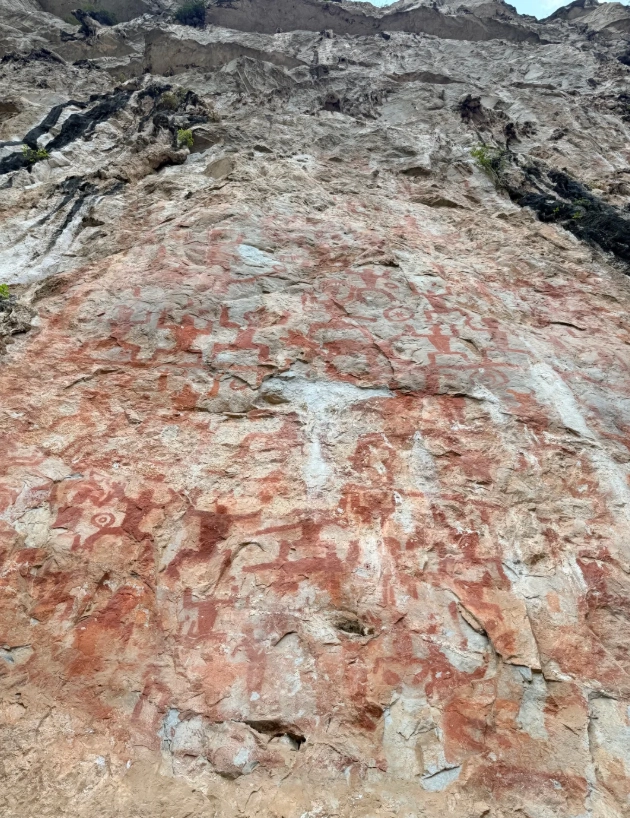
This is the kind of guide I try to write myself but never finish. It breaks down every option from shared minibuses to hourly taxi hire, and even includes the exact stops for the Huashan Rock Art shuttle. I used it over a long weekend to visit Longzhou and the Friendship Pass — no missed connections, no confusion. The writer clearly lives here. I'm passing this link to every friend who asks about Chongzuo.
I wanted to like this, but it left me a bit confused. The part about getting from Chongzuo Railway Station into town was helpful, but after that it jumps from city buses to county buses without making the transfer points clear. I missed the only morning tourist bus to Detian Falls because the article didn't mention it departs from a different parking lot, not the main bus station. Ended up spending a ton on a private taxi. Some good ideas, but not as reliable as I'd hoped.
Solid, practical write-up. The section about renting a shared e-bike in the city was really helpful and got me around the riverside parks without paying for taxis. The maps pointed me to bus 7, which worked fine. Just be aware that the schedule for the long-distance bus to Pingxiang seems to have changed since this was published — I waited ages and the ticket office told me to take the next one. Still, the local tips and fare prices made it worth the read.
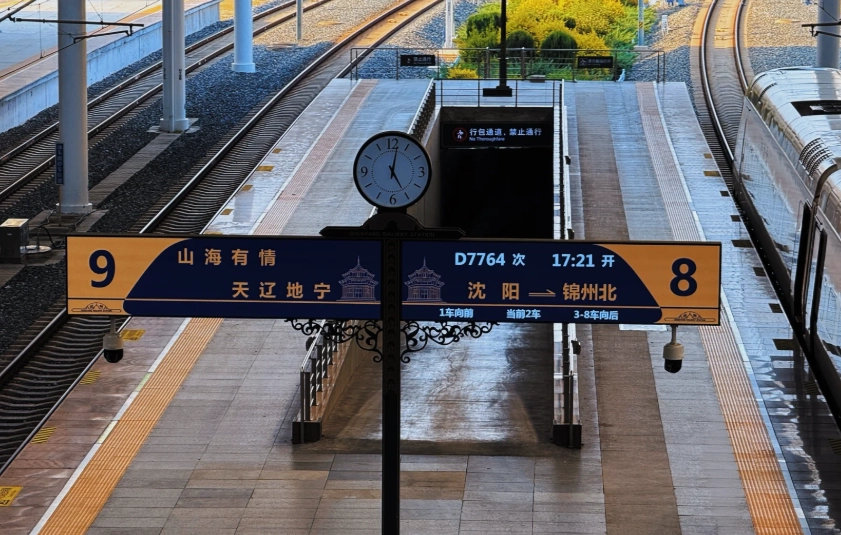
I'm usually sketchy about relying on online guides, but this one was spot on. Took the high-speed rail to Chongzuo and found the bus to Jiangzhou old town exactly where the article said it would be. The fare was cheap and the driver even understood my printed Chinese phrase. Later used the same guide to catch a shared van to Detian Waterfall — the whole thing went off without a hitch. Absolute lifesaver for an independent traveler.