 Chen Liu
- Quick Answer: How Much Time?
- Why Your Time Here Is Shorter Than You Think
- 1, 2, or 3 Hours? Pick Your Scenario
- My Step-by-Step 2-Hour Walking Plan
- How to Get to Friendship Pass (and Away Again)
- Money, Phones, and the Border Reality
- Extra Time? Combine With These
- Honest Questions I Get About the Pass
I remember the first time I stood on the red stone of Friendship Pass and watched one of my clients check her watch. She whispered, 'This is it?' I've brought dozens of small groups here since then, and the honest answer to how long to spend at Friendship Pass is about two hours — not a full day, not a rushed forty minutes. Let me walk you through exactly what you'll do with those hours, and where I've seen people waste time.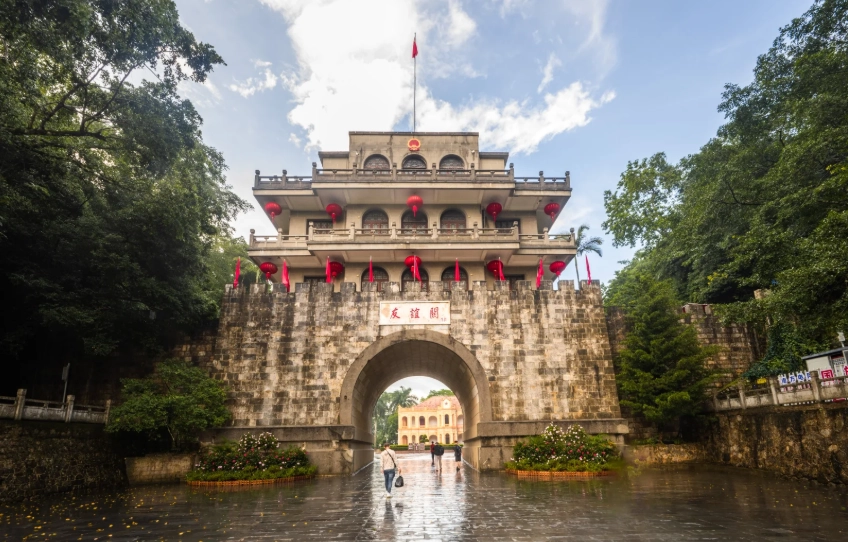
Quick Answer: How Much Time?
I recommend 2 to 2.5 hours for the scenic area itself. This covers photography at the main gate, walking the small fortress wall, browsing the museum, and sitting on the steps for a minute to absorb the border atmosphere. Most travelers, including those with kids, finish in that window. If you're only here to snap the classic border gate photo and tick it off, 45 minutes is enough, but you'll miss the quiet upper wall and the history behind it.
Why Your Time at Friendship Pass Is Shorter Than You Think
Here is the part that surprises everyone: the entire visitor area is a compact loop. From the ticket booth you can already see the main border gate. So the site feels tiny compared to the rest of China's historical sights.
What you'll actually see:
- The tower and main gate — your classic photo spot
- A short section of restored ancient wall
- A small war and customs history museum
- A working border crossing where trucks pass by
That's it. You are not walking the Great Wall. You're doing a 20-minute circular route. I tell my clients this before we go in, so they don't feel let down.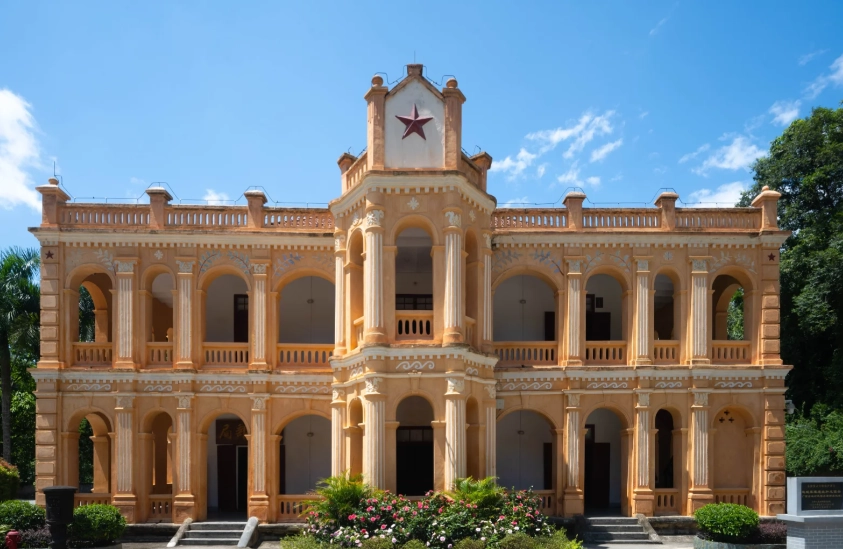
Best Time of Day to Visit
Arrive before 9:30 AM or after 2:30 PM. I always tell my clients to skip the midday rush between 11 and 1 because tour buses from Nanning drop off groups, and the light is harsh for photos. Morning is softer, and afternoons around 4 PM have a lovely glow on the old stone. The border crossing area can get busy with trucks in the early morning; don't be surprised.
1, 2, or 3 Hours? Pick Your Scenario
If you're the type who likes a plan, use this quick comparison. I've based it on real visits, not official intervals.
| Duration | What you can comfortably do | Who it's for | Reminder |
|---|---|---|---|
| 45 minutes | Main gate photo, gift-shop glance, top of the museum stairs | Cruise-by visitors | Skip the wall loop |
| 1 hour | Main gate, small wall loop, quick museum walk | Tourists combining with lunch in Pingxiang | Keep an eye on your driver |
| 2 hours | Everything in the official loop plus the border marker and history panels | Most independent travelers | This is my default recommendation |
| 3 hours | Complete loop, extended museum time, coffee on the steps, second circuit for photos | History buffs and photographers | Bring a book if you sit |
My Step-by-Step 2-Hour Walking Plan
Here is exactly how I move through the space. Use the timers loosely — the goal is to feel the place, not to rush.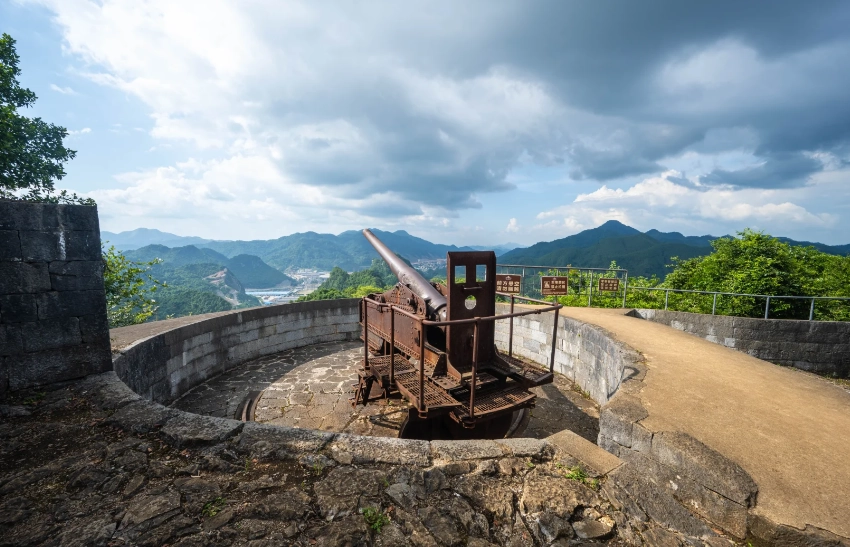
Start at the Ticket Office and Passport Check
The site usually opens at 8 AM and closes at 6 PM in summer and 5:30 PM in winter. Last entry can be as early as 4:30 PM, so plan accordingly.
- Buy your ticket. The line is rarely long, but expect to show your passport because the system uses real-name booking. Children under 1.2m and seniors over 60 usually get half price — just show the same passport.
- If you booked through Trip.com or Klook, head to the QR-code counter.
- Walk straight through the stone archway. Don't stop at the 'Friendship Pass' photo sign yet — it gets busy later.
- Go up the ramp to your right.
The Stone Wall and the Border Gate
Ten minutes on the wall gives you an elevated view over the working border. You'll see Chinese and Vietnamese trucks waiting to clear customs. The wall is uneven but stable. Bring a zoom lens if you like details.
The Museum and the Old Pass
The small museum sits inside an old building beside the gate. It tells the messy history of a border that has changed hands many times. I've read every panel once, and I still find new things. Give it 25 minutes.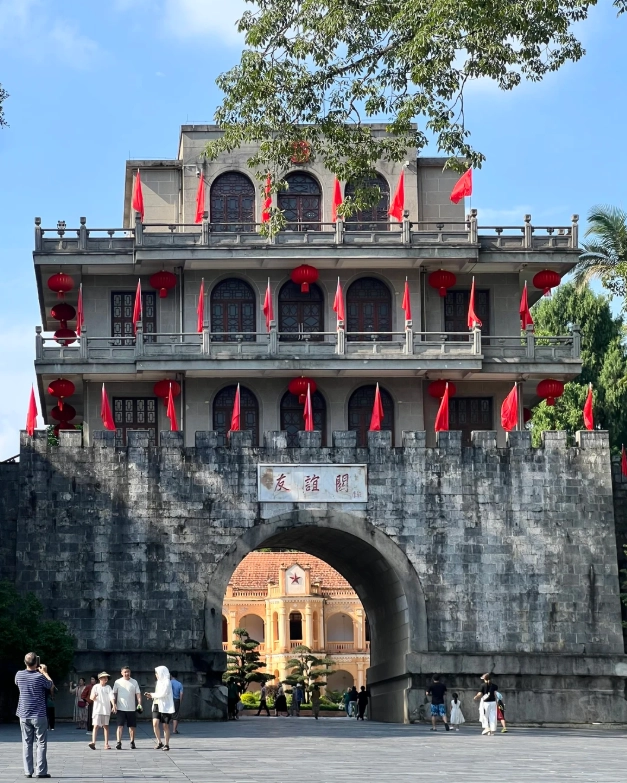
End With a Slow Look at the Border Marker
The real reason I linger is the stone border marker past the main guard post. You can't cross, but you can stand close enough to hear Vietnamese on the other side. On a clear day, you can see rooftops and hills. Don't try to touch the marker — border guards will politely ask you to move back. I've seen it happen.
Insider advice: The best photo of the pass itself is actually from the small viewing platform near the gift shop, after 3 PM, not in front of the gate.
How to Get to Friendship Pass (and Away Again)
From Nanning by Bus + Taxi
Most foreigners start in Nanning. Take a bus from Nanning's Langdong Bus Station to Pingxiang. The drive is around 2.5 hours, and a ticket usually costs 60–90 RMB. From Pingxiang bus station, a taxi to Friendship Pass costs about 15–20 RMB and takes 15 minutes. Use Alipay to summon a Didi if you can't find a taxi. Show the driver this address: 凭祥市友谊关景区.
From Pingxiang City by Taxi
If you're staying in Pingxiang town, you're only about 18 kilometers from the pass. A taxi ride takes 15–20 minutes and should set you back 20–30 yuan. There is a local bus from the main square, but it's unreliable — stick with Didi or a hotel-arranged shuttle.
What About Coming From Detian Waterfall?
Detian Waterfall and Friendship Pass are both in southern Guangxi, but they are not close together. It's a 3-hour drive between them. I've done the combo twice: start early from Detian, visit Friendship Pass around noon, then continue to Nanning. It's a long day. Better overnight in Pingxiang or at the nearby village accommodation.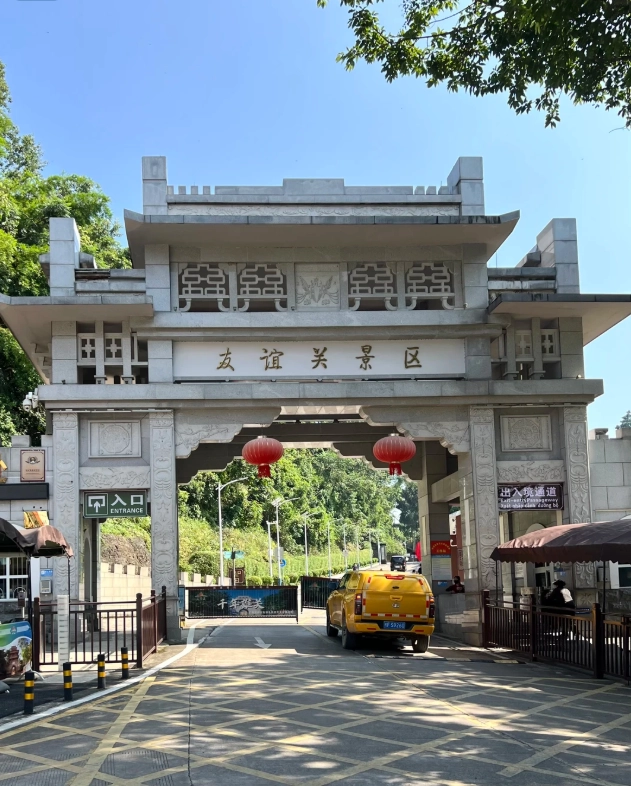
Money, Phones, and the Border-Crossing Reality
Payment at Friendship Pass: Can You Use Cash?
At the ticket office, you'll likely be using Alipay or WeChat Pay. Most card readers work when your international bank card is linked to those apps. I've used my Visa-linked Alipay without issue. Cash is tricky in the small tea stalls, but the ticket office does accept cash. Keep about 100 RMB in your pocket for emergencies.
Which Maps Actually Work Here?
Google Maps will put you close, but the road names rarely match. Apple Maps works, and the best is Amap (高德地图), which has an English mode in its settings. Search for 'Friendship Pass' or '凭祥友谊关'. I always save both the English and Chinese names before I arrive.
Language and Internet
Download a VPN before you leave home — Google services are blocked here. Use Apple Translate or Baidu Translate offline. The English on the museum panels is thin, so a translation app is useful.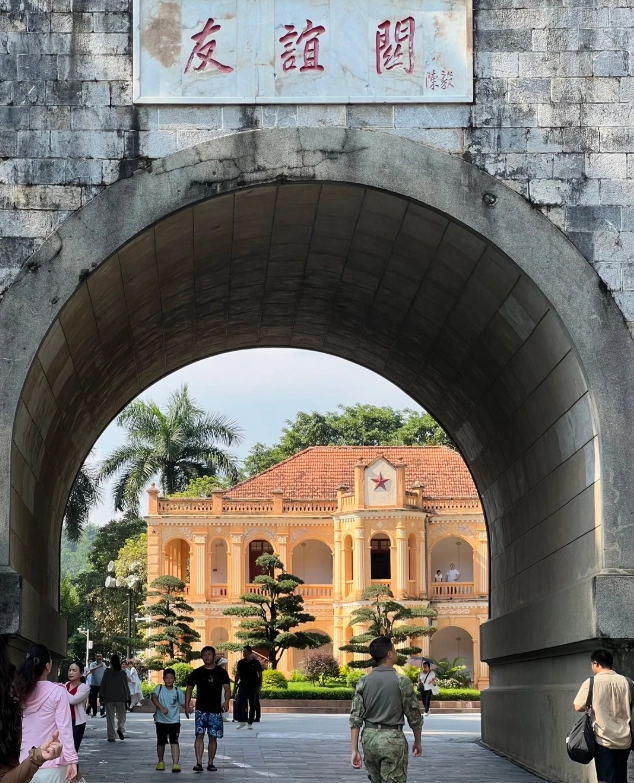
Do I Need a Visa to Enter the Scenic Area?
You can enter the Friendship Pass Scenic Area without a Chinese visa, as long as you're legally in China. To cross the border into Vietnam, you need a Vietnamese visa. The border crossing is active; don't wander past the buildings unless you have valid entry stamps. I always repeat: keep your passport on you.
Extra Time? Combine With These
Pingxiang's Border Trade Market
With an extra hour, head to the Pingxiang border trade market. It's a chaotic row of Vietnamese snacks, dried fruit, and cheap household goods. It's not polished tourism, but it's real. Pick up Vietnamese coffee — I do every time.
The Old Hill Path Behind the Wall
Back at Friendship Pass, instead of sitting in the parking lot, find the small path behind the wall that leads up to an old machine-gun post. It takes 15 minutes and rewards you with a view over the border valley. Only do this when guards wave you through.
Plan B: When the Weather Is Bad
Friendship Pass is an outdoor site. If it's raining hard, the museum becomes a cave, but it's small. Drive 30 minutes to Pingxiang town and visit the local food stalls near the market, or simply wait out the rain with a bowl of spicy pig intestines soup — a local favorite that will fire you up.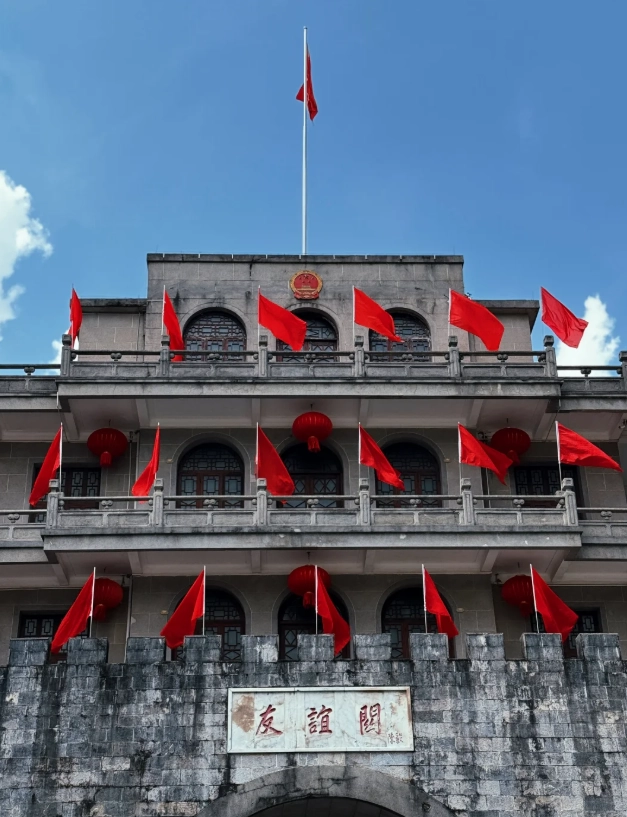
Honest Questions I Get About the Pass
Verified and fact-checked by the editorial team. This content has been fact-checked to ensure informational precision.
A perfect hour-and-a-half stop on a self-drive route from Nanning. I wasn't sure how long to plan, but 1.5–2 hours was just right. I walked from the parking lot to the main gate, crossed the small plaza, read the bilingual plaques, and sat on the stone steps for a while. The information boards are actually interesting—especially the story of the railway gauge change. It’s not a huge site, but the atmosphere is unique: rusting border gates, propaganda-era murals, and mountains that don’t care about borders. One tip: the little coffee stand by the ticket office makes a decent iced coffee, and the old town of Pingxiang is only 10 minutes by taxi. Highly recommend for a relaxed half-day.
Came as part of a border road trip and loved it. The contrast between the busy commercial crossing and the quieter Old Gate area is striking. I was expecting just a gate, but there's a nice little loop with steps and a pavilion that takes about 45 minutes if you take photos. I spent another hour just watching the cargo trucks line up below—strangely hypnotic. The staff at the ticket booth were friendly, and the toilets were acceptable. If you can, come at opening time; by 10am the group tours arrive.
Honestly this was one of the most underrated spots in Guangxi. I blocked out three hours and ended up staying the whole morning. The old gate is full of character, with the red flag and mountain backdrop, and you can feel the history. There's a paved walkway up to a viewpoint, and the sound of wind through the border markers is strangely moving. The small museum has some fascinating old photos and railway history—go early before the crowds. Definitely bring water; there's not much shade once you're up higher. Five stars from me.
Spent two hours here on a clear morning. The approach from the parking area is quite nice, with trees and border police around. The pass itself is impressive from a distance, and you can see Vietnam across the line. We didn't take a guide, but the free map was enough to cover the main points. Only reason I'm not giving 5: the museum area closes for lunch, which we didn't expect, and there were a lot of tour groups around 11am. Still worth it if you're in Pingxiang. Bring your passport if you want to peek at the duty-free shop; honestly the souvenir stalls are overpriced.
Maybe I overplanned for this one. We spent about 1.5 hours including the main gate and the small exhibition. If you're not into border-trade history, it's basically a quick photo stop. The site itself is well kept, but the English signage is thin, and a couple of areas were roped off. The surrounding stalls are pushy, and the whole thing feels more like a logistics checkpoint than a proper attraction. Fine if you're passing through, but I wouldn't make a special trip.
Five stars from me! I followed the advice to spend 3 hours here and it was exactly enough. You get time to walk the whole area, watch the trains rumble past, and even grab lunch. The sense of history at the China-Vietnam border gave me chills — you're literally standing where so much has happened. Bring water and sun protection because there's not much shade, and keep your passport handy if you're crossing. Great photo ops, friendly local vendors, and no huge crowds. A must-see for anyone exploring the border region!
We weren't sure if it was worth stopping at Friendship Pass, but we're so glad we did. We spent about two hours here before continuing to Vietnam. Walked across the bridge, watched a few cargo trucks pass through, and grabbed some banh mi from a stall near the gate. It's not a huge site, but the atmosphere is unique and the border crossing process was surprisingly smooth. Perfect length for a relaxed visit — any longer and we'd have run out of things to see, but for a historical stopover it's a gem. Would definitely recommend.
This place deserves more hype! I stayed for a full three hours and loved every minute. The gate is iconic, but the real magic is in the small details — the faded Chinese characters, the old railway tracks, the vendors selling local snacks. I tried a homemade sugarcane drink and chatted with a retired border guard who told me stories. If you take your time and sit on the steps for a while, you'll soak up so much history. Honestly, one of my favourite unexpected stops in Guangxi. Highly recommend setting aside half a day.
I gave myself 90 minutes between buses and that felt about right. You can walk up to the border gate, take the obligatory photos, and browse the little market stalls without rushing. The vibe is more functional than touristy, which I actually appreciated. Just be aware that if you want to walk right up to the actual border line, you might have to wait for the crowd to clear. Solid stop if you're passing through, but I wouldn't make a special trip.
Honestly, you don't need more than an hour here unless you're crossing the border. I planned for a half-day based on some blog posts and ended up wandering around the same small area twice. The gate itself is cool and the history is interesting, but there's no real exhibition or viewpoint to linger at. A few souvenir stalls were open, but nothing special. If you're in the area, fine — just don't over-plan your time like I did.
This is the first review I've ever left for an article, but it deserves one. The practical time plan was so good that we never once felt lost or rushed. I loved that it mentioned the dusty gravel stretch after rain because that's exactly what we hit! We followed the suggested 3-hour route and loved every minute. The views over the valley are stunning and having this guide made it feel like we had a local friend showing us around. Five stars without hesitation.
Top-notch planning article. I normally hate over-thinking these things, but the author really nailed the pacing. We had a car and a driver waiting, and thanks to this guide we knew we needed about 2.5 hours, not just a quick stop. The breakdown of where to spend time — the old gate, the mountain viewpoint, and the museum area — was so accurate. Even the advice about crowds in the morning made a difference. Highly recommend reading this before you go.
I'm so glad I found this before going! The time plan saved us from feeling rushed. We took the suggested 3 hours and it was perfect — enough time to soak in the mountain views, read the plaques, and even grab coffee at the little stall. The description of the staircase near the border marker was exactly right. If you're someone who likes to linger and take photos, trust this guide. It's my favorite kind of practical travel writing: clear, honest, and no fluff.
Really solid guide for anyone trying to figure out how much time to give Friendship Pass. We followed the two-to-three hour breakdown and it matched our pace almost perfectly. The tips about checking the border hours and leaving extra time for the souvenir stalls were spot on. Only minor gripe: I wish it had mentioned that some parts are a bit of a walk from the parking area, especially in the heat. Still, a very helpful read and I'd recommend it.
This plan sounded perfect on paper, but I honestly felt we were done way before the suggested time. It said to budget around two hours, and we wrapped up in under an hour, even with photos. The views are nice and the history is interesting, but the whole area is pretty compact. Maybe I was expecting more of a 'pass' experience and less of a gift shop and checkpoint vibe. Useful if you're just passing through, but don't overplan your day around it.