 Tao Xu
Winter in Chongzuo? Most foreign visitors skip it. Big mistake.
I've led countless tours to this corner of Guangxi, and winter is honestly my favorite season here. The crowds vanish, the air turns crisp, and the Detian Waterfall still thunders — just with fewer selfie sticks.
Here's the thing: planning a Chongzuo winter itinerary isn't complicated, but getting it wrong can cost you a whole day. The biggest trap? Following summer strategies. You don't need to wake up at 6 a.m. in November. You do need to watch out for fog on the mountain roads.
Stick to my 3-day plan below — it's built around what actually happens on the ground, not what guidebooks assume.
- Why Winter in Chongzuo Is a Secret Season
- How to Build a Chongzuo Winter Itinerary: Transport Essentials
- 3-Day Chongzuo Winter Itinerary: Falls, Karst & Border
- What to Eat in Chongzuo in Winter
- Where to Stay to Maximize Your Chongzuo Winter Itinerary
- 7 Insider Tips for a Smooth Chongzuo Winter Trip
- FAQ: Chongzuo Winter Itinerary Questions
Chongzuo Winter Itinerary: Why Winter Is the Secret Season
Winter here means 10°C–18°C daytime temperatures, dry weather, and no crowds. While summer is humid and packed with Chinese tourists, winter brings a rare calm. The karst peaks look sharper in the clear winter light, and waterfalls run stronger after the dry season's start.
You'll also save money. Hotels in Daxin County near Detian often drop prices by 30% from November to February. And because it's low season, you can often negotiate a better deal with local drivers.
One thing to watch: fog can roll in on mountain roads until mid-morning. That's why I always advise starting your day at 9:30 a.m., not 7 a.m. like you would in summer.
Another insider trick — pack light layers. You'll peel off a sweater by noon, then put it back on when the sun dips. A windproof jacket is more useful than a heavy coat.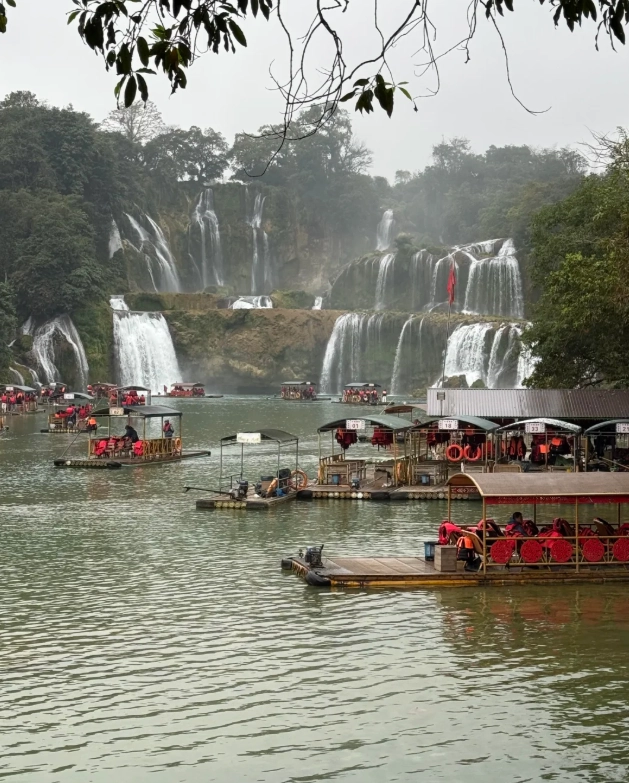
How to Build a Chongzuo Winter Itinerary: Transport Essentials
Getting to Chongzuo is easy by high-speed rail from Nanning, but getting around the sights requires planning. Here's the breakdown.
| Transport | Route | Duration | Cost (Approx.) | Best For |
|---|---|---|---|---|
| High-speed train | Nanning to Chongzuo | 1–1.5 hours | 80–120 RMB | Fast, reliable; book on Trip.com or 12306.cn |
| Public bus | Chongzuo to Daxin County | 2 hours | 30–40 RMB | Budget travel; less comfortable |
| Private car with driver | Full day around Chongzuo | Flexible | 500–800 RMB/day | Convenient; arrange via hotel or local driver |
For the 3-day itinerary below, I recommend taking the high-speed train to Chongzuo, then hiring a taxi or private car for day trips. Public buses work but can be slow and confusing for foreigners.
Pro Tip: Don't rely on Google Maps — it's unreliable in China. Use Apple Maps or download AMap Global on your phone. Make sure your driver sees the Chinese address printed on your screen.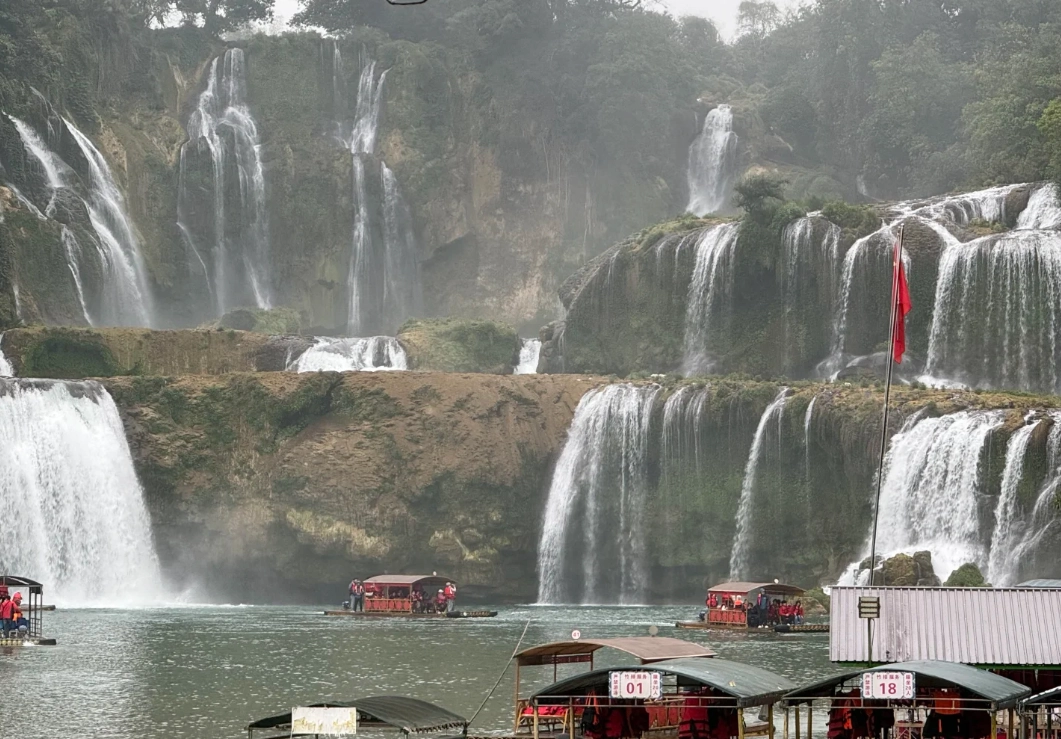
3-Day Chongzuo Winter Itinerary: Falls, Karst & Border
Day 1: Detian Waterfall & Border Views
Start from Chongzuo city at 8:30 a.m., drive 2 hours to Detian Waterfall. Arrive before noon when sunlight hits the falls head-on. The entrance fee is around 110–115 RMB (includes shuttle bus). Bring your passport — they need it for tickets
The highlight is the 70-meter-high Detian Waterfall, the world's second-largest transnational waterfall after Niagara. You can take a bamboo raft across the river to Vietnam border. After noon, the light shifts, and you get better photos from the viewing platforms.
Walk the entire loop — it takes about 3 hours. Don't skip the observation deck at the top; most tourists miss it because they're too busy at the base.
For lunch, there are simple restaurants near the entrance. I always tell my clients to eat at the cafeteria before 12:30 to avoid the rush.
Back at Chongzuo by evening, try the local sour fish hot pot at a restaurant near the train station. Expect to pay 60–80 RMB per person.
Day 2: Mingshi Karst & Countryside
Today is all about slow scenery. Drive 1.5 hours to Mingshi Scenic Area, a tranquil karst valley often called the "Nanning of Guilin." Entrance is about 80 RMB.
Take the bamboo boat ride on Mingshi River — it's the calmest 60 minutes you'll experience in China. Winter adds a special touch: mist hovers over the river until late morning, making the peaks look like ink paintings.
Rent a bicycle or electric scooter to explore the villages dotted along the valley. I recommend the 10-km loop; allow 2 hours.
Avoid the group lunch spots. Instead, ask locals to guide you to a farmer's restaurant. Point at vegetables and meat — you'll get a fresh stir-fry for about 40 RMB.
Return to Chongzuo for the night and treat yourself to a bowl of Guilin rice noodles from a street stall.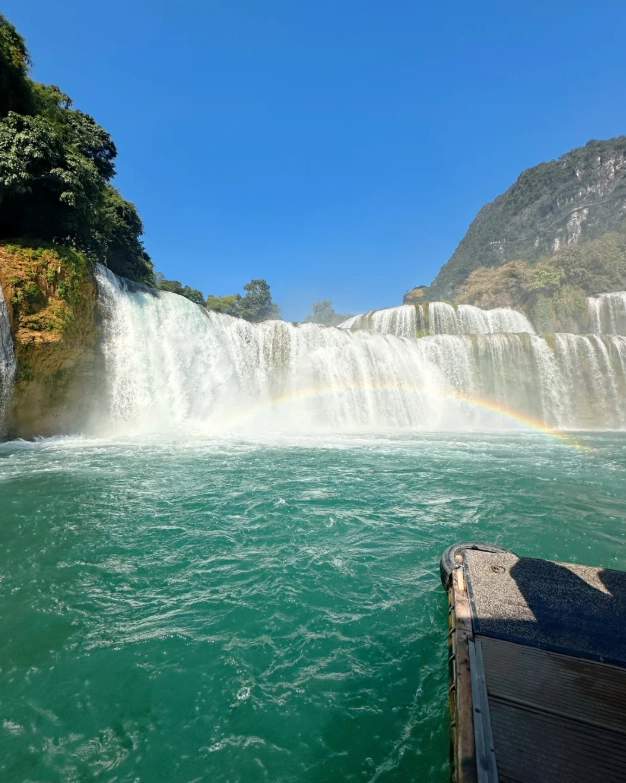
Day 3: Friendship Pass & Pingxiang
Head south to Youyi Pass (Friendship Pass), 1.5 hours from Chongzuo. This border crossing between China and Vietnam is rich with history. Entrance costs about 50 RMB.
Walk the old city wall and visit the 2,000-year-old pass. On a clear winter day, you can see Vietnam from the top lookout. It's a powerful spot, especially for history buffs.
Spend the afternoon in Pingxiang city. The border market has everything from Vietnamese coffee to cheap sneakers. Be ready to bargain — start at 1/3 of the asking price.
Take the late afternoon train back to Nanning. That wraps up a perfect Chongzuo winter itinerary.
What to Eat in Chongzuo in Winter
Chongzuo is a melting pot of Zhuang and Vietnamese flavors. Winter meals here are warm, spicy, and hearty.
- Sour fish hot pot (酸鱼火锅) — Tangy and spicy, perfect for cold evenings. Try at Yao Fu Yu restaurant, 20 min walk from the train station. Around 70 RMB/person. Go before 7 p.m., it fills up fast.
- Pickled duck (酸鸭) — A local specialty, often slow-cooked with bamboo shoots. Look for street stalls near the night market.
- Vietnamese spring rolls — Fresh and light, sold at many border-town eateries. Great afternoon snack.
- Rice noodle soup (米粉) — For breakfast, grab a steaming bowl at any local shop. Add extra chili if you dare.
Most small restaurants only accept cash or mobile payments. Keep some cash in small bills for street vendors. Your Alipay/Wallet should work for most places, though.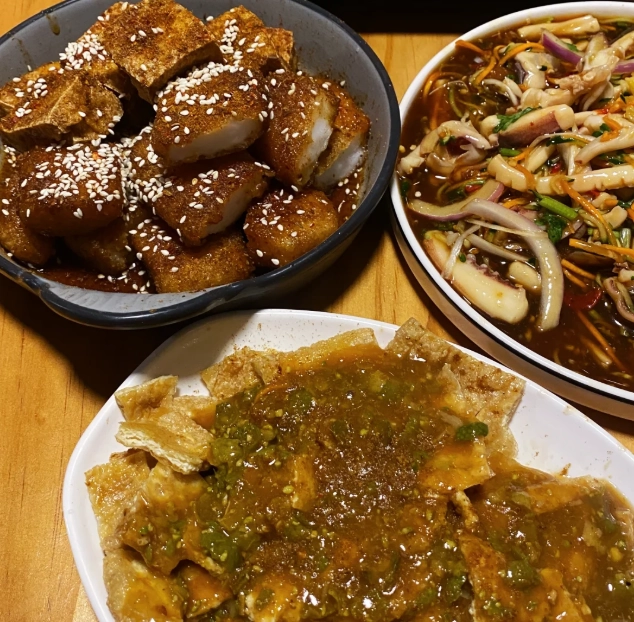
Where to Stay to Maximize Your Chongzuo Winter Itinerary
The best base depends on your style. Chongzuo city has modern hotels near the train station; Daxin County offers rural guesthouses near Detian; Pingxiang has budget options near the border.
| Area | Hotel Example | Price Range | Best For |
|---|---|---|---|
| Chongzuo City | Holiday Inn Express (Chongzuo) | 250–400 RMB | Convenient, Western-style amenities |
| Daxin County | Mingshi Boutique Hotel | 200–350 RMB | Countryside views, close to Detian |
| Pingxiang | Youyi Pass Hotel | 150–250 RMB | Budget, near border market |
In Chongzuo city, I like the Holiday Inn Express for its reliable Wi-Fi and English-speaking front desk. For a more rural experience, the Mingshi Boutique Hotel puts you waking up to karst peaks outside your window.
Whatever you choose, ensure the hotel has elevators and hot water — many budget guesthouses in rural areas skip these.
7 Insider Tips for a Smooth Chongzuo Winter Trip
These are the things I tell every client before we head out.
- Book your train tickets early — Winter weekends still see local travelers. Use Trip.com or 12306.cn.
- Carry your passport at all times — You'll need it for admission at every scenic spot.
- Download a VPN before you travel — Google, Instagram, and WhatsApp will be blocked without it.
- Pack throat lozenges and a scarf — Winter wind can be biting, especially near waterfalls.
- Use cash as backup — Some remote eateries only accept cash.
- Bring a photogenic layer — The winter light is gorgeous; you'll wish you had a nice coat for pictures.
- Be flexible on weather — Fog can delay mountain drives. Always have a backup indoor plan (like browsing Pingxiang market).
FAQ: Chongzuo Winter Itinerary Questions
Verified and fact-checked by the editorial team.
We took a 6-year-old and this itinerary was surprisingly stress-free. The border falls are reachable without a brutal hike, and winter meant no crowds and cool weather — perfect for walking. That 'karst escape' part is no joke: every overlook was ridiculous. The local rice noodle place suggested in Daxin was one of the best meals of our entire China trip. Only wish we’d added one more day to just sit by the river. Already shared this with my friends.
As a solo traveler I was a little worried about arranging transportation, but this itinerary gave clear enough instructions that I managed with local buses and a shared van. The winter light made the karst landscape look like a Chinese watercolor painting. Detian was dramatic and stunning even in January, and the 3-day pace never felt rushed. The evening walk along the river in downtown Chongzuo was a lovely way to end each day. A must-do for anyone who loves sleepy border towns and big scenery.
This itinerary was exactly what I needed. I did it just after New Year and had crisp blue skies. The morning at Detian with mist rolling over Ban Gioc was unforgettable, and the cross-border viewpoint was easy to find. I loved that it didn’t try to cram in extra temples or shops — every afternoon was either a quiet karst viewpoint or a slow cruise. The distances all checked out, and the breakfast recommendations were spot on. We even saw wild langurs near Ming River. Highly recommend this 3-day plan.
Good trip overall. We followed this in mid-February and the logistics were mostly accurate, plus I liked that it included alternative spots in case of bad weather. We had one hiccup finding the pier for the Ming River bamboo raft — the map pin was off by half a mile — but once we got going it was magical. Winter made the karst peaks hazy in a mystical way. Detian was great in dry season with still plenty of water. I’d give it a 4 because the accommodation suggestions felt a bit touristy, and the night market didn’t have much authentic to eat. But solid plans, pack layers.
This itinerary had a solid idea but for me it didn’t quite live up to the 'escape' part. Day 1 we spent most of the afternoon waiting at the border crossing and ended up missing the sunset viewpoint. The waterfall in winter was still pretty, but the local guide arranged through the hotel was really just a driver and couldn’t explain the two-country history at all. The karst scenery from the road is beautiful, but the stops listed are mostly overlooks — you’d need a lot longer if you actually want trails. We enjoyed Detian, but I wouldn’t call this an all-inclusive plan.
Winter is the right time to visit! The itinerary sent us to a tiny village on the second morning where we watched fog lift off the rice paddies with no one else around. The boat ride by the waterfall was exhilarating and wet even in winter – a raincoat saved my camera. The author also included clear directions to a local breakfast place in Chongzuo old town; the rice noodle soup with beancurd was the best I had in Guangxi. Every day felt deliberately paced, with enough free time to just sit and stare at the karsts. Five stars.
Great experience overall. We followed this in late January and loved the combination of the big waterfall and the quiet karst countryside. The instructions for the border marker at Detian were clear. Only reason I'm not giving 5: one trail marker near the mountain part of day two was confusing, and we took an extra hour getting back to the bus stop. Also, the guesthouse's WiFi was down. But the views, especially at sunset on the water, made up for it. I'd recommend it if you have a little flexibility.
Used this for a long weekend in early Jan. It's a solid framework, but I didn't love it as much as the reviews here. Day one involved a lot of driving and the two 'scenic viewpoints' we stopped at were almost identical. The mist made the border viewpoint pretty, but by 3pm we couldn't see the top of the falls clearly. Also, the homestay listed has thin walls and no heating – my room felt like a fridge overnight. That said, the dinner suggestion at a small noodle shop in Chongzuo was excellent. Just know it's more of a rough guide than a polished plan.
Did this in mid-January. Thought it would be too cold, but the layers were fine and the lack of crowds made it feel special. The winter light on the karsts around Mingshi was perfect, and the itinerary gave me a quiet spot for photos that no other tourists seemed to know about. The boat ride at Detian was a bit wet and wild even in winter, which made it more fun. Five stars from me – just bring waterproof boots and a decent camera bag.
Honestly one of the best winter trips I’ve done from Nanning. The itinerary nailed the timing at Detian Waterfall – we arrived right when the morning mist was still over the falls, and the paved path gave unreal close-up views. The kayak ride across to the border marker was a highlight. The second day in the karst valley was a peaceful contrast, cycling between banana fields and sharp limestone hills. Every stop on the route worked, and the food suggestions were local and cheap. Can’t recommend it enough.