 Yan Zhou
Jump to the section that matches your travel style:
- How Many Days in Anhui Do You Really Need?
- 3-Day Anhui Itinerary: The Ultimate Rush
- 5-Day Anhui Itinerary: The Classic Sweet Spot
- 7-Day Anhui Itinerary: The Full Immersion
- Which Anhui Trip Length Is Right for You?
- Getting Around Anhui: Trains, Taxis, and Avoiding Pitfalls
- Ticket Booking and Tech Tips for Foreign Travelers in Anhui
- Where to Stay in Anhui: Base Towns and Hotels
- Food Highlights: What to Eat in Anhui
- FAQs: Planning Your Anhui Trip Length
I've watched travelers collapse on the Huangshan summit trail after trying to squeeze it into a day trip from Shanghai. They always ask me — how many days in Anhui is actually enough? The answer might surprise you: five days is your sweet spot for the classic highlights. But if you've only got a long weekend, or you're itching for a deeper dive, here's exactly how to make it work.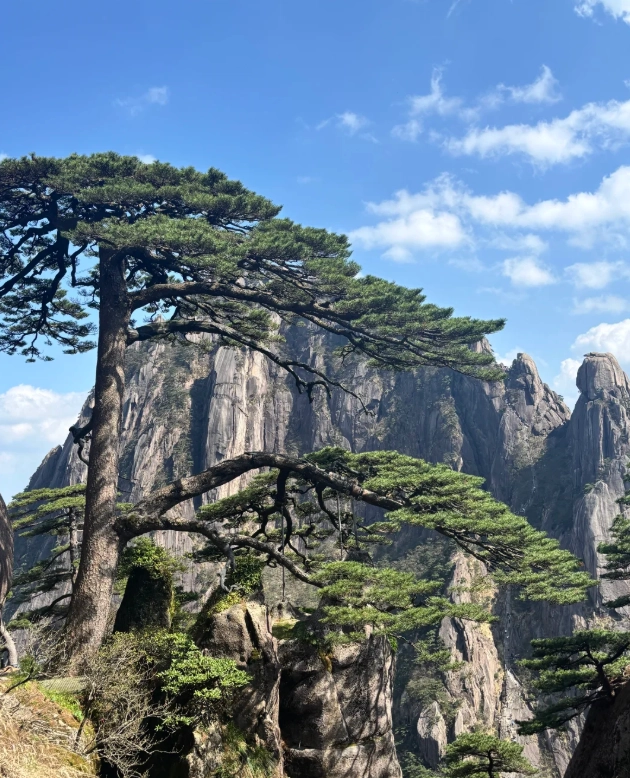
How Many Days in Anhui Do You Really Need?
The short answer: for the classic loop of Huangshan Mountain, the ancient villages (Hongcun and Xidi), and Tunxi Old Street, budget at least 5 days. With only 3 days, you'll be rushing like a contestant on a travel game show. With 7, you can throw in Hefei, Jiuhua Mountain, or some off-the-beaten-track villages like Chaji.
Here's the math. Huangshan itself demands a full day, ideally two if you want to catch the sunrise from the summit. Hongcun and Xidi each need half a day — you'll want to stay overnight in one to enjoy the early morning quiet. Tunxi Old Street is a relaxed evening stroll, but you'll need transit time between these dots. Add in the fact that mountain weather is unpredictable, and a buffer day becomes your insurance policy.
The 3-day tour is the internet's favorite recommendation — ignore it. It forces you to choose between watching the sunrise from Huangshan and wandering Hongcun's empty lanes at dusk. You can't have both. I've seen travellers try to do Huangshan as a day trip from Hongcun and miss the last cable car down. Not fun.
So, my honest advice: if you have the time, take 5 days. If you're short on time, use my 3-day plan below, but know that you'll be making trade-offs.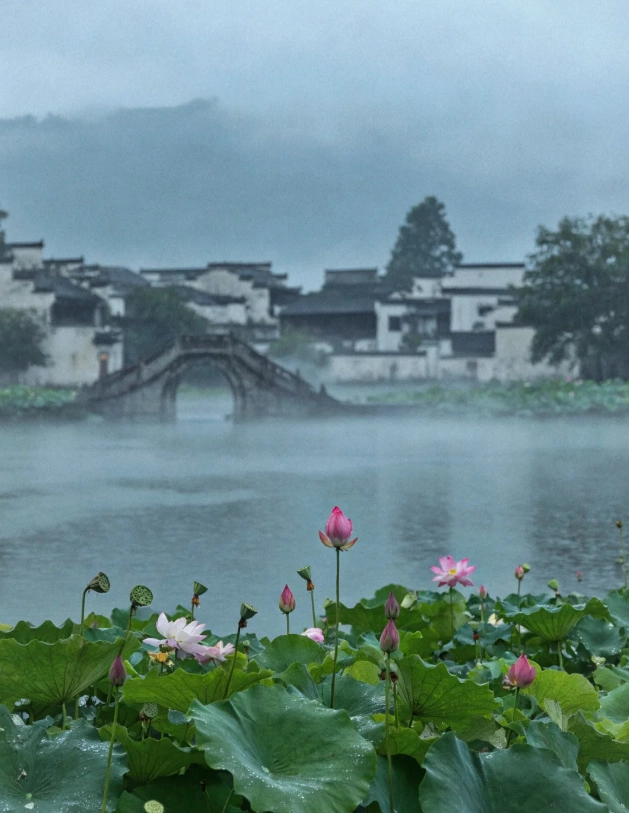
3-Day Anhui Itinerary: The Ultimate Rush
This is for the determined traveller who only has a long weekend. It's doable, but you'll need to be hyper-organised. The plan assumes you arrive at Huangshan North Railway Station (the main high-speed rail gateway to the area).
Day 1: Arrive and Dive Straight into Hongcun
Take the high-speed train to Huangshan North (check schedules on China Railway (12306.cn)). From the station, grab a taxi or pre-booked driver for the ~40-minute ride to Hongcun (about 150-180 RMB by taxi; don't let drivers quote you 300). No direct bus runs to Hongcun, so I always recommend a taxi or private transfer.
Hongcun entrance fee is around 104 RMB (free for children under certain height, but check the official booking platforms). You must show your passport to buy the ticket — no exceptions. Once inside, you'll see the iconic moon pond and the old residences. But the real magic starts after 4 PM, when the day-trippers disappear.
Spend the night in a guesthouse within the ancient village. I like the ones near the south gate — quieter. Many are converted Ming and Qing dynasty homes, so expect low ceilings and historic creaks. Bring your own earplugs.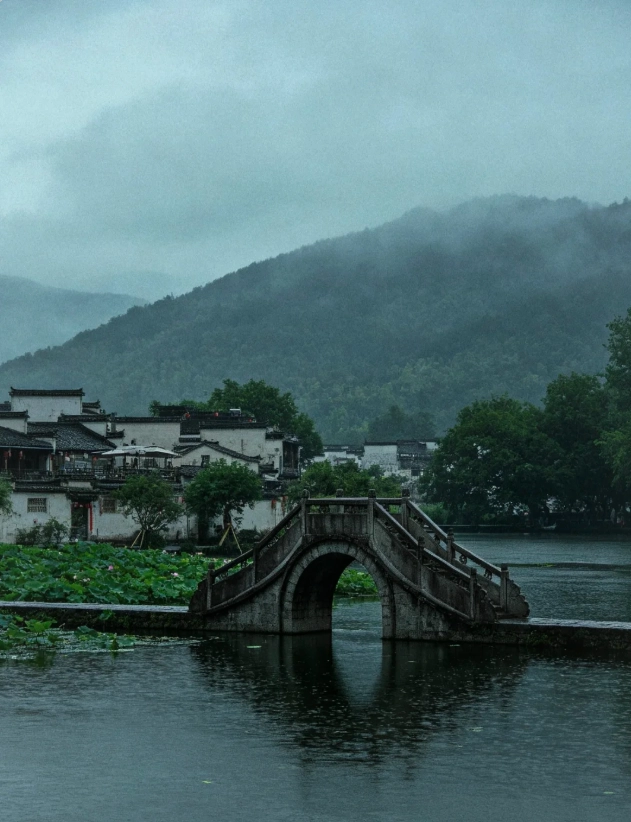
Day 2: Tackle Huangshan Mountain (and Pray for a Clear Day)
Check out early, take a taxi from Hongcun to the Tangkou transfer center (the main gateway to Huangshan Scenic Area), about 40 minutes and 100 RMB. At the transfer center, you'll board the official shuttle bus to the Yungu or Yuping cable car station (around 20 minutes, 19-22 RMB per ride).
Huangshan entrance ticket is about 190 RMB in peak season (March-November), less in winter. Cable car is an extra 80-90 RMB one-way. Book your tickets in advance through the official Huangshan Scenic Area platform or a third-party app like Trip.com — you'll need your passport number. Look for the yellow flowers on the cable car queue — those are the tour groups. I always tell my groups to go to the Yungu side (east) first, less crowded in the morning.
Huangshan is a UNESCO World Heritage Site (see the UNESCO listing). If the weather is clear, you'll be rewarded with the famous granitic peaks, oddly-shaped pines, and sea of clouds. But if it's foggy (about 200 days a year), accept it and focus on the atmosphere. Bring a raincoat, not an umbrella — the wind on the summit is brutal.
For a one-day summit visit, you'll descend by the same route, but I recommend taking Yungu up and Yuping down for variety. Take the shuttle back to Tangkou, then a bus or taxi to Tunxi Old Street (30 minutes, 20-30 RMB). Check into your hotel and wander the old street in the evening.
Day 3: Morning in Tunxi Old Street, Then Head Home
Tunxi Old Street is one of the best-preserved Ming and Qing pedestrian streets in China. Stroll the 1,300-meter lane, sample local snacks like stinky tofu (it smells worse than it tastes), and grab souvenirs at the colorful shops. It's free to enter and open all day, but the vibe is best in the morning before it gets crowded.
If your train leaves from Huangshan North, the taxi ride is about 20 minutes (30-40 RMB). Aim to be at the station at least 45 minutes before departure for security checks.
That's the whirlwind. You've seen the highlights, but honestly, you'll be exhausted.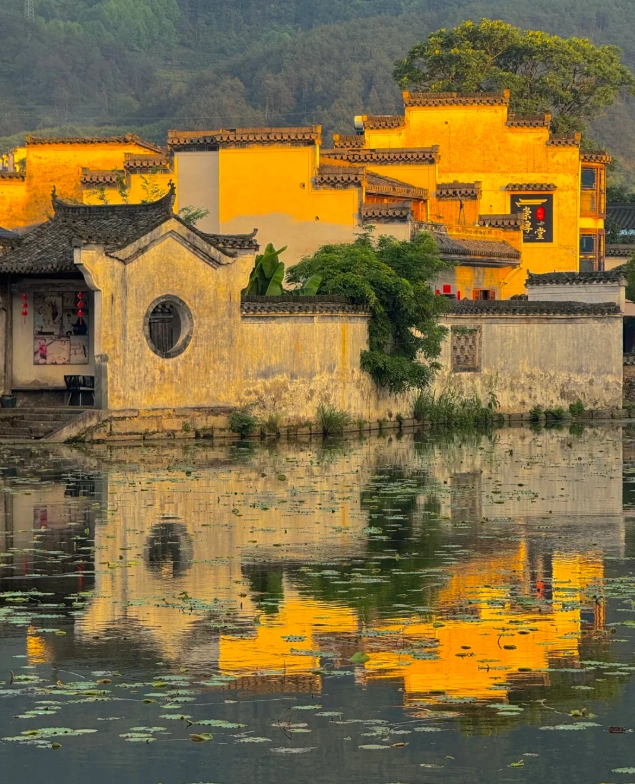
5-Day Anhui Itinerary: The Classic Sweet Spot
This is the itinerary I recommend to most first-time visitors. It's balanced, allows for a sunrise on Huangshan, and lets you actually breathe in the villages.
Day 1: Land at Huangshan North, Overnight in Hongcun
Train to Huangshan North, transfer as described above. Arrive in Hongcun in the afternoon. Use the evening to walk the village after most visitors have left. Hire a local guide from the ticket office (around 100 RMB for a 2-hour walk) — they'll show you drainage systems that are centuries old and the secret to why the architecture is intact.
Stay overnight in Hongcun — same as before.
Day 2: Explore More Villages: Xidi or Die
In the morning, take a taxi to Xidi (about 15 minutes, 30-40 RMB). Xidi is quieter than Hongcun, with a more aristocratic feel. The ticket is also around 104 RMB. You can walk both villages in one day, but I'd spend the morning in Xidi and the afternoon back in Hongcun if it were my only chance.
Alternatively, if you're burning out on old houses, head to Mu Hang, a bamboo forest and string of old bridges, about 25 minutes from Hongcun. It's not in the standard guidebooks, but my groups love it.
In the late afternoon, transfer to Tangkou (the base town for Huangshan) — about 40 minutes and 100 RMB by taxi. Stay in a basic hotel near the transfer center.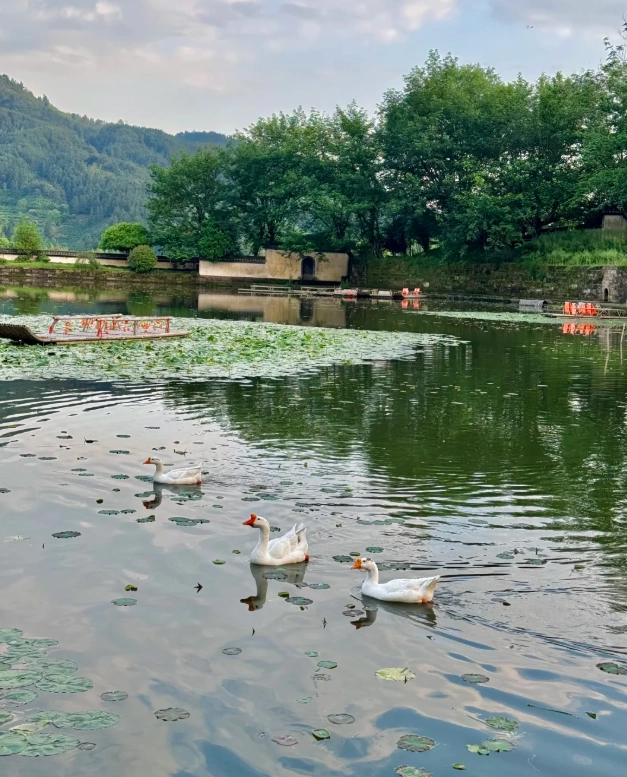
Day 3: Huangshan Summit Day
Check in at Huangshan as early as possible. The first shuttle bus leaves at 6 AM. If you take that, you can be at the Yungu cable car station by 7 AM. Spend the day hiking the high trails: Bright Summit (Guangming Ding), Flying Stone, and the West Sea Grand Canyon (grab a map at the hotel). The full loop is about 15 km but manageable with the cable cars.
Stay overnight on the mountain. There are several guesthouses, but book early — the cheapest dorms sell out weeks in advance. The best spot for sunrise is Bright Summit, but you'll have to wake around 5 AM and walk 20 minutes in the dark. Bring a headlamp.
Day 4: Sunrise, Descend, and Transfer to Tunxi
Watch the sunrise, then take your time down. Descend by cable car to avoid knee pain. After returning to Tangkou, take a shuttle bus or taxi to Tunxi (30 minutes, 30 RMB). Check into your hotel near the old street. The rest of the day is for a hot shower, a good meal, and maybe a visit to the Tunxi Museum of Ancient Architecture.
Day 5: Tunxi Old Street and Departure
Spend the morning exploring Tunxi Old Street at a relaxed pace, try the local breakfast dish zhuajiangmian (noodles with bean paste). Then head to the station. If you have time, you can also visit the nearby Banyan Tree on the Lu Stream, a beautiful ancient waterside village.
That's a fulfilling 5 days without killing yourself.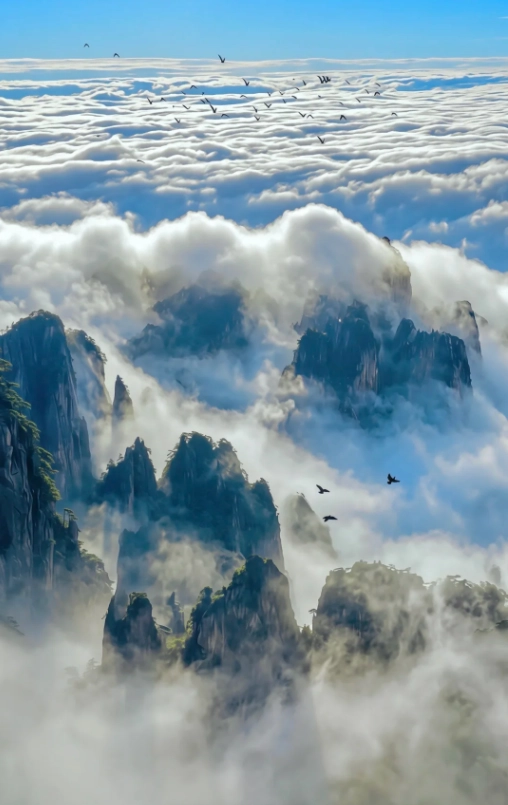
7-Day Anhui Itinerary: The Full Immersion
If you have a week, you can dig deeper into Anhui's culture, or mix in other parts of the province. Here's one way to structure it.
Days 1-2: Begin in Hefei (or Skip It?)
Hefei, the capital, isn't on most tourists' radars, but it's a convenient arrival point with direct high-speed trains from Shanghai, Beijing, and other major cities. Check out the Anhui Museum (free, but bring your passport) to understand the province's art and history, or visit the Xiaoyaojin Park for lakeside walks. To be honest, Hefei isn't a must-see destination, but it's a relaxing start. If you skip Hefei, you could also start in Huangshan and add days to nearby attractions.
From Hefei, take the high-speed train to Huangshan North (about 2 hours).
Days 3-5: The Classic Huangshan + Villages Circuit
Follow the 5-day itinerary but condense Days 1-2 into two days: Day 3 in Hongcun and Xidi, Day 4 up Huangshan, Day 5 down and to Tunxi.
Days 6-7: Venture to Jiuhua Mountain or Chaji Ancient Town
On Day 6, take a train or bus to Jiuhua Mountain (about 2 hours from Huangshan North by high-speed rail to Chizhou, then shuttle to the mountain). Jiuhua is one of China's four sacred Buddhist mountains, and it's a world apart from Huangshan. The pilgrimage atmosphere, incense smoke, and temples clinging to cliffs are fascinating. You'll need at least a full day for the main temples; you can stay overnight at a guesthouse near the Ganlu Temple.
Or, if you'd rather see more ancient villages, head to Chaji, a dramatic village with multiple streams and ancient bridges, about an hour from Huangshan. It's far less commercialised than Hongcun. Hire a driver for the day, because public transport there is sparse.
On Day 7, return to Huangshan North or continue your travels in that direction.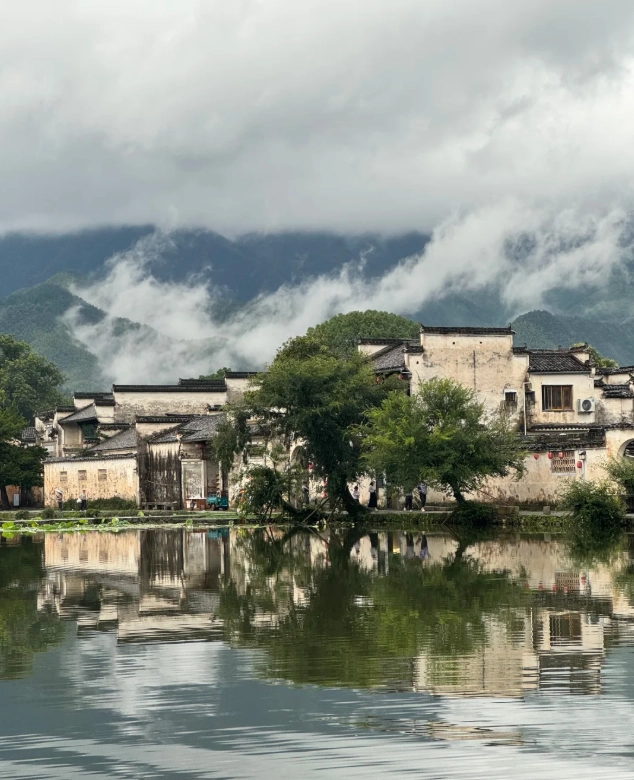
Which Anhui Trip Length Is Right for You?
Still undecided? Here's a quick comparison to help you pick.
| Length | Highlight Coverage | Pacing | Who It's For |
|---|---|---|---|
| 3 days | Huangshan, Hongcun, Tunxi (no sunrise) | Fast-paced, high stress | Long-weekend warriors with strong legs |
| 5 days | Huangshan, Hongcun, Xidi, Tunxi, sunrise on Huangshan | Comfortable, balanced | Most travellers |
| 7 days | Adds Hefei, Jiuhua Mountain or Chaji | Relaxed, immersive | Culture and nature lovers, photographers |
Notice that going from 3 to 5 days doesn't just add time — it changes the experience. You gain the sunrise, the quiet village mornings, and the ability to adapt to weather.
Getting Around Anhui: Trains, Taxis, and Avoiding Pitfalls
Anhui's tourist infrastructure is decent, but you need to know a few things to avoid frustration.
- High-speed rail: The backbone of travelling in Anhui. Major stations include Huangshan North (near Tangkou), Hefei South, and Chizhou (for Jiuhua). Book tickets on the official China Railway (12306.cn) site, or use Trip.com for an English interface. You'll need your passport number.
- Local buses and transfers: Many scenic areas have official shuttle buses (like from Tangkou to the cable car stations). They run frequently from 6 AM to 5 PM. For village hops, taxis are simple, but negotiate the fare before getting in. Better yet, use ride-hailing apps like Didi (Chinese Uber) — prices are transparent.
- Navigation: Google Maps doesn't work well in China. Download Apple Maps or the English version of Amap (高德地图) before you arrive. Type the Chinese name of your destination, and the app will guide you; show the Chinese address to drivers.
- Avoiding black-car scams: At Huangshan North station, ignore the touts who swarm you. Take the official taxi queue or use Didi. A trip to Hongcun should cost 150-180 RMB, not 300.
Ticket Booking and Tech Tips for Foreign Travelers in Anhui
Here's the reality: most tickets for Huangshan, Hongcun, and Xidi now require online booking with a passport number. You can sometimes buy at the gate, but entry times are often allotted in half-hour slots, and peak season can sell out. My advice:
- Book through an English-friendly platform like Trip.com or Klook — they'll handle the passport verification for you.
- Always carry your physical passport — digital copies are usually not accepted at ticket gates.
- Payment: Assume you'll rely on Alipay or WeChat Pay, which accept international credit cards these days. Still, carry a bit of cash as a backup. Not every tiny vendor accepts cards.
- VPN and translation: Install a reliable VPN before you land — the Great Firewall blocks Google, WhatsApp, and many websites. Keep a translation app like Apple Translate or Baidu Translate handy for menus and signs.
- Hotel Wi-Fi: Usually free and fast, but public Wi-Fi in rural areas may be slow. Consider a Chinese SIM card with data, or rent a portable hotspot.
All foreign visitors, except those with visa-free access, will need a valid visa. For the latest policies, check the National Immigration Administration.
Where to Stay in Anhui: Base Towns and Hotels
You have three main bases, each with a different vibe.
| Base | Best For | Price Range (per night) | Practical Notes |
|---|---|---|---|
| Tunxi | Convenience, food, first-night arrivals | 200-600 RMB | Close to old street, easy access to station; many hotels with English-speaking staff. |
| Tangkou | Huangshan full-day climbing | 150-400 RMB | At the foot of the mountain; basic guesthouses and hotels; book early in peak season. |
| Hongcun | Village immersion | 300-800+ RMB | Stay inside the walls (look for guesthouses on booking platforms); parking is outside. |
Pro Tip: On the mountain summit, book a bed in the multi-person dorms to save money — but book two months ahead if you want a private room. The only guesthouses sit near the cable car stations; if you want to see the sunrise from Bright Summit, staying at the Baiyun Hotel is the closest.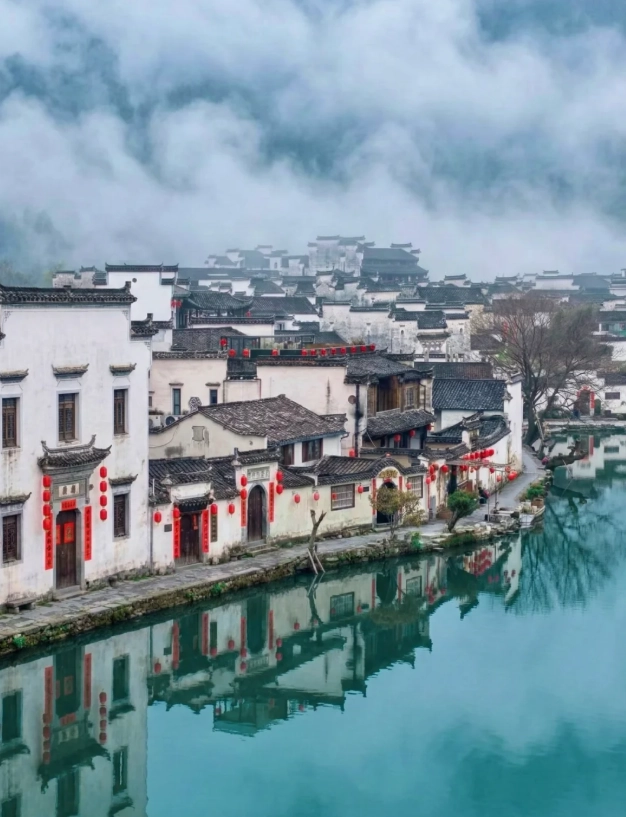
Food Highlights: What to Eat in Anhui
Anhui is the birthplace of Hui cuisine, one of China's eight great culinary traditions. It's known for bold, earthy flavours and a heavy hand with salt and oil. Here's what you shouldn't miss:
- Sturgeon (臭鳜鱼) — literally translates to 'stinky mandarin fish.' Don't let the name scare you; it's fermented, not rotten. The flesh is firm and the sauce is punchy. I always order it at Lao Jie Di Yi Lou on Tunxi Old Street.
- Bamboo shoots (笋) — Huangshan area is famous for its spring bamboo shoots, either wok-tossed with pork or stewed.
- Mao Dou Fu (毛豆腐) — hairy tofu, a fermented delicacy. Look for the street vendors frying it until it's crisp outside, creamy inside. It's an acquired taste but a must-try.
- Steamed pork in lotus leaf — often sold in small bamboo baskets.
Restaurants in scenic areas are usually cash-only or WeChat Pay, and English menus are rare. I always tell my guests to point at pictures or use a translation app.
FAQs: Planning Your Anhui Trip Length
Verified and fact-checked by the editorial team.

No comments yet.