 Fang Wang
Quick Guide to This Zhejiang Travel Guide
- Why Zhejiang Should Be on Your List
- How to Choose the Best Places for Your Style
- Top 7 Best Places to Visit in Zhejiang
- Getting Around: Trains, Buses & Ferries
- Best Ways to Book Attractions as a Foreigner
- Save Money & Avoid Tourist Traps
- Sample 3-Day Itinerary
- Best Time to Visit Zhejiang
- Frequently Asked Questions
West Lake nearly broke me. Not because of the crowd — though yes, there are plenty — but because I had no idea it was free to enter. After seven years guiding trips across Zhejiang, I've watched travelers overspend on tours, miss the last boat, and end up exhausted from simply getting to the wrong gate. So here's the honest truth: the best places to visit in Zhejiang are not the luxury package add-ons. They're the ones you can walk to before sunrise, the ferry you can catch without a full day's wait, and the old-town alleys that don't exist on any map you'll find in English. Let me show you how to plan a trip that actually works.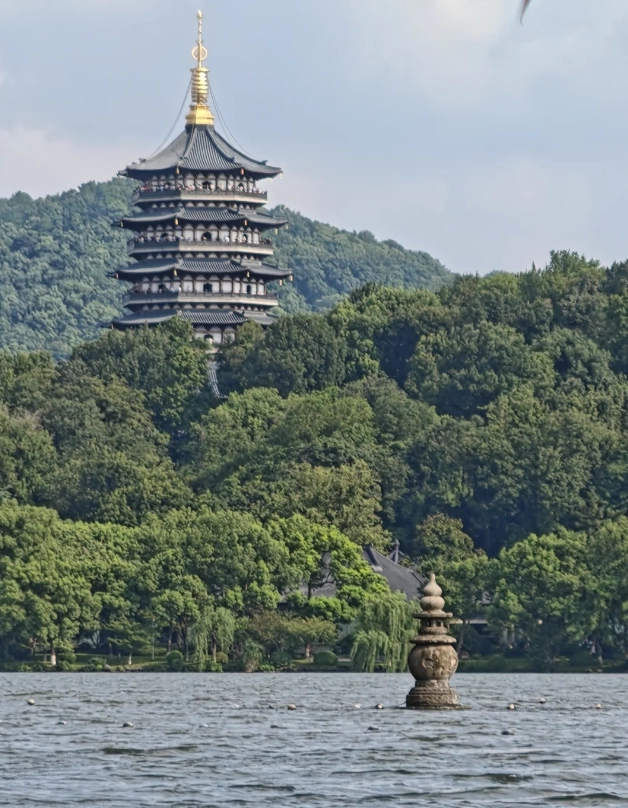
Why Zhejiang Should Be on Your China Itinerary
Zhejiang is a province of two worlds. On one side, you have the polished, modern cities like Hangzhou, whose high-speed rail link to Shanghai makes it a weekend magnet. On the other, there are islands and villages that feel decades behind, where fishermen still mend nets by hand and old-town bridges stay lit by lanterns after dark. This mix is exactly why I keep coming back. Most travelers expect Hangzhou and leave; they miss the province's quieter corners that are easier to reach than you'd think.
For international visitors, the biggest hurdle is knowing how to reach places beyond the classic West Lake photo spot. But Zhejiang's transport network is surprisingly friendly for independent travelers. The province has multiple high-speed rail hubs, and ferries to the major islands run daily. With a phone loaded with the right apps, you can piece together a loop without hiring a car.
How to Choose the Best Places to Visit in Zhejiang for Your Travel Style?
Before you book anything, figure out what draws you. Zhejiang's highlights split into three rough groups: classic culture, nature and islands, and food-obsessed old towns. Here's how I help my clients decide.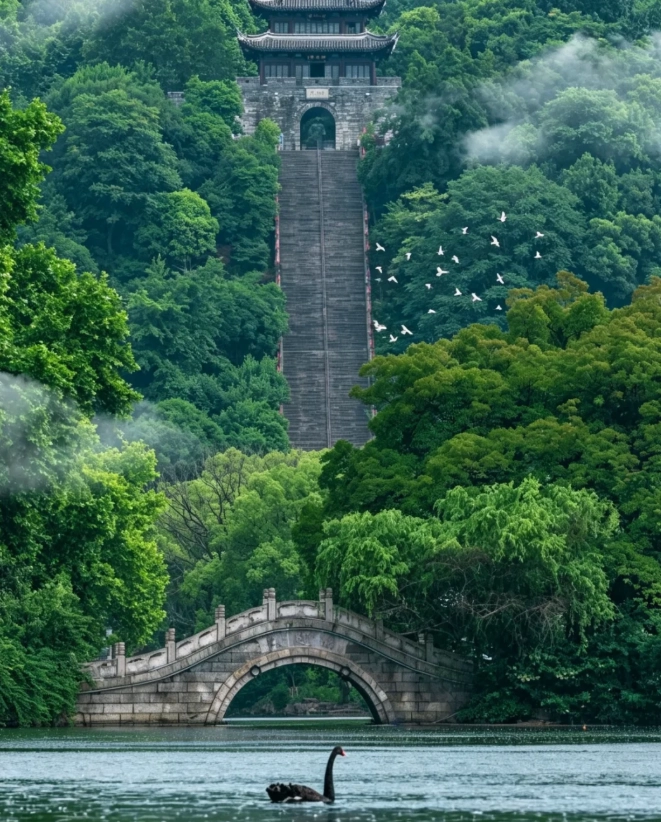
For First-Timers: Stick to the Classic Triangle
If you have less than five days, focus on Hangzhou, Wuzhen, and Shaoxing. They're all connected by day trips, and you can use Hangzhou as a base. Start with West Lake for the wow, catch a bus or train to Wuzhen for the water town feeling, then finish in Shaoxing to taste local rice wine and see true Ming-dynasty bridges. The high-speed train between Hangzhou and Shaoxing takes about 20 minutes, and you can easily make it a day trip.
For Foodies: Head to Shaoxing's Old Streets
Shaoxing is where you'll find some of the most underrated food in China. It's famous for yellow wine (huangjiu), stinky tofu, and preserved vegetables. Skip the touristy restaurants near the canal; walk to Cangqiao Straight Street, where locals sell steaming dumplings from tiny window counters. I always grab a bowl of su mi (fried noodles) and a glass of local wine from the roadside stall at the east end.
For Nature Lovers: Get Off the Map
Moganshan and the islands around Zhoushan offer a different kind of calm. Moganshan used to be a summer resort for foreign diplomats, and its bamboo forest trails are still quiet on weekdays. If you have time and don't mind a ferry ride, Putuoshan Island is a Buddhist pilgrimage center with barefoot monks and cliffs that crash against the sea. It's not a beach holiday, but it's deeply atmospheric.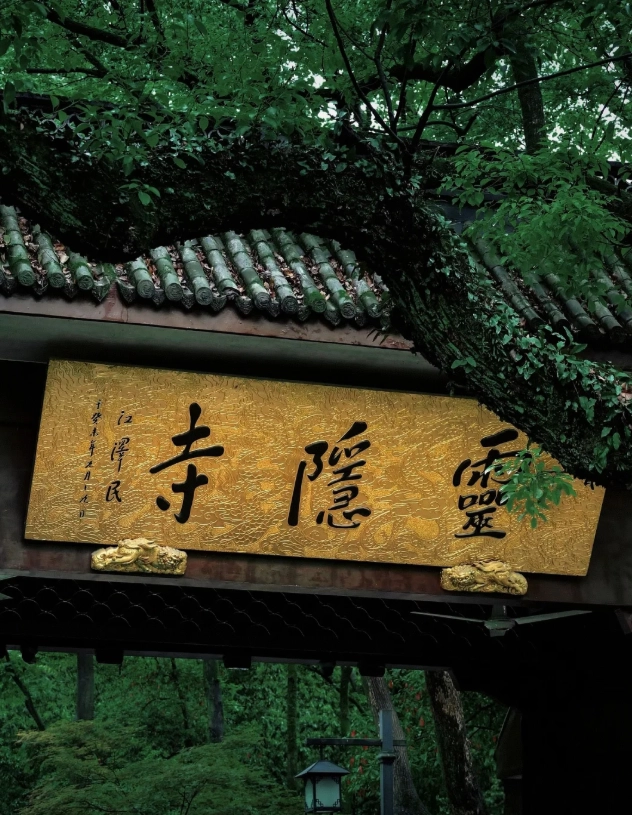
Top 7 Best Places to Visit in Zhejiang: An Insider's Ranking
| Place | Approx. Entrance Fee | Best Time to Visit | Time Needed | Ideal For |
|---|---|---|---|---|
| West Lake (Hangzhou) | Free (lake), paid sights inside | Early morning or late afternoon | Half day | First-timers, photographers |
| Wuzhen Water Town | 110–190 CNY (east & west areas) | Weekdays only | Full day | Culture lovers, shoppers |
| Putuoshan Island | ~160 CNY island access + ferry | Spring & autumn | 2 days | Pilgrims, nature nerds |
| Moganshan | Free (some sights charge) | May–Oct | 1–2 days | Hikers, luxury spa seekers |
| Shaoxing Ancient City | Free (old street), museums ~15–50 CNY | Anytime but avoid weekends | Half day | Foodies, history buffs |
| Nanxun Ancient Town | ~100 CNY (private old houses) | Weekday morning | Half day | Photographers, step-by-step history |
| Longmen Ancient Town | ~50 CNY | Weekday afternoons | 3–4 hours | Slow travelers |
West Lake (Hangzhou)
West Lake is the only place in Zhejiang where I'd advise you to go with no plan at all. The lakeside walk is free, shaded by willows, and you can connect to the metro easily. Take Line 1 to Longxiangqiao Station, exit from Gate B, and walk straight for eight minutes; you'll hit the lake just past the Apple store. Rent a public bike or take a shared boat from the pier near the Hangzhou Museum. I always tell my clients to avoid the boat touts near Breakstone Bridge — go to the smaller pier at the west end.
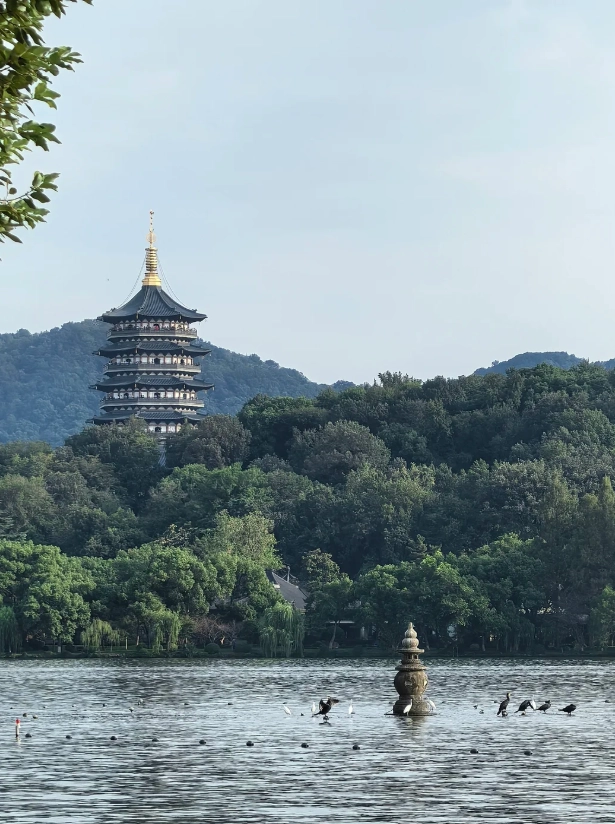
For the classic postcard shot, go at 7 AM. The water is glassy and the tourist groups haven't arrived. If you're there at lunchtime, it's shoulder-to-shoulder along Su Causeway. Leifeng Pagoda costs money, but the view from its base is completely free — you do not need to climb the tower for a great photo. West Lake is a UNESCO World Heritage site, and its cultural landscape is beautifully preserved. For more on its global significance, see the UNESCO World Heritage listing.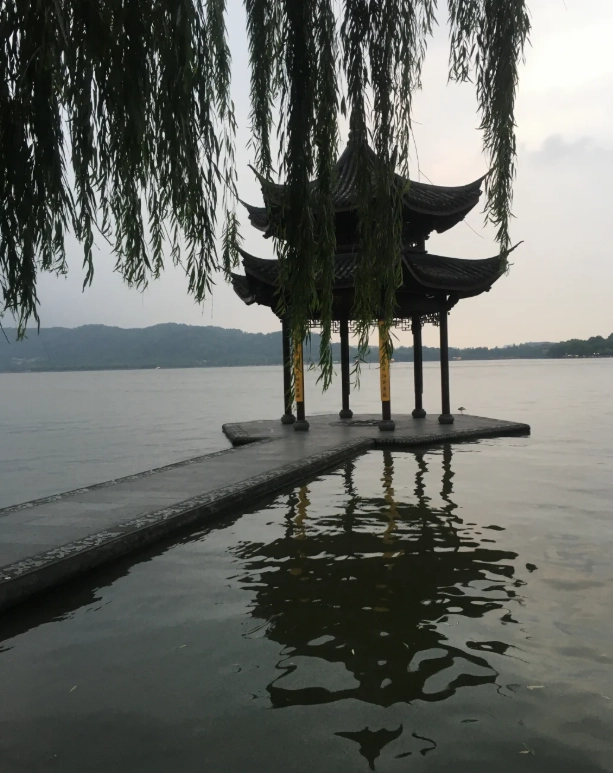
Wuzhen Water Town
Wuzhen is the beauty you've seen on Instagram, and yes, it's worth it — but only if you pick the right gate. The East Scenic Area is cheaper and more charming, while the West Scenic Area is larger and more commercialized. Most tour buses head to the West entrance, creating a sea of selfie sticks. Instead, arrive at the East Gate at 8 AM, after taking the direct bus from Hangzhou Coach Center (about 2 hours). The bridges inside the East Area offer the famous waterways with far fewer crowds.
You'll need to book tickets online in advance. The official Wuzhen Tourist Service website is easy to navigate, and you can also book through Trip.com or Klook with a passport number. Entrance fee is about 110 CNY for one area, 190 CNY for both. I always do East + West in one day, but if you're short on time, stick with East alone.
Putuoshan Island
Putuoshan is not a typical beach getaway; it's a high-energy pilgrimage island with temples and seascapes that feel spiritual. The island sits in the Zhoushan archipelago and requires a ferry from Shenjiamen. The boat ride is about 20 minutes and tickets cost around 25–40 CNY per person. Once you arrive, you'll pay an island entrance fee (around 160 CNY).
I recommend staying one night — the island is compact, and many guesthouses allow you to wake up for the sunrise at the Buddhist temple on the hillside. The ferry schedule changes often, so check with your hotel or a local travel agent the day before.
If you only have a day, take the first ferry out and the last ferry back, but that's rushed. Honestly, the island's magic comes at dawn and after hours when the day tourists leave.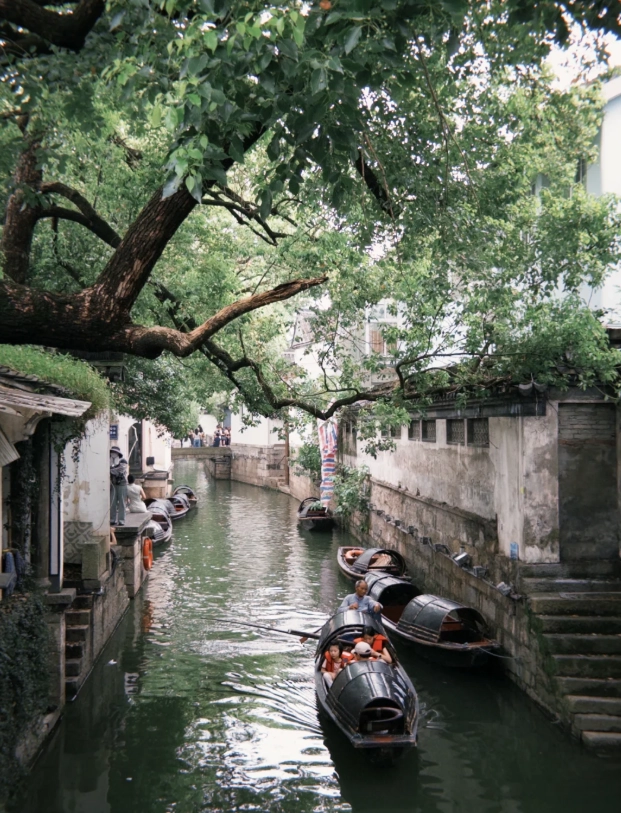
Moganshan
Moganshan is Zhejiang's green lover's paradise, famous for bamboo forests and rare fresh air. It sits two hours from Hangzhou by bus or taxi, and the mountain is filled with creeks, stone paths, and old villas converted into boutique hotels. The mountain base is free to explore; some of the villas charge a small entrance fee. The best way up is to take a taxi from Deqing Station, then walk down the main trails. From the top, you can hike to the bamboo lake in about 40 minutes.
Book accommodation inside the mountain if you want to catch the sunrise without a day-trip struggle. High season runs from May through October, and weekends fill with Shanghai families. Go on a weekday if your schedule allows.
Shaoxing Ancient City
Shaoxing is the place I send everyone who loves food but hates tourist traps. The old city is walkable, and the main canal area is free. You can take a short boat ride for about 20 CNY per person (try the service near the East Lake pier). The former residence of the writer Lu Xun is free to enter, but you'll need to scan your passport at the ticket office. The stinky tofu at Lu Xun's gate always has a line, and it's worth it — crispy outside, tender middle, and the local spicy sauce is not for the faint-hearted.
I always warn clients: do not eat at restaurants facing the canal directly. Prices are double, and quality generally drops. Walk two blocks inland to Luzhen Lao Jie for meals that locals eat.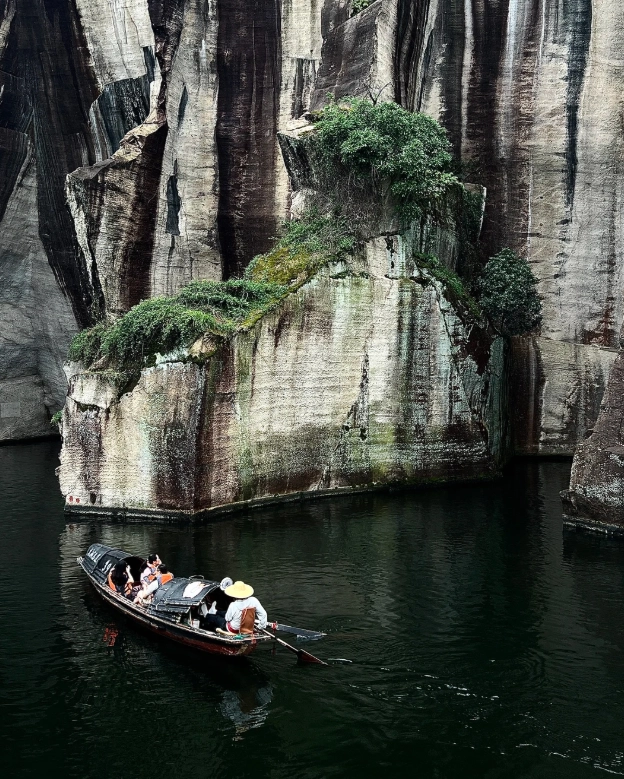
Nanxun Ancient Town
Nanxun is a less-crowded alternative to Wuzhen, with a unique mix of traditional Chinese and European villas. The town is on the Grand Canal and features many old merchant mansions. Entrance to the main old town is free, but a combined ticket for the private houses and gardens costs around 100 CNY. It's only a 40-minute high-speed train ride from Hangzhou to Nanxun Station, then a short bus ride. The morning is the best time to see the famous eyebrow bridge.
Longmen Ancient Town
Longmen is my secret suggestion for a quick escape from Hangzhou's city noise. It's located at the foot of Longmen Mountain, about an hour's drive from Hangzhou. The entrance fee is around 50 CNY. The village is still residential — children play on stone steps, old women sell fresh-picked vegetables. The walls are covered in cobwebs and calligraphy. Unless you're interested in classic architecture, spend three hours and then go back.
Getting Around Zhejiang: Trains, Buses & Ferries Without Losing Your Mind
The fastest and easiest way to move between major destinations is the high-speed rail network. Hangzhou East Station connects to Shaoxing (20 min), Wuzhen (though no direct high-speed station; take train to Tongxiang and then a bus), and many other cities. For island destinations like Putuoshan, you'll need to take a train to Ningbo, then a bus to the ferry terminal.
Public transit in cities like Hangzhou works well with the metro; English signs are everywhere. But Google Maps often shows outdated data — in Zhejiang, I rely on AMap (高德地图) with its English interface. You can also use Apple Maps for navigation, which uses the same map data. When you get in a taxi, show the driver the Chinese address or a map from your phone. For train booking, use the official China Railway platform 12306 or an English-friendly alternative like Trip.com with your passport.
| Mode | Best For | Time Example | Cost (Approx) | Ticket Tips |
|---|---|---|---|---|
| High-speed train | Hangzhou ↔ Shaoxing / Ningbo | Hangzhou–Ningbo: ~45 min | 50–100 CNY | Book on 12306 App or Trip.com |
| Coach / Bus | Wuzhen, Nanxun, Moganshan | Hangzhou–Wuzhen: ~2h | 25–45 CNY | Buy at bus station or Trip.com |
| Ferry | Putuoshan | Shenjiamen–Putuoshan: 20 min | 25–40 CNY | Arrive early; ticket windows close at off-hour |
| Ride-hailing (Didi) | Within cities | West Lake–Longxiangqiao: ~10 min | 15–30 CNY | Use Alipay app; add Chinese address |
What Is the Best Way to Book Attractions in Zhejiang as a Foreigner?
Here's the thing: many scenic areas still require a paper ticket or pre-registration. In busy months, you may be turned away if you don't have a reservation. The easiest route for international visitors is to use Trip.com or Klook. They accept foreign cards, and your passport is recognized as the entry ID. I've personally booked Wuzhen and Putuoshan through them with zero issues — the tickets arrive as QR codes, and you show them at the gate.
Booking Through WeChat Mini-Programs: The Workaround
WeChat mini-programs are the local standard, but they're in Chinese and can be a nightmare with a foreign passport. If you're fluent enough, set it up with your passport and Alipay. If not, stick with the alternatives I mentioned. I always tell travelers: if you have a hotel or hostel, ask the front desk to help you buy tickets. This is standard practice and they're glad to do it — it's part of good service.
Passport Requirements
Carry your passport physically with you every single day. Many old towns (like Shaoxing's Lu Xun Residence) require you to scan your passport at the entrance. The National Immigration Administration continues to update policies, so check their official website for current visa and entry rules.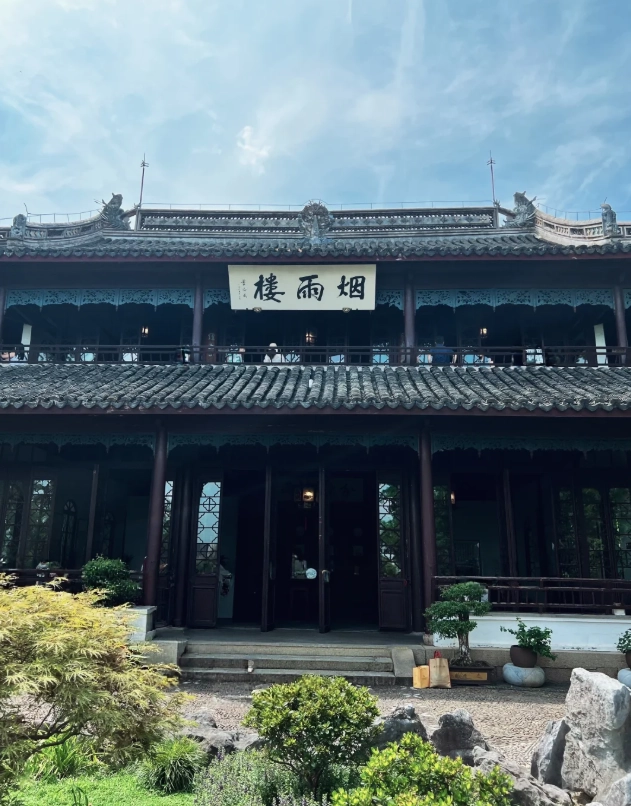
How to Save Money and Avoid Tourist Traps in Zhejiang
Zhejiang can be as cheap or as expensive as you make it. The biggest money-wasters are unnecessary tours, counterfeited tickets, and overpriced meals near scenic spots. Here's how I dodge them.
Free hidden gems that are actually free
West Lake is free, but most visitors never see the northern path along the Ginkgo trees. Head to the Oriental Water Park area in Hangzhou or the quiet trails behind the China Academy of Art. In Shaoxing, the old canal east of the city center is free and more atmospheric than the main street. Always ask locals for the "old street" — they'll point you somewhere without ticket gates.
Scams that target foreigners
Fake security guards outside West Lake try to usher you into expensive "tea ceremony" rooms. If someone stops you and says "The lake is closed, first go to this tea house," ignore it. The lake never closes. Likewise, touts who promise a "VIP fast-track ferry" to Putuoshan are selling a myth; there is only one public ferry service. Buy tickets only from the official departure hall or the online platforms I listed.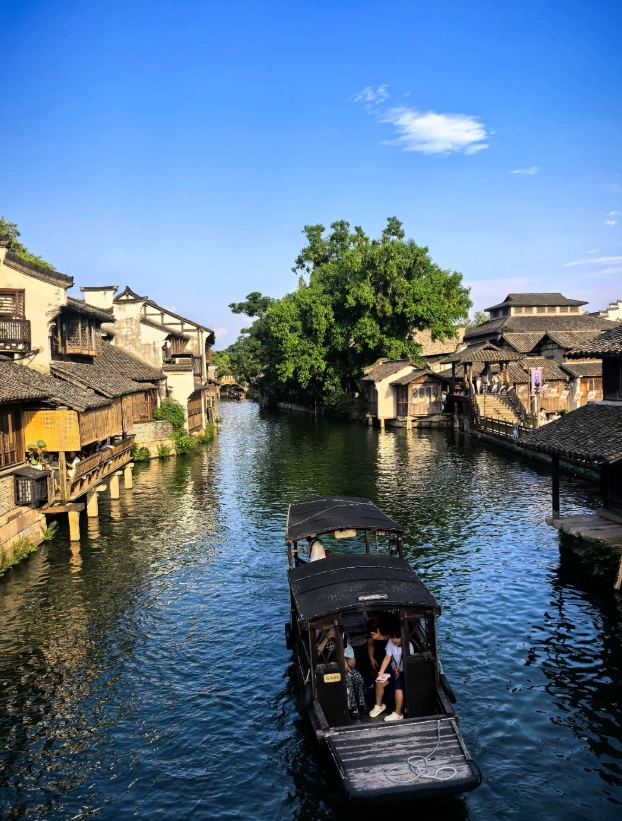
A Sample 3-Day Itinerary for Zhejiang (Realistic, Not a Death March)
I designed this route for first-timers who want the highlights without rushing. It uses Hangzhou as a base and takes advantage of high-speed rail.
Day 1: Hangzhou (West Lake + Longjing Tea Town)
Start at West Lake at 7 AM, walk the small causeway, then take a bus to Longjing Village for tea valley views. Lunch at a village restaurant (the fried bamboo shoots are the right pick). Afternoon: rent a bike and ride around the northern lake edge. Evening: try the city's famous Hangzhou cuisine (Dongpo pork) at the Green Tea Restaurant.
Day 2: Wuzhen Day Trip
Take the early bus from Hangzhou Coach Center to Wuzhen (about 2 hours). Spend until 3 PM in the East Gate, then cross to the West Gate for sunset photos. Return by high-speed rail from Tongxiang station; the bus gets you there in 40 minutes.
Day 3: Shaoxing and Nanxun
Morning high-speed rail to Shaoxing (20 minutes). Walk the canal, grab stinky tofu, and visit Lu Xun's former residence. At 1 PM, take a bus to Nanxun for the afternoon. Return to Hangzhou by an evening train. This day is tight but doable if you leave Shaoxing by 1 PM.
If you prefer island vibes, swap Day 3 for a two-day trip to Putuoshan instead. The itinerary can adapt.
When Is the Best Time to Visit Zhejiang?
Zhejiang has a subtropical monsoon climate, so spring (March to May) and autumn (September to November) are pleasant. Summer is hot, humid, and typhoons can disrupt ferries. Winter is cold and often gray, but West Lake has a misty, poetic mood that many photographers adore. Avoid the first week of October (National Day) — the entire province becomes a sea of moving heads. Also avoid weekends at Wuzhen and Nanxun if you can.
For Putuoshan, the ideal months are April through June and September through November, when the sea is calm. Ferry schedules can change in summer due to typhoons, so always check the weather.
No comments yet.