 Jian Zhao
Quick Orientation for Your Visit
I lost count of how many tourists skip Xianyang for Xi'an. Big mistake. This ancient capital, buried under modern streets, holds some of China's most jaw-dropping mausoleums — and barely any foreigners. If you're searching for top things to do in Xianyang, you'll quickly realize the English internet is thin. Most guides tell you to go to the touristy spots in Xi'an and miss the real gems here. Let me fix that. Here's the truth: the best time to visit Xianyang's tombs is before 9 AM or after 3 PM, when tour groups vanish. You need a car, since buses are slow. I'll show you exactly how.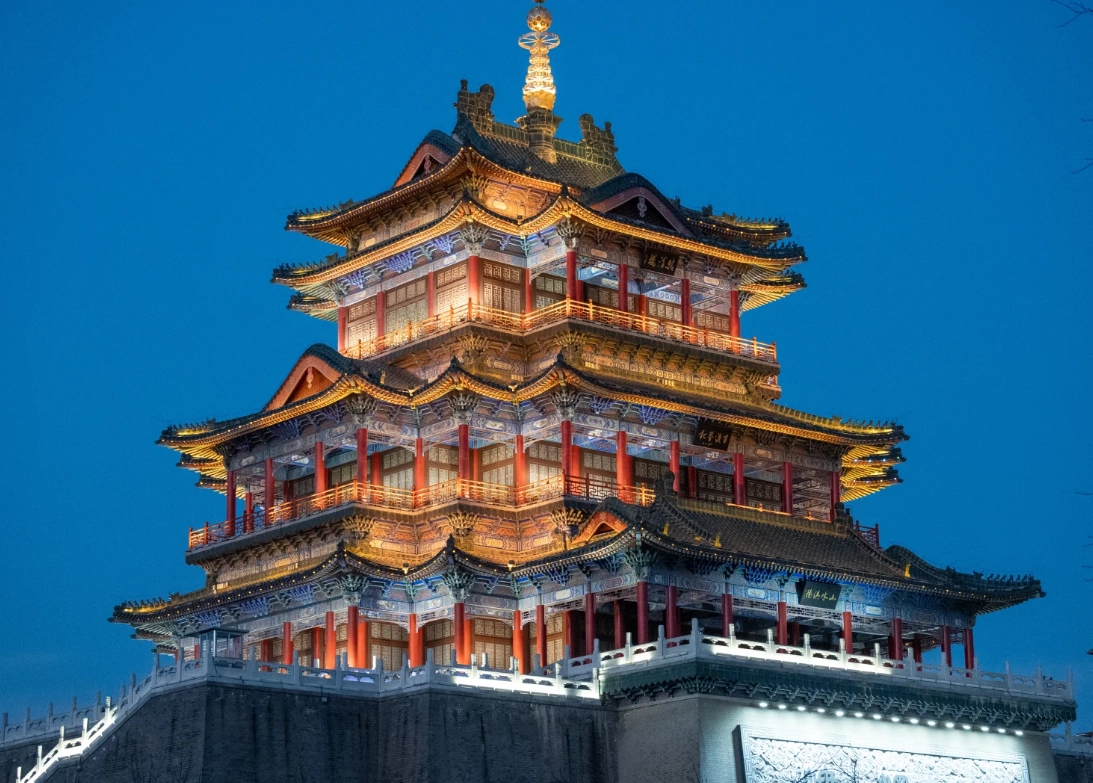
Xianyang’s Top Things to Do: The Real Scene
Xianyang was the capital of the Qin dynasty, the first unified empire in China. But most of that ancient city is now buried under modern development. What remains above ground are the incredible burial complexes of later Han and Tang dynasties. These aren't just piles of dirt — they're sprawling tombs with stone sculptures, underground museum walls, and stories that rival the Terracotta Warriors. The lack of international marketing keeps this area refreshingly un-touristy. When I bring my groups here, they're often the only foreigners on site. That's a luxury in China.
The main challenge is logistics. The attractions are scattered across a wide area. Public transport exists but is slow and requires connecting buses. A private car gives you the freedom to hit three or four sites in a day. You can hire a car with a driver from Xi'an for around 600–800 RMB for a full day. Split between a few people, it's the most cost‑effective way. If you're solo, consider joining a small group tour, but negotiate the stops carefully — many agencies only cover the famous ones.
7 Must-See Historical Sites in Xianyang
Here are my picks, arranged roughly west to east.
| Site | Ticket Estimate | Open Hours | Time Needed |
|---|---|---|---|
| Qianling Mausoleum | ¥100–¥130 | 8:00–18:00 | 2–3 hours |
| Zhaoling Mausoleum | ¥50–¥60 (museum) | 9:00–17:00 | 2 hours |
| Hanyangling Museum | ¥120 | 8:30–18:30 | 1.5 hours |
| Maoling Mausoleum | ¥70–¥80 | 8:00–18:00 | 1.5 hours |
| Xianyang Museum | Free (passport) | 9:00–17:00 (closed Mon) | 45 min |
| Tang Shunling | Free | Open area | 30–60 min |
| Binxian Dafo Temple | ¥60 | 8:00–17:30 | 1 hour (plus travel) |
1. Qianling Mausoleum – The Royal Couple's Tomb
This is the grandest site in the area, a massive hill-top complex built for Emperor Gaozong and his wife, the famous Empress Wu Zetian. The centerpiece is the 'Characterless Stele' — a blank stone slab that Wu Zetian left uninscribed, leaving her legacy for history to judge. Walk up the steps to the main burial mound; the view over the Shaanxi plains is spectacular. I always bring clients here early morning to avoid the tour bus rush. The stone statue path (Shen Dao) is more impressive than the tomb itself; the sculpted animals and officials have guarded this site for over 1,300 years. Don't be surprised if you see hawkers selling small replica steles — do bargain politely, but don't feel pressured. The surrounding area includes the Yongtai Princess Tomb, which has beautiful murals but requires a separate ticket.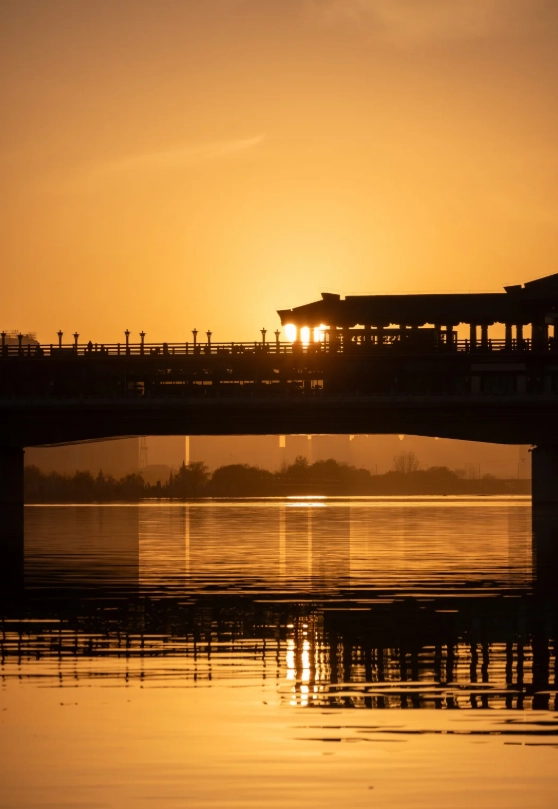
2. Zhaoling Mausoleum – Tang Taizong's Final Rest
Zhaoling is the tomb of Emperor Taizong, considered the greatest Tang emperor. Instead of an artificial mound, the tomb uses a natural mountain peak, making it look like part of the landscape. The museum at the base holds pottery figurines, bronze mirrors, and the replica of the famous 'Six Steeds' stone reliefs — the originals are in Xi'an's Beilin Museum. The hike up to the burial site on Mount Jiuzong is a moderate challenge; the summit offers a windswept panoramic view. This is a place for history buffs, not casual sightseers. When I took a family here, the kids were bored, but my photography clients loved the quiet. Bring water — there's almost no shade.
3. Hanyangling Museum – Walk Above Han Emperor's Cave
This is my favorite for families — a modern museum built over the actual underground burial pits of Emperor Jingdi. You walk on glass catwalks above thousands of tiny terracotta figurines, each with serene facial expressions. The controlled underground environment keeps the artifacts well-preserved, and it feels like a time-capsule. It's also a breeze to visit in summer since the underground area is naturally cool. The museum has clear English signage — rare in this region. Practical tip: the entrance fee is on the higher side (around ¥120). Check online for discounts, as they sometimes run promotions. Also, bring a light jacket; the walkway is air-conditioned to protect the figures.
4. Maoling Mausoleum – Emperor Wu's Grand Tomb
Emperor Wu of the Han dynasty built one of the largest earthen mounds in China. The site feels less 'polished' than others, which adds to its raw appeal. Nearby, the tomb of General Huo Qubing features the famous stone sculpture 'Horse Treading on a Hun' — a powerful depiction of military victory. Many visitors walk past it without noticing, so look for the glass case. Climbing the main tomb gives you a sense of its enormous scale; the pyramid‑like shape is genuinely humbling. There's a small, slightly cluttered museum with artifacts from the surrounding area. It's not as smooth a visit as Hanyangling, but the history is worth the dust.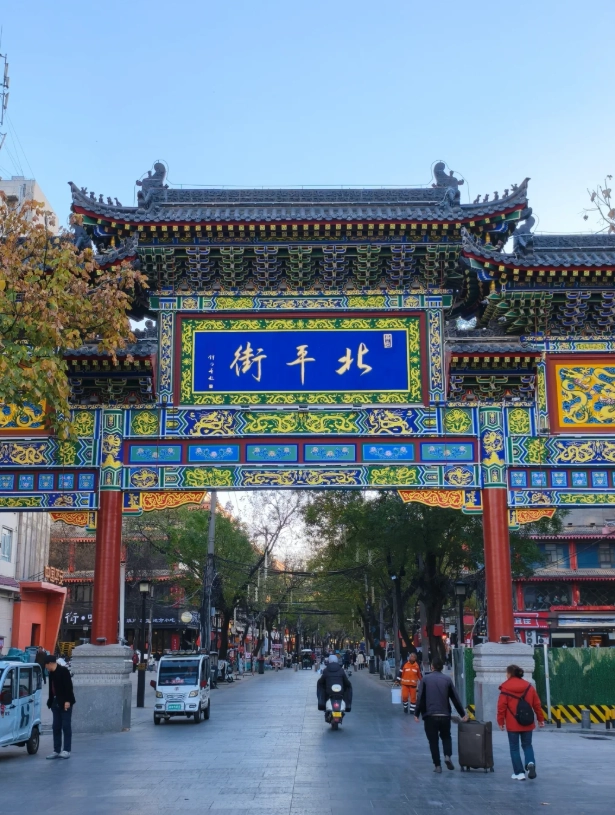
5. Xianyang Museum – Free But Often Overlooked
Housed in a charming Confucian temple, this city museum is a perfect quick intro to the region. The highlight is the collection of painted ceramic figurines from the Han dynasty, each with a different pose and expression — you'll see farmers, dancers, and soldiers. Entry is free with your passport, which is a rare gift in China. The courtyard gardens are lovely for a short break. I suggest spending about 45 minutes here before lunch at a noodle shop downtown. Note: it closes on Mondays, which catches many travelers off guard. The exhibits are labeled in both Chinese and English.
6. Tang Shunling – The Queen Mother's Stone Guardians
If you're a photography lover, this hidden gem is unmissable. Tang Shunling is the tomb of Wu Zetian's mother, Lady Yang. The site is less developed, which means no entry fee and no crowds. The stone animals here are some of the most expressive I've seen in China — giant winged lions with exaggerated musculature, and camels standing alert. The afternoon light makes the carvings glow, especially around 4 PM. The immediate area is a field, so wear sturdy shoes. Because it's not a ticketed site, you may have the whole place to yourself — just you and a thousand years of silence.
7. Binxian Dafo Temple – A Remote Buddhist Grotto
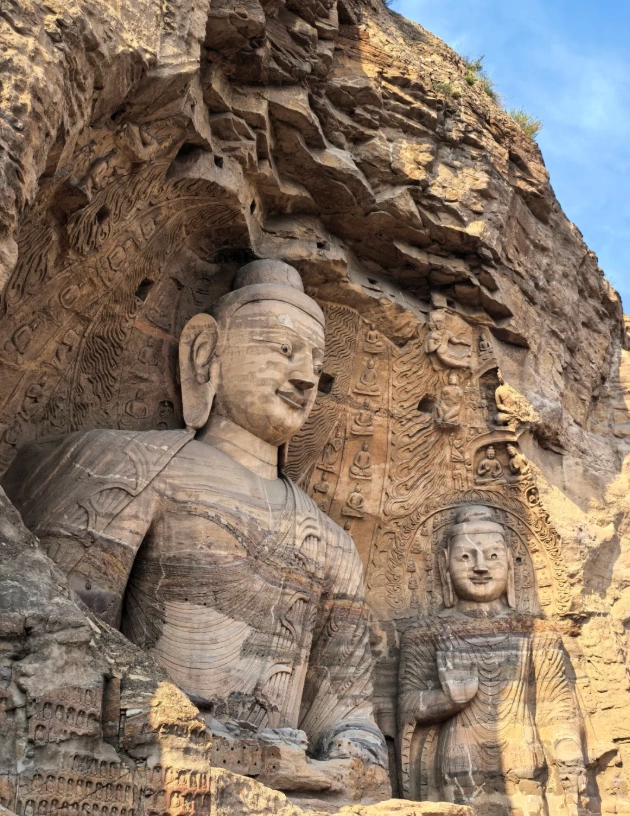
This is the most far-flung spot on the list, but the payoff is a 24-meter-tall Buddha carved into the cliff. The cave temple, dating back to the Tang dynasty, is surprisingly well-preserved, with vivid original colored paint on the upper parts. The scale hits you in the chest — you have to tilt your head all the way back to see the face. The drive from Xianyang takes about two hours, passing rolling loess plateaus. Only attempt this if you have a full day and a driver. Combine it with a simple meal in Binxian county — the local lamb stew is excellent. The temple closes at 17:30, so start early.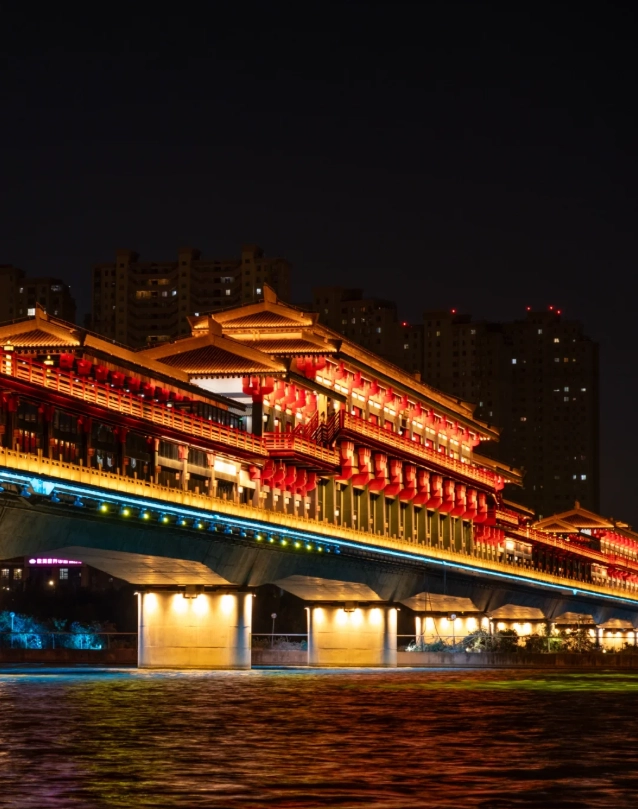
How to Plan a Day Trip from Xi'an to Xianyang's Top Sights
Most travelers base themselves in Xi'an. Xianyang is not far, but the attractions are spread out. Here's a realistic one-day itinerary I use with my clients:
Depart Xi'an at 8:00 by private car. First stop: Hanyangling Museum (40 minutes from downtown Xi'an). Spend 1.5 hours underground. Next, drive to Xianyang Museum (30 minutes), explore for 45 minutes. Have lunch in downtown Xianyang — look for a busy biangbiang noodle shop, they're all over, and don't worry about specific names; join the locals. After lunch, drive to Maoling (40 minutes), spend 1.5 hours. By now it's around 15:00. Head to Qianling (1 hour drive) — you'll arrive by 16:00, just in time for the golden afternoon light and thinner crowds. Spend until closing time (18:00). Return to Xi'an (1.5 hours). It's a full day, but you'll have seen four very different sites.
If you prefer a slower pace, drop Binxian Dafo Temple (it's too far for this plan) and instead linger at Qianling or Zhaoling. For transport, compare your options:
| Transport | Time | Cost | Pros/Cons |
|---|---|---|---|
| Private car + driver | Flexible | ¥600–¥800 day | Fast, convenient, can customize stops |
| DiDi (ride-hailing) | Hourly | ¥200–¥300 per ride | Easy for short trips but can add up |
| Public bus | Connections | ¥10–¥30 | Cheap but slow, need Chinese skills |
| High-speed rail to Xianyang | 15 min from Xi'an | ¥25 | Good for downtown, not for remote tombs |
For booking train tickets, use the official China Railway site at www.12306.cn. For visa requirements, check the National Immigration Administration's official website at www.nia.gov.cn.
What Travelers Should Know Before Visiting Xianyang
Payment is the first hurdle. Almost everywhere in these rural sites accepts WeChat Pay or Alipay, but many small stalls don't take international credit cards. Bring at least 300 RMB in cash for tickets and snacks. You can withdraw from ATMs that accept Visa — just have your passport handy. For international payment setup, I always recommend setting up WeChat Pay with a tourist card traveler's card; it saves you a ton of hassle.
Navigation is a trap. Google Maps is notoriously unreliable in China. Download Apple Maps in advance — it works surprisingly well — or use AMap (Gaode) and switch to English mode. When showing the address to a taxi driver, display the Chinese characters on your phone; use an app like Pleco to copy text.
Language is genuinely tough here. Only a few staff at Hanyangling and Qianling speak basic English. Install a translation app that works offline. I also tell my clients to carry a small card with phrases like “please take me to…” written in Chinese.
VPN is your lifeline. The Great Firewall blocks Google, Facebook, WhatsApp, and many other Western services. Set up a reliable VPN before you arrive; otherwise you'll lose access to your maps and translation tools.
Insider Advice: Avoid the black‑car drivers who hang around Xi'an North Railway Station. They'll promise a 'special low price' but often drive you to a souvenir shop before the tomb. Use official DiDi or a reputable hotel hire instead.
Safety is rarely an issue, but scams exist. Keep your valuables in the front pocket when squeezing through busy market areas. The tomb sites themselves are completely safe — no one will bother you except persistent hawkers. Just say 'bu yao' (no need) and walk on.


No comments yet.