 Yan Zhou
Three high-speed trains. One mountain at 5 a.m. And a plastic bag full of draft beer.
That bag of beer is the part my last group still texts me about. We were sitting on a curb outside a grubby little shop on Dengzhou Road in Qingdao, and a man in his seventies walked past carrying what looked like a bag of milk — except it was fresh Tsingtao, poured straight from the barrel, sealed with a knot. He nodded at us like we had finally worked something out. We had.
Here is what I want you to know before you book anything. The internet's favourite 5 days in Shandong route — Qingdao, Mount Tai, Qufu, Jinan squeezed into four tight days — will park you on a train platform at six in the morning with wet hair and no patience left. Shandong is not small. It punishes rushing in exactly one place, and it rewards slowing down in two.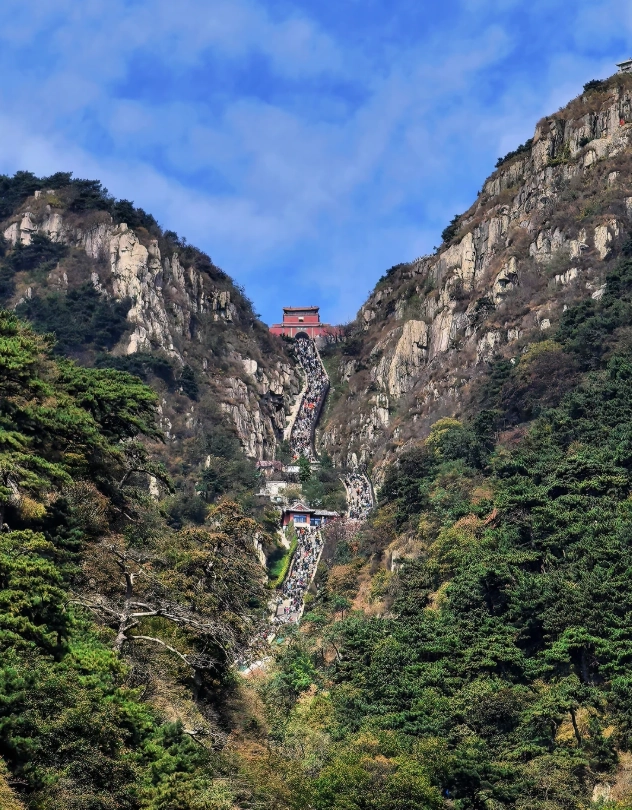
The single highest-value decision you can make: start in Qingdao, not Jinan. Qingdao has the international flights, the sea air resets jet lag faster than any hotel nap, and the high-speed line to Tai'an runs all day long. Get that order right and everything else clicks into place.
Here is the whole route laid out. Tap anything to jump.
My Route at a Glance
- Why 5 Days in Shandong Beats the Usual Loop
- How to Plan a 5 Days in Shandong Route
- Start in Qingdao, End in Jinan
- Booking Trains as a Foreigner
- Days 1 and 2 in Qingdao
- Day 3: Mount Tai Without Hating Yourself
- Day 4: Qufu and the Confucius Sites
- Day 5: Jinan Springs and a Clean Exit
- Where to Eat and Sleep in Shandong
- Shandong Travel FAQ
Why 5 Days in Shandong Beats the Usual Beijing Loop
Shandong gets skipped. Everyone flies to Beijing, then Xi'an, then Shanghai, and this entire province — a hundred million people, two UNESCO World Heritage sites, thousands of kilometres of coastline — stays invisible on the itinerary.
That invisibility is your advantage. I guide in both regions, and the difference in crowd pressure is not subtle. At the Temple of Confucius in Qufu you can stand in the main courtyard at nine in the morning and hear birds arguing. Try that at the Forbidden City in July.
What five days buys you here is a genuine cross-section of China: a German-built seaside city with the best beer culture in Asia, a sacred mountain that emperors climbed to legitimise their rule, the hometown of Confucius, and a spring-fed capital that most foreigners cannot even name. The trains connecting them are fast, frequent and cheap.
Both Mount Tai and the Temple and Cemetery of Confucius and the Kong Family Mansion in Qufu hold UNESCO World Heritage listing, which is exactly why they are unbearable during Chinese public holidays and quietly wonderful on a random Tuesday in March.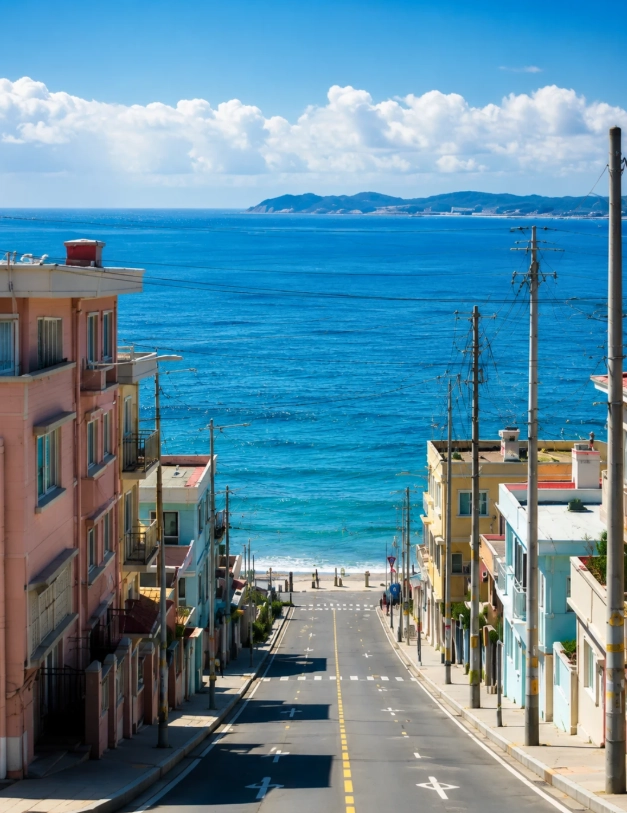
Insider Advice: If your dates are flexible, avoid the first week of October and the Lunar New Year window. I have watched a client spend three hours in a Mount Tai cable car queue on October 3rd. The same queue took eleven minutes in late April.
How to Plan a 5 Days in Shandong Route That Won't Break You
Start in Qingdao, End in Jinan
Direction matters more than destination list. Qingdao absorbs international arrivals far better than Jinan, and ending in Jinan means your final morning is a short airport hop instead of a five-hour backtrack across the province.
Qingdao also gives you a soft landing. The Old Town is compact, walkable, and the sea air does something real to jet lag. Jinan, by contrast, is a working capital city — efficient, but not the place to arrive half-asleep and confused.
If you are flying in from Seoul, Tokyo or Hong Kong, you will likely land at Qingdao Jiaodong International Airport. It sits well outside the city, and the airport express to the central station takes roughly an hour. Do not book a hotel in the Old Town and assume you can be there in twenty minutes.
Booking Trains and Tickets as a Foreigner
Book through Trip.com or the official 12306 channel, and treat your passport as your ticket. There is no paper ticket to collect at most stations — you scan the passport itself at the gate.
- China Railway 12306 is the official booking site and does have an English interface, though it occasionally demands a Chinese mobile number for verification.
- Trip.com charges a small service fee and is dramatically more forgiving with foreign credit cards. For most visitors, the fee is worth the saved headache.
- Arrive 30 to 40 minutes before departure. Security at Qingdao North moves slowly during the morning rush.
- Every attraction ticket in Shandong is real-name. That means passport number, passport number, and passport number again.
Pro Tip: Qingdao has three main railway stations — Qingdao, Qingdao North, and Qingdao West. They are nowhere near each other. Qingdao North is roughly 40 minutes from the Old Town. Read your ticket the night before, not in the taxi.
| Leg | Best Option | Approx. Time | Approx. Cost (2nd Class) | Watch Out For |
|---|---|---|---|---|
| Qingdao to Tai'an | High-speed rail (G or D train) | 2h 20m to 3h | Roughly 150-200 RMB | Some services stop at Tai'an High-Speed Station, 30 minutes from the trailhead |
| Tai'an to Qufu East | High-speed rail | 40 to 55 minutes | Roughly 60-90 RMB | Qufu East is 15 to 20 km from the old town, not walkable |
| Qufu East to Jinan West | High-speed rail | 35 to 50 minutes | Roughly 50-80 RMB | Jinan West is 30 to 40 minutes by car from the springs |
| Tai'an centre to Mount Tai trailhead | Taxi or DiDi | 15 to 25 minutes | Roughly 20-35 RMB | Say "Hongmen" if you plan to walk up, "Tianwai Village" if you want the shuttle bus |
Treat every figure above as a budget marker, not a contract. Fares shift with train class and season, and the second-class cabin on a G train is perfectly comfortable.
Days 1 and 2 in Qingdao: Bricks, Beer, and Cold Sea Air
Give Qingdao two full days. One is not enough, and you will spend half of it recovering from the flight anyway.
Day 1 — The Old Town on Foot
Walk the Old Town before 9:30 a.m. or accept that every photograph will contain forty strangers. The light is softer early, and the wedding photographers have not yet arrived with their entourages.
Start at St. Michael's Cathedral on Zhejiang Road in Shinan District. Take Metro Line 3 to Qingdao Railway Station, walk up Zhongshan Road for about ten minutes, then turn left. The entrance fee is small — around 10 RMB — and you pay at the gate. By ten o'clock the square in front turns into a full production set.
From there, wander down to Zhanqiao Pier. It is free, it juts a few hundred metres into the bay, and between eleven and three it is genuinely unpleasant. Go at seven in the morning or skip it entirely. I usually tell clients to skip it if they have already seen the Bund.
One honest warning about Pichai Yuan, the famous snack arcade. It is a tourist trap with pretty brickwork. The food is overpriced and mediocre, and the vendors know exactly who they are selling to. Walk through for the architecture, then eat somewhere else.
For dinner, Chunhelou on Zhongshan Road is the old-school choice — a Qingdao institution serving Shandong cooking. Order the crispy chicken and a plate of steamed dumplings. Budget around 80 to 120 RMB per person, and expect a queue on weekend evenings.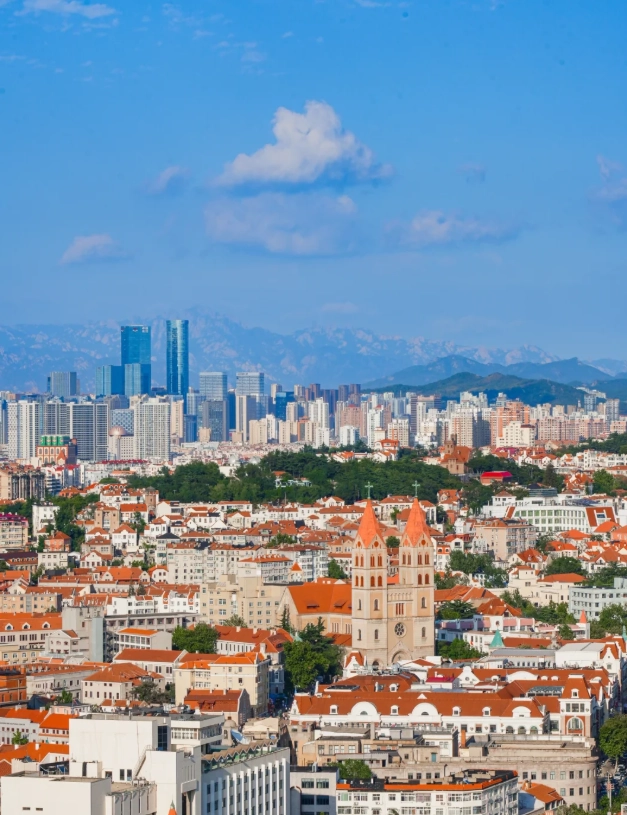
Day 2 — Badaguan, the Brewery, and Where Locals Actually Drink
Do Badaguan on foot in the late afternoon, when the light comes in sideways through the plane trees. Take Metro Line 3 to Taipingjiao Park station and just walk. The district is free; only a few of the villas charge entry, usually under 10 RMB.
Eight streets, each named after a different mountain pass, lined with German, Japanese and Russian houses built in the 1920s and 30s. It is the most photogenic place in the city and almost nobody rushes through it. Give yourself two hours minimum.
Then head to the Tsingtao Brewery Museum at 56 Dengzhou Road in Shibei District. Metro Line 2 to Taidong station, then about a twelve-minute walk. Entry runs roughly 60 to 80 RMB and includes samples. Go before 10:30 or after 15:00 — the middle of the day is a wall of tour groups.
Now, the beer. Along Dengzhou Road there are small shops selling draft Tsingtao by weight. You buy it in a plastic bag. This is not a gimmick for tourists; locals do it every evening. Carry your bag to one of the nearby grill stalls, order grilled clams and squid, and pay a fraction of what the brewery restaurant charges.
Pro Tip: Finish the evening at May Fourth Square and the Olympic Sailing Centre. The skyline lights up around dusk and the sea breeze is a relief after a day of walking. Take Metro Line 2 or 3 and walk the promenade.
Day 3: Mount Tai — How to Climb It Without Hating Yourself
Take the cable car down, not up. Everyone assumes ascending is the hard part. It is not. Descending thousands of stone steps is what destroys knees, and I have seen fit thirty-year-olds limping into Qufu the next day.
Getting to Tai'an and Choosing Your Gate
Check which Tai'an station your train uses, because the two are far apart. The high-speed station sits well outside town, roughly 30 minutes by taxi from the mountain. The older Tai'an station is much closer to the Red Gate trailhead.
Tickets for the mountain run roughly 115 to 125 RMB in high season, plus about 30 RMB for the shuttle bus and about 100 RMB per cable car segment. Prices move with the season, so confirm at the ticket window or on Trip.com rather than trusting any blog.
Booking is real-name and requires your passport. The official WeChat mini-program is entirely in Chinese and, frankly, a nightmare even for me to navigate. Use Trip.com instead and save yourself the twenty minutes of guessing which button means "confirm".
- Full walk from Red Gate: over 6,600 stone steps, four to five hours up, and a genuinely serious physical effort.
- Shuttle plus cable car: bus from Tianwai Village to Middle Heaven Gate, then cable car to South Heaven Gate. About two hours total, very manageable.
- Hybrid route: walk from Red Gate to Middle Heaven Gate, then ride the cable car. This is what I recommend for most travellers.
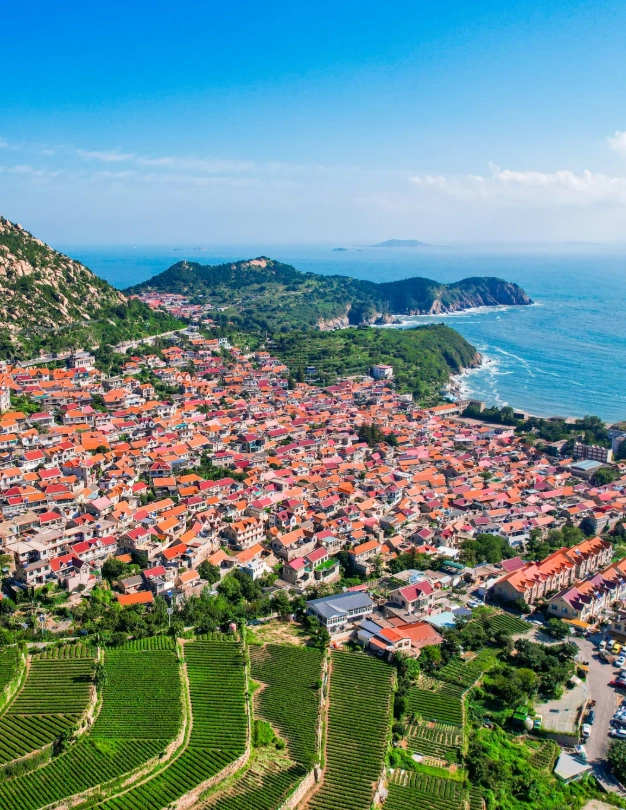
Should You Do the Sunrise Climb?
My honest answer after four attempts: the sunrise is a coin flip, and the odds are not in your favour. I got a clean horizon exactly once. The other three times, cloud rolled in at 4 a.m. and a few hundred exhausted people stood around in the fog taking photos of grey.
The night climb means starting around 22:00 or 23:00 and then waiting hours at the summit in the cold. Even in August the top is chilly, and vendors rent padded coats for a reason. You will also arrive in Tai'an the next morning with zero sleep.
A better plan: go up in the late afternoon, watch the light rake across the ridges as the day-trippers drain away, then ride the cable car down. Check the last departure time at the ticket window when you arrive — it shifts with the season and it is not worth guessing.
If you genuinely want the summit at dawn, book one of the simple inns near South Heaven Gate and sleep up there. Be warned: rooms are basic, walls are thin, and you are paying for altitude, not comfort.
Day 4: Qufu and the Confucius Sites
The Cemetery of Confucius is the site most visitors skip, and it is the one I would keep. The Temple is grander, but the cemetery is where the place actually feels alive.
The train from Tai'an to Qufu East takes under an hour. From Qufu East station, it is a 15 to 20 kilometre drive into the old town — grab a taxi or DiDi rather than assuming a short walk.
A combined ticket covering the Temple, the Kong Family Mansion and the Cemetery runs roughly 140 RMB. Verify the current price and any combo deals at the ticket office, since promotions change.
- Temple of Confucius — the main event. Stone steles, ancient cypresses, and a scale that sneaks up on you. Allow two hours and go early.
- Kong Family Mansion — the weakest of the three. It is a residential complex, interesting if you like domestic architecture, skippable if you are short on time.
- Cemetery of Confucius — a forest holding the graves of more than a hundred thousand descendants. Electric carts run through it, and the late-afternoon light filtering through the trees is the best photograph you will take all week.
For lunch, the restaurants around the Queli Hotel area serve Kong Family cuisine — a refined, savory style built around braised dishes and subtle stock. It is a different register from street food, and worth one proper sit-down meal.
Pro Tip: Qufu's old town is small enough to cover on foot in an afternoon, but the heat between noon and three is brutal in summer. I usually build in a ninety-minute break at a teahouse or back at the hotel. Do not treat that as wasted time.
Day 5: Jinan Springs and a Clean Exit
Baotu Spring is the one thing in Jinan you should not skip, and it is best before 9 a.m. Entry is around 40 RMB, and the address is 1 Baotuquan South Road in Lixia District — walkable from Quancheng Road.
This is the spring that gave the city its nickname, and the water genuinely bubbles up from below in three distinct jets. By mid-morning the tour groups arrive and the viewing platforms get shoulder-to-shoulder.
From there, walk or take a short taxi to Daming Lake. The main park has been free for years, and a slow loop around the water takes about ninety minutes. It is the calmest place in a busy city.
If the weather turns — and it does — Shandong Museum is your indoor plan B. Entry is free with a passport reservation, and it closes on Mondays like most museums in China. Reserve the day before through Trip.com or ask your hotel front desk to handle the mini-program for you.
For dinner, do not bother with Furong Street. It is crowded, the food is average, and the queues are mostly for photographs. Kuanhouli, a short walk away, is cleaner, less chaotic, and the vendors are more consistent.
Where to Eat and Sleep in Shandong
What to Eat, Region by Region
Shandong cooking is savory, salty and light on chili — a genuine relief if you have been eating Sichuan food for a week. It is built on stock, braising and seafood, not heat.
- Qingdao: spicy stir-fried clams, mackerel dumplings, and draft beer bought by the bag. Ask for the clams at any grill stall along Dengzhou Road.
- Tai'an: Tai'an pancakes, chewier and grainier than the breakfast crepes you get elsewhere, plus tofu banquet dishes served near the mountain.
- Qufu: Kong Family cuisine — braised pork, ginkgo with vegetables, and clear soups that taste of hours of simmering.
- Jinan: braised pork over rice, a savory corn-flour soup whose name misleadingly translates to "sweet foam", and flaky scallion pastries eaten hot from the pan.
On payment: link your international card to Alipay or WeChat Pay before you fly, because many small restaurants are QR-code only and will look at a physical credit card like you handed them a brick. Cash is technically legal tender everywhere, but small stalls often cannot make change for a 100 RMB note. Hotel front desks and larger restaurants accept cards.
English menus are rare outside hotels and tourist-area restaurants. Use the camera mode in Apple Translate or Baidu Translate on a photo of the menu — it works better than you would expect, though it will occasionally render a dish as something alarming.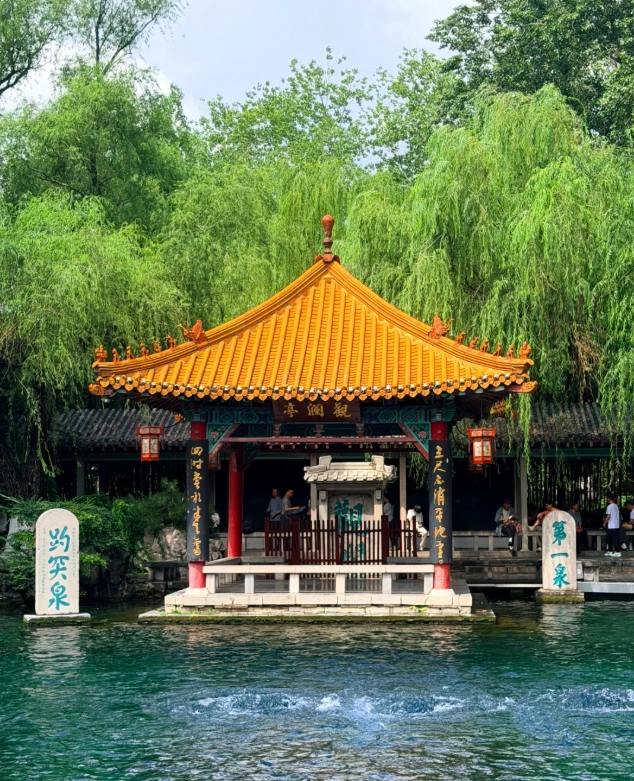
Where to Sleep
Pick your neighborhood by what you are doing the next morning, not by star rating. A five-star hotel on the wrong side of Qingdao will cost you an hour of sleep and a lot of taxi fare.
| Area | Typical Options | Walkability | Approx. Nightly Rate | Best For | Watch Out For |
|---|---|---|---|---|---|
| Qingdao Old Town / Zhongshan Road | Boutique conversions and mid-range Chinese chains | 5 to 10 minutes on foot to the cathedral and the pier | 350-700 RMB | First-timers, photographers, short stays | Narrow lanes, and several older buildings have no elevator |
| Qingdao May Fourth Square / MixC | International brands and upscale Chinese hotels | Seafront promenade, large mall, metro nearby | 800-1,600 RMB | Families, couples wanting sea views | 25 to 30 minutes by taxi to the Old Town |
| Tai'an, near the Red Gate | Small local hotels and guesthouses | Walking distance to the trailhead | 200-450 RMB | Night climbers, early starters | Rooms are basic and street noise carries |
| Mount Tai summit | Two simple inns near South Heaven Gate | At the top of the mountain | 600-1,200 RMB | Travellers chasing sunset and sunrise | Thin walls, limited hot water, book far ahead |
| Qufu old town | Heritage-style hotels and courtyard inns | 5 minutes on foot to the Temple of Confucius | 300-700 RMB | Culture-focused travellers | Few staff speak English; download a translation app |
| Jinan, Quancheng Road / Kuanhouli | Mid-range chains and international brands | Walk to Baotu Spring and Daming Lake | 350-900 RMB | Final night before flying out | Weekend traffic around the springs is heavy |
One practical note on hostels and guesthouses: confirm luggage storage before you book. Several small properties in Qufu and Tai'an have no secure place to leave bags, which matters a lot if you are catching an evening train.
The two things that will save you the most time: download an offline map and stop relying on Google Maps, which is unreliable inside China. Apple Maps works reasonably well, and Amap has an English-friendly mode. Also set up a VPN before you land, not after — the app stores you need are harder to reach once you are inside.
Shandong Travel FAQ
Can I do 5 days in Shandong without speaking any Mandarin?
You will manage, but not because English is widely spoken — outside hotel front desks and airport counters, it mostly is not. What actually saves you is preparation. Screenshot the Chinese names of every hotel, station and attraction so you can show them to a driver. Use the camera mode in a translation app on menus and signs. For rides, the DiDi mini-program inside Alipay has an English interface and removes the phone-call problem entirely. And when a booking requires a Chinese-language mini-program, do not fight it — walk to your hotel reception and ask them to do it. I have watched that single habit rescue more trips than any phrasebook.
Is five days actually enough for Shandong, or am I shortchanging it?
Five days covers the spine — Qingdao, Mount Tai, Qufu, Jinan — and covers it well. What it does not cover is the coast north of Qingdao, the slower seaside towns, or the inland barbecue culture that has become a genuine draw. If you can stretch to seven days, add a night on the coast between Qingdao and Yantai and give Qingdao a third day. What I would not do is bolt a fifth city onto five days. The travel time between Shandong's highlights is real, and every extra stop costs you half a day you will not get back.
Do I need a visa for a five-day Shandong trip?
It depends entirely on your nationality and your entry point, and the rules change often enough that no travel blog should be your source. Qingdao is covered by some of China's transit visa-free arrangements, which allow short stays for travellers continuing to a third country, but eligibility depends on your passport and your onward ticket. Check the National Immigration Administration for the current policy text, and confirm with the Chinese embassy or consulate nearest you before you book flights. I have met travellers at Qingdao airport who assumed the rule applied to them and it did not.
Should I climb Mount Tai at night to catch the sunrise?
I would not, and this puts me against most guides. The summit is frequently wrapped in cloud at dawn, so you are gambling a full night of sleep on weather. Even on a clear night you start hiking around 22:00, reach the top in the small hours, and then stand in the cold for two or three hours waiting. A better use of the same day is a late-afternoon ascent, watching the light drop across the ridges as the crowds thin out, then riding the cable car down. If sunrise is non-negotiable for you, sleep at a summit inn instead of hiking overnight — you get the same view without the misery.
How do I pay for things in Shandong with a foreign card?
Set up Alipay or WeChat Pay and link your international card before you leave home — that is the single most useful hour of trip prep you can do. Once linked, you scan a QR code and it just works, from street stalls to train tickets. Physical credit cards are accepted at hotels and larger restaurants, and almost nowhere else. Cash is legal everywhere, but small vendors frequently cannot break a large note, so keep small bills if you plan to use it. The places that trip people up are the tiny, excellent noodle shops with no card reader and no English signage — those are QR-only, and you will be glad you set up your wallet in advance.
Verified and fact-checked by the editorial team. Prices, opening hours and booking channels change frequently — confirm details through official channels before you travel.
No comments yet.