 Jing Song
My first winter in Jilin, I made a client cry. Not from anything I said — from the cold.
She had packed three pairs of cotton socks, a department-store puffer from Sydney, and a pair of UGG-style boots. We reached the Songhua River bank at 6:40 a.m. Fifteen minutes later we were back in the van with the heater on full blast.
That was eleven winters ago. Since then I have walked hundreds of travelers through Changchun, Jilin City, Yanji, and up to Changbai Mountain, and I will say it plainly: what to wear in Jilin is not a last-night packing detail. It decides whether you spend four days photographing rime ice and eating Korean-Chinese barbecue, or hiding in hotel lobbies waiting for the next taxi. It also catches foreigners in ways nobody warns them about — the small gear shop that takes mobile payment only, the cotton T-shirt that turns dangerous the moment you sweat, the shopping mall that is 25°C inside while the street outside sits at -24°C.
Short version, if you want to stop reading here: wool against your skin, fleece or light down in the middle, one windproof down shell on the outside, boots half a size up with a single pair of thick merino socks, and a balaclava you will resent and then thank.
Jump straight to what you need
- How Cold Does Jilin Actually Get?
- The Four-Layer System I Put Every Client In
- What to Wear on Your Feet in Jilin
- What to Wear If You're Skiing at Beidahu or Songhua Lake
- What to Wear for Jilin City's Rime Ice at Sunrise
- Changbai Mountain in Winter: Dressing for the Summit
- Where to Buy Winter Gear in Jilin If You Arrived Unprepared
- What to Wear in Jilin in Spring, Summer, and Autumn
- FAQ: What to Wear in Jilin, Answered Straight
How Cold Does Jilin Actually Get?
Cold enough that your phone dies in your coat pocket. Cold enough that locals stop mentioning it.
Winter in Jilin Province runs from roughly late October to early April, and the municipal heating season covers almost exactly that window — that alone tells you how seriously this place takes the cold. Here is the spread you are dressing for.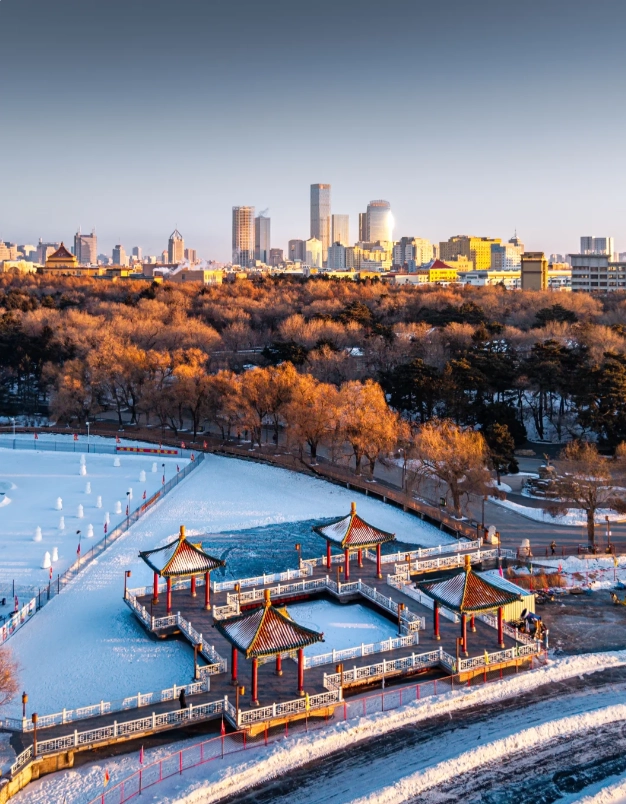
| Place | Typical January Low | What It Feels Like | Main Wardrobe Risk |
|---|---|---|---|
| Changchun | -18°C to -22°C | Dry, sharp, manageable while moving | Wind tunnels between high-rises and polished ice on sidewalks |
| Jilin City | -17°C to -21°C | Damp bite from the Songhua River | Standing still for rime ice photos |
| Yanji | -15°C to -19°C | Milder by day, valley cold after dark | Late-night walks between barbecue restaurants |
| Changbai Mountain summit area | -25°C to -32°C | Exposed and wind-driven, unforgiving | Wind chill and sudden road closures |
Why the Wind and the Sunset Matter More Than the Thermometer
The number on your weather app is a polite fiction the moment wind enters the picture. A -19°C afternoon in Changchun with no wind is genuinely pleasant for walking. The same -19°C on the Songhua River bank with a 20 km/h breeze strips heat off exposed cheeks in a way that surprises even people who grew up in cold climates.
Then there is daylight. China runs on a single time zone, and Changchun sits far east inside it, which means the winter sun is gone by around 4 p.m. Your usable outdoor window is short. Front-load your day and treat everything after dark as an indoor mission.
And here is the part most packing lists skip entirely: standing still is a different sport from walking. I can stroll for an hour at -20°C and feel fine. Ask me to hold a camera on a riverbank for twenty minutes and I suddenly need a second leg layer, thicker mittens, and heat packs. If your itinerary is photography-heavy, dress for the stationary version of yourself, not the walking one.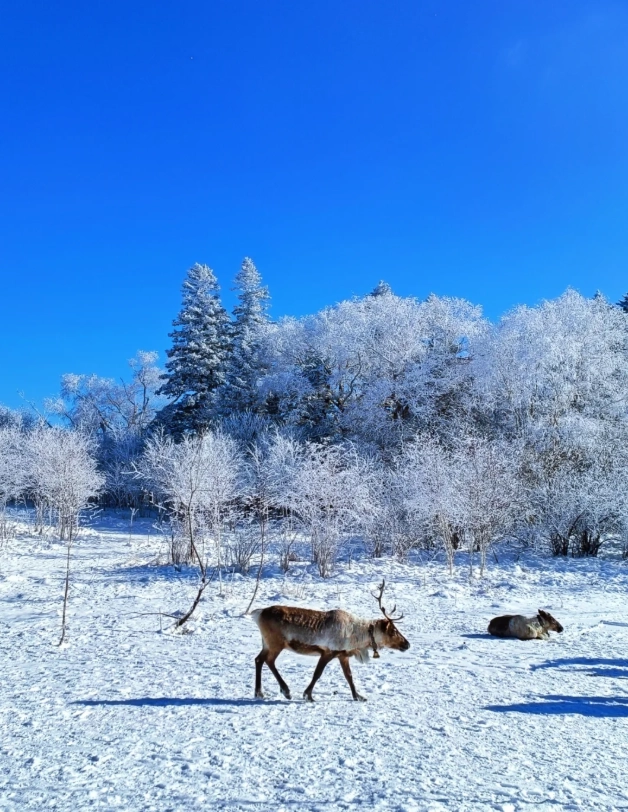
Insider Advice: the two body parts that decide whether a winter day is fun or miserable are your hands and your face. Travelers over-invest in the jacket and under-invest in these. A cheap balaclava does more for your comfort than an extra thousand yuan spent on a coat.
The Four-Layer System I Put Every Client In
Four layers, each with one job. Nothing fancy, nothing expensive if you buy it in China.
| Layer | What It Does | What I Recommend | Rough Budget in China |
|---|---|---|---|
| Base layer | Pulls sweat away from your skin | Merino wool or synthetic long-sleeve top and leggings | ¥100 to ¥250 per set |
| Mid layer | Traps heat, comes off indoors | Mid-weight fleece or a light down vest | ¥150 to ¥400 |
| Shell | Blocks wind, sheds snow | Long down parka with windproof face fabric and a hood | ¥400 to ¥1,500 |
| Extremities | Protects skin that frostbite finds first | Liner gloves plus mittens, balaclava, neck gaiter, sunglasses | ¥100 to ¥300 |
Base Layer: Cotton Is the Worst Thing You Can Wear Next to Your Skin
Cotton absorbs sweat and then stops insulating, which is exactly the failure mode you cannot afford at -20°C. You will sweat — in a heated mall, in a crowded restaurant, climbing stairs in a hotel, hauling a suitcase through a train station. Cotton holds that moisture against your body and you chill within minutes of stepping outside.
Merino is the comfortable answer and synthetic is the cheap answer. Both work. Bring two sets, because you will wear one while the other dries. A note on weight: 200 to 260 gsm merino is the sweet spot for Jilin. Anything thinner is a spring layer in disguise.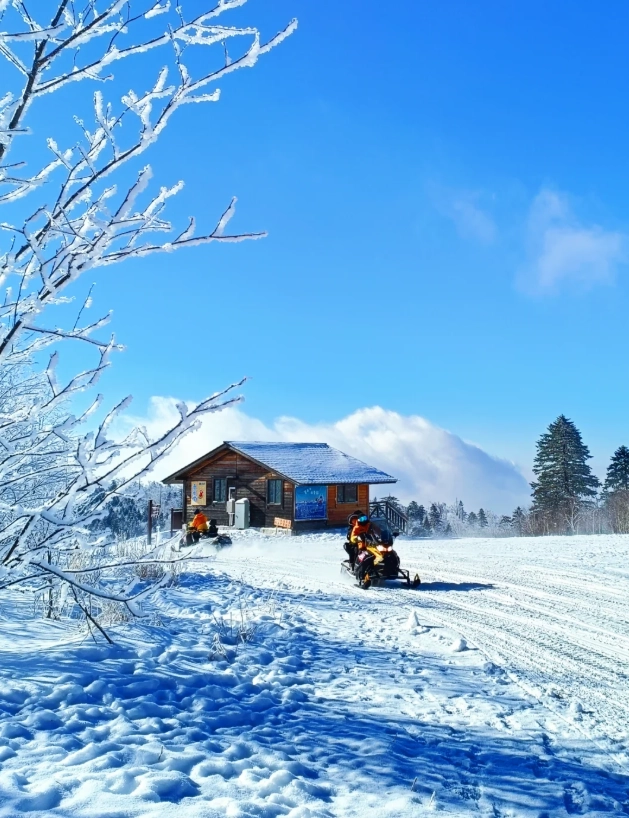
Mid Layer: The Layer You Will Live In Indoors
Chinese restaurants, malls, and hotel lobbies often sit between 22°C and 26°C in winter, so your mid layer becomes your indoor outfit. This is the layer you strip off and tie around your waist ten times a day. Pick something you would not be embarrassed to sit in over a long lunch of Yanji-style cold noodles and grilled beef.
A fleece is the practical choice. A thin down vest is warmer for the weight but bulkier in a daypack. I carry both on longer trips and swap depending on the forecast.
Shell: Length and a Real Hood Beat Brand Names
Your outer layer has one job above all others — stop the wind — and a second job most people forget, which is covering your lower back. Every time you bend down for a photo, crouch into a taxi, or lean over a steaming bowl of noodles, a short jacket rides up and lets cold air straight onto your kidneys.
Look for a parka that falls below the hip, has a hood with a stiffened rim, and cuffs you can seal over or under your gloves. Down fill matters, but a windproof outer fabric matters more in a place where the air moves this much.
Pro Tip: Chinese clothing sizes run small — a Chinese XL is closer to a US medium, sometimes a small. If you buy a coat locally, try it on wearing the exact mid layer you plan to wear underneath. Trying it on over a T-shirt is how people end up with a coat that is too tight to layer.
The Extras That Actually Decide Your Trip
Mittens beat gloves, a balaclava beats a scarf, and sunglasses are not optional in a place this bright. A few specifics I have learned the hard way:
- Liner gloves under mittens — you can pull the mitten off to use your phone without exposing bare skin to the wind.
- A balaclava or a proper neck gaiter. A loose scarf leaves gaps at the chin and gets caught in taxi doors.
- Sunglasses or clear glacier-style goggles. Snow and river ice throw serious glare, and squinting all day gives you a headache that feels like altitude sickness.
- Lip balm and a small tube of moisturizer. Indoor heating plus outdoor dry air cracks skin fast, and pharmacies are not always where you need them.
- Disposable heat packs, sold almost everywhere. Do not stick one directly on bare skin — put it between layers, and check with your airline before packing them in carry-on, since rules vary.

What to Wear on Your Feet in Jilin
This is where most visitors fail, and where the failure is most painful.
Boots: Buy Half a Size Up, Not Snug
Insulation works by trapping air, so boots that fit tight over thick socks are colder than boots with room to spare. Look for a waterproof membrane, a thick sole with grip, and space in the toe box to wiggle. Add a felt or wool insole — it is a five-dollar upgrade that changes everything.
If you buy locally, the plain-looking snow boots sold in Chinese malls for ¥150 to ¥300 are honestly decent for city use. They are not mountaineering boots, but they will get you through Changchun and the Jilin City riverfront just fine.
One Pair of Socks, Not Three
Layering socks is a myth that backfires — two or three pairs bunch up, restrict circulation, and make your feet colder. Wear one pair of thick merino socks. Bring three or four pairs for a week and rotate them so each pair dries fully between wears. Damp socks at -20°C are miserable.
Ice Cleats Are the Best Cheap Purchase You Will Make
Jilin's sidewalks get polished into glass by foot traffic, and the riverfront promenade in Jilin City is genuinely dangerous in the early morning. Slip-on rubber ice cleats with metal studs cost almost nothing at a supermarket or online, and they fold into a coat pocket. I wear them every morning from December through February and I have watched too many travelers go down hard on a crosswalk.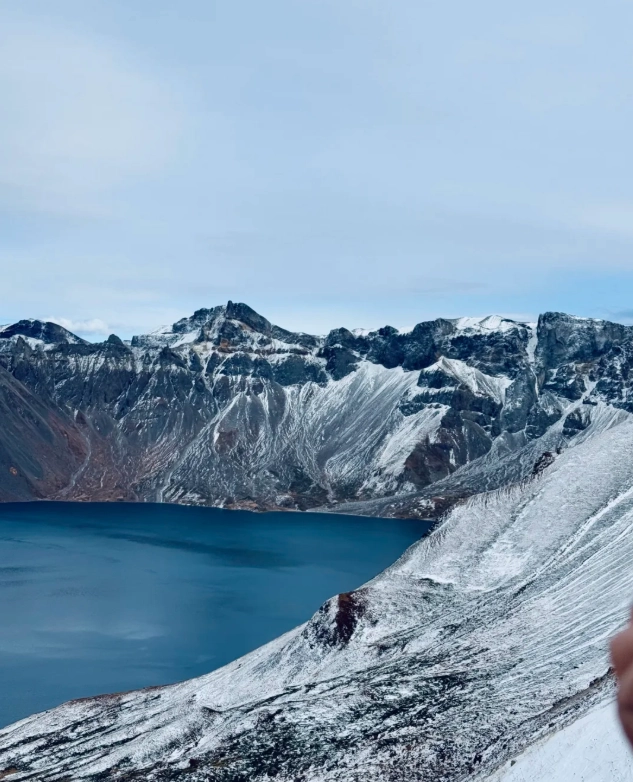
One more thing about feet: hotels here are warm, and many provide thin slippers. If you plan to spend evenings wandering your hotel corridor or a guesthouse lobby, bring or buy a pair of indoor shoes. It sounds trivial until you have been wearing boots for eleven hours.
What to Wear If You're Skiing at Beidahu or Songhua Lake
Both resorts sit within a couple of hours of Jilin City and both rent the big hardware. The clothing gap is where people get caught.
What the Rental Shops Give You and What They Don't
Skis, boards, boots, poles, and helmets are standard rentals at the major resorts; gloves, goggles, and base layers usually are not, or exist in very limited sizes. Book your rental package in advance through a platform like Trip.com or the resort's own booking channel, and bring your passport — rental counters here register you by ID.
Rental boots vary a lot in quality and fit. If you have awkward feet or you ski more than a couple of days, this is the one piece of gear worth bringing from home.
The Sweat-Then-Freeze Problem
Skiing in Jilin punishes cotton more than anything else you will do here, because you alternate between hard effort and sitting still on a chairlift. Wear a breathable synthetic or merino base layer, open your vents on the lift, and zip up before you drop in. Jeans are a genuinely bad idea — they hold moisture, restrict movement, and get dangerously cold once you stop.
Inside the lodges it is warm, so plan to peel down to a base layer and a mid layer. A thin neck gaiter is better than a scarf on a chairlift, and goggles beat sunglasses once there is any wind or falling snow.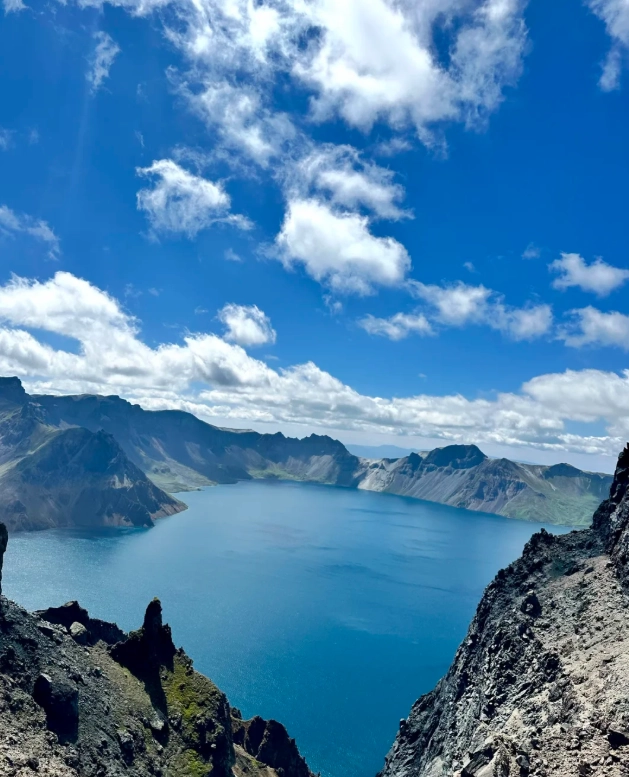
What to Wear for Jilin City's Rime Ice at Sunrise
Rime ice is the reason many people come to Jilin in the first place, and it is also the coldest two hours of most itineraries.
The 6 a.m. Wardrobe
Rime forms on cold, clear mornings after a humid night, and it is best in the first light — often softening or dropping off the trees by mid-morning. That means you are outside before sunrise, standing still, on a riverbank. Layer for the stationary version of yourself.
- Add a second leg layer — thermal leggings under trousers, not instead of them.
- Mittens over liner gloves, with a heat pack tucked into each mitten.
- Balaclava plus a hood, and goggles or sunglasses for the glare off the ice.
- Insulated boots with a felt insole. Cold radiates up from frozen ground while you stand.
You can shoot from the riverbank promenade in Jilin City, which costs nothing and is easy to reach by taxi. The more famous Wusong Island, downstream, involves a longer drive and a short ferry crossing, plus an entrance fee that changes with the season — confirm the current arrangement with your hotel the day before rather than trusting a blog post, including this one.
Pro Tip: the fastest way to ruin a rime morning is fogged glasses and a dead camera. Keep spare batteries in an inside coat pocket where your body heat protects them, and seal your camera in a plastic bag before you walk back into a warm building. Condensation is what kills lenses, not the cold itself.
Changbai Mountain in Winter: Dressing for the Summit
Changbai Mountain is the coldest place on most Jilin itineraries, and the temperature difference between the base and the crater rim is bigger than people expect.
You gain altitude on the shuttle and lose warmth fast, so dress for the top before you get on the bus, not after. The summit area regularly sits between -25°C and -32°C with wind that makes it feel worse, and the lake view can be swallowed by cloud in minutes. Build a buffer day into your plan — high winds and heavy snow do close the upper road, and no amount of good clothing fixes a closed gate.
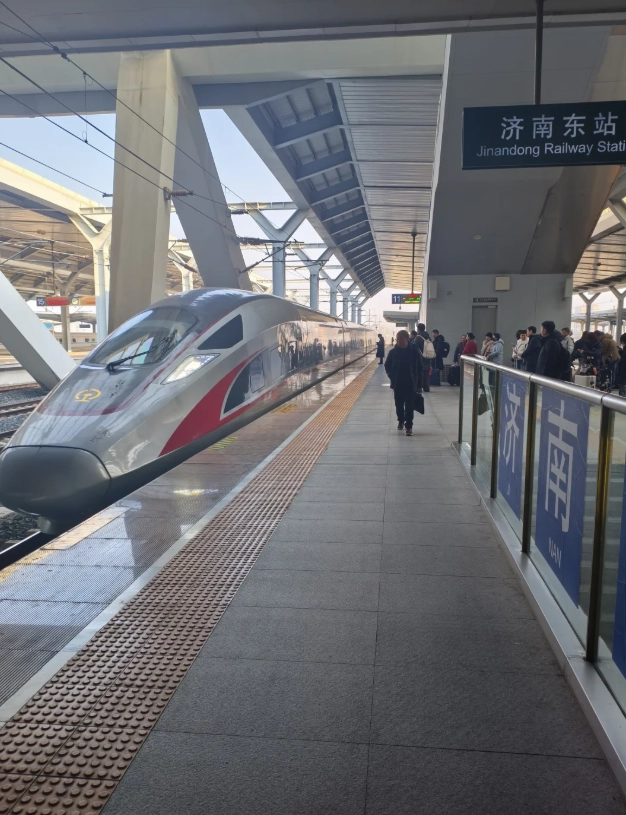
On top of the four-layer system, add a second leg layer, goggles rather than sunglasses, and a proper face covering. Shops and stalls around the entrance area rent padded coats and sell fleece leg wraps and knee covers, but treat those as an emergency backup rather than a plan. If you are coming by train, schedules and seat classes are easiest to check on the official China Railway booking site.
One practical detail for foreign passports: hotels and guesthouses across China register your stay with the police, and that registration requires your passport and visa or entry stamp. The National Immigration Administration publishes the current entry and visa-free transit rules, and it is worth a look before you book flights, because the policies change more often than most travel blogs admit.
If you are extending the trip into a cultural day, the capital cities and tombs of the ancient Koguryo Kingdom near Ji'an in southern Jilin carry a UNESCO World Heritage listing. The same winter kit works there, minus the river humidity that makes Jilin City feel colder than its thermometer suggests.
Where to Buy Winter Gear in Jilin If You Arrived Unprepared
Plenty of travelers land in Changchun with a suitcase built for Shanghai. It is fixable, and cheaper than you think.
Malls and Underground Streets in Changchun
The giant Ouya Mall complex in Changchun is the single most efficient place to solve a winter wardrobe in one afternoon. Give it half a day. You will find down coats, boots, thermal sets, gloves, and heat packs under one roof, and prices for local brands are far below what you would pay at home.
For base layers specifically, international casual chains and Chinese sportswear floors in major malls are reliable and predictable on sizing. Underground shopping streets near the main commercial areas are cheaper but chaotic, and staff rarely speak English — bring a translation app and photos of what you want.
Ordering Online and Having It Delivered to Your Hotel
Delivery in China is genuinely fast — most everyday items ordered on Taobao or JD arrive at a city hotel within one to two days, and heat packs can reach you within an hour through a delivery app. The catch is language. Navigating a Chinese shopping app or a WeChat mini-program is a headache even for me, and I live here.
So do what I tell my clients: walk to the front desk with a photo of what you need and ask the receptionist to order it for you. In my experience, they will. Pay with Alipay or WeChat Pay linked to an international card — both work widely at malls and chains. Small independent stalls may only accept mobile payment, and a few still prefer cash, so keep a couple of hundred yuan on you.
What to Wear in Jilin in Spring, Summer, and Autumn
Not every trip here involves -25°C, and packing the same way year-round is its own mistake.
Spring: Wind, Dust, and a Cold That Won't Quit
March and April in Jilin are still genuinely cold, with strong winds and occasional dust, so keep the down jacket and add a windproof outer shell. Locals call the season unpredictable for a reason — a mild afternoon can turn sharp by evening. Layers you can add and remove beat one heavy coat.
Summer: Humid, Green, and Wetter Than You Expect
June through August brings 25°C to 30°C days with real humidity and sudden heavy rain. Light, quick-drying clothing, a compact umbrella, a sun hat, and mosquito repellent for the mountain areas around Changbai. Bring one light long-sleeve layer — mountain evenings cool down fast.
Autumn: Short, Beautiful, and Suddenly Cold
September and early October are the best weather of the year here, but late October can flip to freezing within days. Pack a mid layer and a packable down jacket if you are traveling in the second half of October. This is the window where a small amount of extra luggage saves an entire day of shopping.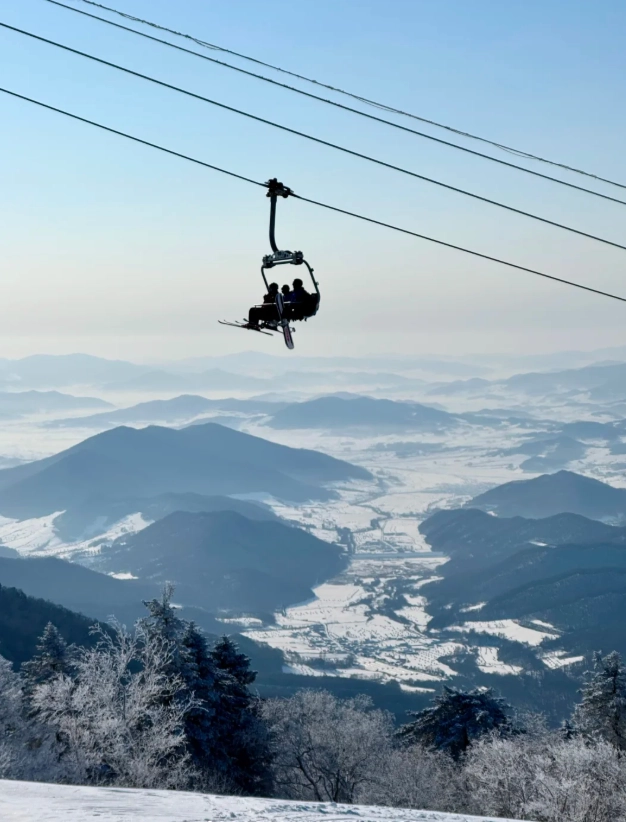
FAQ: What to Wear in Jilin, Answered Straight
Can I rent a full winter outfit in Jilin instead of packing one?
Rental exists mainly at the ski resorts and around Changbai Mountain, where padded coats and basic boots are available in limited sizes. In Changchun and Jilin City, you will not find a rental shop on the corner. The realistic path for most travelers is to pack the base and mid layers, which take up little space, and buy the bulky parka and boots locally on arrival. Between the cost of checked luggage and the cost of a decent Chinese down coat, buying often wins.
How do I know if my jacket is warm enough for Jilin?
Test it the night before your first big outdoor day. Stand outside your hotel for ten minutes without moving, at night, in the clothes you plan to wear. If your hands, face, or feet are uncomfortable in ten minutes, they will be unbearable in forty. Here is the counterintuitive part most people get wrong: the jacket is rarely the weak link. Nine times out of ten it is gloves, socks, or a gap at the neck that ruins the day. Fix the extremities first.
Do I really need ice cleats, or is that overkill?
Overkill in the abstract, essential in practice. Changchun sidewalks get buffed into a hard shine by foot traffic, and the Jilin City riverfront at sunrise is where I have seen the most falls. Cleats cost almost nothing, weigh nothing, and live in your coat pocket until you need them. Take them off indoors, though — metal studs on marble floors in malls and hotels are a genuine hazard, and staff will ask you to remove them.
Should I wear two or three pairs of socks to stay warm?
No. Stacking socks squeezes your feet inside the boot, reduces the insulating air gap, and restricts circulation, which is the exact opposite of what you want. One pair of thick merino socks in a boot with a little room to spare is warmer than three thin pairs in a tight boot. Bring several pairs and rotate them so nothing goes on damp.
What should I wear indoors in Jilin, given how hot the buildings are?
Treat indoor heating as its own climate. Hotel rooms, restaurants, and malls commonly sit between 22°C and 26°C, and you cannot always turn the heat down. Pack a couple of light T-shirts and comfortable trousers for indoors, and choose a mid layer you can strip off in five seconds at a restaurant door. The travelers who struggle most are the ones who dressed for the street and never planned for the twenty-degree swing every time they walk through a door.
Verified and fact-checked by the editorial team. Temperature ranges, seasonal patterns, and practical guidance reflect conditions observed on the ground and are cross-referenced against official sources; current fees, schedules, and entry policies should be confirmed with the relevant operator or official channel before you travel.


No comments yet.