 Fang Wang
Rain. Fog. A dead phone at six in the morning.
That was my client's first hour in Tai'an. She had a Mount Tai sunrise climb booked, missed the shuttle by four minutes, and stood in the drizzle watching the bus pull away while Alipay spun its little loading wheel. Nobody warns you about that part.
So let me fix the bigger picture first. Shandong solo travel has a reputation problem — outsiders picture a flat, forgettable province wedged between Beijing and Shanghai, then they read a few listicles and build a three-cities-in-three-days plan that wrecks them by day two. The opposite is true. This is one of the gentlest provinces in China to travel alone: cheap high-speed rail, walkable old towns, food you can order without a translator, and almost none of the aggressive touting you dodge in Xi'an or Guilin.
Here's the conclusion I'd hand you over coffee before you book anything. Choose two bases, not four. Sleep in Jinan and Qingdao, day-trip to Tai'an and Qufu by rail, and treat everything else as a bonus rather than a checklist. That one decision saves roughly two full travel days and a lot of grumbling.
Everything else is below.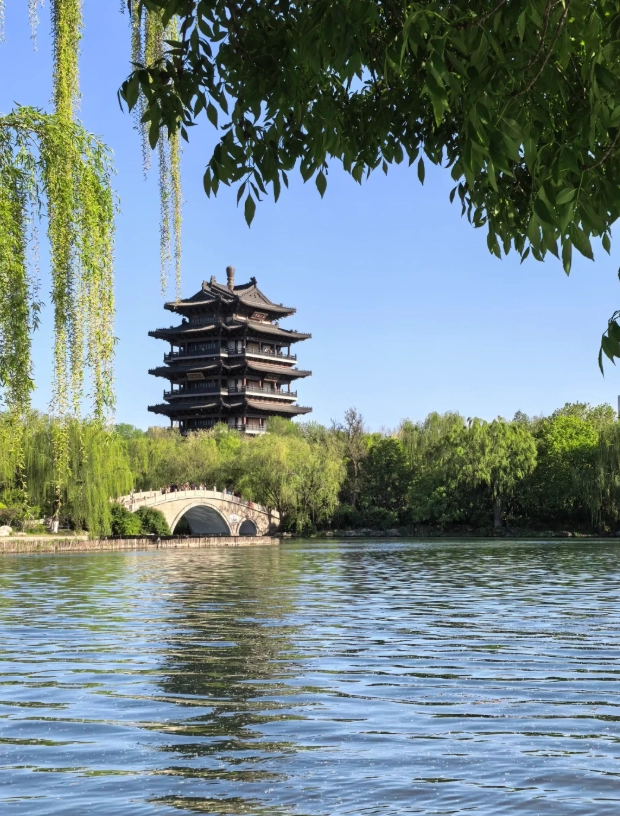
The Short Version — Jump Where You Need
- Why Shandong Works So Well for Solo Travelers
- How Do You Plan a Shandong Solo Travel Route Without Burning Out?
- Trains, Didi, and the Apps That Actually Work
- Mount Tai Solo: Tickets, Timing, and the Crowd Trap
- Qufu: The Three Confucius Sites Without the Tour Buses
- Qingdao Solo: Beer, Coastline, and the Light You Want
- Where to Stay in Shandong as a Solo Traveler
- What to Eat Alone in Shandong
- Money, Apps, and the Small Disasters That Ruin Trips
- Questions I Get Asked Every Week
Why Shandong Works So Well for Solo Travelers
Shandong rewards the traveler who refuses to see everything. It's the birthplace of Confucius, the home of China's most-climbed mountain, and the province that gave the country Tsingtao beer — yet it never feels like a theme park. I've walked clients through it in every season, and the pattern never changes. The people who slow down love it. The people who sprint hate it.
- Four of the province's biggest draws — Jinan, Tai'an, Qufu and Qingdao — sit on a single high-speed rail corridor, so you never burn a day in transit.
- Prices are gentle. A clean chain hotel costs far less than the same standard in Shanghai.
- Food is easy to order alone. Shandong cooking leans savory and mild, so you're not negotiating spice levels at every meal.
- Violent crime against tourists is rare. The real risks are pickpocketing in crowds and getting lost in an app that doesn't work here.
- Very few hard-sell traps compared with the classic tea-ceremony and art-student scams of Beijing and Shanghai.
One thing to settle before you book flights: entry rules. China's visa-free policies have shifted repeatedly in recent years, and the only source I trust is the National Immigration Administration, which publishes the current list of eligible nationalities and permitted stay lengths. Don't trust a blog post from two years ago — including this one.
How Do You Plan a Shandong Solo Travel Route Without Burning Out?
The two-base rule beats every five-city itinerary I've ever seen. Sleep in Jinan and Qingdao. Day-trip to Tai'an and Qufu by train. Zibo's barbecue, Yantai's coast and Weihai's harbor are bonuses you add only if you have spare days and spare energy.
The Two-Base Rule in Practice
Book your Jinan nights first, because the rail hub does the heavy lifting. From Jinan you reach Tai'an in about twenty minutes and Qufu in under forty-five. Qingdao sits roughly two hours east. That's the province's greatest hits on two hotel bookings.
| Route | Fastest Rail Time | Rough Second-Class Fare | Solo Verdict |
|---|---|---|---|
| Jinan to Tai'an | About 20 minutes | CNY 25 to 35 | Perfect half-day add-on; go early, return for dinner |
| Jinan to Qufu East | About 35 to 45 minutes | CNY 40 to 60 | Doable as a long day trip, better as an overnight |
| Jinan to Qingdao | About 1 hour 40 minutes | CNY 120 to 170 | The backbone of any Shandong solo travel plan |
| Qingdao to Yantai | About 1 hour 20 minutes | CNY 90 to 120 | Only if you have a spare day and like quiet coastlines |
| Jinan to Zibo | About 30 to 40 minutes | CNY 35 to 50 | Worth it for barbecue on a weekday, painful on a weekend |
| Qufu East to Qingdao | About 2 hours 30 minutes | CNY 180 to 220 | Skips Jinan entirely; useful if you fly out of Qingdao |
Fares shift with train type and season, so confirm on China Railway 12306 or Trip.com before you lock your plan.
What If You Only Have 24 Hours in Shandong?
Assume you land in Jinan and fly out of Qingdao the next evening. This is tight but genuinely doable, and I've run it with clients twice.
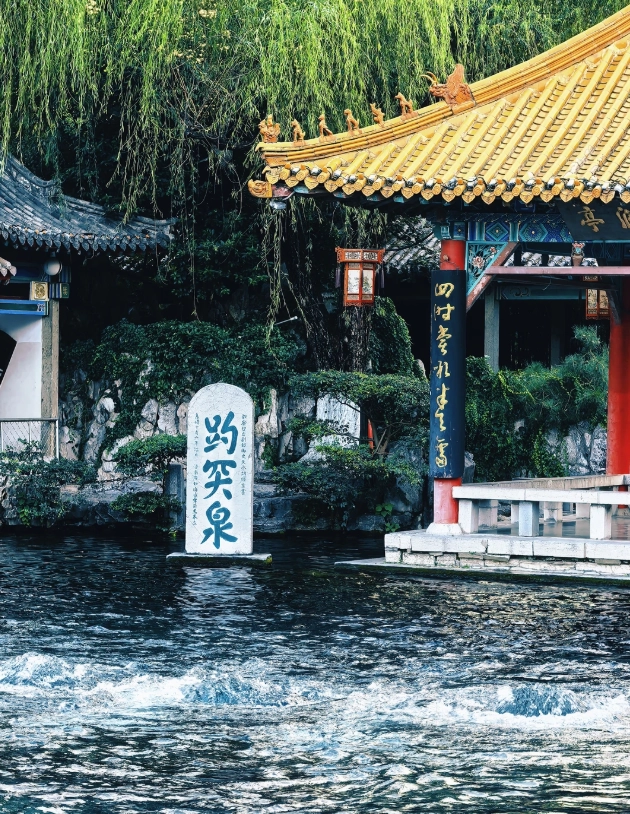
- 06:30 — Baotu Spring Park at opening. Entry runs about CNY 40. The tour groups arrive at nine, and by then the famous springs are behind a wall of phones.
- 08:30 — walk to Kuanhouli or Furong Street for breakfast: a bowl of savory 甜沫 and a flaky 油旋.
- 10:00 — high-speed train to Tai'an, about twenty minutes. Leave your bag at the station, taxi to Tianwaicun, then bus plus cable car to the summit.
- 14:00 — back at the base, quick lunch near the station.
- 16:00 — train to Qingdao, roughly two hours.
- 19:00 — check in near the Old Town, walk the Zhanqiao Pier area after dark when it finally empties, eat clams and drink draft beer.
Rain plan: swap Mount Tai for the Shandong Museum in Jinan. It's free, enormous, and one of the strongest provincial collections in the country. If your knees complain on the steps, drop the mountain and give Qingdao a full day instead.
Trains, Didi, and the Apps That Actually Work
Rail is the only transport decision that really matters here. Everything else — taxis, metro, buses — is short and cheap enough that you can improvise.
Booking High-Speed Rail Without Reading Chinese
Buy through Trip.com or the official English interface of 12306, and enter your passport number exactly as printed. One wrong digit and the gate machine rejects you.
- Your passport is your ticket. At most Shandong stations you tap it at the gate; at older or smaller stations you queue at a staffed window for a manual check.
- Arrive forty minutes early. Security lines at Jinan West and Qingdao North get long on Friday afternoons and the first day of any public holiday.
- Second class is fine for these distances. First class costs roughly sixty percent more for a slightly wider seat and no real time saving.
- Check your station name twice. Qingdao has three main stations and they sit far apart. Jinan West is not Jinan station.

Getting Around Towns: Didi, Metro, Taxis
Drop every assumption you have about Google Maps before you land. It is inaccurate in mainland China and will cheerfully route you to the wrong bank of a river. Apple Maps behaves reasonably well, and Amap Global, the English mode of the local map app, is what I keep on my own phone.
- Ride-hailing: Didi inside the Alipay mini-program is the smoothest option for foreigners. You see the fare up front and the driver's plate number.
- Taxis are metered and honest in Shandong, but drivers rarely speak English. Have your destination written in Chinese characters on your screen and simply show it.
- Qingdao's metro is clean and cheap, and Line 3 links the rail station with the Old Town area.
- Jinan's metro is newer and less useful for sightseeing. Taxis between Baotu Spring, Daming Lake and Kuanhouli are short and cost very little.
Pro Tip: When a driver turns around and asks which road to take, just say the fastest one. In practice they'll swing onto the elevated expressway and you'll save fifteen minutes and a lot of hand gestures.
Mount Tai Solo: Tickets, Timing, and the Crowd Trap
Mount Tai is not a mountain you can wing on the day. It's the most climbed peak in China, and on a sunny weekend the summit plaza holds more people than some towns. Entry is sold against a daily quota, and during national holidays those quotas fill days in advance.
There are two sensible approaches. The Hongmen route starts at the Red Gate in town and climbs the classic stone staircase — expect four to six hours up if you're reasonably fit. The Tianwaicun route takes a bus to the Midway Gate of Heaven, and from there you either climb the remaining steps or ride the cable car. For a solo traveler with limited time, Tianwaicun is the version I recommend.
Entrance runs roughly CNY 115 to 130 depending on season, with the bus and cable car charged separately. Those numbers move, so confirm on Trip.com or the official Taishan ticketing account before you travel rather than trusting a screenshot.
- Bring a charged phone and some cash. Small stalls near the summit charge premium prices and a few only accept mobile payment.
- The top is colder than you expect, often by eight to ten degrees. A thin jacket in summer is not enough at dawn.
- Lockers exist at the base, and Tai'an railway station has left-luggage service if you're passing through.
- Toilets near the main ticket office queue badly in peak season. Use the one at your hotel or the station before you go up.
Should You Climb at Night for the Sunrise?
I'll say the unpopular thing: skip the night climb on your first trip to China. Everyone does it, which is exactly the problem. You end up in a slow-moving river of headlamps on the stairs, then stand shoulder to shoulder on a windy summit at four in the morning waiting for a sun that may never appear. Cloud and haze ruin that sunrise more often than the photographs suggest.
A better plan: climb in the morning, ride the cable car down by mid-afternoon, and spend the evening in Tai'an eating tofu stew and letting your legs recover. If you're set on sunrise, book a summit hotel months ahead, sleep up there, and walk out ten minutes before dawn. It costs more, but you get the view without the crush.
Qufu: The Three Confucius Sites Without the Tour Buses
The Temple, Mansion and Cemetery of Confucius are three separate sites, and most visitors only see two. The cemetery, Kong Lin, sits about three kilometers north of town, and it's the quietest, strangest and most beautiful of the three. Skip it and you've missed the point. UNESCO lists the whole ensemble as a World Heritage site, and walking those cypress avenues feels nothing like a Chinese tourist attraction.
How to See All Three Sites in One Day
Work in this order: Temple, Mansion, then Cemetery. The Temple and Mansion sit side by side, and the tour buses hit them between roughly 9:30 and 11:00. Start at opening, usually around 8:00, and you'll have the main courtyards almost to yourself for the first hour.
- Combined ticket: roughly CNY 140 to 150 for all three sites. Verify at the gate or on Trip.com. Student and senior discounts require physical ID.
- Cemetery transport: a taxi from the temple area costs about CNY 10 to 15, and the driver will usually wait if you ask. A local bus also runs, but the stop names are Chinese-only.
- Best light: morning for the Temple's stone lions and gateways, late afternoon for the cemetery's cypress tunnels.
- Food: eat near the Drum Tower between sites, and order one dish rather than three. Qufu portions are enormous.
Qingdao Solo: Beer, Coastline, and the Light You Want
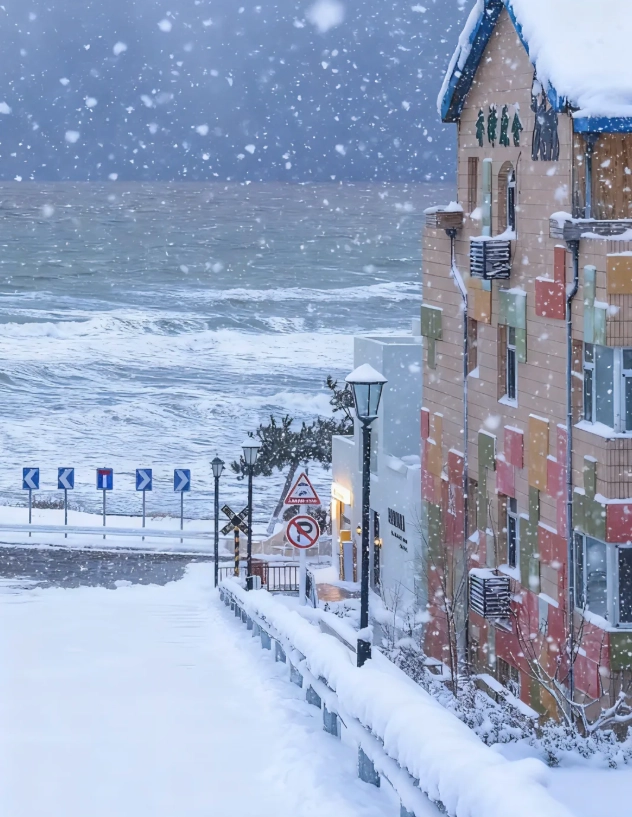
Qingdao is a morning city pretending to be a beach city. Get up early and it's one of the most photogenic places in northern China. Sleep in and you'll spend the day queuing.
- Zhanqiao Pier and St Michael's Cathedral: be there by 7:30. By ten, the pier is a wall of selfie sticks and the cathedral square is worse.
- Badaguan: walk from Taipingjiao toward the No. 2 Bathing Beach. Some villas charge a small entry fee; the streets themselves are free and that's where the photographs live.
- Signal Hill Park: my pick for sunset in the Old Town. A tiny entrance fee and a five-minute climb.
- Tsingtao Brewery Museum: the original site on Dengzhou Road, around CNY 60 with tastings included. Go early afternoon while the tour groups eat lunch.
- Beer Street: buy draft beer in a plastic bag and drink it within the hour. It's unpasteurized and goes flat fast.
Now the honest downsides. The water at the central city beaches is not the turquoise you see in brochures — Shilaoren is better but jammed through August. The old German architecture district has been commercialized hard, with the same fridge magnets in every doorway. And on summer weekends the beer street gets loud enough that you'll want earplugs back at your hotel.
Where to Stay in Shandong as a Solo Traveler
Book a chain for your first two nights, then experiment once you know the rhythm. A handful of small guesthouses still can't register foreign guests, and discovering that at ten at night with a backpack on is genuinely miserable. Bigger brands handle the paperwork without you asking.
| Property Type | Where | Typical Solo Rate Per Night | Why It Works |
|---|---|---|---|
| Atour Hotel | Qingdao Old Town or Jinan Quancheng Road | CNY 400 to 650 | Design-forward rooms, strong Wi-Fi, front desks that know how to register a foreign passport |
| Holiday Inn Express | Jinan West Station area | CNY 350 to 500 | Five minutes on foot to the rail station for early departures |
| Hanting or Hi Inn | Tai'an station, Qufu East | CNY 170 to 300 | Cheap, clean, luggage storage, minimal English spoken |
| Old Town hostel dorms | Qingdao, near Zhanqiao | CNY 60 to 130 per bed | Easiest way to meet other travelers who speak English |
Rates roughly double during Golden Week and the May holiday, and hostel beds disappear first. If your dates are flexible, avoid those weeks entirely. If they aren't, book four to six weeks out.
What to Eat Alone in Shandong
Shandong food is the reason I stopped scheduling big lunches on this route. Portions are built for sharing, and a solo traveler ordering three dishes wastes half the table.
- Jinan: 把子肉, braised pork belly over rice — cheap, rich and everywhere. Pair it with 甜沫, a savory millet soup whose name literally means sweet foam and confuses every visitor.
- Qingdao: 辣炒蛤蜊, spicy stir-fried clams, plus mackerel dumplings. Eat them with draft beer rather than tea.
- Zibo: the barbecue that made the city famous — small skewers, a thin pancake, scallion and a smear of sauce. Weekend waits can run past an hour.
- Tai'an: tofu dishes and mountain vegetables. Light, cheap and exactly what you want after a climb.
Ordering survival kit: ask for a small portion and point at what you want. Many restaurants use QR-code menus in Chinese only — camera translation works, but asking the server to order for you is faster. Shandong servers are blunt but genuinely kind. International cards almost never work in small restaurants, so keep Alipay, WeChat Pay or cash ready.
Money, Apps, and the Small Disasters That Ruin Trips
Set up Alipay and WeChat Pay before you fly, not after. Both accept international cards now, and both can take a few days to verify. Doing it at the airport on patchy Wi-Fi is a wasted afternoon.
- Cash is legal tender and must be accepted, but small vendors often can't break a 100-yuan note. Carry twenties.
- Credit cards work at big hotels and chain stores, and basically nowhere else.
- Install a VPN before arrival, and download offline translation packs. Apple Translate and Baidu Translate both function without a connection.
- Almost every major attraction requires a real-name reservation with your passport number. Trip.com and Klook are the friendliest booking platforms for foreign travelers.
- Bring the medications you need. Pharmacies sell basics, staff rarely speak English, and 24-hour pharmacies are uncommon outside hospital areas.
And here's the part most guides leave out. Booking Mount Tai or the Confucius Temple through a Chinese-only mini-program is a genuine headache, and I say that as someone who does it constantly. Hand your passport and your phone to your hotel front desk and ask them to book it. They do this for guests every day and it takes them four minutes. That isn't laziness — it's using local knowledge instead of fighting it.
Questions I Get Asked Every Week
Is Shandong safe for a solo female traveler at night?
Shandong is one of the calmer provinces I work in. The realistic issues are minor: drunk men on Qingdao's beer street on a Saturday, and the occasional overly helpful stranger at a train station offering to operate the ticket machine for you. Ignore both and keep walking. I've had clients wander Qufu alone at ten at night without a single problem, though I'd still suggest sticking to lit streets in any unfamiliar city.
Can I manage Shandong solo travel with only Alipay and no cash?
Carry about CNY 300 in cash as insurance anyway. Alipay occasionally flags foreign accounts and asks for re-verification, and it always happens at the worst possible moment — a mountain ticket window or a rural bus stop. Cash also saves you when a small noodle shop's QR code belongs to a personal account that won't accept foreign cards.
Do I really need to book Mount Tai tickets in advance?
On weekends and any public holiday, yes, and several days ahead. On ordinary weekdays you can often buy at the gate or the same morning online. The trap is assuming you can decide on the day. During peak periods the daily quota fills and the mountain simply stops admitting new arrivals, which is how people end up stranded in Tai'an with a hotel they didn't need.
How many days should I give Shandong?
Seven is the sweet spot. Two nights in Jinan, one in Tai'an for the mountain, one in Qufu, then three in Qingdao to slow down and eat properly. Five days works if you cut Qufu. Anything under four and you'll spend the whole trip in stations and taxis.
Will anyone speak English outside the hotels?
Assume no in restaurants, taxis and ticket offices. Translation apps plus a screenshot of your destination in Chinese characters solve about ninety percent of daily friction. Learn three phrases — hello, thank you, how much — and people warm up instantly, often faster than you expect.
Verified and fact-checked by the editorial team.



No comments yet.