 Yan Zhou
Quick Lay of the Land
Two hours. That's how long a traveler from Melbourne stood frozen at Jinan West Railway Station one crowded morning. The space in her passport name didn't match the space in her booking.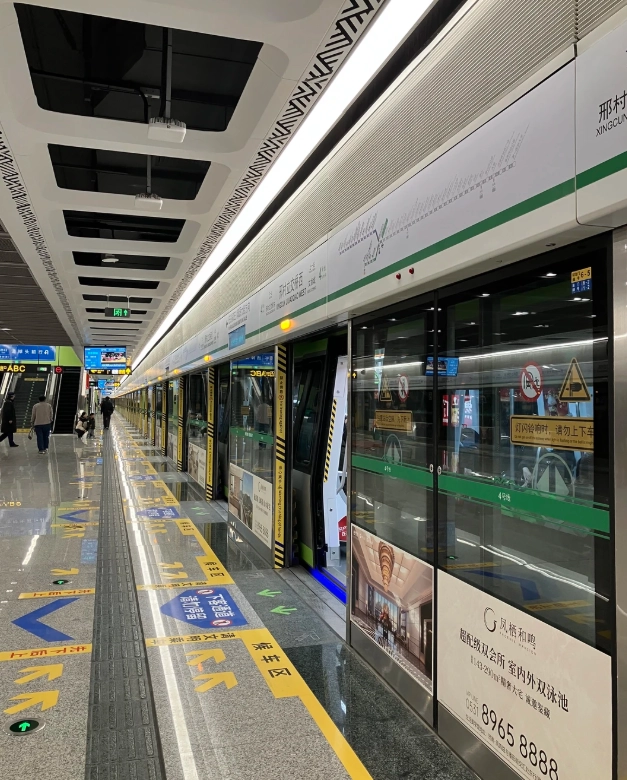
The train left without her. The next one to Tai'an rolled out ninety minutes later.
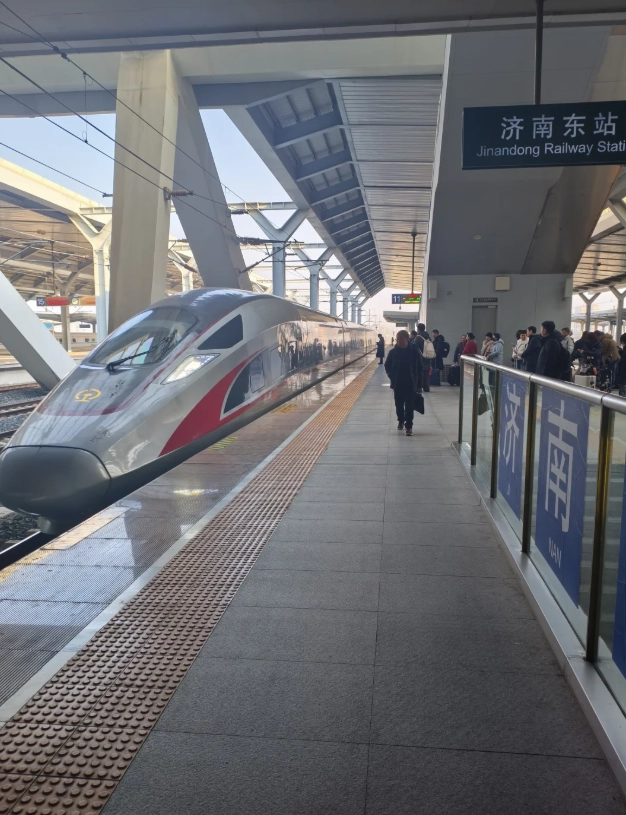
I've watched that scene play out more than once, and it has nothing to do with the trains being bad. Shandong public transportation is genuinely among the best in China — clean, punctual, absurdly cheap. The friction lives in the booking layer. International cards fail on some Chinese apps. Ticket machines want a mainland ID. Google Maps cheerfully points you at a metro entrance that got walled off two years ago.
So here's the verdict before you scroll: book every Shandong high-speed rail leg through Trip.com at least three days out, then collect a paper ticket at the counter with your passport — don't gamble on the e-ticket QR gate if your ID is a foreign passport. And ride the Qingdao Metro between 10am and 4pm if you want an actual seat.
That's the short version. The rest is the part nobody writes down.
Why Shandong's Rail Network Beats Flying
Shandong looks like a hand on the map. A fat palm in the west around Jinan, then fingers reaching east to Qingdao, Yantai, and Weihai. The temptation is to book cheap domestic flights between those fingers. Resist it.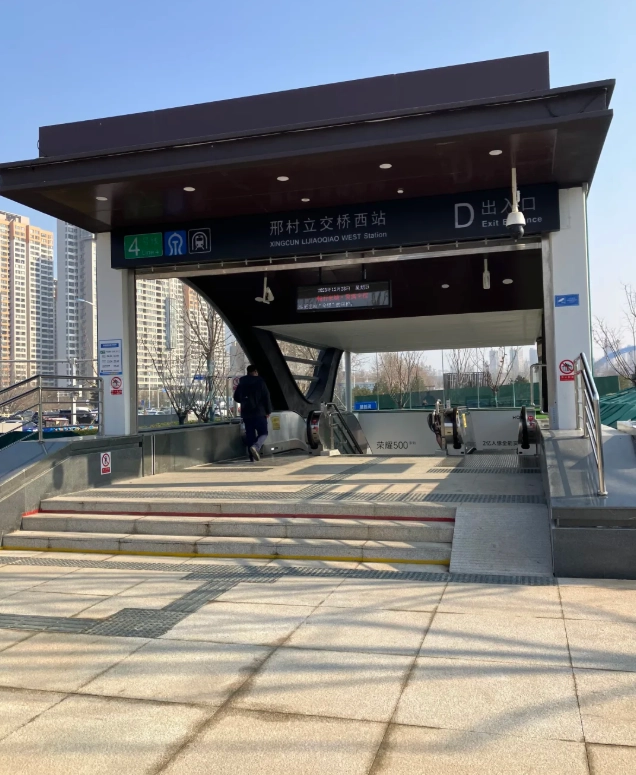
The high-speed rail spine that actually moves you
The Beijing–Shanghai high-speed line cuts straight through Shandong, and the Jinan–Qingdao line is the east–west artery that ties the province together. Both are fast enough that flying becomes a hassle rather than a shortcut.
| Route | Fastest Rail Time | Typical Second-Class Fare | Best For |
|---|---|---|---|
| Jinan West to Tai'an | About 17–20 minutes | Roughly 25–35 RMB | Day trip to Mount Tai |
| Jinan West to Qufu East | About 35–45 minutes | Roughly 60–80 RMB | Confucius sites in one day |
| Jinan to Qingdao | About 1 hr 40 min to 2 hr 20 min | Roughly 120–170 RMB | Cross-province hop |
| Qingdao to Yantai | About 1 hr 30 min | Roughly 90–110 RMB | Coastal loop |
Fares shift with train class and season, so treat those numbers as a planning baseline and check live pricing on the official China Railway 12306 platform before you commit.
The airport reality check nobody mentions
Jinan and Qingdao both moved their main airports far outside the city, which quietly adds two hours to any so-called quick flight. Jinan Yaoqiang International sits roughly 40 km northeast of downtown. Qingdao Jiaodong International is a similar distance from the old town.
Do the math on Jinan to Qingdao. Flight time is under an hour. Getting to the airport, checking in ninety minutes early, landing, then riding into the city eats three to four hours. The train does the whole job in two, station to station, with your luggage never leaving your side. I've had clients insist on flying this route exactly once. They took the train home.
How Do You Buy Train Tickets as a Foreigner?
Three channels work for foreign passports, and they are not equally painful.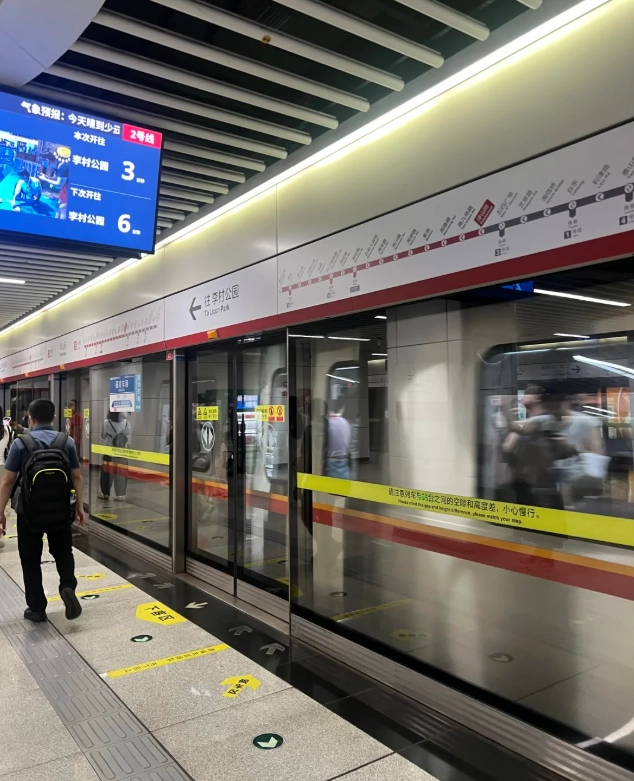
12306, Trip.com, or the counter
The official 12306 app now has an English interface and accepts foreign passports. It's the cheapest option because there's no markup. It's also the clunkiest — verification can take a day, and the app sometimes logs you out mid-purchase. I use it when I'm booking weeks ahead and have time to fight with it.
Trip.com charges a small booking fee and handles foreign cards without drama. For a two-week trip with four or five rail legs, that fee buys you a lot of peace of mind. Book three to five days ahead for popular morning departures; Jinan to Qingdao on a Friday evening sells out fast.
The station counter works, and staff at major stations like Jinan West usually have enough English to get you through. Bring your passport. Bring the booking number if you already paid online. The catch is the queue — at Jinan West, the ticket hall can run 20 to 30 minutes on a holiday weekend.
Insider Advice: If you booked online and your train departs from a small station like Qufu East or Tai'an, collect the paper ticket the day before at a big station. Small-station counters close earlier than you'd expect, and self-service machines reject foreign passports more often than not.
What actually happens at the gate
Most foreign travelers cannot use the automatic e-ticket gates, even when the booking is fully digital. The gates read mainland ID chips. Your passport has no chip the gate can read.
Look for the staffed lane at the far left or far right of the gate bank. Hand over your passport and your paper ticket, or just your passport if the system has your booking linked. It takes fifteen seconds. It also means you should arrive 30 minutes before departure rather than sprinting in at minute five.
One more thing worth knowing before you travel: China's entry and visa-free transit rules change more often than most travel blogs bother to update. Check the National Immigration Administration site before you fly.
Jinan and Qingdao Metro: Fares, Apps, and Exit Traps
Only two cities in Shandong have a metro worth planning around, and they carry most of the tourist load on Shandong public transportation. Everything else runs on buses and DiDi.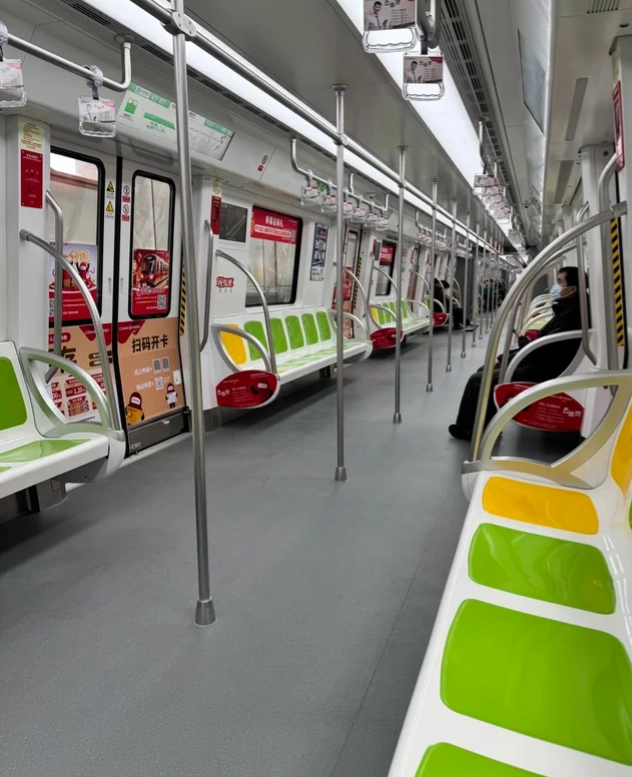
Jinan Metro — useful, but thin
Jinan's metro is clean and cheap, but the network is still small enough that you'll pair it with taxis. Line 1 runs out to the western suburbs and stops at Jinan West Railway Station, which is genuinely handy when your high-speed train dumps you there. Line 3 serves Jinan East Railway Station. Line 2 stitches the two together across town.
Fares start at 2 RMB and rarely pass 8 RMB. Buy a single-journey token from the machine — most now accept Alipay and WeChat Pay scans, and some take cash. If the machine spits an error at your passport, walk to the staffed window instead. It happens, and it isn't your fault.
Qingdao Metro — the one you'll actually live on
Qingdao's metro is the best tourist transport in the province, and Line 3 alone covers most of what you came for. It links Qingdao Railway Station with Qingdao North Railway Station and passes May Fourth Square on the way.
Line 2 hits May Fourth Square and the Shilaoren beach stretch. Line 11 heads northeast toward the Laoshan area with a stop near Beijiushui. Line 8 connects Qingdao North Railway Station to Jiaodong International Airport, which is the single most useful metro ride in Shandong for anyone flying in or out.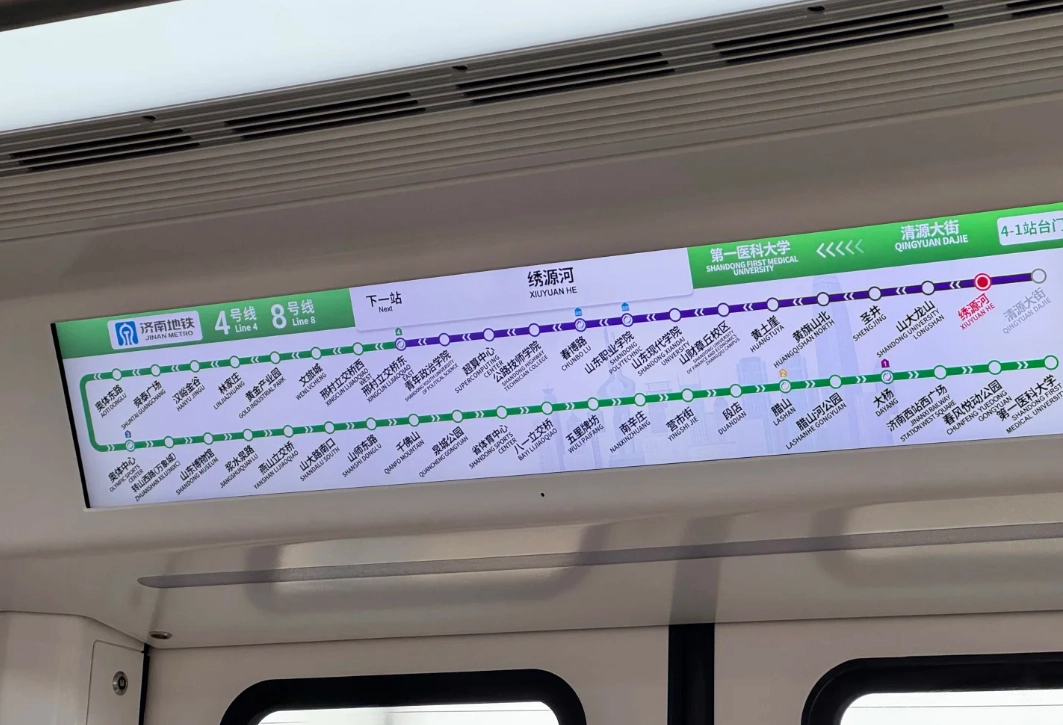
| City | Base Fare | English Signage | Airport Connection | Best For |
|---|---|---|---|---|
| Jinan | 2 RMB | Yes, on all lines | No direct metro link to Yaoqiang Airport | Rail hub transfers |
| Qingdao | 2 RMB | Yes, on all lines | Line 8 to Jiaodong Airport | Coastal sightseeing |
Pro Tip: Qingdao Metro Line 3 between Qingdao Railway Station and May Fourth Square is standing-room-only from 7:30 to 9am and again from 5:30 to 7pm. I always tell my clients to shift that ride to mid-morning or after 7:30pm. Same trains, half the people, and the light on Zhanqiao Pier is better anyway.
Exit numbering is the real trap. Qingdao Railway Station and May Fourth Square both have long underground passages with double-digit exit counts, and the wrong exit can put you on the far side of a six-lane road. Screenshot the exit letter from the metro app before you descend. Station signage is bilingual, but the street-level signs are not always.
Buses, DiDi, and Airport Transfers
City buses: cheap, frequent, and slightly confusing
Shandong city buses cost 1 to 2 RMB flat and run late into the evening in Jinan and Qingdao. You pay with an Alipay or WeChat transport QR code, not cash — drivers rarely carry change.
Route numbers matter less than you'd think. What matters is that announcements are in Mandarin only, and the stop names on the bus don't always match what your map app shows. Watch the moving dot in your map app and get off one stop early rather than late. Walking an extra block beats overshooting by a kilometer.
DiDi versus street taxis
DiDi is the local ride-hailing app and it has an English interface. Link an international card and it works. If your card gets rejected, open Alipay, go to the Transport section, and hail through the DiDi mini-program there — Alipay's foreign-card support is more forgiving than DiDi's own app.
Street taxis are fine in Jinan and Qingdao. Metered, cheap, and plentiful. The airport taxi queue at Jinan Yaoqiang after 10pm is a different story — long, disorganized, and full of drivers who'd rather negotiate a flat fare than run the meter. Walk to the official taxi rank sign and insist on the meter. Or just open DiDi and wait indoors.
Qufu is the one place where I'd skip street taxis at the station. Drivers cluster around the exit and quote whatever they think you'll pay. Use DiDi or agree on a price before you get in.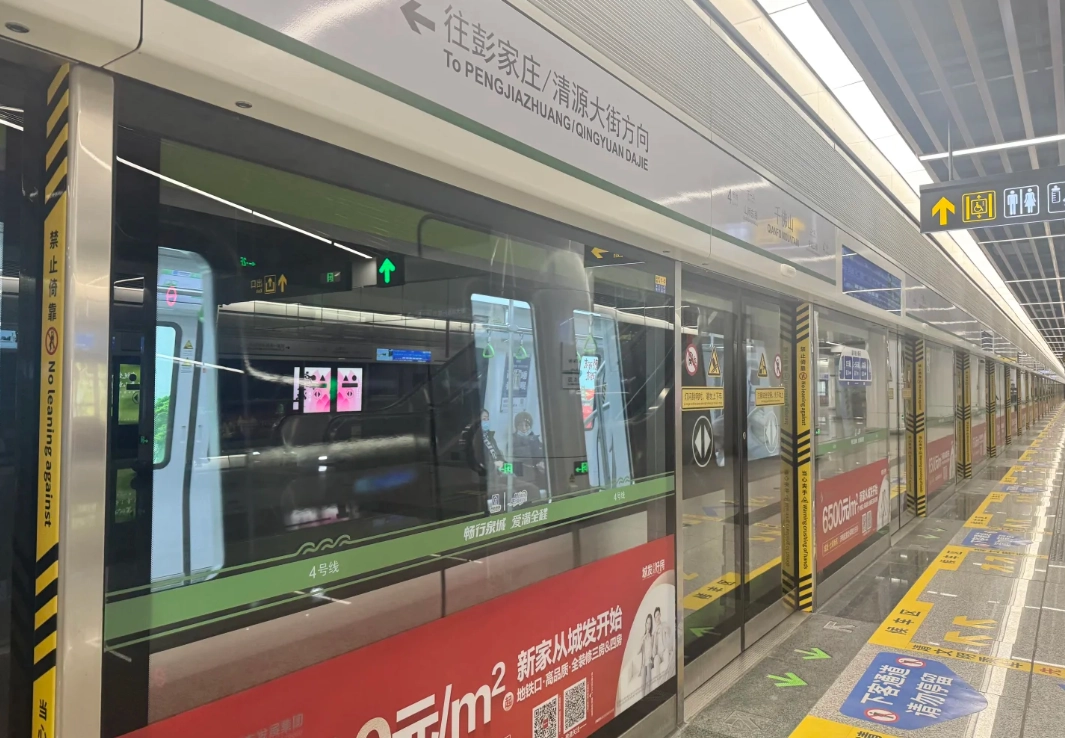
What a Real Shandong Transit Day Looks Like
Numbers on a page don't tell you whether a plan is actually doable. Here's one that is.
A 24-hour Jinan-to-Tai'an run
Mount Tai is doable as a day trip from Jinan, but only if you take an early train and start walking from the Red Gate instead of queuing for the cable car.
Leave Jinan West on a 7am departure. Seventeen minutes later you're at Tai'an Station — and here's the detail that trips people up: Tai'an Station is the high-speed station, about 10 km west of the mountain. Taishan Station is the older downtown station, much closer to the Red Gate. They are not the same place. Check which one your ticket names.
From Tai'an Station, a DiDi to the Red Gate area runs about 15 to 20 minutes and roughly 20 to 30 RMB. City buses also run the route for 2 RMB if you have an Alipay transport code ready and aren't in a hurry.
Start walking up around 8:30am. The first stretch to the Midway Gate is stone steps the whole way, and it's the part that breaks people who went too fast on the flat. Rest at the Midway Gate, eat something hot, then decide: cable car or more steps. Come down by mid-afternoon and you'll catch a train back to Jinan before dinner.
The mountain carries UNESCO World Heritage listing status, and the crowds reflect it. Golden Week weekends on the upper steps are genuinely unpleasant.
Insider Advice: The toilet block just past the Red Gate ticket office has the longest queue on the mountain because everyone stops there out of habit. Walk five more minutes to the next one. It's cleaner and half empty.
When the weather turns
Shandong summers bring sudden afternoon thunderstorms, and a stone staircase in the rain is a bad idea, not a character-building one. Swap Mount Tai for the Dai Temple at the foot of the mountain — covered halls, the same history, and no risk of a slip. In Jinan, the Shandong Museum and the teahouses around Daming Lake make a solid wet-weather half day.
In Qingdao, rain is your excuse for the Tsingtao Brewery Museum and a long lunch. The museum is mostly indoors and the tasting room at the end is the reason people go.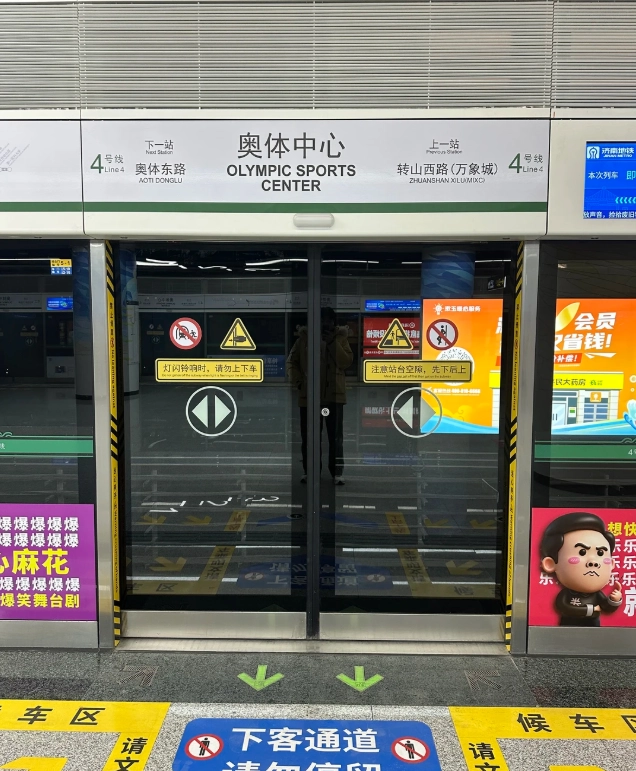
Setup Before You Land
Ninety percent of Shandong public transportation pain is solved before you board your flight.
- Install Alipay and WeChat Pay, and link a card that doesn't charge brutal foreign transaction fees. Test a small payment before you fly.
- Download a VPN before you arrive, not after. Most VPN providers are blocked from inside China, so you cannot install one once you're there.
- Skip Google Maps for ground navigation. It's inaccurate in China. Apple Maps works reasonably well, and the AMap Global app handles English place names and transit routes.
- Screenshot every hotel address in Chinese characters. Handing a driver a Chinese address on your phone screen is the fastest way to get anywhere.
- Carry 200 to 300 RMB in cash for the rare machine or bus that won't take a phone. It's a backup, not your main wallet.
- Download a translation app with offline Chinese. Apple Translate and Baidu Translate both work. Menus at small bus-station noodle shops have no English.
One honest complaint: the digital layer in China is genuinely harder for visitors than for locals, and pretending otherwise wastes your time. Ticket machines that reject foreign passports, mini-programs that only run in Chinese, apps that log you out at the worst possible moment — all real. The workaround is simple and slightly humbling: ask the hotel front desk to help. They book tickets for foreign guests constantly and they're faster at it than you'll ever be.
Questions I Get Asked Every Single Trip
My passport won't scan at the station gate. What do I do?
Walk to the staffed lane at the edge of the gate bank and show your passport plus your booking confirmation. Automatic gates read mainland ID chips, and foreign passports usually don't work. Budget an extra 20 minutes the first time, then it becomes routine. If you're at a small station and no staffed lane is open, ask at the information desk and they'll open one for you.
Is the Qingdao Metro usable if I don't read Chinese?
Better than almost any other transit system in China. Station names, line maps, and exit signs are bilingual, and the ticket machines have an English toggle. The gap is street-level signage after you exit, so screenshot your walking route before you go underground. Line 3 and Line 2 cover the vast majority of tourist stops.
Can I tap an international credit card directly on Shandong public transportation?
Not on metros or buses. Contactless bank cards aren't accepted at the fare gates. You'll use a single-journey token bought with Alipay or WeChat Pay, a transport QR code inside those apps, or cash at a staffed window. Keep the physical card for hotels and larger restaurants, not for transit.
What's the biggest mistake foreigners make with Shandong public transportation?
Booking a flight between Jinan and Qingdao. Both airports sit far outside the city, so a one-hour flight becomes a four-hour door-to-door slog, while the train does it in two. The second biggest mistake is arriving at the station 15 minutes before departure and discovering the passport lane has a queue.
Are buses and metros in Shandong safe late at night?
Metros shut down around 10:30 to 11pm depending on the city and line, and after that you're on buses or DiDi. Buses thin out fast after 9pm, so plan the last leg on DiDi. Petty theft is rare, and the bigger risk is simply getting stranded when the last bus has gone — check the final departure time for your line before you head out for dinner.
Verified and fact-checked by the editorial team. Fares, timetables, and entry policies change, so confirm current details on the official 12306 platform and your city's metro app before you travel.


No comments yet.