 Fang Wang
Quick Navigation
Let me guess — you have a 6-hour layover at Pudong, maybe even 12 hours (night layover… ugh). You are staring at the departure board wondering if you can actually go out and see something. Or you are between two flights and just want a shower and a real meal. I have been guiding groups through PVG for years, and I will tell you straight: this airport is huge, the signage is sometimes confusing, and the Wi-Fi can be a pain. But with the right plan, you can turn this transit into a smooth experience — or even a mini Shanghai adventure.
First, the golden rule: you need a VPN installed before you arrive. Google Maps, WhatsApp, Instagram — all blocked. I use Astrill or ExpressVPN, but install and test before you land. Also, download Apple Maps (it works reasonably well) and Baidu Translate (for those Chinese-only menus). Alipay or WeChat Pay is king here — cash is still accepted but many counters will give you the side-eye. Get Alipay set up with your international card before you fly.
Now, let me walk you through everything you need to know about Shanghai Pudong Airport transit.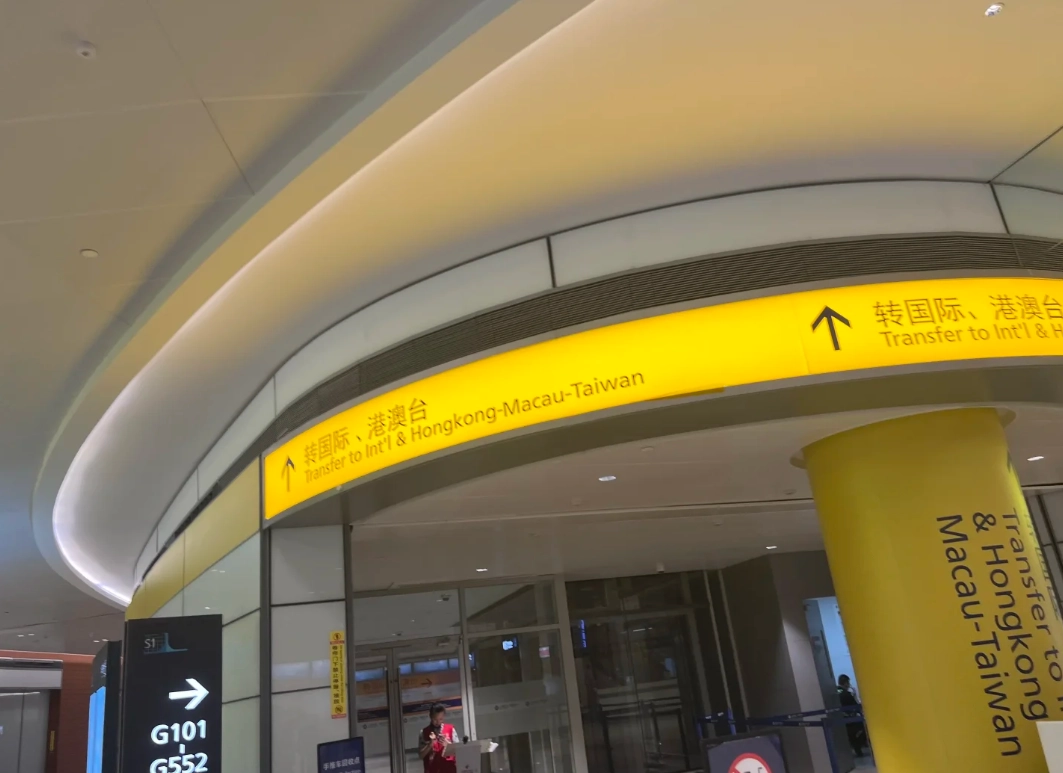
Transit Visa Basics
Before you plan anything outside the airport, check if you need a visa. China offers a 24-hour visa-free transit for most nationalities — you can stay in Shanghai city area (not beyond). For longer stays (72 or 144 hours), the policy depends on your nationality and onward destination. The official rule: you must hold a ticket to a third country (not the one you came from).
I have seen travelers denied because their layover was 23 hours but they planned to go to Suzhou (outside Shanghai). The 24-hour visa-free only allows you to stay within Shanghai municipality. If you have a 144-hour visa, you can visit nearby cities like Hangzhou or Nanjing. Always confirm with the airline or check the official Trip.com visa info.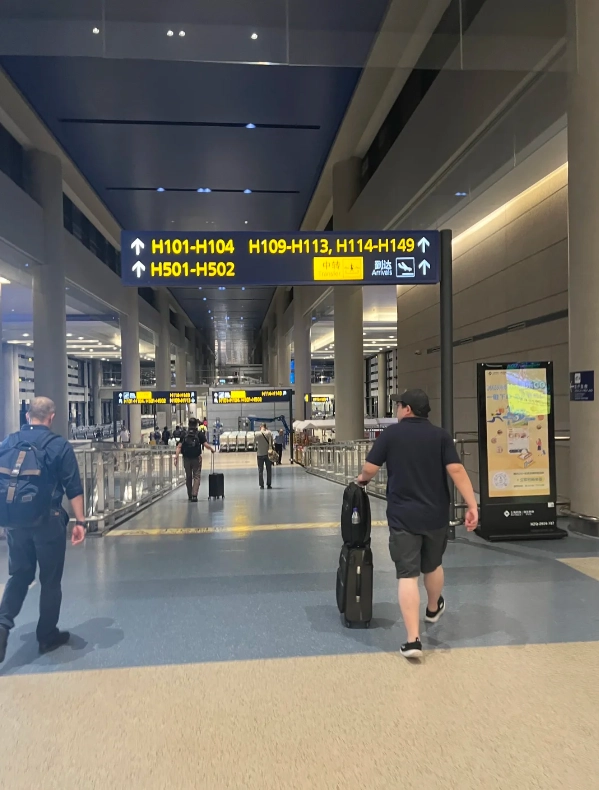
PVG Terminal Navigation
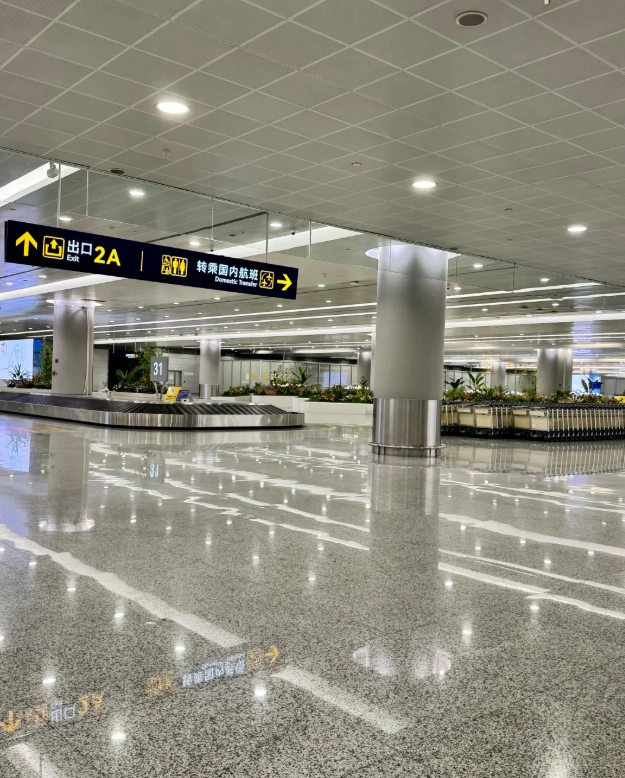
Pudong has two main terminals (T1 and T2) plus the satellite S1 and S2. They are connected by the Shuttle Train (free, runs every few minutes). If your connecting flight is in a different terminal, budget at least 20–30 minutes just for the transfer, plus security re-screening. The signs are in English and Chinese, but the English is sometimes tiny. Follow “Flight Connections” — do not exit unless you want to re-enter through security later.
| Terminal | Airlines (common) | Shuttle to |
|---|---|---|
| T1 | China Eastern, Shanghai Airlines, Air France, KLM | T2 via shuttle train (5 min) |
| T2 | China Southern, Air China, Delta, United, Emirates | T1 via shuttle train |
| S1/S2 | Satellite – mostly domestic but some international | Shuttle train from T1/T2 |
One thing I always tell my groups: the satellite terminals are far. If your gate is H or G, you will take a train from the main terminal. Add 10–15 minutes to your walking time. Also, the free Wi-Fi requires a Chinese phone number for the login code – a nightmare. Solution: Before you leave, download an eSIM or use the airport roaming kiosks (there is one in T1 arrivals). Or just buy a temporary SIM from the China Mobile booth.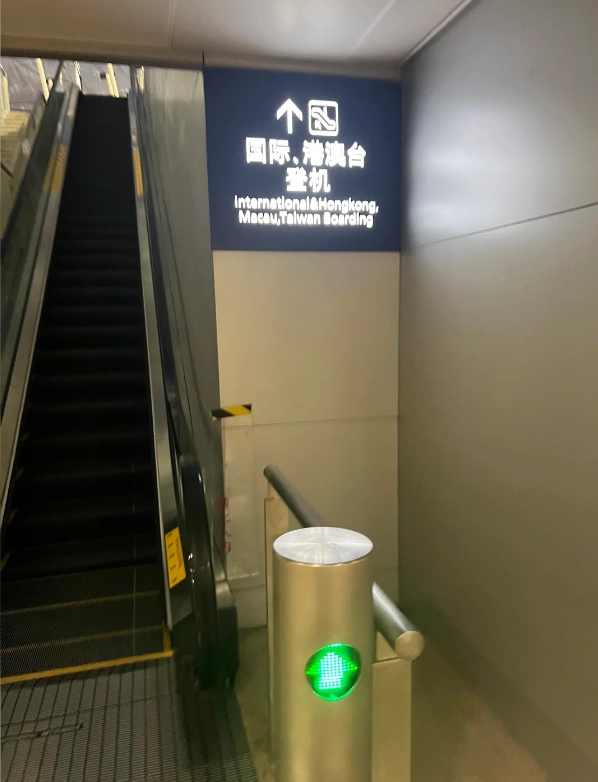
How to Leave the Airport
If you have enough time and the right visa, here are your options to get to Shanghai city center or nearby spots.
Maglev Train (Fastest)
The Shanghai Maglev hits 431 km/h (268 mph). It connects PVG to Longyang Road station, where you can transfer to Metro lines 2, 7, 16, and 18. Travel time: 8 minutes, one-way ticket 50 CNY (about $7). It runs every 15–20 minutes from 7:02 to 21:42. Tip: Use Alipay to buy the ticket at the machine (cash or WeChat works too). The maglev is convenient if you want to reach the eastern part of the city, but if you are going to West Shanghai (like Jing’an or Hongqiao), take the Metro line 2 instead.
Metro Line 2
Cheapest option: 9 CNY ($1.3) to East Nanjing Road. The ride takes about 1 hour to People’s Square. The metro is air-conditioned but can get packed during rush hours (8–9am, 5–7pm). If you have luggage, avoid peak times — you will be squeeze. Pro tip: Use Apple Maps to plan your route — it shows real-time metro schedules. And remember: you need an Alipay transport card (scan QR code at gates) or buy a single-trip token at the machine (cash accepted).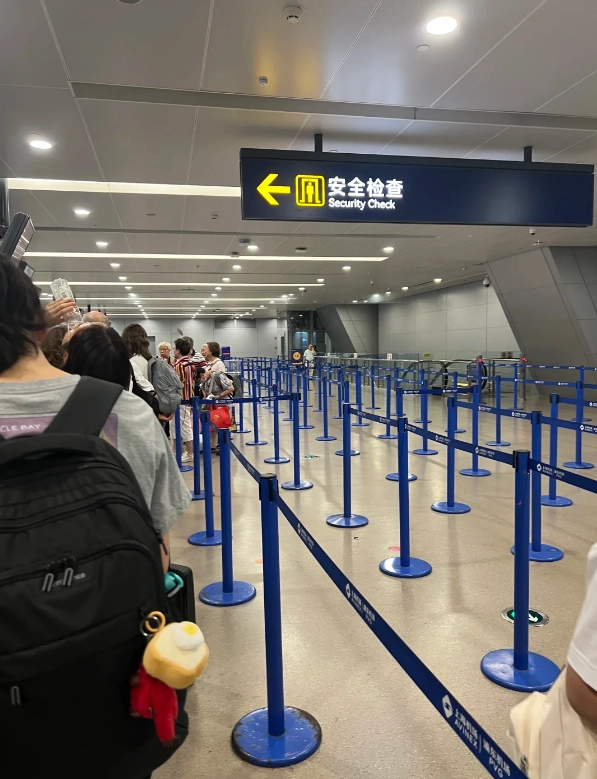
Taxi / Ride-hailing
Official taxis queue outside arrivals. To city center (People’s Square) about 180–250 CNY ($25–35). Never accept rides from touts inside — use the official taxi line. Better yet, use Didi (China’s Uber). The app is in Chinese but you can set your destination using English. Pay with Alipay. A Didi to Jing’an costs around 150 CNY. Warning: The driver may not speak English, so have your destination address in Chinese ready. I always screenshot the Chinese address from Apple Maps.
Where to Sleep in PVG
Overnight layover? You have options. The airport has transit hotels inside the secure area and some nearby.
| Hotel | Location | Price (per night) | Notes |
|---|---|---|---|
| PVG Transit Hotel (T1 and T2) | Inside security, near the transfer area | ~400–600 CNY ($55–85) | Book at the counter; rooms are small but clean. Showers available. No window but okay for a quick sleep. |
| Day Rooms (sleeping pods) | Near gate in T2 (area near food court) | ~150 CNY/hour | Available for naps; reserve at the kiosk. Quiet but you might hear announcements. |
| Pullman Shanghai Pudong Airport | Outside arrivals, connected via walkway from T1/T2 | ~700–1000 CNY | Full-service, good restaurant, pool. Need to exit security and re-enter. |
Important: The transit hotels require you to book in person unless you have a Chinese phone number to call. I always advise travelers to head to the hotel counter right after clearing security for connection, or after entering the departures area. They fill up fast, especially during Chinese holidays. If you are stuck, there are recliner chairs in some gates (near gate 23 in T2) but it is not comfortable.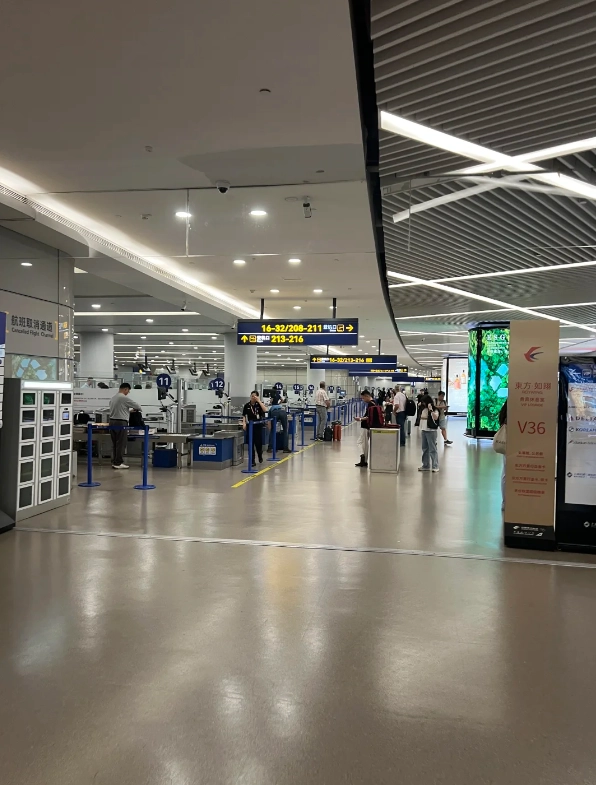
Food and Drinks
Airport food in PVG is decent but pricey. Avoid the generic fast food chains in the food court; they are overpriced. Instead, look for local options.
- Yonghe King (T2, near gate 26): Classic Chinese rice bowls and noodle soups. A bowl of beef noodles ~45 CNY. They accept Alipay and cash but not international credit cards.
- Dicos (T1, after security): Chinese-style fried chicken. Portable and cheap. A set meal ~35 CNY.
- Buddy’s Pizza (S1): Actually decent pizza if you crave Western food. ~80 CNY for a slice and drink.
- Bubble tea stands: Kinds like “Chagee” or “Coco” – a refreshing treat after a long flight. ~20 CNY.
For a real meal outside the airport, take the Maglev to Longyang Road and you will find a mall (Super Brand Mall) with a food court. Or go to the city for proper xiaolongbao (soup dumplings) at Din Tai Fung (in Lujiazui).
Quick City Trip: 6-Hour Layover Itinerary
Assume you arrive at 10am, depart at 4pm (6 hours total). Subtract 1 hour to get out (immigration, maybe 20 minutes, plus 30 minutes to city). You have roughly 4 hours in Shanghai.
Plan:
- 10:00–10:30: Exit via transit visa counter. Follow signs to Maglev station (inside the airport building, walk 10 min from arrivals hall).
- 10:30–10:40: Maglev to Longyang Road.
- 10:40–11:00: Switch to Metro Line 2, direction to East Nanjing Road. Get off at Lujiazui station (5 stops, 15 min).
- 11:00–12:30: Walk to the Bund (15 min walk from Lujiazui). Take photos of the skyline. Then grab a quick snack at a convenience store or a bowl of noodles at a local place.
- 12:30–13:00: Metro back to Longyang Road (Line 2).
- 13:00–13:30: Maglev to PVG.
- 13:30–14:00: Go through security (exiting the transit area and re-entering) – need to show passport and boarding pass. Allow buffer.
- 14:00–16:00: Relax in lounge or shop.

No comments yet.