 Yan Zhou
📌 Quick navigation
I've been guiding international travelers in China for over a decade. And every single month, I watch at least one family get turned away at immigration—not because they broke a law, but because they believed a blog post that was two years outdated.
The 240-hour transit visa-free policy is real. It's generous. But it's not the same as a tourist visa. Here's what I've learned the hard way, so you don't have to.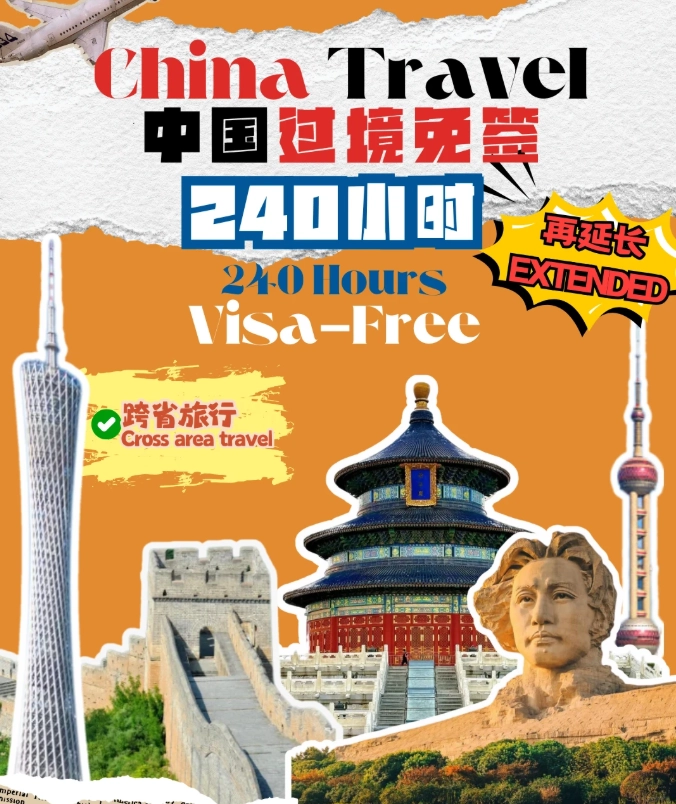
What is the 240 Hour Policy?
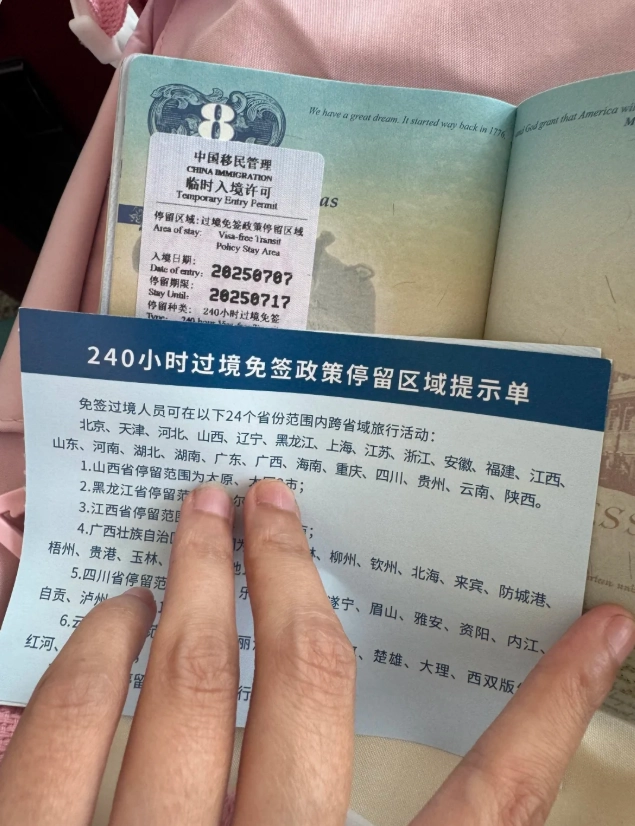
Launched in 2017 for select cities and later expanded, this policy allows travelers from 53 eligible countries to enter China without a visa—if they are in transit to a third country or region. You can stay up to 240 hours (10 days), but only within a specific administrative area.
For example, if you fly into Shanghai Pudong, you can explore all of Shanghai and the neighboring provinces of Jiangsu and Zhejiang. But you cannot fly to Beijing or Guangzhou. The area is locked based on your entry point.
| Entry Port Region | Allowed Area | Max Stay |
|---|---|---|
| Shanghai (Pudong/Hongqiao) | Shanghai + Jiangsu + Zhejiang | 240 hours |
| Guangzhou (Baiyun) | Guangdong Province | 240 hours |
| Beijing (Capital/Daxing) | Beijing + Tianjin + Hebei | 240 hours |
Remember: Ports like Hong Kong, Macau, and Taiwan count as "third regions". So a flight from USA → Shanghai → Hong Kong qualifies perfectly.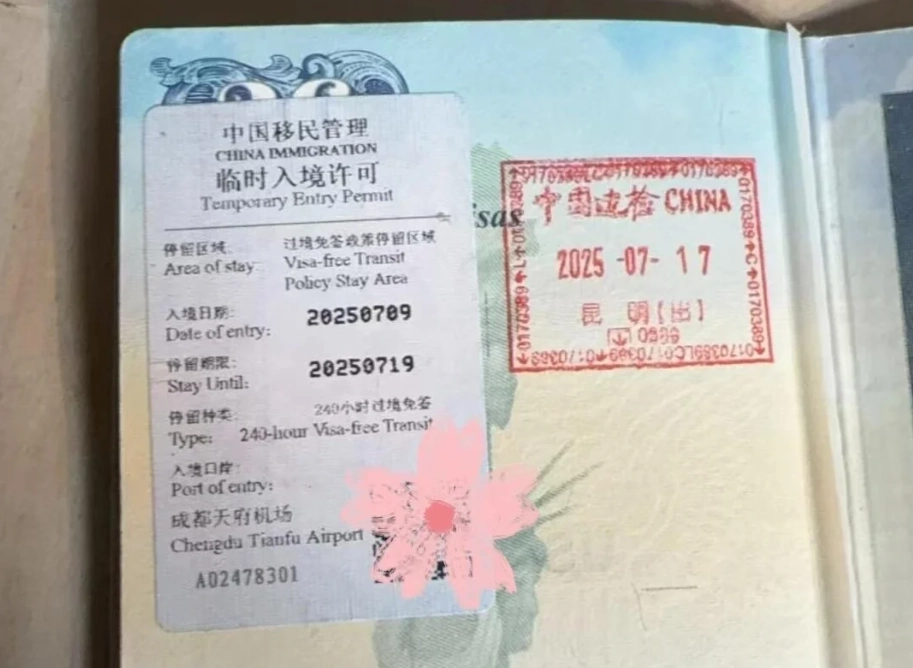
How to Qualify (Without Getting Rejected)
You need three things:
- A passport from one of the 53 approved countries (US, UK, Canada, Australia, most EU, etc.)
- A confirmed onward ticket to a third country or region, departing within 240 hours from your entry
- Arrival via one of the designated ports (usually international airports)
The biggest trap: you must have a seat booked, not just a reservation number. I've seen officers reject passengers because the ticket was still "unconfirmed". So buy your ticket before you fly.
Also, if you're coming from a country that China considers high-risk (rare after COVID but still), you might be asked for hotel bookings and a rough itinerary. Keep those on your phone.
Step-by-Step Application
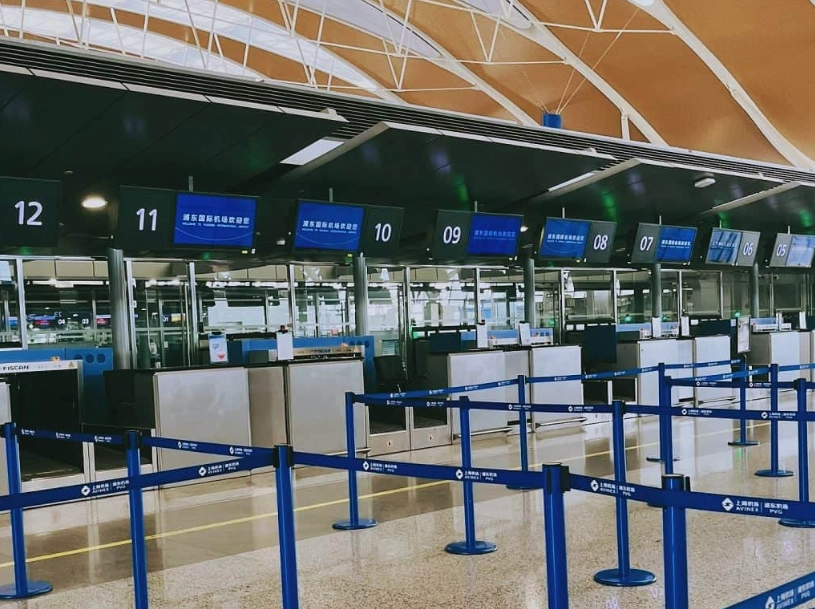
You don't apply online. You do it at the airport upon arrival. Here's the process:
- Land and follow signs to "Transit Without Visa" or "24/144/240 Hour Visa Free". Don't join the main immigration queue for visa holders.
- Fill out the blue Arrival Card (the same one used for visa-free entry). Write your final destination as the third country, not China.
- Show your passport + onward ticket. The officer may ask where you're staying. Have a hotel address ready (even a hostel name works).
- Receive a stamp that says "Transit Without Visa" with your allowed stay duration. Check the date—it's common for officers to miscalculate (240 hours = exactly 10 days from 00:00 the next day).
My 10-Day Itinerary (Shanghai + Yangtze Delta)
Assuming you fly into Shanghai Pudong, here's a relaxed plan that hits the highlights without rushing. Trust me, trying to see Beijing + Shanghai in 10 days on transit is a nightmare—I've seen people do it and they're exhausted.
Days 1–3: Shanghai
Day 1: Arrive afternoon. Take the Maglev train (300 km/h) to Longyang Road, then metro to People's Square. Check into a hotel near The Bund. I recommend the Shanghai Royalty Hotel (approx. $80–120/night) – clean, decent English, and a 5-min walk to the river. Evening walk on the Bund – go at 6pm to catch both daylight and city lights.
Day 2: Morning at the Shanghai Museum (free, but pre-book on WeChat or Trip.com – use Google Chrome's translation). Afternoon at Yu Garden ($6 entrance, crowded but worth it). Dinner at Din Tai Fung on Lujiazui – order the xiaolongbao ($12 for 10).
Day 3: Day trip to Zhujiajiao Water Town (1 hour by metro Line 17 then bus). Avoid the main entrance – walk 10 minutes to the side alleys for quiet canals. Return by 5pm for dinner at Lost Heaven (Yunnan fusion, ~$30/person).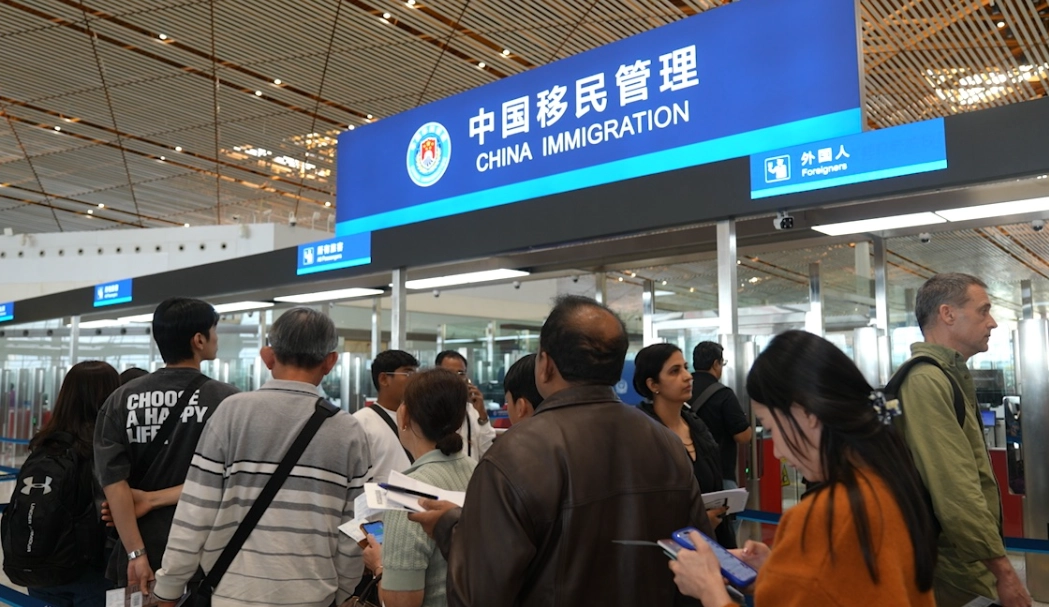
Days 4–6: Hangzhou
Take the high-speed train from Shanghai Hongqiao to Hangzhou East (1 hour, $15). Stay at Four Seasons Hangzhou if budget allows ($300+), or Home Inn West Lake for $50/night – basic but clean.
Day 4: Arrive, check in. Cycle around West Lake (rent a bike for $2/hour). Hire a private boat for $20 – the guide will tell you legends.
Day 5: Lingyin Temple ($6 entrance, arrive before 9am to avoid crowds). Afternoon: Longjing Tea Village – taste fresh dragon well tea. Don't buy from the first stall; walk 10 minutes up the hill for better quality.
Day 6: Free morning or visit China National Silk Museum (free, good English exhibits). Train back to Shanghai in late afternoon for your onward flight next day.
Days 7–10: Suzhou or Nanjing
You have extra days. Option A: Suzhou (1 hour train from Shanghai) – famous gardens like Humble Administrator's Garden ($10). Option B: Nanjing (1.5 hours) – see the Sun Yat-sen Mausoleum and Confucius Temple. I prefer Nanjing for the history.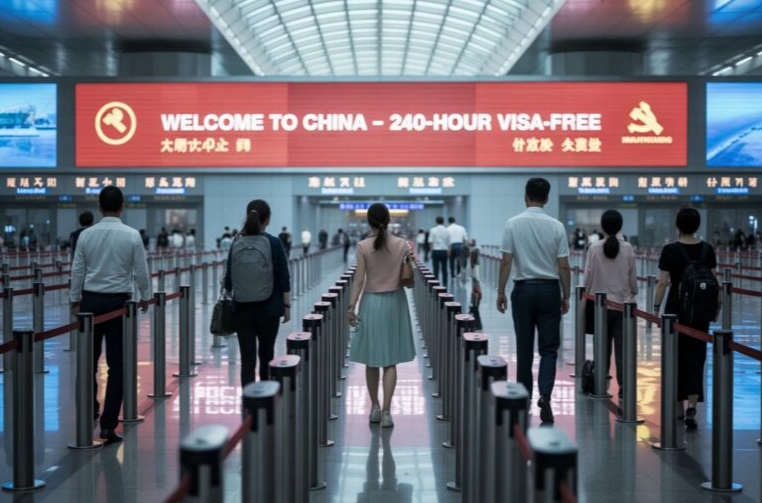
| City | Highlights | Train Time from Shanghai |
|---|---|---|
| Suzhou | Classic gardens, silk factories | 30 min |
| Nanjing | Ming tombs, night market | 1.5 hours |
3 Mistakes I See Every Week
- Believing you can enter from any city. Only certain airports operate the 240-hour program. Example: Chengdu and Chongqing have their own versions (144 or 72 hours), not 240. Check the official list at National Immigration Administration.
- Assuming you can visit multiple regions. I once had a couple from Australia fly into Shanghai and book a flight to Beijing for day 2. They were denied because Beijing is outside the allowed area. Their 240-hour visa was cancelled on the spot. Waste of $2,000 in flights.
- Not factoring in Chinese New Year/National Day. During October Golden Week, everything is packed. Last year, a guest couldn't book a single hotel within budget. If you travel during holidays (late Jan/Feb or Oct 1-7), book everything 2 months in advance.
To make your trip smoother, install these apps before you arrive:
- Alipay (with your international credit card linked) – for nearly everything
- WeChat (same) – but you can survive with just Alipay
- Google Maps works poorly. Use Apple Maps or Baidu Maps (English version).
- VPN – absolutely mandatory for accessing Google, Instagram, WhatsApp, and even WhatsApp.
- Doctranslator or Pleco for signs and menus.
FAQ: Real Answers from a Guide
Verified and fact-checked by the editorial team.
No comments yet.